
Biodiversity strategies
-
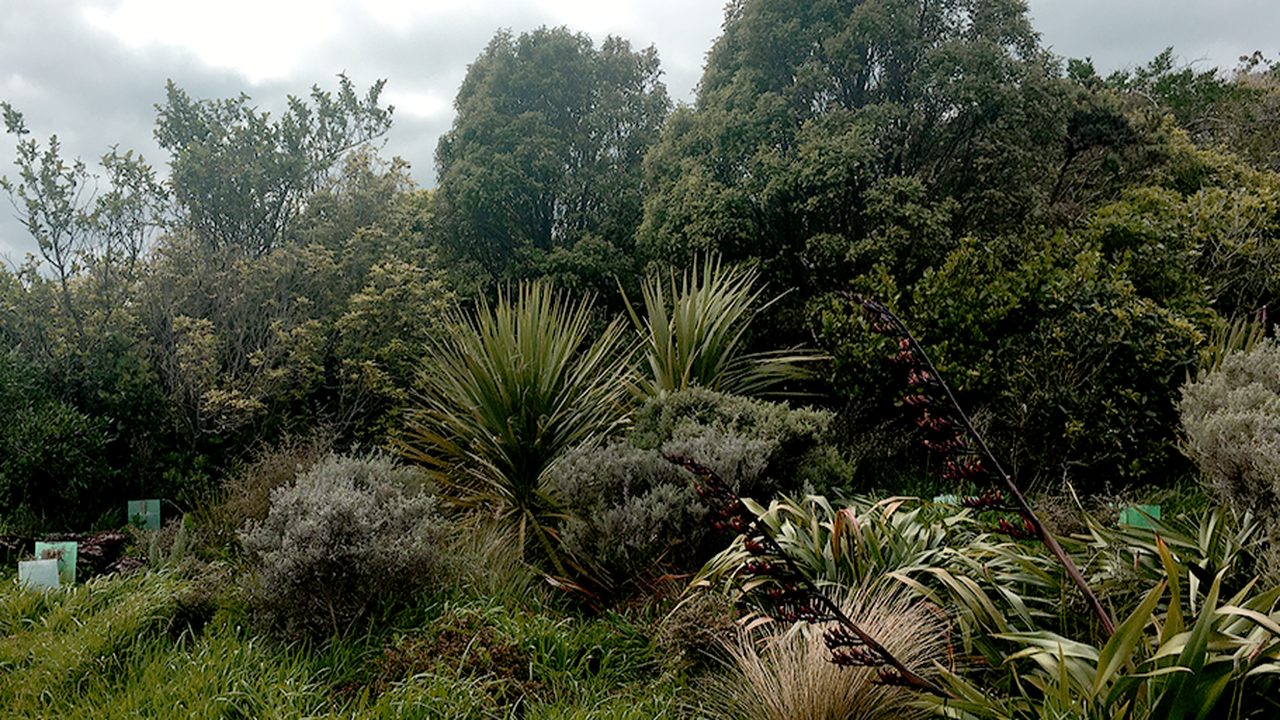
Tawatawa Reserve lizard garden
Urban reserves typically lack the rock-based microhabitats, basking surfaces, and refugia required by native skinks and geckos. Small habitat features are often implemented without site-specific monitoring, making outcomes uncertain and limiting evidence of effectiveness. A small lizard garden was established near the City to Sea Walkway, featuring arranged rock piles providing shelter, crevices, and basking…
-
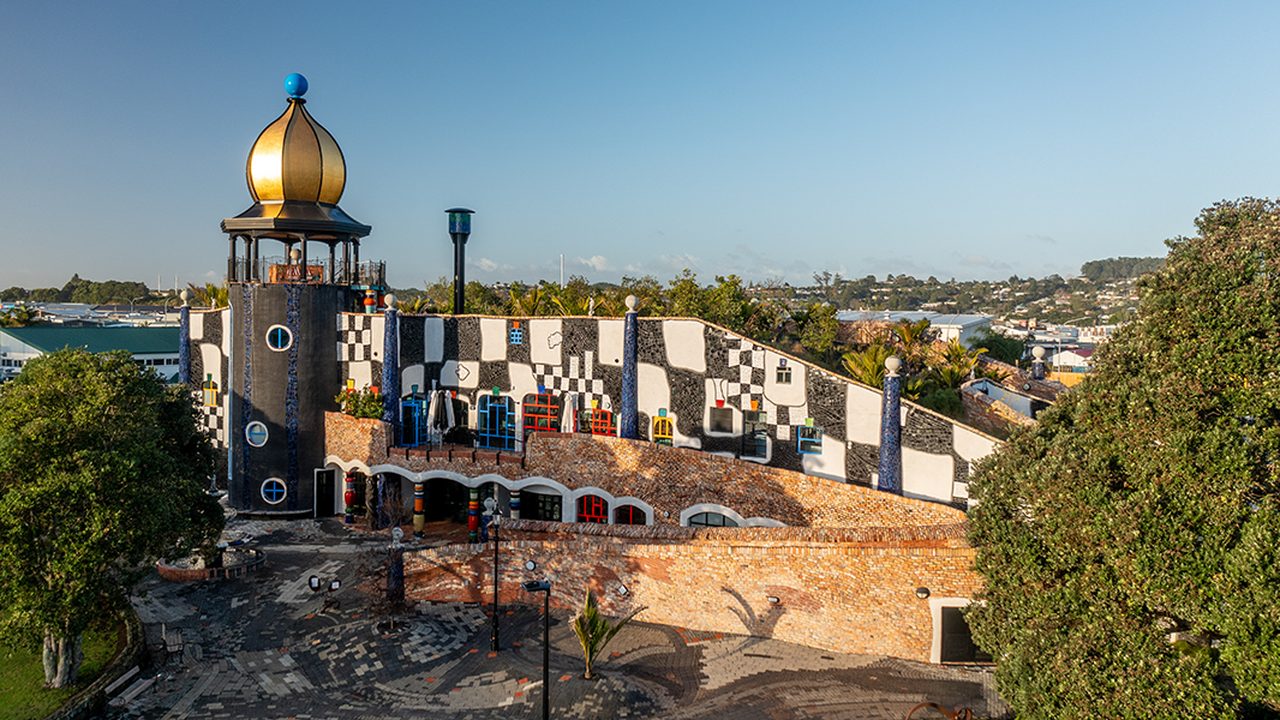
Hundertwasser Wairau Māori Arts Centre
Delivering a structurally compliant intensive green roof with complex planting on a public building required reconciliation of high substrate loads, irregular roof geometry, long-term maintenance obligations, and local climatic exposure. An intensive green roof system was integrated across the building roofscape as part of the core architectural form, covering approximately 980 m² with engineered growing…
-
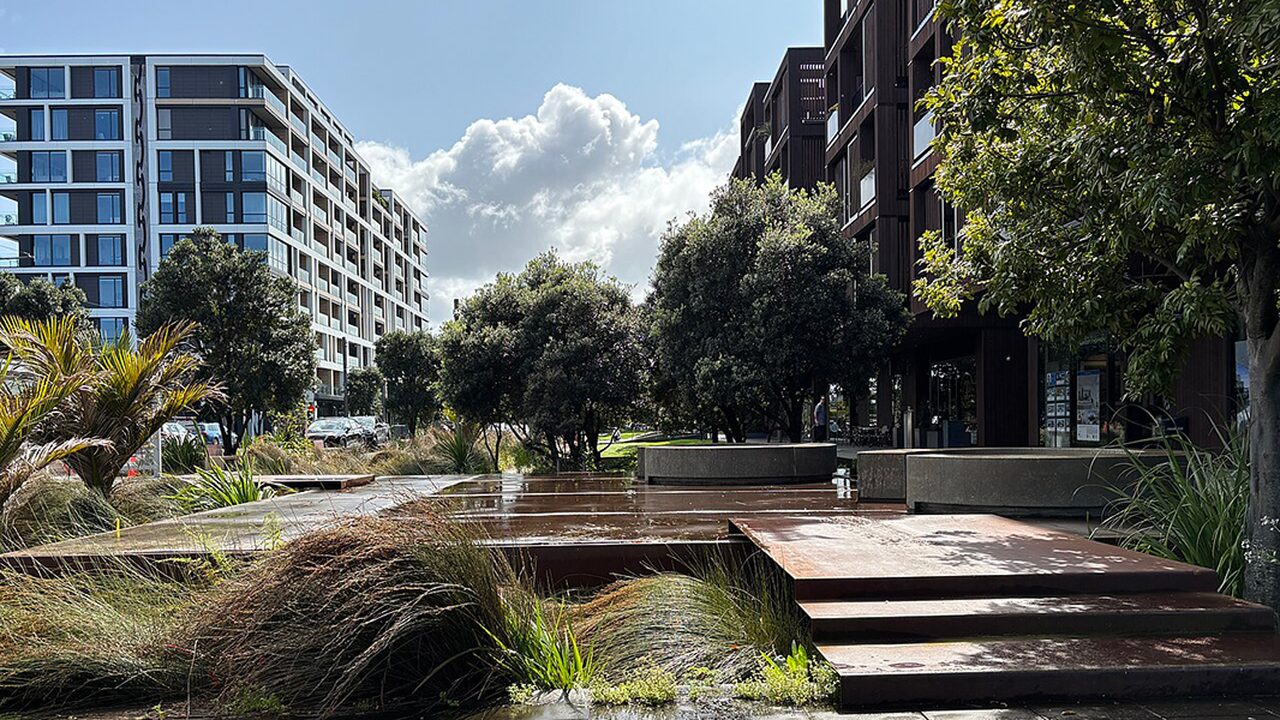
Urban Ngahere (Forest) Strategy
Urban tree management was historically fragmented, with limited coordination across local boards and insufficient protection of existing canopy, particularly on private land. Canopy loss associated with redevelopment and infrastructure upgrades continued despite individual notable tree protections. Auckland Council adopted a regional urban ngahere strategy to guide the protection, enhancement, and expansion of urban tree cover…
-
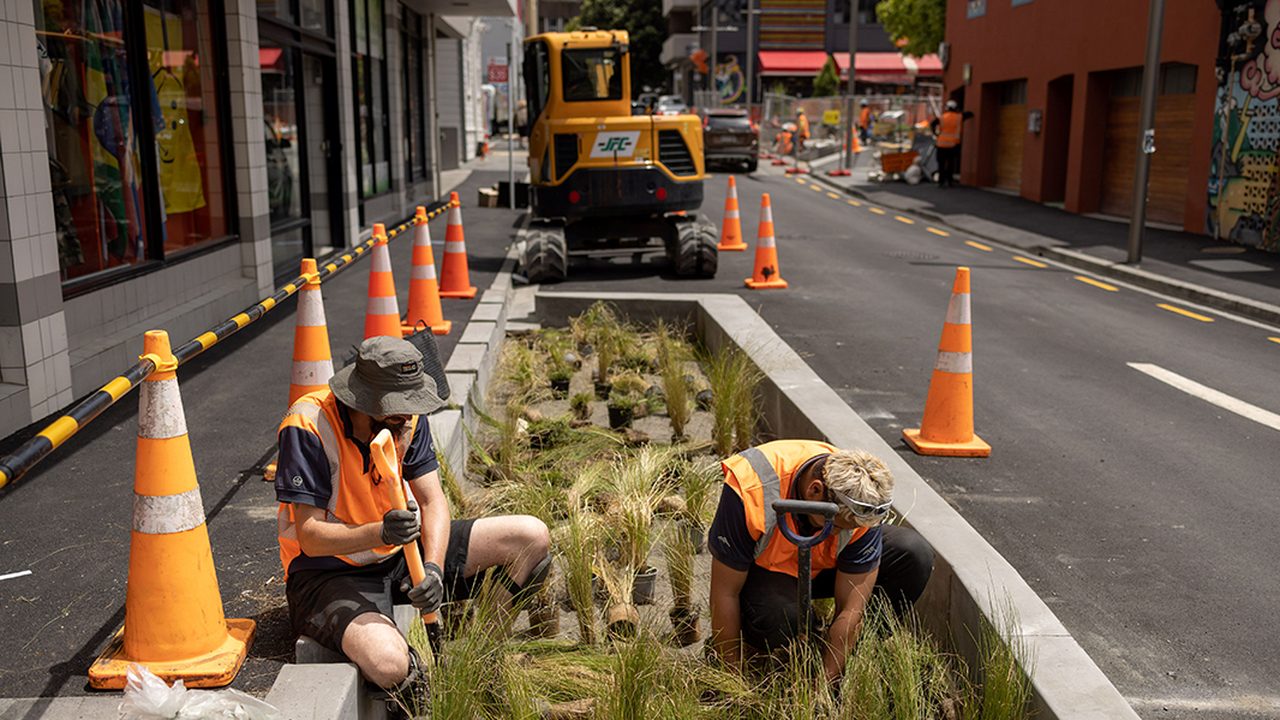
Restoring urban nature – solutions for the built environment
2025, Shanahan, D. F., et al. ICCB Conference. Poster presentation. Download PDF
-
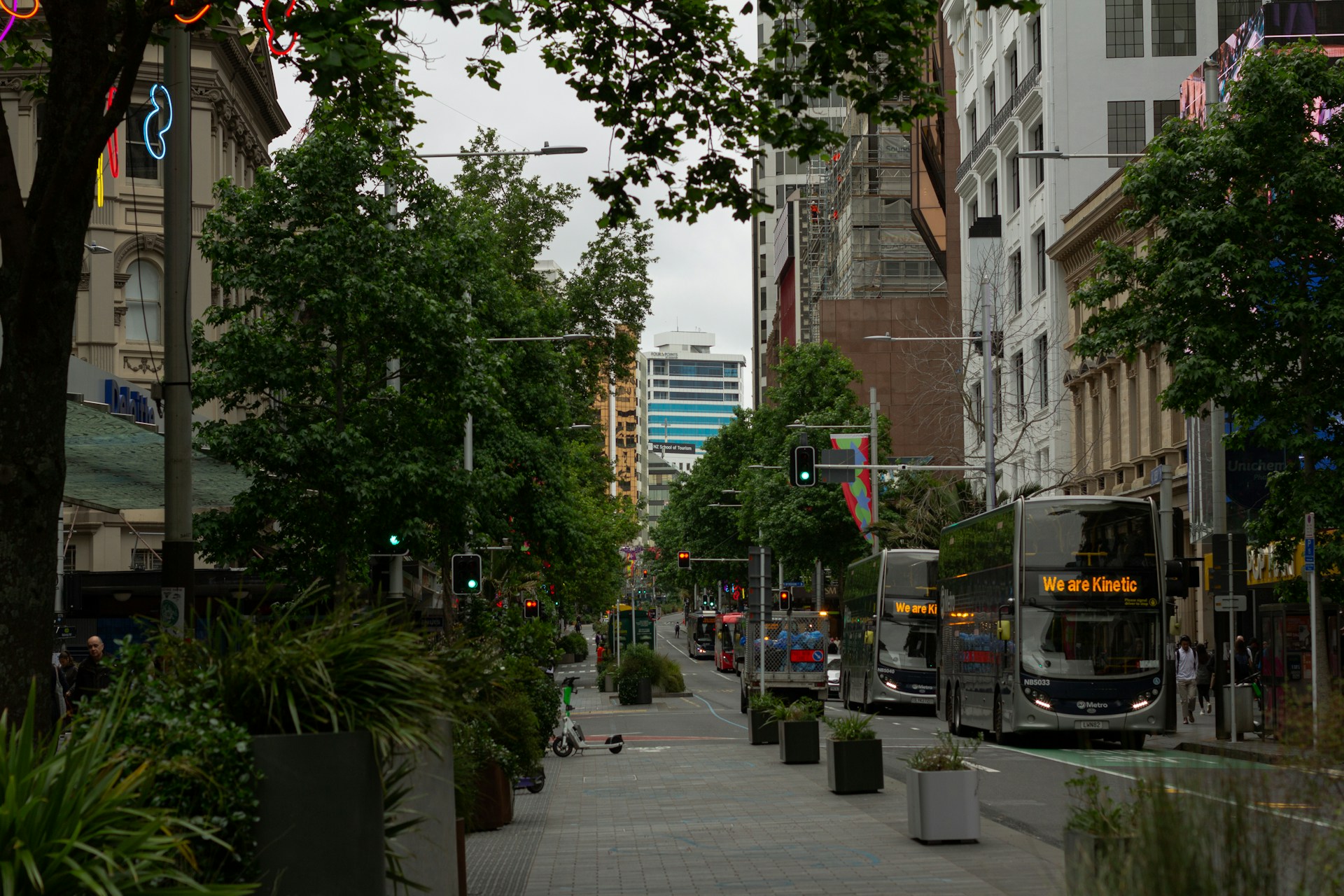
Vital green spaces are disappearing in NZ cities – what can central and local government do?
Vital green spaces are disappearing in NZ cities – what can central and local government do?2024, Blaschke, P., Randal, E., Pedersen Zari, M., Perry, M., Howden-Chapman, P. and Chapman, R. The Conversation. September 12. View media
-
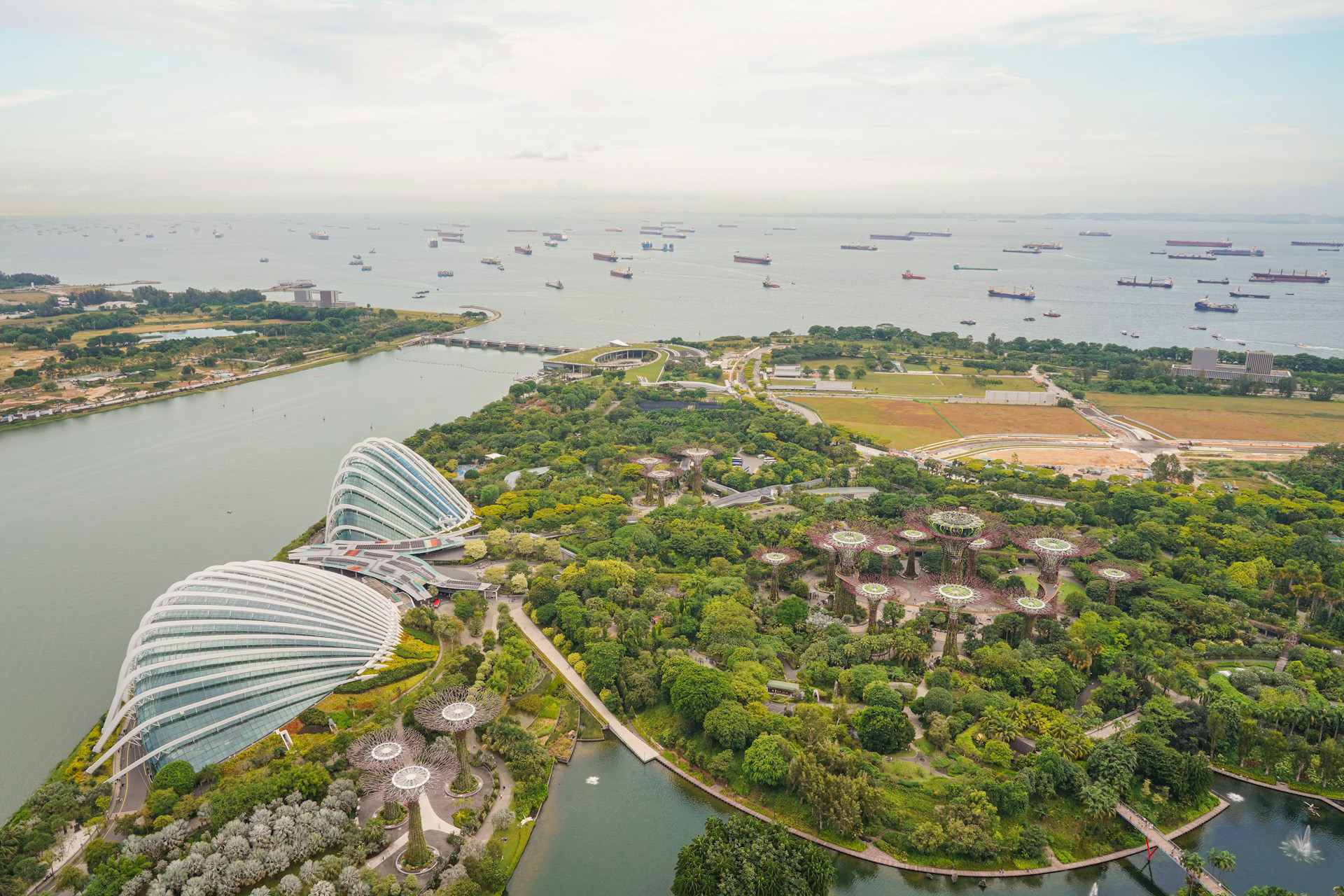
Integrating nature into cities
Integrating nature into cities 2025, Pedersen Zari, M. Commissioned essay for Buildings and Cities journal 5th anniversary. 13/03/25. View media
-
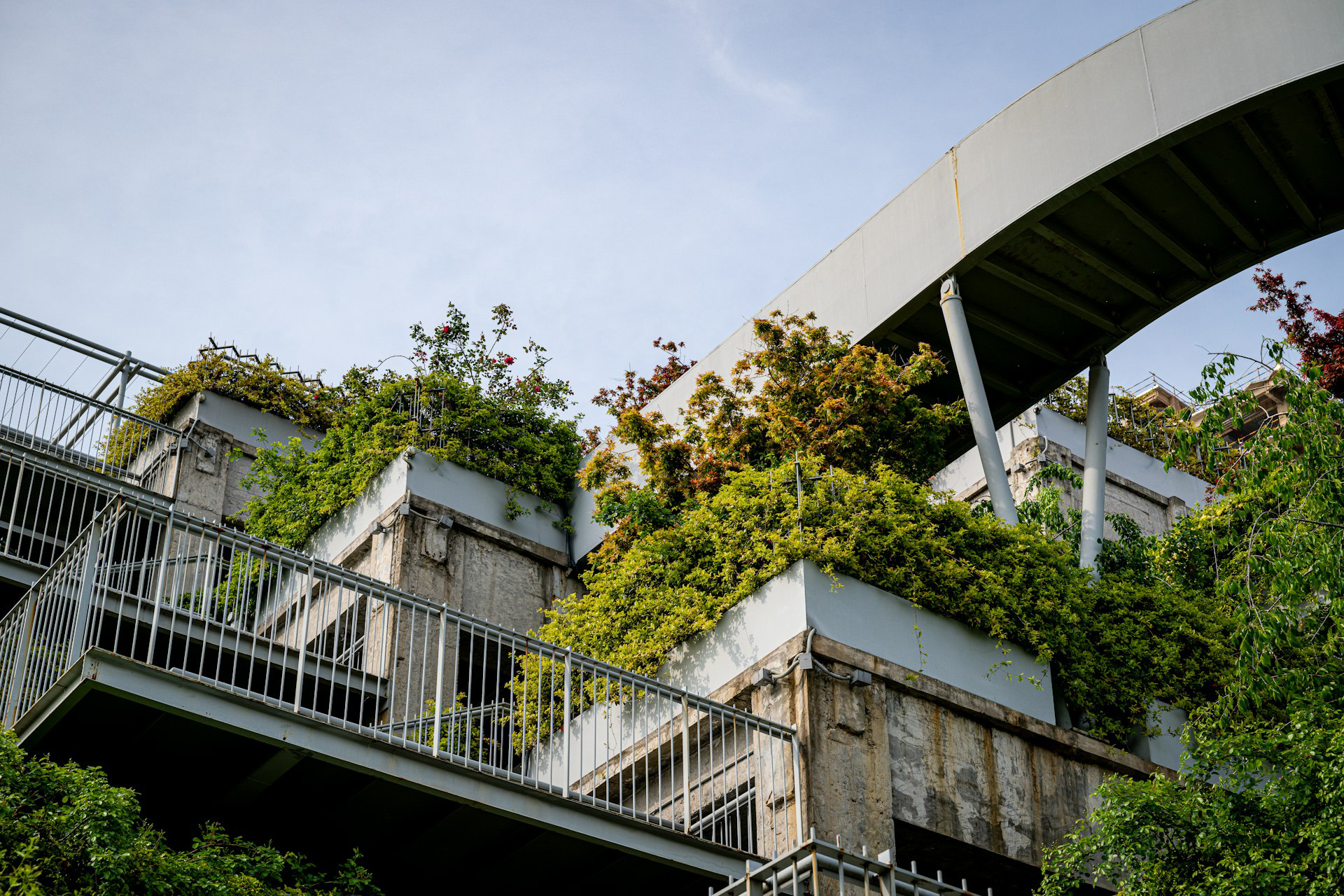
Denser housing can be greener too – here’s how NZ can build better for biodiversity
Denser housing can be greener too – here’s how NZ can build better for biodiversity 2024, van Heezik, Y., Woolley, C., Theis, J., Pedersen Zari, M. The Conversation. May 17. View media
-
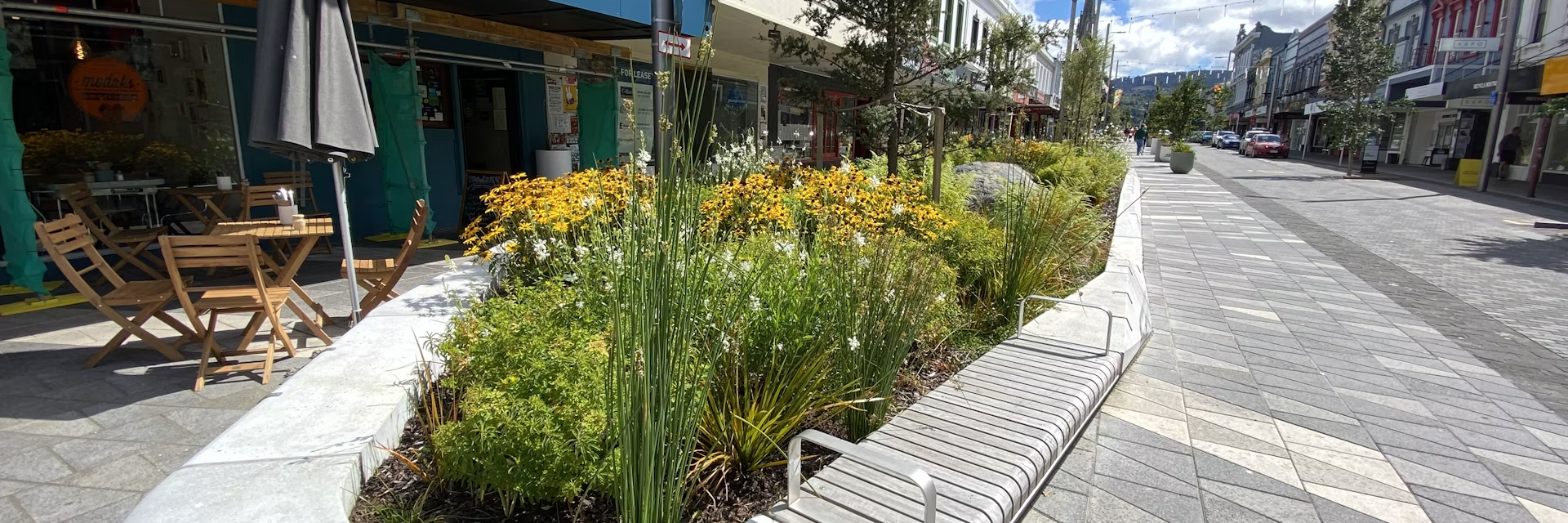
Dunedin’s inner‑city greening project shows even small spaces can be wildlife havens
Dunedin’s inner‑city greening project shows even small spaces can be wildlife havens 2025, Theis, J., Barratt, I.P., McLean, C., van Heezik, Y. The Conversation. December 19. View media
-
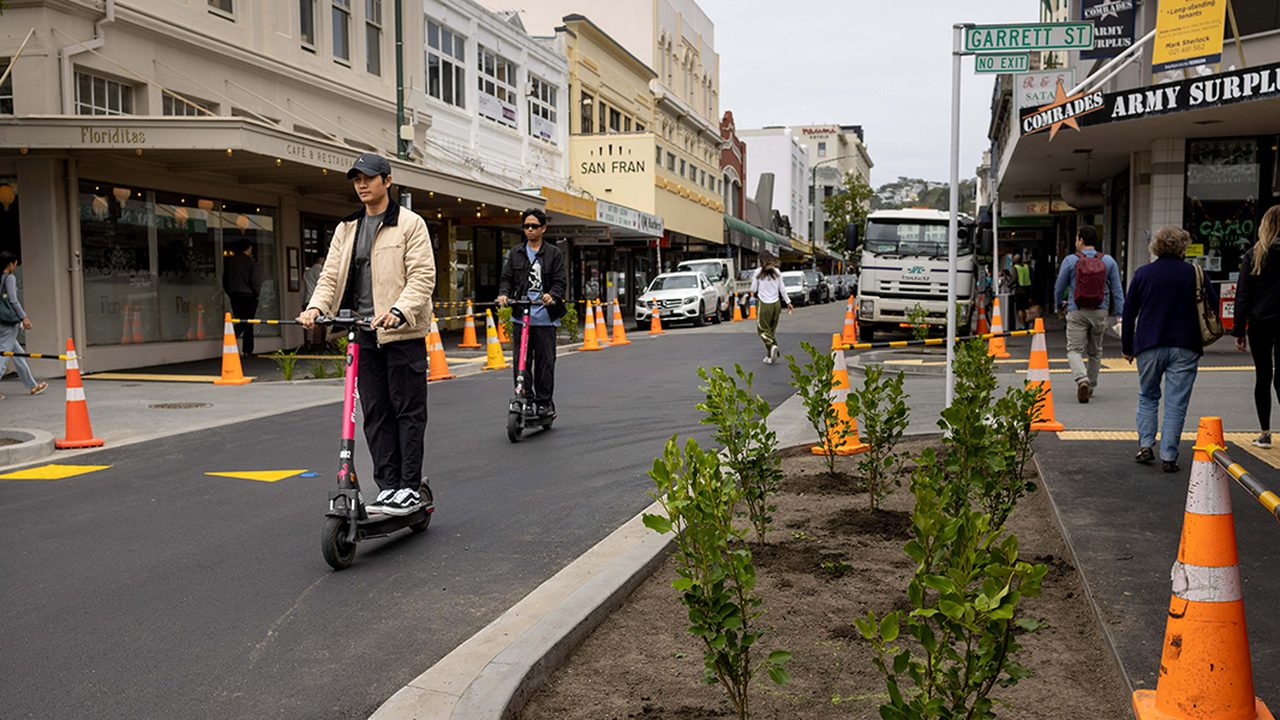
Planning for a Biophilic City: The Case of the Wellington Region
Planning for a Biophilic City: The Case of the Wellington Region. Robert Brigham, Master of Planning, University of Otago, 2023. ABSTRACT This thesis explores international best practices for the biophilic cities theory and how it can beapplied to residential spaces throughout four cities within the Wellington region. Within a biophiliccity, several different scales provide an…
-
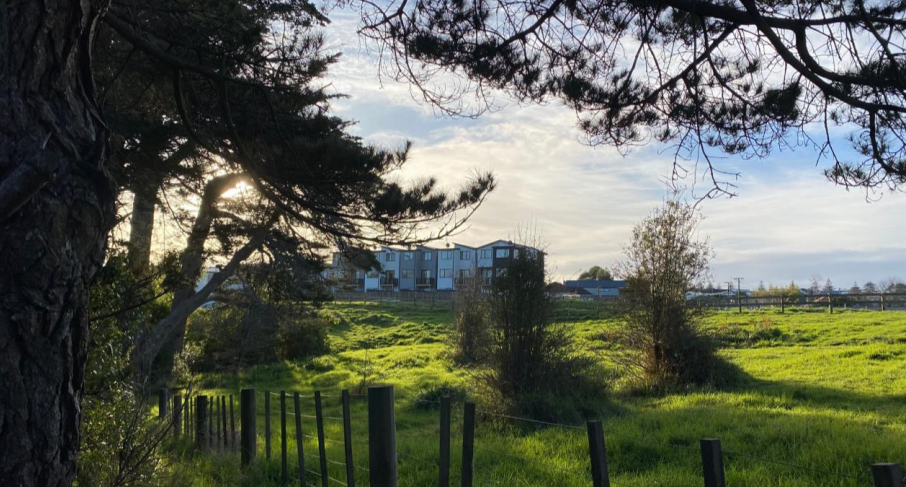
Housing vs Biodiversity: Can medium density housing help enhance Aotearoa New Zealand’s urban biodiversity?
Housing vs Biodiversity: Can medium density housing help enhance Aotearoa New Zealand’s urban biodiversity? Mia Te Tana, Master of Planning, University of Otago, 2023. Supervisors: Claire Freeman and Yolanda van Heezik. ABSTRACT Urban biodiversity is often underappreciated, despite providing many ecosystem services vital to human health and helping promote environmental awareness. The adverse effects of…
-
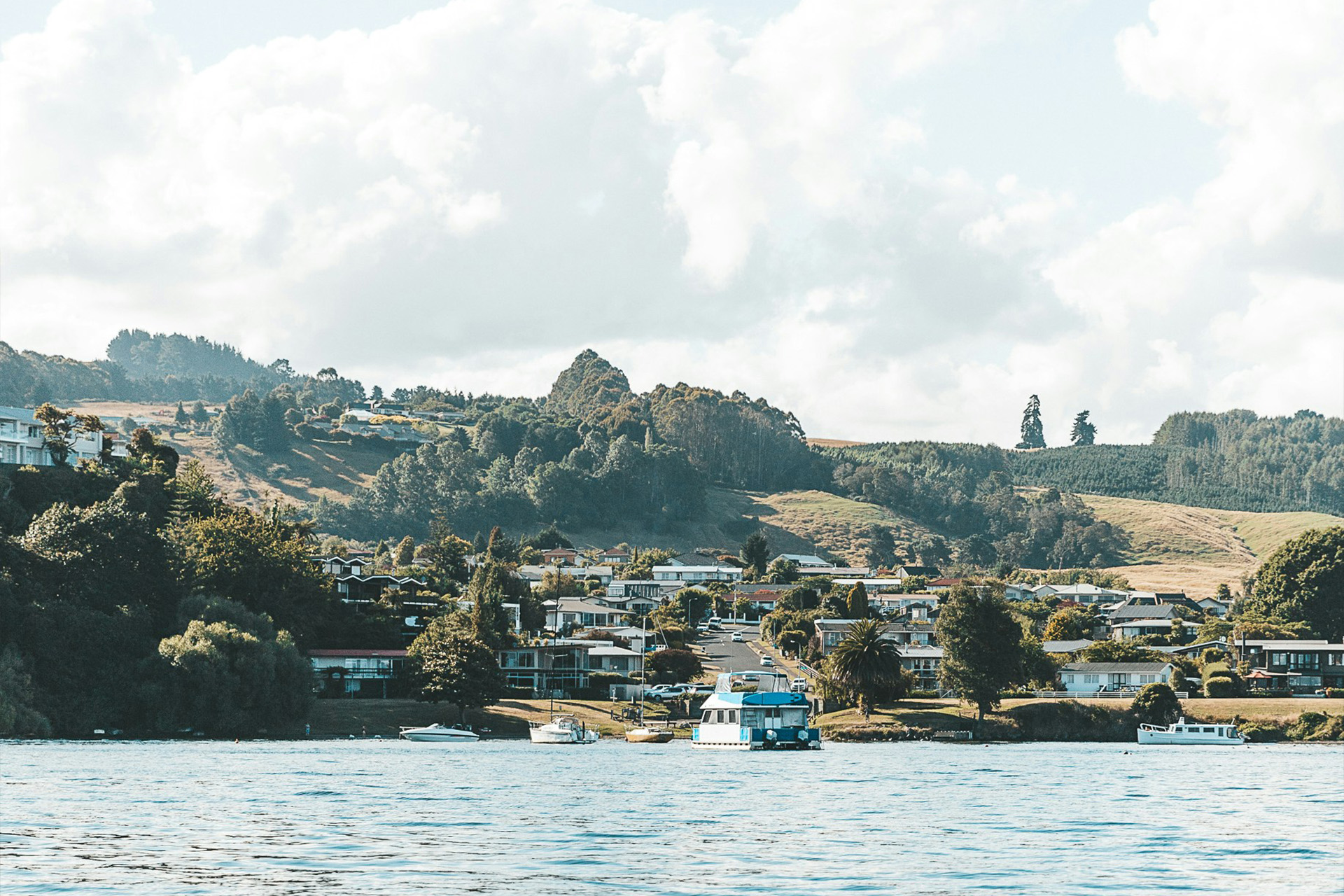
Biodiversity in suburbia: exploring strategies for retrofitting biodiversity in residential space across Aotearoa New Zealand
Biodiversity in suburbia: exploring strategies for retrofitting biodiversity in residential space across Aotearoa New Zealand. Emma Kuparinen, Master of Planning, University of Otago, 2024. Supervisors: Claire Freeman and Yolanda van Heezik. ABSTRACT A well-functioning ecosystem depends on biodiversity, and humans depend on a well-functioningecosystem for survival and wellbeing. In relation to ecological and environmentaldegradation, large…
-
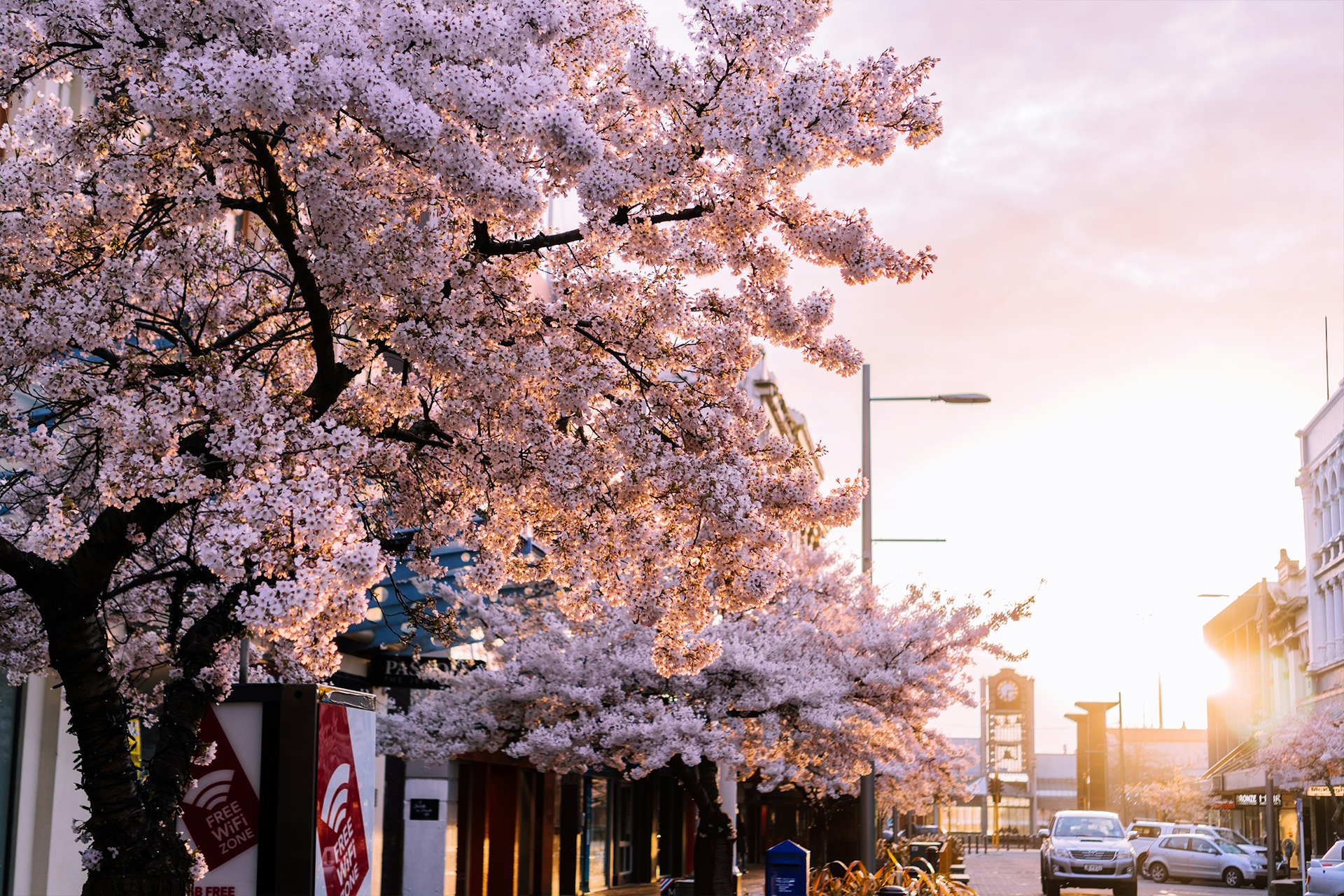
Socio-Ecological ‘In-Between’ Spaces Within Residential Developments in Aotearoa
Socio-Ecological ‘In-Between’ Spaces Within Residential Developments in Aotearoa. Sarah Copeland, Master of Planning, University of Otago, 2024. Supervisor: Claire Freeman ABSTRACT This thesis examines the impact of spatial configuration on users’ social-ecological experiences and practices within residential developments in Aotearoa. This research is based on a comparative approach using space syntax and geographic information systems…
-

Ecological Connectivity in the Densifying City-Strategies for Enhancement
Ecological Connectivity in the Densifying City-Strategies for Enhancement. Molly Keaney, Master of Planning, University of Otago, 2024. Supervisor: Claire Freeman ABSTRACT Urbanisation is one of the greatest threats to biodiversity worldwide. Biodiversity is essential for the functioning of ecosystem services that sustain plant, animal, and human life. Biodiversity loss due to urbanisation impedes the movement…
-
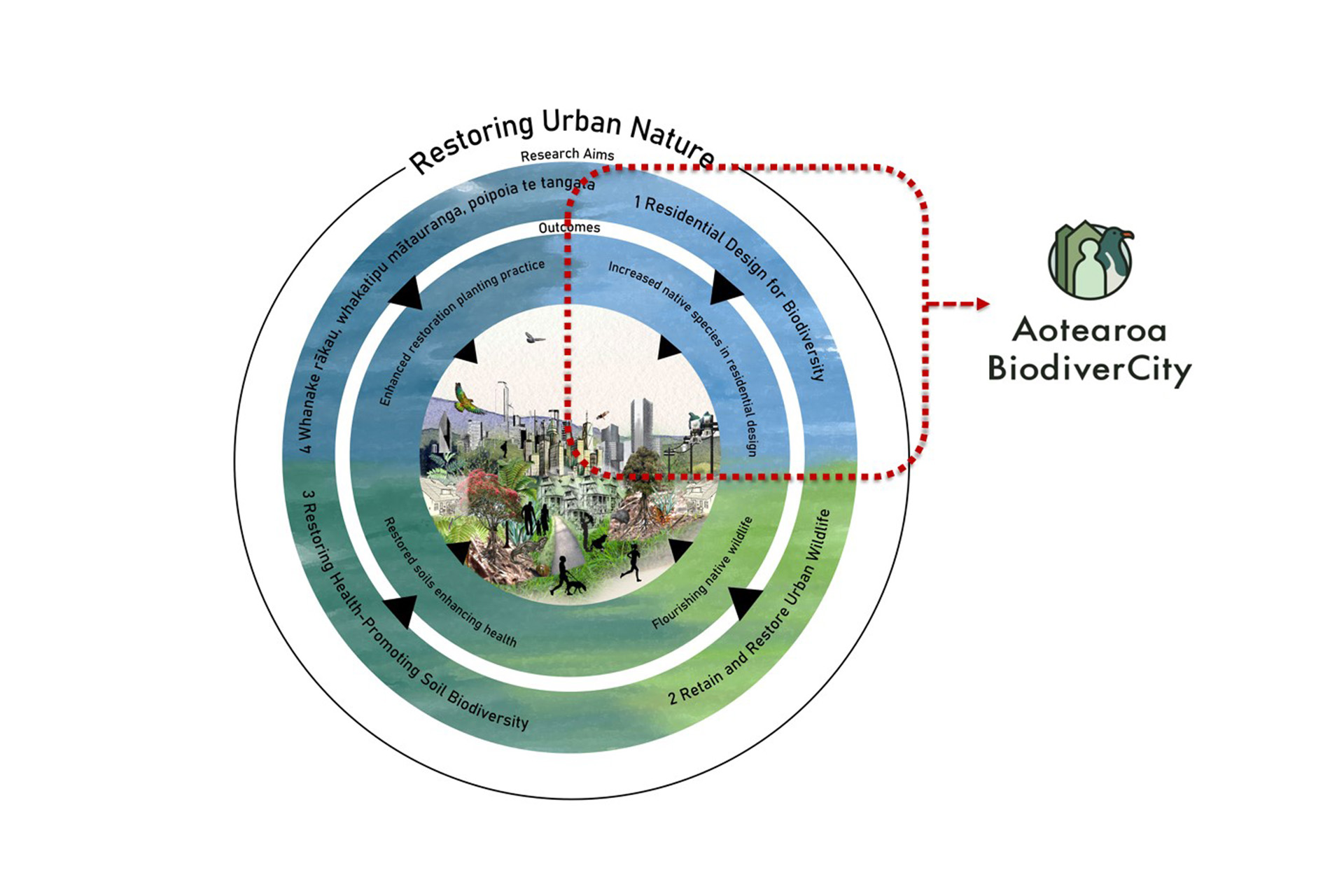
Designing for urban biodiversity: design-led approaches from Aotearoa NZ
2025, Pedersen Zari, M., MacKinnon, M., Theis, J., van Heezik, Y., Woolley, C. URBIO Conference. 31 July to 2 August. Perth, Australia. ABSTRACT Urban intensification in Aotearoa New Zealand, particularly through medium-density housing, presents both critical challenges and significant opportunities for embedding biodiversity more effectively into the built environment. This presentation shares design-led findings from…
-
How do urban green spaces increase well-being? The role of perceived wildness and nature connectedness
2022, Samus, A., Freeman, C., van Heezik, Y., Krumme, K., & Dickinson, K. J. Journal of Environmental Psychology, 82, 101850. ABSTRACT Nature connectedness is recognised for its potential to promote pro-environmental behavior and well-being. While urban green spaces are the main form of direct contact with nature for many people, it is largely unclear which…
-

Connection to nature and time spent in gardens predicts social cohesion
2022, Oh, R. R. Y., Zhang, Y., Nghiem, T. P. L., Chang, C. C., Tan, C. L. Y., Quazi, S. A., Shanahan, D. F., Lin, B. B., Gaston, K. J., Fuller, R. A., & Carrasco, R. L. Urban Forestry & Urban Greening, 74, 127655. ABSTRACT A person’s health and wellbeing are contingent on the amount…
-
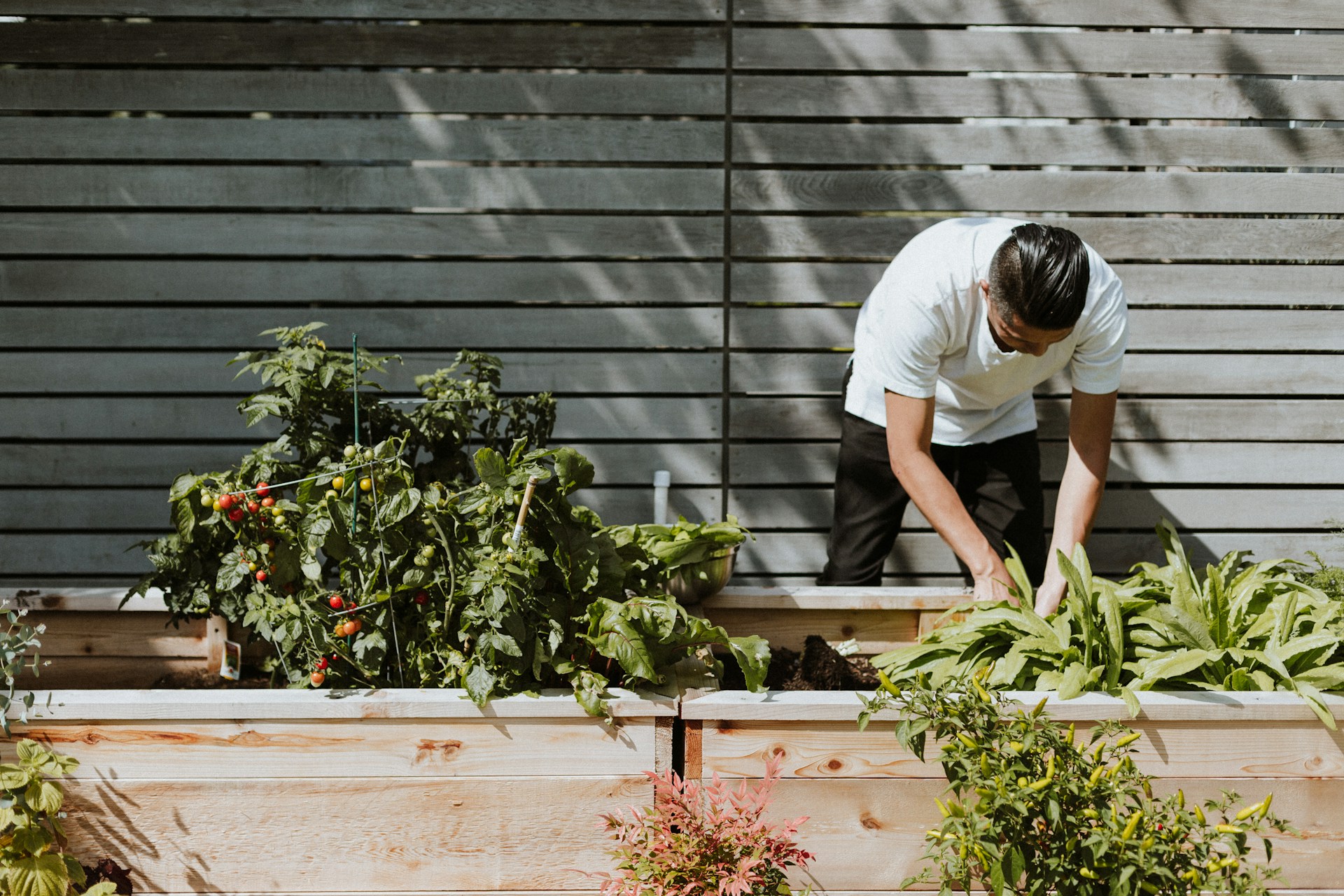
An examination of the factors influencing engagement in gardening practices that support biodiversity using the theory of planned behavior
2023, Samus, A., Freeman, C., Dickinson, K. J., & van Heezik, Y. Biological Conservation, 286, 110252. ABSTRACT The composition and management of private gardens is critical to conserving and enhancing urban biodiversity, yet little is known about the psychological factors that influence gardening behavior. We apply an extended version of the theory of planned behavior…
-

Denser and greener cities: green interventions to achieve both urban density and nature
2023, McDonald, R. I., Aronson, M. F., Beatley, T., Beller, E., Bazo, M., Grossinger, R., … Shanahan, D., … & Spotswood, E. People and Nature, 5(1), 84–102. ABSTRACT Green spaces in urban areas—like remnant habitat, parks, constructed wetlands, and street trees—supply multiple benefits. Many studies show green spaces in and near urban areas play important…
-
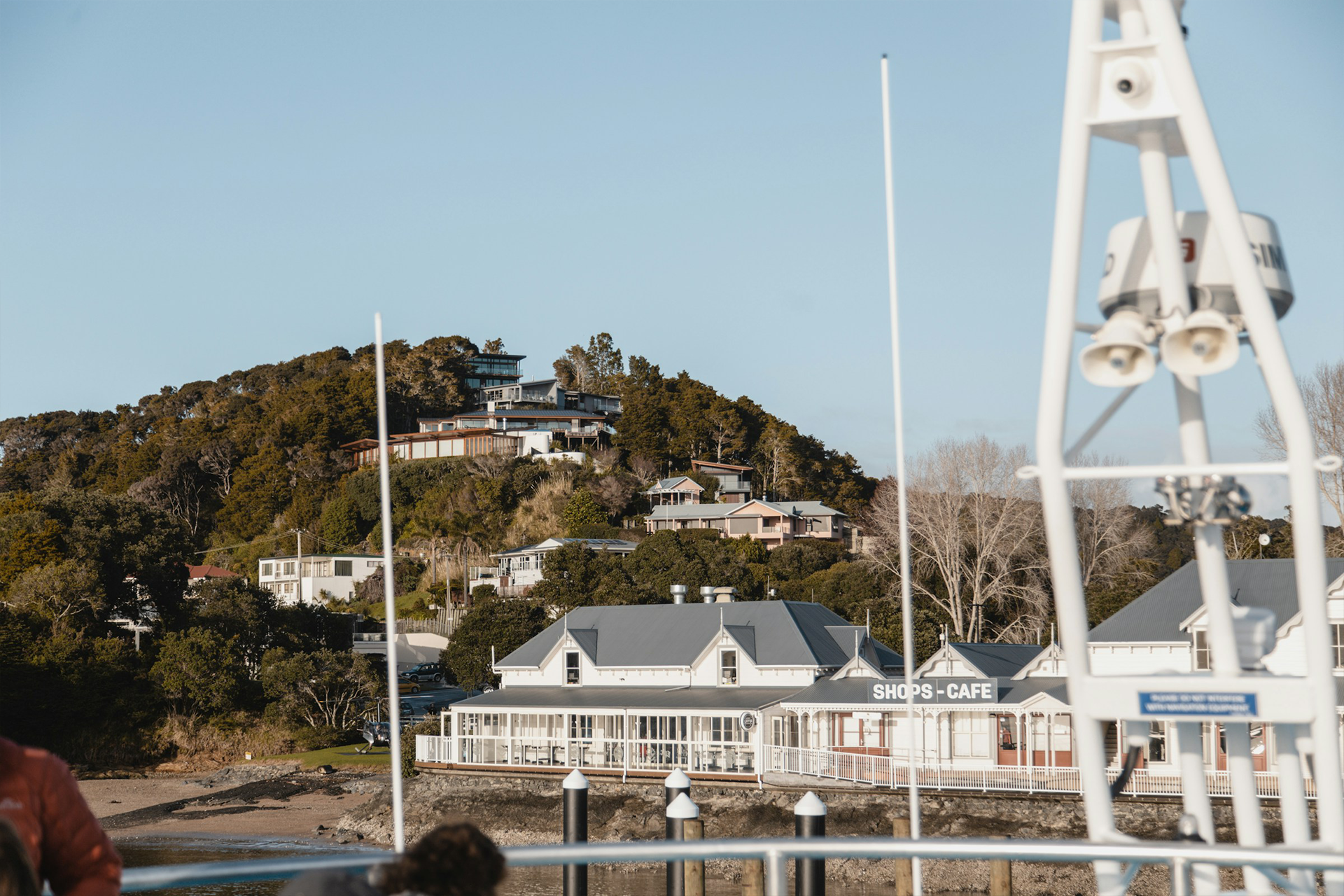
Nature relatedness, well-being and life satisfaction across an urban–rural gradient
2025, Shanahan, D., & Stahlmann‐Brown, P. People and Nature, 7(12), 3241–3250. ABSTRACT There is compelling evidence that both connection to nature itself and engagement with nature-based activities promote positive physical, mental and social well-being outcomes. Most of this evidence comes from studies of urban residents, overlooking the importance—and opportunity—of nature-based interventions for rural communities. We…
-
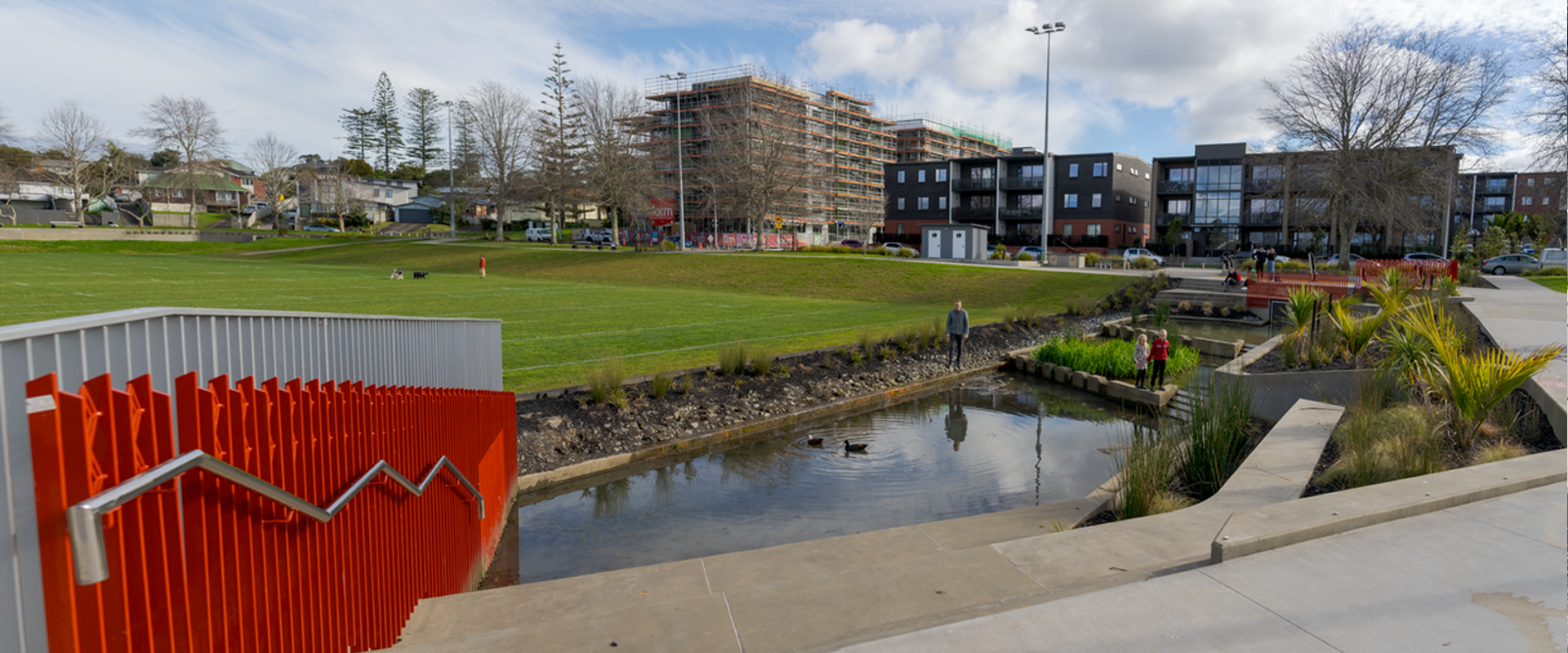
Invertebrate richness and diversity in parks situated along a gradient of urbanisation
2025, McNaughton, L. K., Barratt, B. I., van Heezik, Y. Urban Ecosystems, 28, 1–15. ABSTRACT Urbanisation entails significant habitat loss leading to degradation of biodiversity and ecosystem services, and fragmented landscapes. Urban parks, which can take the form of large forest remnants, lawns, or a combination of the two, provide habitat for some species. The…
-
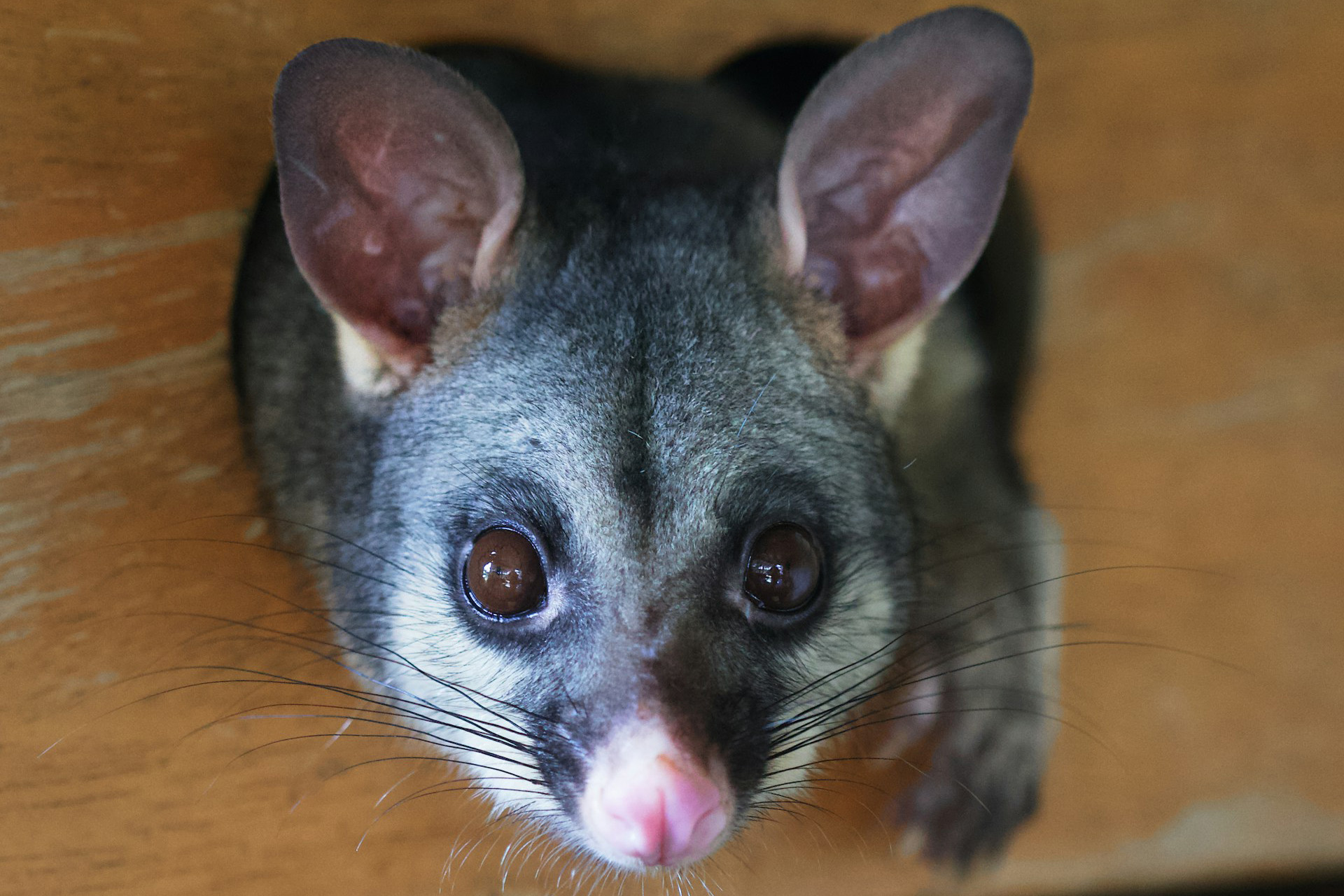
Invasive urban mammalian predators: distribution and multi-scale habitat selection
2022, Miller, K. F., Wilson, D. J., Hartley, S., Innes, J. G., Fitzgerald, N. B., Miller, P., & van Heezik, Y. Biology. ABSTRACT Restoration of biodiversity in urban green spaces frequently requires eradication or management of invasive species. We aimed to identify fine- and landscape-scale habitat features associated with the presence of five invasive urban…
-
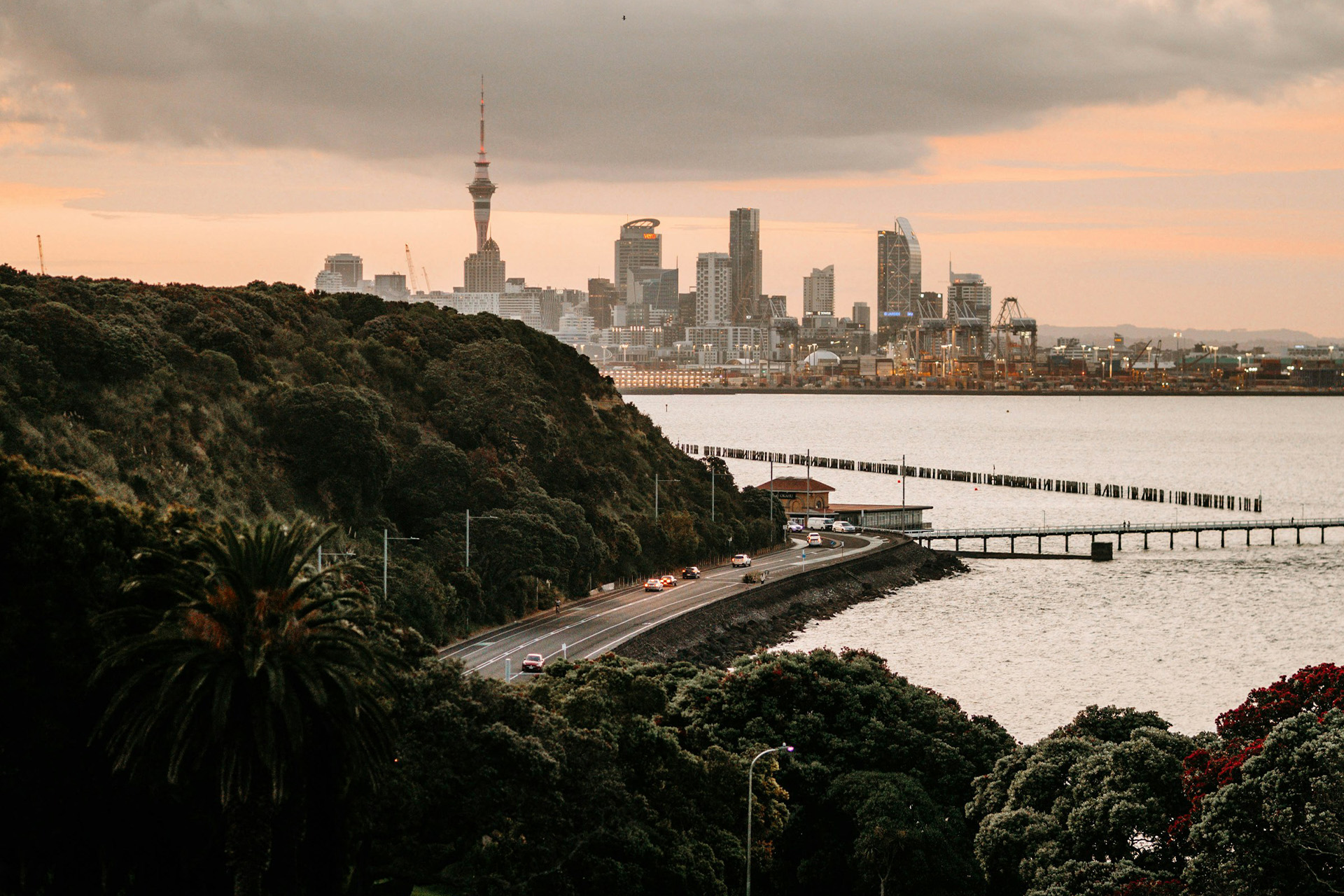
Improving urban habitat connectivity for native birds: using least-cost path analyses to design urban green infrastructure networks
2023, MacKinnon, M., Pedersen Zari, M., & Brown, D. K. Land, 12(7), 1456. ABSTRACT Habitat loss and fragmentation are primary threats to biodiversity in urban areas. Least-cost path analyses are commonly used in ecology to identify and protect wildlife corridors and stepping-stone habitats that minimise the difficulty and risk for species dispersing across human-modified landscapes.…
-
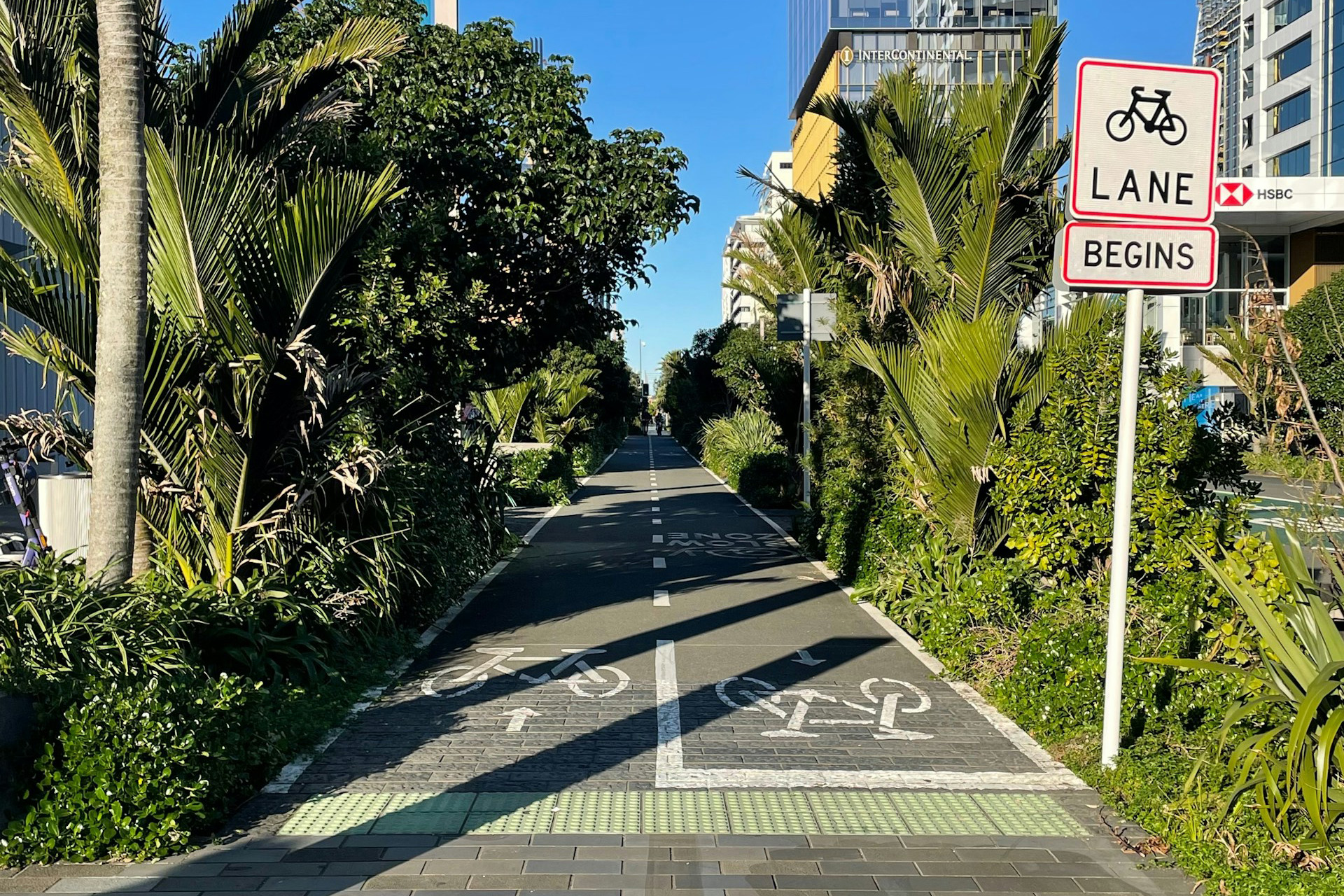
Multiple roles of green space in the resilience, sustainability and equity of Aotearoa New Zealand’s cities
2024, Blaschke, P., Pedersen Zari, M., Chapman, R., Randal, E., Perry, M., Howden-Chapman, P., & Gyde, E. Land, 13(7), 1022. ABSTRACT Green space is needed in urban areas to increase resilience to climate change and other shocks, as well as for human health and wellbeing. Urban green space (UGS) is increasingly considered as green infrastructure…
-
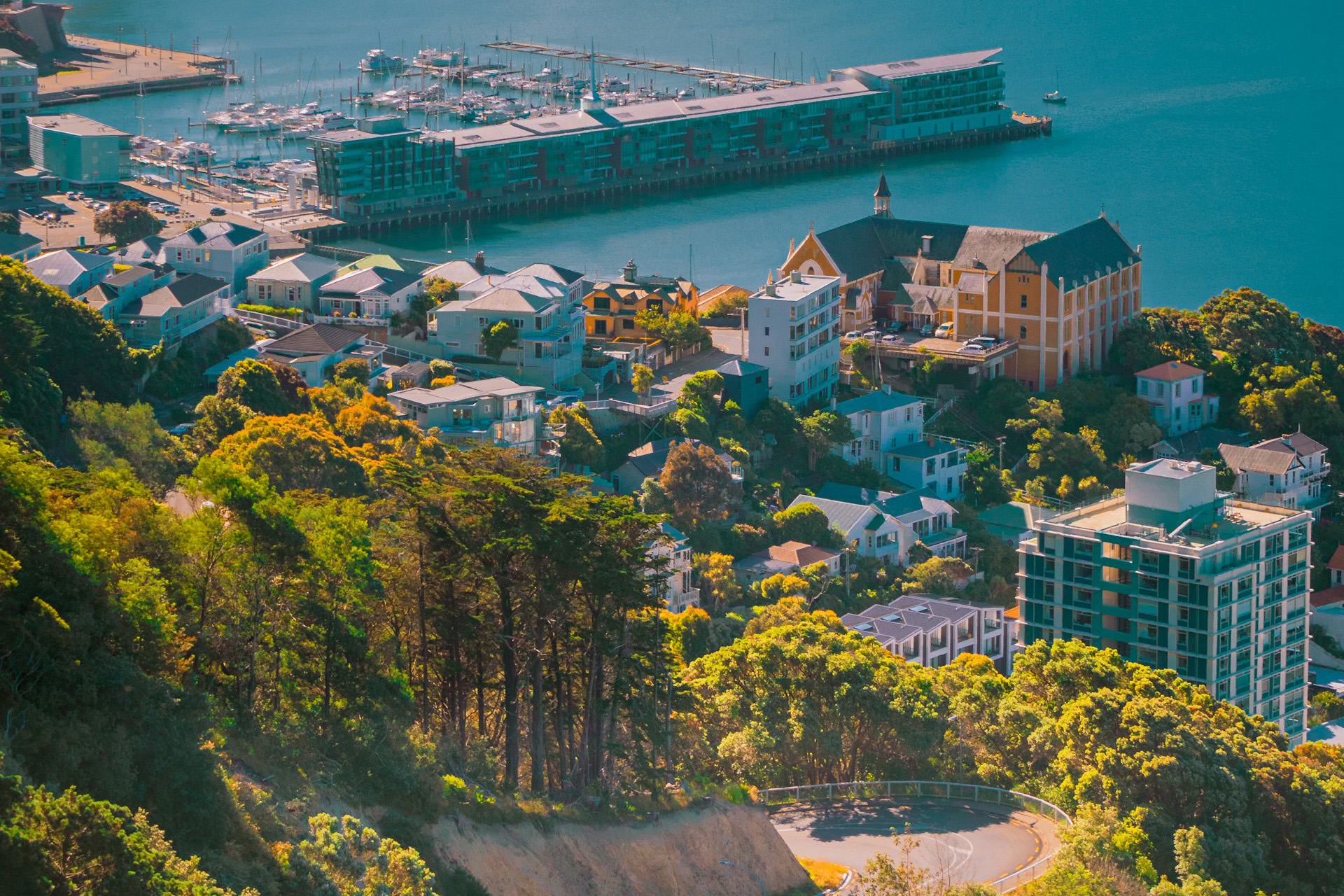
Overcoming the “fear of density”: vegetational diversity in residential developments in the densifying city
2024, Te Tana, M., Freeman, C., & van Heezik, Y. Journal of Environmental Planning and Management, 1–21. ABSTRACT The pressure for more affordable housing has resulted in intensification of residential development and biodiversity loss. Using seven medium-density housing developments in three New Zealand cities, we explore the relationship between medium-density and greenspace quality. We also…
-
People’s desire to be in nature and how they experience it are partially heritable
2022, Chang, C. C., Cox, D. T., Fan, Q., Nghiem, T. P. L., Tan, C. L., Oh, R. R. Y., … Shanahan, D. F., … & Carrasco, L. R. PLoS Biology, 20(2), e3001500. ABSTRACT Nature experiences have been linked to mental and physical health. Despite the importance of understanding what determines individual variation in nature…
-
Relationships between nature connectedness, biodiversity of private gardens, and mental well-being during the Covid-19 lockdown
2022, Samus, A., Freeman, C., Dickinson, K. J., & van Heezik, Y. Urban Forestry & Urban Greening, 69, 127519. ABSTRACT Private gardens have an enormous impact on urban biodiversity, making individual householder behavior critical to the conservation and enhancement of biodiversity in urban areas. Nature connectedness is considered to be a prerequisite for proenvironmental behavior,…
-
Priorities, concerns, and potential compromises amongst urban forest stakeholders: international lessons from Aotearoa New Zealand
2025, Carlin, T. F., Barnard, T., Chapman, T., Morgenroth, J., Richards, D. R., Simcock, R., Avery, J., Avery, Z., Dickinson, Y., Elliot, K., Freeman, C., Hayes, D., van Heezik, Y., Hertzog, K., Kiddle, R., Martin, B., Melville, W., Merritt, T., Meurk, C., Mutu, T., Schindler, M., Slade, A., Spencer, D., Stanley, M. C., Stejskal, D.,…
-
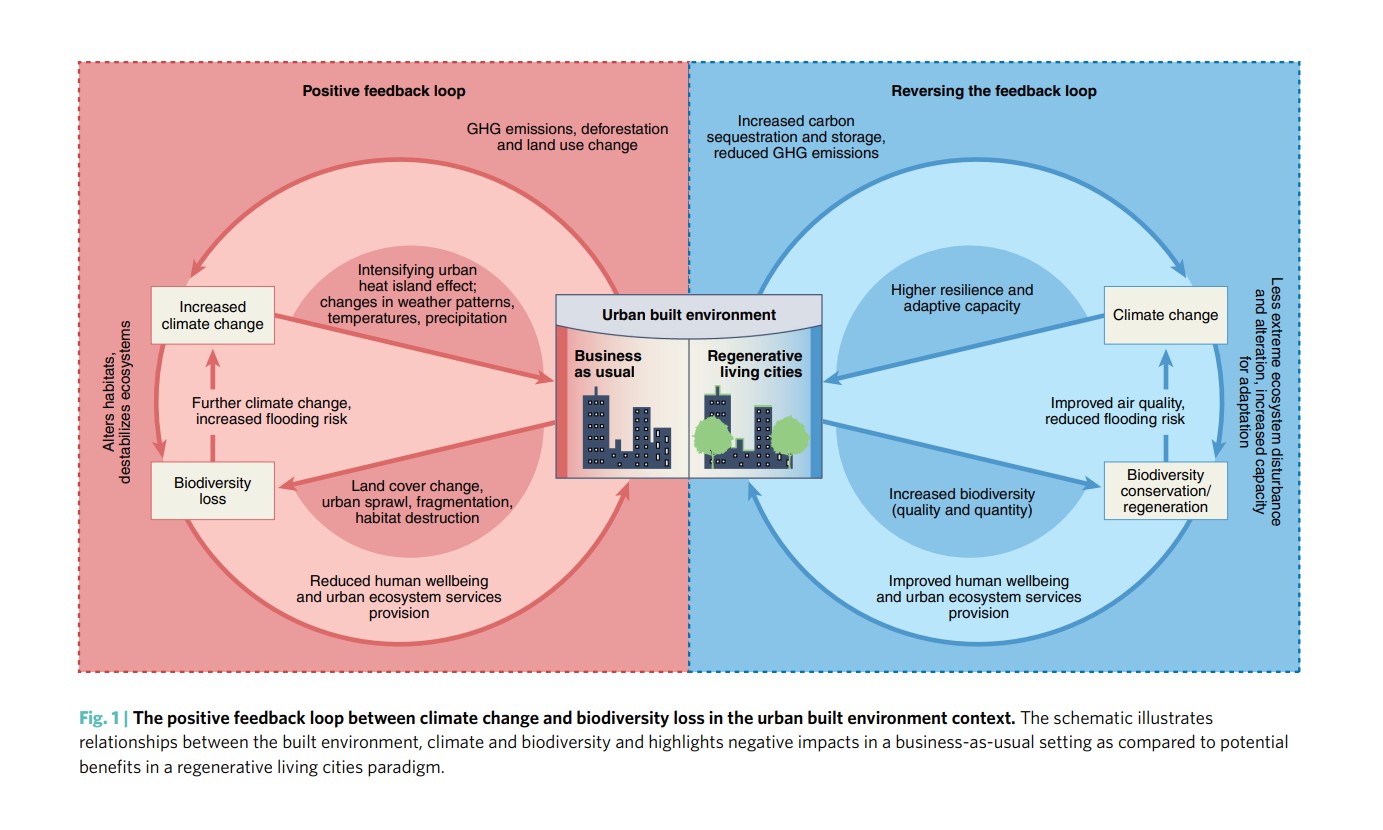
Regenerative living cities and the urban climate–biodiversity–wellbeing nexus
2022, Pedersen Zari, M., MacKinnon, M., Varshney, K. & Bakshi, N. Nature Climate Change, 12(7), 601–604, July. ABSTRACT The expansion of urban environments contributes to climate change and biodiversity loss. Implementing nature-based strategies to create ‘regenerative living cities’ will be critical for climate change mitigation and adaptation and will produce measurable biodiversity and wellbeing co-benefits.…
-
Sowing the seeds of wildlife-friendly gardening: Does a garden biodiversity assessment promote uptake of pro-biodiversity gardening behaviours?
2026, van Heezik, Y., Theis, J., Shanahan, D., Freeman, C., Pedersen Zari, M. & Woolley, C. Urban Ecosystems, 29(1), 24. ABSTRACT Residential gardens have the potential to support native biodiversity across cities. Certification programmes designed to motivate residents to perform pro-biodiversity gardening actions require a formal process of garden biodiversity assessment. We evaluated whether a…
-
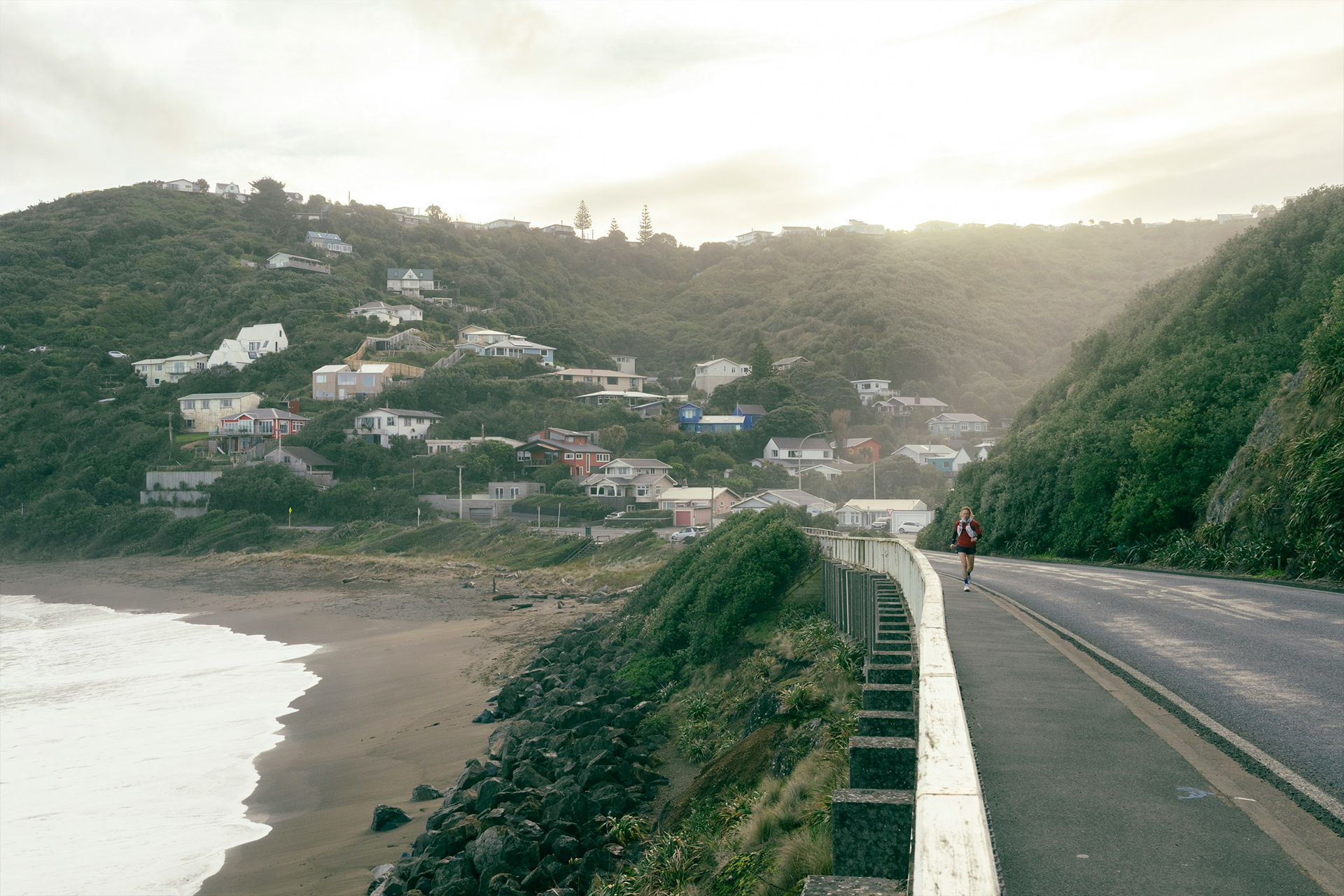
Urgent biophilia: green space visits in Wellington, New Zealand, during the COVID-19 lockdowns
2022, MacKinnon, M., MacKinnon, R., Pedersen Zari, M., Glensor, K., & Park, T. Land, 11(6), 793. ABSTRACT Urgent biophilia describes the conscious desire of humans to seek interactions with nature during periods of stress. This study examines the changes in frequency and reason for visiting urban green spaces by residents of Wellington, New Zealand, to…
-
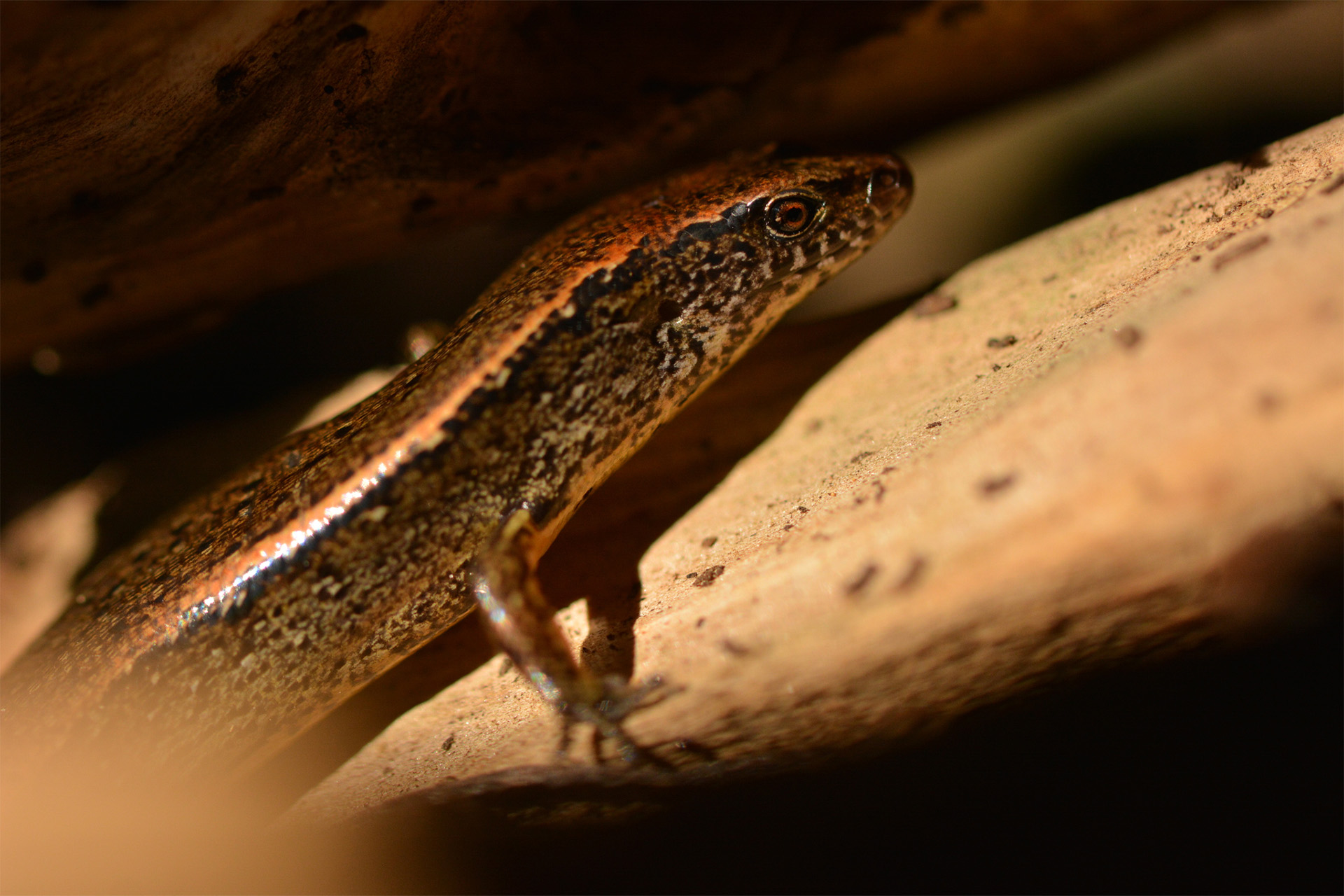
Victims of ignorance: gaps in the protection of endemic lizards during land use activities in Aotearoa | New Zealand
2025, Woolley, C. K., Iorns, C. J., Sylvester, J., Nelson, N. New Zealand Journal of Ecology, 49, 3606. ABSTRACT New Zealand’s lizard fauna is speciose and widespread across all regions of the country. Lizard species use diverse habitats in a wide range of terrestrial environments, including grasslands, indigenous forest, rural pastureland, and exotic vegetation in…
-
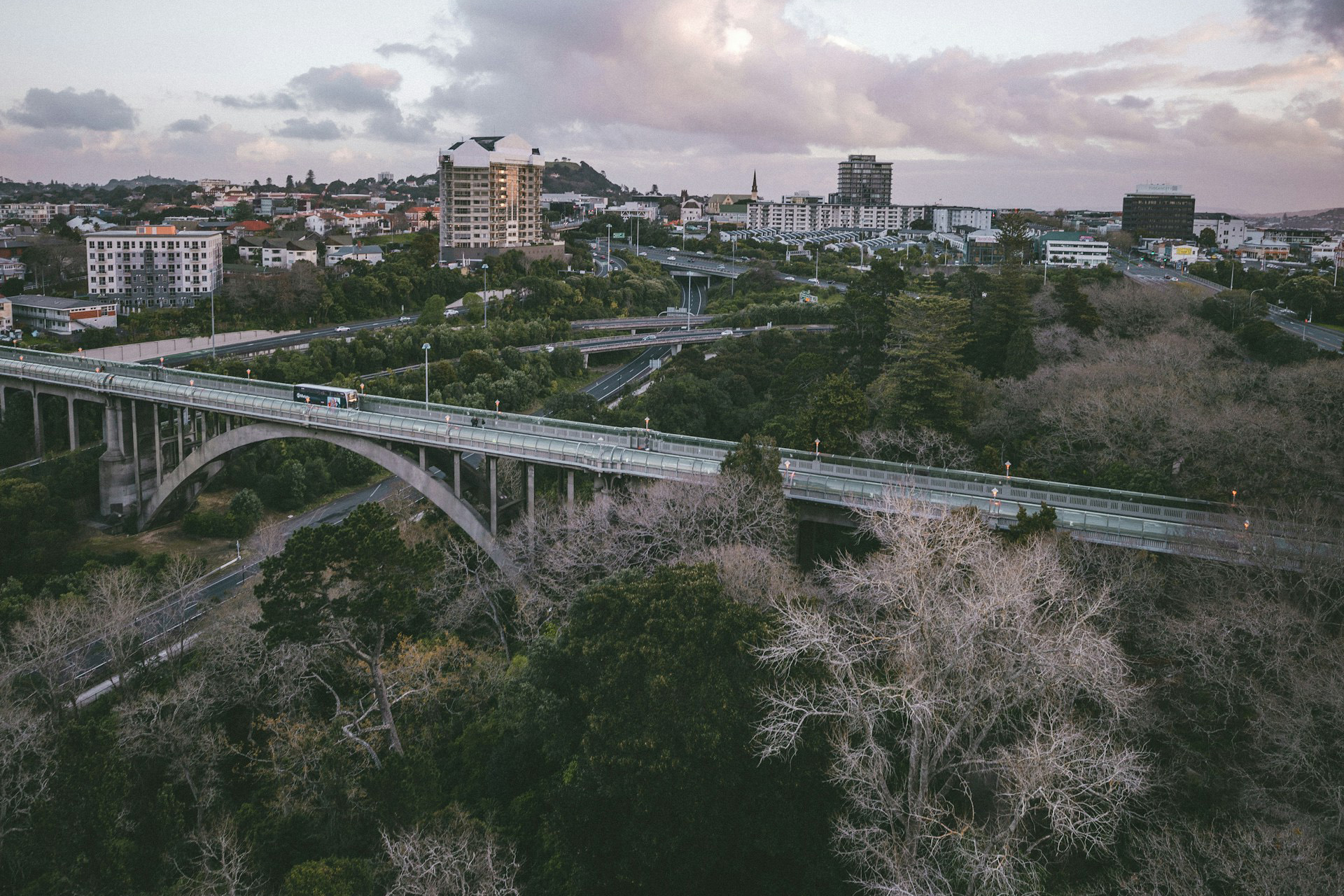
Working together to scale ecosystem restoration: collective approaches to community action in Aotearoa New Zealand
2024, McFarlane, K., Wallace, K. J., Shanahan, D. F., & Clapcott, J. E. Ecology and Society, 29(2). ABSTRACT Community groups are key drivers of ecosystem restoration in many countries. However, there is increasingly recognition that small scale restoration efforts are often insufficient to reverse ongoing biodiversity declines, and questions have been raised regarding the sustainability…
-
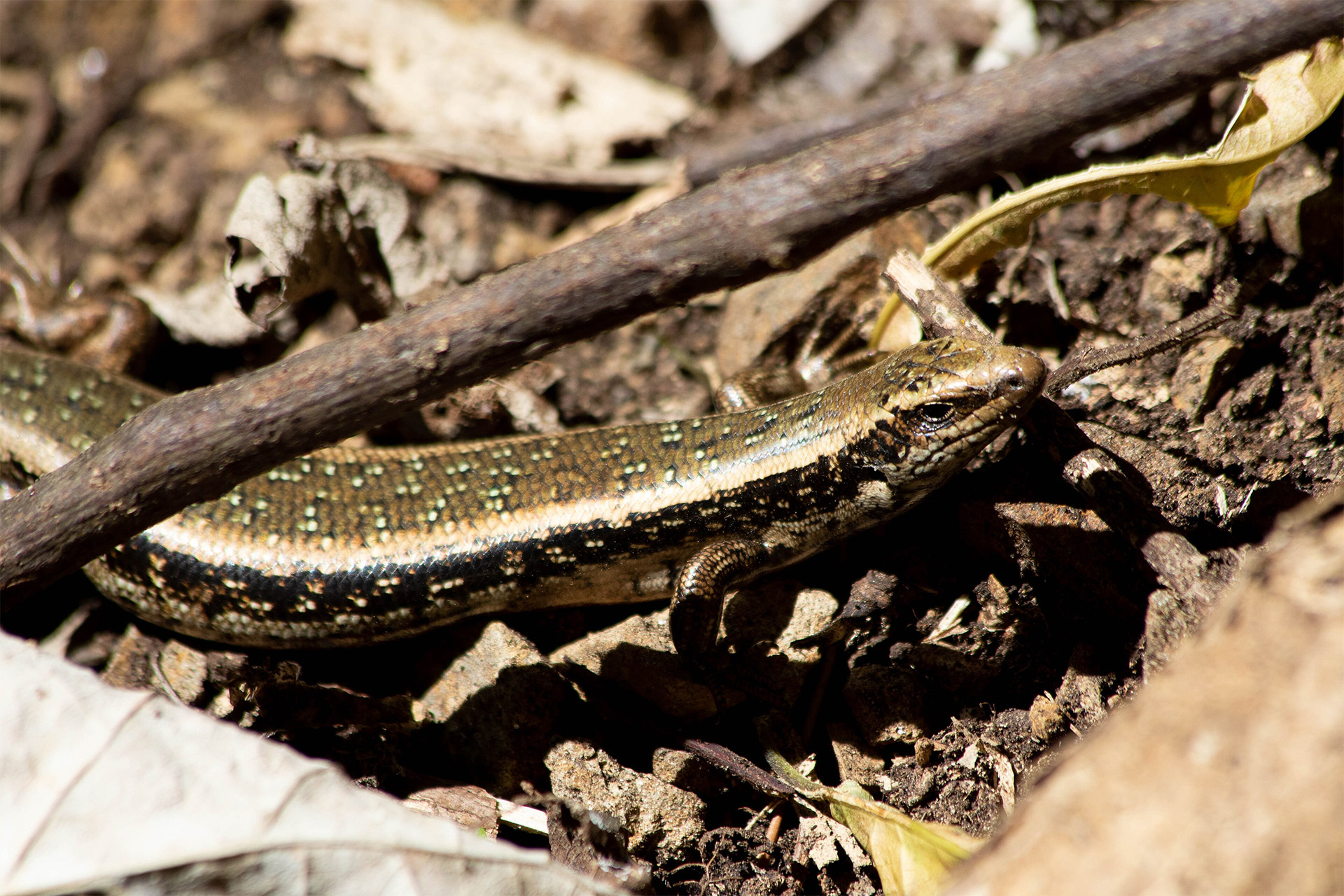
Conservation of skinks in New Zealand cities
2023, Woolley, C. K., Hartley, S., Innes, J. G., Shanahan, D. F., van Heezik, Y., Wilson, D. J., Nelson, N. Urban Ecosystems, 26(5), 1493–1508. ABSTRACT Urbanisation dramatically alters ecosystems, disrupting key processes and threatening species persistence. Despite growing knowledge of the impacts of cities on wildlife, particularly for birds and mammals, there remains a paucity…
-
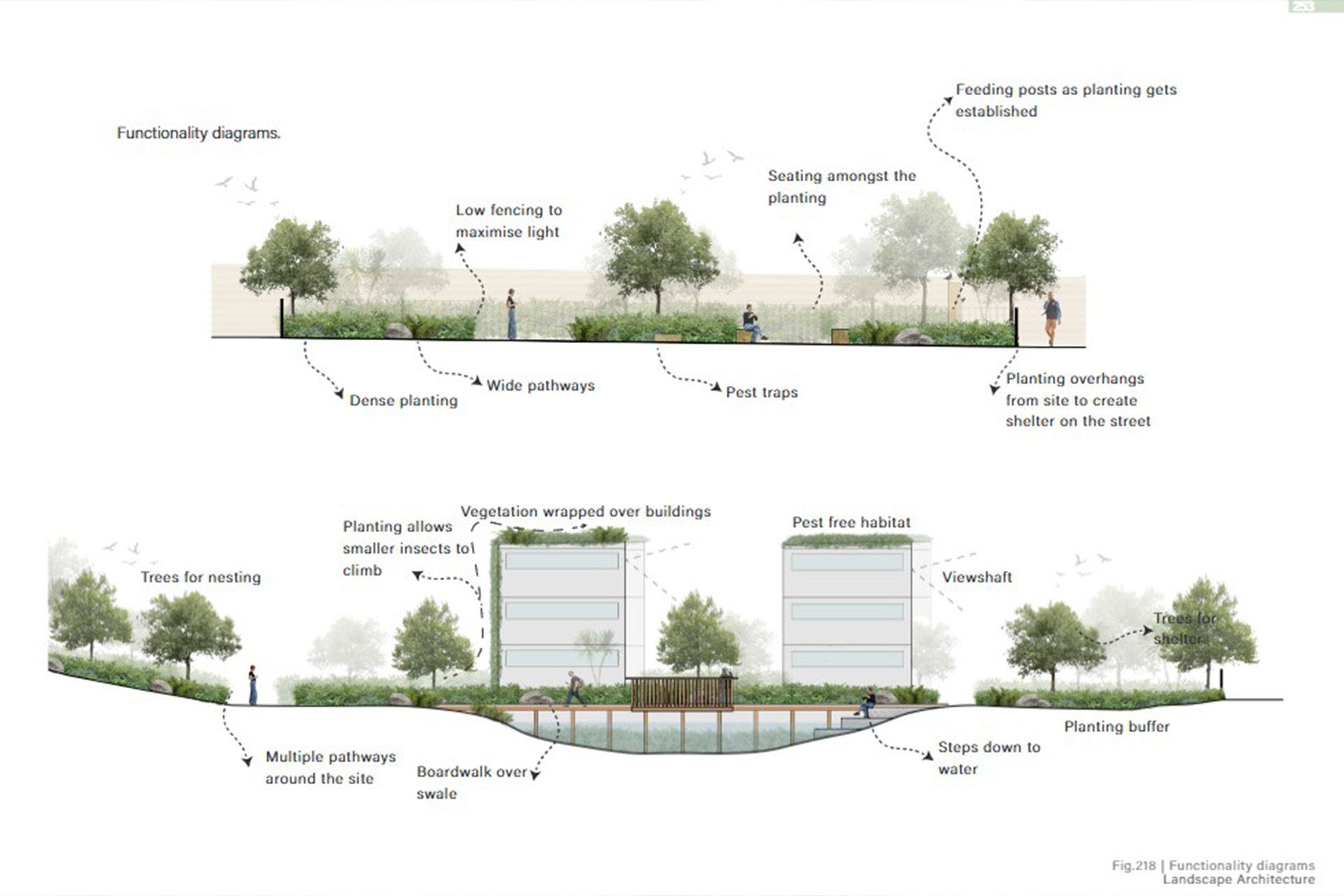
BiodiverCity: The integration of biodiversity with medium-density housing
BiodiverCity: The integration of biodiversity with medium-density housing. Katie Jenkins, Master of Landscape Architecture, Victoria University of Wellington, 2024. Supervisors: Bruno Marques and Maibritt Pedersen Zari. ABSTRACT As cities continue to expand, our connection to biodiversity is reduced and our ecological resilience is placed under increasing pressure. Housing developments are replacing native flora and fauna…
-
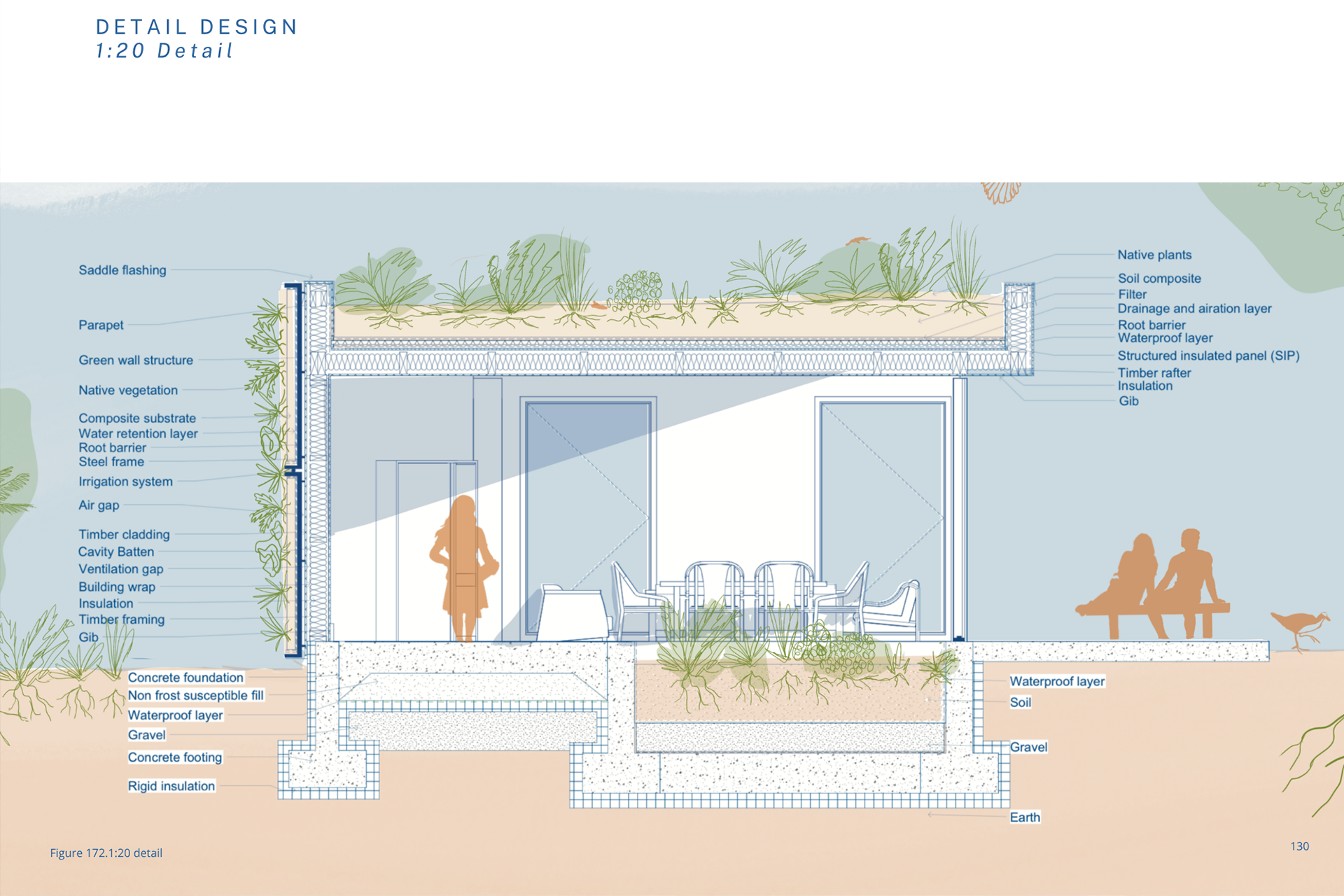
Medium-density housing designed to conserve and regenerate native biodiversity in Auckland, Aotearoa New Zealand
Medium-density housing designed to conserve and regenerate native biodiversity in Auckland, Aotearoa New Zealand. Robyn du Preez, Master of Architect (prof), Auckland University of Technology, 2024. Supervisor: Maibritt Pedersen Zari. ABSTRACT How homes are designed has changed through the centuries. Design drivers rotate through a hierarchy of form, function, and aesthetic. Houses are designed and…
-
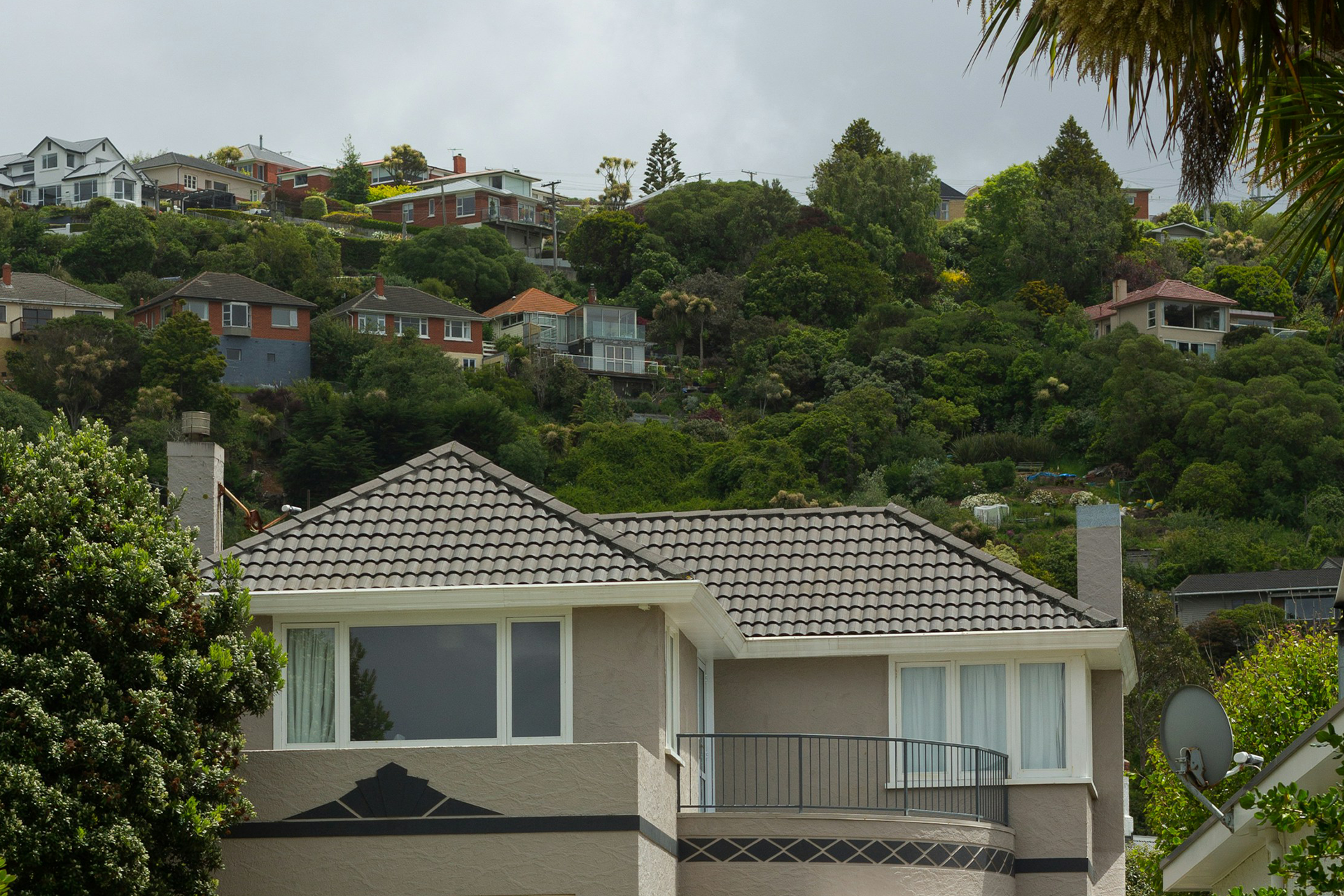
A rapid assessment technique for evaluating biodiversity to support accreditation of residential properties
2023, van Heezik, Y., Barratt, B. I. P., Burns, B. R., Clarkson, B. D., Cutting, B. T., Ewans, R., … & Seddon, P. J. Landscape and Urban Planning, 232, 104682. ABSTRACT Residential property certification schemes can inform and incentivise householders to enhance native biodiversity in their urban properties, but the certification process requires the development…
-
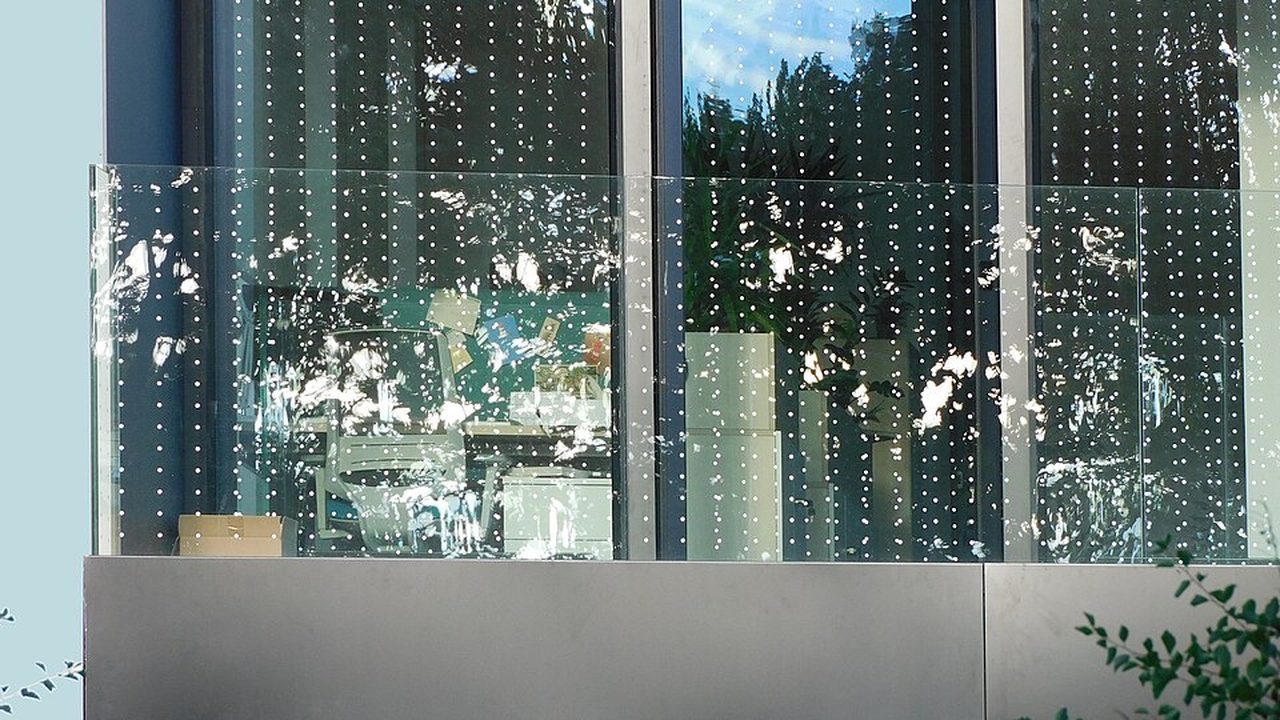
Building for biodiversity
Definition Building for biodiversity is the integration of building and urban design measures that avoid wildlife harm and actively support habitat, ecological processes, and species persistence within developed environments, including the incorporation of building-integrated and adjacent habitats. What this strategy does Reduces direct ecological impacts (e.g. collisions, light disturbance, noise, and habitat disruption) and integrates…
-
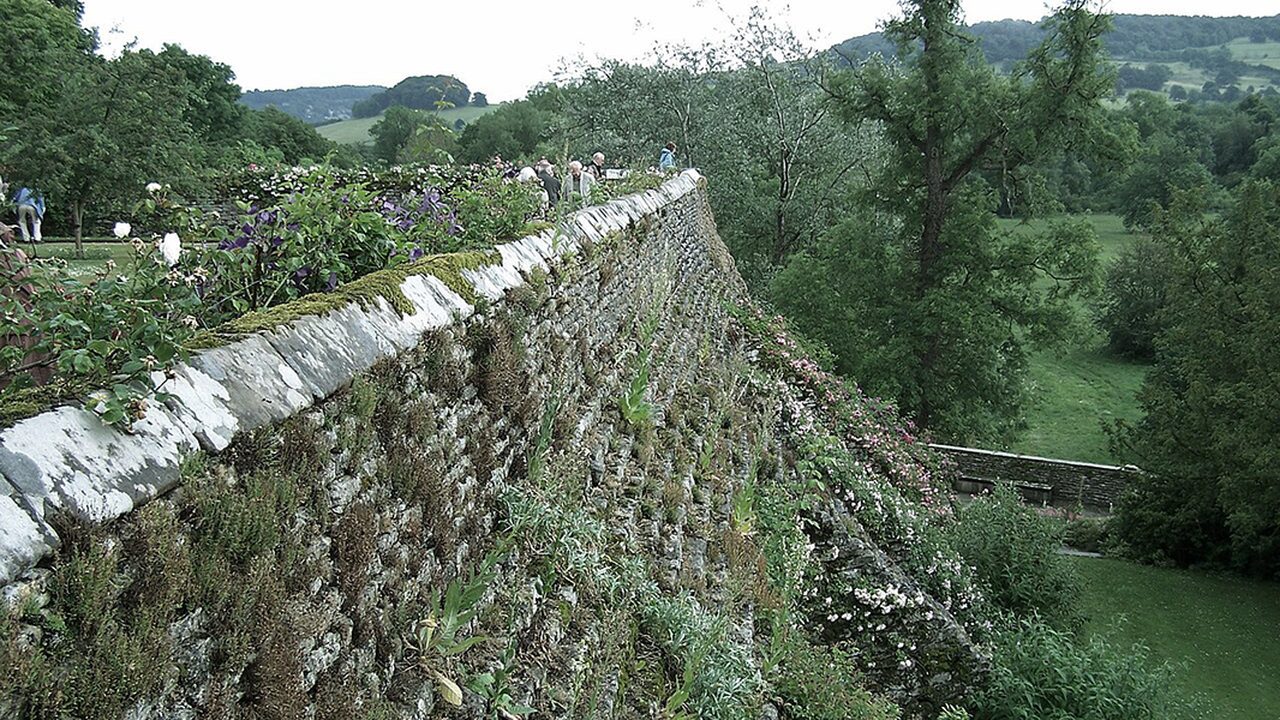
Living stabilisation systems
Definition Living stabilisation systems are bioengineered walls and slopes that integrate vegetation and natural materials into retaining, shoreline, and slope infrastructure to reinforce soils while providing ecological function. Examples include vegetated retaining walls, planted crib walls, living crib walls using live stakes (sticks that will take root), brush mattresses, and living shorelines. What this strategy…
-
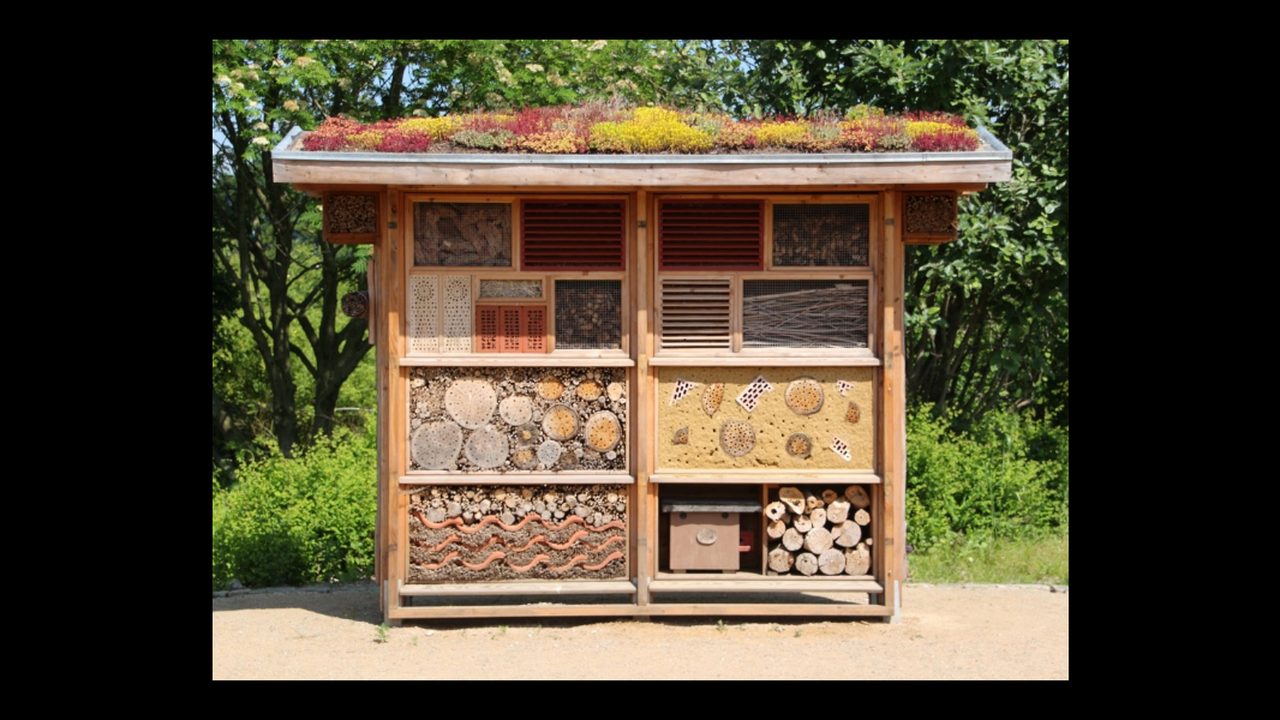
Artificial micro-habitats
Definition Artificial micro-habitats are purpose-designed structures integrated into buildings and infrastructure to provide small-scale shelter, refuge, or breeding opportunities for biodiversity where natural habitat is limited. What this strategy does This strategy introduces targeted habitat features, such as: nesting boxes; invertebrate hotels; façade-integrated recessions, ledges, or niches; gabion walls (for lizards and insects); and biodiversity…
-
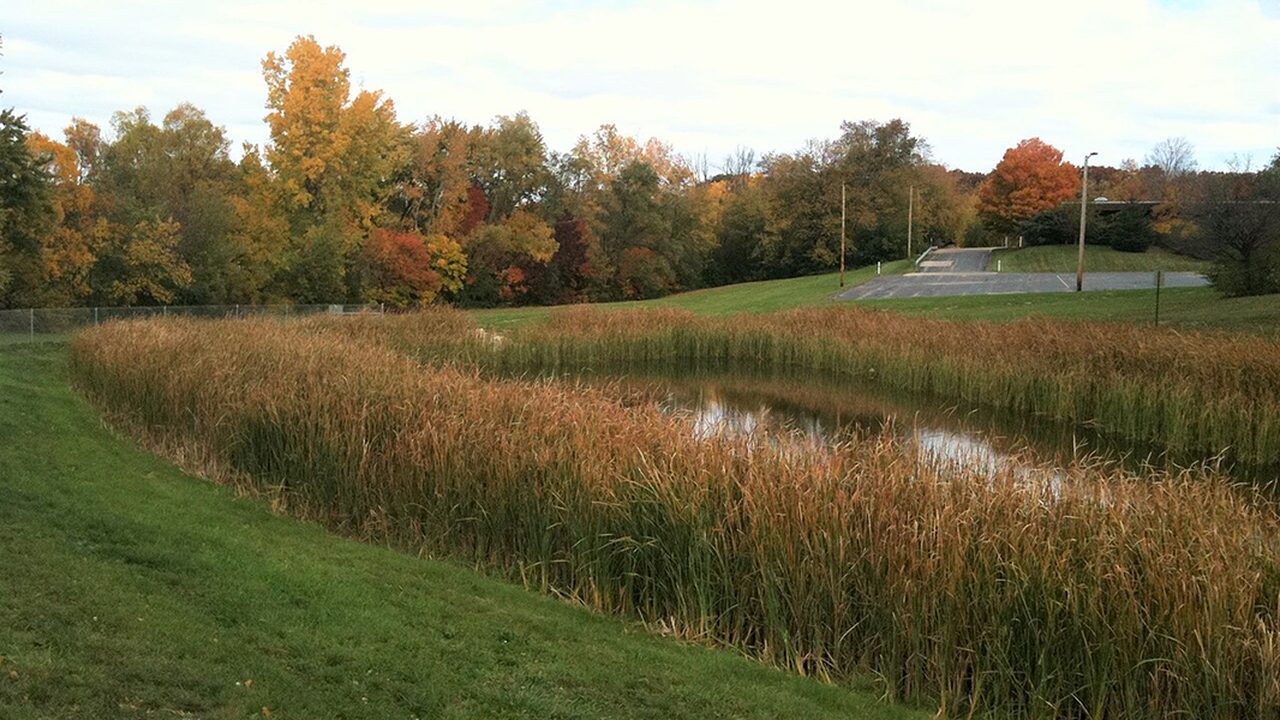
Detention ponds
Definition Detention ponds are engineered stormwater facilities that temporarily store and slowly release runoff to reduce peak flows and manage water quality. What this strategy does Provides flood attenuation and water treatment, and when designed with ecological principles, can support freshwater and riparian biodiversity. Avoids single-purpose, hard-edged basins with rapid drawdown and no vegetated margins.…
-
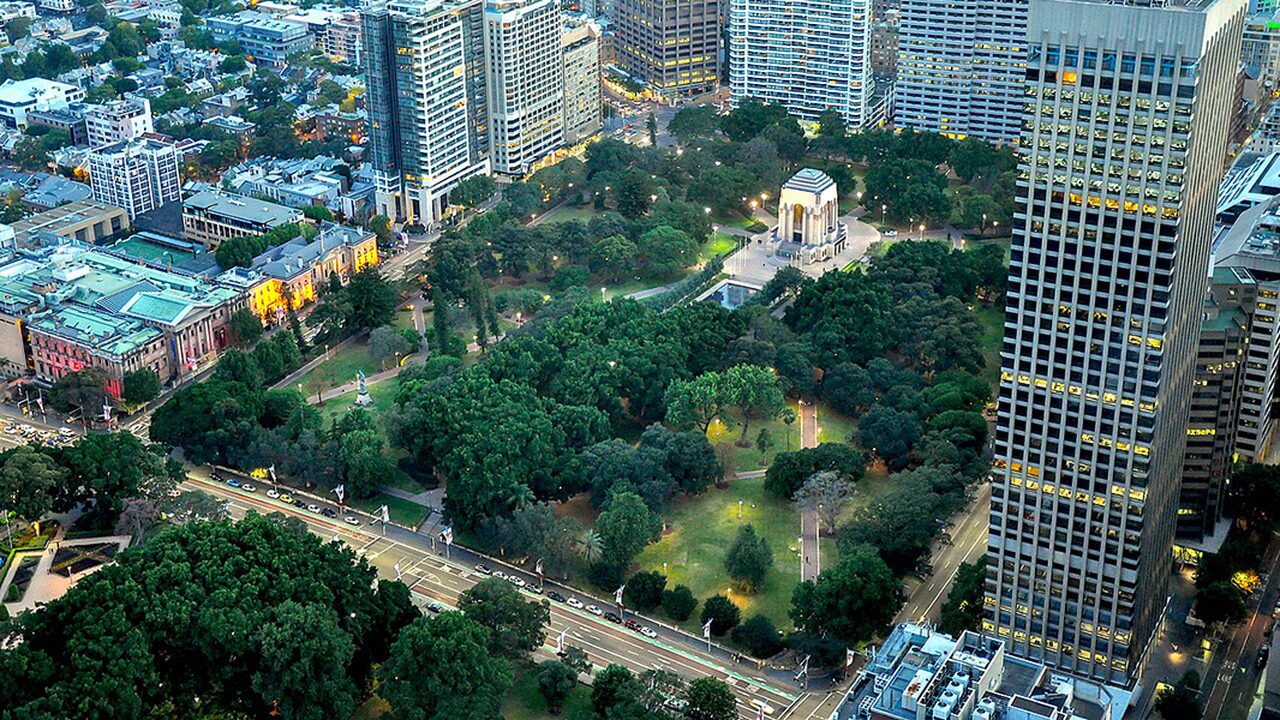
Stepping stone habitats
Definition Stepping stone habitats are small, distributed patches of natural or semi-natural habitat within urban areas that enable species movement between larger habitat areas. What this strategy does Provides intermittent habitat nodes that support dispersal, foraging, and refuge across fragmented urban landscapes, without requiring continuous corridors. Context In Aotearoa New Zealand cities, high fragmentation, limited…
-
Rain water gardens
Definition Rain water gardens are shallow, vegetated basins that capture, slow, and filter stormwater runoff from impervious surfaces, allowing water to infiltrate through planted soils. What this strategy does Manages stormwater at source while supporting vegetation, soil processes, and limited aquatic habitat. Avoids hard-engineered, single-function drainage solutions. Context In urban Aotearoa New Zealand, rain water…
-
Planting for biodiversity
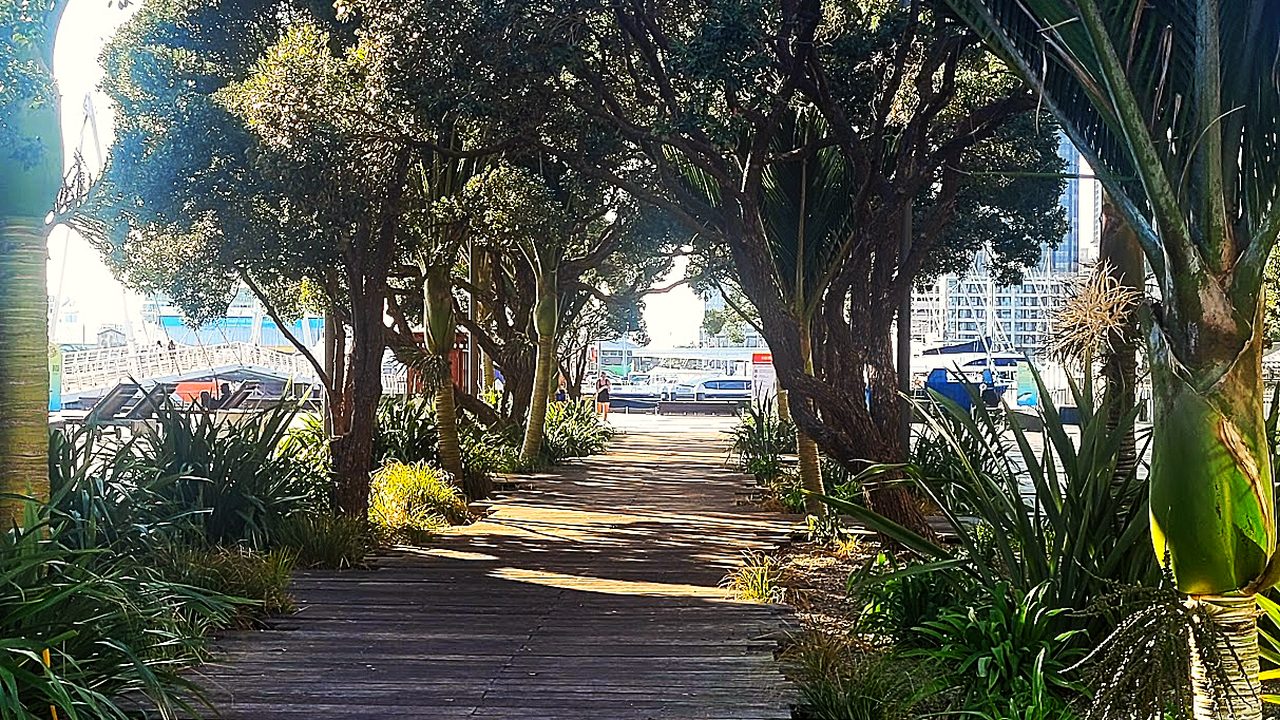
Definition Planting for biodiversity uses eco-sourced native vegetation to create, restore, and connect habitats that support Indigenous species and ecological processes, including the reintroduction of locally appropriate or rare species where suitable. What this strategy does Delivers multi-layered native planting that supports fauna, soil health, and ecosystem function; includes revegetation, climate-adapted planting, and soil and…
-
Permeable paving
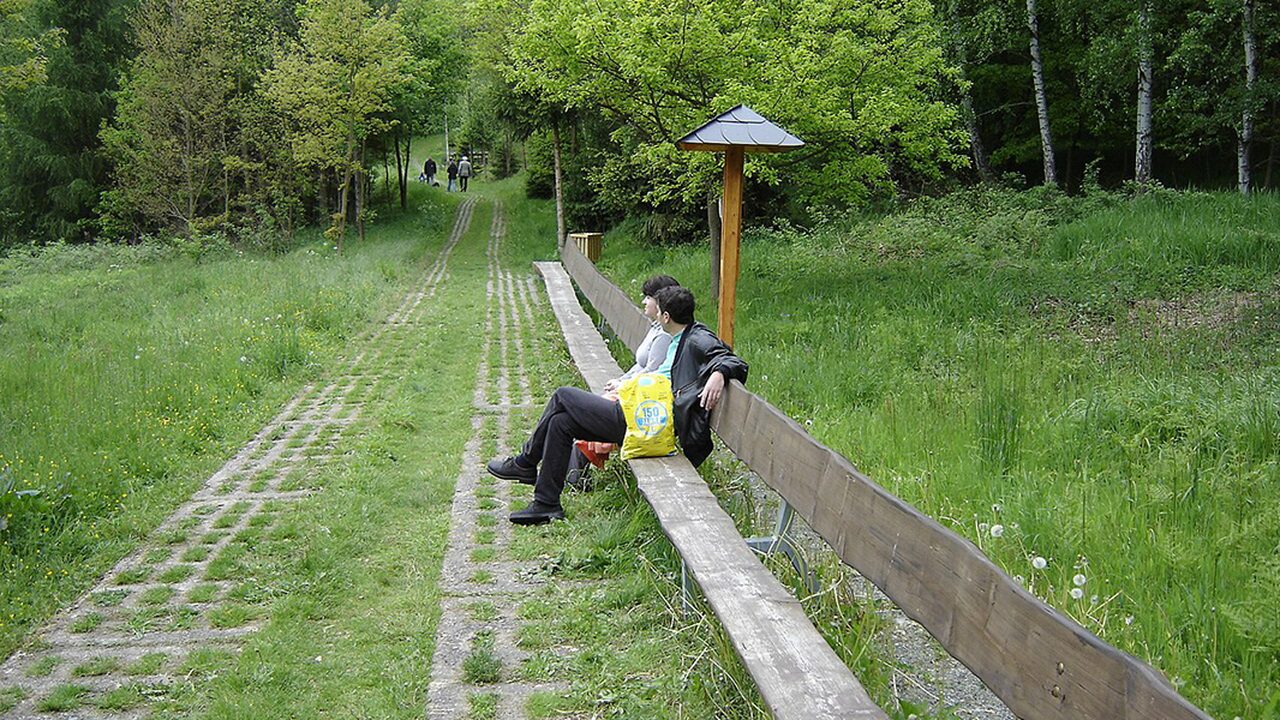
Definition Permeable paving and surfacing are hardscape systems designed to allow rainfall to infiltrate through the surface into underlying layers, reducing runoff and supporting soil, water, and vegetation functions within urban environments. What this strategy does Replaces impermeable sealed surfaces with porous or permeable materials that manage stormwater at source and reduce soil sealing. Avoids…
-

Natural playgrounds
Definition Natural playgrounds are outdoor play spaces that integrate native vegetation and natural materials to support unstructured play while creating small, functional habitats for urban biodiversity. What this strategy does Provides nature-based play opportunities for children while contributing to local habitat creation and ecological connectivity. Avoids highly standardised, synthetic play equipment with no ecological function.…
-
Urban water features
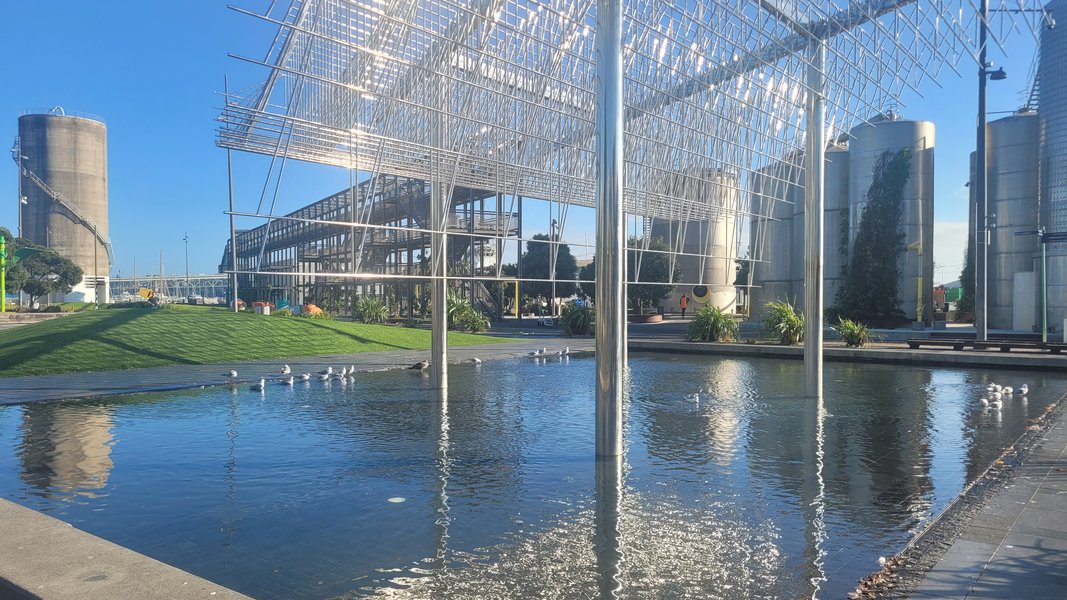
Definition Urban water features are designed aquatic elements (e.g. ponds, fountains, water walls, streams) that provide habitat, drinking, and bathing resources for urban wildlife. What this strategy does Creates small but ecologically functional water habitats within built environments; avoids purely ornamental, sterile, or hard-edged water design. Context In urban environments with limited natural freshwater, well-designed…
-
Urban street trees
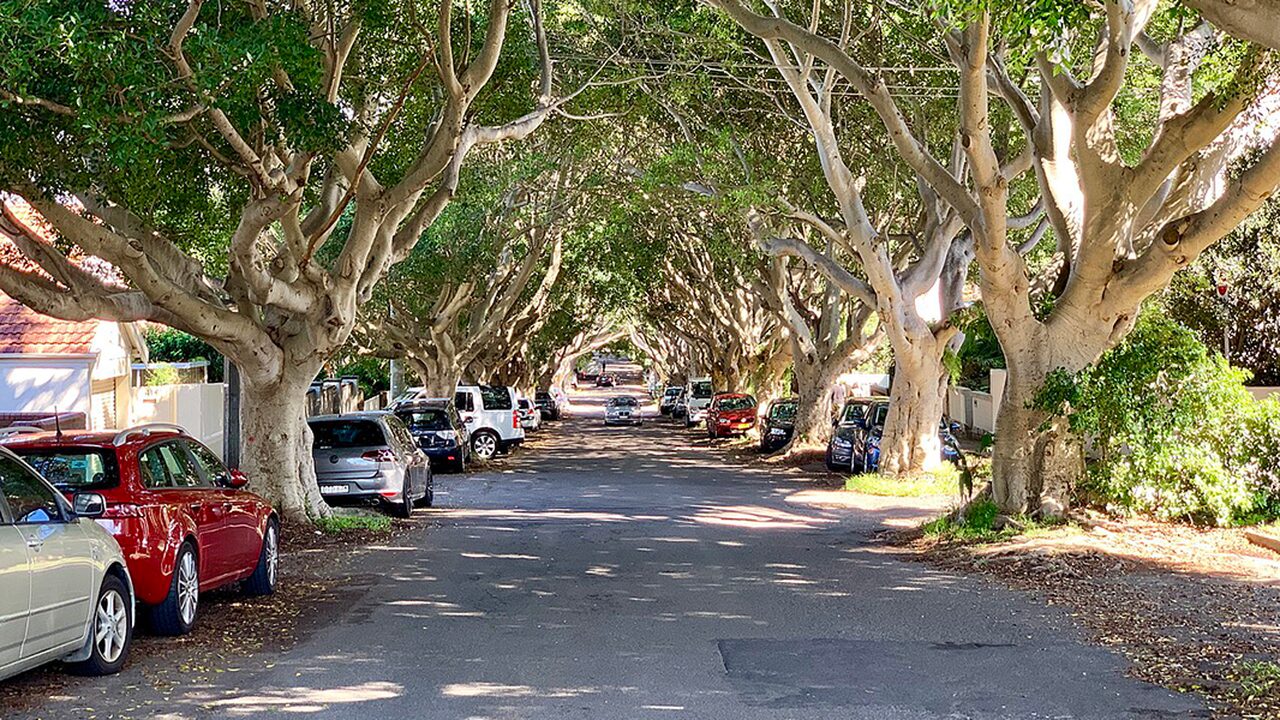
Definition Urban street trees are woody perennial plants intentionally planted and managed within road reserves and footpaths to provide habitat, movement corridors, and ecosystem services within urban environments. What this strategy does Introduces and manages diverse, well-sited street trees to support urban biodiversity, climate resilience, and human wellbeing, while avoiding monocultures and infrastructure conflict. Context…
-
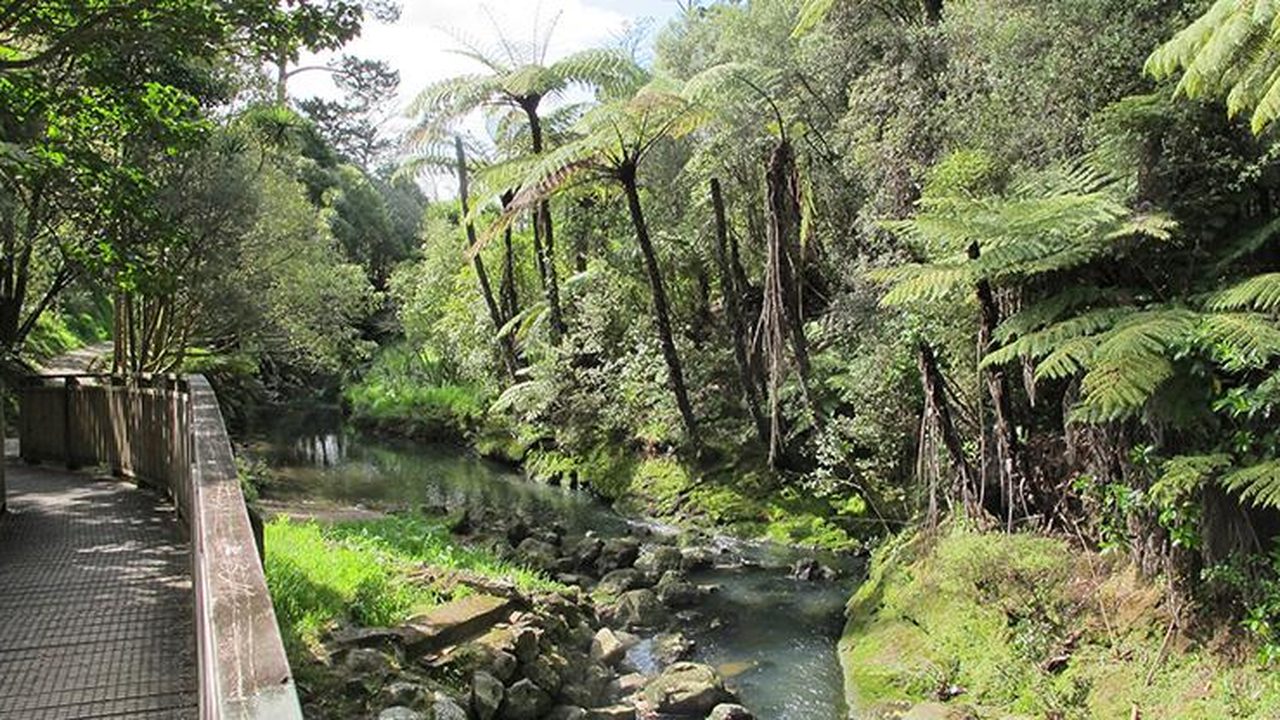
Urban riparian restoration & shading
Definition Urban riparian restoration and shading restores vegetated margins along urban waterways using native planting to create continuous or semi-continuous canopy cover that supports freshwater health, biodiversity connectivity, and urban microclimate regulation. What this strategy does Re-establishes native riparian vegetation to shade channels, stabilise banks, filter runoff, and provide habitat. Avoids isolated or purely ornamental…
-
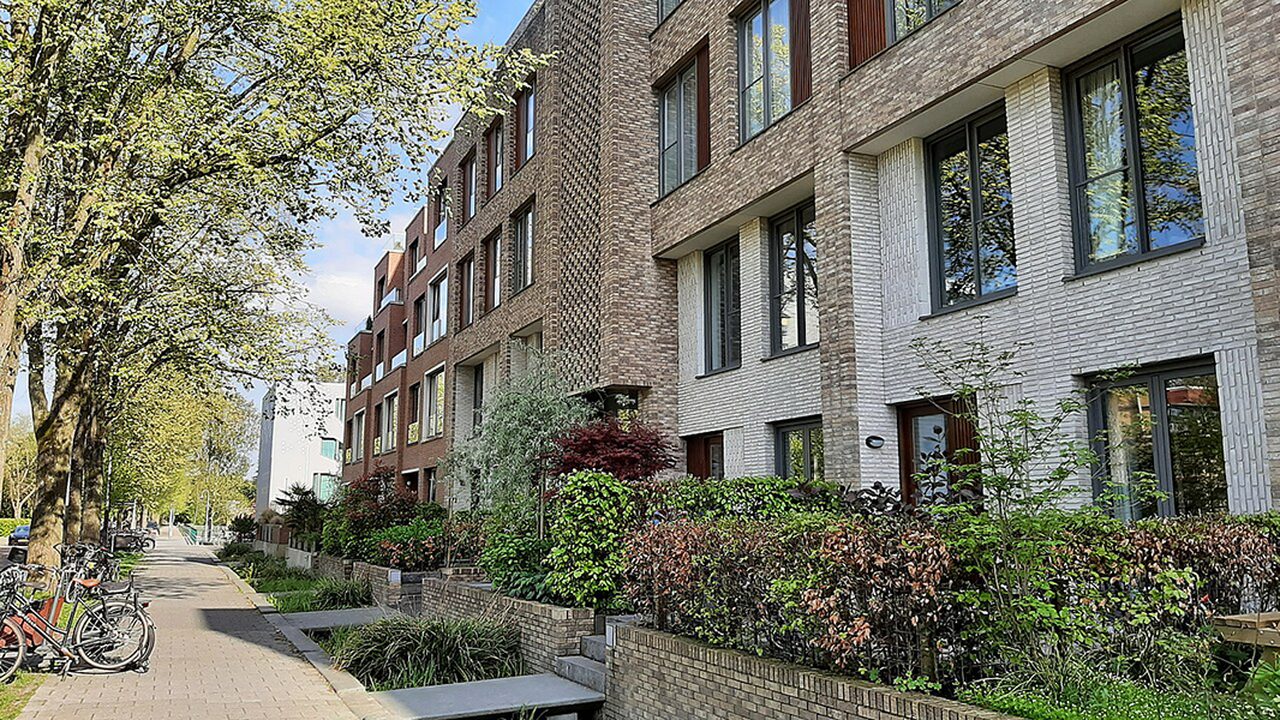
Stormwater planters
Definition Stormwater planters are engineered green infrastructure systems that intercept, filter, and temporarily store urban runoff using planted soil media. What this strategy does Treats stormwater at source while providing small, distributed habitat patches integrated into streets and developments. Avoids reliance on purely grey conveyance systems. Context In highly impervious urban environments, stormwater planters provide…
-
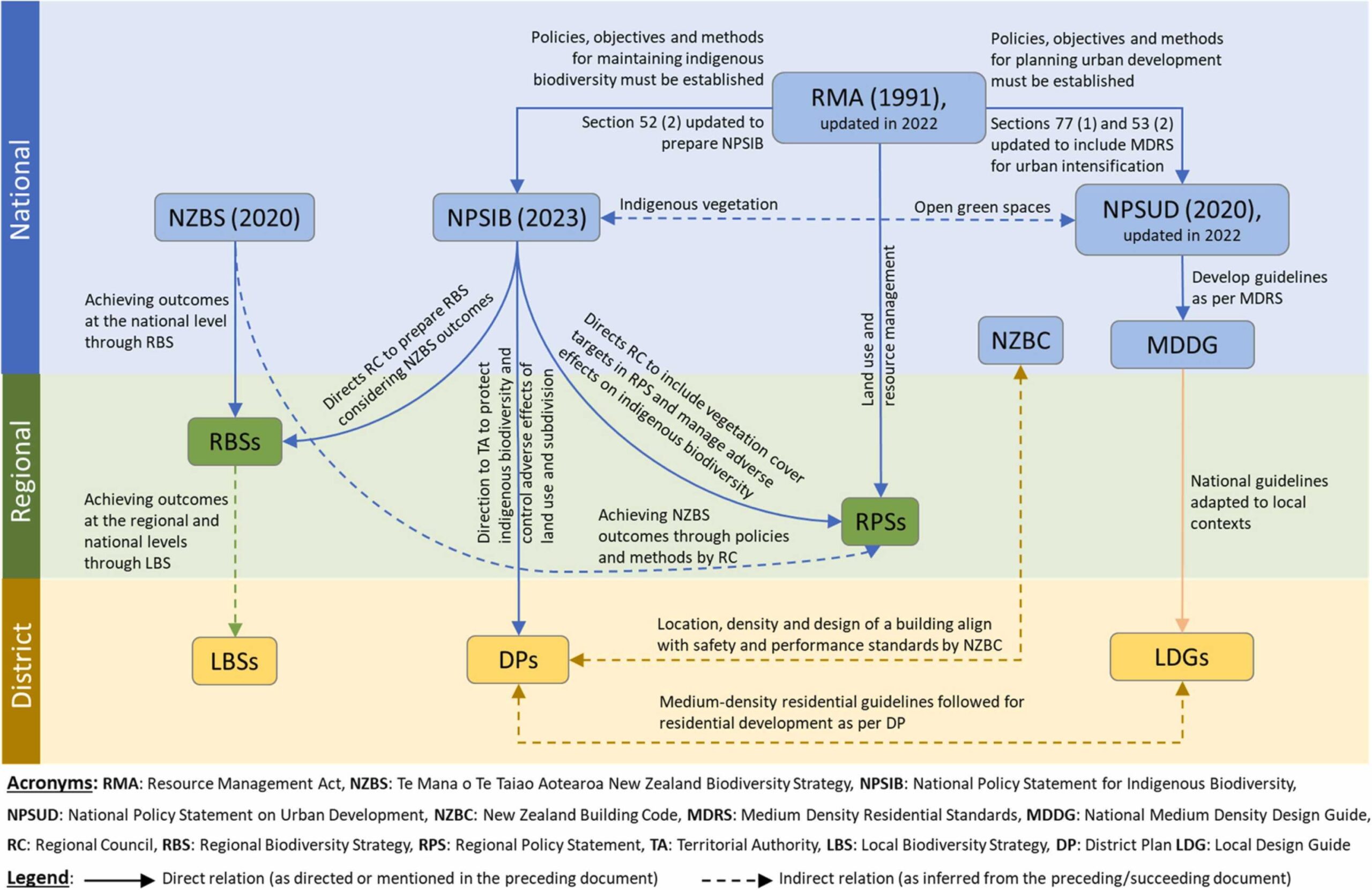
Biodiverse residential development: A review of New Zealand policies and strategies for urban biodiversity
2024, Varshney, K., MacKinnon, M., Pedersen Zari, M., Shanahan, D., Woolley, C., Freeman, C., & van Heezik, Y. Urban Forestry & Urban Greening, 94(128276). ABSTRACT Urban residential development is expanding globally to accommodate increasing housing demand, greatly impacting biodiversity and human wellbeing. Enhanced sustainability of these developments requires an integrated approach to conserving, supporting, and restoring biodiversity…
-
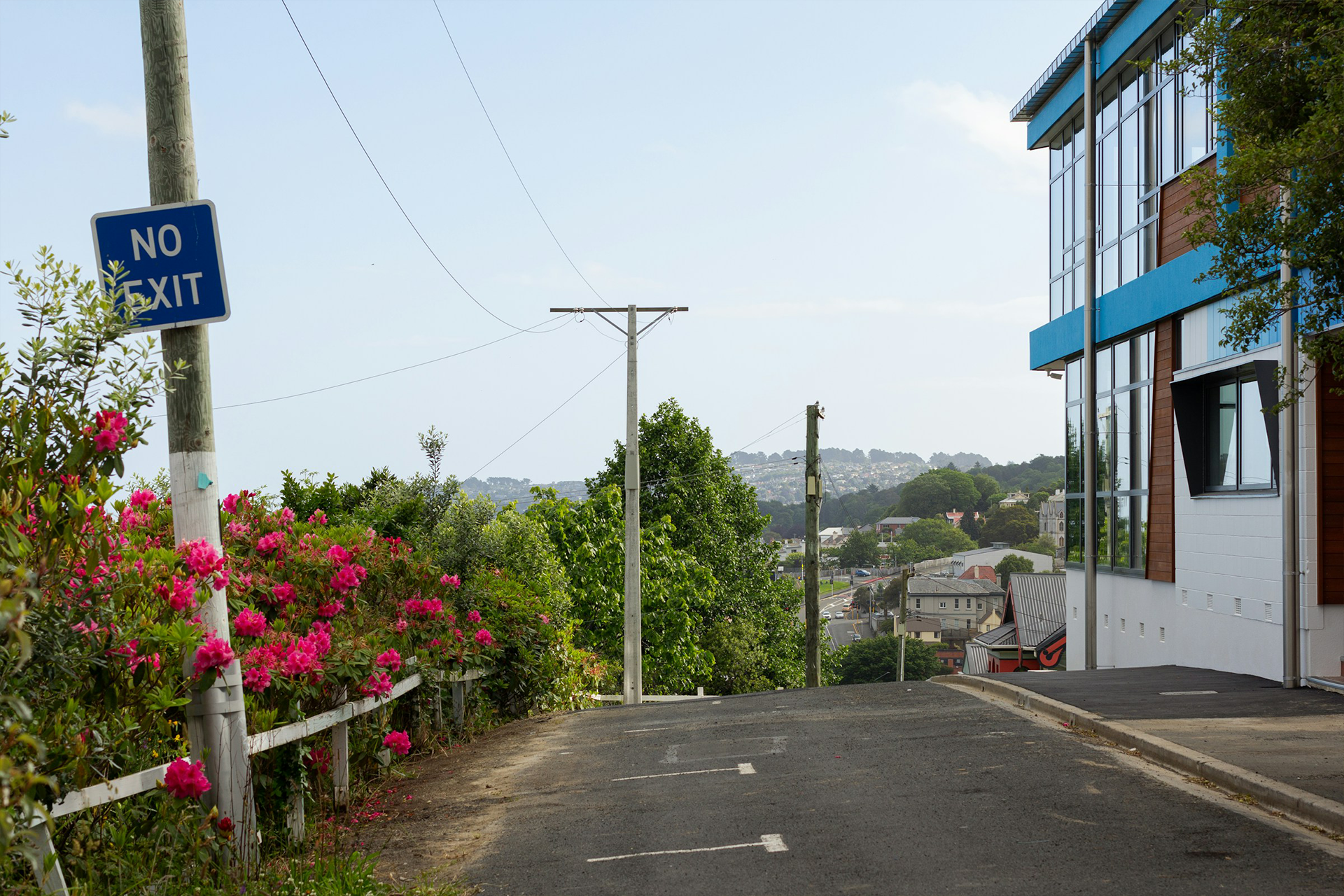
The New Zealand Biodiversity Factor—Residential (NZBF-R): A Tool to Rapidly Score the Relative Biodiversity Value of Urban Residential Developments
2025, Theis, J., Woolley, C. K., Seddon, P. J., Shanahan, D. F., Freeman, C., Pedersen Zari, M., & van Heezik, Y. Land, 14(3), 526. ABSTRACT The loss of biodiversity in urban residential areas that are densifying in response to increasing housing demand has serious implications for urban ecosystem functioning and human wellbeing. There is an…
-
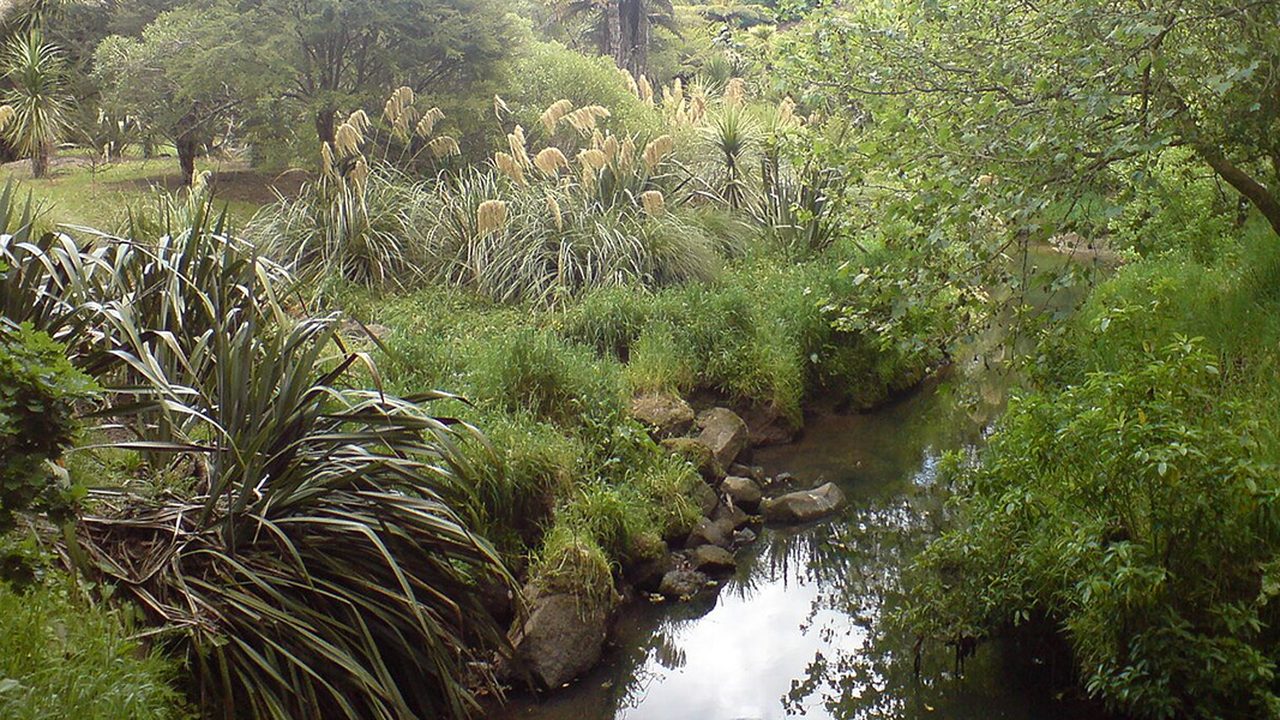
Christchurch urban streams
Urban development, channelisation, stormwater inputs, and post-earthquake land-use changes have modified stream hydromorphology, water quality, and ecological condition across the network. Recovery is constrained by ongoing urban pressures, limited riparian buffers, and the absence of coordinated catchment-scale management. A coordinated programme of monitoring, management, and restoration has been implemented across Christchurch’s urban stream network, including…
-
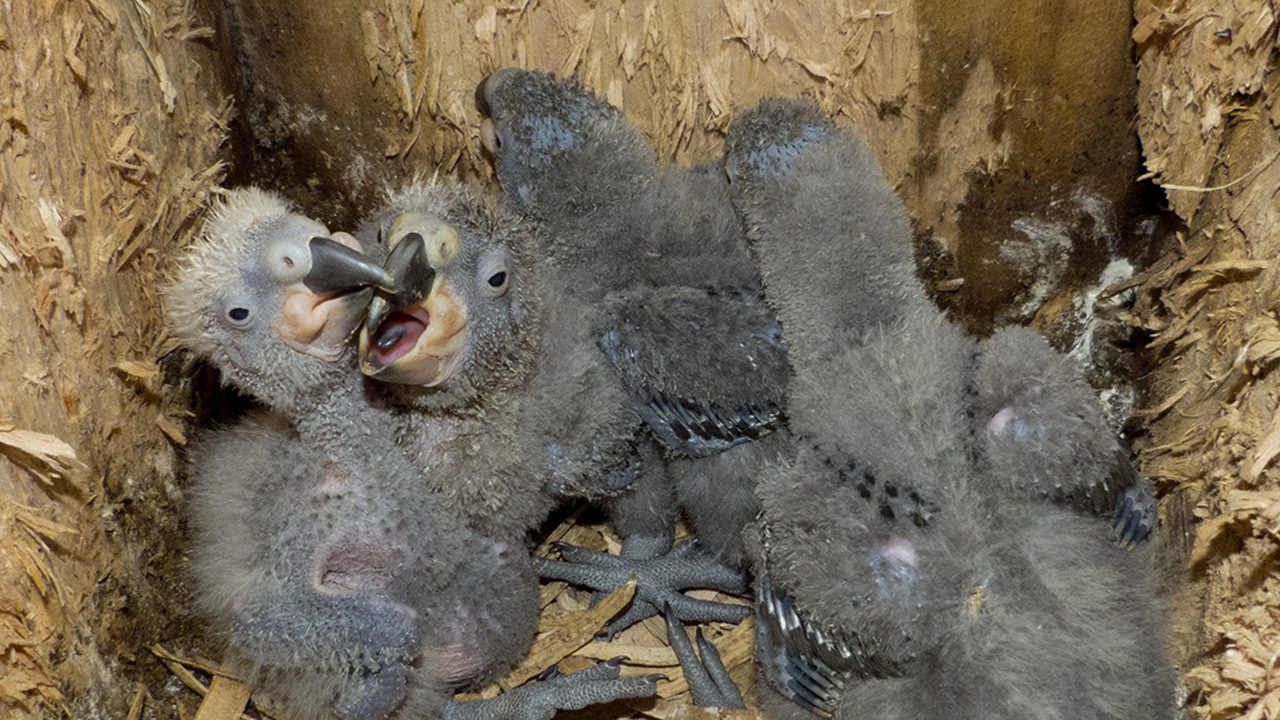
Kākā nest box programme
While predator eradication at Zealandia provided a source population, urban expansion of kākā raised questions about cavity availability to support continued breeding outside the sanctuary. Mature trees with suitable natural cavities are scarce in many suburban Wellington environments. Nest boxes designed to meet the cavity dimensions required by kākā were installed on trees across Wellington…
-
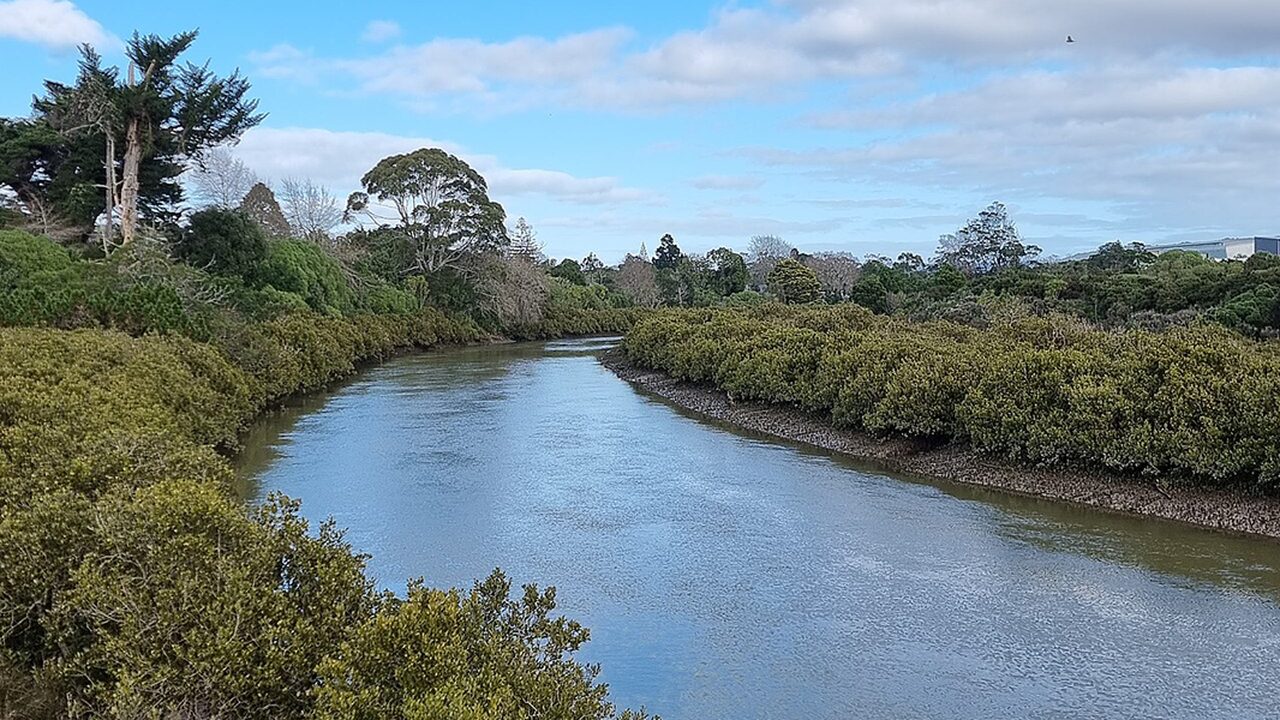
Project Twin Streams
The Twin Streams catchment was characterised by degraded riparian margins, invasive vegetation, and poor water quality associated with urban land use. Fragmented stream corridors limited ecological function and community connection to local waterways. A sustained, community-centred restoration programme was implemented along both stream corridors, removing invasive riparian vegetation, establishing over 500,000 native plants, and engaging…
-
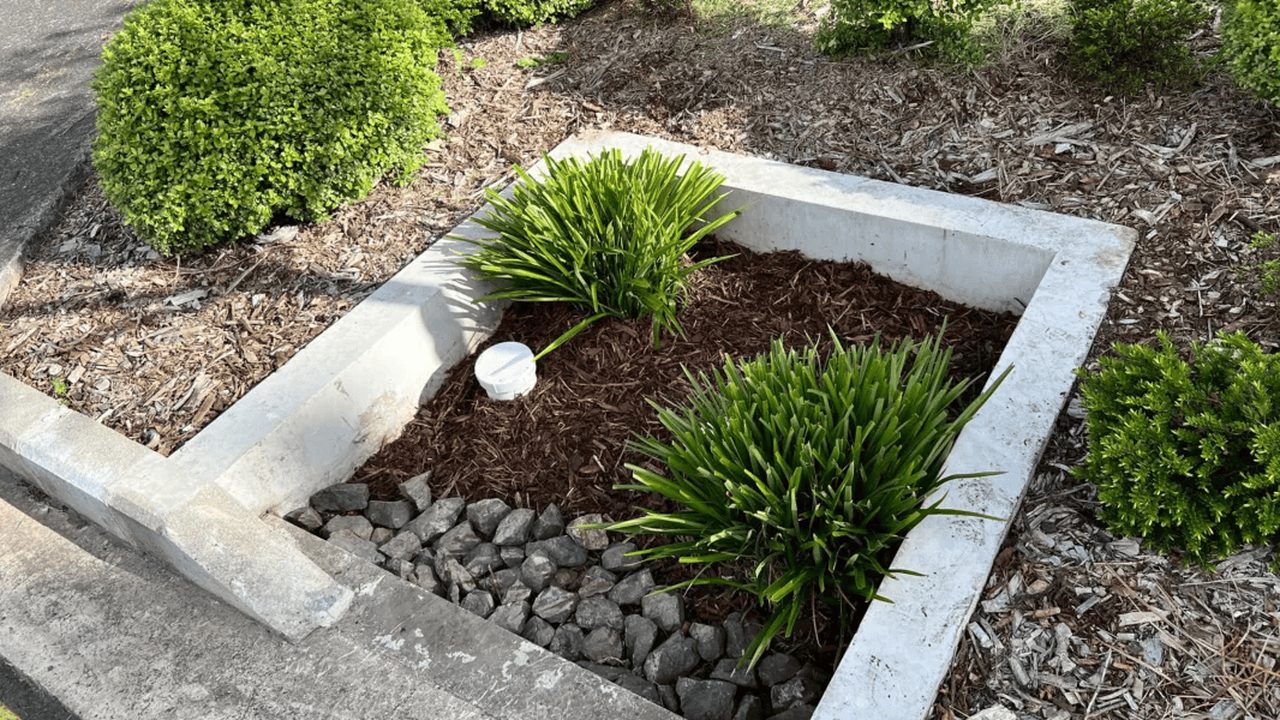
Filterra at Owairaka subdivision
Available land area within the subdivision was insufficient to accommodate conventional low-rate raingardens designed under prescriptive Auckland guidance, necessitating an alternative stormwater treatment approach that could demonstrate equivalent contaminant removal performance within a smaller footprint. A proprietary Filterra® high-rate biofiltration system was installed as part of the subdivision’s integrated stormwater management strategy to treat runoff…
-
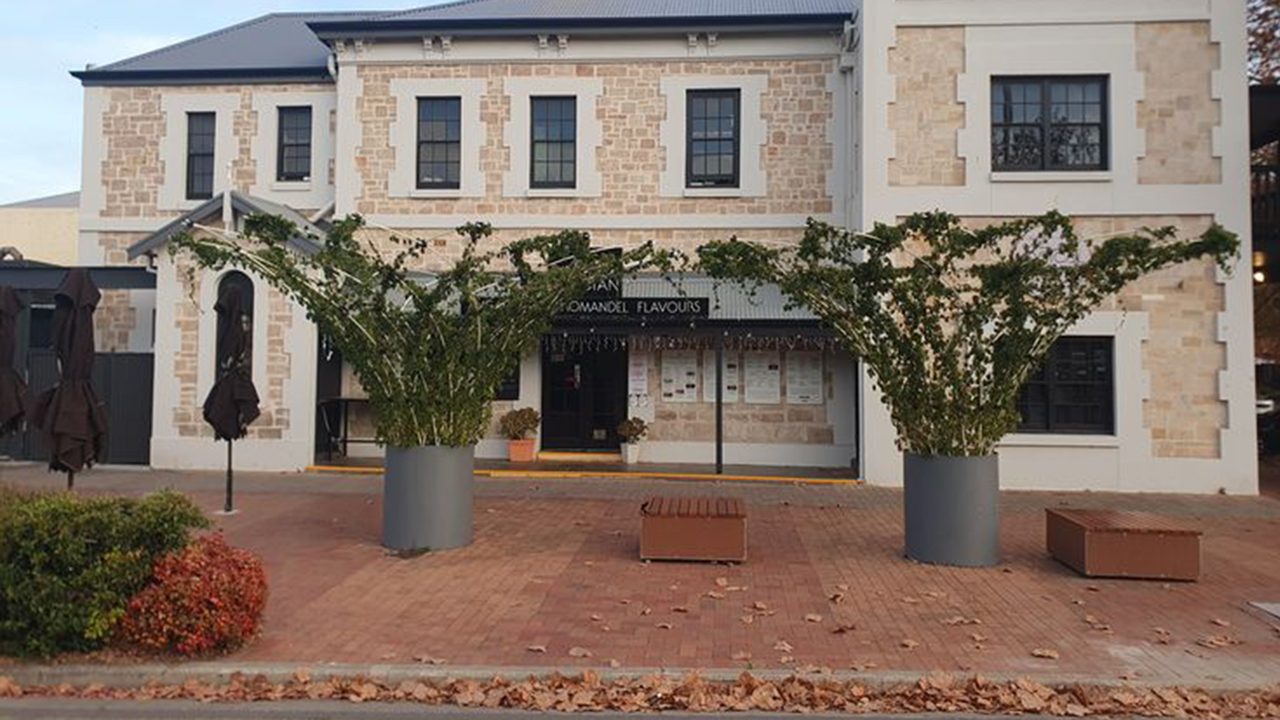
Urban Canopee
Hutt and Halifax Streets are constrained by underground services, limited soil volume, and narrow verges, restricting opportunities for large-canopy street trees. This limited the capacity to provide shade and pedestrian thermal comfort using conventional urban forestry approaches. Two lightweight bioshading structures were installed to introduce vegetated shade within the existing streetscape, using steel frames with…
-
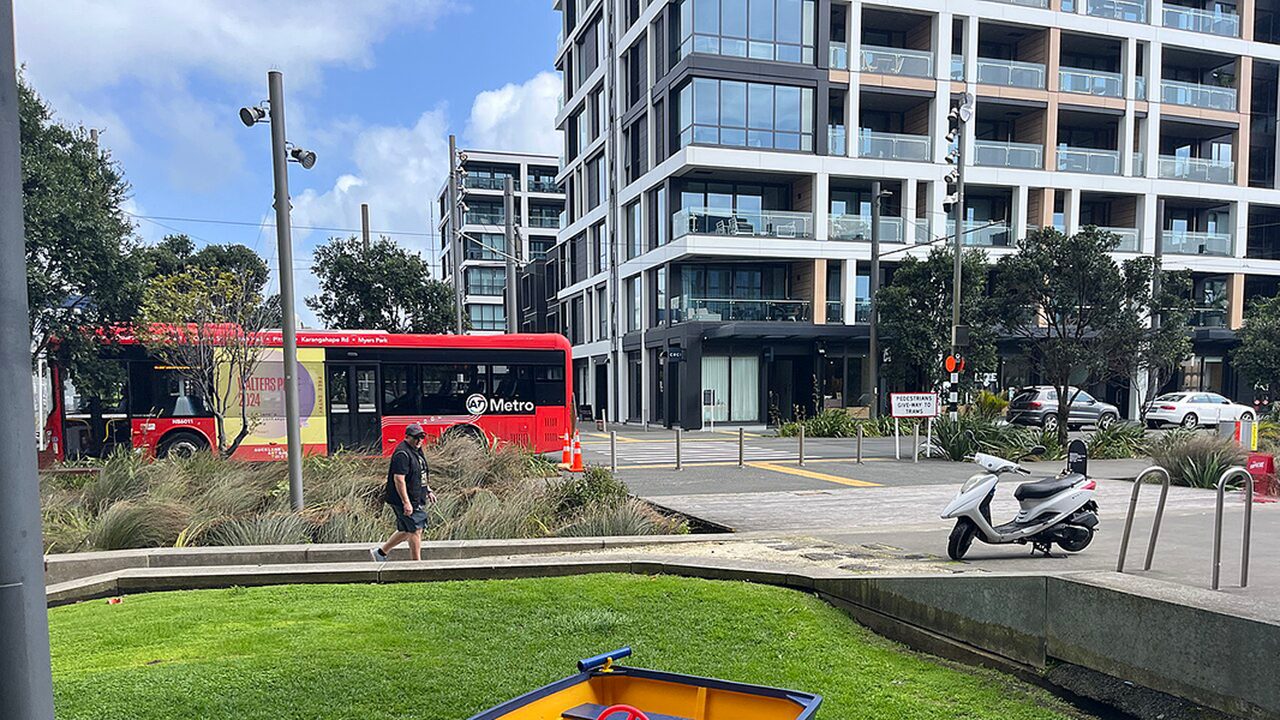
Wynyard Quarter bioswales
Conventional piped stormwater systems provided limited treatment of road runoff before discharge to the harbour. The precinct required visible, at-source treatment systems that could operate within a constrained public-realm streetscape and meet Auckland Council and Auckland Transport performance requirements. Linear bioswales were installed along Jellicoe Street and others as part of an integrated water-sensitive design…
-
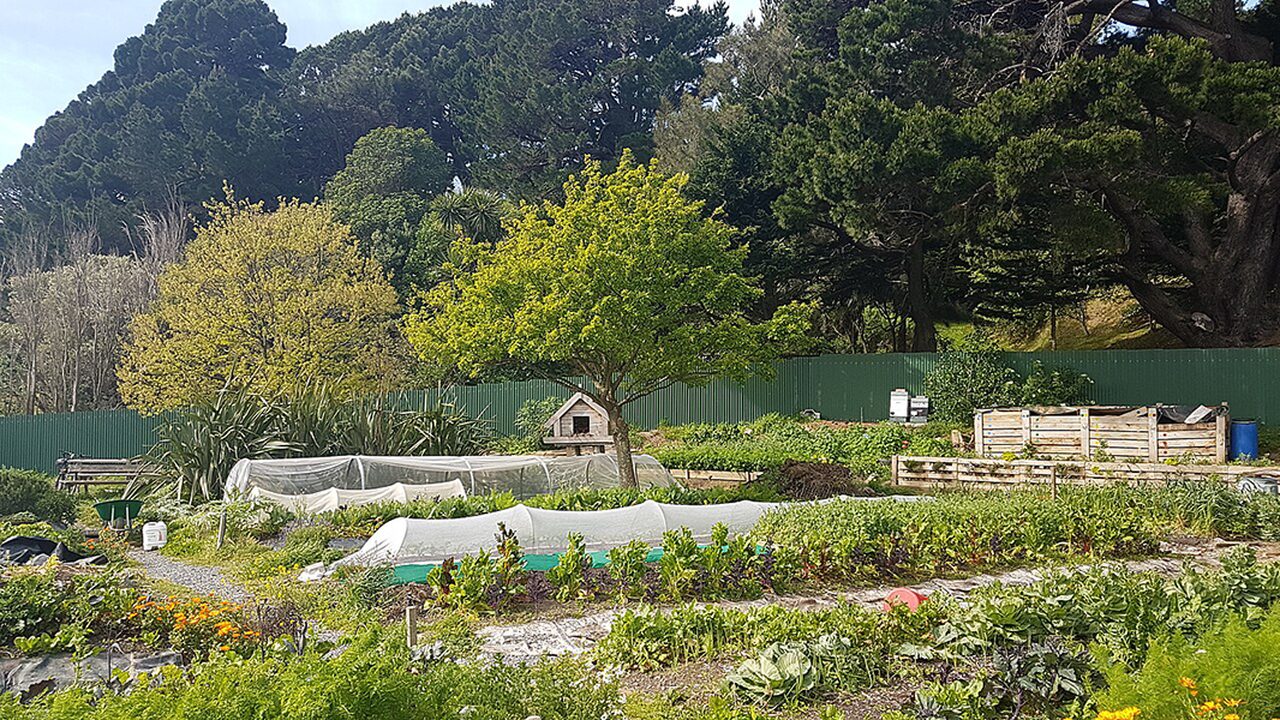
Kaicycle Urban Farm
Organic food waste from households and hospitality businesses was largely landfilled, while opportunities for local composting and food growing within the urban area were limited. Space constraints, volunteer reliance, and regulatory requirements for composting posed operational limits. Kaicycle established an integrated system linking food scrap collection using electric cargo bicycles, on-site aerobic composting, and small-scale…
-
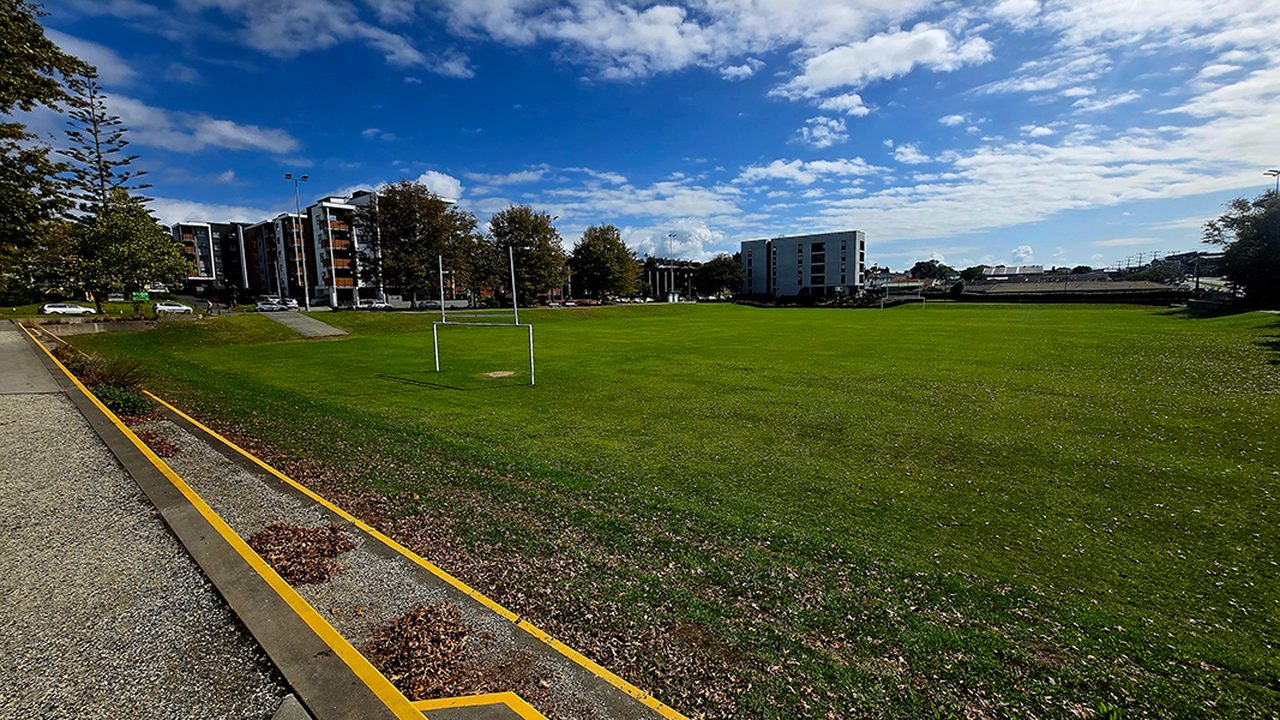
Te Kaitaka/Greenslade Reserve
Frequent flooding in the Awataha catchment placed pressure on downstream neighbourhoods and the Northcote town centre, while conventional underground upgrades alone offered limited capacity for extreme rainfall events. The challenge was to increase flood storage and peak-flow attenuation without removing valued recreational open space. Greenslade Reserve was redesigned to operate as a floodable landscape that…
-
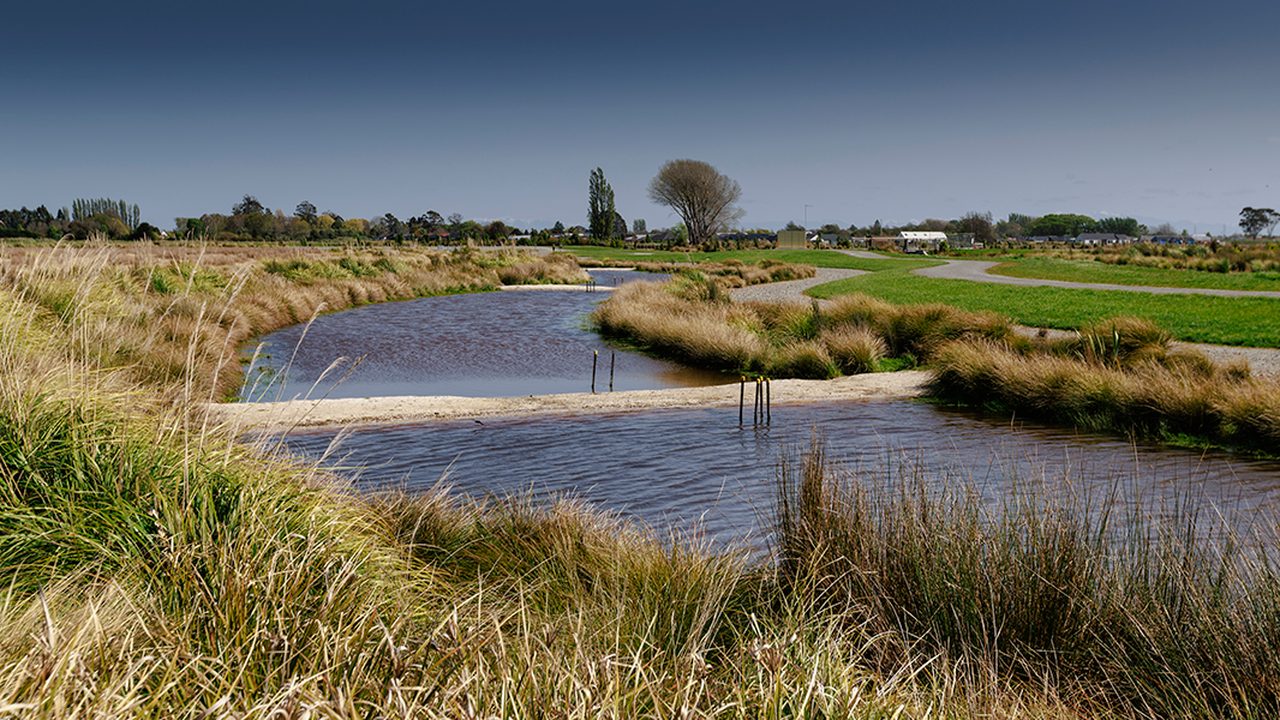
Aidanfield vegetated swale and detention pond
Conventional piped stormwater systems provided limited treatment, attenuation, or ecological value, and increased downstream pressure on waterways. New subdivisions were required to meet hydrological performance standards while responding to emerging expectations around environmental and amenity outcomes. The Aidanfield vegetated swale and overflow detention/infiltration pond treatment train was integrated into the subdivision layout to manage stormwater…
-
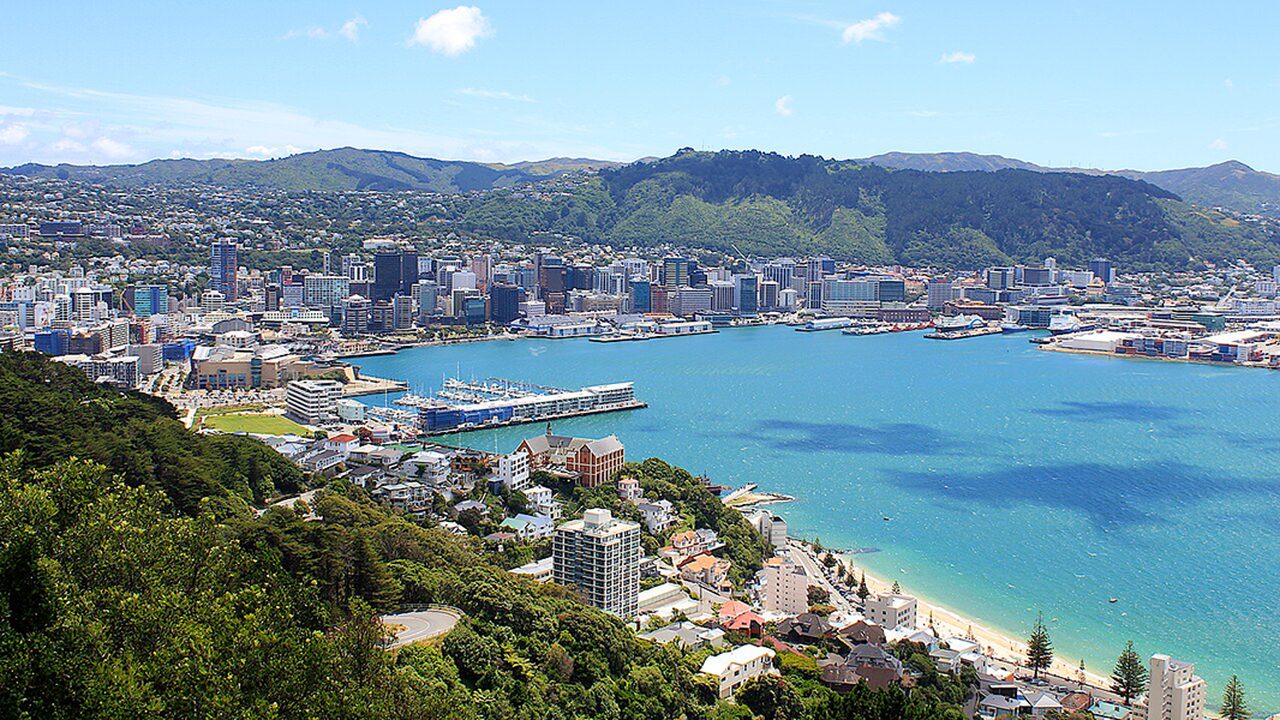
Wellington Town Belt
Historical vegetation clearance, infrastructure encroachments, and persistent pressure from introduced predators reduced habitat quality and weakened ecological connectivity across the urban landscape. Research shows that fragmented green spaces perform poorly for Indigenous species compared with connected networks, highlighting the need to manage the Wellington Town Belt as part of a wider system. The Wellington Town…
-
GardenStar Tool
There was a gap between household interest in backyard biodiversity and access to practical, user-friendly assessment and improvement guidance. Research-led residential biodiversity tools are designed for repeatable scoring and application by practitioners or institutions, making them less directly accessible for household self-use. Gardenstar was developed as an online, qualitative self-assessment tool that enables householders to…
-
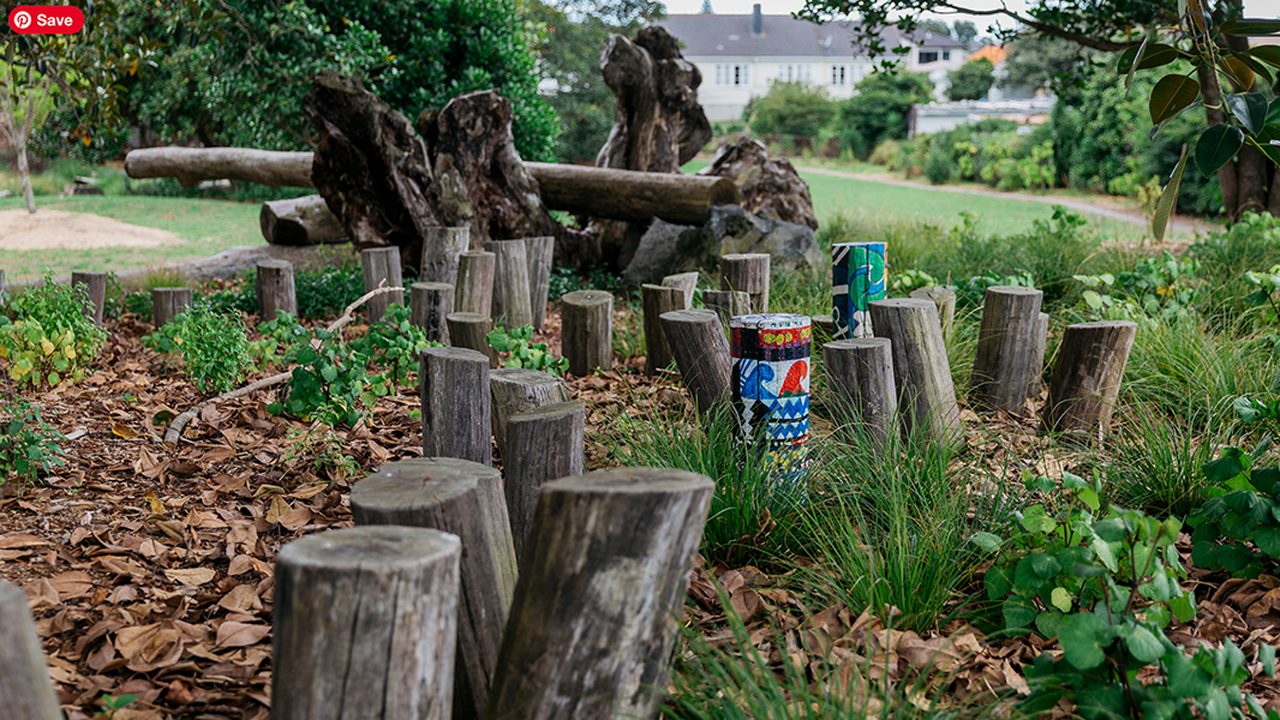
Te Māra Hūpara playground
Conventional playground models were poorly suited to a dynamic floodplain environment and risked visual and functional conflict with stream restoration objectives. The site required a play intervention that could coexist with flood management works, respect and celebrate cultural values incorporating mātauranga Māori, and avoid introducing rigid or maintenance-intensive structures. A traditional Māori, landscape-led playground was…
-
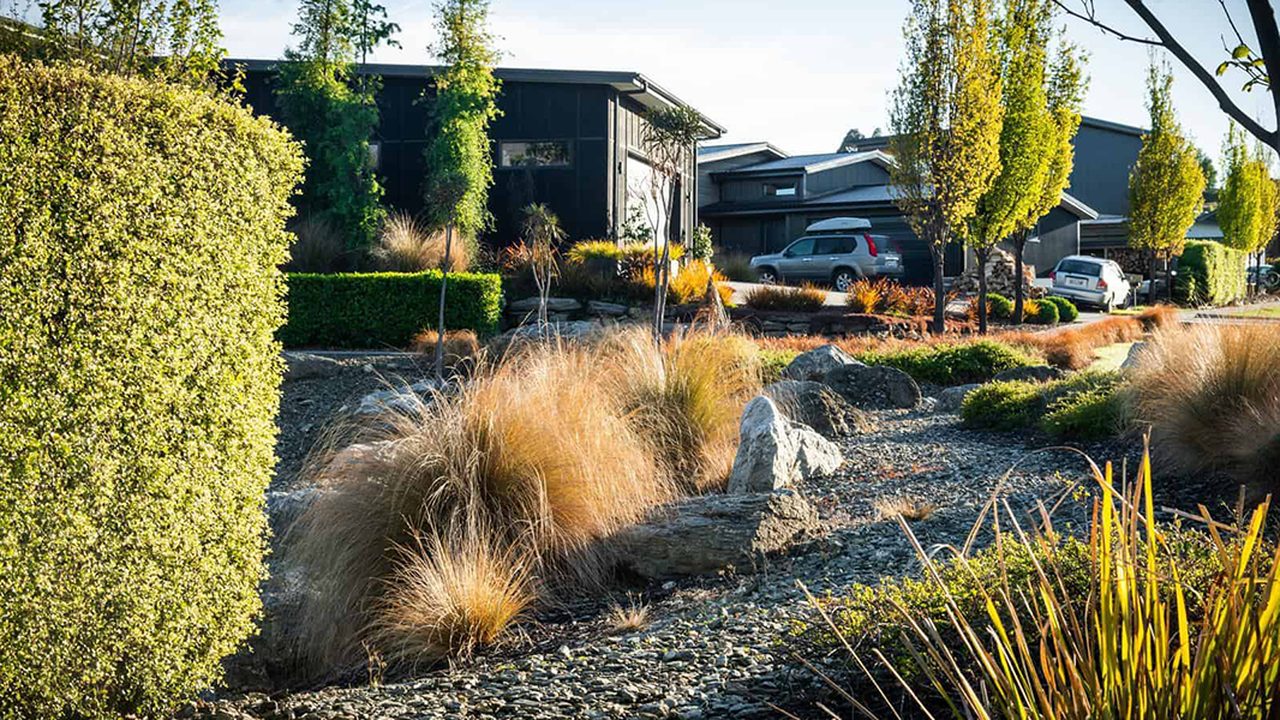
Kirimoko Park
Conventional subdivision approaches in similar contexts typically pipe and hard-engineer stormwater, removing natural drainage features. For Kirimoko Park, subdivision design needed to manage stormwater while accommodating development within gullies and landforms defined through the resource consent process. Stormwater and open space were spatially integrated into the subdivision layout, with existing gullies retained as open space…
-
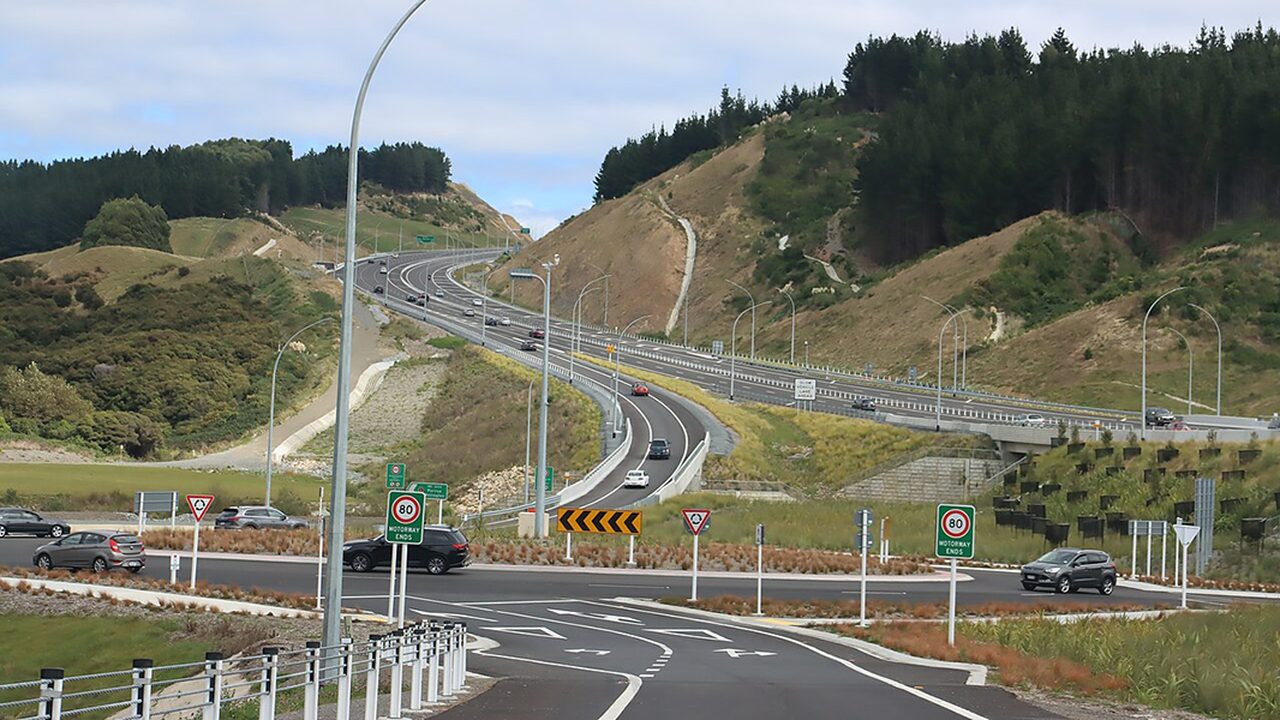
Transmission Gully Motorway
Large-scale earthworks on erodible soils and steep slopes posed a high risk of sediment discharge, runoff contamination, and slope instability during both construction and operation. Regulatory approvals required demonstrable management of these risks, rather than net ecological enhancement. The project implemented a comprehensive, consent-driven environmental management framework including construction-phase erosion and sediment controls, operational stormwater…
-
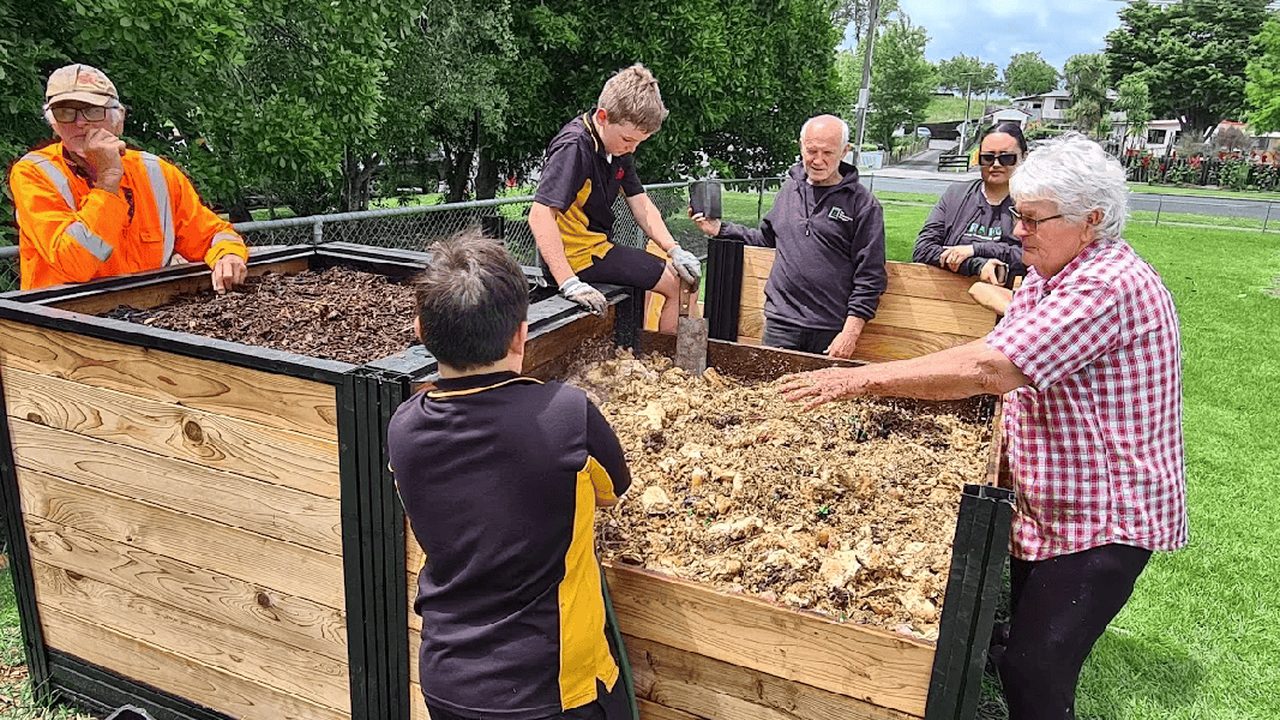
Te Kauwhata Community Compost Hub
Food scraps from households and the school were being disposed of via landfill, contributing to avoidable organic waste volumes and associated emissions. Prior to the project, there was limited local infrastructure or a coordinated programme to support community-scale composting and applied waste education. A community compost hub was established using a managed hot-composting system designed…
-
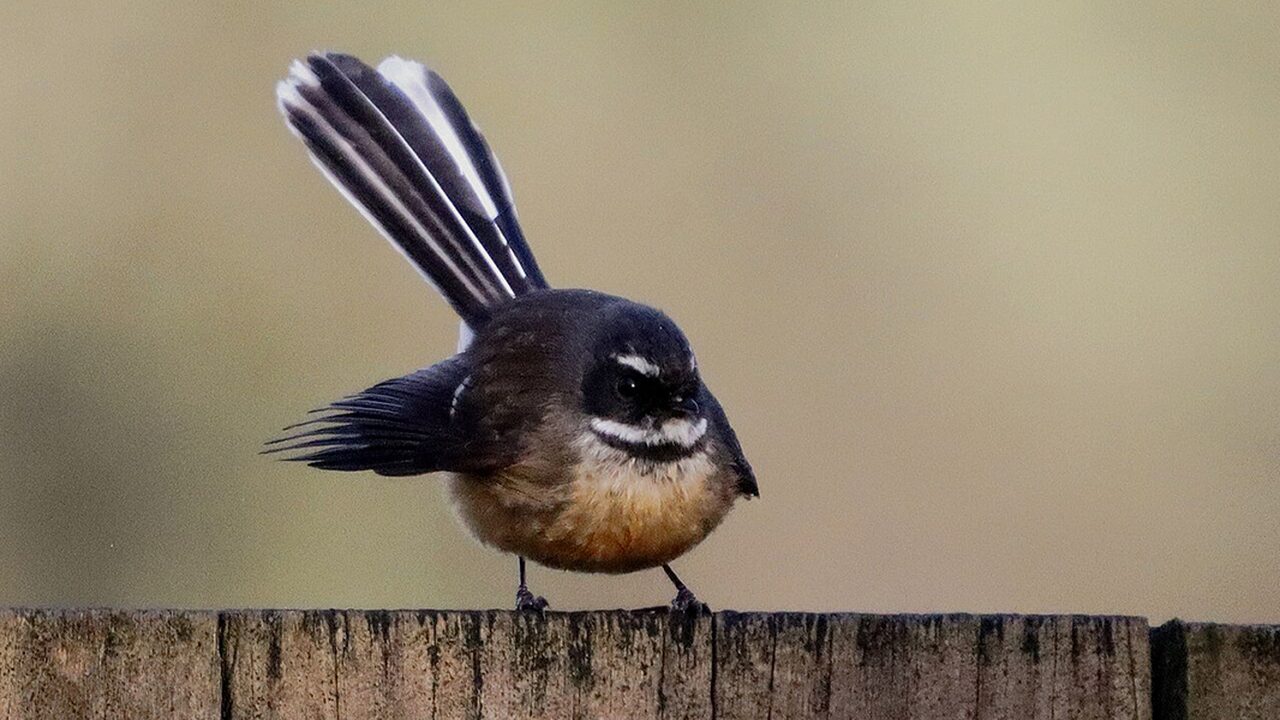
New Zealand Garden Bird Survey
Prior to the New Zealand Garden Bird Survey, there was no systematic, nationally coordinated monitoring of bird trends in urban gardens and green spaces. Existing monitoring programmes focused primarily on conservation land, leaving urban environments as an ecological blind spot in national biodiversity surveillance. An annual citizen science bird count was designed and implemented, asking…
-
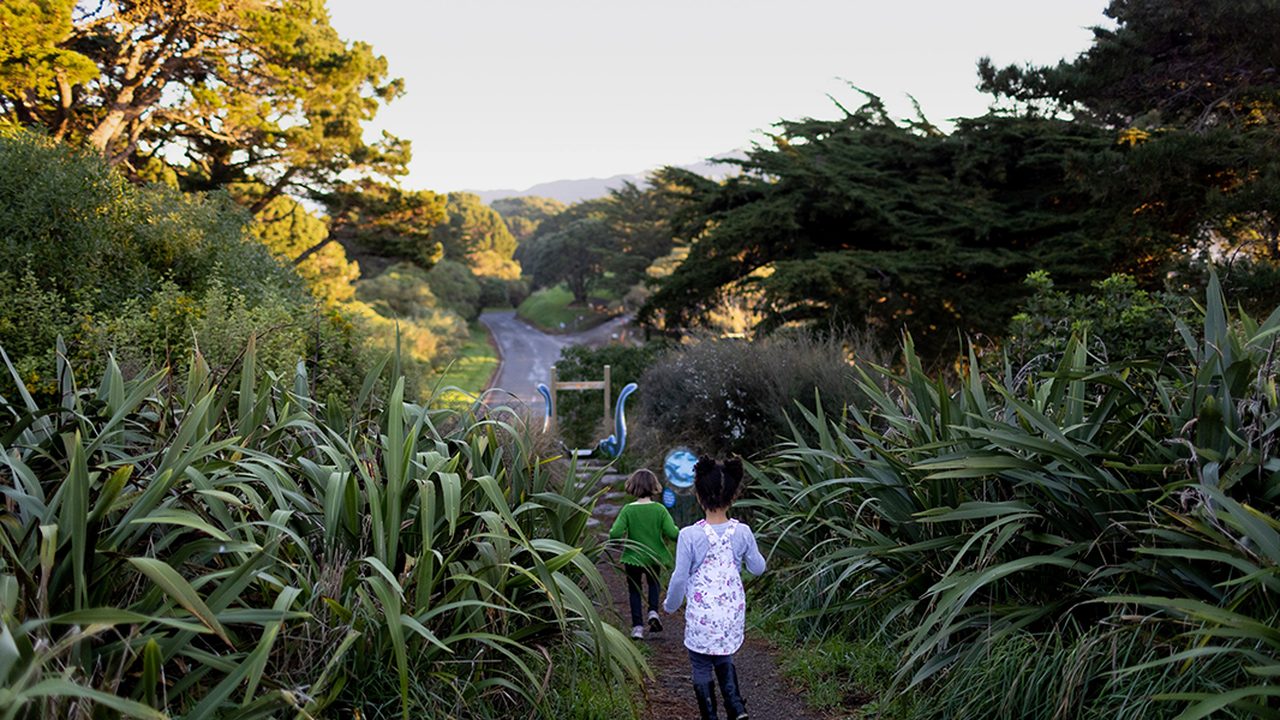
Matairangi Nature Trail
Existing public access to Matairangi focused primarily on recreation and viewpoints, with limited infrastructure to engage people with the ecological and cultural values of the hill’s vegetation and wildlife. A dedicated nature trail was established with interpretive signage, native planting, and designated routes to encourage ecological awareness and outdoor learning for a range of user…
-
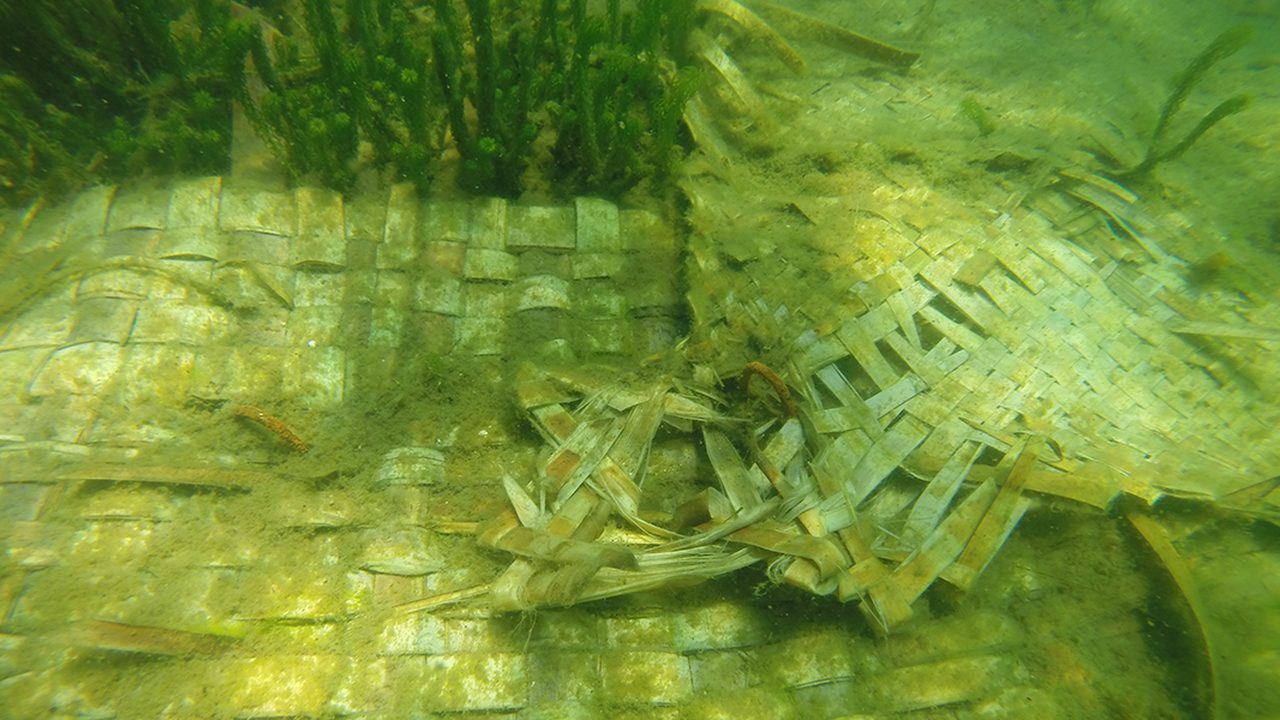
Uwhi Harakeke Weed Mats
Existing aquatic weed management approaches lack culturally appropriate, biodegradable alternatives aligned with mātauranga Māori principles of kaitiakitanga and working with natural materials. There was a need for a practical tool that could suppress weed growth without introducing harmful materials or requiring intensive intervention. Weed suppression mats woven from harakeke (New Zealand flax) were developed and…
-
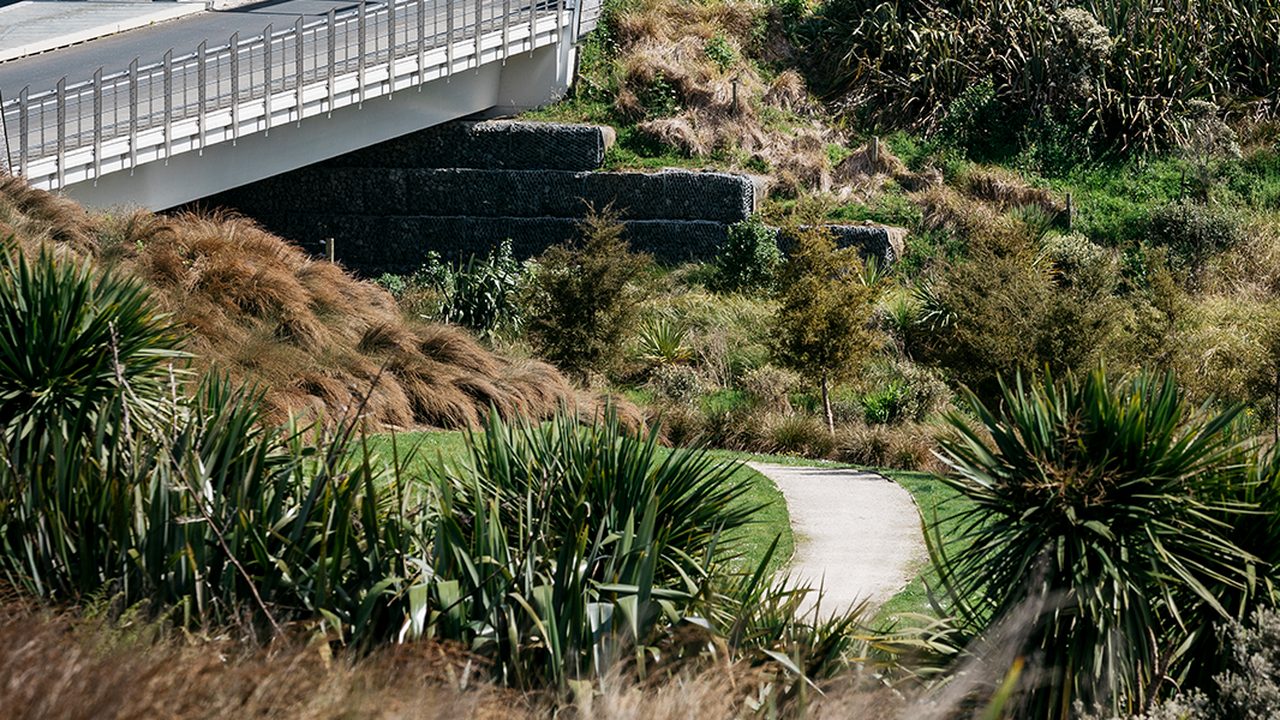
Long Bay neighbourhood development
Greenfield subdivision at this scale posed risks of increased runoff volume and contaminant loads to downstream streams and coastal waters. Regulatory frameworks required stormwater effects to be mitigated within the development footprint rather than deferred to end-of-catchment infrastructure. The development adopted a landscape-led structure in which distributed stormwater treatment systems — including constructed wetlands, swales,…
-
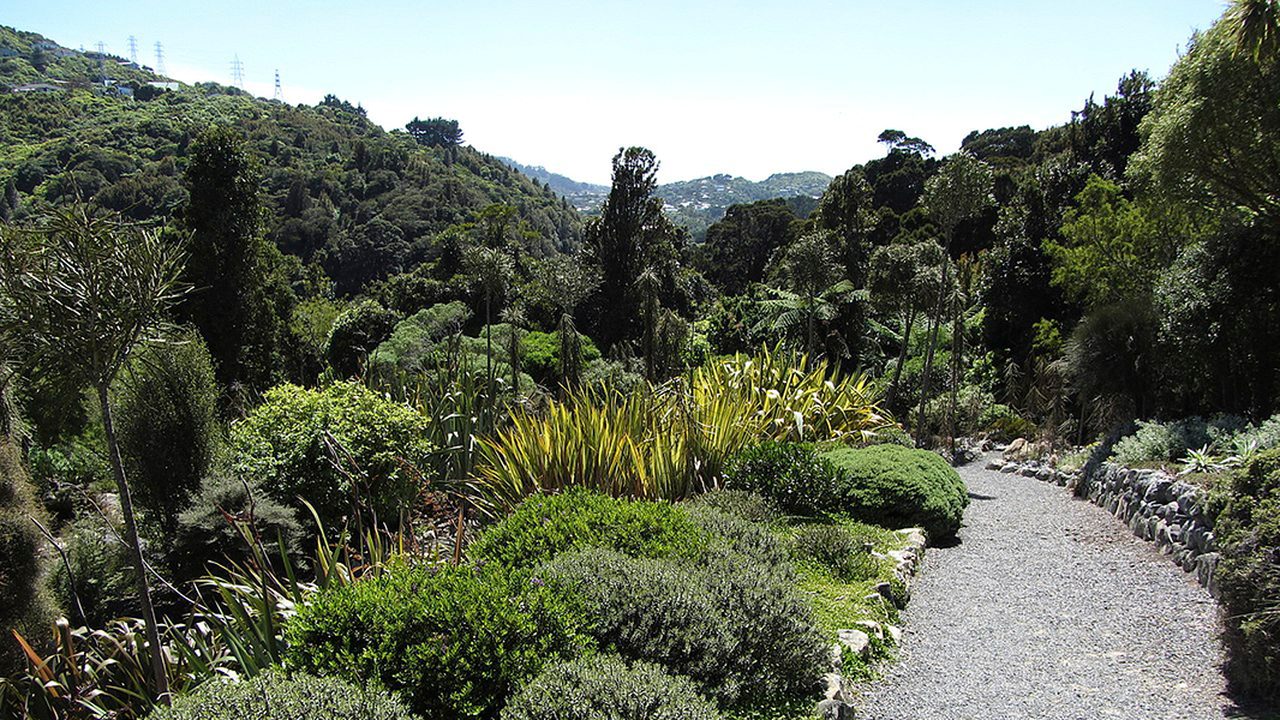
Otari-Wilton’s Bush
As with many urban forest remnants, Otari–Wilton’s Bush is subject to edge effects, invasive species pressure, and long-term impacts from introduced mammalian predators, constraining regeneration and biodiversity outcomes. Long-term protection and management of remnant forest and native plant collections has been maintained under a formal council management framework, including sustained possum control, maintenance of Indigenous…
-
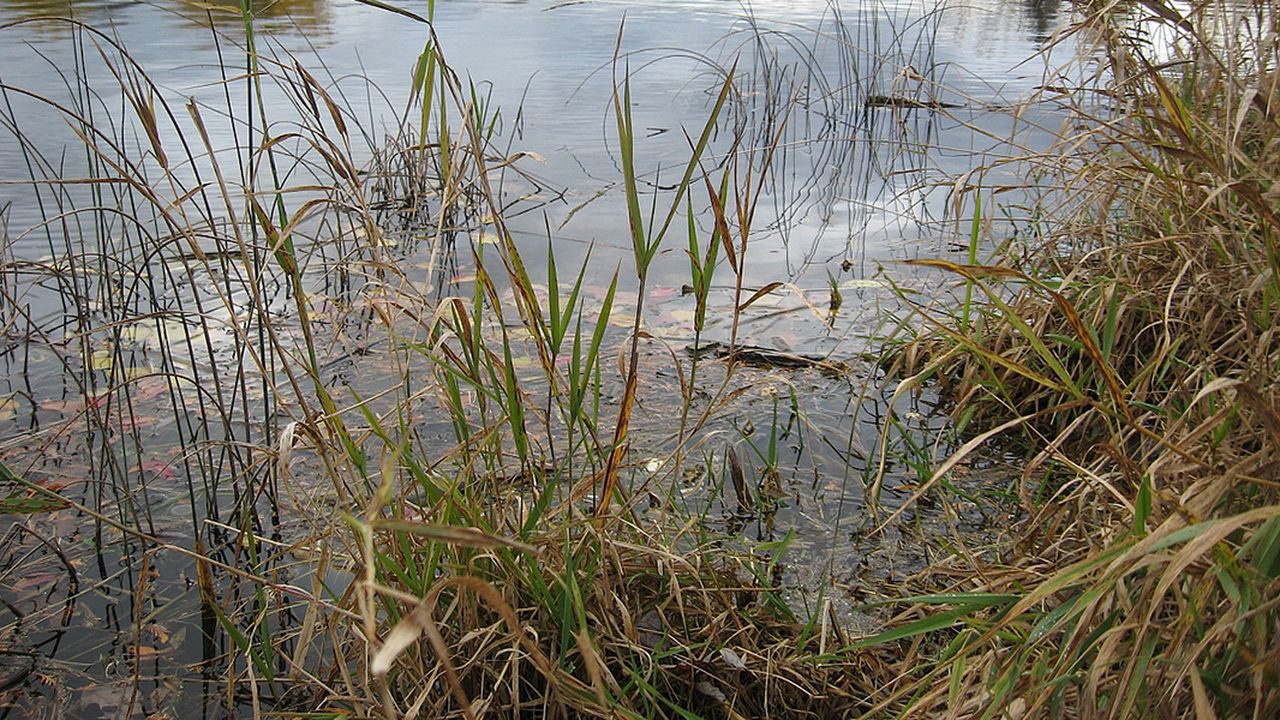
St Albans stream restoration
The stream exhibited eroding banks, limited Indigenous riparian vegetation, and poor perceived ecological condition. Broader Christchurch monitoring indicates that reach-scale restoration is constrained by upstream land use, altered hydrology, flood conveyance requirements, and persistent stormwater inputs. Restoration focused on low-impact riparian enhancement and community stewardship, including Indigenous riparian planting, removal of invasive species, community planting…
-
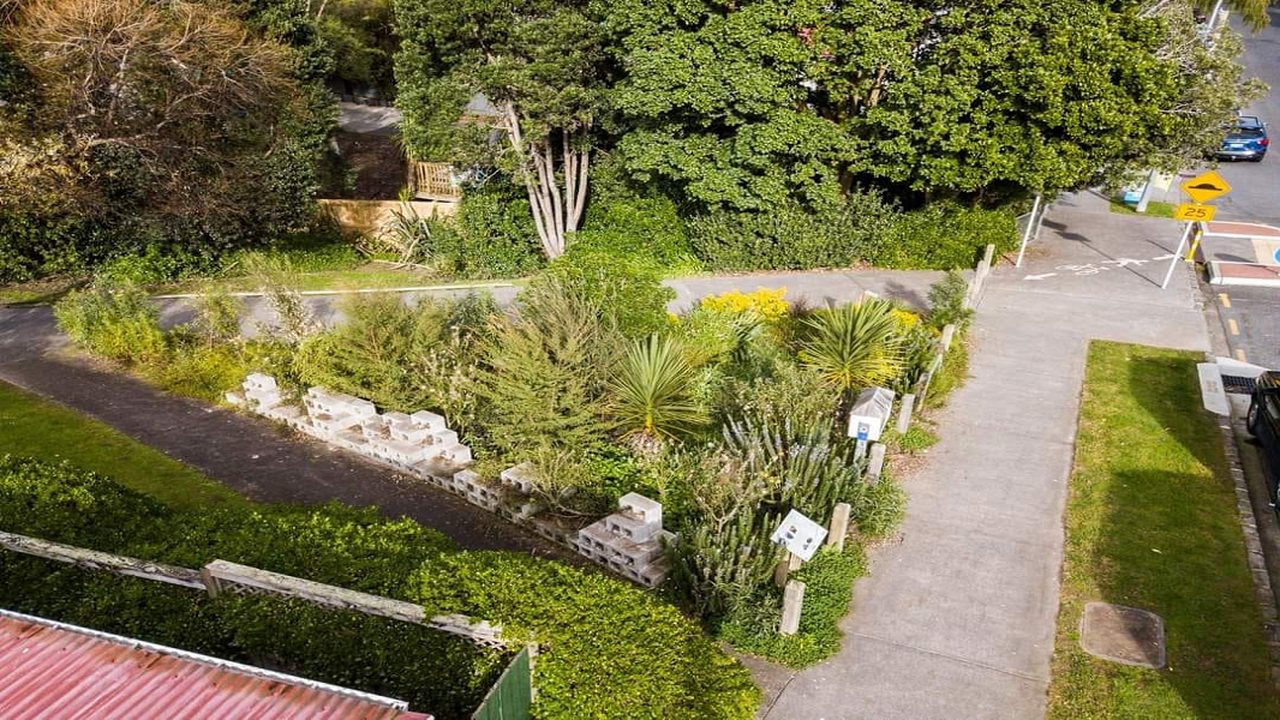
Hakanoa Reserve pollinator pathway
Conventional amenity planting in small reserves provided limited nectar and pollen resources for pollinating insects and offered little contribution to emerging neighbourhood-scale pollinator initiatives. Flower-rich planting was introduced within Hakanoa Reserve to support urban pollinators and contribute to a wider, informal pollinator pathway concept in Grey Lynn, with an emphasis on seasonal continuity of floral…
-
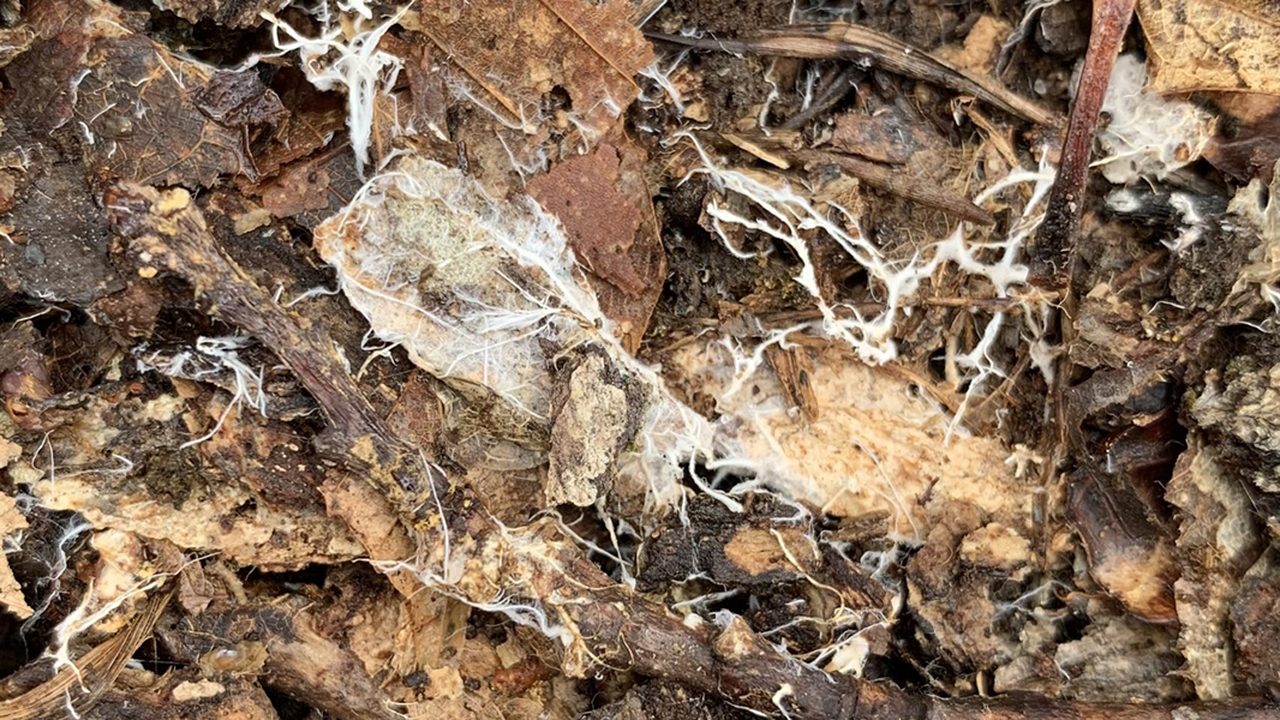
Fungal inoculation in native plantings
Native woody species have often shown poor survival and growth when planted into degraded Mackenzie Basin soils using standard restoration methods. Evidence indicates that mycorrhizal benefits are highly dependent on soil phosphorus availability and plant–fungal compatibility, rather than simple presence or absence of mycorrhizal fungi. A field experiment tested whether arbuscular mycorrhizal fungal inoculation could…
-
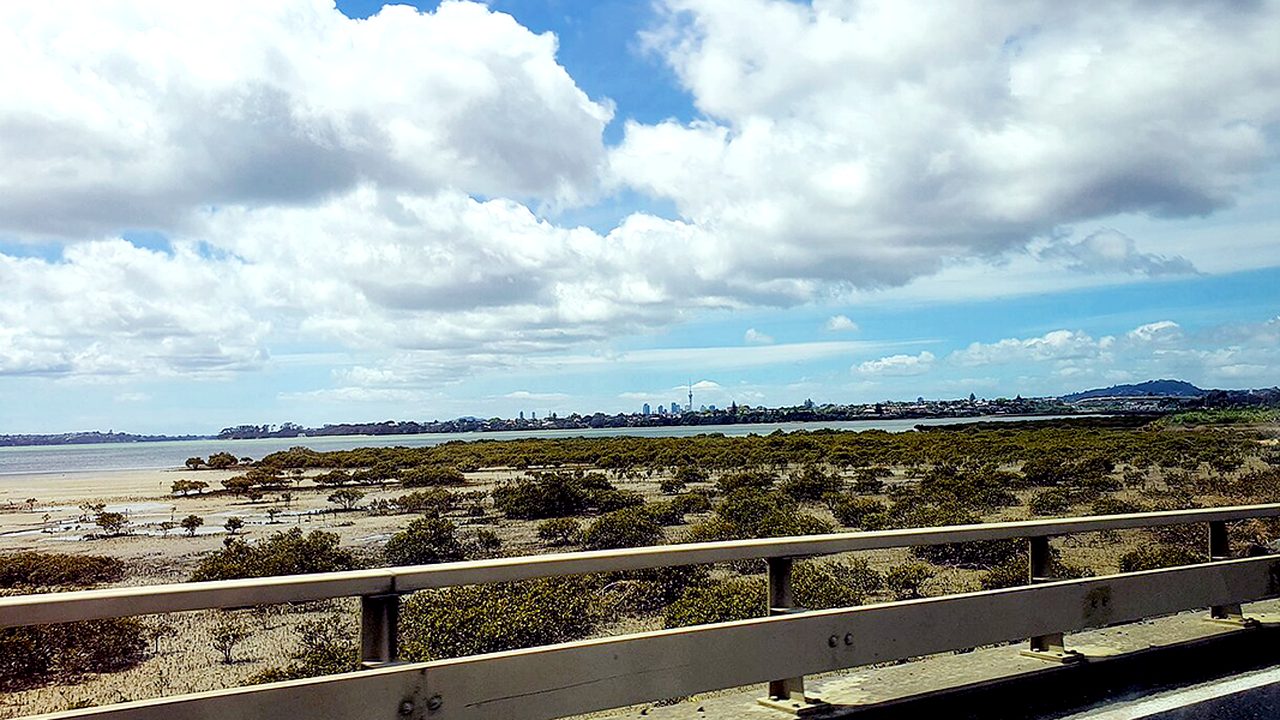
Mōtū Manawa–Pollen Island Marine Reserve
Prior to protection, estuarine habitats in the inner Waitematā Harbour were subject to cumulative pressures including reclamation, sedimentation, stormwater inputs, and coastal development. These pressures reduced habitat quality and ecological integrity, while limiting opportunities to understand estuarine ecological processes in an urban context. A no-take marine reserve was established to protect intertidal and shallow subtidal…
-
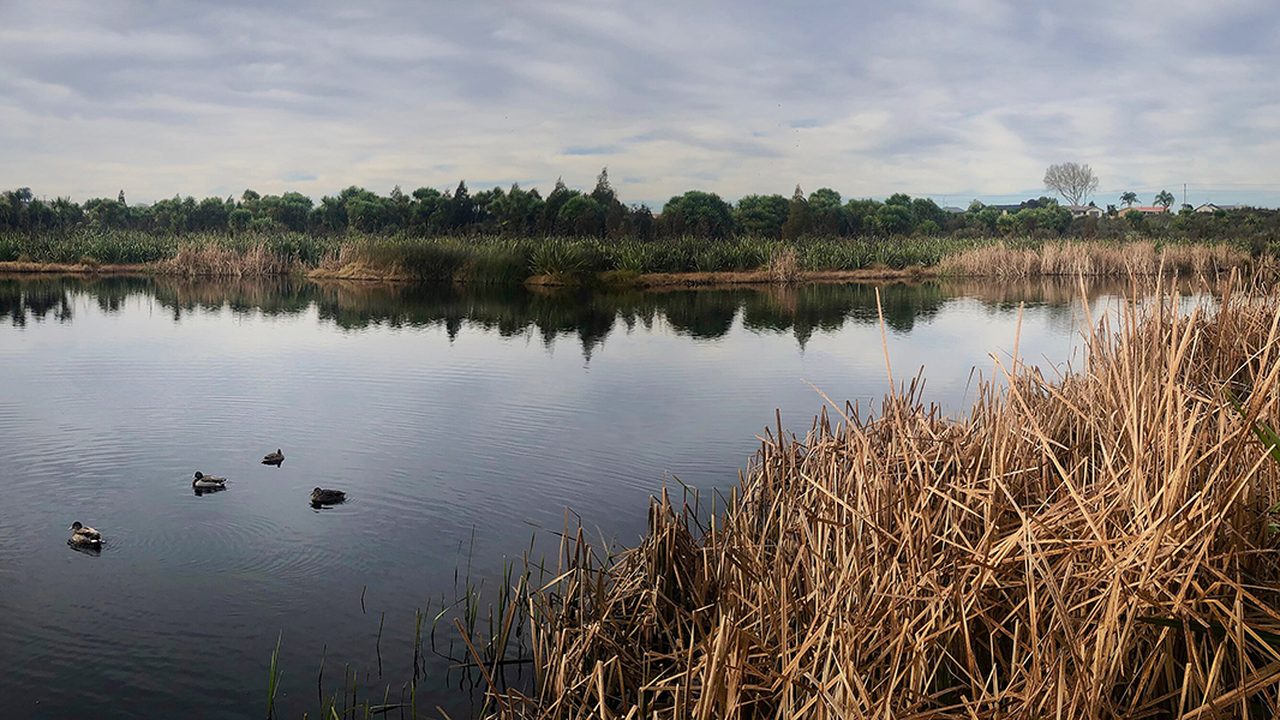
Waiwhakareke Natural Heritage Park
Pasture and exotic-dominated vegetation provided limited habitat value, simplified ecological structure, and minimal representation of indigenous wetland and lowland forest systems characteristic of the Hamilton Basin. Large-scale ecological reconstruction was required within an urban growth context. A long-term, staged ecological restoration programme was implemented to reconstruct Indigenous ecosystems across the site, restoring a full landscape…
-
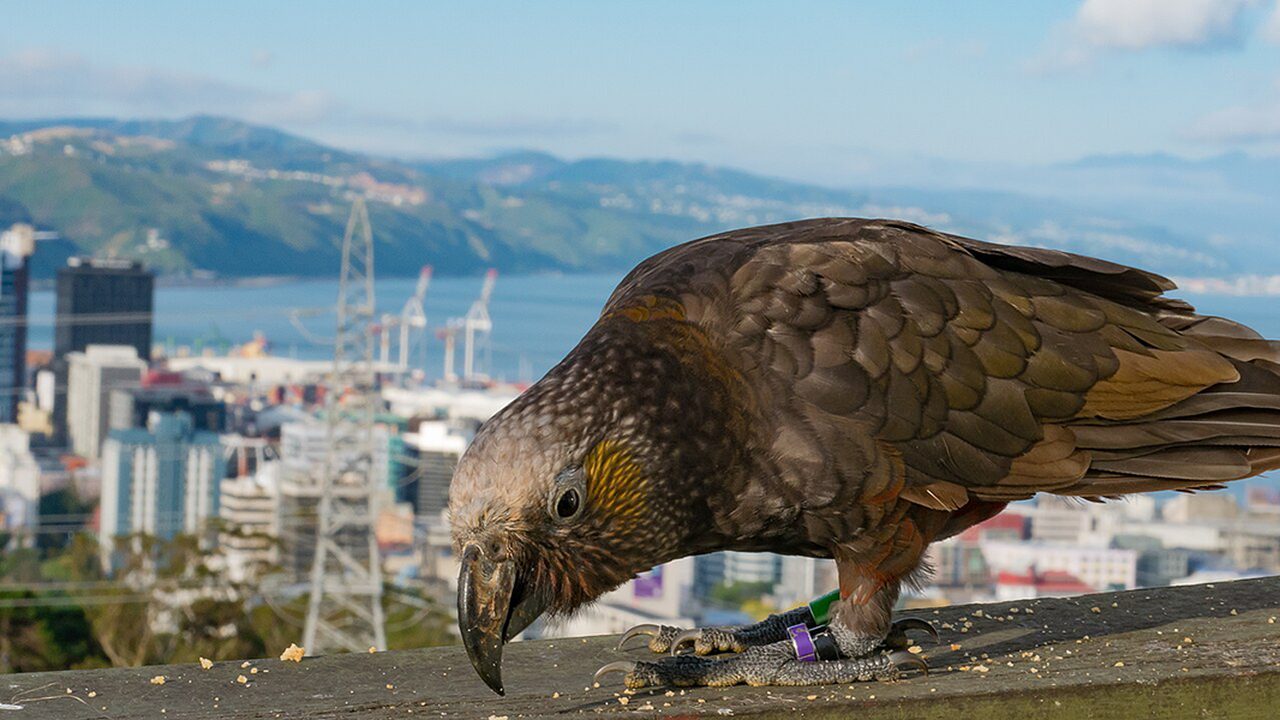
Zealandia
Introduced mammalian predators had caused severe declines and local extinctions of native forest birds, reptiles, and invertebrates across mainland New Zealand. Conservation initiatives primarily focused on off-shore islands, away from where most people live. Fragmented urban habitats and ongoing reinvasion pressure limited the effectiveness of conventional, unfenced predator control. A fully fenced mainland ecosanctuary was…
-
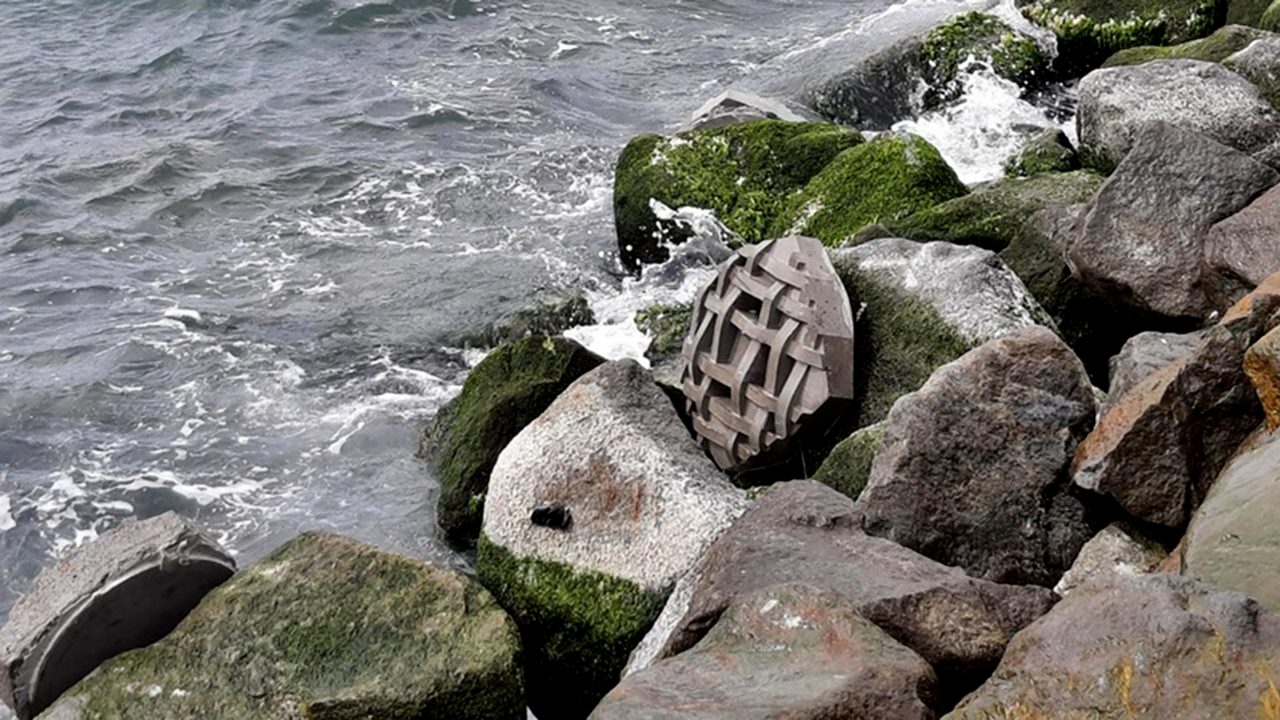
Kete Tiles
Conventional seawalls or constructed foreshores like rock rip-rap typically lack the crevices, pools, and surface variation required by intertidal organisms. This results in reduced species richness and abundance compared to natural coastal systems. Space constraints and infrastructure requirements limit the feasibility of replacing seawalls with “soft” coastal edges, necessitating retrofit approaches. Kete Tiles were developed…
-
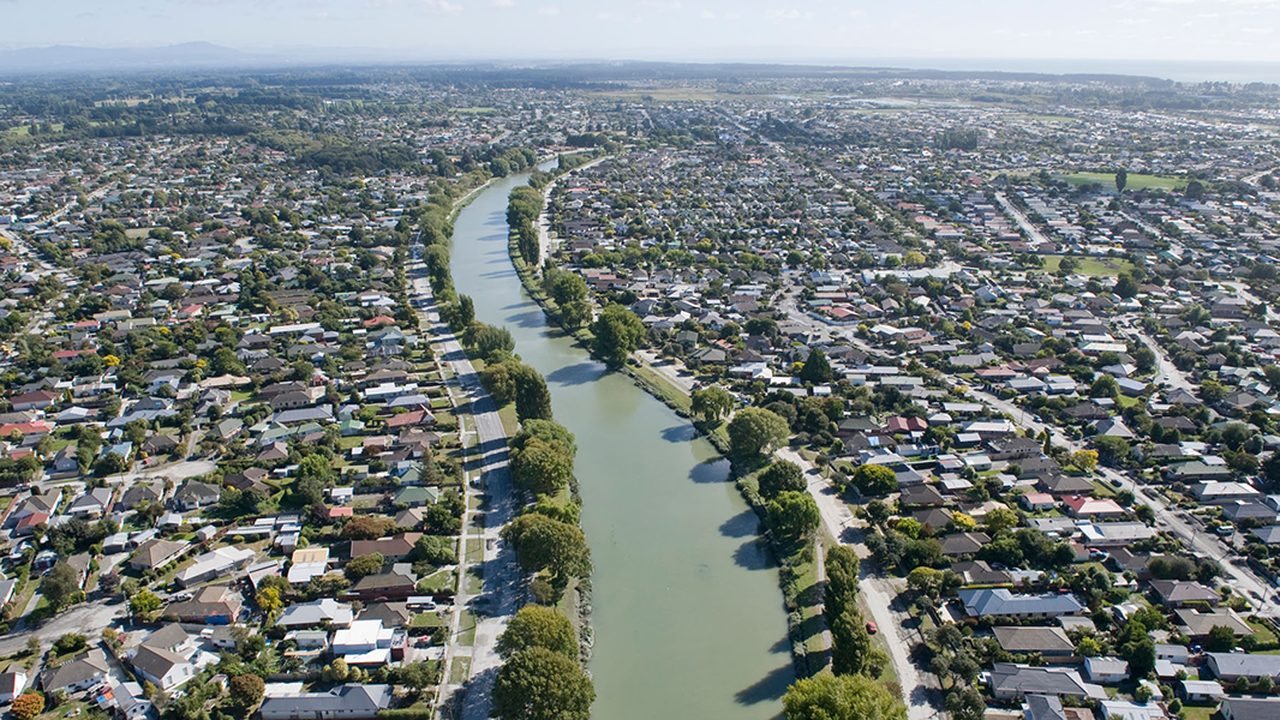
Ōtākaro Avon river catchment
Prior to and following the earthquakes, the catchment experienced degraded ecological condition associated with reduced indigenous riparian vegetation, fragmented habitat, altered hydrology, and ongoing stormwater contaminant inputs. These pressures limited freshwater biodiversity values and constrained floodplain function, particularly in lower reaches of the river. Post-earthquake regeneration planning reframed the red-zoned river corridor as a multifunctional…
-
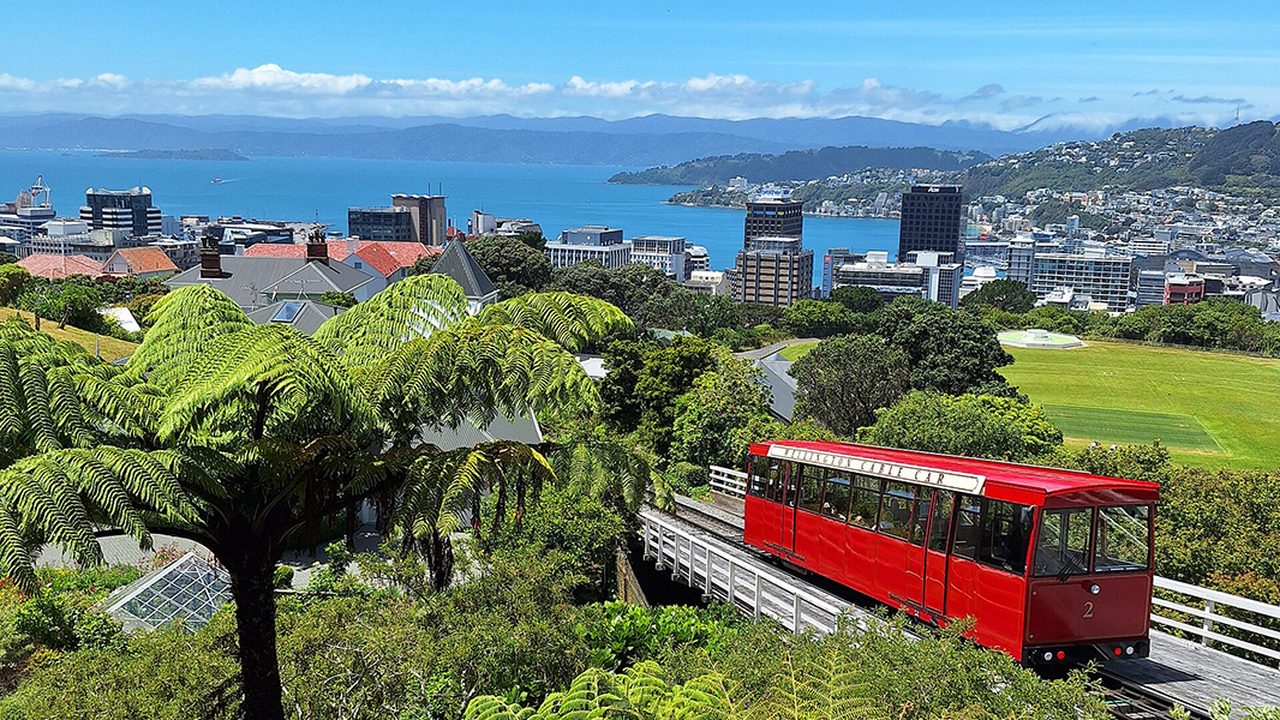
Wellington Cable Car Building
Location: Wellington, Te Whanganui-a-Tara, Aotearoa New ZealandProject type: Transport infrastructure retrofit / wildlife impact mitigationDelivery/lead organisations: Wellington Cable Car Ltd; Wellington City Council; Urban Wildlife TrustDate/period: 2022–2023Scale: SitePrimary system or theme: Urban biodiversity / bird–building interactions Context Why this site matters The Wellington Cable Car summit terminal sits adjacent to Wellington Botanic Garden and within…
-
Wellington Rain Gardens
Conventional kerb-and-pipe systems conveyed sediment- and metal-laden runoff from heavily trafficked streets with limited on-site treatment, contributing to contaminant loads in receiving waters. Retrofitting treatment systems was constrained by narrow road reserves, underground services, pedestrian movement, and streetscape performance requirements. Wellington City Council implemented street-side rain gardens and tree pits along Lower Cuba Street and…
-
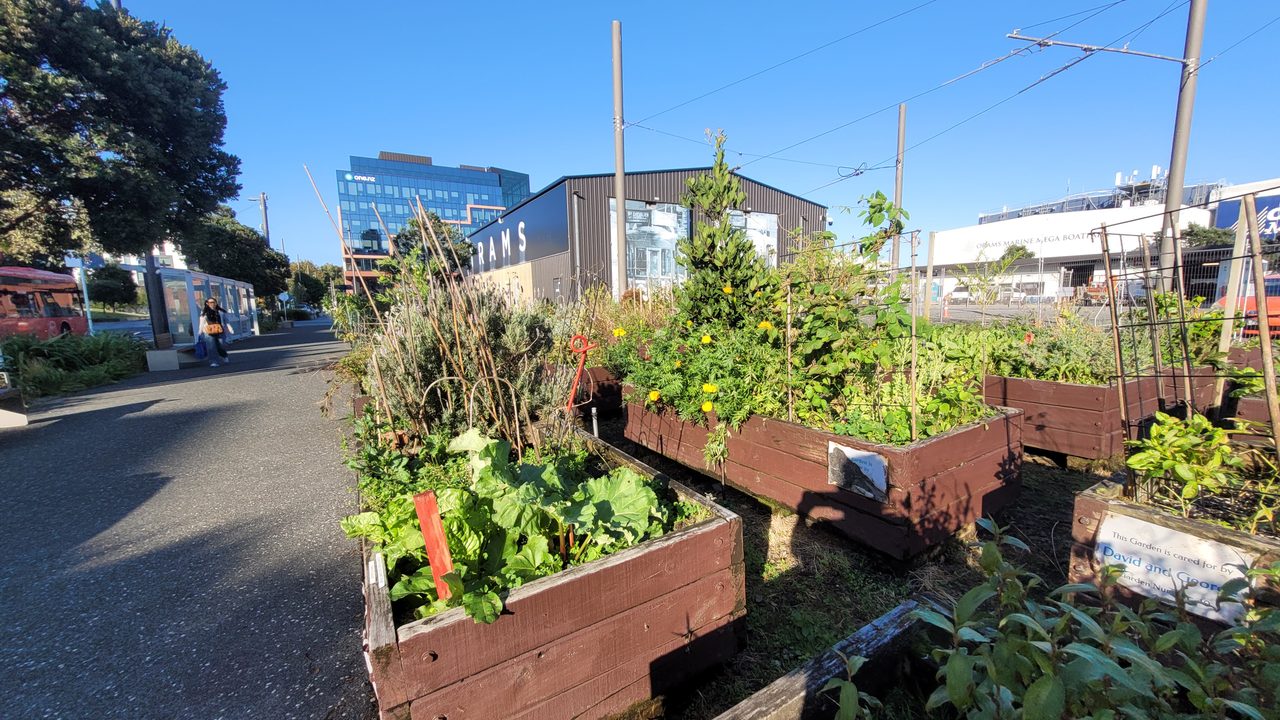
Daldy Street Community Garden
Residents and workers in the Wynyard Quarter had limited opportunities for local food growing or hands-on participation in green space management within a dense, predominantly hardscaped urban environment. A volunteer-run community garden was established using raised beds and planters within the public realm to enable shared food growing and collective stewardship.
-
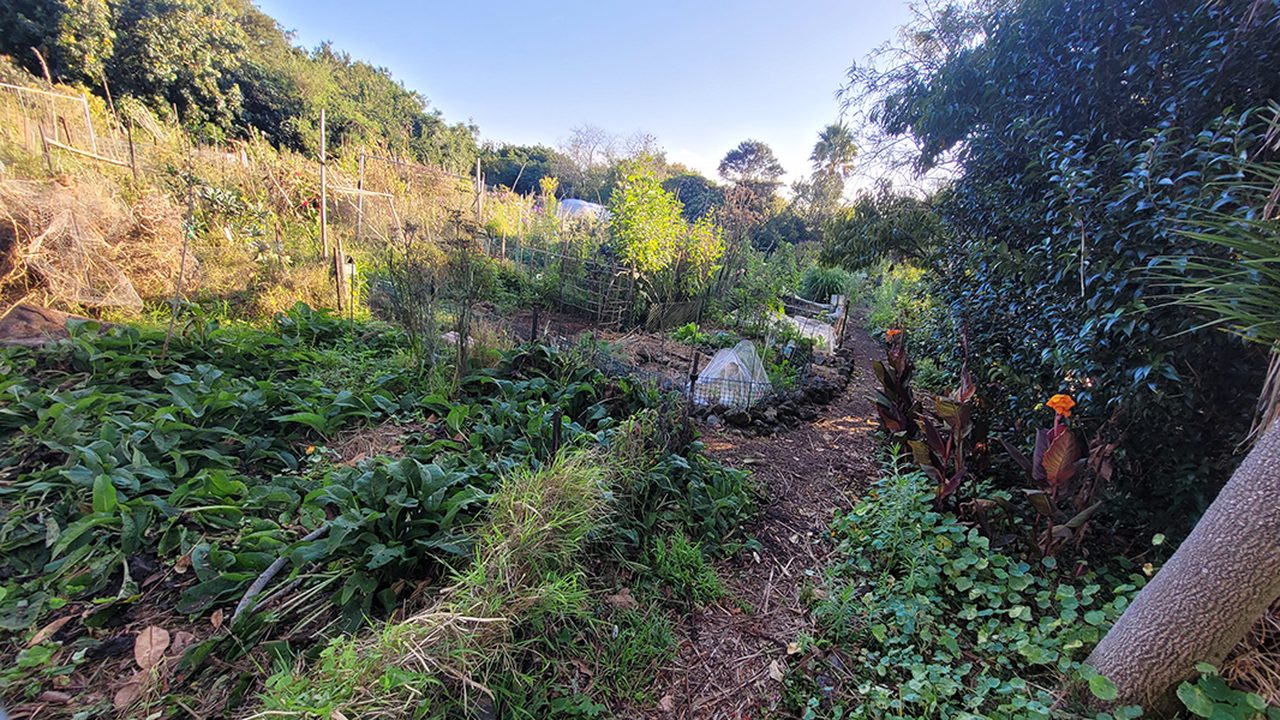
Sanctuary Mahi Whenua Community Garden
Following the end of its role as a formal teaching garden, the site required a governance and management model that could maintain productive use, ecological practices, and public access without institutional resourcing. The garden operates without formal ecological performance monitoring, limiting evidence-based assessment of biodiversity outcomes. The site transitioned to community stewardship, with management focused…
-
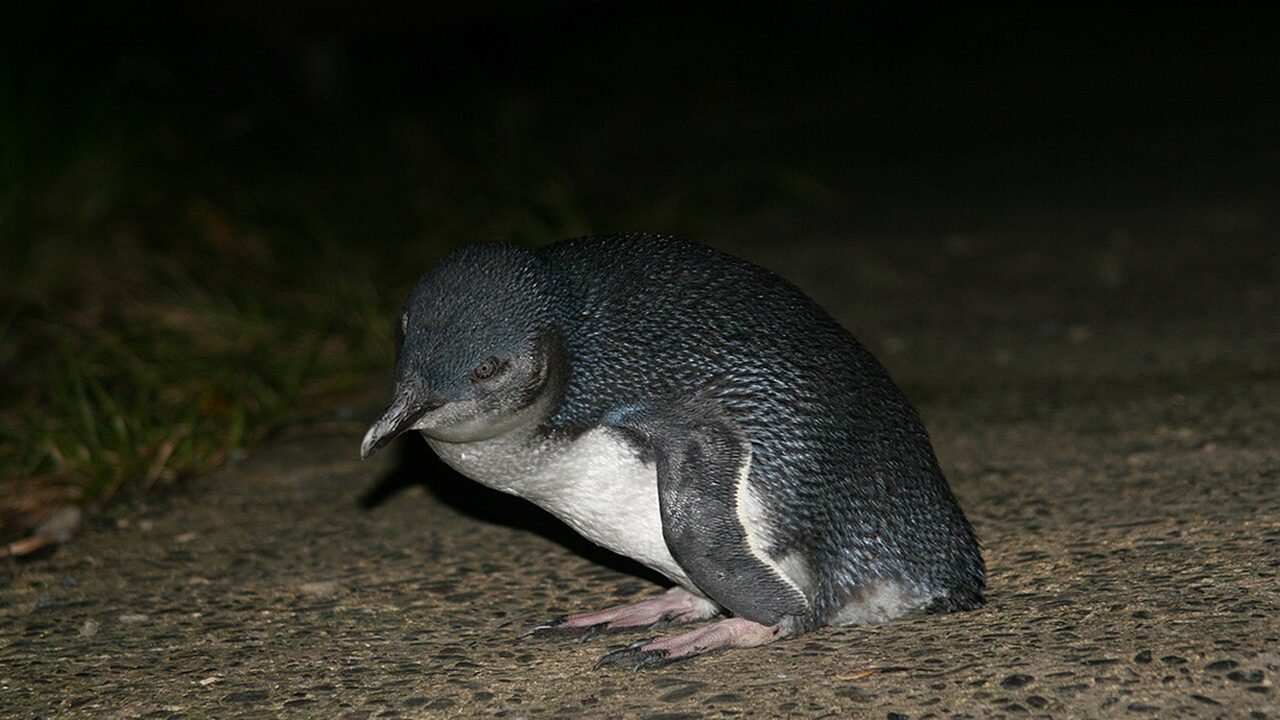
Oamaru Blue Penguin underpass
Location: Oamaru Harbour, Otago, Aotearoa New ZealandProject type: Site-specific wildlife mitigation infrastructureDelivery/lead organisations: Oamaru Blue Penguin Colony (Tourism Waitaki Ltd); Waitaki District CouncilDate/period: c.2017 – presentScale: SitePrimary system or theme: Terrestrial–coastal wildlife movement (kororā / little blue penguin) Context Why this site matters Oamaru Harbour supports an established colony of kororā (little blue penguins, Eudyptula…
-
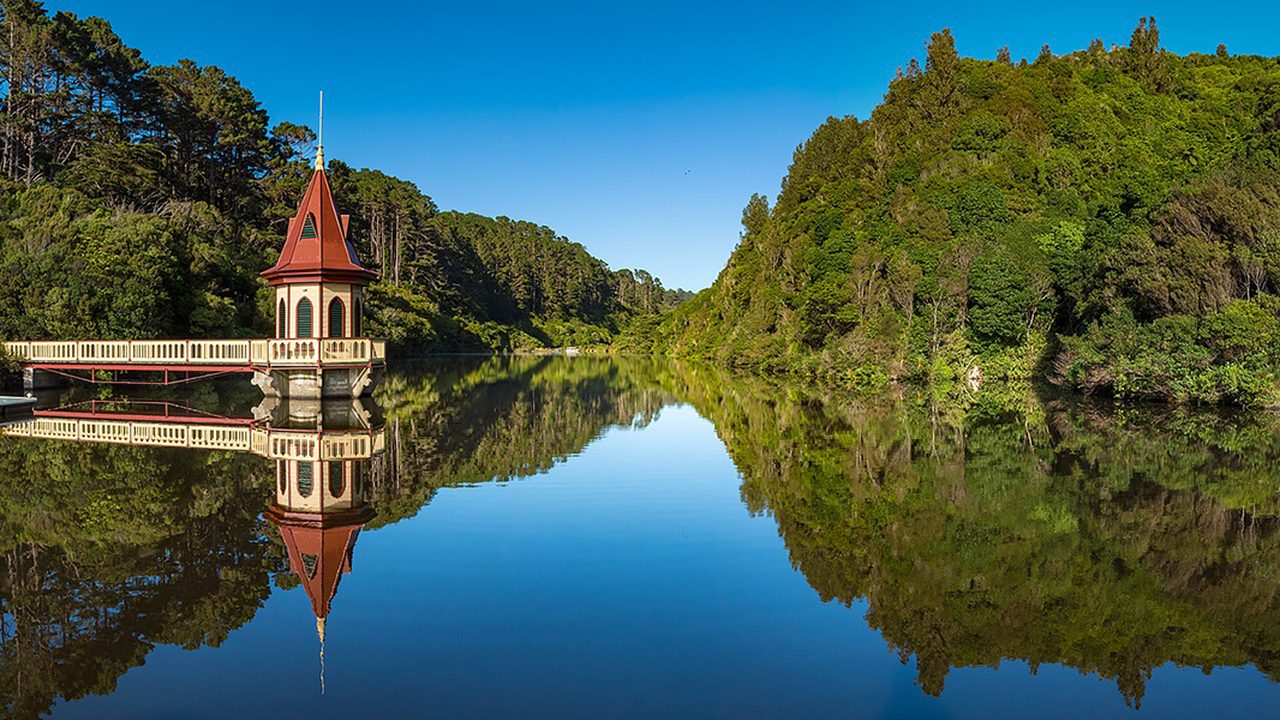
Urban wildlife sanctuaries
Definition Introduced predator-managed or excluded areas within cities that provide secure habitat for Indigenous species otherwise unable to persist in urban environments. Urban wildlife sanctuaries are also sometimes called ecological islands. What this strategy does Creates protected habitat patches through introduced predator control, fencing, and habitat restoration, and supports dispersal into the surrounding urban matrix.…
-
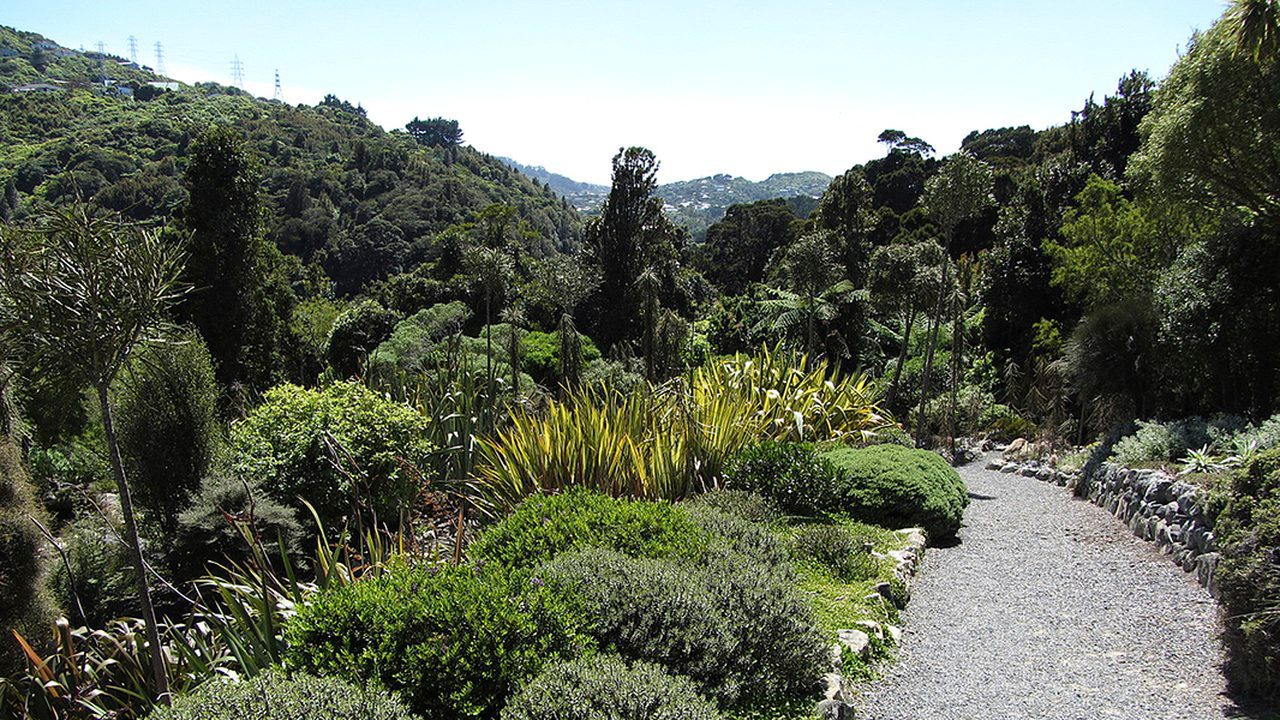
Urban green spaces
Definition Urban green spaces are vegetated areas within cities, such as parks, streetscapes, gardens, and green roofs, that support native biodiversity and ecological processes within the built environment. What this strategy does Provides habitat, refuge, and movement pathways for native species while delivering ecosystem services in urban areas; excludes ornamental-only or ecologically simplified landscapes. Context…
-
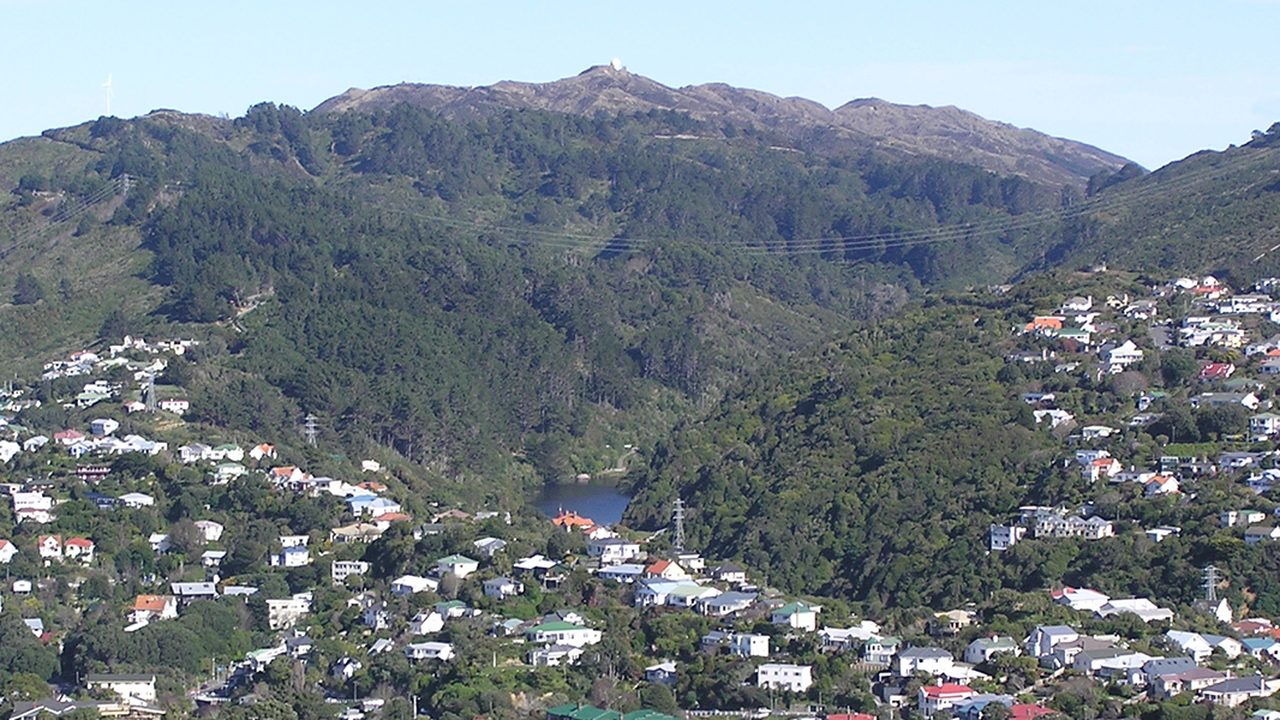
Urban forest restoration
Definition Urban forest (ngāhere) restoration is the intentional establishment and enhancement of native forest ecosystems within urban environments to restore biodiversity, ecological function, and long-term canopy cover. What this strategy does Creates multi-layered native forest structure through staged planting, soil remediation, and long-term management. Avoids short-term amenity planting that does not support forest succession. Context…
-
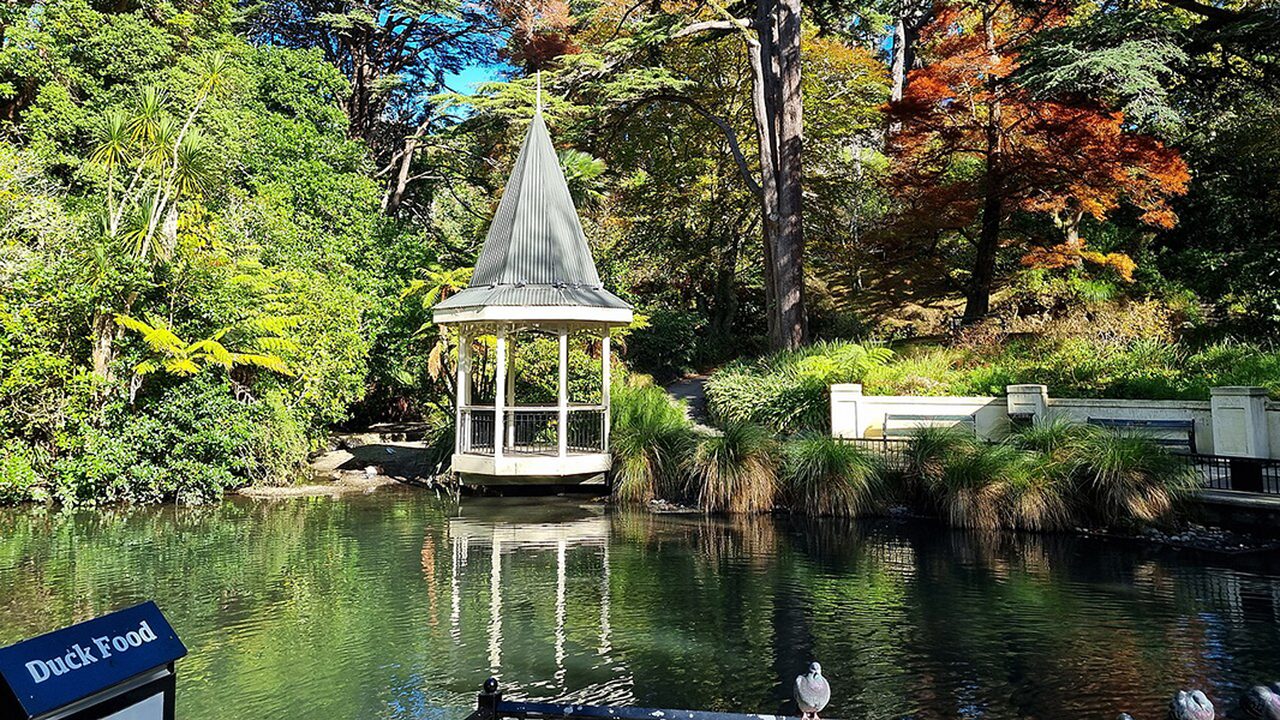
Urban blue spaces
Definition Urban blue spaces are water bodies and water-dependent habitats within urban areas that support aquatic and semi-aquatic biodiversity and ecological processes. What this strategy does Integrates rivers, streams, wetlands, ponds, and coastal edges into urban form to provide habitat, improve water quality, and maintain hydrological and ecological connectivity, while managing human use and urban…
-
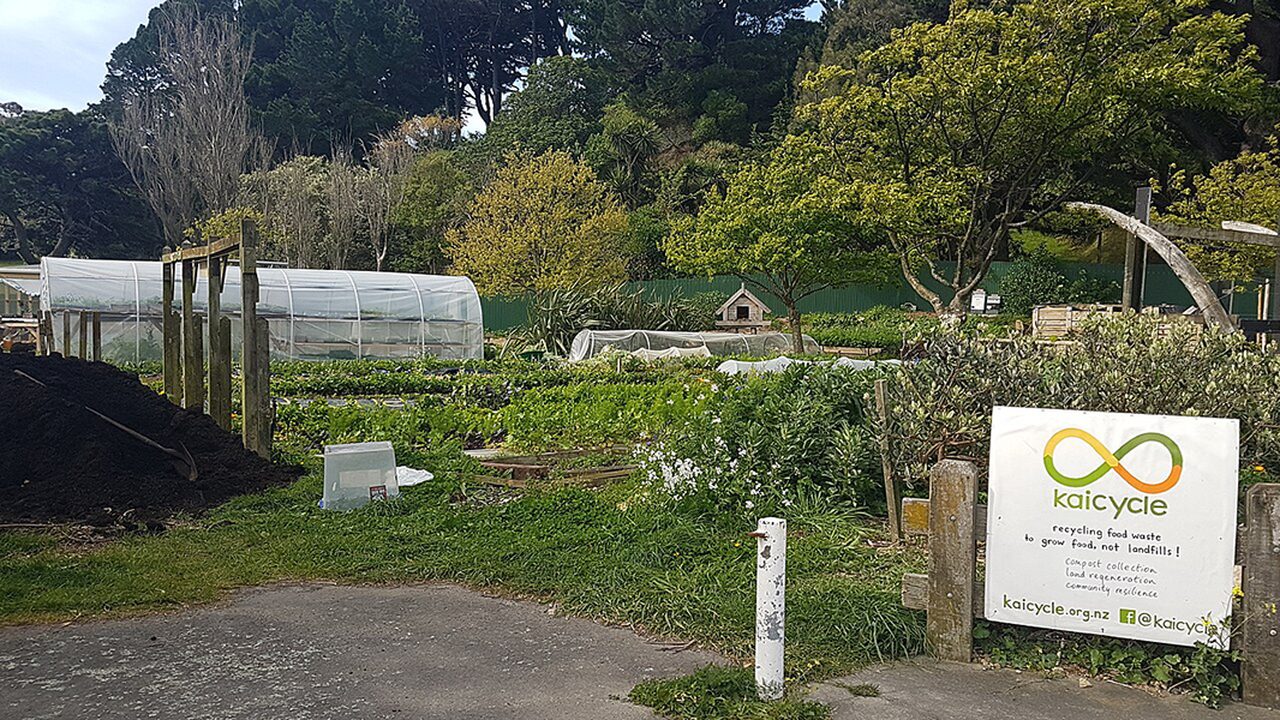
Soil regeneration
Definition Soil regeneration restores and enhances soil health, biodiversity, and ecosystem function through physical, chemical and biological interventions1. Key considerations include rebuilding of soil organic matter, structure, invertebrate populations, microbiomes, and nutrient cycling. Healthy soils are characterised by structure that allows drainage and gas exchange (supporting healthy plant roots) and organic matter (that stores and…
-
Soil preservation
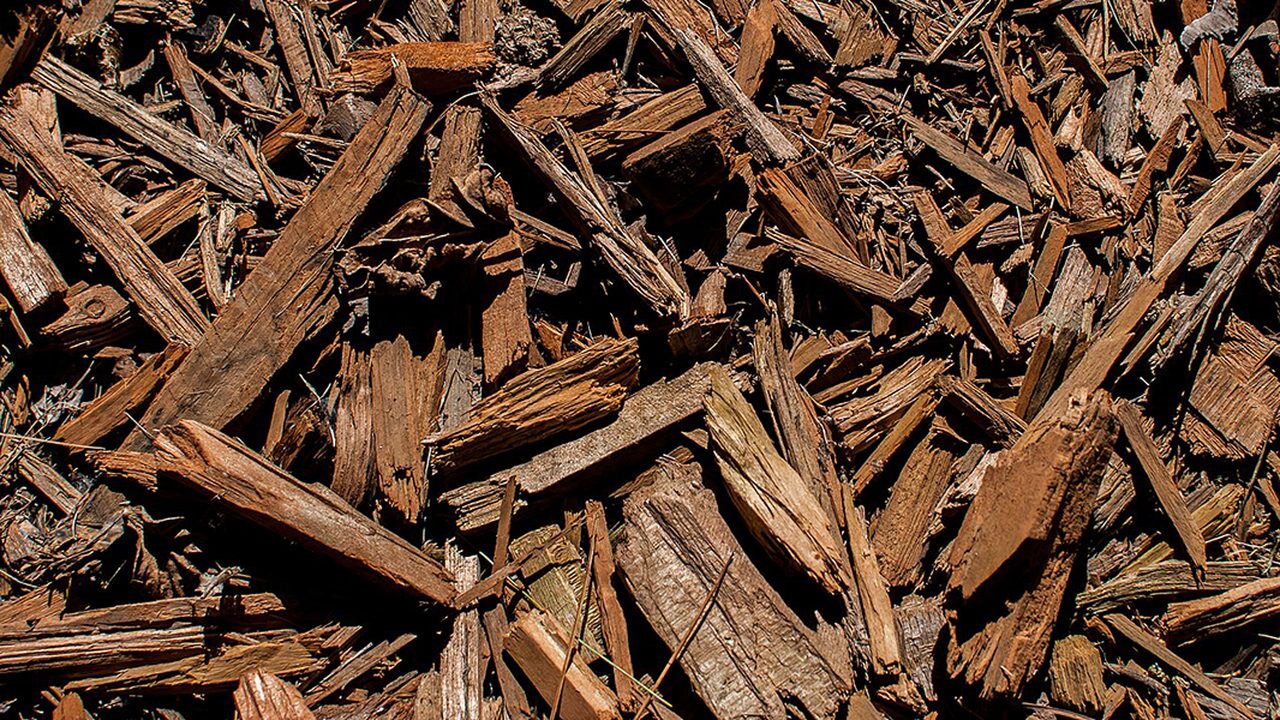
Definition Soil preservation protects and maintains soil structure, biological function, and ecological performance during construction and development. Protecting urban soil is crucial because it supports building construction and plant production, it is an interface with the atmosphere and hydrosphere and it is a source of key functions and services for urban systems sustainability and therefore…
-
River daylighting & culvert naturalisation
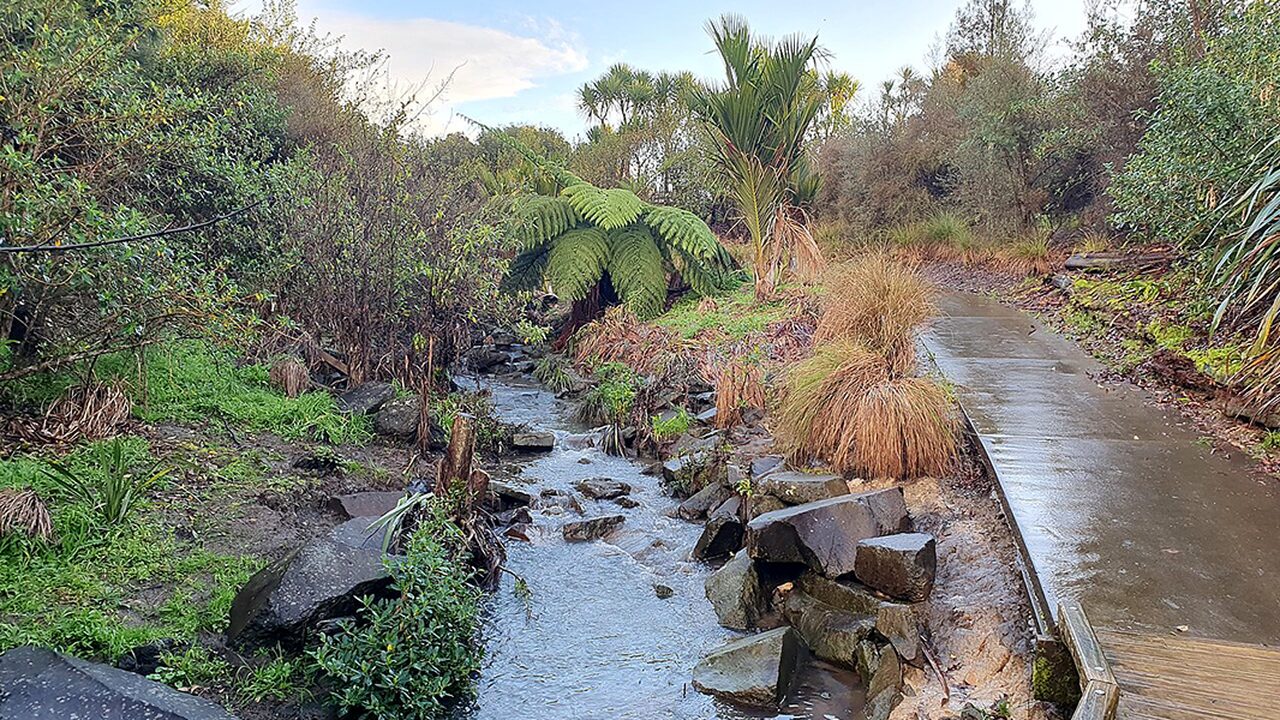
Definition River daylighting (culvert naturalisation) is the removal or modification of buried, piped, or concrete-lined urban waterways to restore open, naturalised stream channels with riparian margins. What this strategy does Reopens buried streams, reinstates natural channel form and riparian vegetation, and reconnects aquatic and terrestrial habitats. Avoids fully engineered, uniform channels where ecological recovery is…
-
Pollinator pathways
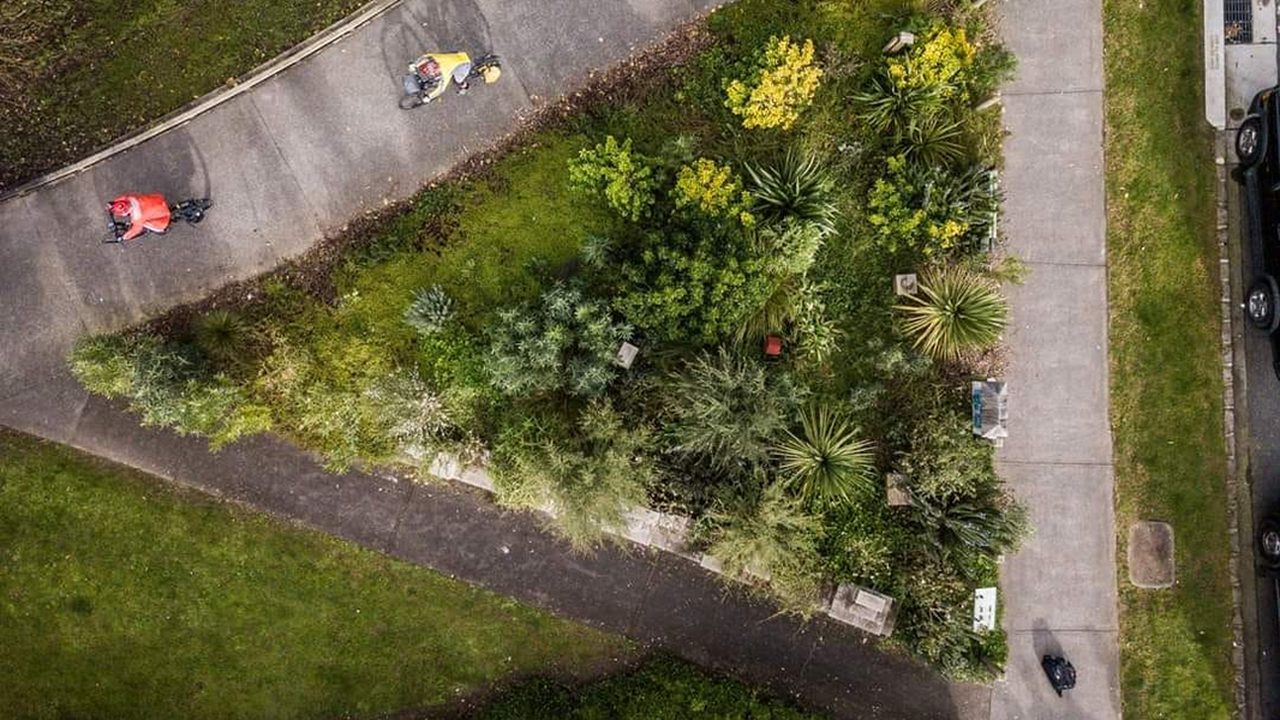
Definition Pollinator pathways and flora plantings are connected networks of flowering vegetation that provide continuous foraging and habitat resources for pollinators across urban environments. What this strategy does Creates linked planting corridors that support pollinator movement and persistence. Avoids isolated, single-species, or short-duration plantings. Context Urbanisation fragments habitat and limits pollinator movement; coordinated planting improves…
-
Natural micro-habitats
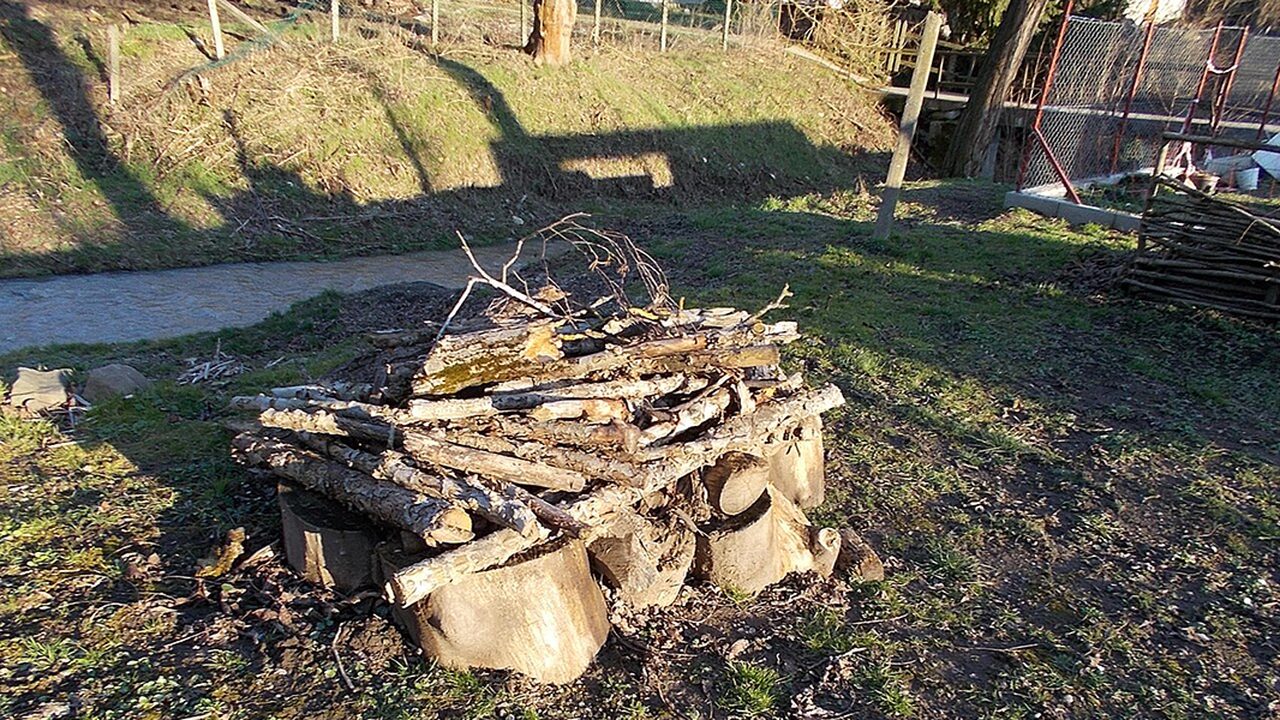
Definition Natural micro-habitats are small-scale landscape features that provide shelter, thermoregulation, refuge, and foraging opportunities for native fauna within urban and modified environments. What this strategy does Introduces or retains logs, rocks, hollows, and dense vegetation, as well as basking areas for lizards, to support the everyday habitat needs of native species while avoiding large-scale…
-
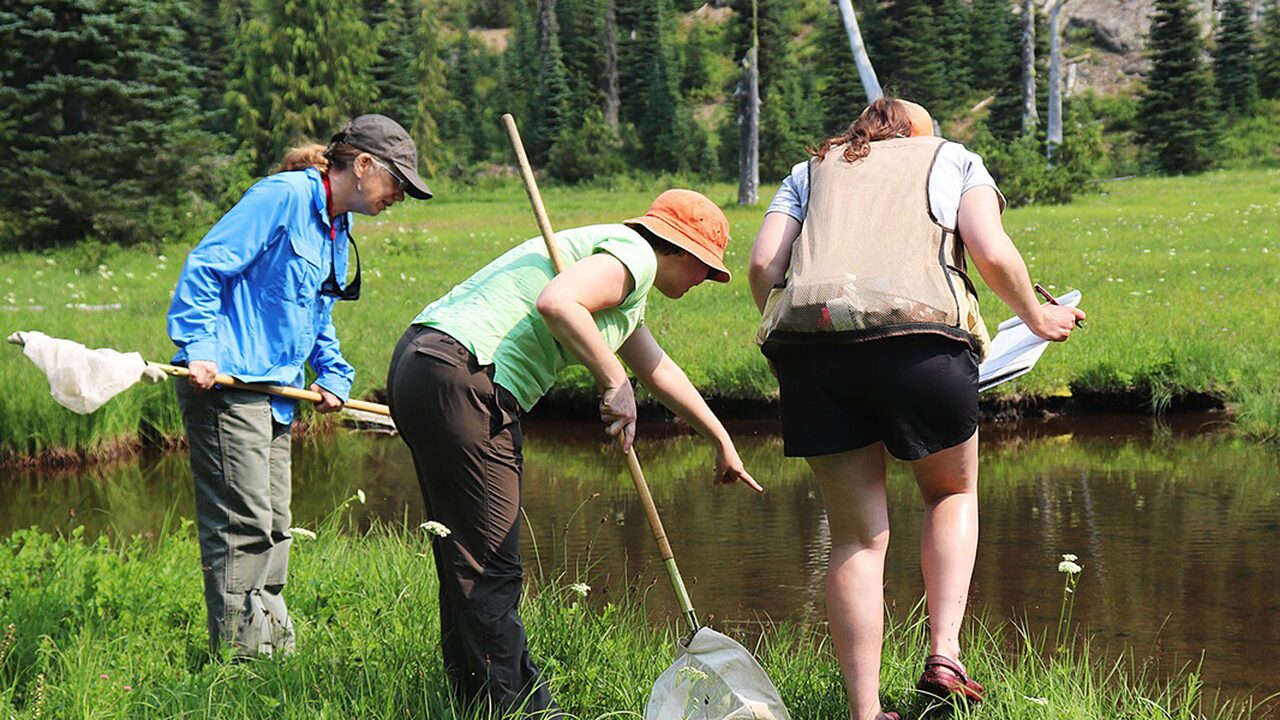
Monitoring for biodiversity
Definition Monitoring for biodiversity is the systematic measurement of species presence, abundance, and habitat condition over time to assess whether design and management actions are achieving intended biodiversity outcomes, including through building-integrated and community-based monitoring approaches. What this strategy does Establishes baselines, tracks ecological change, and informs adaptive management of planting, habitat structures, and maintenance.…
-
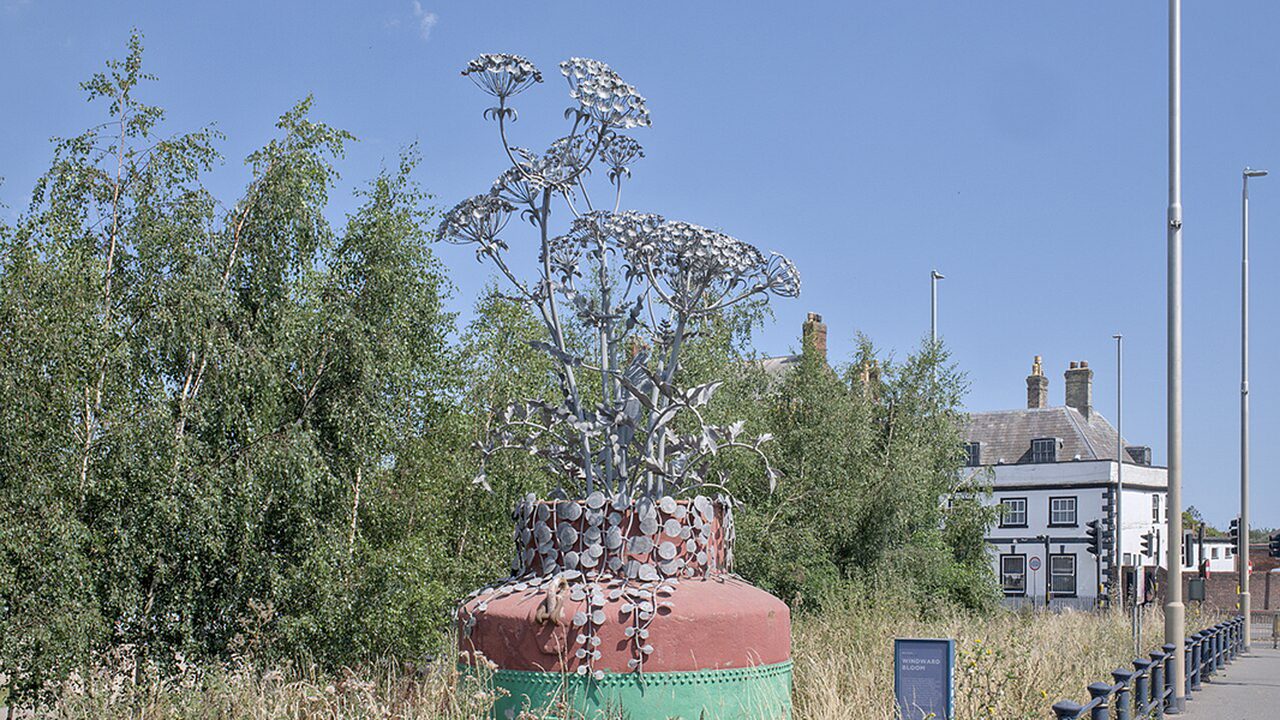
Maintenance for biodiversity
Definition Maintenance for biodiversity is the design and ongoing management of urban green and blue spaces to sustain ecosystem health, support native species, and reduce chronic anthropogenic pressures, including the intentional use of low-disturbance and biodiversity-sensitive maintenance regimes. What this strategy does Reduces chemical inputs, mowing intensity, disturbance, noise, and domestic predator impacts while maintaining…
-
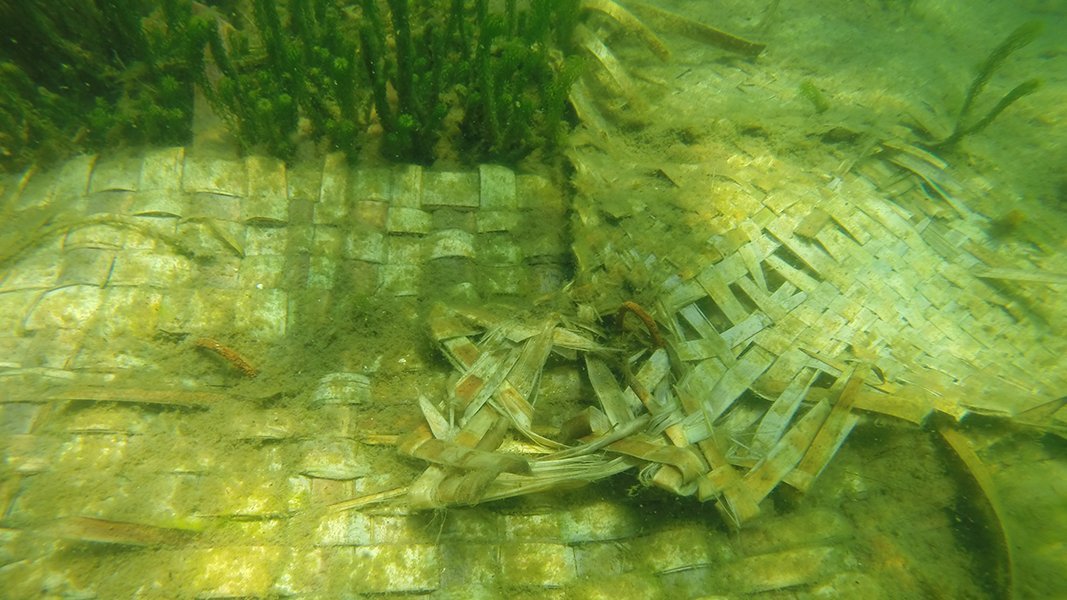
Integrating mātauranga Māori
Definition Integrating mātauranga Māori (Māori knowledges) into biodiversity design applies values, practices, and place-based knowledge to guide ecological design, species selection, and long-term stewardship in urban environments. This must be undertaken under the guidance of mana whenua (local hapū or iwi), with their participation and permission. Here is a fuller discussion of mātauranga Māori and…
-
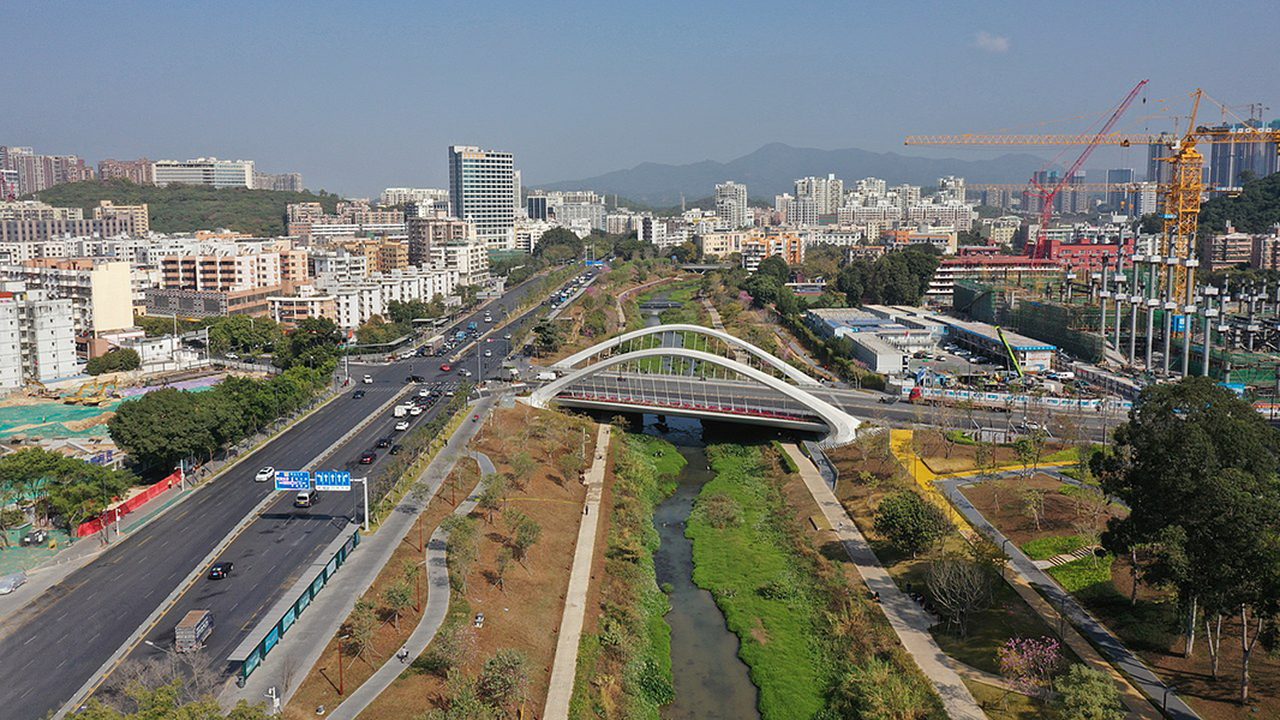
Wildlife corridors, bridges & belts
Definition Connected networks of vegetated or aquatic spaces that enable movement of species across fragmented urban landscapes. What this strategy does Links isolated habitats using linear green or blue elements (e.g. corridors, bridges, riparian belts). Avoids isolated “green islands” with no functional connectivity. Context Urban development in Aotearoa New Zealand has fragmented Indigenous habitats, limiting…
-
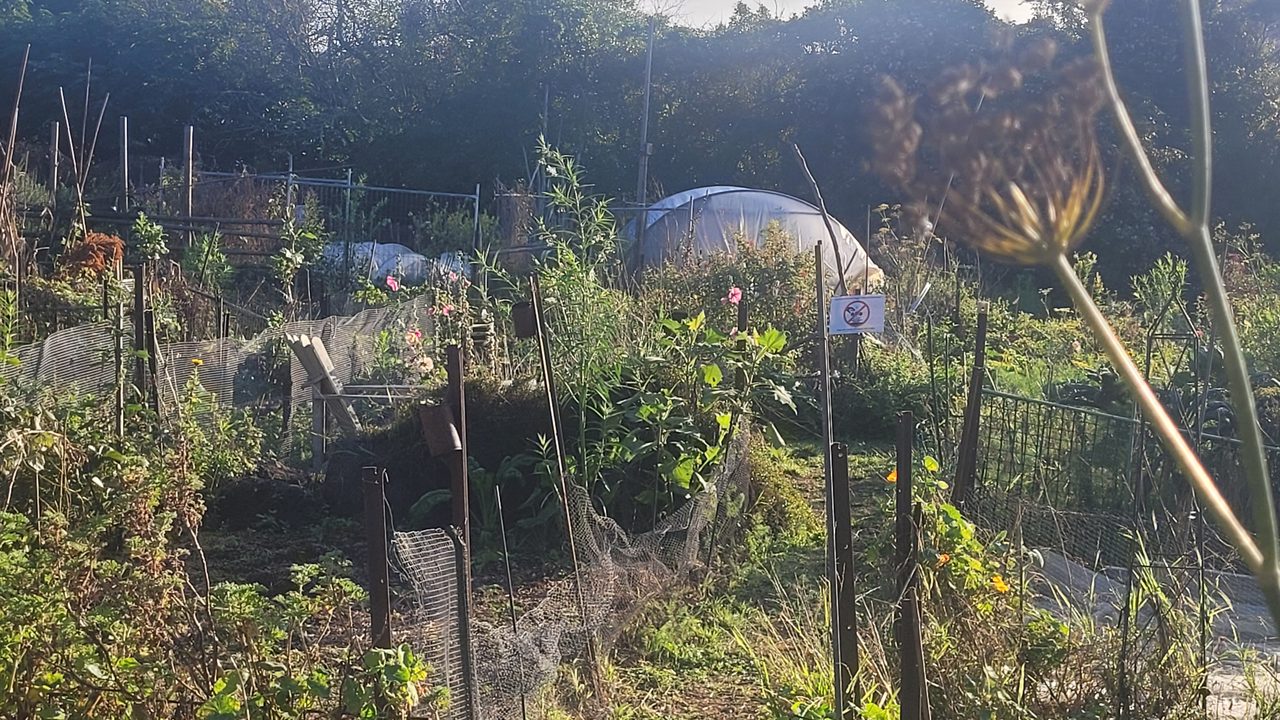
Compact high-yield urban agriculture techniques
Definition Design approaches that enable intensive food production in limited urban space through efficient spatial layouts, resource use, and crop management. What this strategy does Supports food production on constrained sites through intensive planting, controlled growing systems, and small-footprint infrastructure, helping to avoid low-density or land-extensive agricultural models. This approach may be particularly relevant in…
-
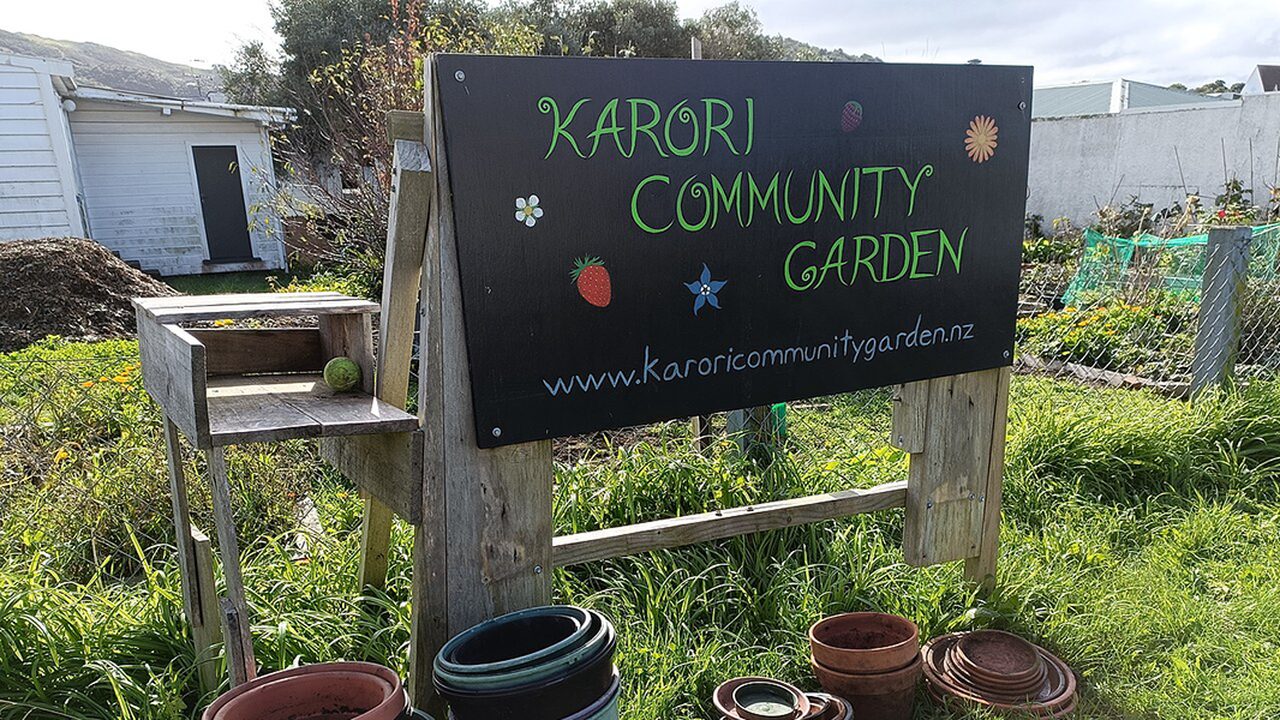
Community gardens
Definition Shared, collectively managed green spaces that integrate food production and habitat features to support urban biodiversity. What this strategy does Provides small-scale, fine-grained habitat within neighbourhoods while supporting social participation and food growing. Avoids single-use, ornamental-only planting and short-term temporary installations. Context In Aotearoa New Zealand cities, community gardens frequently occupy fragmented or low-value…
-
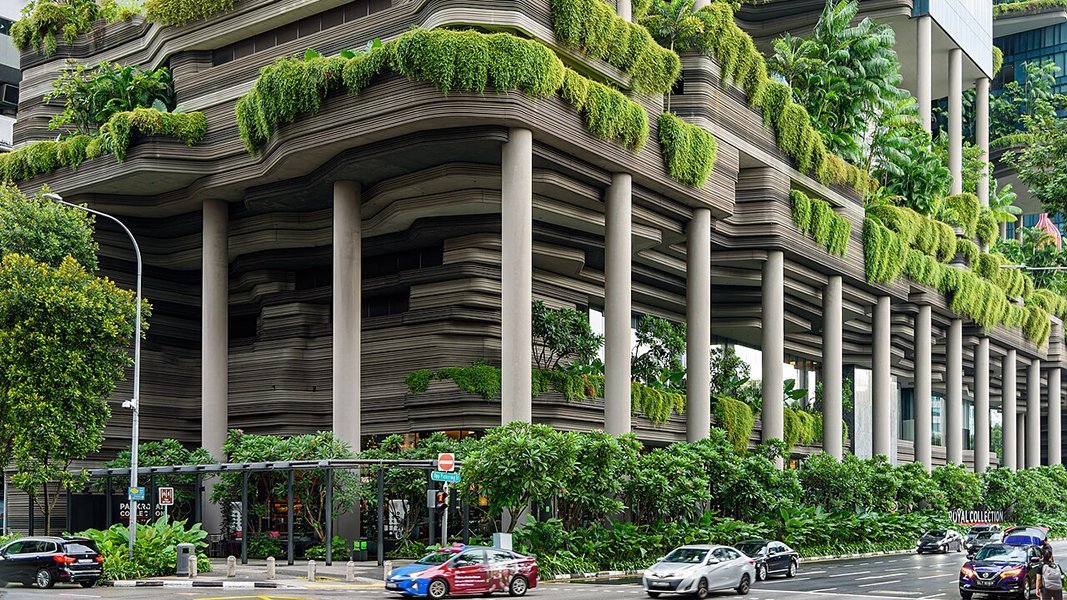
Building-integrated vegetation
Definition Building-integrated vegetation (BIV) is the deliberate incorporation of living plant systems into and onto building structures, including green roofs, living walls, vegetated façades, and vegetated balconies. What this strategy does Integrates vegetation into buildings to provide habitat, microclimate regulation, and ecological connectivity in dense urban environments. Enhances and connects with, rather than replaces ground-based…
Got any book recommendations?