
Definition
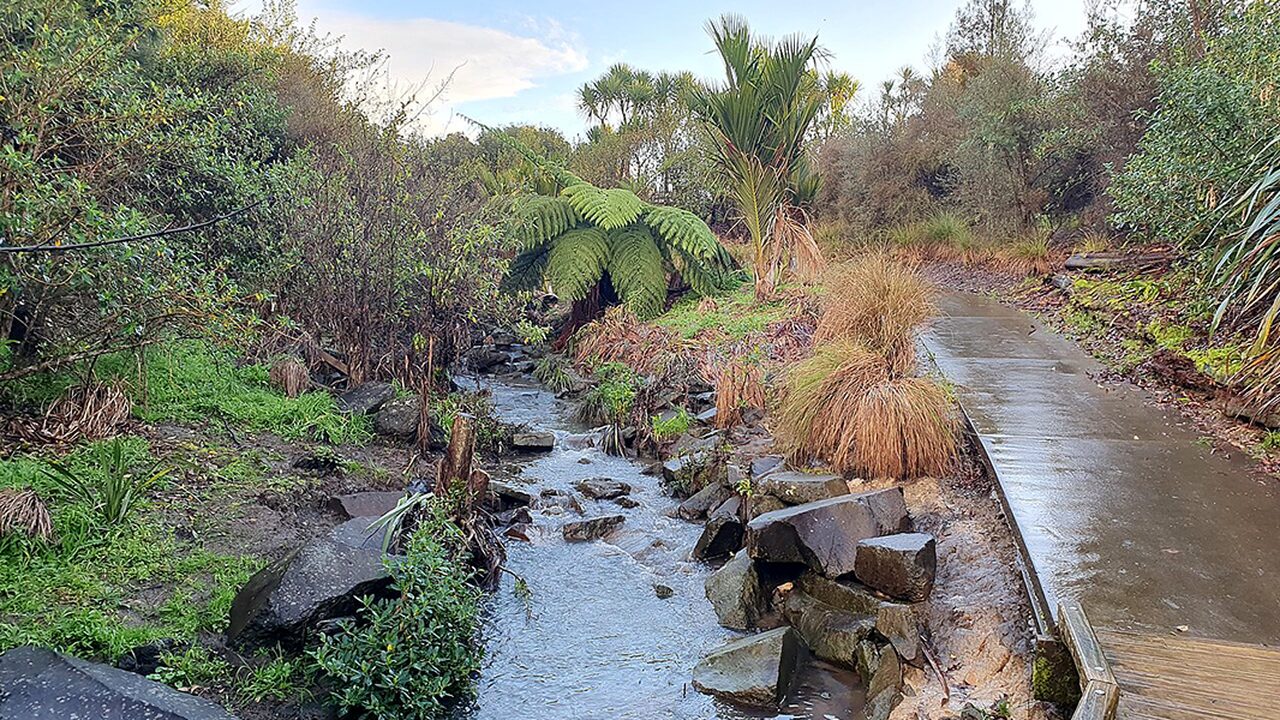
River daylighting (culvert naturalisation) is the removal or modification of buried, piped, or concrete-lined urban waterways to restore open, naturalised stream channels with riparian margins.
What this strategy does
Reopens buried streams, reinstates natural channel form and riparian vegetation, and reconnects aquatic and terrestrial habitats. Avoids fully engineered, uniform channels where ecological recovery is a project objective.
Context
In urban areas, culverted streams reduce habitat, disrupt hydrology, and fragment freshwater ecosystems. Daylighting can restore ecological connectivity and ecosystem function where space, catchment conditions, and governance allow, but outcomes depend on scale, upstream water quality, and long-term management.
Technical considerations
Design considerations
Hydrology and channel form
Reinstate natural flow variability, meandering channel forms, and alternating deep and shallow stream habitats (pool–riffle sequences); avoid uniform cross-sections that limit habitat diversity.
Substrate and habitat complexity
Provide a diversity of substrates (such as gravel, sand, and cobbles), varied water depths and flow velocities, woody material, and native riparian planting to support macroinvertebrates, fish, and aquatic plants.
Water quality integration
Coordinate daylighting with catchment-scale stormwater and contaminant management; local channel works alone may not overcome poor inflows.
Scale and connectivity
Prioritise longer, continuous daylighted reaches and connections to intact upstream and downstream habitats to enable recolonisation and sediment transport.
Implementation considerations
Design priority
Select sites where land availability, gradient, and downstream capacity allow meaningful ecological function rather than isolated showcase segments.
Key constraint
Urban land values, buried services, and flood risk requirements can limit channel width, alignment, and planting potential.
Issues and barriers
Limited space and land value
Dense urban form can constrain channel geometry and riparian width, reducing ecological gains.
Residual water quality stressors
Ongoing polluted runoff can suppress biodiversity recovery despite physical restoration.
Fragmented governance and approvals
Multiple agencies and permitting pathways can delay or dilute outcomes if objectives are not aligned early.
Ongoing management burden
Invasive species control and channel maintenance require long-term resourcing to sustain function.
Synergies and opportunities
Climate change – Restored channels and floodplains increase adaptive capacity to floods and heat.
Human wellbeing – Access to open waterways supports recreation, mental health, and place identity.
Disaster risk reduction – Naturalised channels can reduce peak flows and infrastructure vulnerability.
Empowerment – Participatory daylighting processes can improve environmental justice outcomes.
Freshwater security – Reinstating natural hydrology supports long-term freshwater ecosystem resilience.
Financial case
Ecosystem services and performance value
Value type
Reduced long-term maintenance compared with ageing culverts; improved flood conveyance and ecosystem services.
Cost-effectiveness
Investment logic
Where culvert replacement is already required, integrating daylighting can deliver higher net social–ecological benefits than like-for-like renewal.
Monitoring and evaluation metrics
Core metric
Macroinvertebrate and fish community composition and abundance can be assessed before and after daylighting.
Advanced or long-term metric
Habitat structure, water quality trends, and functional indicators (e.g. organic matter breakdown).
Case study
Christchurch urban streams
Related design strategies
- Biofilters
- Bioswales
- Buffers
- Constructed wetlands
- Living stabilisation systems
- Rain water gardens
- Urban blue spaces
- Urban riparian restoration and shading
Additional resources or tools
National Works in Waterways Guideline
https://environment.govt.nz/assets/publications/works-in-waterways-guideline.pdf
Restoration Indicator Toolkit (Envirolink NZ)
https://www.envirolink.govt.nz/assets/Envirolink/RestorationIndicatorToolkit-stream.pdf