
Aotearoa BiodiverCity is an interdisciplinary group of researchers working to increase native species in the built environment. As part of People, Cities and Nature, an MBIE Endeavour Programme focused on restoring Indigenous nature in urban environments, we explore the untapped potential of medium-density urban development to better support city-wide biodiversity. Through interdisciplinary and design-informed research, we develop clear, evidence-based strategies, goals, processes, and tools to embed biodiversity in Aotearoa New Zealand’s cities, enhancing urban living for both humans and other species.
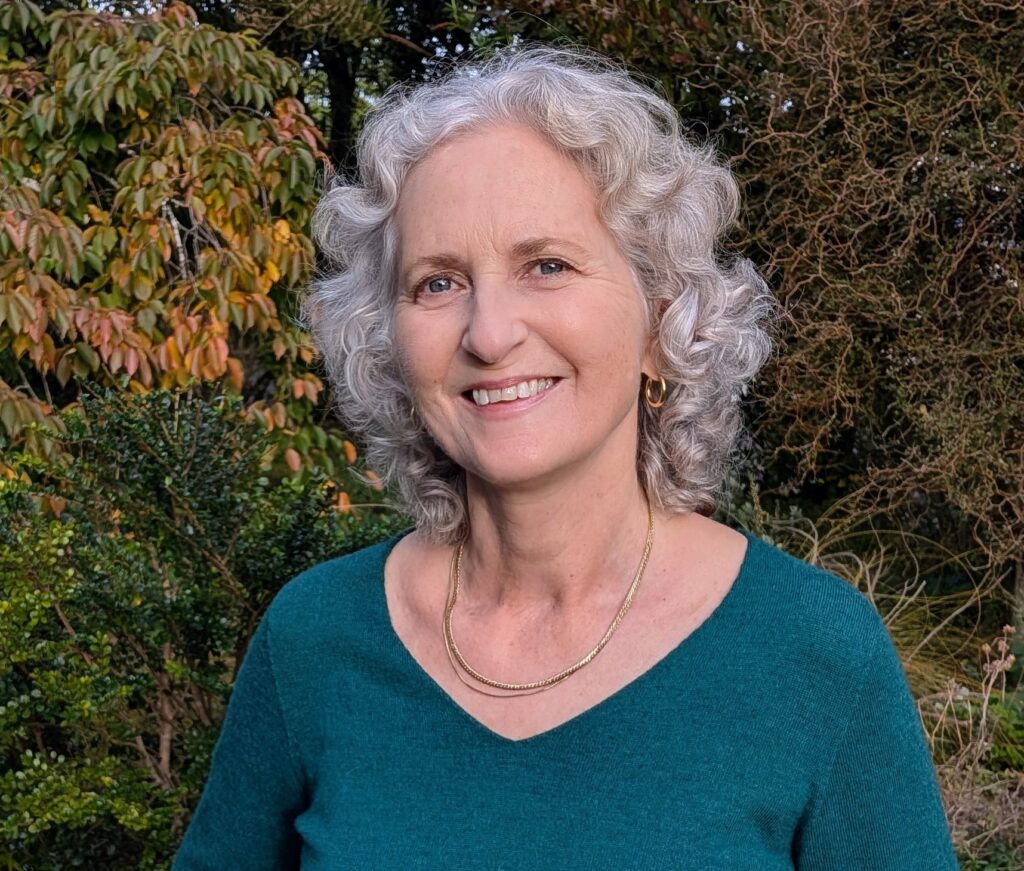
Yolanda van Heezik
A Professor in the Zoology Department, University of Otago, where she has taught into and directed the Post-Graduate Wildlife Management programme, and teaches conservation biology. Her research interests include urban ecology, biodiversity of private gardens and urban green spaces, and people’s interactions with nature. She is also involved in research on mammalian invasive species, and marine bird ecology with a focus on penguins.
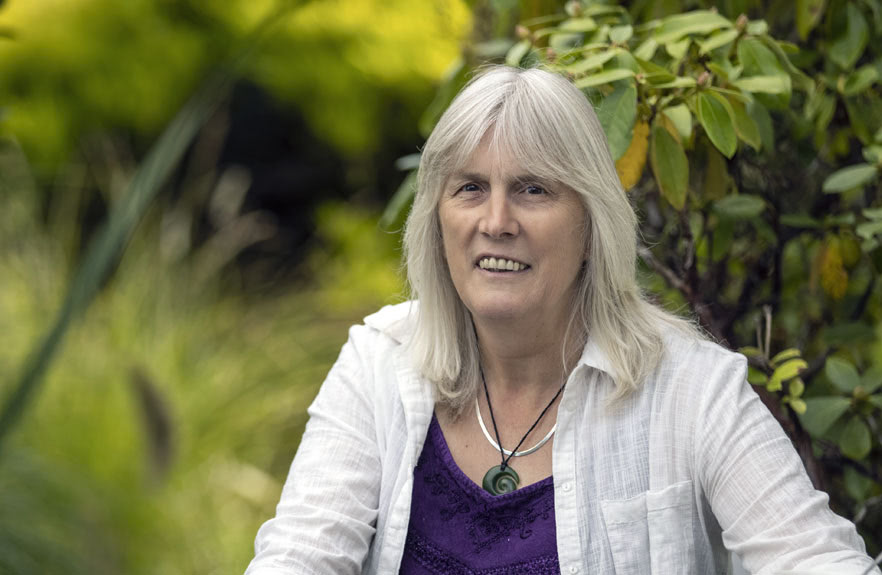
Claire Freeman
Programme Director for the Master of Urban and Regional Planning at Te Herenga Waka Victoria University of Wellington. She is a planner with expertise in the field of environmental planning. She has worked in Planning, Geography, and Environmental Management internationally and in New Zealand and has over 35 years’ experience in planning education. Her three primary research interests are: 1) planning and development of the natural environment, biodiversity, conservation and greenspace planning 2) planning and designing environments that better support the needs of children and young people and 3) planning for communities and sustainability. Her research also incorporates several projects undertaken with Pacific colleagues in New Zealand, Fiji and Samoa exploring children and their families’ understanding of and responses to life in a changing urbanising Pacific. She co-authored with van Heezik (2018) Children, nature and cities: Rethinking the connections, Routledge. In 2024 she co-authored with Nel, Planning for the caring city, Routledge.
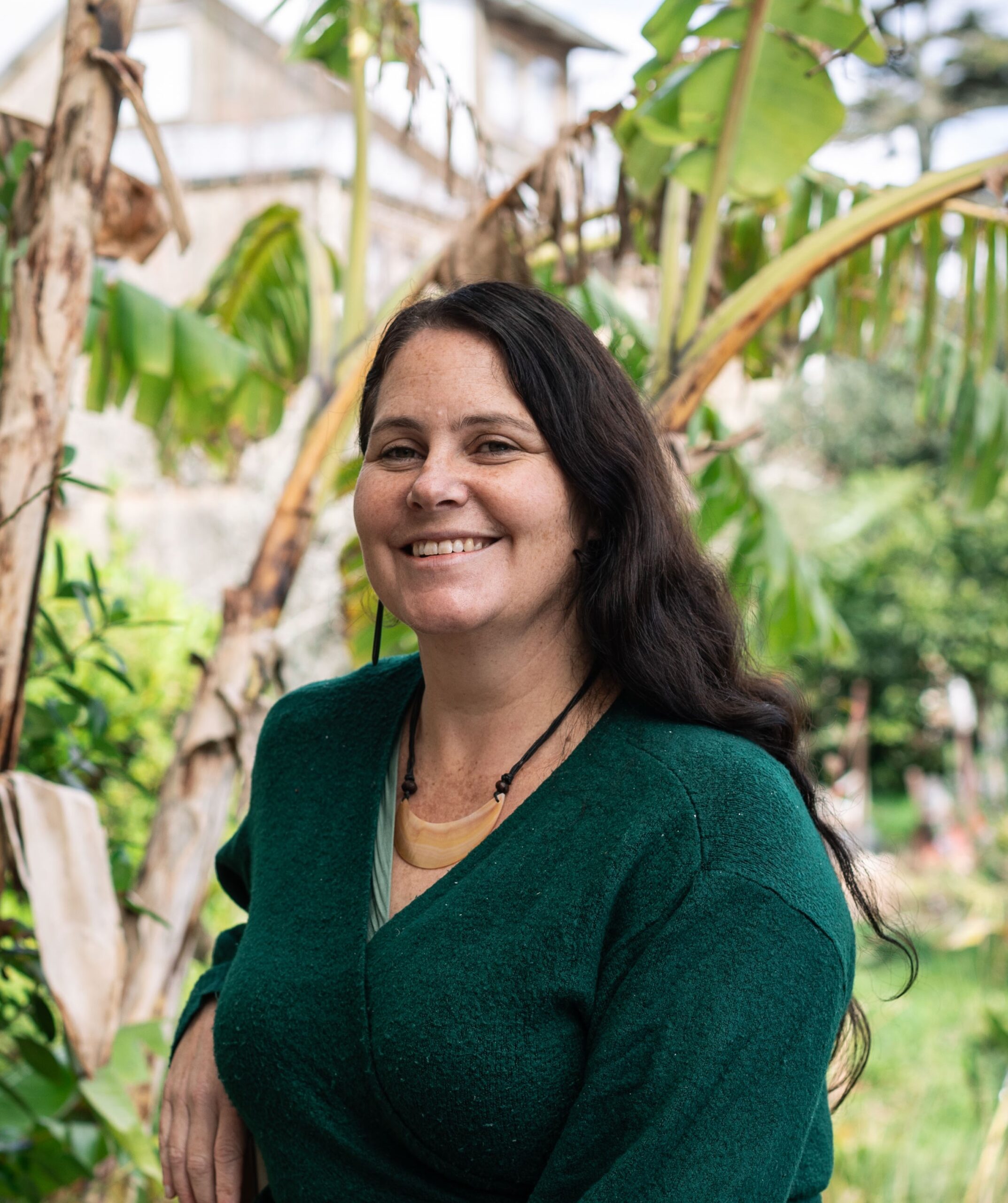
Maibritt Pedersen Zari
Professor of Regenerative Architecture at the School of Future Environments at Auckland University of Technology. Her research sits at the interface between ecology and designed human experiences across spatial scales, from buildings to the wider urban context. Pedersen Zari investigates how human wellbeing is intertwined with the health of the living world we inhabit, particularly in relation to climate change adaptation. Her areas of expertise include nature-based solutions, climate resilience and adaptation in cities with particular experience in Pacific contexts, regenerative design, urban ecosystem services, design for urban biodiversity, biomimicry, and biophilic design. She is author of three books with Routledge and Springer Nature and has received two university research awards.
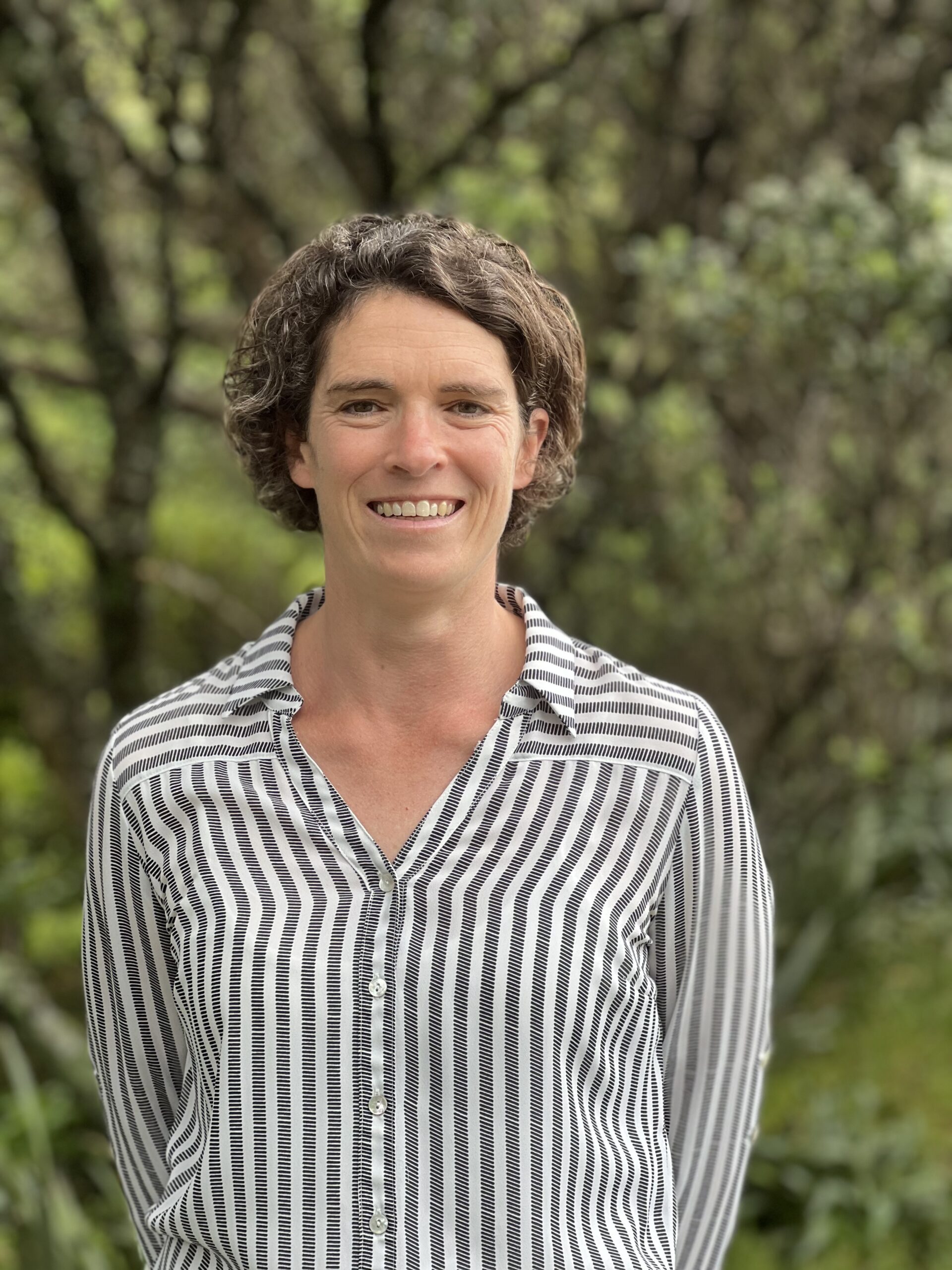
Danielle Shanahan
Chief Executive at Zealandia Te Māra a Tāne, and Adjunct Professor at Te Herenga Waka Victoria University of Wellington. Danielle has a wide and varied background in conservation practice and researchDanielle led Zealandia’s restoration efforts inside and outside the fence for over five years, and established a unique urban catchment restoration project Sanctuary to Sea Kia Mouriora te Kaiwharawhara. Danielle’s research interests focus on what nature means for people’s health and wellbeing, how a connection to nature develops, and how people come together to achieve conservation outcomes.Her motivation is creating a healthy future for people and nature.
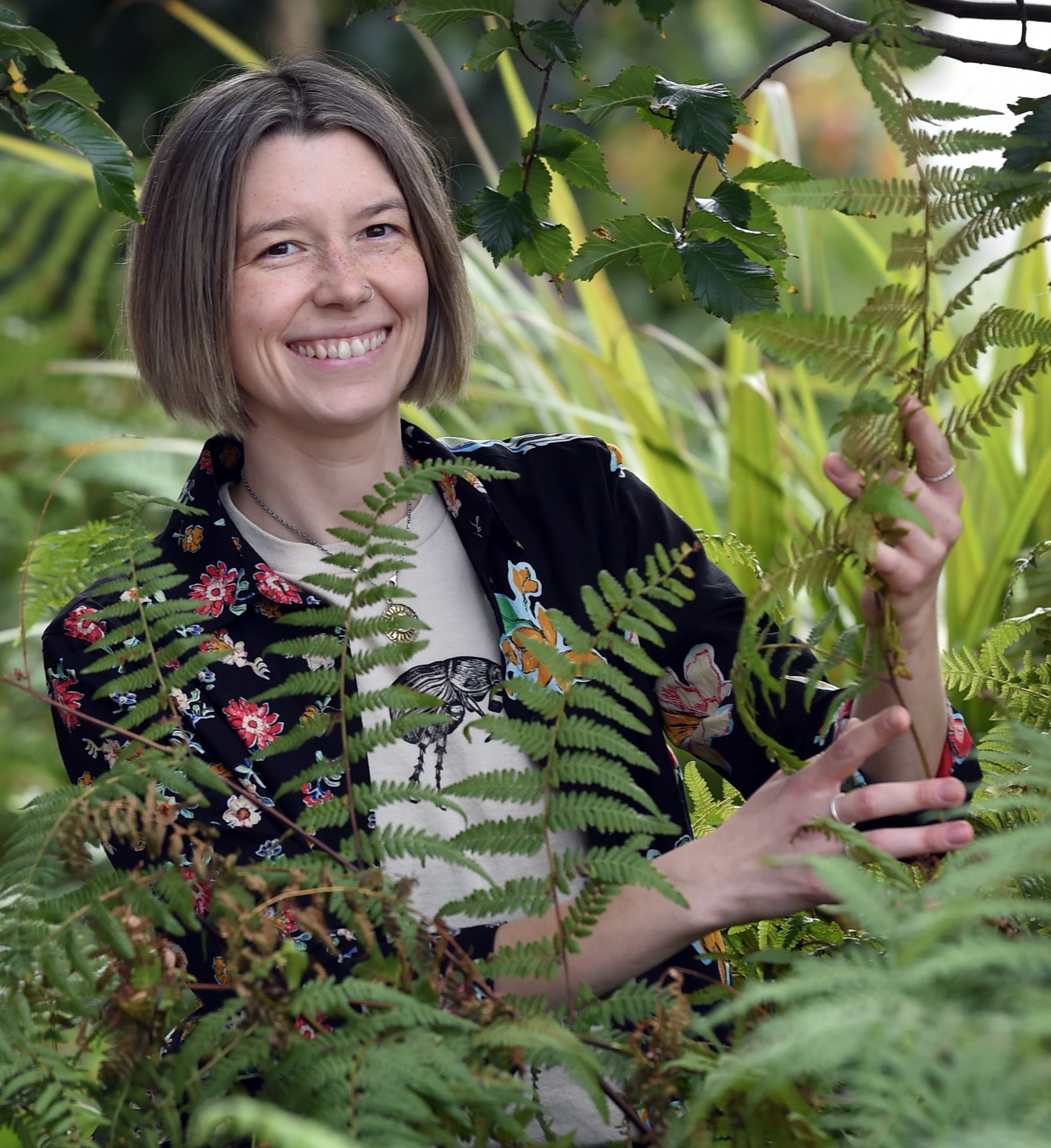
Jacqueline Theis
Doctoral ecology candidate at the University of Otago. With a background spanning ecology and mental health care, she brings a unique interdisciplinary lens to understanding how biodiversity, human wellbeing, and urban design intersect. Her research translates ecological data into practical tools for urban professionals, helping shape cities that function as thriving habitats for native wildlife while supporting healthier urban living. Jacqueline is actively engaged in science community outreach and leads research on urban insect colonisation, generating insights that inform more effective urban planning and conservation strategies.
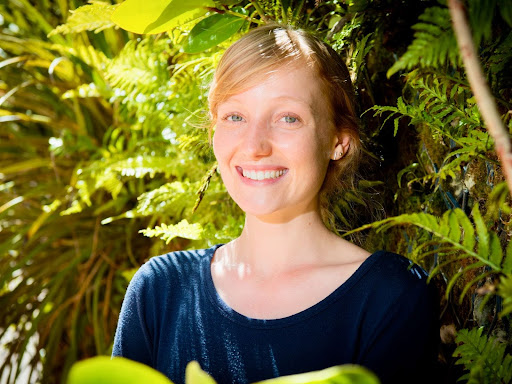
Maggie Mackinnon
PhD graduate of Victoria University of Wellington’s Faculty of Architecture and Design. With her interdisciplinary background in biology (BSc) and architecture (MArch), Maggie’s research connects both fields and investigates how architecture can provide habitat for native species in cities to increase urban biodiversity, climate change mitigation, and human well-being. She is particularly interested in how building-integrated vegetation, such as green roofs and green walls, can provide habitat for native species, improve building performance, and form more robust and resilient green infrastructure networks.

Chris Woolley
Chris completed a post-doc programme of study with People Cities and Nature, partly with Aotearoa BiodiverCity, while working at Zealandia Te Māra a Tāne. He is interested in reptile conservation and the relationship between people and wildlife living in cities. His research investigates where different lizard species live in New Zealand cities and what can be done to promote populations. He is also investigating the potential for ‘backyard’ lizard monitoring, both to aid the conservation of urban-dwelling lizards and as a way to engage urbanites in conservation.
Postgraduate students
Recipients of People Cities and Nature scholarships associated with Aotearoa BiodiverCity:
Robert Brigham, Master of Planning, University of Otago, 2023.
Planning for a Biophilic City: The Case of the Wellington Region
Supervisor: Claire Freeman
Thesis Summary
Sarah Copeland, Master of Planning, University of Otago, 2024.
Socio-Ecological ‘In-Between’ Spaces Within Residential Developments in Aotearoa
Supervisor: Claire Freeman
Thesis Summary
Robyn du Preez, Master of Architect (prof), Auckland University of Technology, 2024. Medium-density housing designed to conserve and regenerate native biodiversity in Auckland, Aotearoa New Zealand.
Supervisor: Maibritt Pedersen Zari.
Finalist in the 2024 NZIA Student Design Awards
Thesis Summary
Katie Jenkins, Master of Landscape Architecture, Victoria University of Wellington, 2024.
BiodiverCity: The integration of biodiversity with medium-density housing. Supervisors: Bruno Marques and Maibritt Pedersen Zari.
Thesis Summary
Molly Keaney, Master of Planning, University of Otago, 2024.
Ecological Connectivity in the Densifying City-Strategies for Enhancement
Supervisor: Claire Freeman
Thesis Summary
Emma Kuparinen, Master of Planning, University of Otago, 2024.
Biodiversity in suburbia: exploring strategies for retrofitting biodiversity in residential space across Aotearoa New Zealand
Supervisors: Claire Freeman and Yolanda van Heezik.
Thesis Summary
Mia Te Tana, Master of Planning, University of Otago, 2023.
Housing vs Biodiversity: Can medium-density housing help enhance Aotearoa New Zealand’s urban biodiversity?
Supervisors: Claire Freeman and Yolanda van Heezik.
Thesis Summary
Contributors
We would like to acknowledge several contributors:
Research assistance
Thanks to Dr Kamiya Varshney, Deon Dean, and Abigail Temby-Spence for research assistance.
Graphic design
Allette Ockhuysen designed our logos and icons.
Web design & development
Jaz Wilkinson of Product Sense designed and built this website and the digital interface of the NZ Biodiversity Factor tools.
Review and advice
Many people contributed to the research shown on this website through anonymous peer review, reviews of the Design Guide as acknowledged there directly, contributions to surveys, interviews, and workshops, and through interactions with the rest of the People Cities and Nature team. Many thanks.