Definition
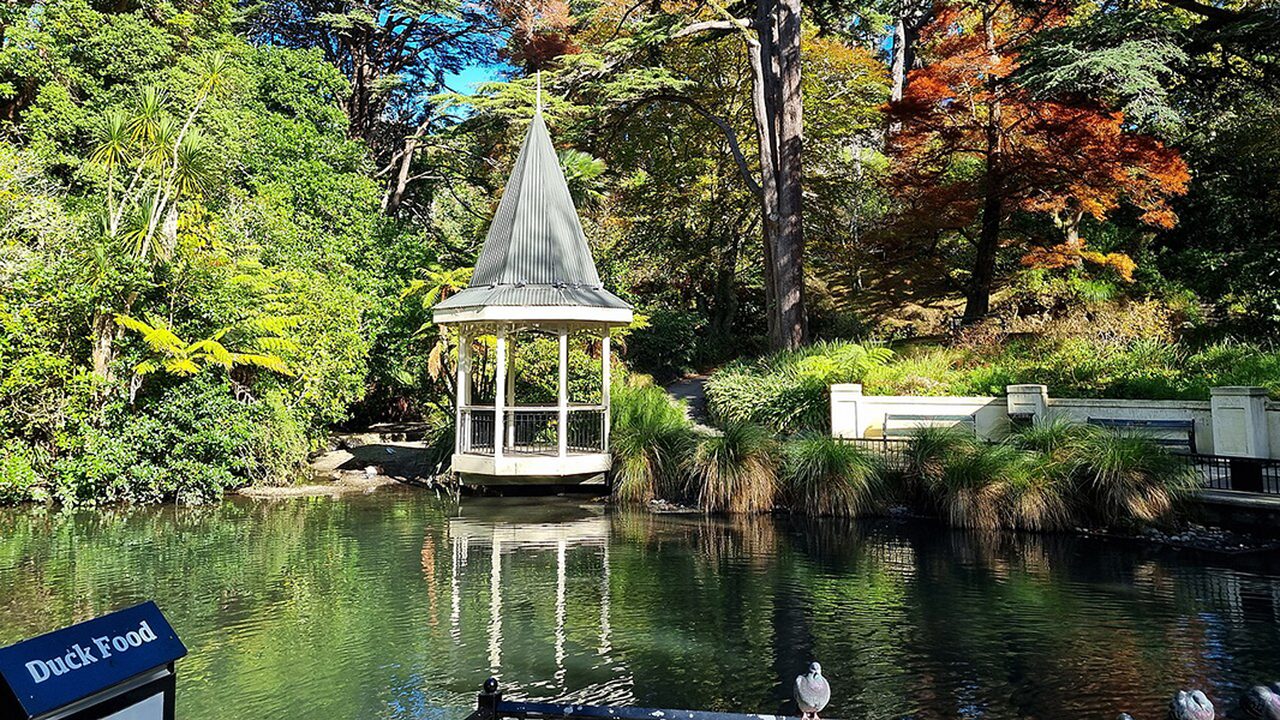
Urban blue spaces are water bodies and water-dependent habitats within urban areas that support aquatic and semi-aquatic biodiversity and ecological processes.
What this strategy does
Integrates rivers, streams, wetlands, ponds, and coastal edges into urban form to provide habitat, improve water quality, and maintain hydrological and ecological connectivity, while managing human use and urban pressures.
Context
In Aotearoa New Zealand, urbanisation has significantly modified freshwater systems, contributing to habitat loss, fragmentation, and declining water quality. Strategic design and restoration of urban blue spaces is therefore critical for Indigenous biodiversity, freshwater security, and climate resilience.
Technical considerations
Design considerations
Habitat connectivity
Design blue spaces as part of a connected network, using corridors and stepping stones to enable movement of aquatic and semi-aquatic species across urban landscapes.
Native vegetation and habitat complexity
Prioritise Indigenous riparian and wetland vegetation and structurally diverse habitats, including variable water depths and hydroperiods, to support a range of native taxa.
Water quality and hydrology
Protect and restore natural hydrological regimes by managing stormwater inputs, reducing contaminant loads, and integrating water-sensitive design features such as wetlands, swales, and rain gardens.
Scale and spatial planning
Plan blue space interventions at both site and catchment scales, using spatial analysis to optimise patch size, configuration, and proximity to other green and blue spaces.
Human use and social interface
Balance recreational access with ecological function through zoning, planting buffers, and community stewardship to reduce disturbance and pollution.
Implementation considerations
Design priority
Protect existing freshwater habitats first, then restore degraded systems before creating new blue spaces.
Key constraint
Urban stormwater contamination and altered hydrology can limit ecological performance if not addressed at a catchment scale.
Issues and barriers
Habitat loss and fragmentation
Urban densification reduces permeable surfaces and disrupts freshwater connectivity, limiting biodiversity gains where restoration is isolated.
Water pollution
Stormwater-derived nutrients, sediments, and heavy metals continue to degrade urban freshwater ecosystems.
Invasive species and predation
Blue spaces are vulnerable to invasive aquatic plants and animals, constraining the recovery of Indigenous species.
Knowledge and monitoring gaps
Limited empirical evidence exists on optimal blue space configurations for native species under urban stressors.
Policy and planning limitations
Inconsistent biodiversity targets and weak protection of freshwater margins reduce long-term effectiveness.
Synergies and opportunities
Climate change
Blue spaces contribute to urban cooling, flood attenuation, and climate adaptation when integrated with green infrastructure.
Human wellbeing
Access to water environments supports mental health, recreation, and cultural practices, including mahinga kai, when designed inclusively.
Freshwater security
Healthy blue spaces improve water quality and resilience of urban freshwater systems through natural filtration and storage processes.
Financial case
Ecosystem services and performance value
Value type
Reduced flood damage, lower stormwater infrastructure costs, improved water quality, and avoided public health costs.
Cost-effectiveness
Investment logic
Aotearoa New Zealand evidence indicates that riparian and wetland restoration can deliver high benefit–cost ratios, even without directly monetising biodiversity benefits.
Monitoring and evaluation metrics
Core metric
Water quality indicators (nutrients, suspended solids, heavy metals), habitat extent and Indigenous vegetation cover.
Advanced or long-term metric
Macroinvertebrate Community Index (MCI), indicator species presence, and eDNA-based biodiversity assessments.
Case study
Ōtākaro/Avon river catchment
Related design strategies
- Biofilters
- Bioswales
- Constructed wetlands
- Detention ponds
- Permeable paving
- Rain water gardens
- River daylighting and culvert naturalisation
- Stormwater planters
- Urban green spaces
- Urban riparian restoration and shading
- Urban water features
Additional resources or tools
NUWAO Urban Guide to Blue–Green Space
https://nuwao.org.nz/urban-blue-green-space/
Wellington Urban Design Toolkit
https://wellington.govt.nz