Definition
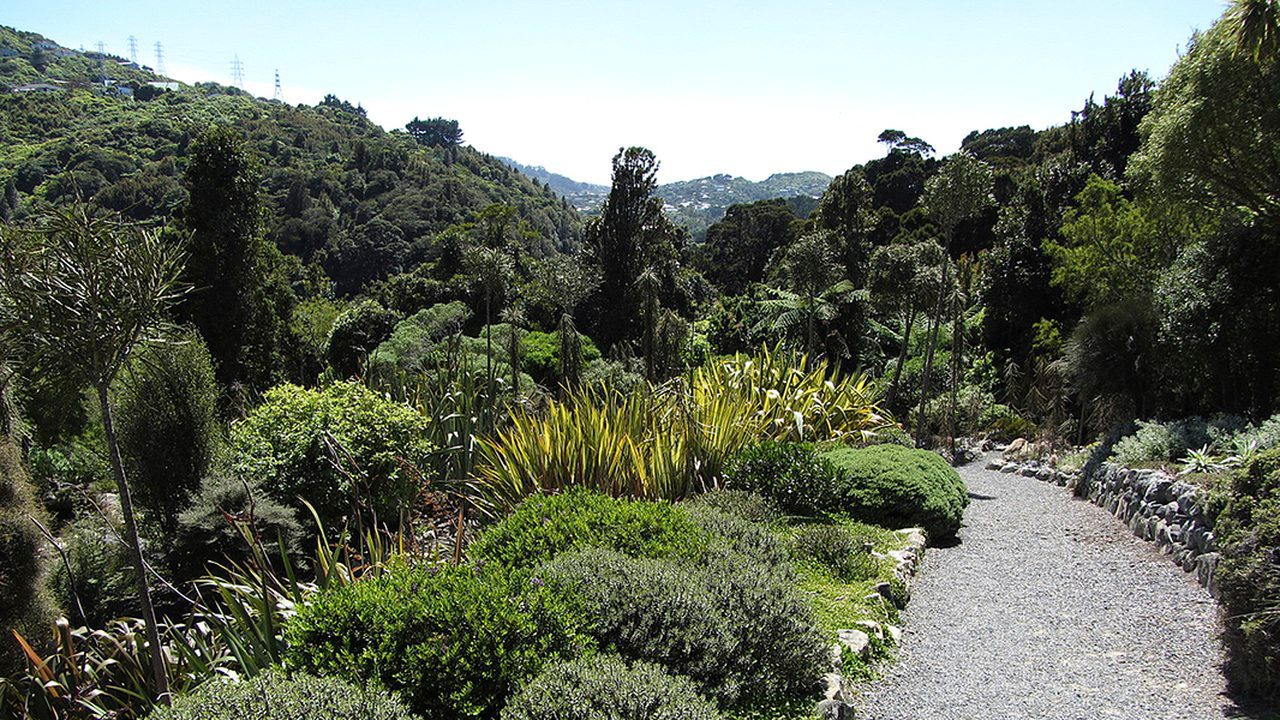
Urban green spaces are vegetated areas within cities, such as parks, streetscapes, gardens, and green roofs, that support native biodiversity and ecological processes within the built environment.
What this strategy does
Provides habitat, refuge, and movement pathways for native species while delivering ecosystem services in urban areas; excludes ornamental-only or ecologically simplified landscapes.
Context
In Aotearoa New Zealand cities, ongoing densification and habitat fragmentation reduce native biodiversity and ecosystem function. Urban green space is decreasing in many Aotearoa cities, particularly on a per-person basis. Urban green spaces are a primary mechanism for maintaining ecological performance and social wellbeing within compact urban form.
Technical considerations
Design considerations
Increase Indigenous vegetation and understorey
Prioritise multi-layered native planting (trees, shrubs, groundcover) to increase habitat availability and species occupancy.
Maximise vegetation diversity and structural complexity
Use a mix of species, ages, and forms to support a wider range of taxa and improve ecological resilience.
Meet minimum Indigenous cover thresholds
Target a minimum of 10% Indigenous vegetation cover across urban areas to sustain native biodiversity at the landscape scale.
Design for connectivity
Use green corridors, stepping-stone habitats, riparian margins, and blue–green infrastructure to link isolated patches and support dispersal.
Optimise patch size and configuration
Favour larger, well-connected patches with reduced edge effects and diverse internal structure.
Implementation considerations
Design priority
Integrate biodiversity objectives and green space provision early in spatial planning, subdivision layout, and open space design.
Key constraint
Small, isolated, or highly manicured spaces deliver limited biodiversity value without connectivity or structural complexity.
Issues and barriers
Densification-driven habitat loss
Higher-density development reduces green cover and increases fragmentation, undermining native species viability.
Insufficient spatial and ecological design
Many urban green spaces are undersized, disconnected, or lack appropriate vegetation structure.
Dominance of exotic planting
Exotic-dominated landscapes often fail to provide suitable resources for native fauna.
Synergies and opportunities
Climate change
Urban green spaces reduce urban heat, manage stormwater, store carbon, and improve climate resilience.
Human wellbeing
Access to biodiverse green spaces supports physical activity, mental health, social cohesion, and cultural connection to nature.
Financial case
Ecosystem services and performance value
Stormwater and flood mitigation
Vegetated areas reduce runoff and reliance on grey infrastructure, lowering long-term municipal costs.
Climate regulation
Urban vegetation moderates temperature and sequesters carbon, reducing energy demand.
Soil stability and water quality
Strategic peri-urban planting reduces erosion and downstream treatment costs.
Cost-effectiveness
Investment logic
Economic assessments show biodiversity conservation benefits in Aotearoa New Zealand can substantially exceed implementation costs when ecosystem services are included.
Monitoring and evaluation metrics
Core metric
Species richness and occupancy of key native taxa (e.g. birds, invertebrates) can be assessed using repeat surveys or community monitoring.
Advanced or long-term metric
Landscape connectivity, patch size, and Indigenous vegetation cover can be assessed through spatial modelling and longitudinal monitoring.
Case studies
- Ōtākaro/Avon river catchment
- Otari-Wilton’s Bush
- Project Twin Streams
- Waiwhakareke Natural Heritage Park
- Wellington Town Belt
- Zealandia
Related design strategies
- Animal movement infrastructure
- Backyard gardens
- Building for biodiversity
- Community gardens
- Green wildlife corridors bridges and belts
- Planting for biodiversity
- Soil regeneration
- Stepping stone habitats
- Urban blue spaces
- Urban street trees
Additional resources or tools
NUWAO Urban Blue-Green Space
https://nuwao.org.nz/urban-blue-green-space/
Wellington Urban Design Toolkit (GWRC)
https://www.gw.govt.nz/assets/Documents/2024/07/GW-Urban-Design-Toolkit.pdf
Landcare Research – Urban Ecology
https://www.landcareresearch.co.nz/discover-our-research/environment/sustainable-society-and-policy/cities-settlements-and-communities/urban-ecology