
Definition
Building for biodiversity is the integration of building and urban design measures that avoid wildlife harm and actively support habitat, ecological processes, and species persistence within developed environments including the incorporation of building-integrated and adjacent habitats.
What this strategy does
Reduces direct ecological impacts (e.g. collisions, light disturbance, noise, and habitat disruption) and integrates habitat into buildings and urban form through materials, façade design, vegetation, and infrastructure choices.
Context
Urban development is a significant driver of habitat loss and species decline. In Aotearoa New Zealand, design-led mitigation of harm, particularly through lighting, glazing, vegetation, and soil disturbance measures, is increasingly recognised as a necessary component of urban biodiversity outcomes.
Technical considerations
Design considerations
Design façades to reduce wildlife mortality
- Minimise extensive untreated glazing, particularly at lower levels and near vegetation.
- Avoid highly reflective or mirrored surfaces and design façades with appropriate colour and reflectivity to reduce visual confusion for wildlife.
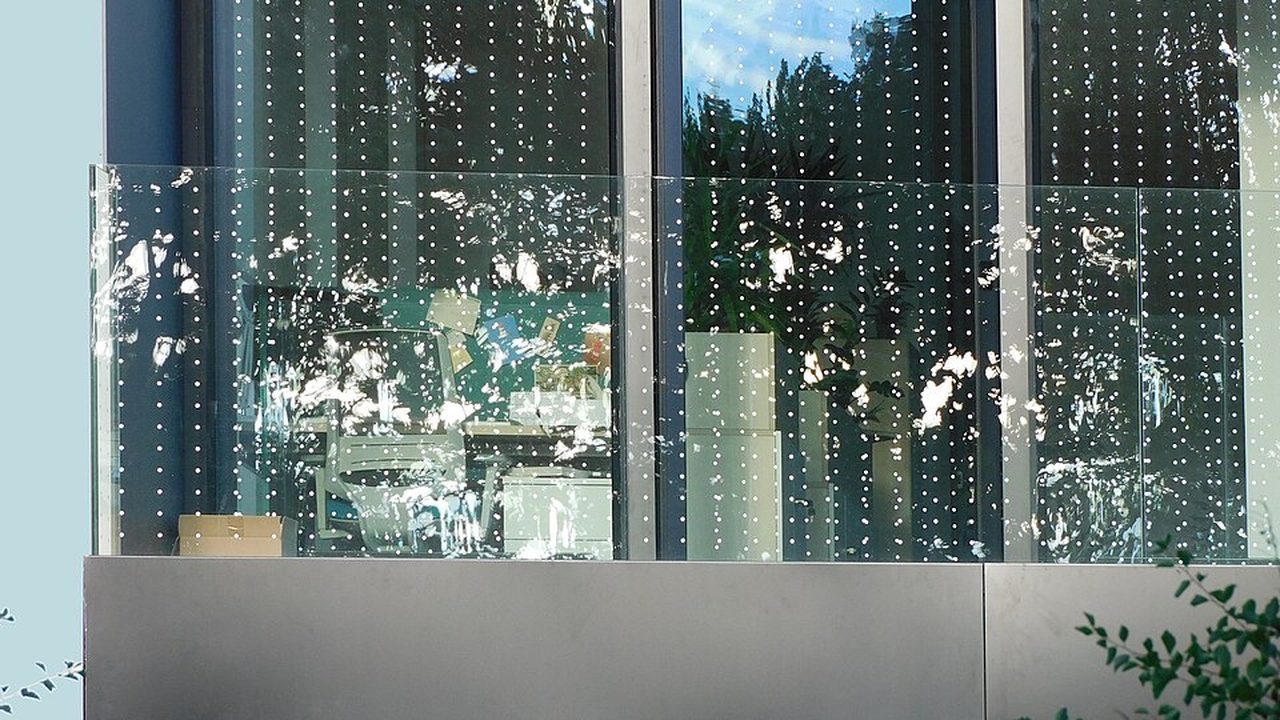
- Use patterned, fritted, or UV-treated glass to reduce bird strike risk.
Design lighting to minimise ecological disruption
- Specify warm-spectrum lighting (<3000K), shielded luminaires that direct the light downwards, and minimal spill.
- Use timers, dimming, and motion sensors to limit artificial light at night.
- Avoid unnecessary façade illumination, particularly near habitats and ecological corridors.
Retain and integrate vegetation and soil systems
- Prioritise retention of existing trees, soil profiles, avoiding greenfield development where possible.
- Design green roofs, rain gardens, and planted corridors as functional habitat, not decorative elements.
- Ensure building and landscape systems are designed together to support ecological continuity.
Design for habitat and microhabitat provision
- Retain or incorporate large, mature trees, epiphytes, and structurally complex vegetation where safe and feasible.
- Provide microhabitats through designed inclusion of leaf litter zones, woody debris, and substrate variation in appropriate locations.
- Integrate nesting, roosting, and refuge opportunities into buildings and structures where appropriate.
Design for noise and traffic reduction
- Use multi-layered, evergreen native vegetation belts close to noise sources to attenuate traffic and urban noise.
- Integrate green roofs, walls, and deep planting profiles in space-constrained areas to improve acoustic performance.
- Incorporate traffic calming and support a shift to electric vehicles, where possible, to reduce noise.
Implementation considerations
Design priority
Address façade design, lighting, vegetation, and habitat integration for biodiversity early in concept design to avoid retrofits and ensure coordination across disciplines.
Key constraint
Safety, maintenance liability, and consenting requirements may limit retention of large trees, wetlands, or dead wood in high-use areas.
Issues and barriers
Cost and procurement risk
Bird-safe glazing, remediation works, and green infrastructure can increase upfront costs, particularly in retrofit projects.
Knowledge gaps
Wildlife impacts of glazing and lighting are often underestimated by or are not visible to building users, reducing prioritisation.
Competing design objectives
Architectural preferences for transparency, night-time visibility, or minimal planting can conflict with positive biodiversity outcomes.
Synergies and opportunities
Climate change
Vegetation and green infrastructure provide cooling, stormwater attenuation, and carbon storage.
Human wellbeing
Access to biodiverse green space is associated with improved mental health and place attachment.
Waste and pollution management
Bioremediation and vegetated systems can improve soil and water quality.
Financial case
Ecosystem services and performance value
Value type
- Reduced energy use through shading and cooling.
- Lower maintenance and replacement costs when wildlife damage and mortality are minimised.
Cost-effectiveness
Investment logic
Early integration of biodiversity measures is more cost-effective than post-construction mitigation or retrofitting.
Monitoring and evaluation metrics
Core metric
Presence and diversity of target taxa (e.g. birds, invertebrates) using standardised surveys or citizen science platforms.
Advanced metric
Recorded bird collision rates before and after façade or lighting interventions. Ambient noise level monitoring.
Case study
Wellington Cable Car Building
Related design strategies
- Artificial micro-habitats
- Bioshading
- Building-integrated vegetation
- Natural micro-habitats
- Permeable paving
- Soil preservation
- Soil regeneration
Additional resources or tools
American Bird Conservancy – Bird-Friendly Building Design Guide
https://abcbirds.org/wp-content/uploads/2015/05/Bird-friendly_Building_Guide_WEB.pdf
DarkSky – Lighting Principles
https://darksky.org/resources/guides-and-how-tos/lighting-principles/