
Definition
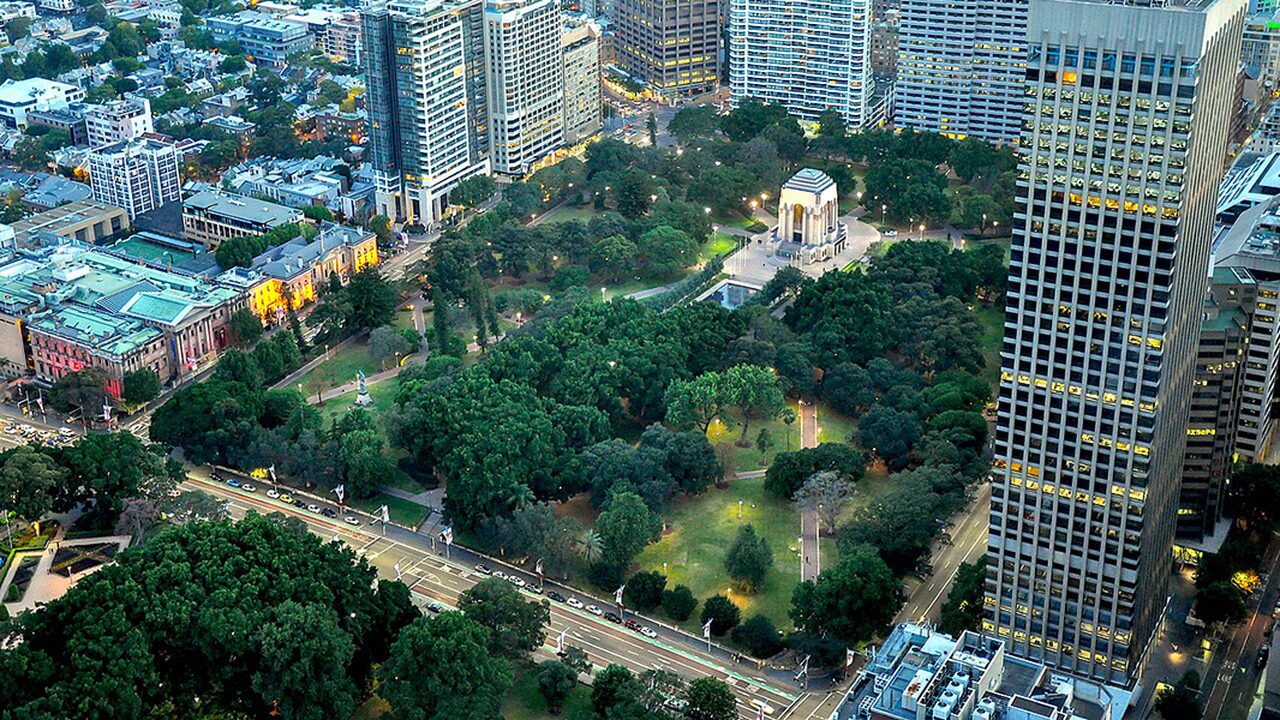
Stepping stone habitats are small, distributed patches of natural or semi-natural habitat within urban areas that enable species movement between larger habitat areas.
What this strategy does
Provides intermittent habitat nodes that support dispersal, foraging, and refuge across fragmented urban landscapes, without requiring continuous corridors.
Context
In Aotearoa New Zealand cities, high fragmentation, limited Indigenous vegetation cover, and intensive land use constrain species movement; stepping stones offer a pragmatic connectivity response at the urban scale where continuous habitat is infeasible.
Technical considerations
Design considerations
Connectivity placement
Locate stepping stones to bridge existing parks, reserves, waterways, and vegetated streets, prioritising routes that minimise animal movement resistance.
Patch size and spacing
Provide the largest patches feasible; closer spacing improves functional connectivity, particularly for less mobile species.
Edge treatment
Reduce edge effects through compact patch shapes, dense perimeter planting, and layered vegetation structure.
Native planting
Prioritise Indigenous species that provide food, shelter, and seasonal resources for native fauna.
Functional diversity
Incorporate canopy, understory, and ground layers to support a range of feeding and nesting behaviours.
Building-integrated vegetation
Use green roofs, green walls, and planted structures as supplementary stepping stones in dense urban areas.
Blue–green integration
Where possible, integrate wetlands, swales, or riparian planting to increase habitat diversity and connectivity.
Implementation considerations
Design priority
Coordinate stepping stone placement at neighbourhood, urban, and watershed scales rather than site-by-site.
Key constraint
Habitat provision alone is often insufficient for sensitive species without concurrent pest management in Aotearoa.
Issues and barriers
Land availability
High land values and competing urban uses limit opportunities for larger or optimally located and spaced habitat patches in dense urban areas.
Fragmentation legacy
Existing green spaces are often small and isolated, reducing stepping stone effectiveness.
Minimum habitat thresholds
Indigenous vegetation cover in many Aotearoa New Zealand cities remains below levels required to sustain native biodiversity.
Edge effects and quality risks
Small or poorly designed patches can function as ecological traps if quality is low.
Predator pressure
Without ongoing predator control, recolonisation and persistence of vulnerable species are unlikely.
Synergies and opportunities
Climate change
Vegetated stepping stones contribute to heat mitigation and stormwater attenuation when integrated with blue–green infrastructure. Improved connectivity supports species movement and adaptation under changing climatic conditions.
Human wellbeing
Access to biodiverse green spaces is associated with reduced stress and improved psychological wellbeing. Distributed green spaces encourage walking, recreation, and community interaction.
Cultural value
Stepping stones can reconnect urban communities with Indigenous ecosystems.
Financial case
Ecosystem services and performance value
Value type
Reduced stormwater infrastructure demand, urban cooling benefits, and biodiversity co-benefits from multi-functional land use.
Cost-effectiveness
Investment logic
Strategically placed small patches can achieve connectivity gains at substantially lower cost than continuous corridors.
Monitoring and evaluation metrics
Core metric
Indigenous vegetation cover (%) and spatial distribution across the urban area.
Advanced or long-term metrics
- Patch size, edge-to-interior ratios, and connectivity indices derived from spatial analysis.
- Presence and abundance of indicator native species.
Case study
Ōtākaro/Avon River Catchment
Related design strategies
- Buffers
- Building-integrated vegetation
- Community gardens
- Pollinator pathways and flora plantings
- Green wildlife corridors bridges and belts
- Urban blue spaces
- Urban forest restoration
- Urban green spaces
- Urban street trees
- Urban wildlife sanctuaries and ecological islands
Additional resources or tools
Auckland Council – Guide to Backyard Biodiversity (Tiaki Tāmaki Makaurau)
Practical guidance for creating small-scale urban habitat patches.
https://www.aucklandcouncil.govt.nz