Spatial challenges are a fundamental consideration in architecture, landscape architecture, and urban design. Design always relates to a specific place with real site, cultural, ecological, and climate constraints and conditions, and designers are always solving problems. This section provides an entry point to understanding the design for biodiversity strategies in this guide through the lens of familiar spatial design considerations and challenges.
The design for biodiversity strategies in this guide are mapped to these common spatial challenges, creating a direct pathway from problem to tangible design actions. These challenges can be used as a starting point for design, helping practitioners identify relevant strategies based on the conditions they are working with. In doing so, this section shows how biodiversity-supportive design might also help address common design challenges, revealing opportunities for targeted, design-led interventions that support habitat, ecological processes, and species movement, while working within typical project constraints, trade-offs, and design processes. Each spatial challenge includes a worked example showing how a common issue can translate into a design response, including where and when to act, and key design implications.
Site & spatial constraints
In urban settings, common challenges are related to limited site area, high density, and competing programmes. These conditions restrict design options and reduce the space available for ecological systems.
Key design challenges:
- High building footprint relative to available open space
- Competing demands for land use, including roading, parking, and services
- Fragmented, residual, or leftover spaces that are difficult to use effectively
- Pressure to prioritise built form and programme over ecological function
Example application: Site & spatial constraints
Challenge
High building footprint relative to available open space
What this means in practice
Limited ground-level space for planting, habitat, and water infiltration, often pushing ecological functions into residual or marginal areas. This reduces habitat availability and limits the capacity of the site to support diverse species.
Potential design moves
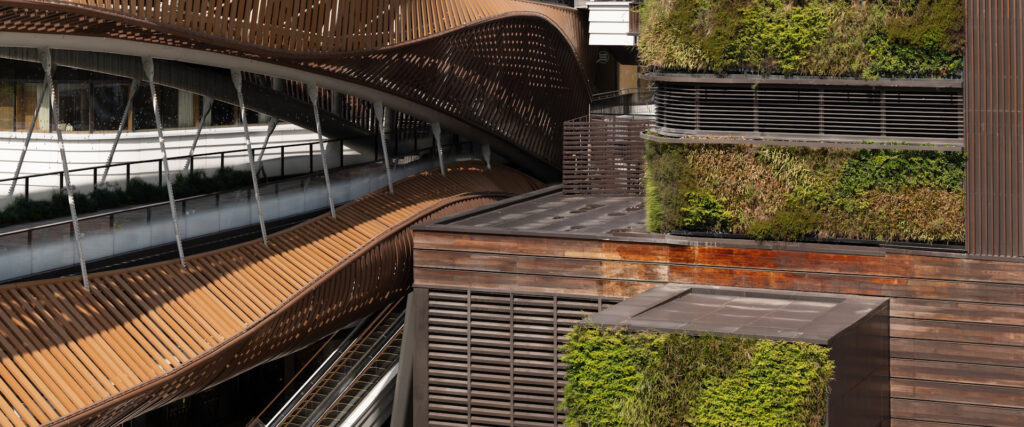
Consolidate and cluster built form where possible to free up usable ground space. Shift ecological functions onto and into the building fabric through green roofs and walls.
Key design implications
- Test building footprint against open space early, with clear zoning of built and ecological areas
- Allocate roof and façade areas for ecological functions, and consider how these connect back to the ground plane
- Integrate structural support, soil depth, and drainage requirements from the outset
- Resolve planting systems, irrigation, and maintenance access as part of the overall design
The following design for biodiversity strategies might be useful for site and spatial constraints.
DESIGN STRATEGIES /
Water & ground conditions
The way water moves through a site, along with drainage and soil condition, strongly influences how a site performs. In urban contexts, these factors are often altered or constrained, limiting ecological function and affecting the health of both terrestrial and aquatic systems.
Key design challenges:
- Rapid stormwater runoff and localised flooding
- Polluted runoff harming aquatic and terrestrial species
- Poor drainage or waterlogging
- Compacted or low-quality soils
- Extensive hard or impermeable surfaces reducing infiltration
- Erosion or unstable slopes
- Buried or modified waterways disrupting aquatic ecosystems
Example application: Water & ground conditions
Challenge
Rapid stormwater runoff and localised flooding
What this means in practice
Water moves quickly across hard surfaces, overwhelming drainage systems and creating areas of ponding or flooding. This reduces site usability and prevents water from supporting vegetation and habitat effectively, limiting ecological function.
Potential design moves
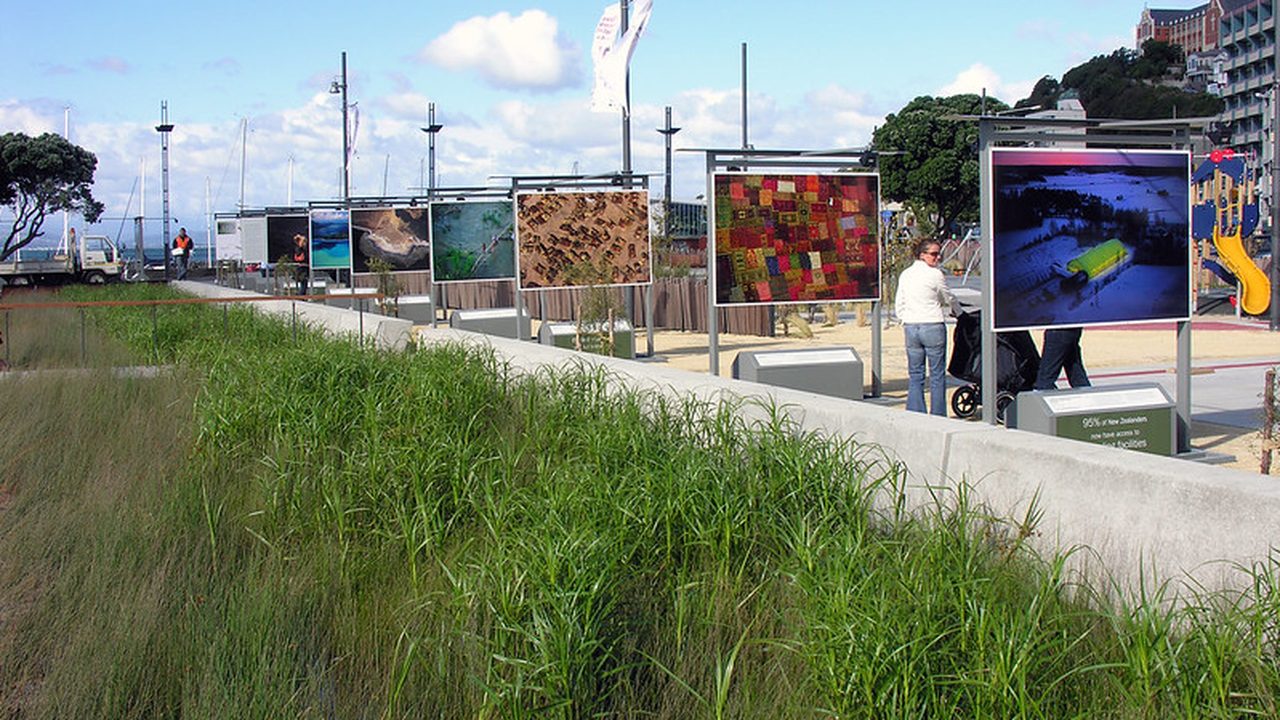
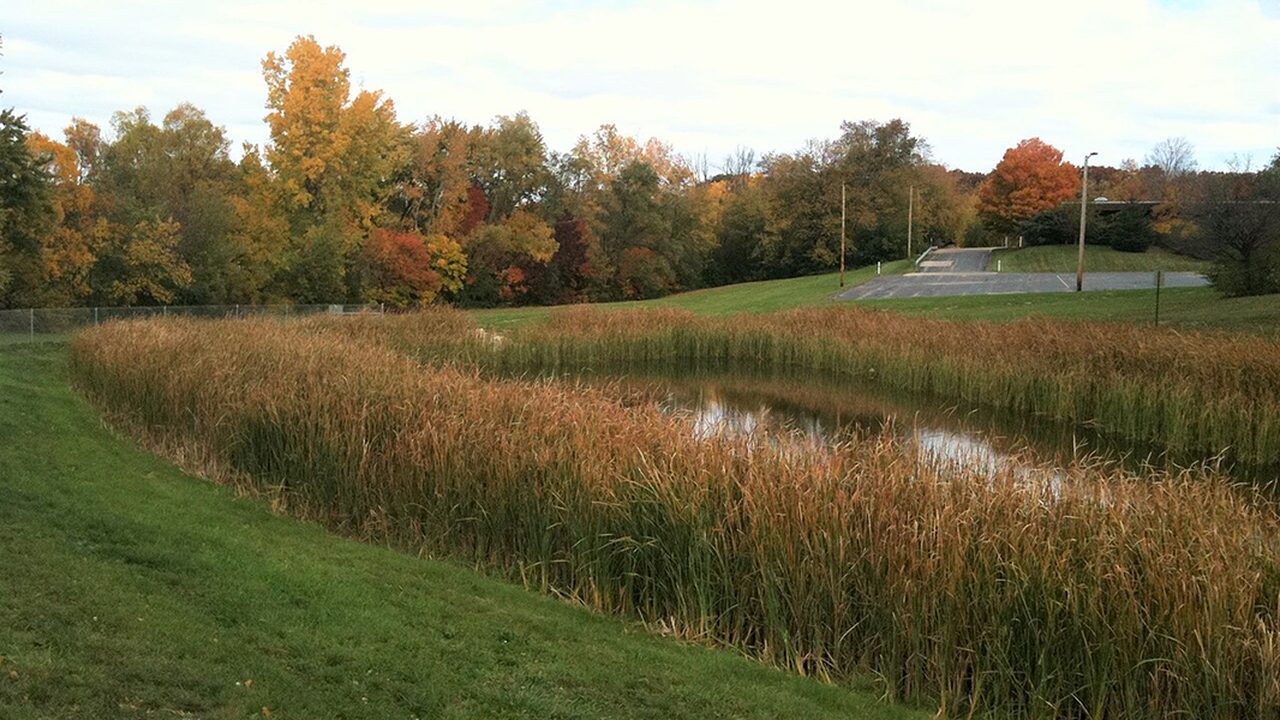
Slow, store, and infiltrate water on site through rain gardens, bioswales, permeable surfaces, and planted detention areas. Integrate water systems early as part of the spatial and landscape design.
Key design implications
- Work with existing contours, or shape site levels and surfaces to direct, slow, and retain water across the site
- Allocate space for planted water systems as part of the overall layout
- Integrate soil depth, drainage layers, and infiltration capacity into the ground design and/or roofs
- Coordinate overflow paths, edges, and transitions beyond site boundaries if possible, to manage excess water safely
The following design for biodiversity strategies might be useful for water and ground condition challenges.
DESIGN STRATEGIES /

Movement & connectivity
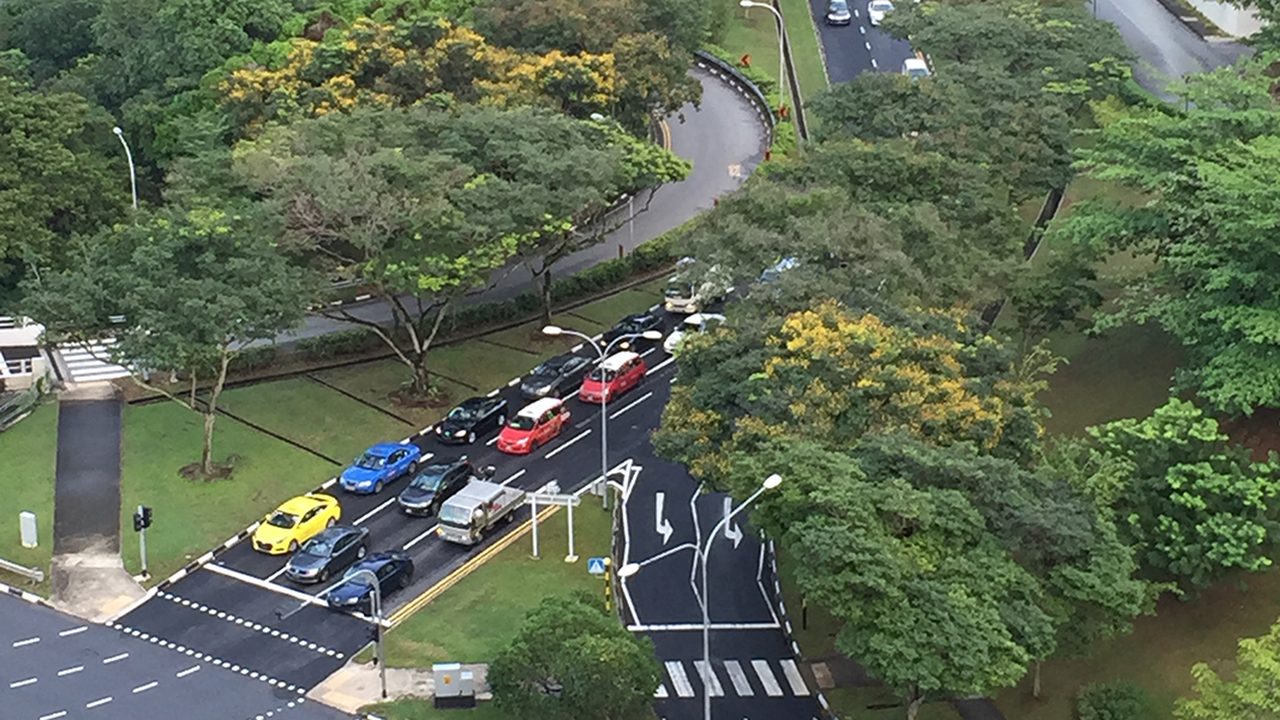
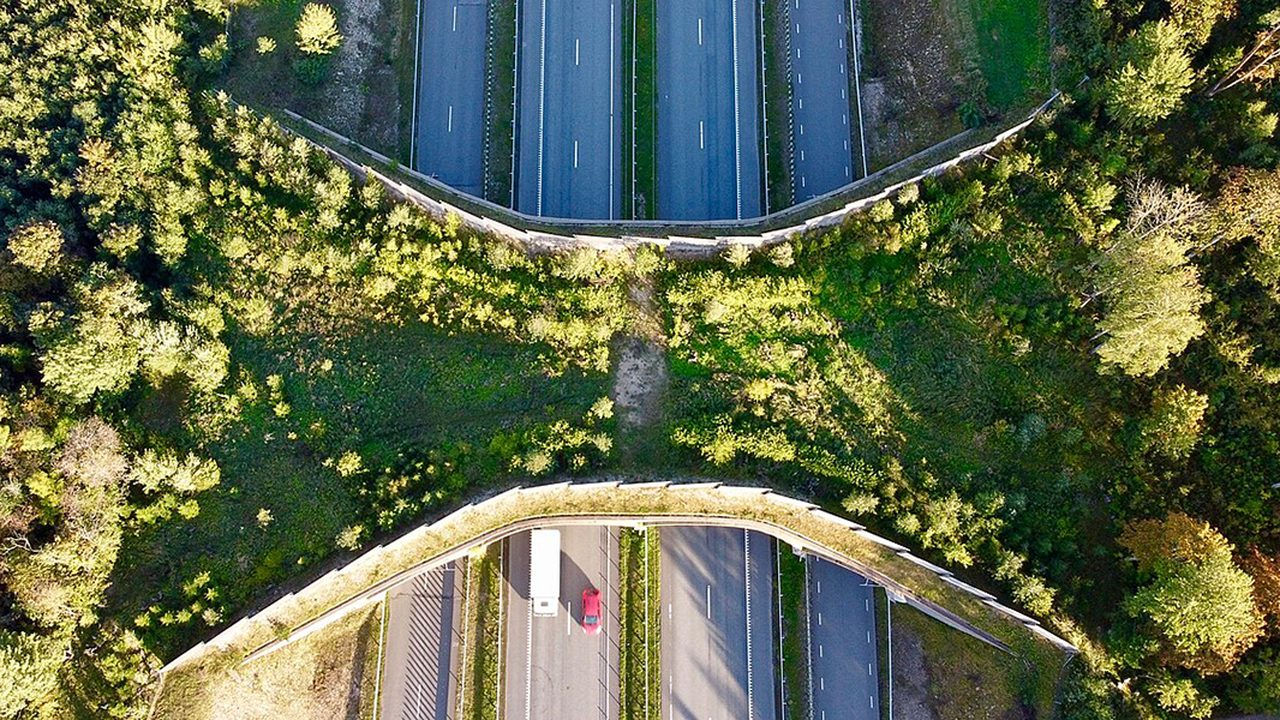
Circulation networks and infrastructure shape how people, vehicles, and water move through a site, but they can also interrupt ecological connections. In urban contexts, these systems often create barriers, fragmenting spaces and limiting movement across the site.
Key design challenges:
- Isolated or disconnected open or green spaces reducing overall site performance and usability
- Roads and infrastructure creating barriers to movement and safety risks
- Limited safe crossing points for people and other species
- Site boundaries that interrupt continuity and connections with surrounding areas
Example application: Movement & connectivity
Challenge
Isolated or disconnected open or green spaces reducing site performance and usability
What this means in practice
Spaces are fragmented and lack continuity, reducing usability and coherence across the site. For ecological systems, this limits movement between habitats, isolates species populations, and reduces overall biodiversity resilience.
Potential design moves
Create continuous planting networks, connect open spaces, and reduce barriers to movement through integrated landscape and circulation design.
Key design implications
- Align open space, planting, and movement routes (human and more-than-human) to support connectivity across the site and beyond it.
- Reduce hard barriers and consider permeability of edges and boundaries if appropriate
- Design connections (corridors, bridges, pathways etc.) that support both human use and ecological movement
- Resolve thresholds, crossings, and transitions beyond site boundaries if possible, as part of an integrated system
The following design for biodiversity strategies might be useful for movement and connectivity challenges.
DESIGN STRATEGIES /
Urban climate conditions
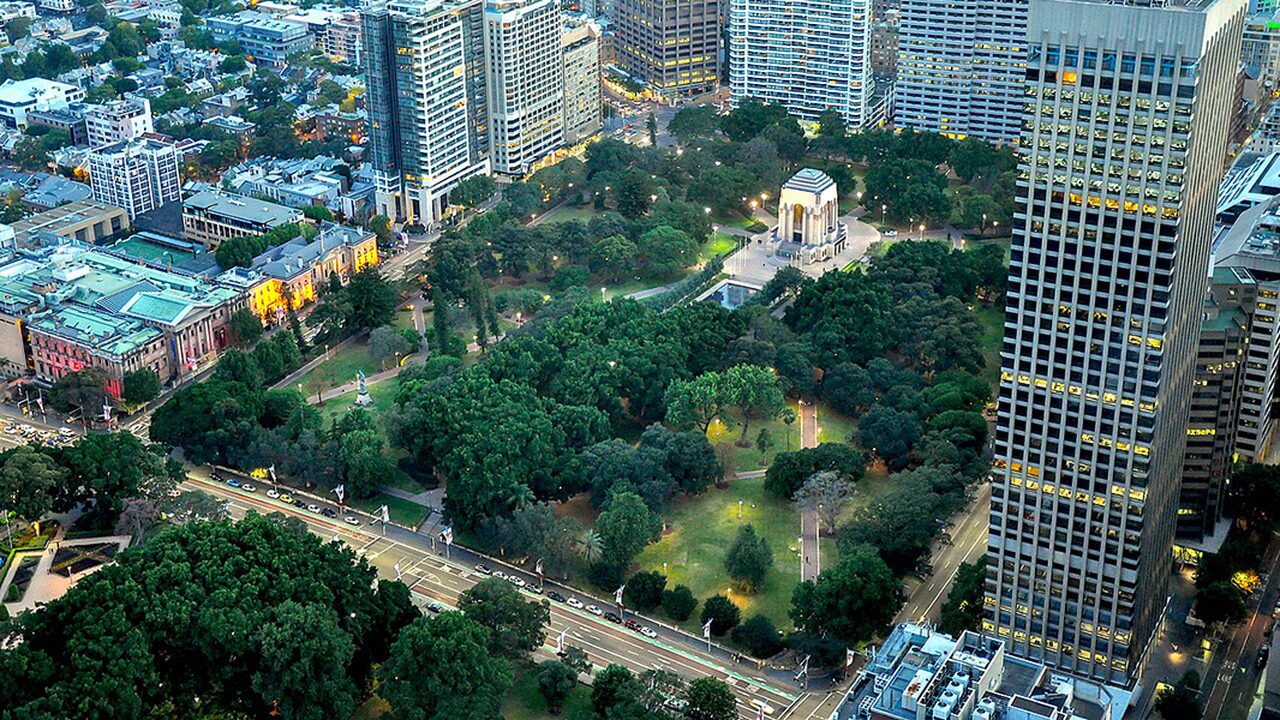
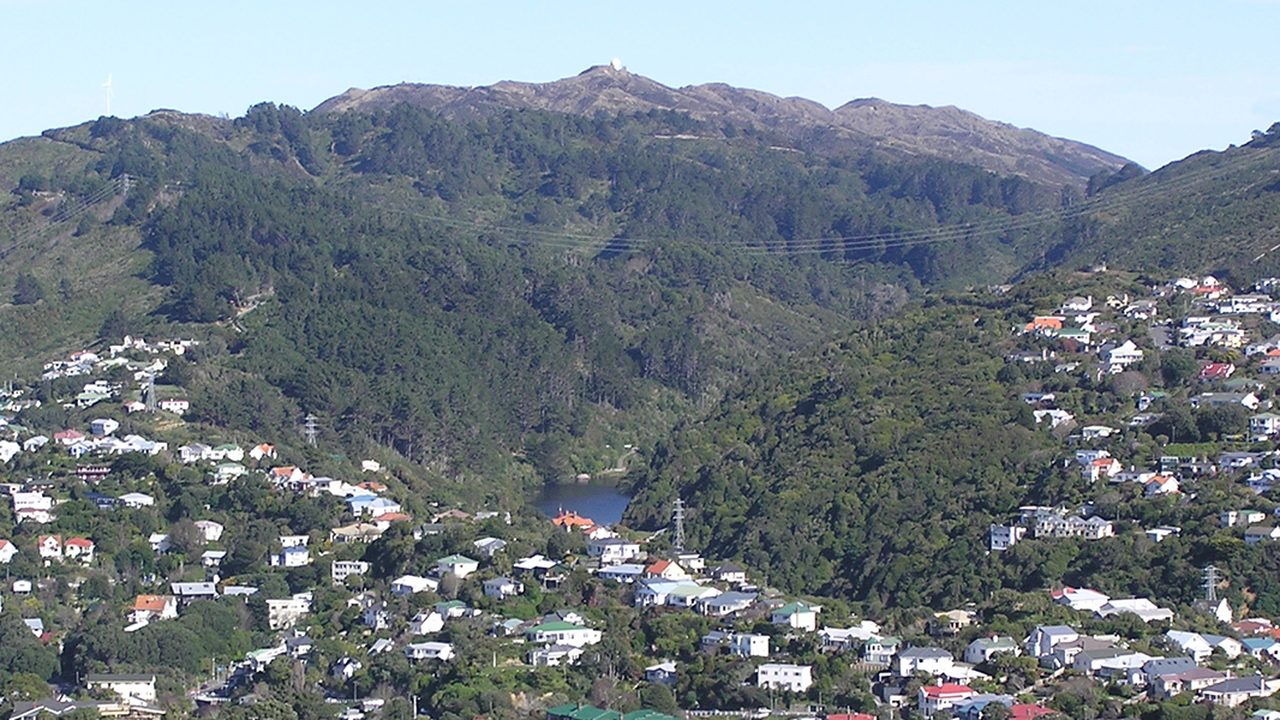
Exposure to sun, wind, and heat shapes how spaces are experienced and how they perform over time. In urban contexts, these conditions are often intensified, creating challenging environments for both people and ecological systems.
Key design challenges:
- Overheating and urban heat island effects
- Lack of shade in outdoor spaces
- Wind exposure creating uncomfortable or unsafe conditions
- Microclimates that reduce the survival of vegetation and associated species
Example application: Urban climate conditions
Challenge
Overheating and urban heat island effects
What this means in practice
Built surfaces (high mass) absorb and retain heat, increasing ambient temperatures and creating uncomfortable outdoor conditions in urban settings. This can reduce thermal comfort for people and places stress on vegetation and temperature-sensitive species.
Potential design moves
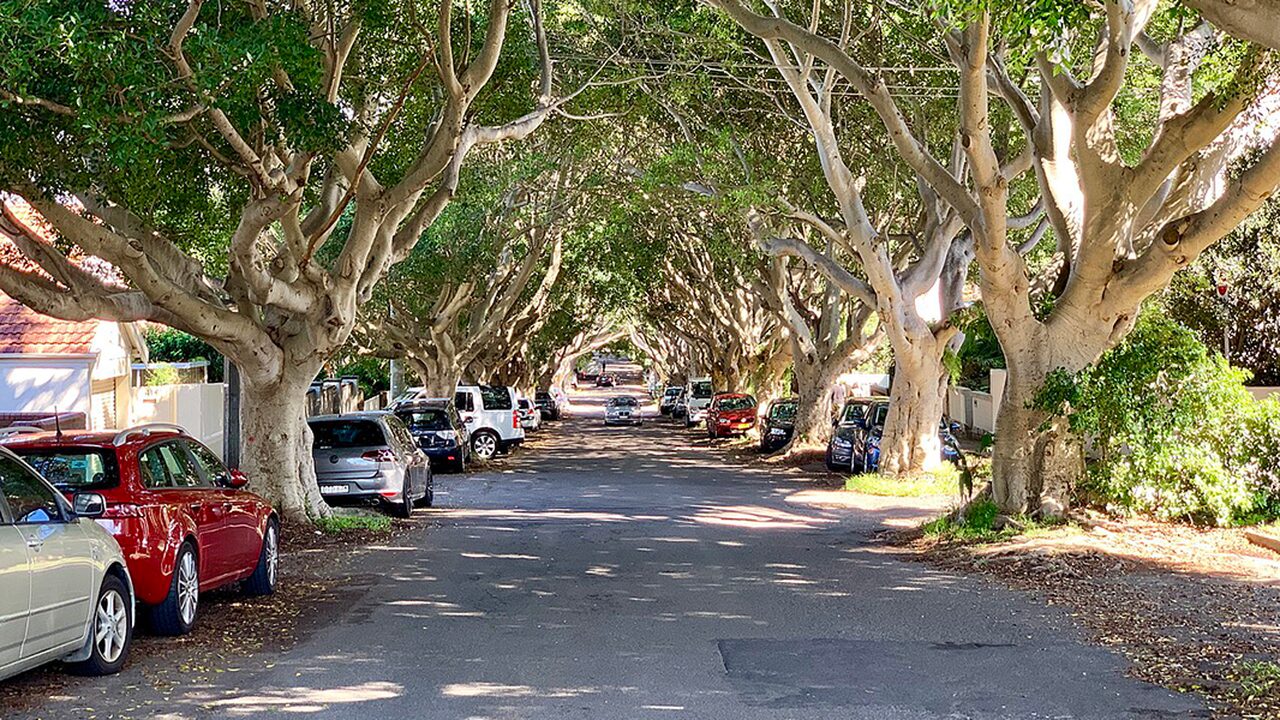
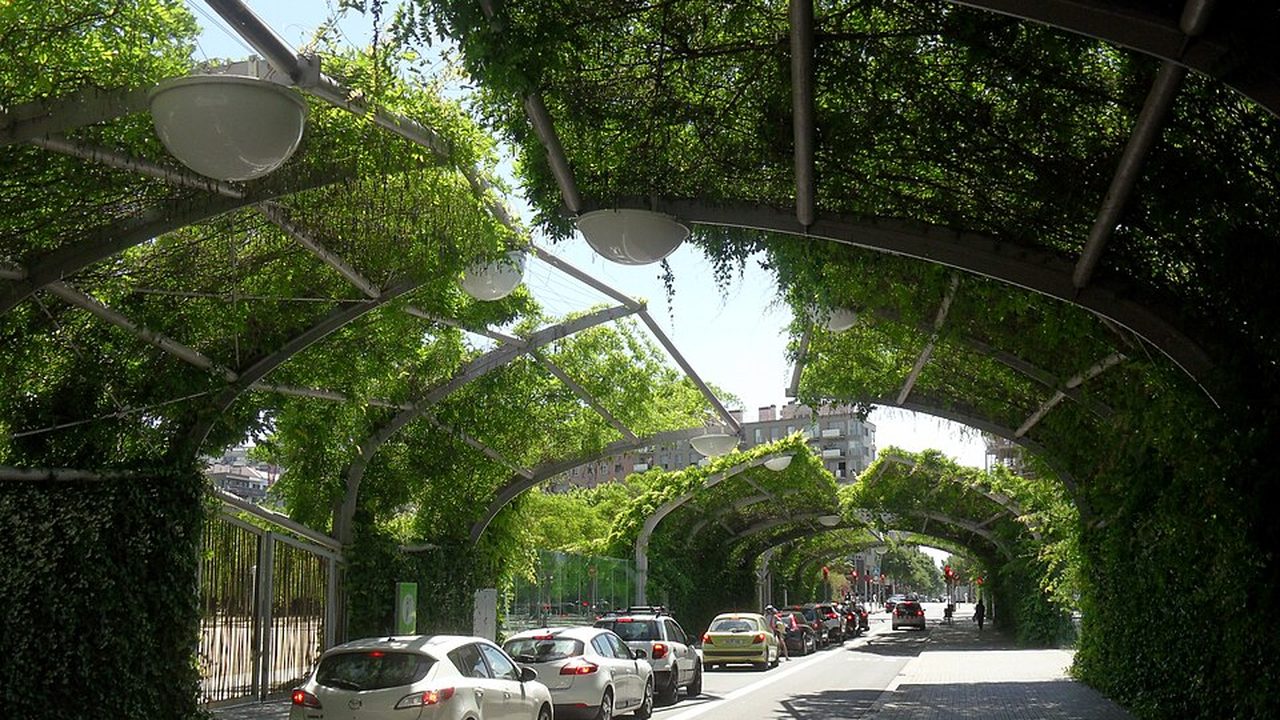
Introduce shading, evapotranspiration, and surface cooling through tree canopy, layered planting, and other vegetated systems. Reduce heat-absorbing surfaces and increase permeable and planted areas. Introduce blue spaces.
Key design implications
- Distribute shade and canopy cover to protect key outdoor spaces
- Integrate planting with built form to create cooler microclimates where appropriate
- Select materials and surfaces that reduce heat absorption
- Ensure planting systems are supported with appropriate soil volume, water access, and soil permeability
- Strategically integrate blue spaces into the urban fabric.
The following design for biodiversity strategies might be useful for urban climate challenges.
DESIGN STRATEGIES /
Building & envelope performance
Building form, material selection, and façade design strongly influence environmental performance and the potential for ecological integration. In many projects, these decisions prioritise energy, cost, or aesthetics, often overlooking opportunities to support habitat and ecological function.
Key design challenges:
- Roofs and façades not contributing to ecological functions
- Limited surfaces suitable for planting or habitat integration
- Smooth or sealed materials offering little ecological value
- Design features that unintentionally trap or harm wildlife
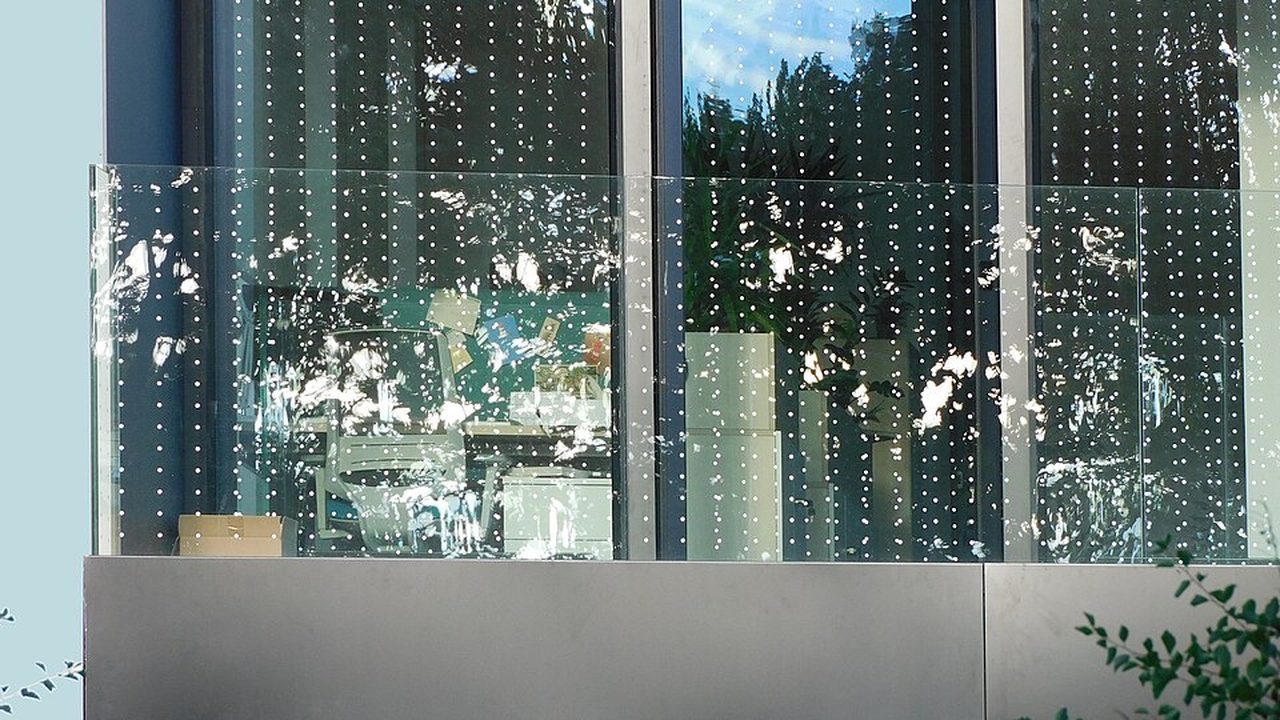
- Highly glazed façades increasing bird strike risk
- Artificial lighting affecting night-time conditions and disrupting species behaviour
Example application: Building & envelope performance
Challenge
Roofs and façades not contributing to ecological functions
What this means in practice
Building envelopes are often treated as flat, sealed, or inert surfaces, missing opportunities to support habitat, planting, and ecological processes. This may reduce the overall ecological performance of the site.
Potential design moves
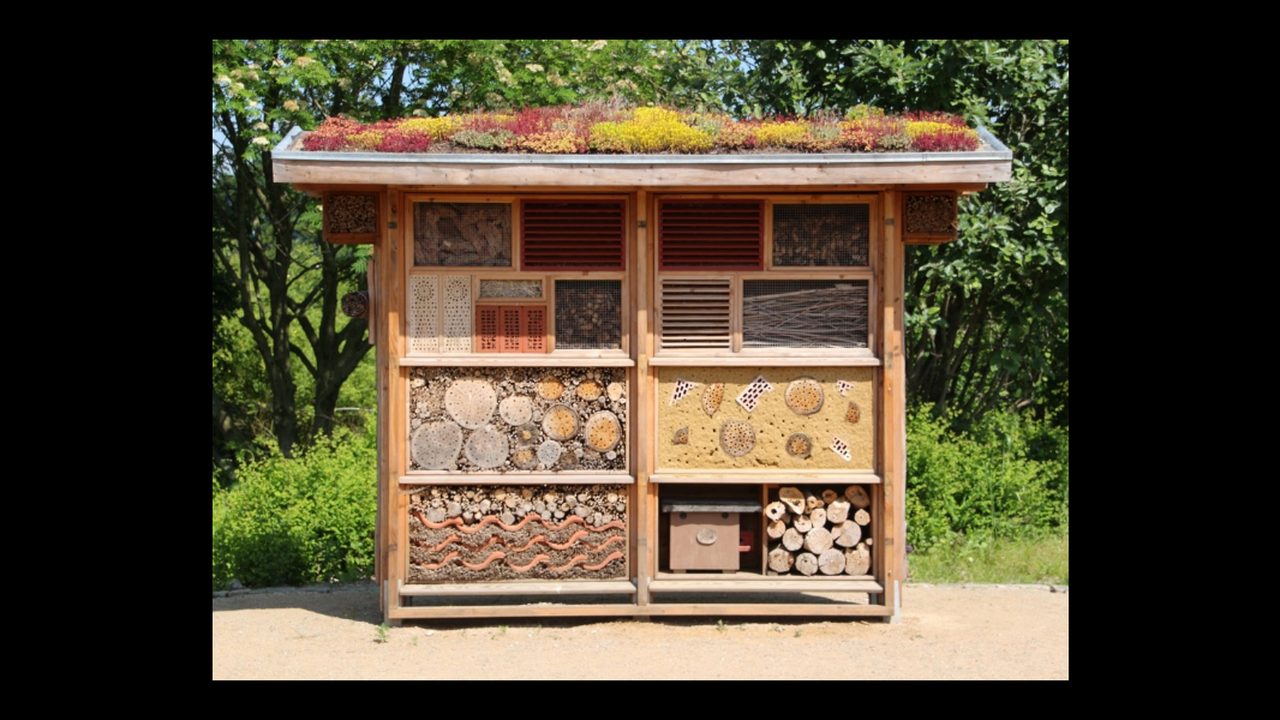
Activate roofs and façades as ecological surfaces through green roofs, living walls, and integrated habitat features.
Key design implications
- Consider roofs and façades as part of a connected ecological system, not just enclosure
- Allocate space and structure for planting and habitat integration
- Coordinate irrigation, drainage, and growing conditions with building systems and structure
- Resolve fixing, access, and maintenance as part of the design
The following design for biodiversity strategies might be useful for building and envelope performance challenges.
Human–nature integration
Design shapes how people experience and engage with nature, biodiversity, and natural systems in everyday use. In many urban projects, these relationships are limited or overlooked, reducing opportunities for connection, wellbeing, and care for ecological systems.
Key design challenges:
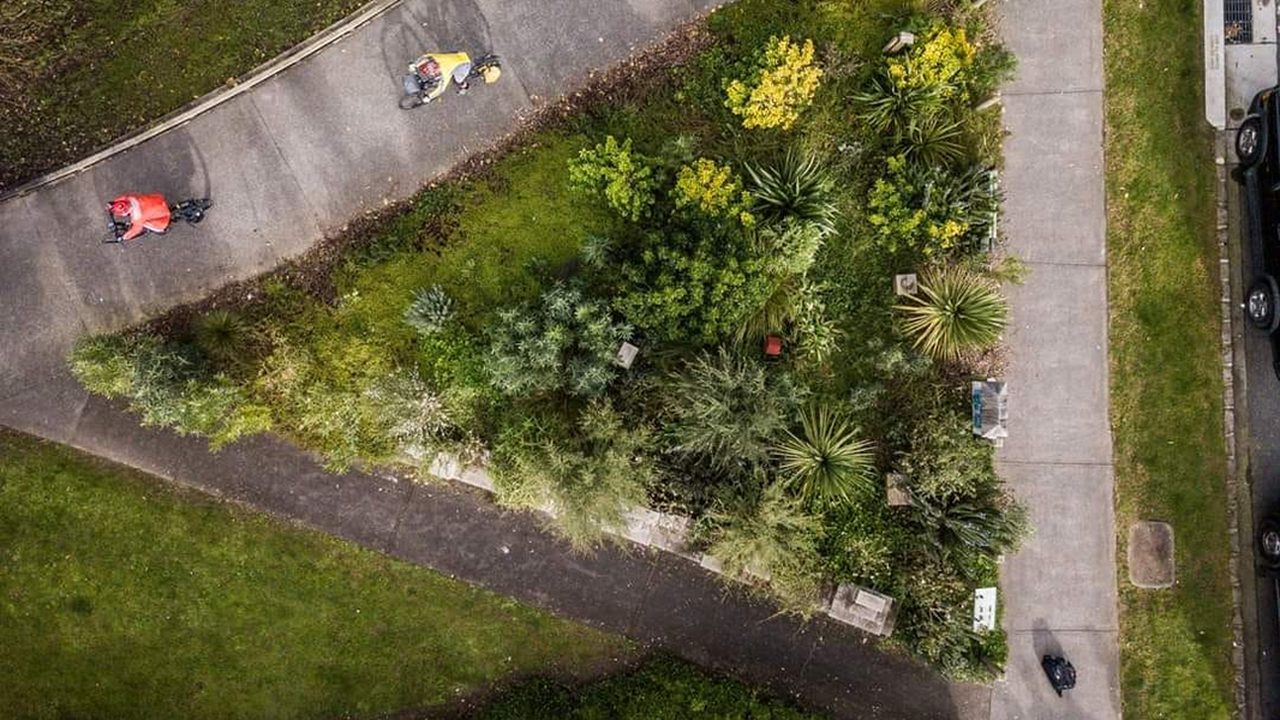
- Limited access to and opportunities for interaction with green spaces
- Biodiversity not visible or legible within the design
- Outdoor spaces dominated by hard surfaces
- Low awareness of ecological systems, reducing care and long-term protection
Example application: Human-nature integration
Challenge
Limited access to and opportunities for interaction with green spaces
What this means in practice
If people have limited access to natural elements within the site, this decreases opportunities for engagement, wellbeing, and connection. This can also reduce awareness and care for ecological systems.
Potential design moves
Integrate accessible, visible, and engaging natural elements into designs, including planting, water, and other habitat features.
Key design implications
- Position green spaces within or near key circulation and gathering areas
- Ensure planting and natural elements are visible and legible within the design
- Integrate nature into usable spaces rather than separating it
- Design edges, interfaces, and access to encourage interaction and care
The following design for biodiversity strategies might be useful for human-nature integration challenges.
DESIGN STRATEGIES /

Long-term performance
Maintenance, durability, and management shape how a building, site, or infrastructure performs over time. In many projects, ecological systems are not fully considered beyond initial design and construction (if at all), affecting long-term function, resilience, and overall site quality.
Key design challenges:
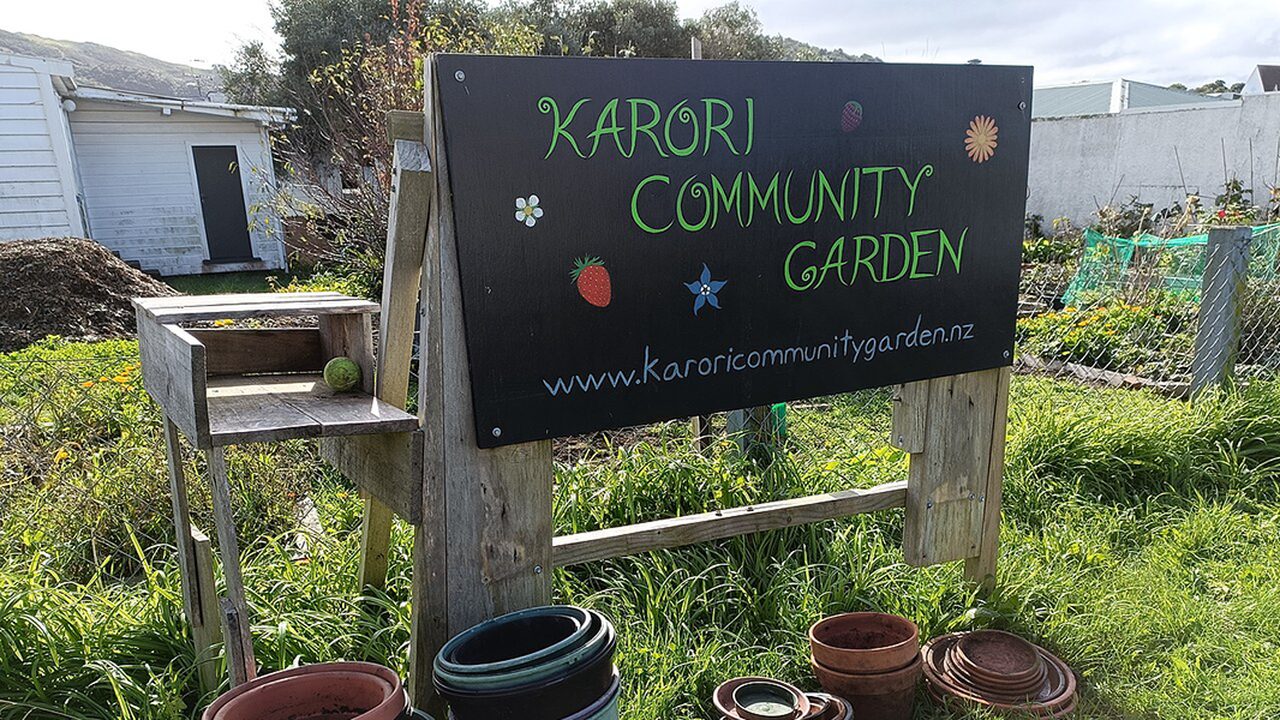
- Design intent not carried through into long-term operation and management
- Lack of maintenance planning for vegetation and habitat
- Decline in planting health and performance over time
- Inappropriate maintenance practices affecting site quality and ecological systems
- Limited or no monitoring of environmental or ecological outcomes
Example application: Long-term performance
Challenge
Design intent not carried through into long-term operation and management
What this means in practice
Ecological elements are not maintained or managed as intended, leading to decline in performance, loss of habitat, and reduced long-term value of the project.
Potential design moves
Embed maintenance, monitoring, and management considerations into the design from the outset, ensuring ecological systems are supported over time.
Key design implications
- Align design intent with realistic maintenance and management approaches
- Provide access to planting and ecological systems for ongoing care
- Select materials and systems that are durable and maintainable
- Include clear guidance (and funding) for long-term management and monitoring
The following design for biodiversity strategies might be useful for lon-term perfomance challenges.