Maintenance for biodiversity
Definition
Maintenance for biodiversity is the design and ongoing management of urban green and blue spaces to sustain ecosystem health, support native species, and reduce chronic anthropogenic pressures, including the intentional use of low-disturbance and biodiversity-sensitive maintenance regimes.
What this strategy does
Reduces chemical inputs, mowing intensity, disturbance, noise, and domestic predator impacts while maintaining visible care and functional habitat quality.
Context
In Aotearoa New Zealand, urban biodiversity is strongly influenced by everyday maintenance regimes. Chemical use, mowing frequency, unmanaged domestic predators, and noise are persistent drivers of species decline in otherwise well-designed green spaces, particularly within residential and mixed-use urban landscapes.
Technical considerations
Design considerations
Chemical management, soil health, and invasive species control
- Phase out synthetic herbicides, pesticides, and fertilisers in favour of organic, biological, or mechanical controls1⁻3.
- Improve soil function using compost, mulches, biochar, and microbial amendments rather than soluble fertilisers4, 5, 6.
- Maintain groundcover and mulch layers to reduce erosion, runoff, and nutrient leaching to waterways7.
- Apply integrated pest management combining biological controls, physical barriers, and targeted removal, including ongoing invasive species and weed management2. Eliminating invasive predators is crucial for native wildlife survival in the Aotearoa New Zealand context.
Vegetation structure, mowing, and disturbance regimes
- Use eco-sourced native species matched to local climate and soils to minimise long-term inputs8.
- Reduce lawn extent; replace with native grasses, sedges, and groundcovers9.
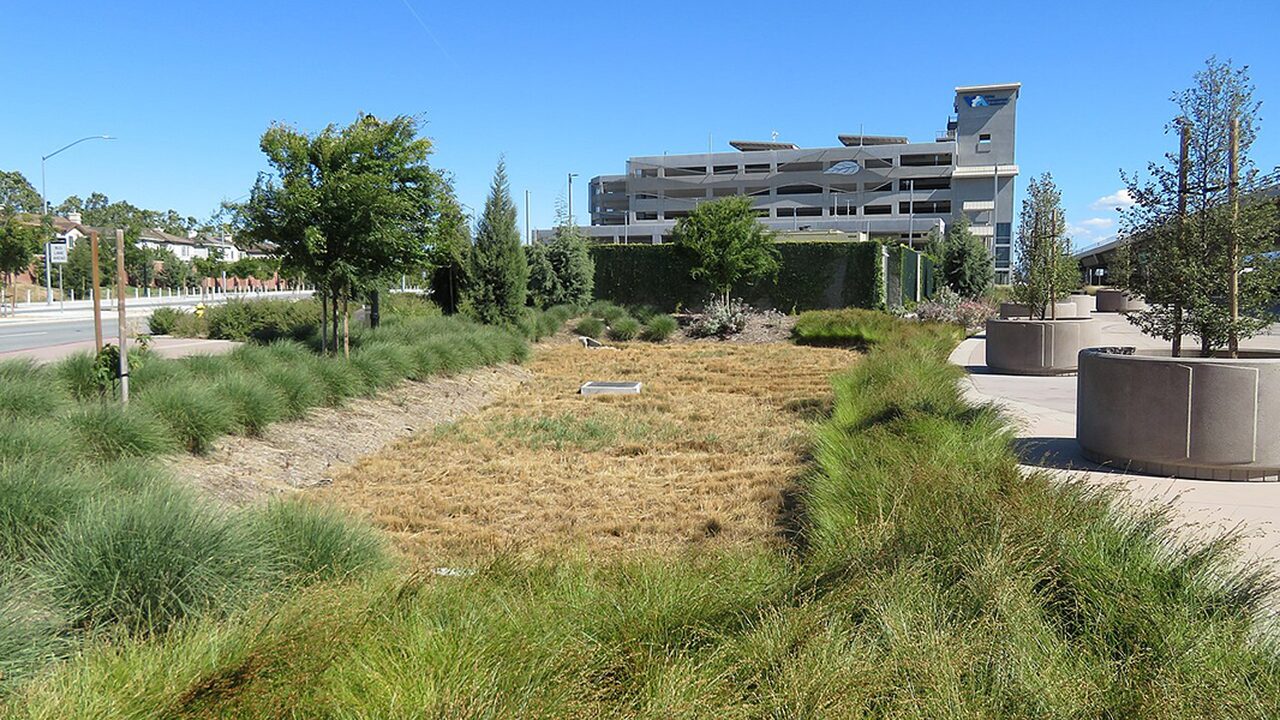
- Apply mosaic, no-mow, or reduced-frequency mowing regimes (e.g. mowing different areas at different times or leaving some areas unmown) to maintain habitat heterogeneity (a mix of vegetation heights) and support invertebrate diversity (a wider range of insects and small organisms)10.
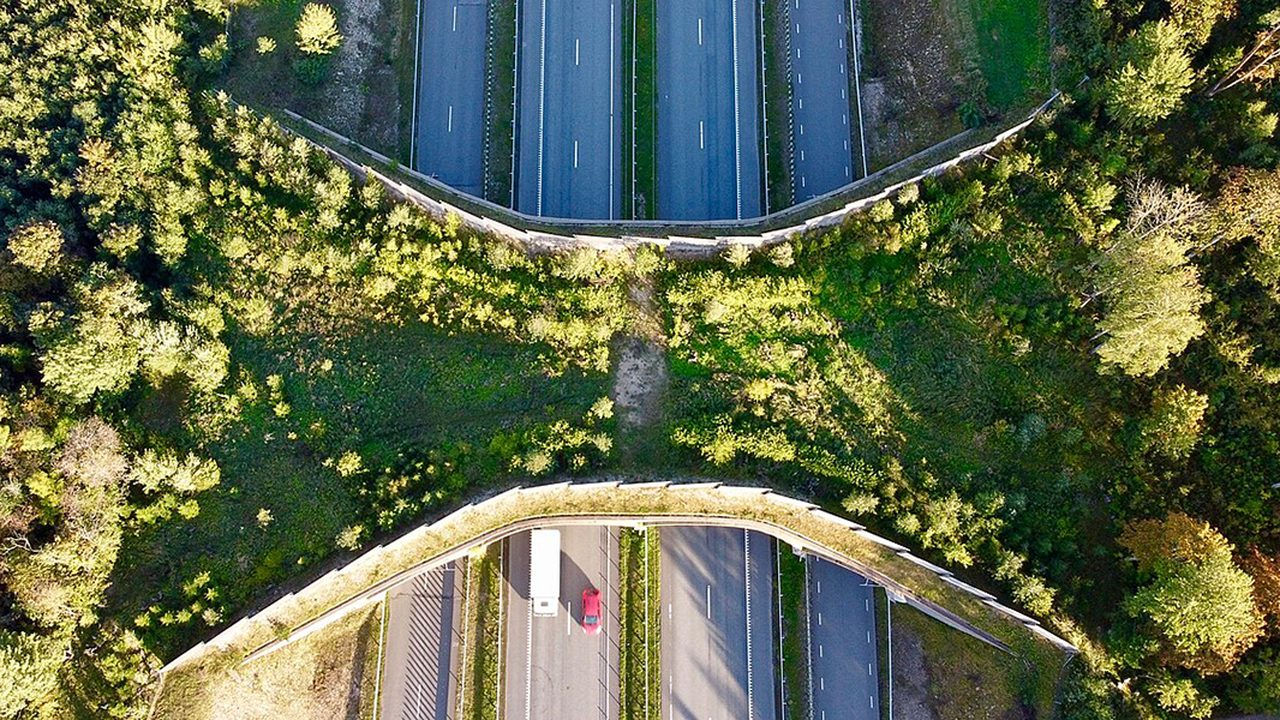
- Align planting patches with existing green corridors (e.g. parks, street trees, and waterways) to improve functional connectivity (allowing species to move between habitats)11.
Cues to care
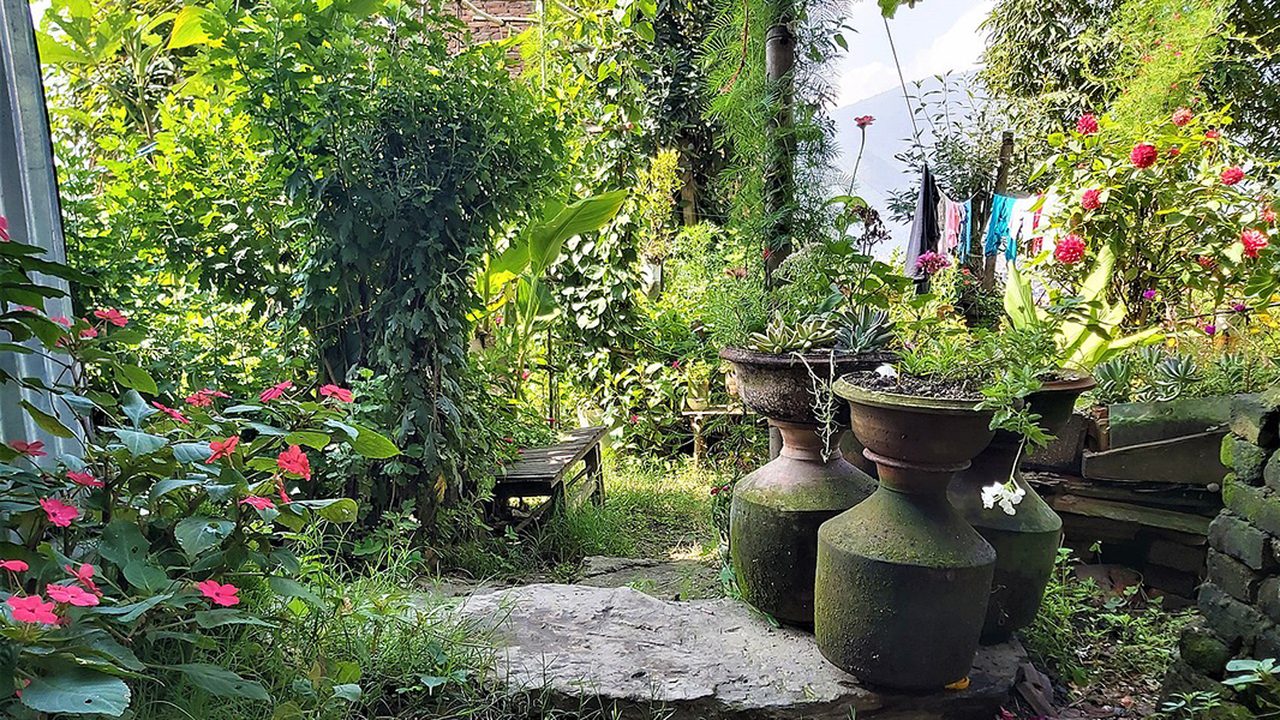
- Frame naturalised or low-maintenance areas with mown edges, paths, or defined boundaries to signal intentional management12.
- Use durable, low-input cues (e.g. edges, paths, or signage) that signal intentional care and maintain social acceptance without increasing maintenance demand13, 14, 15.
Domestic predators and containment
- Design for full-time containment of domestic cats through building-integrated catios, enclosed balconies, and cat-proof fencing systems16.
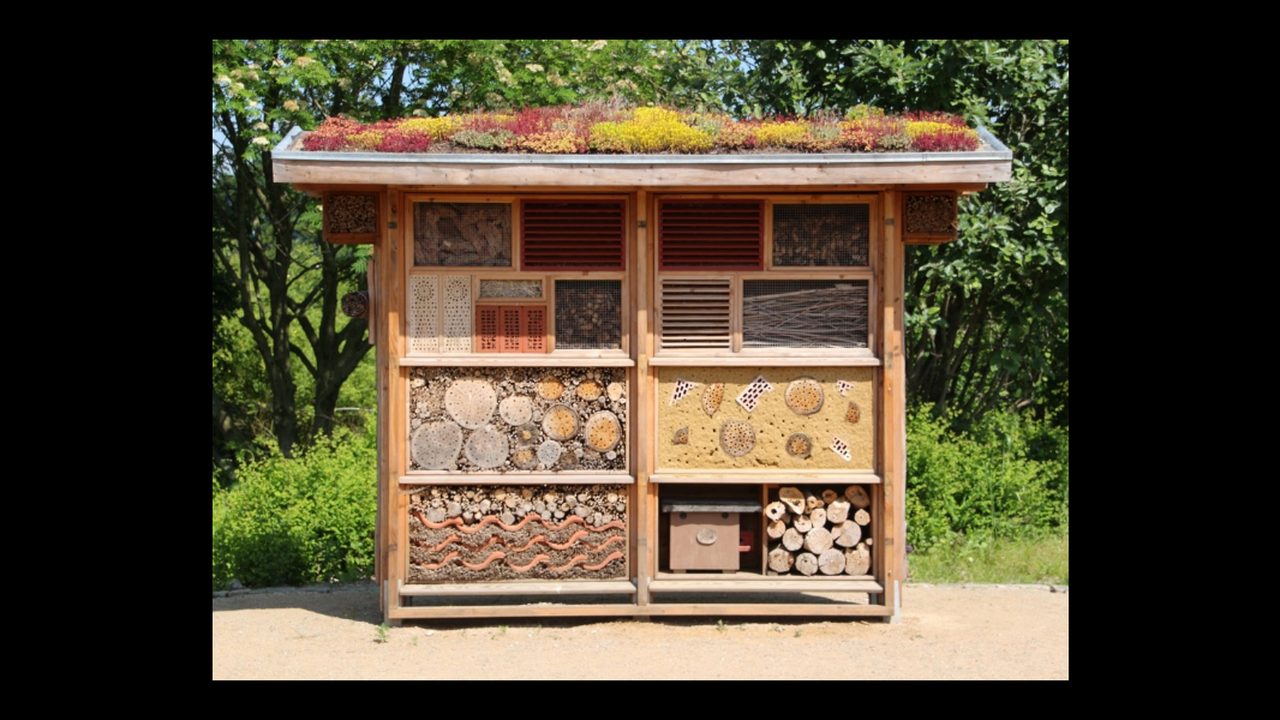
- Incorporate predator-proof fencing or deterrent edging (e.g. on green roofs or boundaries) where appropriate.
- Support early adoption of containment practices and design to avoid escape points during site planning.
Aquatic systems and weed suppression
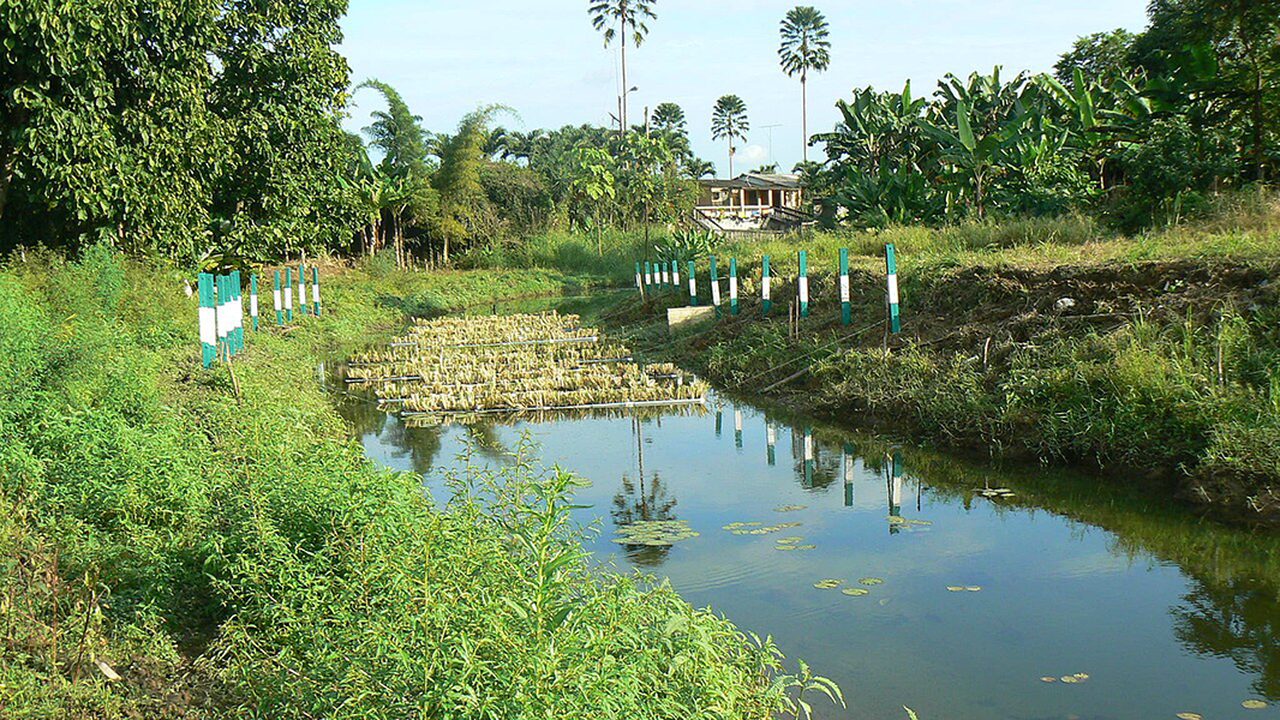
- Manage aquatic environments to reduce invasive species and support native biodiversity17, including techniques such as uwhi (aquatic weed suppression using shading, planting, or surface cover).
Implementation considerations
Design priority
- Treat maintenance regimes as biodiversity infrastructure, not discretionary operational choices, and embed them in design, specifications, and management plans from the outset.
Key constraint
- Labour, expertise, and upfront costs may be higher during the transition away from chemical-intensive and high-maintenance practices18, 19.
Issues & barriers
Labour and cost
- Manual and biological controls often require higher short-term labour inputs than chemical applications18.
Knowledge gaps
- Limited practitioner familiarity with organic and low-input maintenance systems can constrain uptake19.
Aesthetic expectations
- Public preference for manicured landscapes can conflict with ecological function unless cues to care are clearly applied12, 13, 14, 15.
Cat containment acceptance
- Public support for cat confinement remains mixed, with lower acceptance among cat owners20.
Synergies & opportunities
- Climate change – Reduced mowing, fertiliser use, and chemical inputs lower emissions and increase landscape resilience21, 22, 23.
- Human wellbeing – Biodiverse, low-chemical green spaces improve mental health and reduce exposure risks24, 25, 26, 27, 28.
- Disaster risk reduction – Healthy soils and vegetation improve infiltration and erosion control29.
- Food security – Pollinator-supportive maintenance enhances urban food production30.
- Freshwater security – Reduced runoff and pesticide use improve stream and groundwater quality7.
- Waste and pollution management – Green infrastructure provides air filtration and acoustic mitigation benefits not achieved by grey infrastructure31, 32.
Financial case
Ecosystem services and performance value
Cost-effectiveness: Investment logic
- Low-intensity maintenance regimes can achieve cost savings exceeding 30% while improving ecological outcomes34, 35.
Monitoring & evaluation metrics
Core metric
- Species richness and abundance across plants, invertebrates, birds, and reptiles (professional ecological surveys).
Advanced or long-term metric
- Chemical use reduction (litres or $ per year)36.
- Soil organic matter, microbial biomass, and nutrient cycling5, 37.
- Downstream water quality monitoring for pesticide residues37.
Additional resources or tools
- Landscaping and planting. Garden with Native Plants – DOC guidance for native urban planting.
- iNaturalist NZ. Citizen science biodiversity recording platform.
- Cues to care. Practitioner overview.
- Cat containment. SPCA – Keeping Your Cat Safe at Home
- Predator Fee NZ cat containment designs
References
- Carrascosa, M., Sánchez-Moreno, S., & Alonso-Prados, J. L. (2015). Effects of organic and conventional pesticides on soil food webs. Nematology, 17(1), 11–26.
- Goldson, S. et al. (2015). New Zealand pest management: current and future challenges. Journal of the Royal Society of New Zealand, 45(1), 31–58.
- Chapman, R. B., Berry, N. A., & Teulon, D. A. J. (2009). Pesticide-use recording systems in New Zealand horticulture. New Zealand Journal of Crop and Horticultural Science, 37(2), 85–94.
- Stevenson, B. (2022). Soil health indicators. Manaaki Whenua – Landcare Research.
- Scharenbroch, B. C. et al. (2013). Biochar and biosolids in urban soils. Journal of Environmental Quality, 42(5), 1372–1385.
- Somerville, P. D. et al. (2020). Biochar and compost effects on urban soils. Science of the Total Environment, 706, 135736.
- Ramezani, J. et al. (2016). Water quality and fish health in NZ catchments. Limnologica, 61, 14–28.
- Burfoot, M. et al. (2025). Motivations for native backyard planting. Urbanization, Sustainability and Society, 2(1), 1–26.
- Stewart, G. H. et al. (2009). Indigenous forest re-emergence in Christchurch. Urban Forestry & Urban Greening, 8(3), 149–158.
- Proske, A. et al. (2022). Mowing frequency and arthropod diversity. Urban Forestry & Urban Greening, 76, 127714.
- Taylor, L., & Hochuli, D. F. (2017). Defining greenspace. Landscape and Urban Planning, 158, 25–38.
- Nassauer, J. I. et al. (2021). Care and safety in neighbourhood greenspace. Landscape and Urban Planning, 214, 104156.
- Hostetler, M. (2021). Cues to care: future directions. Urban Ecosystems, 24(1), 11–19.
- Li, J., & Nassauer, J. I. (2020). Cues to care: systematic review. Landscape and Urban Planning, 201, 103821.
- Nassauer, J. (1995). Messy ecosystems, orderly frames. Landscape Journal, 14(2), 161–170.
- Glen, A. S., Edwards, S., Finlay-Smits, S., Jones, C., Niebuhr, C. N., Norbury, G. L., & Samaniego, A. (2023). Management of cats in Aotearoa New Zealand: a review of current knowledge and research needs. New Zealand Journal of Ecology, 47(1), 3550.
- Champion, P. D., De Winton, M. D., & Clayton, J. S. (2014). A risk assessment based proactive management strategy for aquatic weeds in New Zealand. Management of Biological Invasions, 5(3), 233.
- Brancalion, P. H. S. et al. (2019). Costs of ecosystem restoration. Biological Conservation, 240, 108274.
- Barwant, M. M. et al. (2025). Consumer choices and pesticide use. In The Interplay of Pesticides and Climate Change. Springer.
- Walker, J. K. et al. (2017). Public opinion on cat management in NZ. Animals, 7(7), 49.
- Gu, C. et al. (2015). Lawn management and global warming potential. Journal of Environmental Management, 151, 233–242.
- Senadheera, S. S. et al. (2024). Carbon-negative biochar systems. Green Chemistry.
- Kisvarga, S. et al. (2023). Urban plant responses to climate change. Horticulturae, 9(9), 1051.
- Bloom, D. E. et al. (2023). Nature and mental health. Science Advances, 9(5), eadf0209.
- Marselle, M. R. et al. (2019). Biodiversity and wellbeing. In Biodiversity and Health. Springer.
- van Heezik, Y. et al. (2020). Nature engagement and older adults. Environment and Behavior, 52(8), 799–829.
- Hand, K. L. et al. (2017). Urban gardens and children’s biophilia. PNAS, 114(2), 274–279.
- Samus, A. et al. (2022). Garden biodiversity and wellbeing. Urban Forestry & Urban Greening, 69, 127519.
- Costanza, R. et al. (2014). Global ecosystem service values. Global Environmental Change, 26, 152–158.
- Benbrook, C. et al. (2021). Organic farming and pollination. Agronomy, 11(7), 1266.
- Engel, M. S. et al. (2024). Noise impacts on birds. Current Pollution Reports, 10(4), 684–709.
- Azkorra, Z. et al. (2015). Green walls and acoustic insulation. Applied Acoustics, 89, 46–56.
- Durham, T. C., & Mizik, T. (2021). Economics of alternative production systems. Economies, 9(2).
- Watson, C. J. et al. (2020). Benefits of low-intensity lawn management. Journal of Applied Ecology, 57(2), 436–446.
- Hedblom, M. et al. (2017). Urban lawn cover and management. Urban Ecosystems, 20(5), 1109–1119.
- Bünemann, E. K. et al. (2018). Soil quality review. Soil Biology & Biochemistry, 120, 105–125.
- Close, M. E. et al. (2021). Pesticides in NZ groundwater. Science of the Total Environment, 754, 142005.
RELATED DESIGN STRATEGIES //
Specific design interventions that support ecological health, habitat quality, and species diversity across urban and built environments.