Building-integrated vegetation
Definition
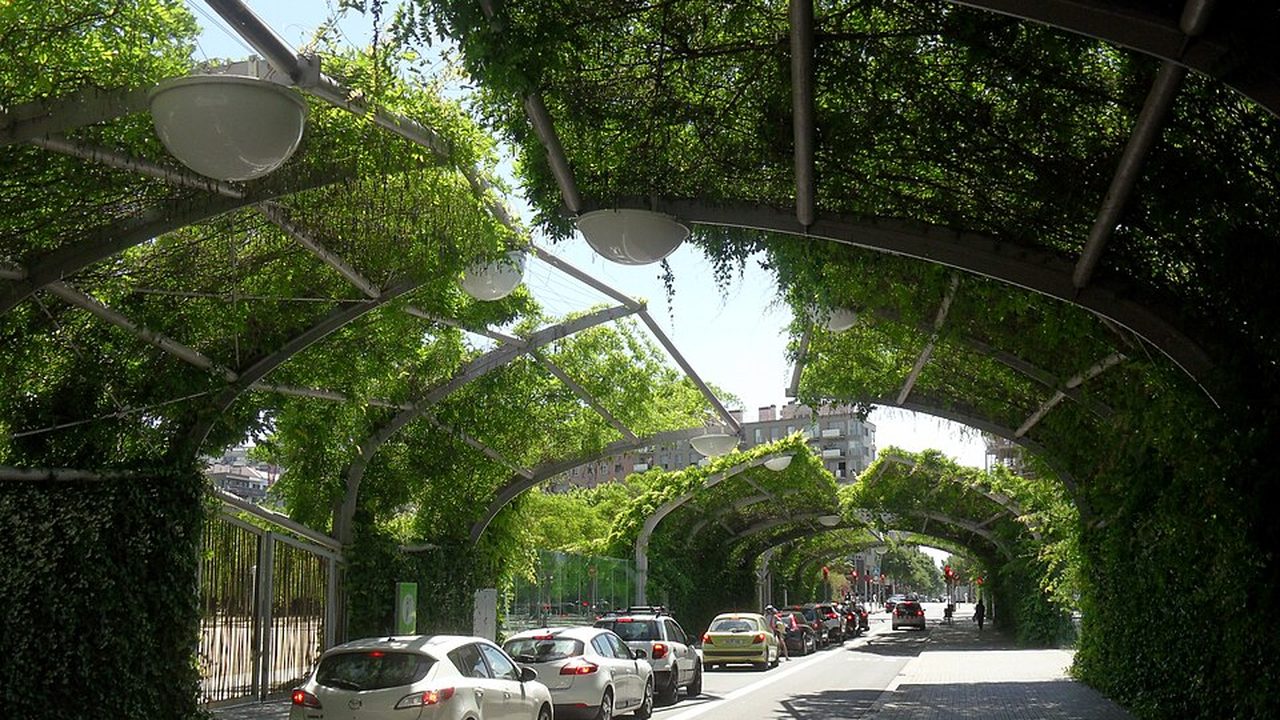
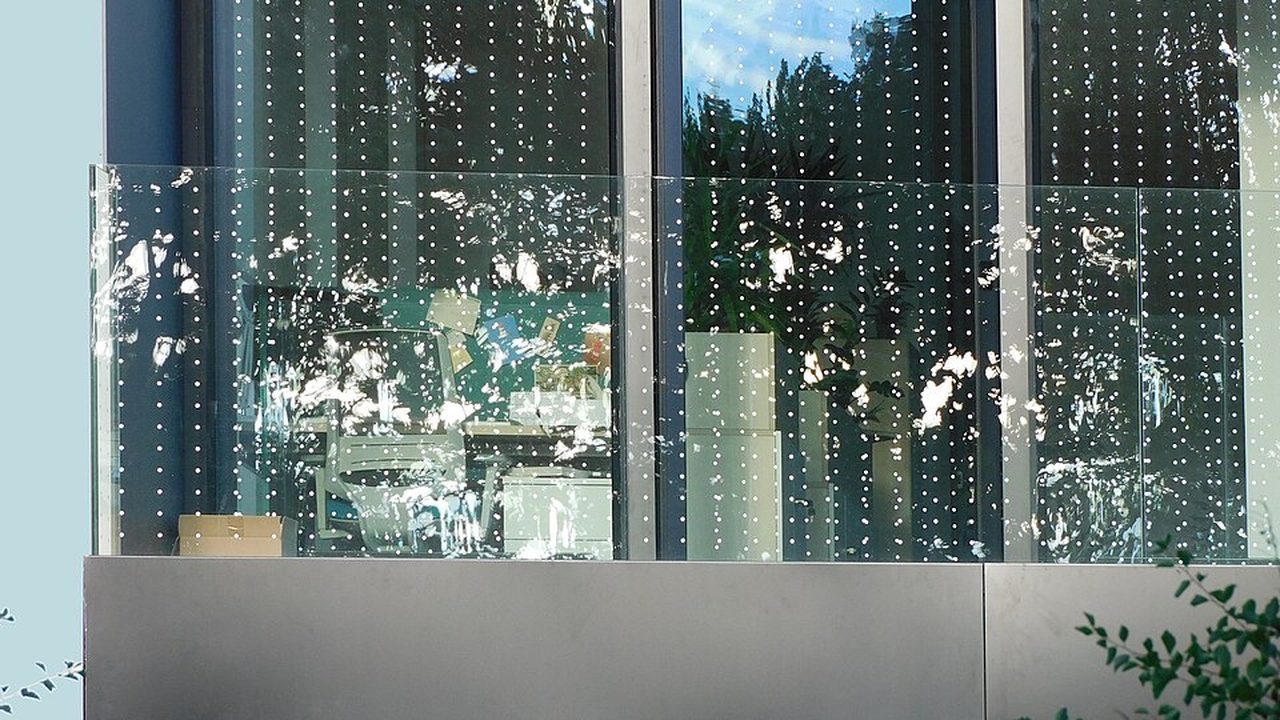
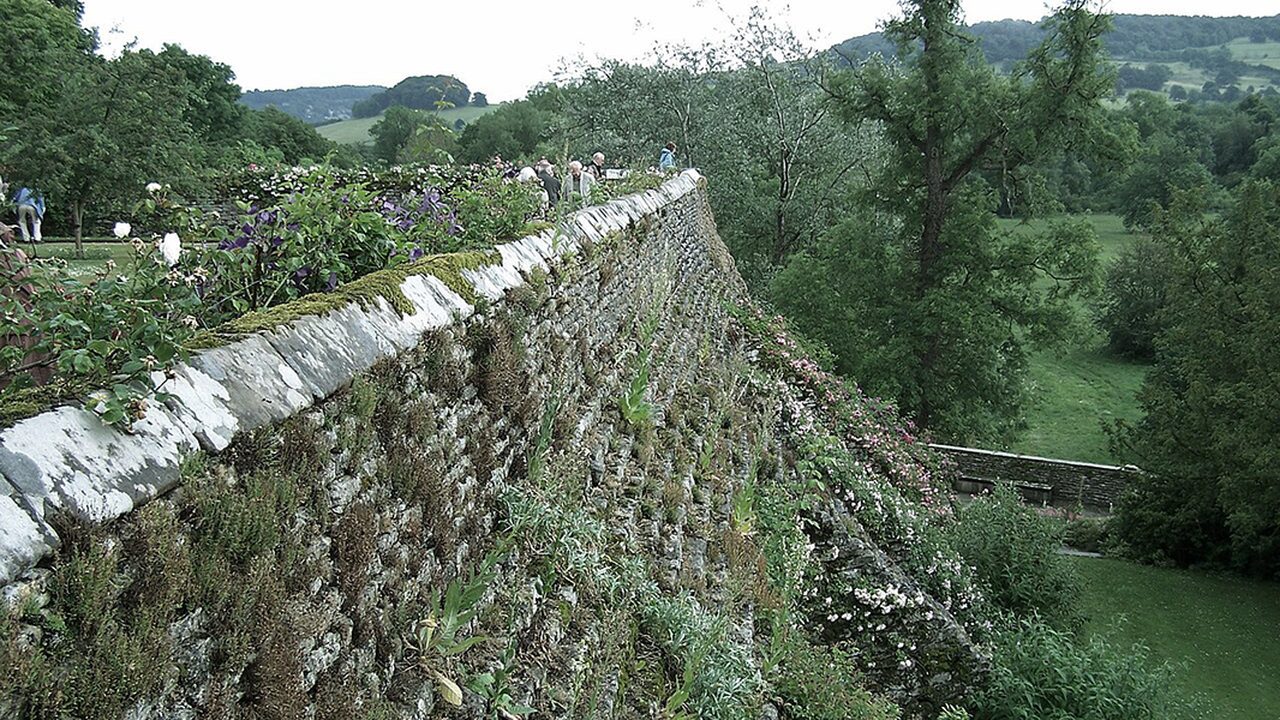
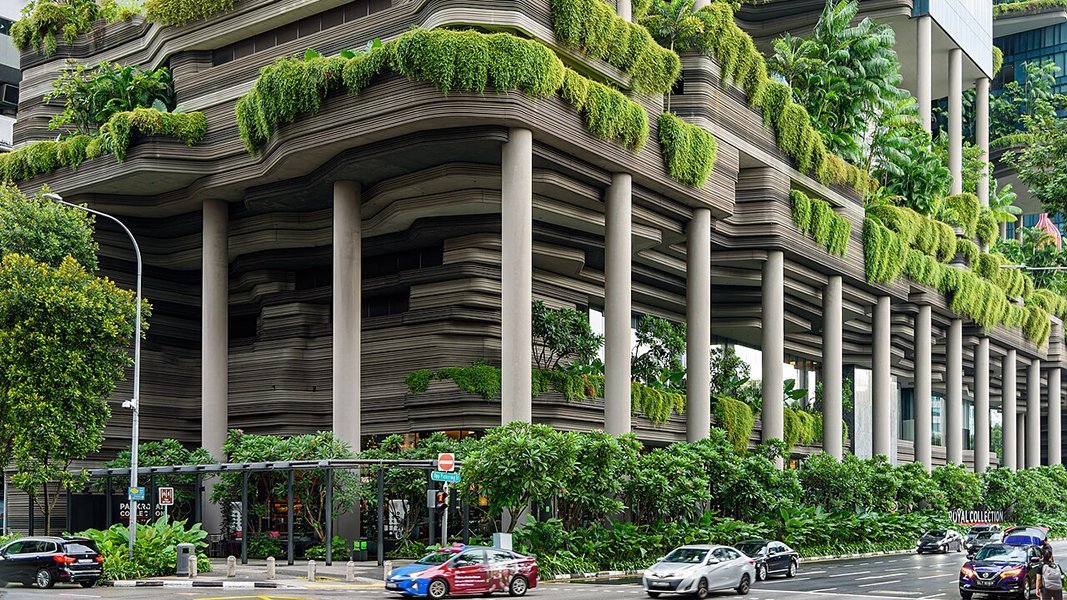
Building-integrated vegetation (BIV) is the deliberate incorporation of living plant systems into and onto building structures, including green roofs, living walls, vegetated façades, and vegetated balconies.
What this strategy does
Integrates vegetation into buildings to provide habitat, microclimate regulation, and ecological connectivity in dense urban environments. Enhances and connects with, rather than replaces ground-based ecosystems, and should not be used as stand-alone habitat without wider landscape integration.
Context
In compact urban areas, BIV can supplement limited green space by creating additional vegetated surfaces that support biodiversity and ecosystem functions. Evidence shows biodiversity outcomes are highly dependent on design quality, connectivity, and long-term management rather than vegetation presence alone.1, 2
Technical considerations
Design considerations
Plant community structure
- Select structurally diverse planting (groundcover, shrubs, and where feasible, small trees) to increase habitat complexity and resource availability.1, 2
Phenology and resource continuity
- Specify flowering and fruiting species with staggered seasonal availability to reduce temporal gaps in food resources for native species.2
Spatial configuration
- Combine roofs, walls, terraces, and planted balconies to maximise vertical and horizontal habitat diversity and connectivity within and around the building envelope.1, 3
Connectivity
- Locate BIV elements to visually and functionally link with nearby trees, parks, riparian corridors, or other green and blue infrastructure to reduce habitat isolation.1, 4
Substrate and water performance
- Design substrate depth, composition, and irrigation to support plant health and soil biota while meeting structural loading and stormwater performance requirements.3, 5
Implementation considerations
Design priority
- Integrate BIV early in architectural and structural design to avoid retrofit constraints and compromised ecological outcomes.1
Key constraint
- Limited soil depth, wind exposure, heat, and drought stress can restrict species choice and long-term survival, particularly for native species.3, 6
Relevant tools or standards
- Local living-roof technical guidance and council green-infrastructure manuals should be used to align biodiversity objectives with building performance requirements.7
Issues & barriers
Ecological performance limits
- Poorly designed or isolated BIV systems often support a narrow range of taxa (groups of plants, animals, and other organisms) and provide limited habitat value compared with connected or ground-based green spaces.1, 3
Urban stressors
- Pollution, heat, vandalism, and inconsistent maintenance reduce plant survival and biodiversity outcomes over time.3, 6
Cost and coordination
- Higher upfront costs and the need for coordination between architects, engineers, ecologists, and building managers can limit uptake or reduce scope.8
Maintenance dependency
- Biodiversity benefits rely on ongoing, adaptive maintenance, which is frequently under-resourced or not contractually secured.1, 9
Synergies & opportunities
- Climate change – Reduces urban heat and contributes to climate adaptation and mitigation through shading, evapotranspiration, and carbon storage.10, 11
- Human wellbeing – Associated with improved mental health, thermal comfort, and social amenity in dense urban settings, particularly where visible to people.10, 12 Biophilic design highlights the benefits of integrating nature into buildings and cities for human wellbeing13, 14.
- Disaster risk reduction – Vegetated surfaces reduce runoff and moderate heat extremes, improving urban resilience to extreme events.11, 15
- Freshwater security – Enhances rainfall retention and pollutant filtering, reducing pressure on stormwater systems.11, 15
Financial case
Ecosystem services & performance value
- Improves building energy efficiency, reduces stormwater infrastructure demand, and delivers co-benefits linked to climate adaptation and amenity.11, 16
Cost-effectiveness: Investment logic
- Evidence indicates positive public willingness to pay for BIV where biodiversity and amenity benefits are explicit, supporting its use as a targeted urban intervention.16
Monitoring & evaluation metrics
Core metric
- Species richness and abundance of plants and selected fauna groups, assessed through repeat surveys.9, 17
Advanced or long-term metric
- Habitat quality and vegetation integrity metrics combined with landscape-scale connectivity indicators to track performance over time.18
Additional resources or tools
- Living Roof Review & Design Recommendations. Technical guidance on living roofs for stormwater and biodiversity outcomes
- Auckland Council – Building in the Bush Design Guide. Guidance for integrating buildings within native landscapes
- NZ Green Building Council – Green Star. Sustainability rating tool including ecology and green infrastructure credits
- Terrapin Bright Green – 14 Patterns of Biophilic Design. Explanations and example of biophilic design – why incorporation of nature into buildings is beneficial to human and community wellbeing
- Urban Greening Manual. How to put Nature into our Neighbourhoods. Landcare Research resource.
References
- Filazzola, A., Shrestha, N., & MacIvor, J. (2019). The contribution of constructed green infrastructure to urban biodiversity: A synthesis and meta-analysis. Journal of Applied Ecology. https://doi.org/10.1111/1365-2664.13475
- Threlfall, C., Mata, L., Mackie, J., Hahs, A., Stork, N., Williams, N., & Livesley, S. (2017). Increasing biodiversity in urban green spaces through simple vegetation interventions. Journal of Applied Ecology, 54, 1874–1883. https://doi.org/10.1111/1365-2664.12876
- Wang, L., Wang, H., Wang, Y., Che, Y., Ge, Z., & Mao, L. (2022). The relationship between green roofs and urban biodiversity: a systematic review. Biodiversity and Conservation, 31, 1771–1796. https://doi.org/10.1007/s10531-022-02436-3
- Delahay, R., Sherman, D., Soyalan, B., & Gaston, K. (2023). Biodiversity in residential gardens: a review of the evidence base. Biodiversity and Conservation, 32, 4155–4179. https://doi.org/10.1007/s10531-023-02694-9
- Fan, K. et al. (2023). Soil biodiversity supports the delivery of multiple ecosystem functions in urban greenspaces. Nature Ecology & Evolution, 7, 113–126. https://doi.org/10.1038/s41559-022-01935-4
- Barwise, Y., & Kumar, P. (2020). Designing vegetation barriers for urban air pollution abatement. npj Climate and Atmospheric Science, 3. https://doi.org/10.1038/s41612-020-0115-3
- Auckland Council. (2013). Living roof review and design recommendations for stormwater management.
- Soanes, K. et al. (2023). Conserving urban biodiversity: Current practice, barriers, and enablers. Conservation Letters, 16. https://doi.org/10.1111/conl.12946
- Varshney, K., Pedersen Zari, M., & Bakshi, N. (2022). Carbon sequestration and habitat provisioning through building-integrated vegetation. Buildings. https://doi.org/10.3390/buildings12091458
- Schmidt, K., & Walz, A. (2021). Ecosystem-based adaptation through residential urban green structures. One Ecosystem. https://doi.org/10.3897/oneeco.6.e65706
- Choi, C., Berry, P., & Smith, A. (2021). The climate benefits, co-benefits, and trade-offs of green infrastructure. Journal of Environmental Management, 291, 112583. https://doi.org/10.1016/j.jenvman.2021.112583
- Sharifi, A. et al. (2021). Health co-benefits of urban climate change adaptation. Sustainable Cities and Society, 74, 103190. https://doi.org/10.1016/j.scs.2021.103190
- Zhong, W., Schröder, T., & Bekkering, J. (2022). Biophilic design in architecture and its contributions to health, well-being, and sustainability: A critical review. Frontiers of Architectural Research, 11(1), 114-141.
- Pedersen Zari, M. (2023). Understanding and designing nature experiences in cities: a framework for biophilic urbanism. Cities & Health, 7(2), 201-212.
- Faivre, N. et al. (2017). Ecosystem-based disaster risk reduction. International Journal of Disaster Risk Reduction. https://doi.org/10.1016/j.ijdrr.2017.12.015
- Collins, R., Schaafsma, M., & Hudson, M. (2017). The value of green walls to urban biodiversity. Land Use Policy, 64, 114–123. https://doi.org/10.1016/j.landusepol.2017.02.025
- Chen, Y. et al. (2021). Evaluating biodiversity of built urban green infrastructure. Journal of Cleaner Production. https://doi.org/10.1016/j.jclepro.2021.127009
- Oliver, I., Dorrough, J., & Seidel, J. (2021). A Vegetation Integrity metric for biodiversity assessment. Ecological Indicators, 124, 107341. https://doi.org/10.1016/j.ecolind.2021.107341
RELATED DESIGN STRATEGIES //
Specific design interventions that support ecological health, habitat quality, and species diversity across urban and built environments.