Soil regeneration
Definition
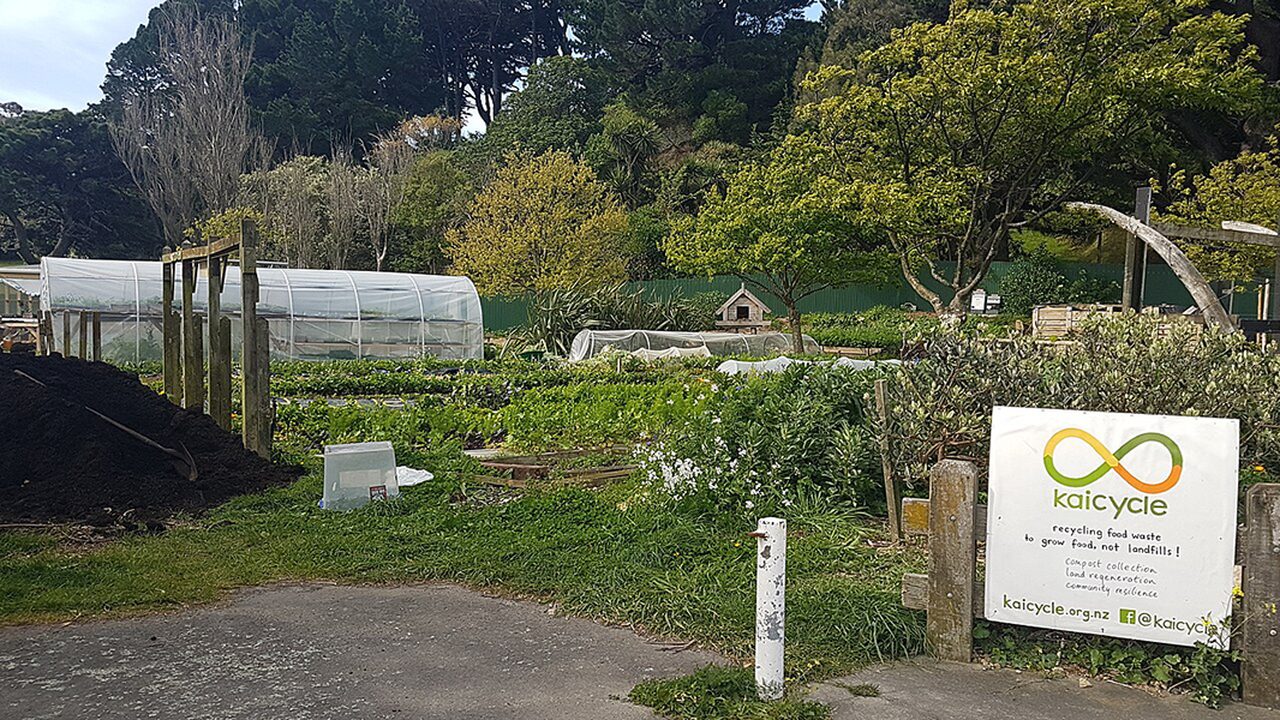
Soil regeneration restores and enhances soil health, biodiversity, and ecosystem function through physical, chemical and biological interventions1. Key considerations include rebuilding of soil organic matter, structure, invertebrate populations, microbiomes, and nutrient cycling. Healthy soils are characterised by structure that allows drainage and gas exchange (supporting healthy plant roots) and organic matter (that stores and releases nutrients and water and provides microbial habitat). Critically, biodiverse vegetation provides surface protection while living roots and plant litter ‘feed’ the soil. Soils vary naturally across the landscape, so the target outcome for soil regeneration should be guided by the intended use, and local reference conditions where relevant.
What this strategy does
Improves soil function using plants (preferably native), organic amendments (e.g., compost, biochar), soil microbiota management, and (where relevant) considers additional measures to accelerate ecological recovery (e.g., acoustic attraction).
Avoids reliance on synthetic inputs or short-term soil conditioning that undermines long-term resilience.
Context
Urban soils in Aotearoa New Zealand are frequently compacted, contaminated, or biologically depleted due to development disturbance and legacy land uses, limiting vegetation performance and ecosystem services2.
Technical considerations
Design considerations
Soil testing
- Soil physico-chemical testing will provide guidance whether soil chemistry and physical conditions (e.g., pH, key nutrients, carbon, etc) are within a suitable range for target plant species.
Consider foundational interventions
- In the case of highly degraded soils, strategic one-off foundational interventions may be warranted to help reset the physical, chemical and/or biological soil environment. For example, compacted soils may benefit from ripping, weed seed-infested topsoils might be scraped, acidic soils could be limed, dispersive hard-setting soils may benefit from gypsum applications (potentially including additive-free waste giboard)3, and excess high nutrient content in soils could be removed using temporary crop plants (phyto-mining). Organic amendments are also a common way to enhance soil condition.
Composting
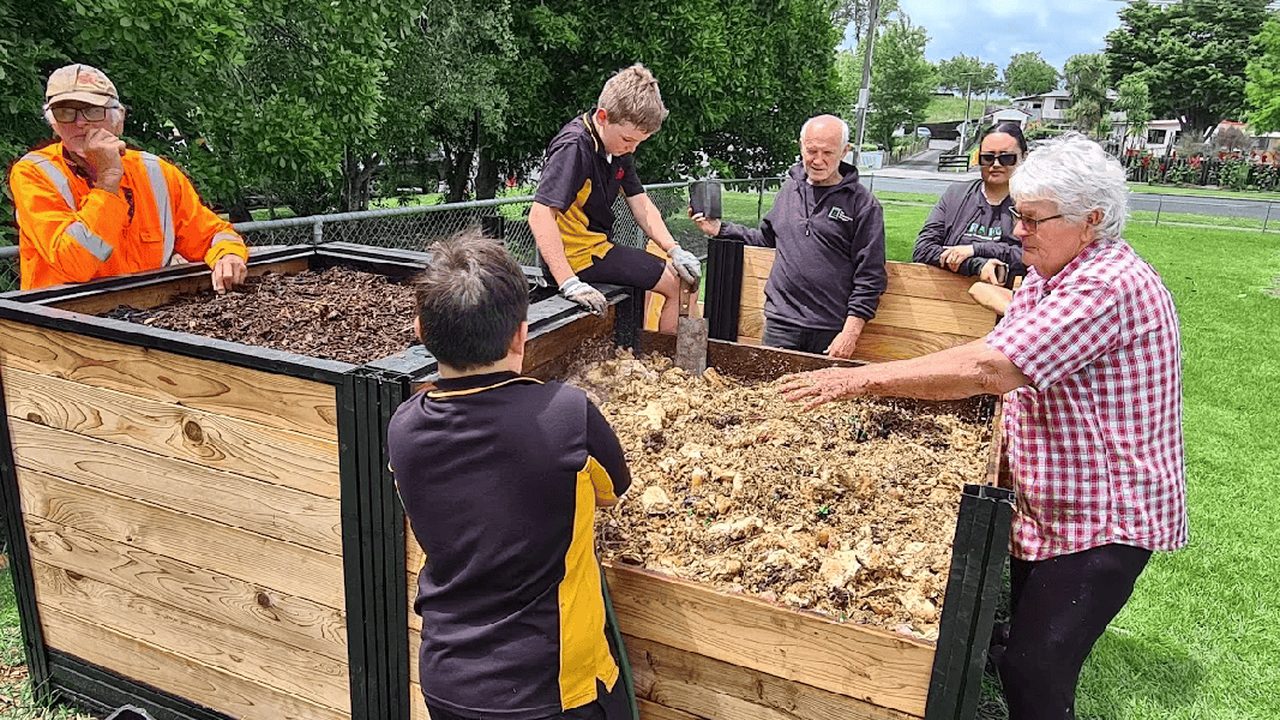
- Use closed, predator-proof compost systems placed directly on soil.
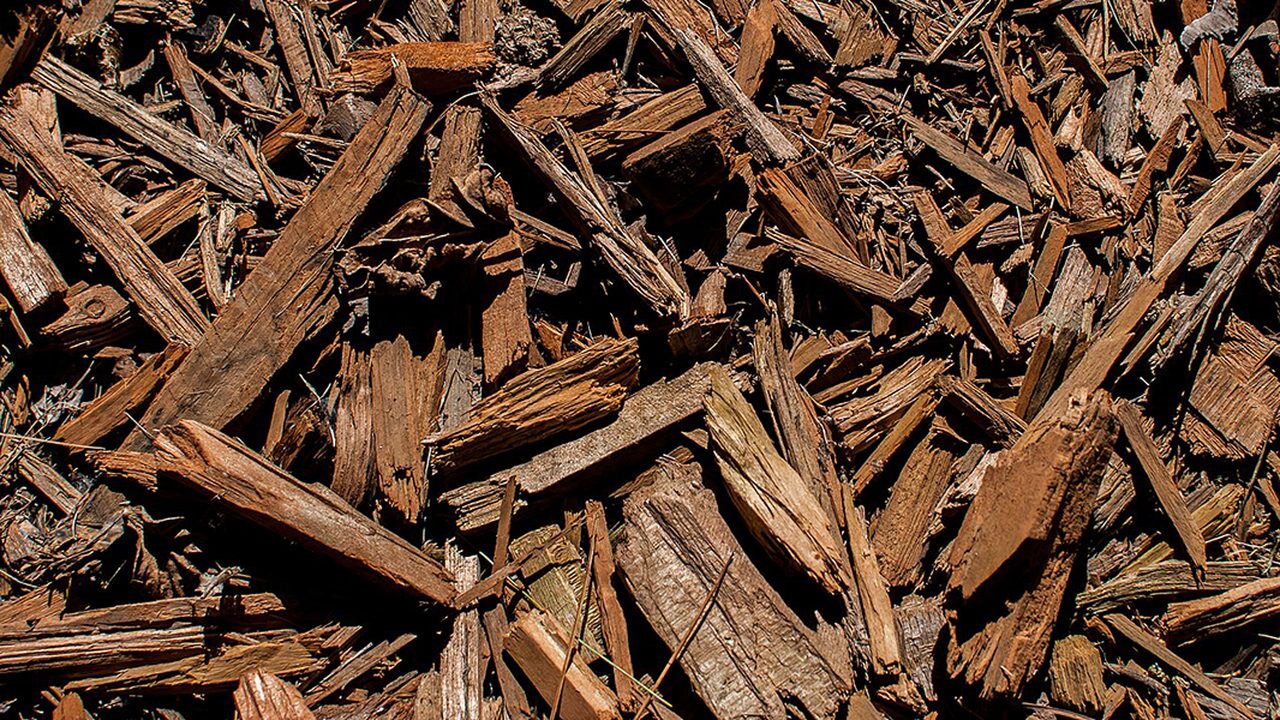
- Maintain aerobic conditions with approximately 40% food waste and 60% carbon-rich material (e.g. bark, sticks and leaves) to support soil organisms2.
Biochar
- Biochar is a stable, carbon-rich material made by heating organic biomass in low oxygen conditions, used to improve soil structure, enhance microbial habitat, and increase water and nutrient retention.
- Specify biochar appropriate to soil conditions. Enriched biochars reduce nitrogen lock-up and improve nutrient availability via microbial interactions, while straight biochars improve structure in compacted or flood-prone soils4.
- Biochar qualities can vary, so seek out local examples of products in use where possible.
Soil microbiota management
- Soil microbiota interventions are strategies to restore and support the entire soil microbial community. Apply soil microbiota interventions selectively.
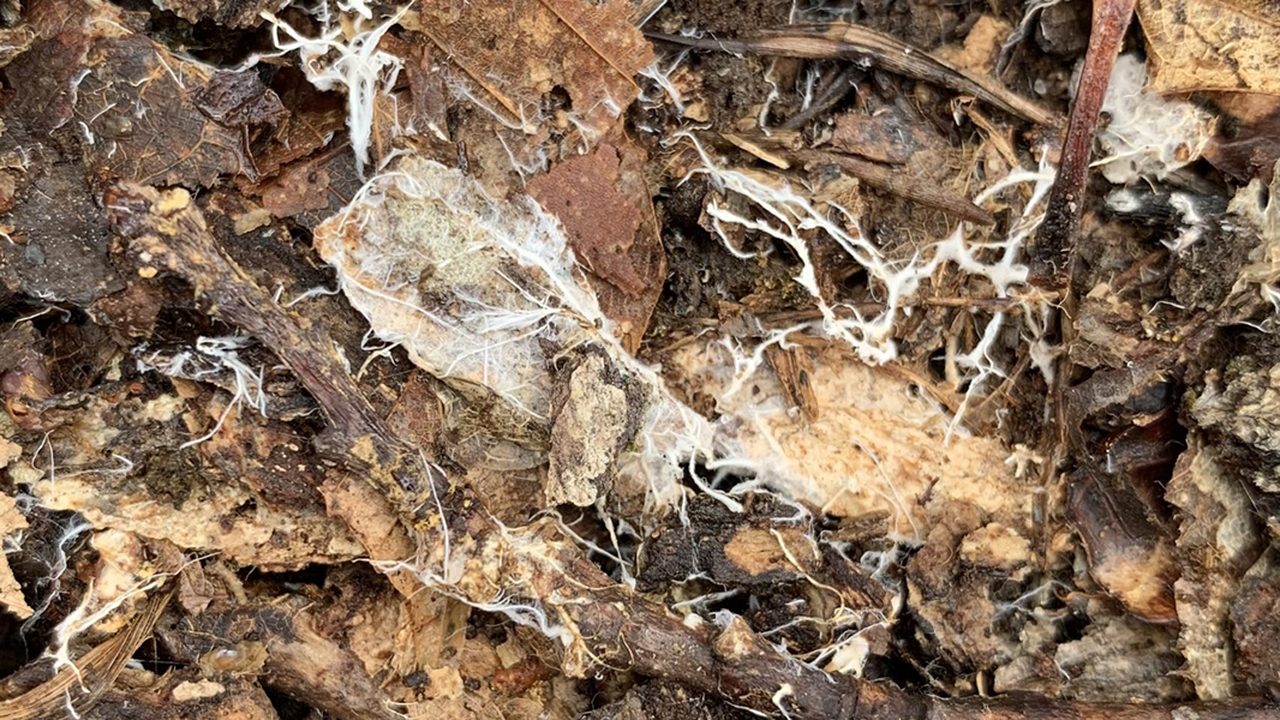
- Fungi inoculation is a targeted method that introduces specific fungi, often mycorrhizal species that form symbiotic relationships with plant roots.
- Where soil properties remain close to reference conditions, vegetation restoration alone may be sufficient for microbial recovery5.
Acoustic attraction (where relevant)
- Use species-specific acoustic cues to accelerate recolonisation of target fauna that support soil and ecosystem processes6.
Implementation considerations
Design priority
- Match intervention type and intensity to the degree of soil disturbance and contamination.
Key constraint
- Imported organic materials may introduce weed seeds or contaminants such as herbicides, microplastics, or PFAS (a group of human-made chemicals), posing risks to soil and food systems2.
Issues & barriers
Material contamination
- Contaminants in compost feedstocks and biochar can compromise soil health and downstream ecosystems2.
Ecological uncertainty
- Soil responses vary widely by site. Microbial inoculants may fail where competition, stressors, or unsuitable soil conditions limit establishment5.
Synergies & opportunities
- Climate change – Composting reduces methane emissions from landfills, and biochar provides long-term carbon sequestration7.
- Human wellbeing – Improved soil and biodiversity enhance restorative urban environments and food-growing opportunities8.
- Disaster risk reduction – Healthy soil microbiomes support plant resilience to drought and climate stress9.
- Food security – Regenerative soils improve productivity and long-term soil fertility.
- Waste and pollution management – Organic waste diversion supports circular material flows and reduces landfill reliance2.
Financial case
Ecosystem services & performance value
- Reduced fertiliser inputs, normal nutrient cycling, extended landfill life, improved vegetation performance, and long-term carbon storage.
Cost-effectiveness: Investment logic
- Community composting and soil regeneration systems provide long-term economic returns through waste diversion, soil productivity gains, and avoided emissions costs10.
Monitoring & evaluation metrics
Core metric
- Soil organic carbon, structure, moisture retention, and basic biological presence and activity indicators.
Advanced or long-term metric
- Invertebrate and microbial diversity and functional indicators where soil microbiota interventions are applied5.
Additional resources or tools
- Contaminated Site Risk Management (Manaaki Whenua – Landcare Research). Tools and guidance for soil assessment and remediation.
- National Environmental Standard for Assessing and Managing Contaminants in Soil to Protect Human Health
- Composting 101. Household and community composting guidance.
- Community Composting. Operational guidance for local compost hubs.
- Compost Collective. Community-scale composting support and resources.
- Korukai Biochar Guide. Introduction to small-scale biochar production.
References
- Robinson, J.M., Liddicoat, C., Muñoz-Rojas, M. & Breed, M.F. Restoring soil biodiversity. Current Biology 34, R393-R398 (2024).
- Diprose, G., et al. (2023). Community composting and urban resilience. New Zealand Geographer. https://doi.org/10.1111/nzg.12348
- Davis, C. L. (2006). The effects of ground gypsum wallboard application on soil physical and chemical properties and crop yield.
- Lehmann, J., Rillig, M. C., Thies, J., Masiello, C. A., Hockaday, W. C., & Crowley, D. (2011). Biochar effects on soil biota – a review. Soil Biology and Biochemistry, 43(9), 1812–1836.
- Peddle, S. D., et al. (2025). Practical applications of soil microbiota to improve ecosystem restoration: current knowledge and future directions. Biological Reviews, 100(1), 1–18.
- Znidersic, E., & Watson, D. M. (2022). Acoustic restoration: Using soundscapes to benchmark and fast-track recovery of ecological communities. Ecology Letters, 25(7), 1597–1603.
- Yasmin, N., et al. (2022). Emission of greenhouse gases during composting and vermicomposting. Energy Nexus, 7, 100092.
- Stronge, D. C., Stevenson, B. A., Harmsworth, G. R., & Kannemeyer, R. L. (2020). A well-being approach to soil health—insights from Aotearoa New Zealand. Sustainability, 12(18), 7719.
- Naylor, D., & Coleman-Derr, D. (2018). Drought stress and root-associated bacterial communities. Frontiers in Plant Science, 8, 2223.
- Rashid, M. I., & Shahzad, K. (2021). Food waste recycling for compost production and its economic and environmental assessment. Journal of Cleaner Production, 317, 128467.
RELATED DESIGN STRATEGIES //
Specific design interventions that support ecological health, habitat quality, and species diversity across urban and built environments.