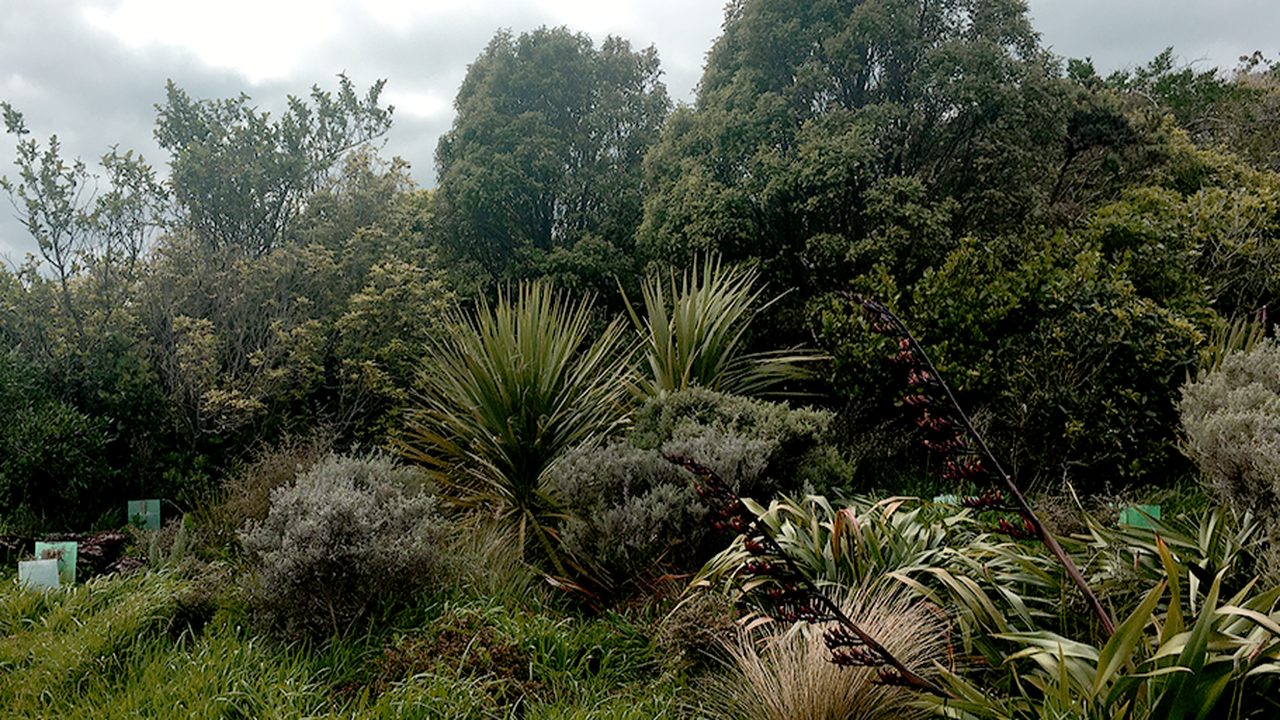
Natural micro-habitats
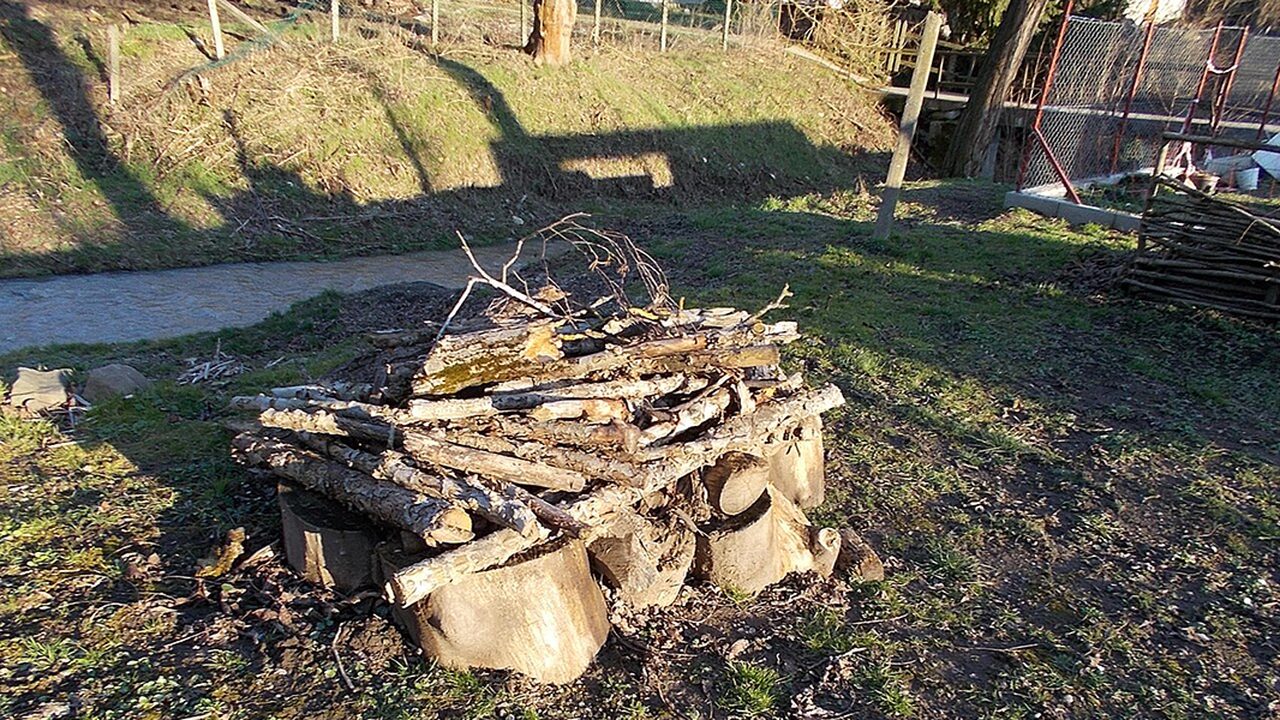
Definition
Natural micro-habitats are small-scale landscape features that provide shelter, thermoregulation, refuge, and foraging opportunities for native fauna within urban and modified environments.
What this strategy does
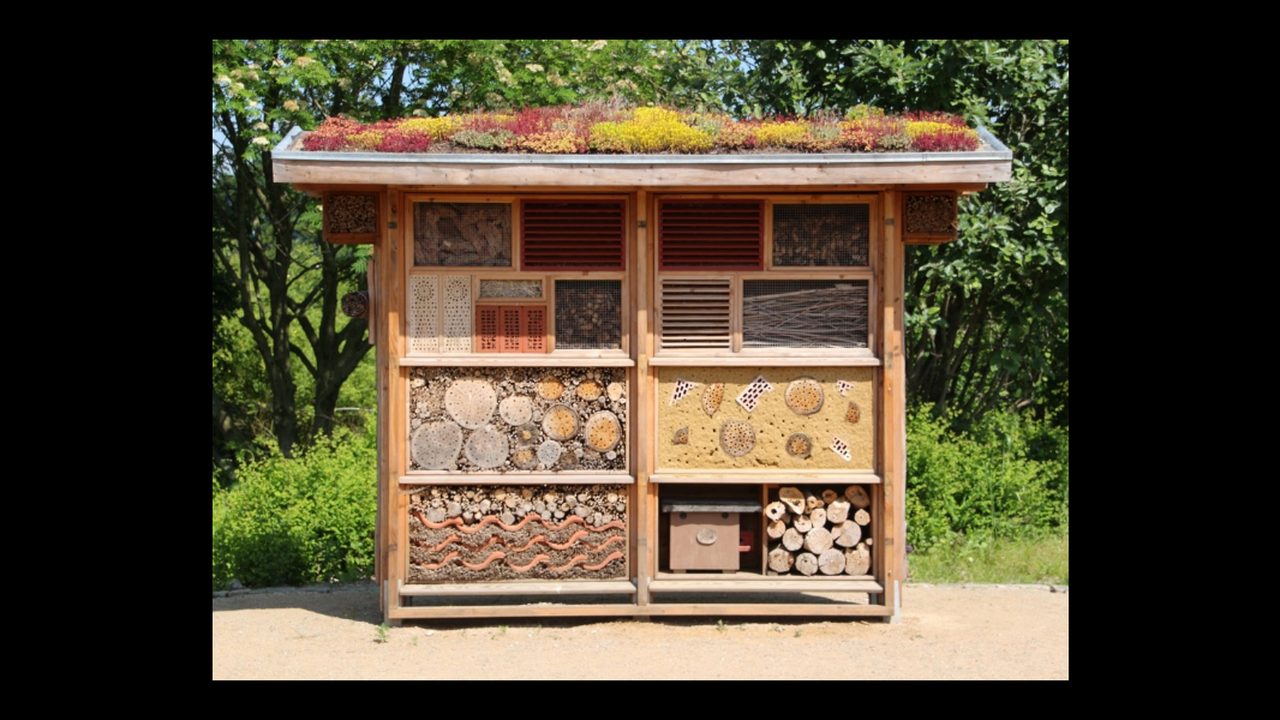
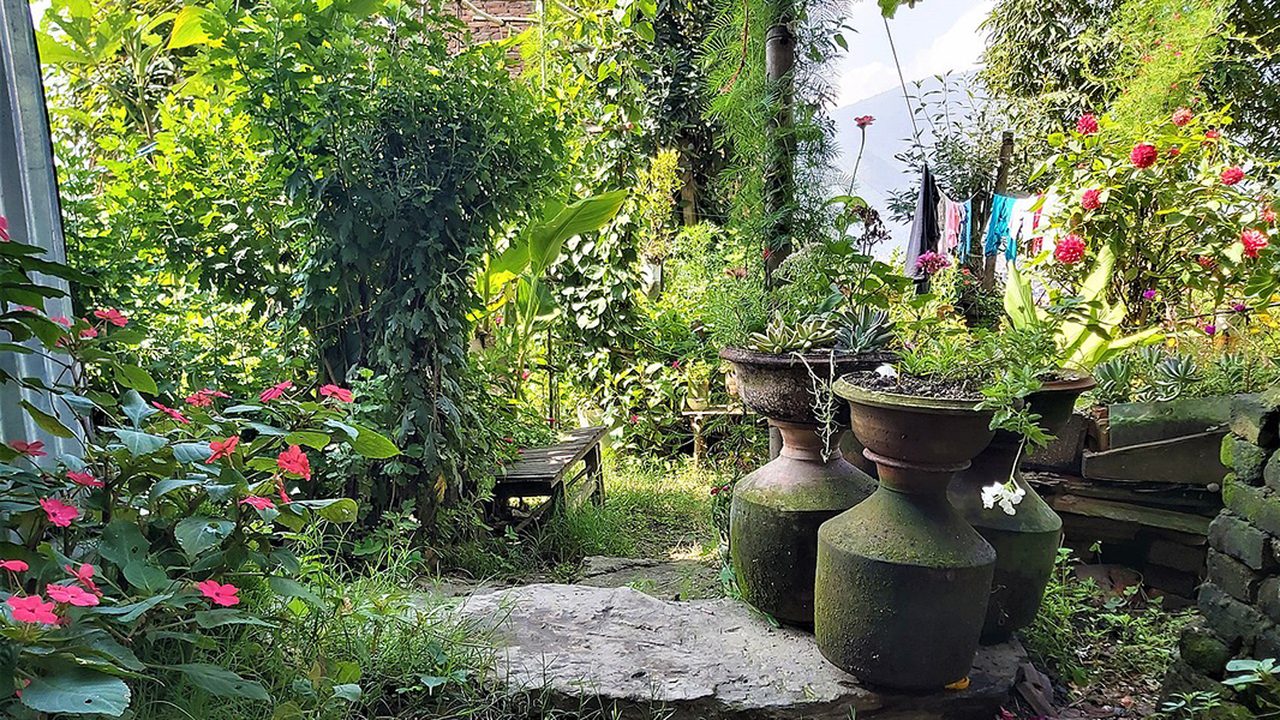
Introduces or retains logs, rocks, hollows, and dense vegetation, as well as basking areas for lizards, to support the everyday habitat needs of native species while avoiding large-scale earthworks or intensive ecological reconstruction.
Context
In Aotearoa New Zealand’s urban and peri-urban landscapes, habitat fragmentation and predator pressure limit fauna persistence. Carefully designed natural micro-habitats can improve survival where larger habitat restoration is constrained, if predation and ecological trap risks are actively managed.1, 2, 3 Ecological traps occur when animals are attracted to habitats that appear suitable but are actually poor quality or harmful, reducing their chances of survival or reproduction.
Technical considerations
Design considerations
Location
- Locate micro-habitats in sunny, sheltered positions; prioritise north-facing orientation to support thermoregulation for reptiles.1
Materials
- Use natural, untreated materials (local rock, logs, driftwood). Avoid treated timber or materials that may leach toxins.2
Rock piles
- Rock piles for lizards are deliberately arranged clusters of stones designed to mimic the kinds of habitats many native lizards naturally use. In Aotearoa, a lot of skinks and geckos depend on rocky crevices and sun-warmed surfaces, which are often missing in urban or modified landscapes. Construct rock piles with varied void sizes, including narrow refuges (<40 mm) that exclude rodents while retaining thermal mass.3
Vegetation
- Maintain adjacent low, dense native vegetation to provide cover and foraging while preserving open basking surfaces for reptiles.4, 5
Implementation considerations
Design priority
- Link micro-habitats to nearby cover or corridors to enable safe retreat from predators and extreme weather.6
Key constraint
- Poorly sited or overly exposed features can increase predation risk or function as ecological traps.7, 8 An ecological trap happens when an organism is attracted to a habitat that looks suitable based on its evolved cues, but is actually poor quality or dangerous.
- Use Department of Conservation and Predator Free New Zealand guidance when designing lizard-supporting habitats.9, 10
Issues & barriers
- Micro-habitats may concentrate predators, particularly cats and invasive mammals, without coordinated predator control.8
- Perceived “messiness” can reduce public acceptance unless visual cues to care (edges, signage) are incorporated.11, 12
- Biodiversity gains may be slow or variable, particularly in highly modified urban settings.13
Synergies & opportunities
- Human wellbeing – Increased daily contact with visible urban nature supports mental wellbeing and stewardship.14
- Empowerment – Community-led installation and maintenance builds ecological literacy and long-term care.15, 16, 17
Financial case
Ecosystem services &/or performance value
- Supports pollination, pest regulation, and soil processes through invertebrate and reptile persistence.18
Cost-effectiveness: Investment logic
- Relies on low-cost, locally sourced materials and volunteer labour, delivering ecological benefit with minimal capital input.19, 20
Monitoring & evaluation metrics
Core metric
- Occupancy and repeat use by target species using visual surveys, camera traps, and community science platforms.21
Advanced or long-term metric
Additional resources or tools
- Forest & Bird – Creating lizard-friendly habitats
- NZ Herpetological Society – Native reptile conservation guidance
- Predator Free New Zealand Trust – Lizard-friendly garden guidance
References
- Department of Conservation. (2023). Guidance on impacts of vegetation clearance on lizards in New Zealand.
- Department of Conservation. (2016). Best practice guide to keeping New Zealand lizards in captivity.
- Lennon, O., Wittmer, H. U., & Nelson, N. J. (2021). Modelling three-dimensional space to design prey refuges using video game software. Ecosphere, 12(1), e03321.
- van Heezik, Y., & Ludwig, K. (2012). Proximity to source populations and untidy gardens predict occurrence of a small lizard in an urban area. Landscape and Urban Planning, 104(2), 253–259.
- Herbert, S. M., et al. (2025). Short-term responses of terrestrial skinks to habitat enhancement in a pest-invaded landscape on mainland New Zealand. New Zealand Journal of Zoology, 1–20.
- Correa Ayram, C. A., et al. (2016). Habitat connectivity in biodiversity conservation: A review. Progress in Physical Geography, 40(1), 7–37.
- Watchorn, D. J., et al. (2022). Artificial habitat structures for animal conservation. Frontiers in Ecology and the Environment, 20(5), 301–309.
- Reardon, J. T., et al. (2012). Predator control allows critically endangered lizards to recover on mainland New Zealand. New Zealand Journal of Ecology, 36(2), 141–150.
- Department of Conservation. (n.d.). Attract lizards to your garden.
- Predator Free New Zealand Trust. (2023). Create a lizard-friendly garden.
- Li, J., & Nassauer, J. I. (2020). Cues to care: A systematic analytical review. Landscape and Urban Planning, 201, 103821.
- Hostetler, M. (2021). Cues to care: Future directions for ecological landscapes. Urban Ecosystems, 24(1), 11–19.
- Gaston, K. J., et al. (2005). Urban domestic gardens: Experimental tests of methods for increasing biodiversity. Biodiversity & Conservation, 14(2), 395–413.
- Kowarik, I., et al. (2013). Biodiversity functions of urban cemeteries. Urban Ecosystems, 16, 27–42.
- Diduck, A., et al. (2020). Pathways of learning about biodiversity and sustainability in private urban gardens. Journal of Environmental Planning and Management, 63, 1056–1076.
- van Heezik, Y., Dickinson, K., & Freeman, C. (2012). Communicating to change gardening practices. Ecology and Society, 17(1).
- Egerer, M., et al. (2024). In defence of urban community gardens. People and Nature.
- Costanza, R., et al. (2014). Changes in the global value of ecosystem services. Global Environmental Change, 26, 152–158.
- Sijtsma, F. J., et al. (2020). Evaluating projects using the ecosystem services framework. Environmental Science & Policy, 111, 49–56.
- Department of Conservation. (n.d.). Attract lizards to your garden.
- Costa-Pereira, R., et al. (2022). Animal tracking moves community ecology. Journal of Animal Ecology, 91(7), 1334–1344.
- Burton, N. H. K., et al. (2015). Impacts of sudden habitat loss on survival and condition. Journal of Applied Ecology, 43(3), 464–473.
RELATED DESIGN STRATEGIES //
Specific design interventions that support ecological health, habitat quality, and species diversity across urban and built environments.