
Monitoring for biodiversity

Definition
Monitoring for biodiversity is the systematic measurement of species presence, abundance, and habitat condition over time to assess whether design and management actions are achieving intended biodiversity outcomes, including through building-integrated and community-based monitoring approaches.
What this strategy does
Establishes baselines, tracks ecological change, and informs adaptive management of planting, habitat structures, and maintenance. Supports ongoing learning, stewardship, and accountability through both expert-led and community-based monitoring. Avoids ad-hoc or one-off surveys that do not inform design performance or long-term management.
Context
In Aotearoa New Zealand, urban development frequently delivers biodiversity interventions without requiring post-implementation monitoring, limiting accountability and learning. Monitoring is essential to demonstrate performance, refine design responses, support community stewardship and good Te Tiriti partnerships, and justify ongoing investment in urban biodiversity outcomes.1
Technical considerations
Design considerations
Use multi-method monitoring
- Combine visual surveys, traps, artificial refuges, acoustic monitoring, and indirect methods (e.g. looking for tracks or droppings) to detect cryptic (hard-to-find) or low-density species and reduce false absences (species that are present but not detected).2, 3
Prioritise habitat quality metrics
- Measure native vegetation cover, structure, and permeability alongside species counts, as these are strong predictors of urban biodiversity outcomes.4
Assess connectivity at multiple scales
- Use spatial tools to understand how site-level habitats contribute to neighbourhood and catchment-scale ecological networks.5
Integrate monitoring into the built environment
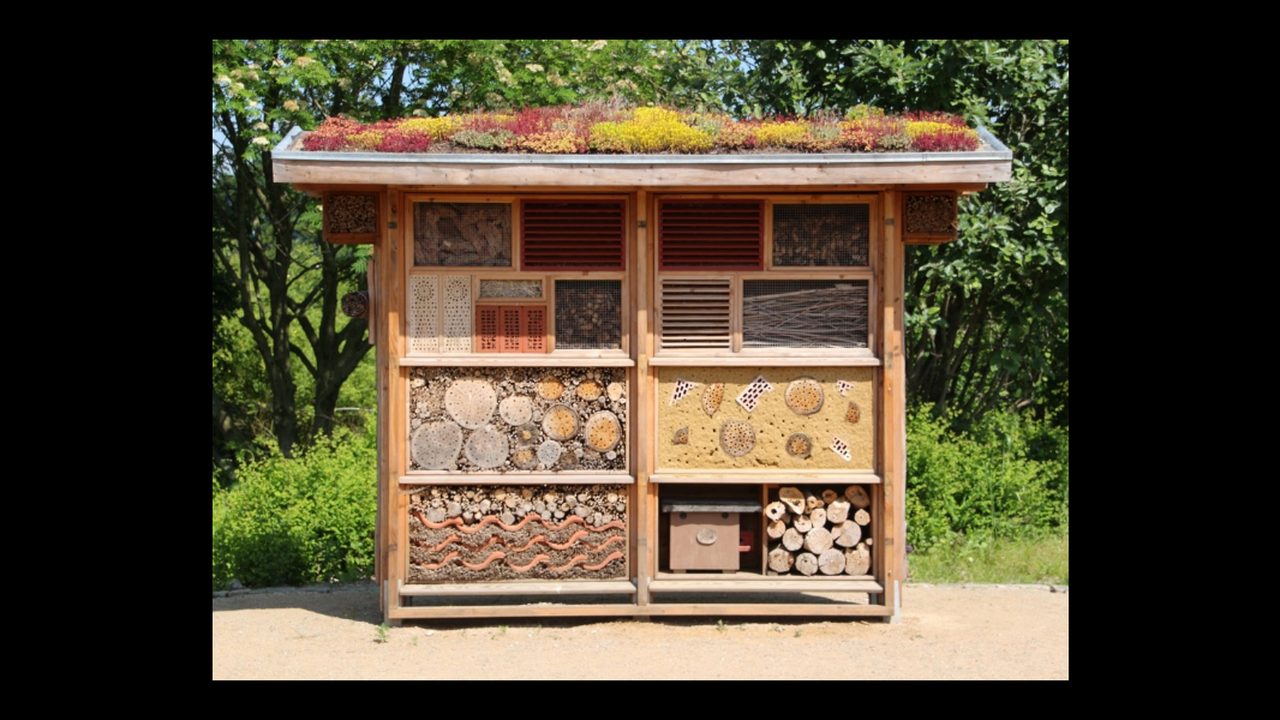
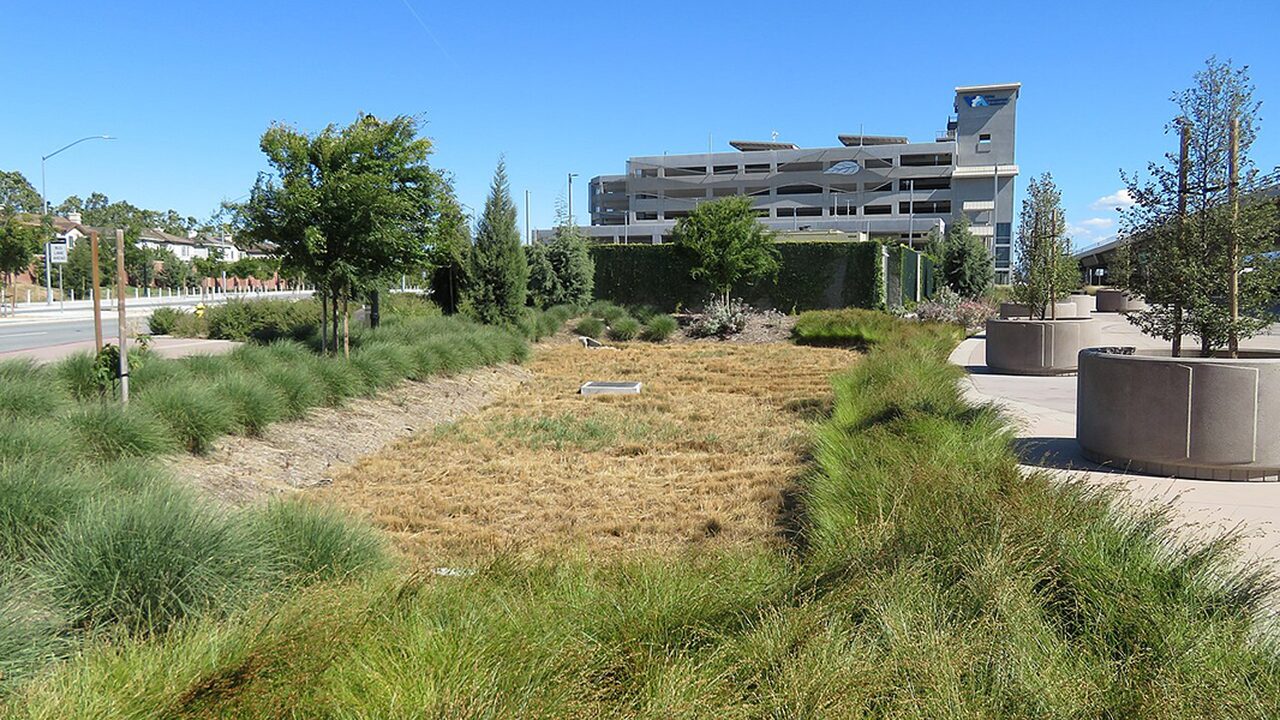
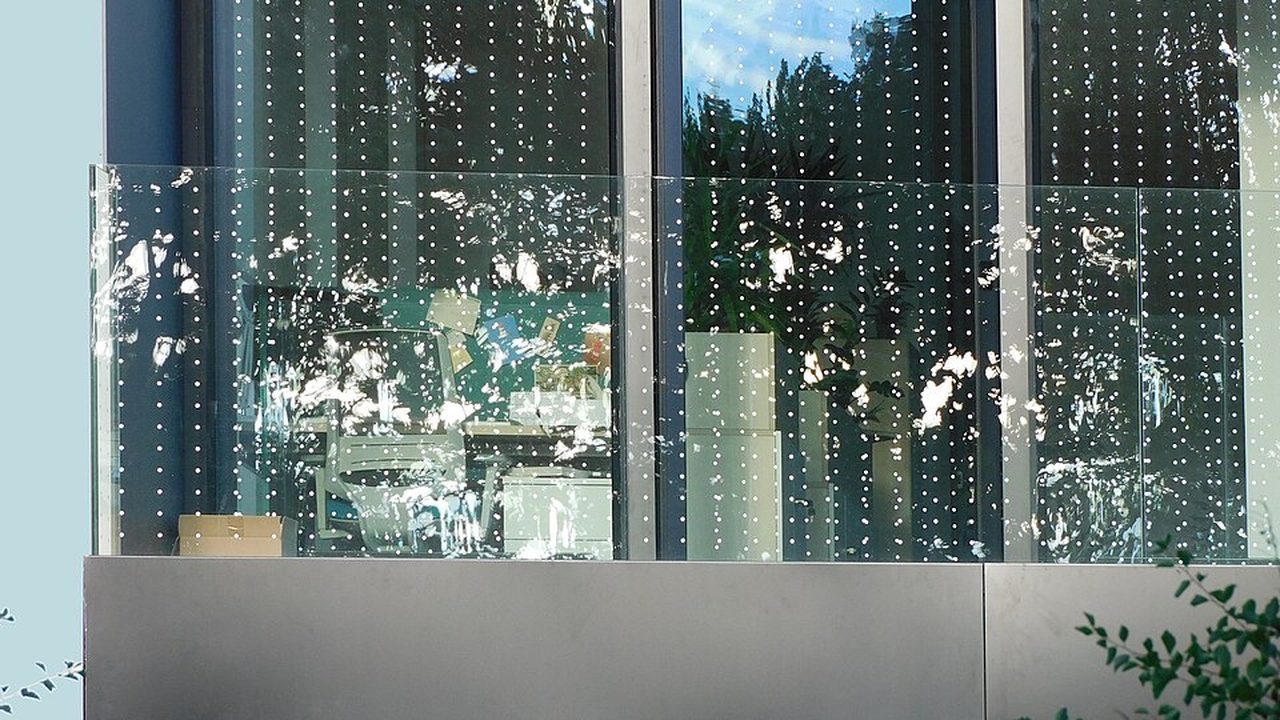
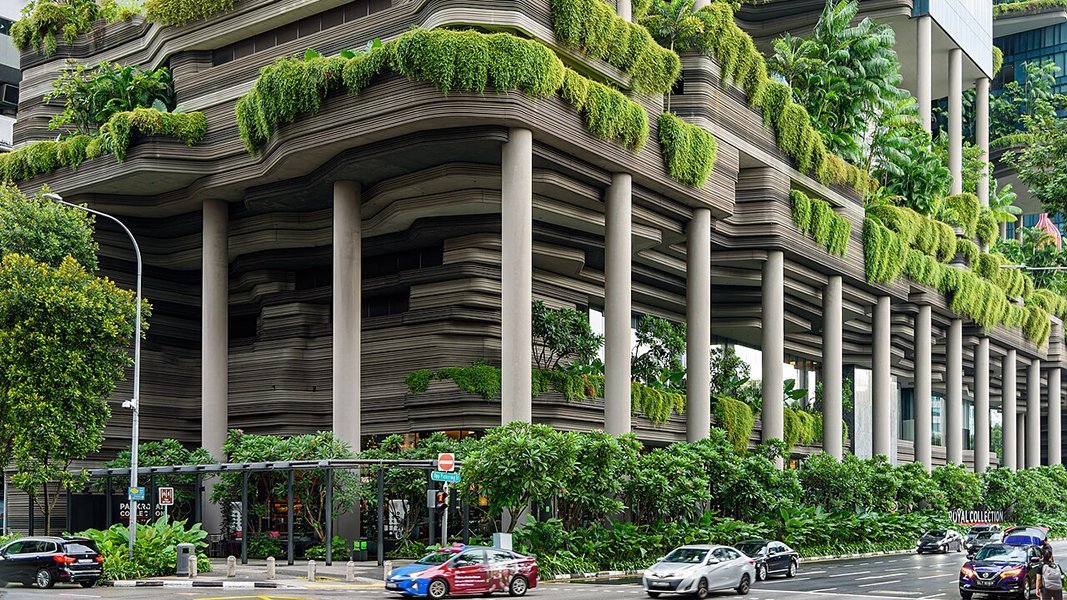
- Integrate monitoring into the built environment by designing buildings and infrastructure (e.g. green roofs, walls, wetlands, and façades) to enable ongoing observation, and where appropriate include smart habitat sensors (e.g. acoustic sensors, temperature sensors, camera traps) for continuous monitoring.
Support citizen science and stewardship
- Design monitoring programmes that can include citizen science approaches (e.g. community observations, apps, simple survey protocols), enabling broader data collection while supporting environmental awareness and active stewardship.
Implementation considerations
Design priority – align monitoring with design objectives
- Define measurable indicators at the design concept stage and carry them through consent, construction, and operational phases.1 Ensure monitoring approaches are appropriate to both expert-led and community-based participation where relevant.
Key constraint – resource and skill requirements
- Long-term monitoring and data management systems require ongoing commitment beyond initial project delivery. This is not usually budgeted for. Some taxa (e.g. reptiles, invertebrates) require specialist expertise and repeated surveys, increasing cost and monitoring programme duration.2, 3
Issues & barriers
Absence of policy mandates
- Urban planning frameworks rarely advocate for ongoing biodiversity monitoring, reducing uptake and consistency across developments.1, 6
Ecological novelty and complexity in urban settings
- Habitat fragmentation, exotic species dominance, and variable management regimes complicate data interpretation and trend detection.6, 7
Method inconsistency and data gaps
- Lack of standardised urban monitoring protocols limits comparability across sites and over time.8
Synergies & opportunities
- Climate change – Monitoring supports adaptive management of green and blue infrastructure that moderates heat, manages water, and enhances resilience.4, 9
- Human wellbeing – Evidence-based biodiversity outcomes strengthen links between urban nature, health, and liveability.10
- Empowerment – Community and mana whenua-led monitoring can build stewardship, cultural connection, and more equitable environmental outcomes.11, 12
Financial case
Ecosystem services and performance value
- Protects long-term performance of stormwater, cooling, and habitat assets by identifying decline early and reducing retrofit costs.4, 9
Cost-effectiveness: Investment logic
- Targeted monitoring focuses resources on interventions most likely to deliver measurable biodiversity and ecosystem service returns.13
Monitoring & evaluation metrics
Existing indicators, metrics, and methods for biodiversity monitoring, human engagement, and kaitiakitanga developed by tangata whenua / mana whenua continue to evolve and tend to be place-based14, 15, 16, 17, 18. Consult mana whenua and other biocultural experts for project and place-specific guidance.
Core metric
- Species presence/absence and abundance linked to defined habitat units (e.g. per site or block), measured at regular intervals.
Advanced or long-term metric
- Change in native habitat extent, quality, and connectivity over time relative to baseline conditions.4
Additional resources or tools
- iNaturalist NZ (NatureWatch NZ). Citizen science platform for recording species observations and BioBlitz events.
- New Zealand Garden Bird Survey. Annual winter bird monitoring with suburb-level trend reporting.
- Auckland Community Ecological Monitoring Guide. Method sheets for forests, streams, and wetlands adaptable to urban sites.
- DOC Biodiversity Toolbox. Monitoring modules for birds, pests, and inventories.
References
- Varshney K, MacKinnon M, Zari M, Shanahan D, Woolley C, Freeman C, Van Heezik Y. Biodiverse residential development: A review of New Zealand policies and strategies for urban biodiversity. Urban Forestry & Urban Greening. 2024.
- Kessels E. Detection techniques and habitat suitability for New Zealand lizards during urban development. 2024.
- Theis J, Woolley C, Seddon P, Shanahan D, Freeman C, Zari P, Van Heezik Y. The New Zealand Biodiversity Factor—Residential (NZBF-R). Land. 2025.
- Clarkson B, Wehi P, Brabyn L. Indigenous cover patterns and implications for ecological restoration in urban centres. Urban Ecosystems. 2007.
- Nguyễn T, Meurk C, Benavidez R, Jackson B, Pahlow M. Blue-green infrastructure and habitat connectivity in Christchurch. Sustainability. 2021.
- Soanes K, Taylor L, Ramalho C, et al. Conserving urban biodiversity: Practice, barriers, and enablers. Conservation Letters. 2023.
- Aronson M, Lepczyk C, Evans K, et al. Biodiversity in the city. Frontiers in Ecology and the Environment. 2017.
- Rega-Brodsky C, Aronson M, Piana M, et al. Urban biodiversity: State of the science. Urban Ecosystems. 2022.
- Jang J, Woo S. Native trees and urban ecosystem services in New Zealand. Land. 2022.
- Marselle M, Lindley S, Cook P, Bonn A. Biodiversity and health in the urban environment. Current Environmental Health Reports. 2021.
- Lyver P, Timoti P, Richardson S, et al. Indigenous community-based monitoring in New Zealand. Biodiversity and Conservation. 2017.
- Mihaere S, Holman-Wharehoka M, Mataroa J, et al. Indigenous wellbeing indicators in urban nature-based solutions. Frontiers in Environmental Science. 2024.
- Yao R, Scarpa R, Turner J, et al. Valuing biodiversity enhancement in New Zealand. Ecological Economics. 2014.
- Lyver, P. O. B., Timoti, P., Jones, C. J., Richardson, S. J., Tahi, B. L., & Greenhalgh, S. (2017). An indigenous community-based monitoring system for assessing forest health in New Zealand. Biodiversity and conservation, 26(13), 3183-3212.
- Reihana, K. R., Lyver, P. O. B., Gormley, A., Younger, M., Harcourt, N., Cox, M., … & Innes, J. (2023). Me ora te Ngāhere: visioning forest health through an Indigenous biocultural lens. Pacific Conservation Biology, 30(1).
- Walker, E., Jowett, T., Whaanga, H., & Wehi, P. M. (2024). Cultural stewardship in urban spaces: Reviving Indigenous knowledge for the restoration of nature. People and Nature, 6(4), 1696-1712.
- Walker, E., Wilcox, M., & Awatere, S. (2025). Reimagining, reclaiming, and reconnecting Indigenous voices in urbanism: a review of Indigenous approaches for urban ecological restoration. Humanities and Social Sciences Communications, 12(1), 1-8.
- Walker, E. T., Wehi, P. M., Nelson, N. J., Beggs, J. R., & Whaanga, H. (2019). Kaitiakitanga, place and the urban restoration agenda. New Zealand Journal of Ecology, 43(3), 1-8.
RELATED DESIGN STRATEGIES //
Specific design interventions that support ecological health, habitat quality, and species diversity across urban and built environments.