Integrating mātauranga Māori
Definition
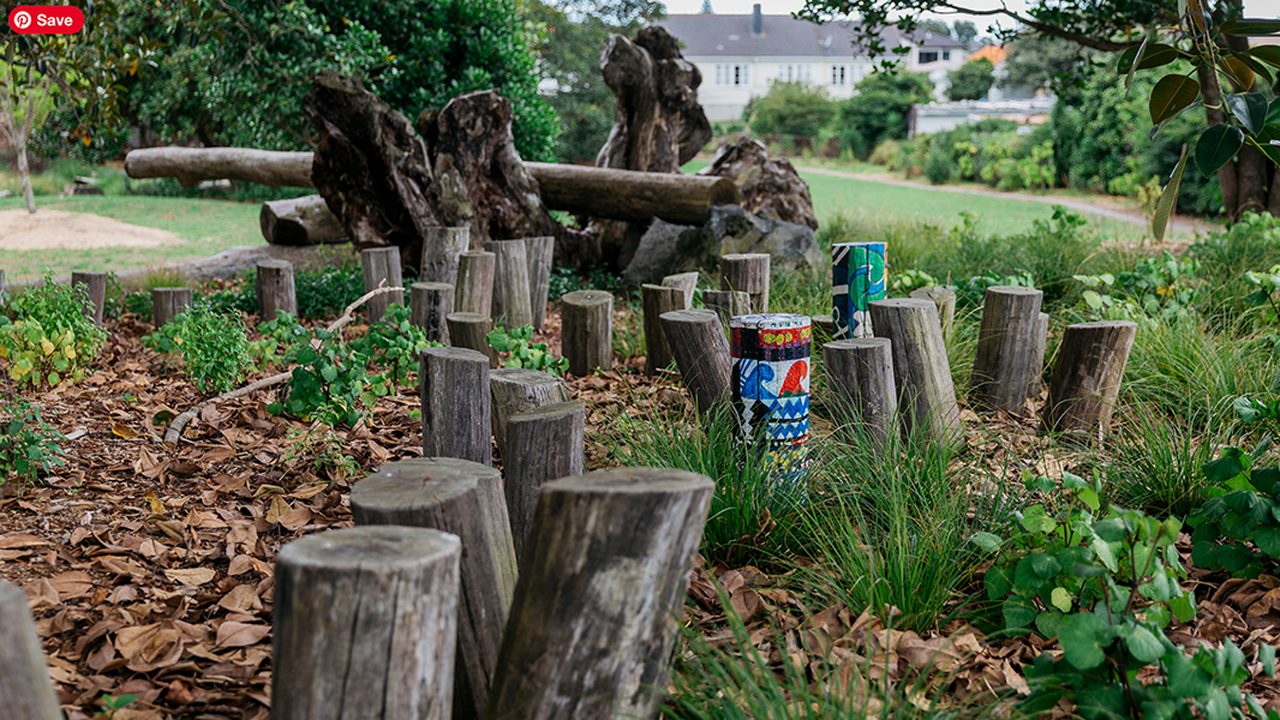
Integrating mātauranga Māori (Māori knowledges) into biodiversity design applies values, practices, and place-based knowledge to guide ecological design, species selection, and long-term stewardship in urban environments. This must be undertaken under the guidance of mana whenua (local hapū or iwi), with their participation and permission. Here is a fuller discussion of mātauranga Māori and biodiversity.
Note: This page uses very brief English translations of te reo Māori terms as a quick guide. These translations do not capture the full depth and breadth of meaning. Readers are encouraged to explore these concepts in more depth and in appropriate cultural contexts. See glossary also.
What this strategy does
Supports biodiversity design that is guided by mātauranga Māori values and practices, including concepts such as whakapapa (genealogy and relationships between people, species, and ecosystems), mauri (life force or ecological vitality), maramataka (seasonal calendars), kaitiakitanga (guardianship or stewardship), tauutuutu (reciprocity and balance), and whakatipu rawa (growing and sustaining resources) as appropriate to place. Enables the inclusion of culturally significant ecosystems, species, and practices such as mahinga kai (food gathering/growing) and rongoā (medicinal plants, planting, and harvesting), and supports long-term, community-led stewardship. Avoids extractive, tokenistic, or inappropriate use of Indigenous knowledge.
Context
In Aotearoa New Zealand, biodiversity outcomes are increasingly linked to Tiriti-based responsibilities and obligations (Te Tiriti o Waitangi is the founding agreement between Māori and the Crown), iwi–hapū partnerships, and Indigenous-led environmental values, concepts, and management frameworks. Integrating mātauranga Māori alongside Western ecological science strengthens place-based environmental decision-making and long-term ecosystem care.1, 2
Technical considerations
Design considerations
Cultural species prioritisation
- Work with mana whenua and ecologists to identify taonga (treasured; culturally important) and cultural keystone species, and other locally significant species to inform design decisions, planting palettes and habitat typologies as appropriate.1, 2
Seasonal and place-based management
- Align planting, harvesting, and maintenance activities with local maramataka where appropriate, integrating seasonal ecological rhythms into operational planning.1
Cultural use and access
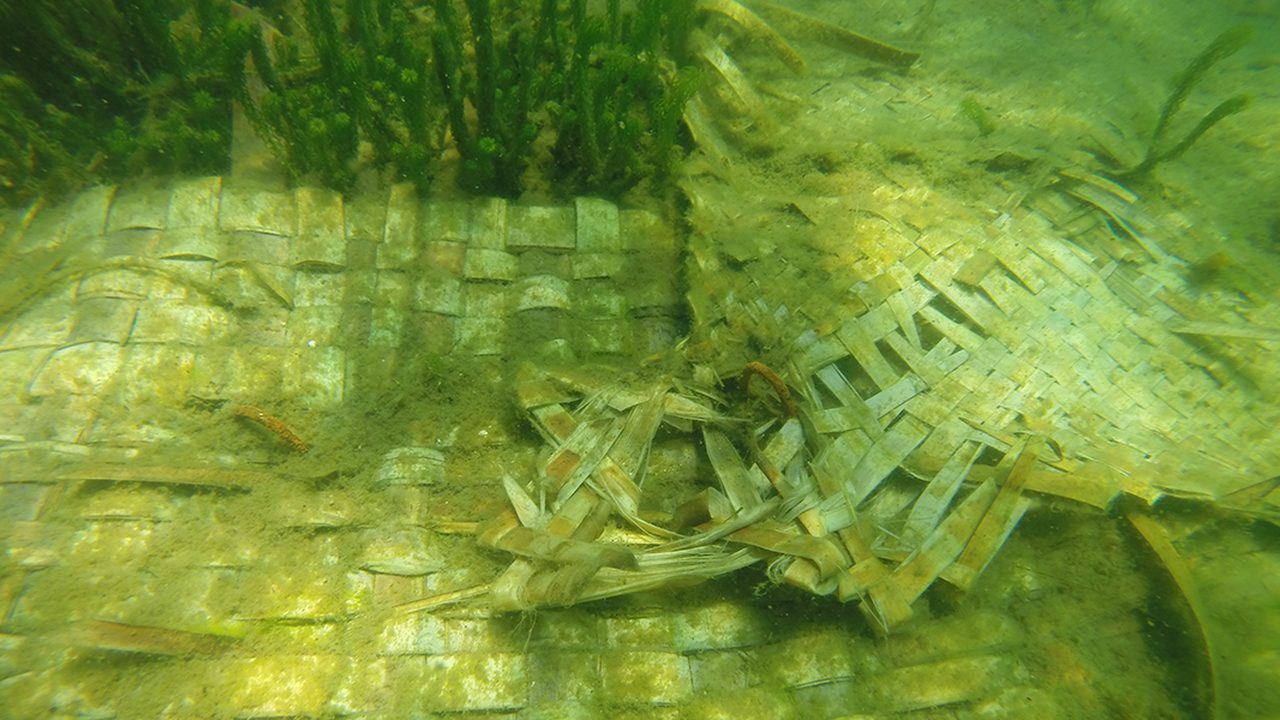
- Design landscapes to support cultural practices such as mahinga kai, rongoā, and raranga (weaving), including the provision of plant species used for carving, and other cultural materials, while maintaining cultural and ecological integrity and appropriate access protocols.2, 3
Implementation considerations
Partnership and co-design
- Establish early, ongoing partnerships with mana whenua, with shared decision-making embedded across design, delivery, and management phases.2, 4 Enabling mana whenua to lead or drive projects or be key parts of teams from the outset is fundamental to achieving positive outcomes. Consider the use of the Waihanga Assessment Tool to guide this process.
Knowledge governance
- Mātauranga Māori is not open-access data. Intellectual property, data sovereignty, and cultural authority must be respected through agreed governance arrangements.2, 4
Issues & barriers
Tokenistic engagement
- Superficial consultation without shared resource and authority undermines both cultural outcomes and ecological performance.2, 4
Institutional misalignment
- Western-centric planning frameworks may struggle to accommodate relational, values-based Indigenous knowledge systems without structural change.2, 5
Capacity and resourcing
- Mana whenua often face time and resourcing constraints that limit sustained participation unless projects are adequately funded and sequenced for meaningful engagement.4
Synergies & opportunities
- Human wellbeing – Strengthens cultural identity, stewardship, and social connection through restored relationships with land and water.3, 6
- Empowerment – Supports mana whenua leadership and self-determination in urban environmental management.4, 6
- Food security – Reinforces mahinga kai systems and culturally grounded local food resilience.3
- Freshwater security – Aligns with Indigenous-led freshwater frameworks that prioritise ecological and cultural health.5
Financial case
Cost-effectiveness: Investment logic
- Indigenous-led and co-governed biodiversity management has been shown to improve targeting of restoration effort, long-term care, and ecological resilience, reducing downstream remediation costs.4, 6
- Upfront investment in partnership, co-design, and culturally grounded monitoring supports durable outcomes and reduces long-term environmental and governance risk.4
Monitoring & evaluation metrics
Core metric
Use culturally grounded indicators (e.g. Cultural Health Index), that are appropriate to place and are driven by mana whenua to assess ecosystem condition, species availability, and cultural use over time.7
Advanced or long-term metric
- Biocultural monitoring combining ecological measures with mātauranga Māori-led assessments of mauri and landscape health.6, 7
Additional resources or tools
- Te Aranga Māori Design Principles. Framework for embedding Māori values in urban and landscape design. Particularly used in Tāmaki Makaurau.
- Cultural Health Index (CHI). Iwi-led tool for assessing freshwater and land health.
- Māori and Biodiversity – Environment Guide. Overview of Māori roles and responsibilities in biodiversity management under NZ planning law.
References
- Hikuroa, D. (2017). Mātauranga Māori—the ūkaipō of knowledge in New Zealand. Journal of the Royal Society of New Zealand, 47(1), 5–10. https://doi.org/10.1080/03036758.2016.1252407
- McAllister, T., Beggs, J., Ogilvie, S., Kirikiri, R., Black, A., & Wehi, P. (2020). Kua takoto te mānuka: mātauranga Māori in New Zealand ecology. New Zealand Journal of Ecology, 43. https://doi.org/10.20417/nzjecol.43.41
- Harmsworth, G., Awatere, S., & Robb, M. (2016). Indigenous Māori values and perspectives to inform freshwater management in Aotearoa-New Zealand. Ecology and Society, 21(4), 9. https://doi.org/10.5751/ES-08804-210409
- Awatere, S., Harmsworth, G., Harcourt, N., Taura, Y., Taylor, L., Wilcox, M., & Hyslop, J. (2023). Indigenous-led approaches for catchment health in Aotearoa-New Zealand. PLOS Water, 2(3). https://doi.org/10.1371/journal.pwat.0000170
- Taylor, L., Fenemor, A., Mihinui, R., Sayers, T., Porou, T., Hikuroa, D., Harcourt, N., White, P., & O’Connor, M. (2020). Ngā Puna Aroha: towards an indigenous-centred freshwater allocation framework. Australasian Journal of Water Resources, 25(1), 27–39. https://doi.org/10.1080/13241583.2020.1792632
- Walker, E., Jowett, T., Whaanga, H., & Wehi, P. (2024). Cultural stewardship in urban spaces: Reviving Indigenous knowledge for the restoration of nature. People and Nature. https://doi.org/10.1002/pan3.10683
- Lyver, P. O’B., Timoti, P., Richardson, S. J., Tahi, B., & Greenhalgh, S. (2017). An indigenous community-based monitoring system for assessing forest health. Biodiversity and Conservation, 26, 3183–3212. https://doi.org/10.1007/s10531-016-1142-6
RELATED DESIGN STRATEGIES //
Specific design interventions that support ecological health, habitat quality, and species diversity across urban and built environments.