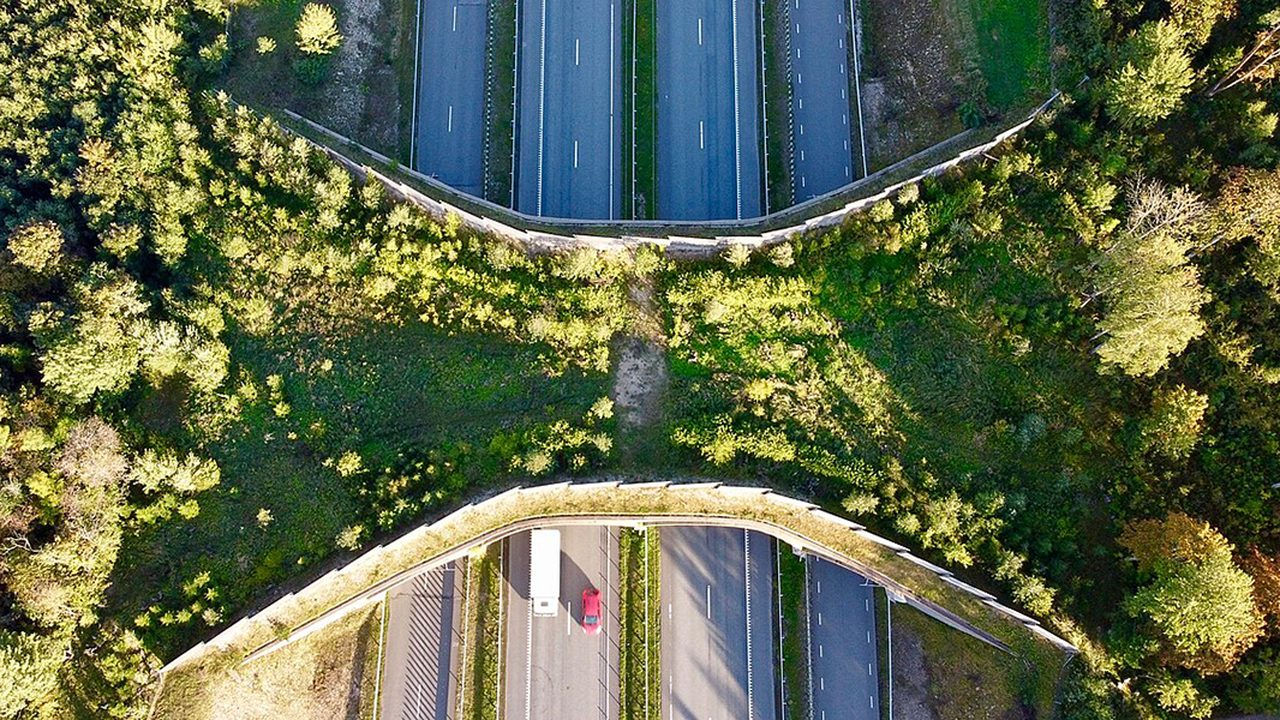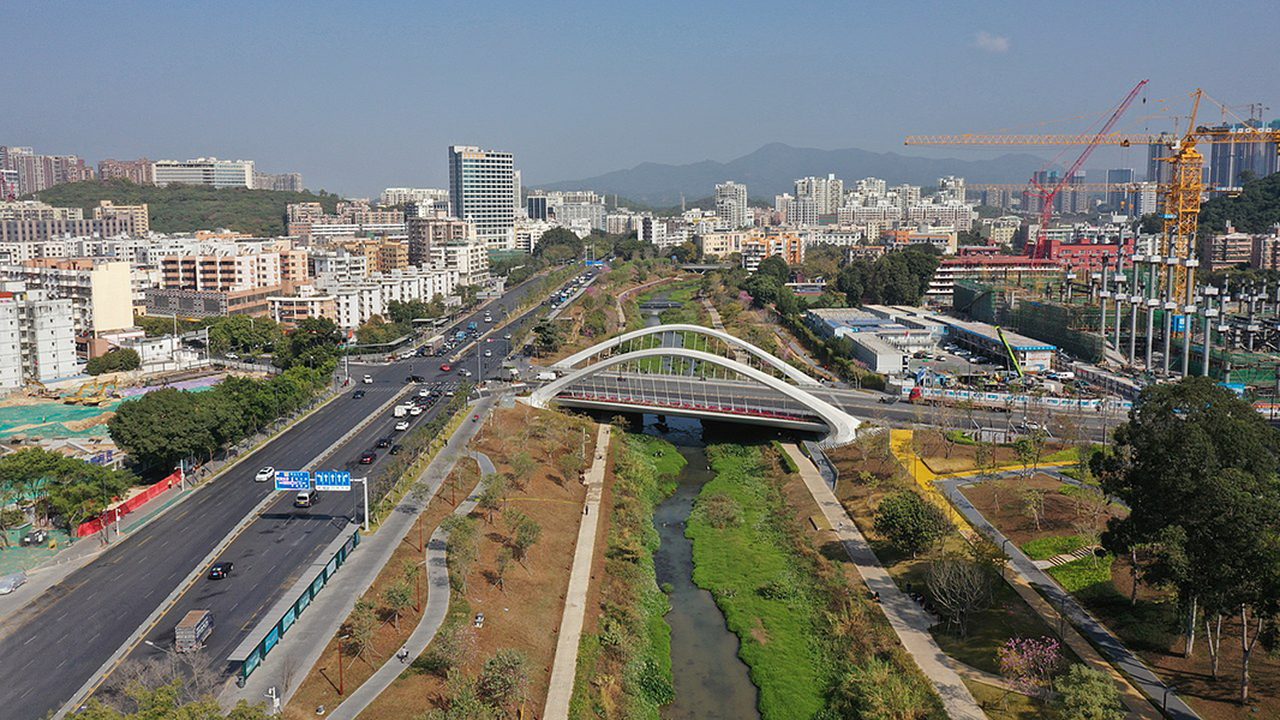
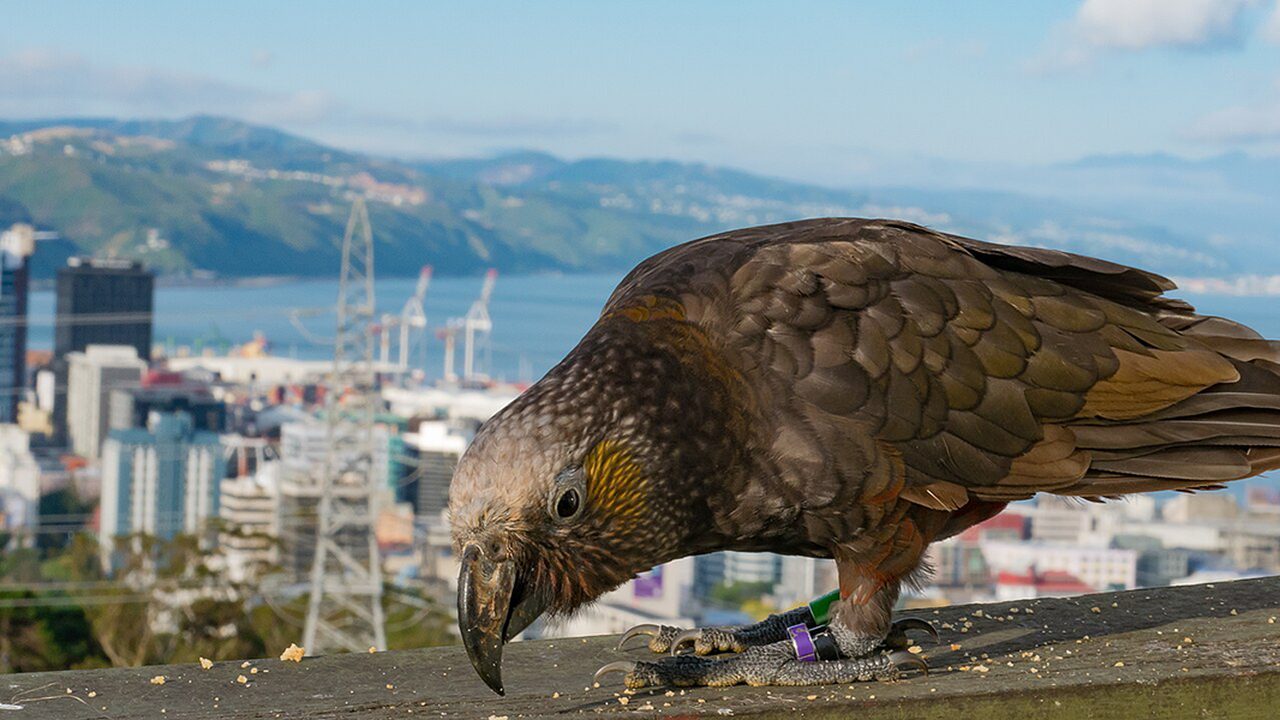
Urban wildlife sanctuaries
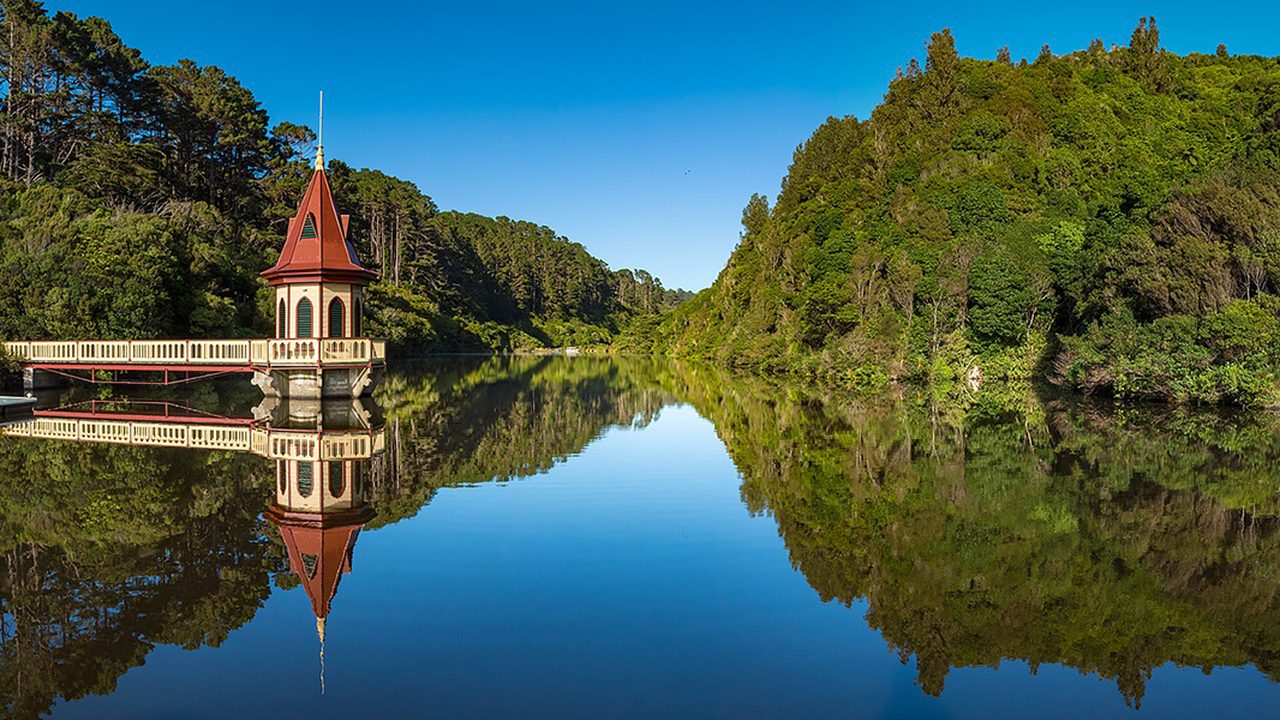
Definition
Introduced predator-managed or excluded areas within cities that provide secure habitat for Indigenous species otherwise unable to persist in urban environments. Urban wildlife sanctuaries are also sometimes called ecological islands.
What this strategy does
Creates protected habitat patches through introduced predator control, fencing, and habitat restoration, and supports dispersal into the surrounding urban matrix. Sustained threat management is required.
Context
In Aotearoa New Zealand, many native species evolved without mammalian predators and require intensive predator management to survive in cities, where invasive mammals are ubiquitous and ongoing pressure would otherwise prevent population recovery1.
Technical considerations
Design considerations
Patch configuration
- Prioritise configuration, context, and edge condition over patch size alone when selecting sanctuary sites, as these factors strongly influence ecological performance in urban settings2, 3.
Habitat structure & vegetation
- Restore complex, predominantly Indigenous vegetation using successional planting, enrichment, and attention to regeneration filters. Aim to maximise interior habitat and minimise edge effects through buffers and simplified boundaries4, 5.
Predator control and fencing
- Use predator-proof fencing or peninsula fencing where objectives include highly vulnerable taxa, enabling reintroductions and acting as source populations for the wider landscape1, 6, 7. Coordinate with broader pest control beyond the fence to support community-level recovery1, 6.
Target species framework
- Select a small number of target species from the regional species pool based on site habitat potential and full life-cycle requirements, and use these to inform spatial design and coexistence measures8, 9.
Bi-cultural design
- Embed mātauranga Māori and principles such as kaitiakitanga and ki uta ki tai to align ecological outcomes with cultural values and intergenerational wellbeing7, 10.
Implementation considerations
Design priority
- Plan sanctuaries as part of a core–buffer system, integrating fencing, habitat quality, and surrounding matrix management.
Key constraint
- Long-term predator control, weeding, monitoring, and funding are required; short-term interventions alone will likely be insufficient1.
Relevant tools or standards
- Regional pest management plans; council biodiversity strategies; NZ Biodiversity Assessment Framework11.
Issues & barriers
Invasive predators
- Populations of rats, possums, hedgehogs, cats, and mice persist even in high-quality green spaces, mean habitat enhancement alone rarely restores native fauna12, 13, 14.
Weed invasion
- The urban context means there is significant ongoing pressure driving weed invasion that needs to be controlled.
Patch quality and configuration
- Large amounts of urban green cover may still fail to meet minimum requirements for Indigenous fauna under climate change if spatial pattern and structure are poor2, 15.
Fragmentation and densification
- Low green-space provision in dense urban cores constrains opportunities for effective sanctuaries and corridors15, 16.
Policy and resourcing gaps
- Planning frameworks often protect only “significant” remnants and lack clear biodiversity performance thresholds or monitoring requirements17, 16.
Human–wildlife conflict
- Domestic cats and differing public attitudes to predators and “messy” habitats complicate implementation and acceptance18, 19.
Synergies & opportunities
- Climate change – Urban blue-green systems associated with sanctuaries moderate heat, manage stormwater, and improve water quality, contributing to climate adaptation and resilience20, 21, 22, 23.
- Human wellbeing – Exposure to birds and naturalistic green spaces is associated with improved mental wellbeing, recreation, education, and strengthened biocultural identity7, 24, 25, 26, 27.
- Empowerment – Community-initiated ecosanctuaries build local ownership, skills, and participation, and support socially just, mana whenua-led nature-based solutions10, 28, 7.
Financial case
Ecosystem services and performance value
- Long-term gains through avoided costs and co-benefits from biodiversity enhancement, climate regulation, recreation, and tourism.
Cost-effectiveness: Investment logic
- Well-designed biodiversity programmes in Aotearoa New Zealand have demonstrated benefit–cost ratios exceeding 100:1 in some contexts, indicating strong potential net social benefits29.
Monitoring & evaluation metrics
Core metric
- Native species richness, abundance, and occupancy for key taxa using the NZ Biodiversity Assessment Framework11.
Advanced or long-term metrics
- Recruitment of late-successional species and sensitive guilds as indicators of forest recovery5, 30.
- Predator indices (e.g. tracking tunnels, trap catch per unit effort)12, 1.
- Indigenous vegetation cover and habitat structure metrics31, 32.
- Visitor numbers and demographic access to assess social equity31, 33.
- Volunteer participation and citizen-science records supporting multi-taxa urban indices34, 35.
Additional resources or tools
- NUWAO – Urban wildlife sanctuaries. Overview of site assessment, habitat restoration, infrastructure, and long-term management.
- Conserving and Restoring Biodiversity in New Zealand Urban and Rural Environments (Manaaki Whenua). Practical guidance on habitat design, planting, and restoration.
- People, Places, Spaces: A design guide for urban New Zealand (MfE): Green structure and connectivity principles relevant to sanctuary networks.
- Te Aranga Māori Design Principles (Auckland Design Manual). Kaupapa-based principles supporting co-designed sanctuaries.
References
- Innes, J., et al. (2019). New Zealand ecosanctuaries: types, attributes and outcomes. Journal of the Royal Society of New Zealand, 49, 370–393. https://doi.org/10.1080/03036758.2019.1620297
- Rastandeh, A., Brown, D., & Zari, M. (2018). Site selection of urban wildlife sanctuaries for safeguarding indigenous biodiversity. Urban Forestry & Urban Greening, 32, 21–31. https://doi.org/10.1016/j.ufug.2018.03.019
- Rastandeh, A. (2018). Urban biodiversity in an era of climate change. Victoria University of Wellington. https://doi.org/10.26686/wgtn.17134823.v1
- Wallace, K., & Clarkson, B. (2019). Urban forest restoration ecology: a review from Hamilton, New Zealand. Journal of the Royal Society of New Zealand, 49, 347–369. https://doi.org/10.1080/03036758.2019.1637352
- Wallace, K., Clarkson, B., & Farnworth, B. (2022). Restoration trajectories and ecological thresholds during planted urban forest development. Forests, 13. https://doi.org/10.3390/f13020199
- Innes, J., et al. (2019). New Zealand ecosanctuaries. Journal of the Royal Society of New Zealand, 49, 370–393. https://doi.org/10.1080/03036758.2019.1620297
- Hatton, W., Marques, B., & McIntosh, J. (2020). Living with Nature: Tiaki Taiao, Tiaki Tangata – The case of Zealandia. Victoria University of Wellington. https://doi.org/10.26686/wgtn.12655766.v1
- Apfelbeck, B., et al. (2020). Designing wildlife-inclusive cities. Landscape and Urban Planning, 200, 103817. https://doi.org/10.1016/j.landurbplan.2020.103817
- Apfelbeck, B., et al. (2019). A conceptual framework for choosing target species. Sustainability, 11. https://doi.org/10.3390/su11246972
- Kiddle, G., et al. (2021). An Oceania urban design agenda. Sustainability, 13. https://doi.org/10.3390/su132212660
- McGlone, M., et al. (2020). Biodiversity monitoring and the NZ Biodiversity Assessment Framework. New Zealand Journal of Ecology, 44. https://doi.org/10.20417/nzjecol.44.17
- Miller, K., et al. (2022). Invasive urban mammalian predators. Biology, 11. https://doi.org/10.3390/biology11101527
- McGee, K. (2025). Assessing combined predator control and habitat enhancement on lizard persistence. Victoria University of Wellington. https://doi.org/10.26686/wgtn.28343549
- Kikillus, K., et al. (2017). Urban cat management in New Zealand. Pacific Conservation Biology, 23, 15–24. https://doi.org/10.1071/pc16022
- MacKinnon, M., Zari, P., & Brown, D. (2023). Improving urban habitat connectivity for native birds. Land, 12. https://doi.org/10.3390/land12071456
- Theis, J., et al. (2025). The New Zealand Biodiversity Factor – Residential. Land, 14. https://doi.org/10.3390/land14030526
- Varshney, K., et al. (2024). Biodiverse residential development in New Zealand. Urban Forestry & Urban Greening. https://doi.org/10.1016/j.ufug.2024.128276
- Van Heezik, Y., & Seddon, P. (2018). Animal reintroductions in peopled landscapes. Pacific Conservation Biology, 24, 349–359. https://doi.org/10.1071/pc18026
- Kikillus, K., et al. (2017). Urban cat management. Pacific Conservation Biology, 23, 15–24. https://doi.org/10.1071/pc16022
- Alikhani, S., Nummi, P., & Ojala, A. (2021). Urban wetlands: ecological and cultural values. Water, 13. https://doi.org/10.3390/w13223301
- Pandey, B., & Ghosh, A. (2023). Urban ecosystem services and climate change. Frontiers in Sustainable Cities. https://doi.org/10.3389/frsc.2023.1281430
- Macinnis-Ng, C., et al. (2021). Climate-change impacts in island systems. Frontiers in Ecology and the Environment. https://doi.org/10.1002/fee.2285
- Zittis, G., et al. (2025). Insular ecosystem services in peril. Climatic Change, 178. https://doi.org/10.1007/s10584-025-03961-0
- Hammoud, R., et al. (2022). Mental health benefits of birdlife. Scientific Reports, 12. https://doi.org/10.1038/s41598-022-20207-6
- Felappi, J., et al. (2024). Urban park qualities and wellbeing. Scientific Reports, 14. https://doi.org/10.1038/s41598-024-55357-2
- Vanhöfen, J., et al. (2025). Landscape characteristics and mental wellbeing. Scientific Reports, 15. https://doi.org/10.1038/s41598-025-88414-5
- Marques, B., et al. (2019). Bicultural landscapes and ecological restoration. Journal of Landscape Architecture, 14, 44–53. https://doi.org/10.1080/18626033.2019.1623545
- Mihaere, S., et al. (2024). Indigenous wellbeing in urban nature-based solutions. Frontiers in Environmental Science. https://doi.org/10.3389/fenvs.2024.1278235
- Yao, R., et al. (2019). Economic benefits of biodiversity enhancement. Ecosystem Services. https://doi.org/10.1016/j.ecoser.2019.100954
- Wallace, K., et al. (2022). Restoration trajectories. Forests, 13. https://doi.org/10.3390/f13020199
- Hand, K., et al. (2016). Fine-scale biodiversity assessment and social inequality. Landscape and Urban Planning, 151, 33–44. https://doi.org/10.1016/j.landurbplan.2016.03.002
- Van Heezik, Y., et al. (2023). Rapid biodiversity assessment for accreditation. Landscape and Urban Planning. https://doi.org/10.1016/j.landurbplan.2023.104682
- Martin, D., & Lyons, J. (2018). Monitoring social benefits of restoration. Restoration Ecology, 26. https://doi.org/10.1111/rec.12888
- Callaghan, C., et al. (2019). Citizen science to track restoration targets. Journal of Applied Ecology. https://doi.org/10.1111/1365-2664.13421
- Callaghan, C., et al. (2020). Opportunistic citizen science for urban biodiversity. Biological Conservation. https://doi.org/10.1016/j.biocon.2020.108753
RELATED DESIGN STRATEGIES //
Specific design interventions that support ecological health, habitat quality, and species diversity across urban and built environments.