Community gardens
SCALES / Neighbourhood
Definition
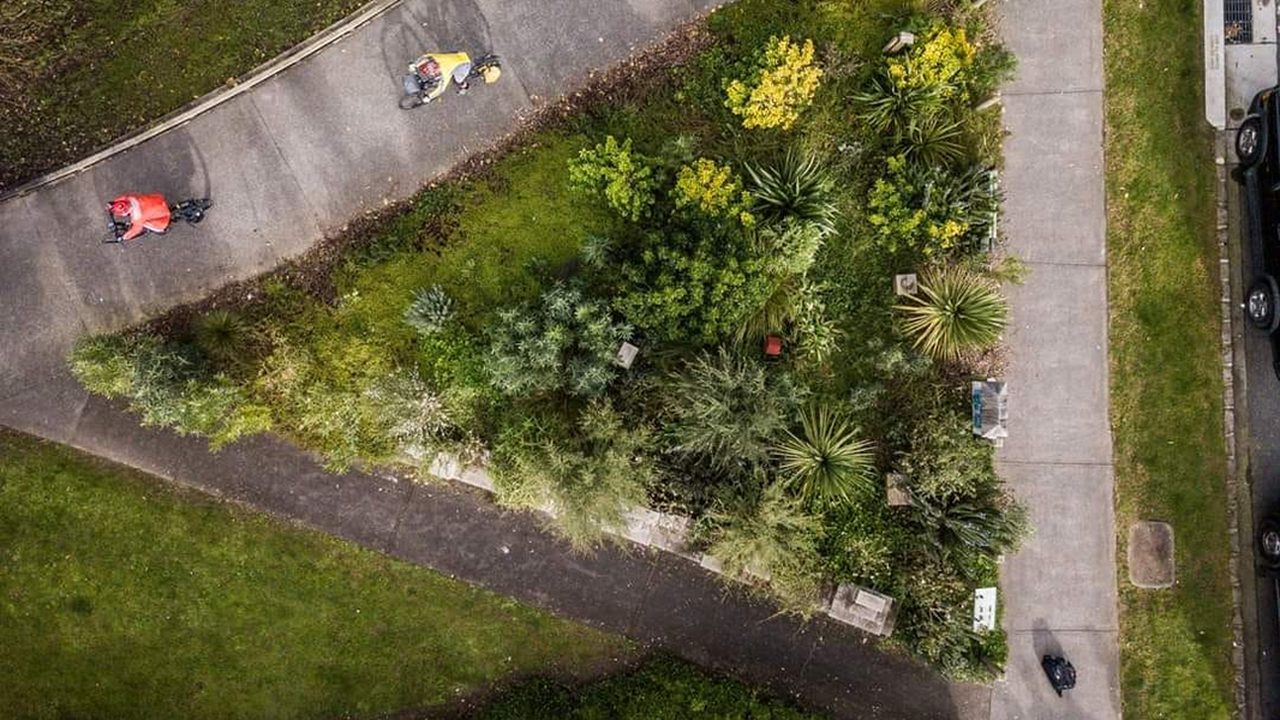
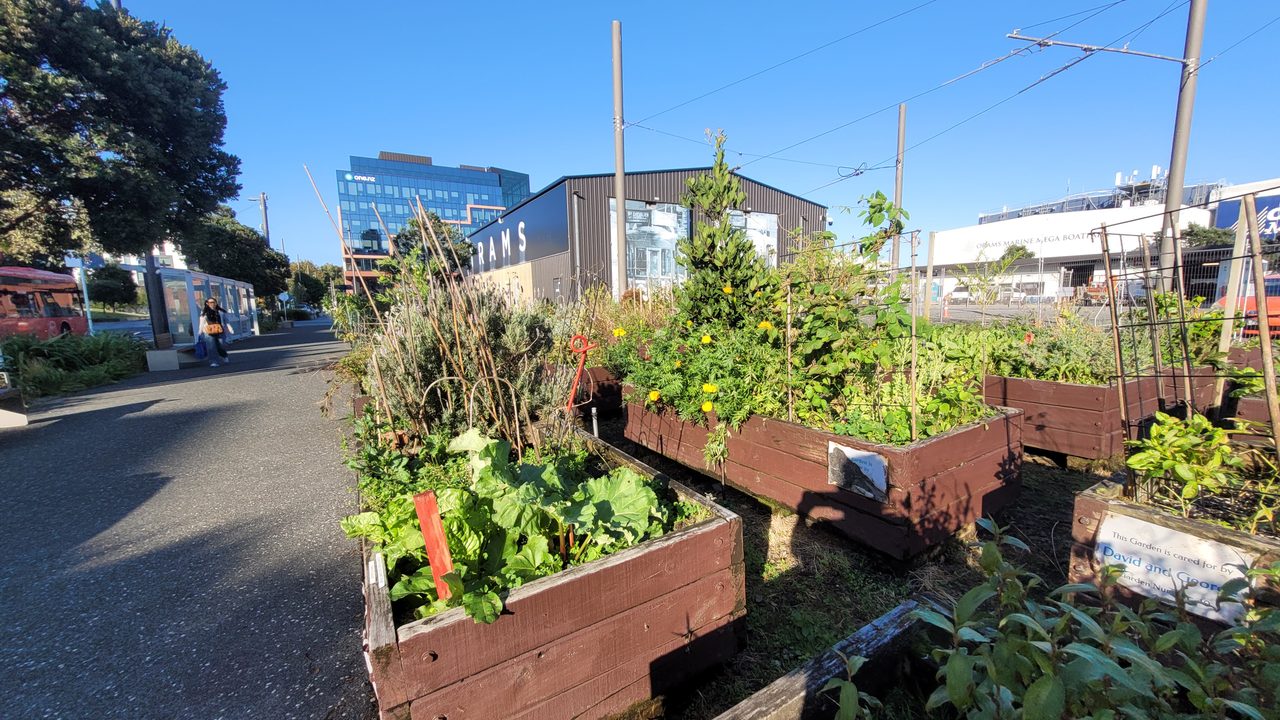
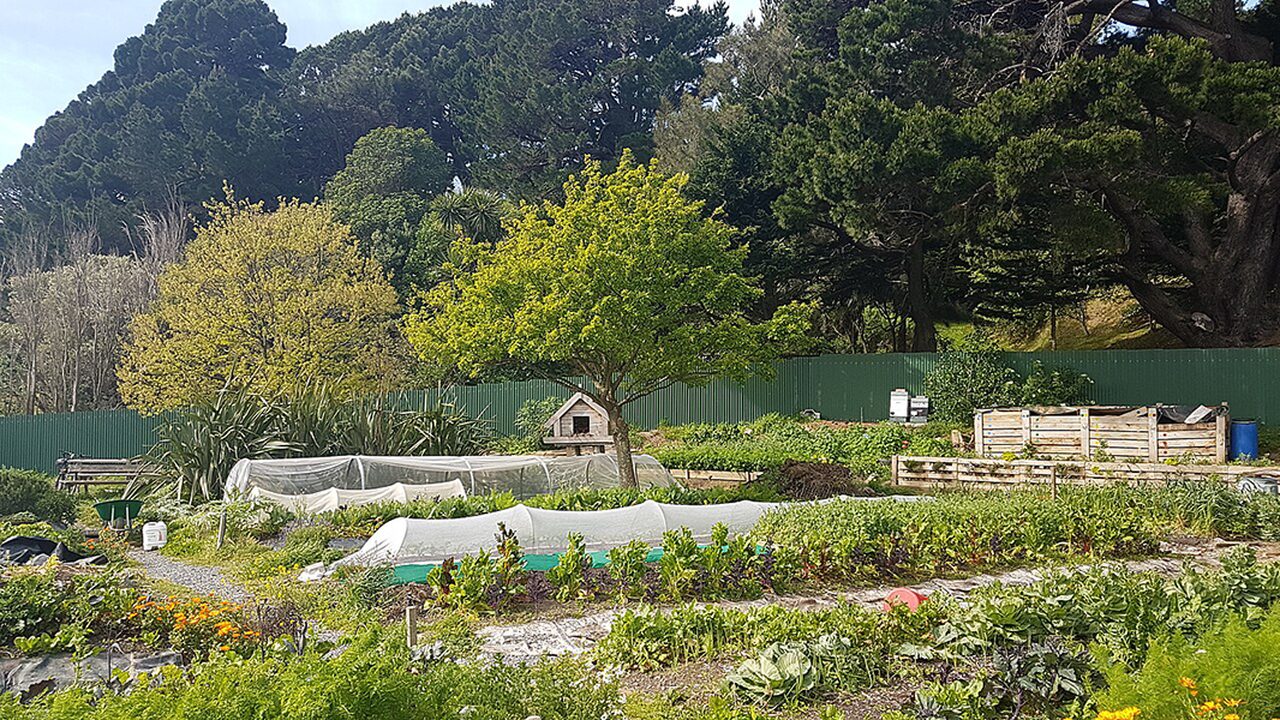
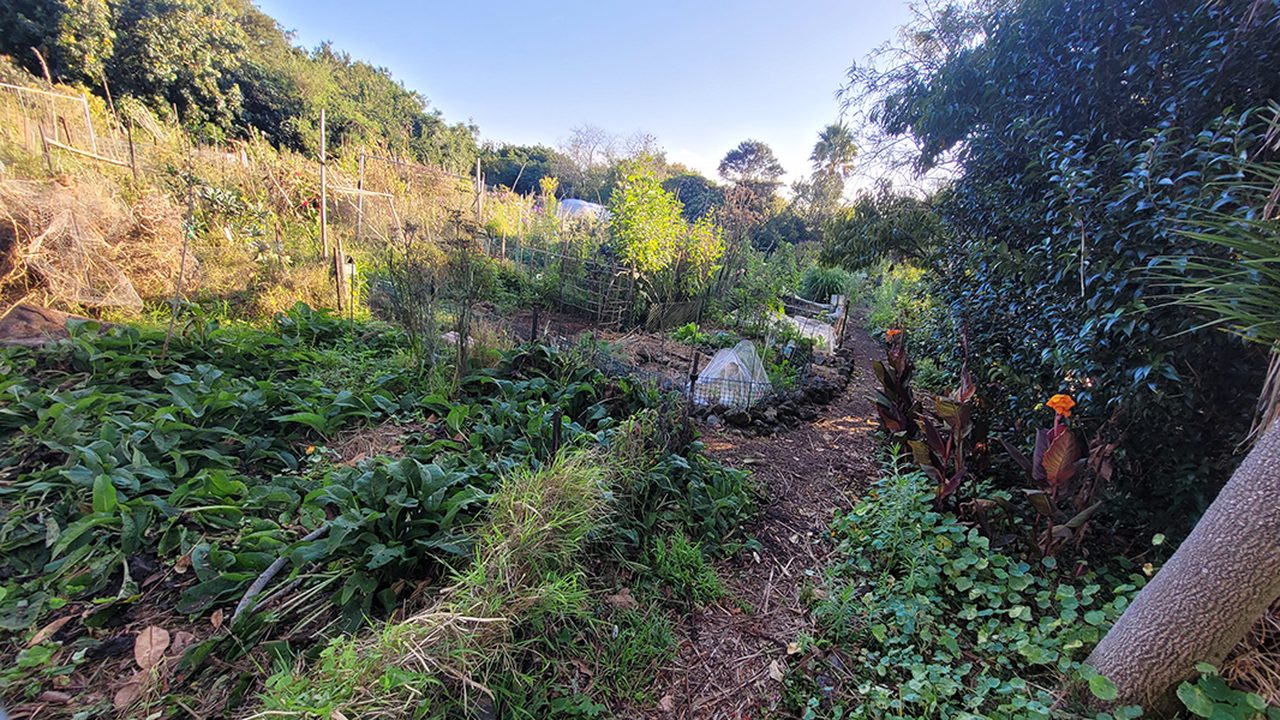
Shared, collectively managed green spaces that integrate food production and habitat features to support urban biodiversity.
What this strategy does
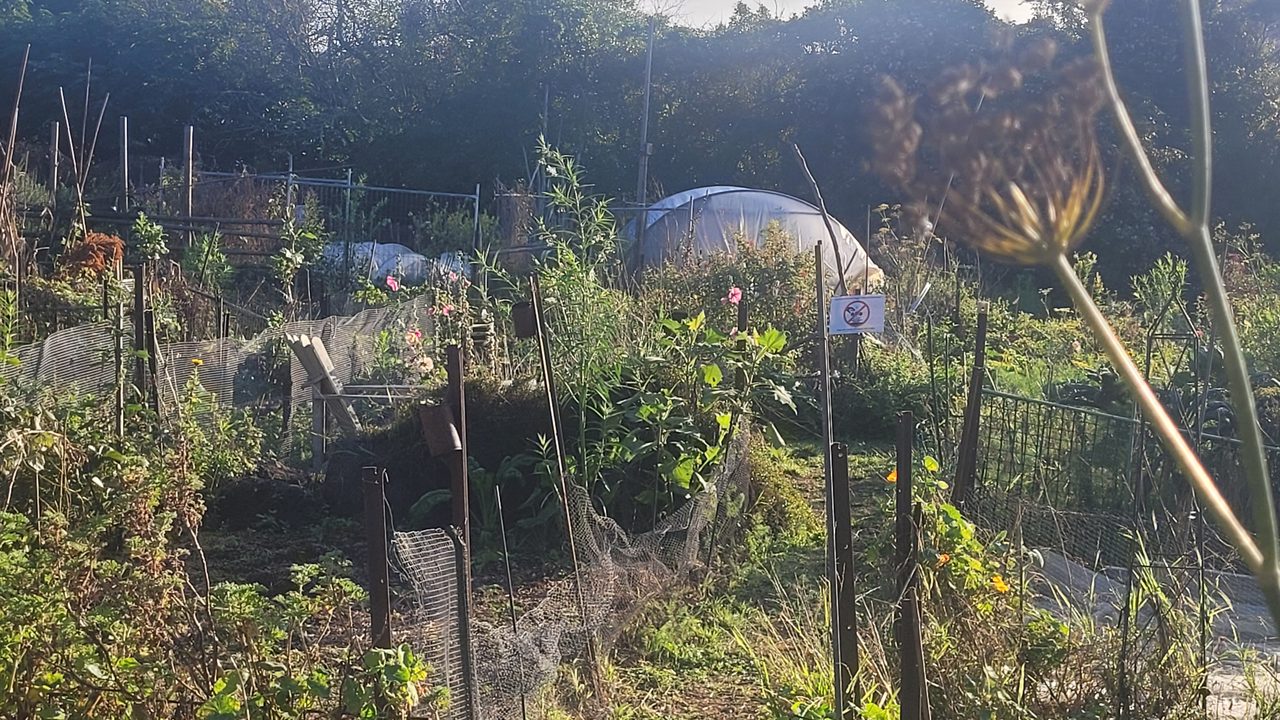
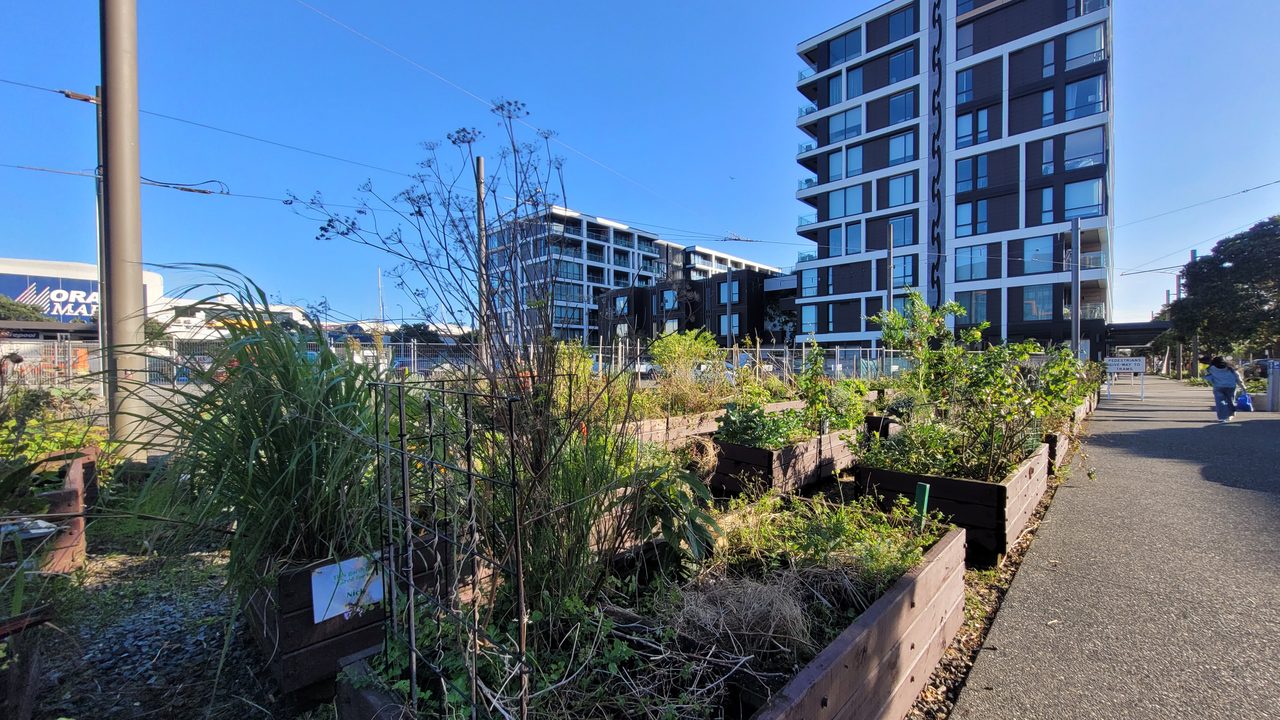
Provides small-scale, fine-grained habitat within neighbourhoods while supporting social participation and food growing. Avoids single-use, ornamental-only planting and short-term temporary installations.
Context
In Aotearoa New Zealand cities, community gardens frequently occupy fragmented or low-value land but can contribute meaningfully to urban biodiversity when designed and managed for ecological function rather than solely production or amenity1.
Technical considerations
Design considerations
Plant diversity
- Use structurally and functionally diverse planting (native and non-invasive exotic) to support multiple taxa and seasonal resources1, 2.
Habitat features
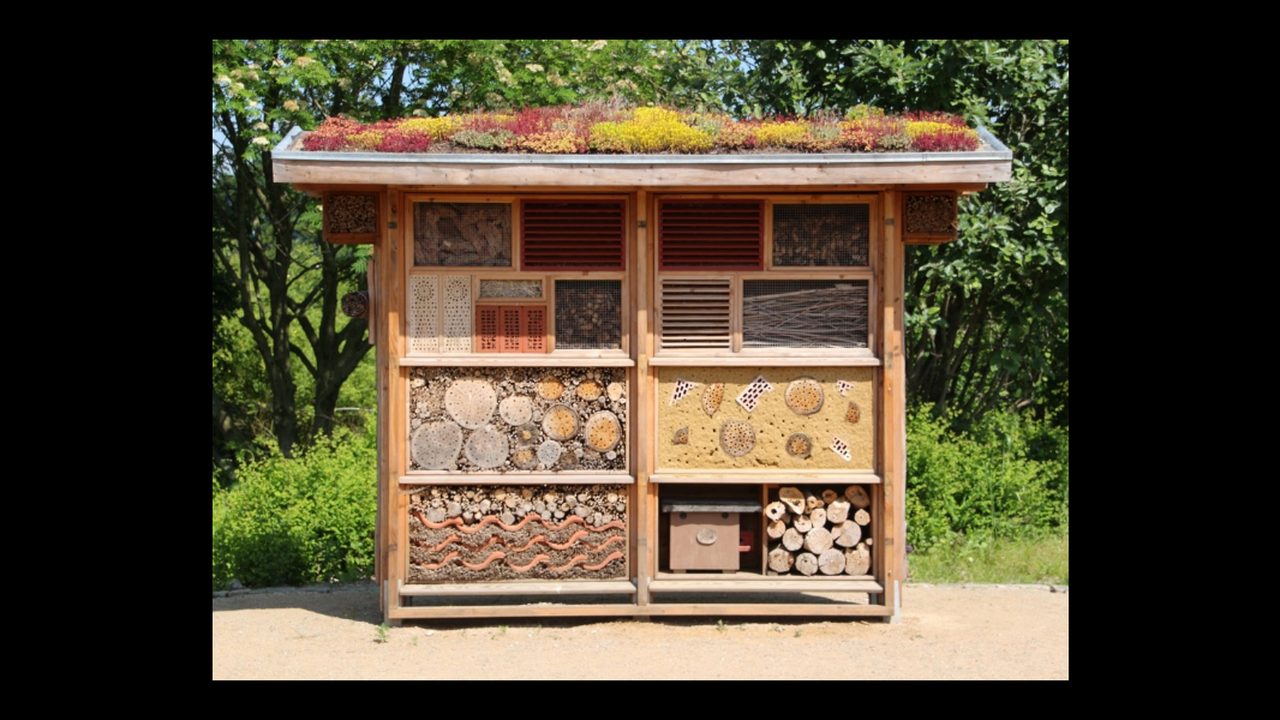
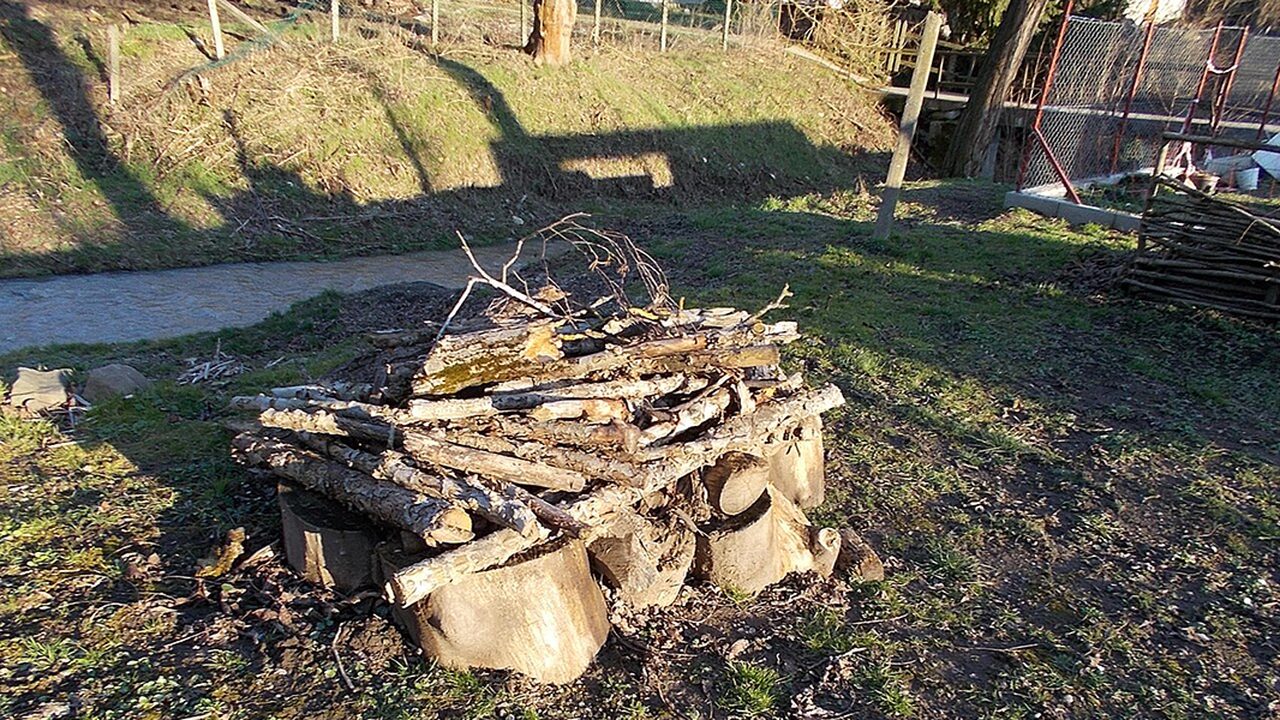
- Integrate logs, coarse woody debris, varied vegetation layers, and undisturbed soil zones to increase habitat complexity3.
Spatial permeability
- Limit impervious surfaces that restrict soil processes4.
Landscape context
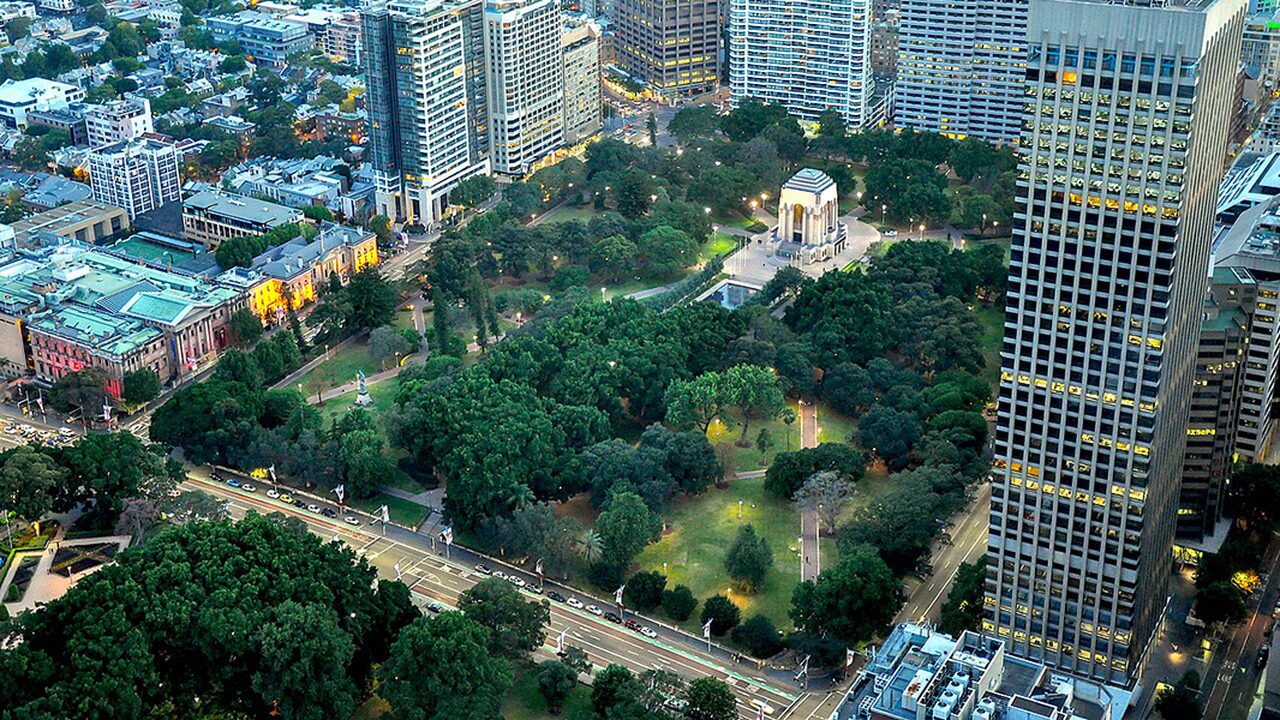
- Locate gardens to complement nearby green spaces or corridors to increase ecological value beyond the site4, 5.
Implementation considerations
Design priority
- Plan gardens for long-term use, perennial planting, and ecological stewardship rather than short-term yield only1.
Key constraint
- Land tenure insecurity reduces willingness to invest in long-lived habitat features1.
Relevant tools or standards
- Local council community garden guidelines and urban greening frameworks.
Issues & barriers
Insecure land tenure
- Temporary or informal garden status discourages investment in habitat features with long establishment periods1.
Competing objectives
- Food production, aesthetics, and safety concerns may conflict with biodiversity-supportive practices2.
Knowledge gaps
- Limited ecological guidance for gardeners can reduce biodiversity outcomes2.
Synergies & opportunities
- Human wellbeing – Regular participation is associated with improved wellbeing and social connection6.
- Empowerment – Collective management builds local capacity and stewardship6.
- Food security – Gardens can supplement household food supply, though benefits vary by context7.
Financial case
Ecosystem services & performance value
Cost-effectiveness: Investment logic
- Low-cost interventions embedded within existing land uses can deliver multiple co-benefits when tenure is secure1.
Monitoring & evaluation metrics
Core metric
- Plant species richness and structural diversity across growing seasons3.
Advanced or long-term metric
- Soil biological indicators (e.g. soil fauna presence, organic matter trends)3.
Additional resources or tools
- WSP Urban Greening Tool. Evaluates green infrastructure integration
- NZ Plant Conservation Network. Native plant identification and species lists
- iNaturalist NZ. Citizen science biodiversity recording
- Kai Growing Spaces. Auckland Council resource
References
- Philpott, S.M., Bichier, P., Perez, G.E., Jha, S., Liere, H. & Lin, B.B. (2023). Land tenure security and luxury support plant species and trait diversity in urban community gardens. Frontiers in Sustainable Food Systems.
- van Heezik, Y., Dickinson, K.J.M. & Freeman, C. (2012). Closing the gap: communicating to change gardening practices in support of native biodiversity in urban private gardens. Ecology and Society, 17(1).
- Tresch, S., Frey, D., Bayon, R.L., et al. (2019). Direct and indirect effects of urban gardening on above- and below-ground diversity influencing soil multifunctionality. Scientific Reports, 9.
- Goddard, M.A., Dougill, A.J. & Benton, T.G. (2010). Scaling up from gardens: biodiversity conservation in urban environments. Trends in Ecology & Evolution, 25(2), 90–98.
- Garrard, G.E., Williams, N.S.G., Mata, L., Thomas, J. & Bekessy, S.A. (2018). Biodiversity sensitive urban design. Conservation Letters, 11.
- Egli, V., Oliver, M. & Tautolo, E.S. (2016). The development of a model of community garden benefits to wellbeing. Preventive Medicine Reports, 3, 348–352.
- Lin, B.B., Bichier, P., Liere, H., Egerer, M.H., Philpott, S.M. & Jha, S. (2024). Community gardens support high levels of food production, but benefit distribution is uneven. Sustainability Science.
RELATED DESIGN STRATEGIES //
Specific design interventions that support ecological health, habitat quality, and species diversity across urban and built environments.