Living stabilisation systems
Definition
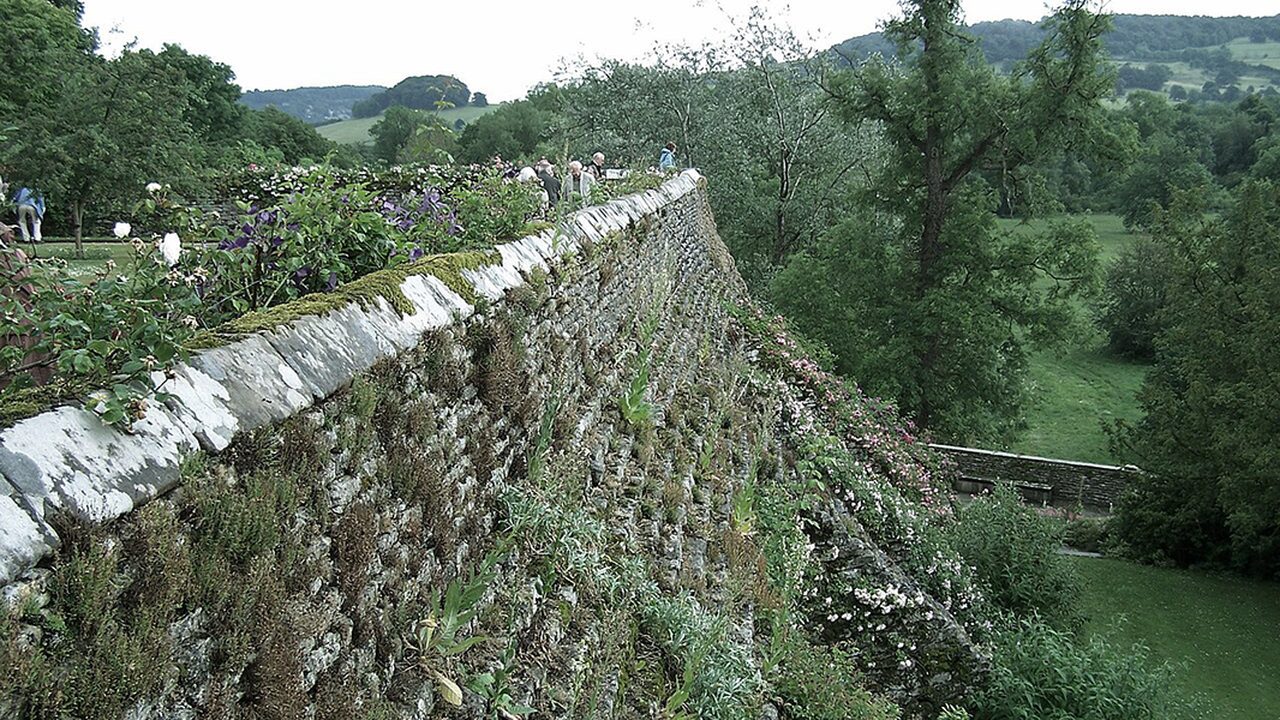
Living stabilisation systems are bioengineered walls and slopes that integrate vegetation and natural materials into retaining, shoreline, and slope infrastructure to reinforce soils while providing ecological function. Examples include vegetated retaining walls, planted crib walls, living crib walls using live stakes (sticks that will take root), brush mattresses, and living shorelines.
What this strategy does
This strategy combines engineered structural systems with living plant material to reduce erosion, improve slope stability, and introduce habitat into otherwise hard or low-complexity surfaces. It avoids purely ornamental planting that does not contribute to long-term structural or ecological performance.
Context (Aotearoa New Zealand)
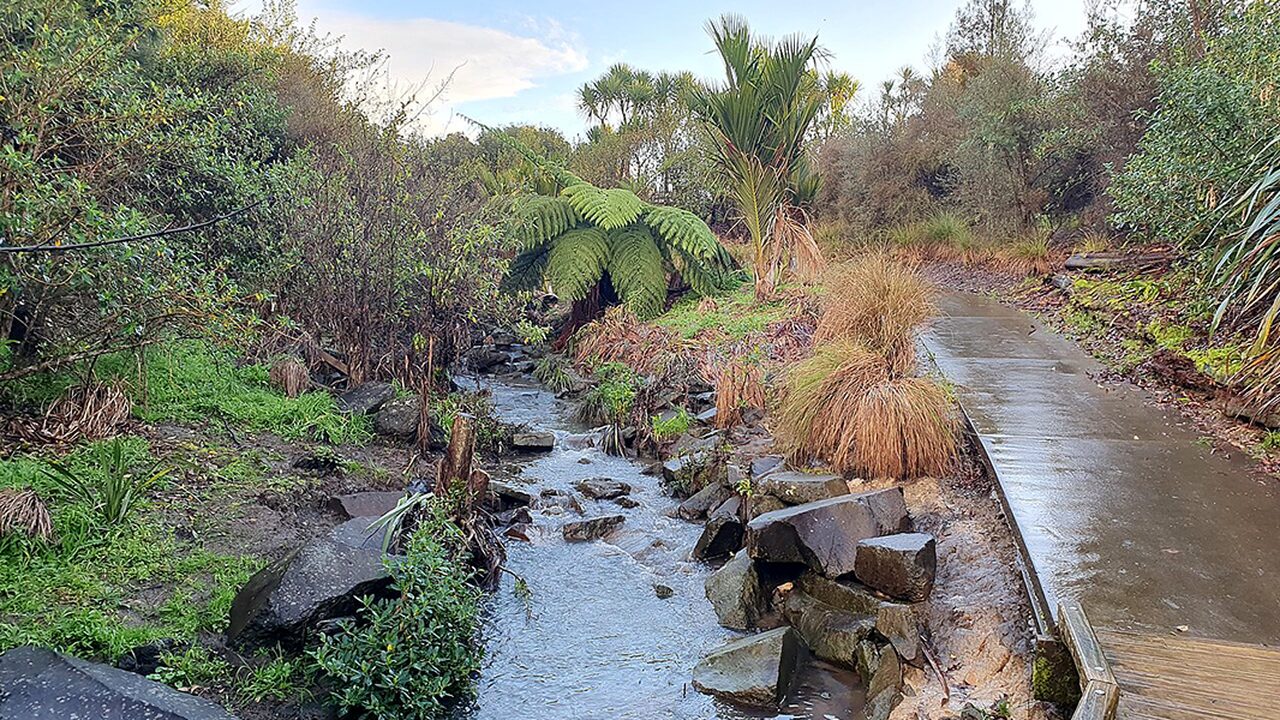
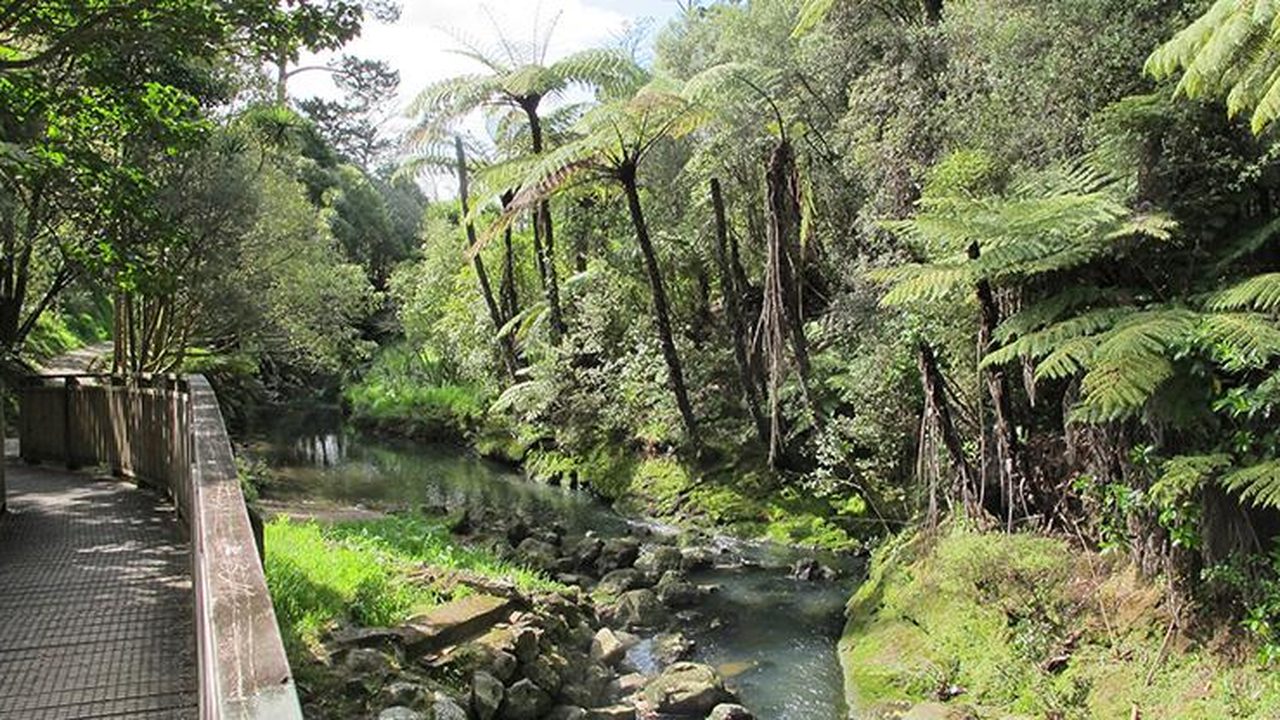
In Aotearoa New Zealand, urban slopes, stream banks, and coastlines are frequently stabilised using hard engineering approaches that provide limited ecological value. Bioengineered solutions are increasingly relevant where space is constrained, and climate-driven erosion, flooding, and coastal stressors are intensifying.1, 2
Technical considerations
Design considerations
Vegetation selection
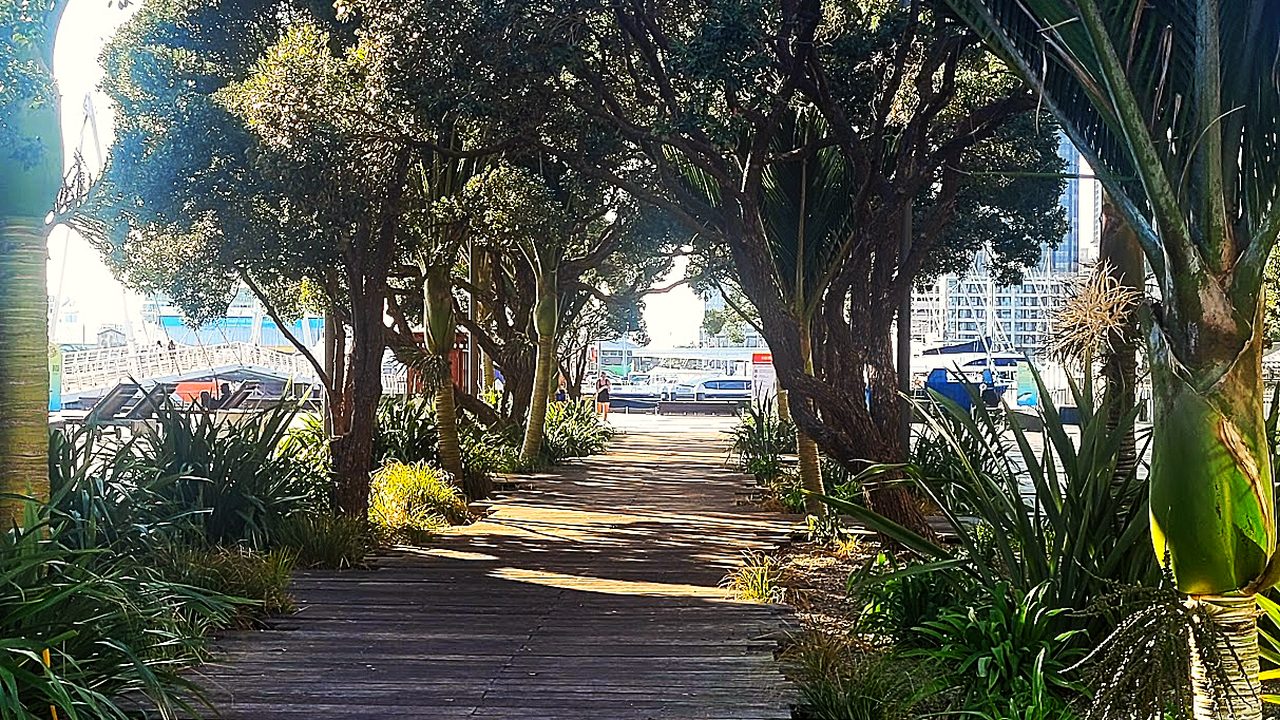
- Select locally appropriate native species matched to slope angle, substrate depth, moisture regime, and exposure to improve establishment success and long-term resilience.1, 3
Structural and surface complexity
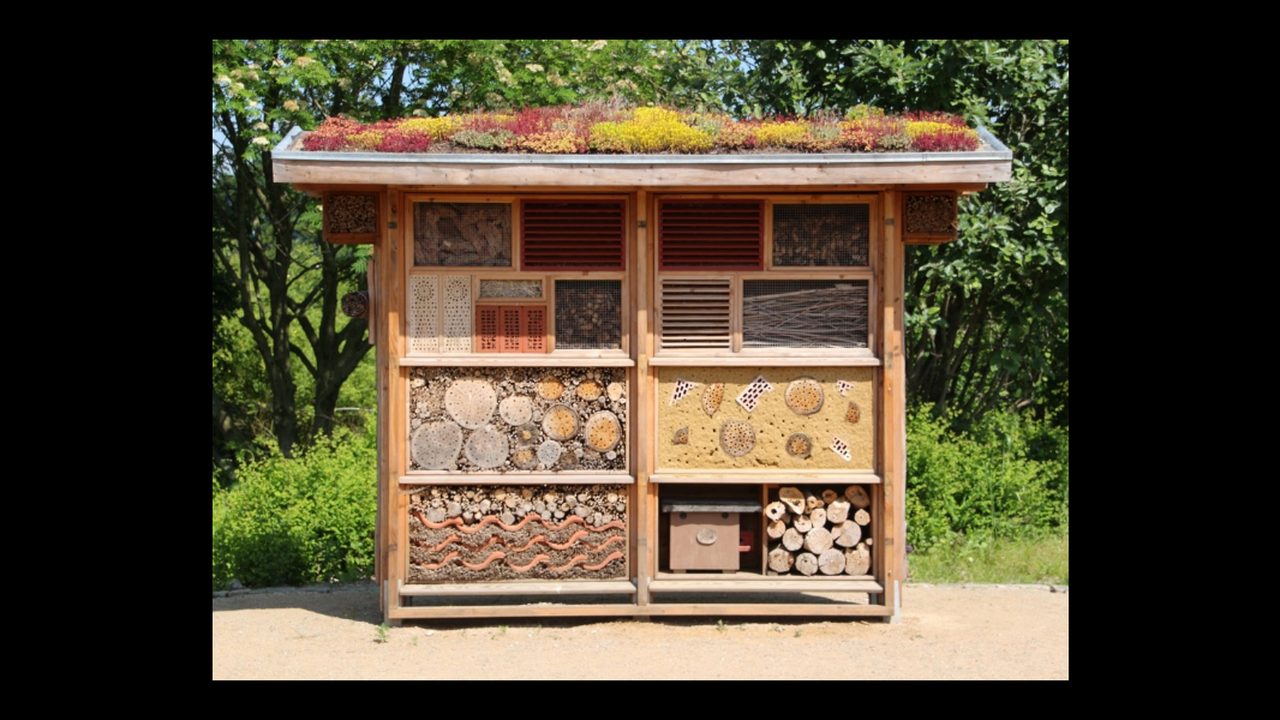
- Incorporate ledges, crevices, open joints, rough textures, varied substrates, or biodiversity tiles to increase habitat availability and improve the ecological performance of engineered surfaces.4, 5, 6
Vertical layering
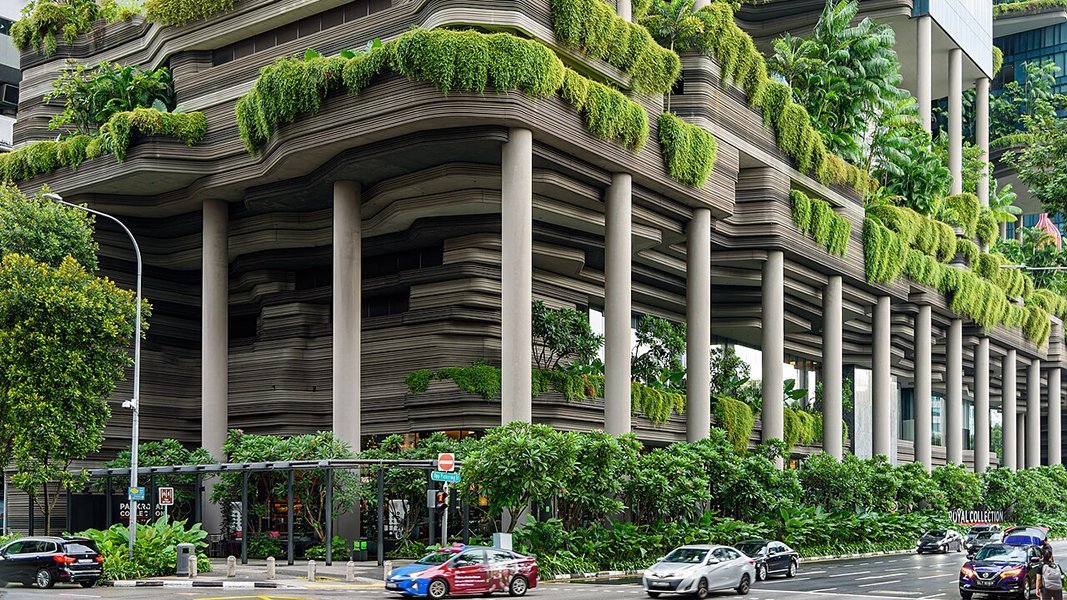
- Where space allows, provide multiple vegetation layers (groundcover, shrubs, small trees) to support a wider range of species and microclimates.3
Coastal applications
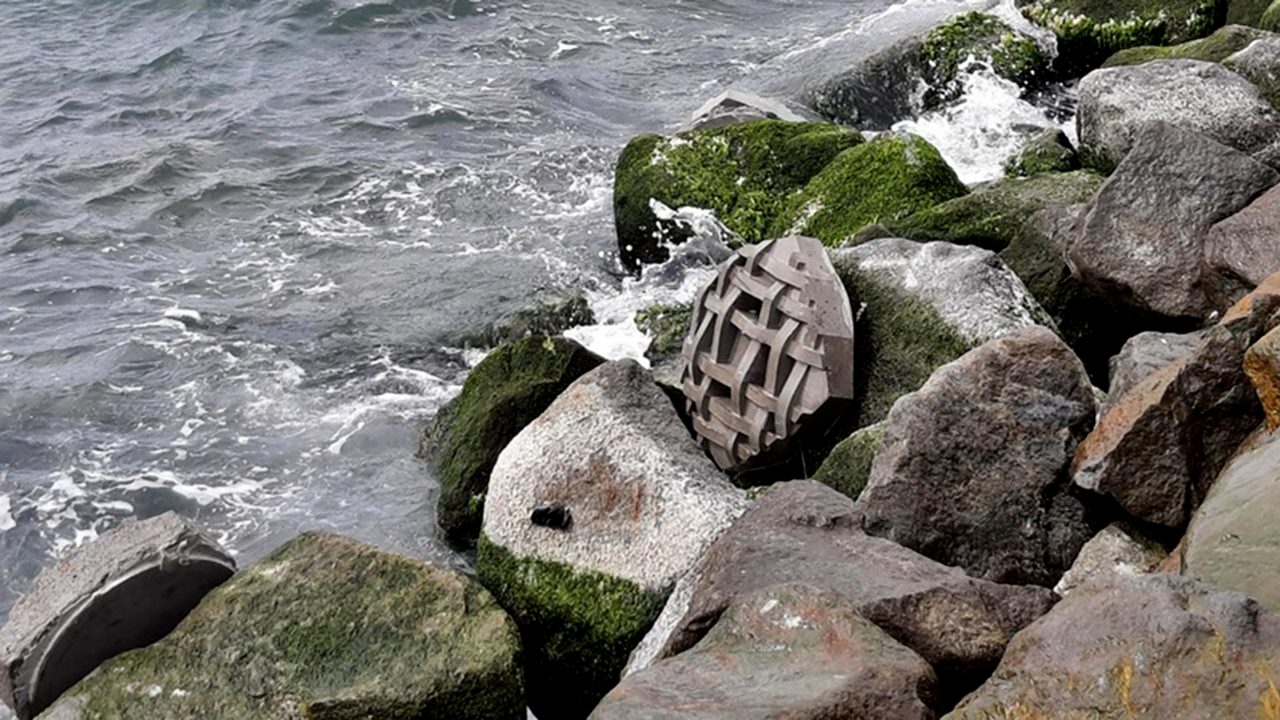
- For shoreline and marine walls, integrate water-retaining features and textured surfaces to reduce thermal and desiccation stress and better mimic natural rocky shore habitats.6, 7 These conditions can sometimes be retrofitted onto existing hard surfaces and are called biodiversity tiles.
Implementation considerations
Substrate and growing media
- Provide enough soil depth and moisture retention to support long-term plant survival and invertebrate communities on engineered structures.4, 5 Where appropriate, use live stakes on slopes to improve stabilisation as roots establish or planted crib walls.
Bioengineering materials
- Use durable natural fibres (e.g. coir-based systems) in live crib walls and brush mattresses to improve plant establishment and structural performance, particularly under flood stress.8 For seawall biodiversity tiles these can be cast from concrete or 3D printed.
Environmental stressors
- Design responses must be tailored to dominant site pressures such as wave energy, flooding, desiccation, or temperature extremes. Generic complexity without stress-specific design can limit performance.6, 7
Dynamic systems
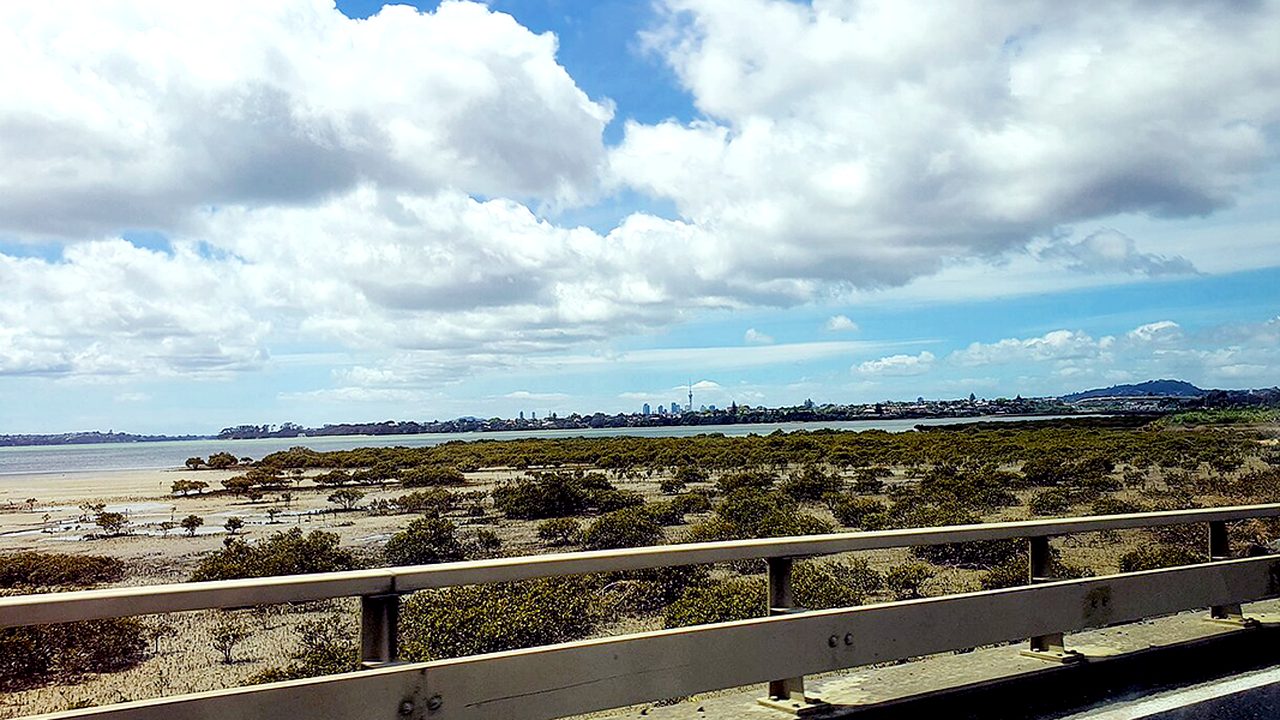
- Living shoreline designs should accommodate sediment movement and, where feasible, allow landward migration to maintain function under sea-level rise.9
Issues & barriers
Ecological performance risk
- Poorly designed bioengineered walls may support lower biodiversity than natural reference habitats if moisture, complexity, or species requirements are not adequately addressed.4, 6
Structural and maintenance risk
- Vegetated crib walls and brush mattresses can fail during extreme flood events if not properly engineered, creating downstream blockages or asset damage.8, 10
Policy and consenting constraints
- Planning and coastal management frameworks may favour hard engineering solutions, creating approval barriers for living shoreline approaches.11, 12
Synergies & opportunities
- Climate change – Improves adaptive capacity to erosion, flooding, and extreme weather while maintaining ecosystem function.2, 9
- Human wellbeing – Enhances visual amenity and everyday exposure to vegetation in dense urban environments.3
Financial case
Erosion and risk reduction
- Vegetated slopes and shorelines reduce erosion and landslide risk, lowering long-term infrastructure repair and disaster response costs.2, 15
Cost-effectiveness: Lifecycle value
- When appropriately designed, nature-based stabilisation systems can deliver multiple services such as stability, habitat, and amenity, with lower whole-of-life costs than single-purpose hard infrastructure.15, 16
Monitoring & evaluation metrics
Core metric
- Vegetation or animal survival, structural integrity, and erosion rates can be assessed through repeat site inspections, particularly after storm events.17, 18
Advanced metric
- Biodiversity response can be measured through plant diversity, invertebrate presence, and species use of vegetated structures or coastal biodiversity tiles.3, 13
Additional resources or tools
- MBIE – Retaining walls guidance. Guidance on retaining wall design and Building Code requirements.
- Ministry for the Environment – Coastal hazards and climate change guidance. Adaptive planning guidance for erosion-prone and coastal environments.
References
- Jang, J., & Woo, S. (2022). Native trees as a provider of vital urban ecosystem services in urbanising New Zealand. Land.
- Sudmeier-Rieux, K., et al. (2021). Scientific evidence for ecosystem-based disaster risk reduction. Nature Sustainability, 4, 803–810.
- Wallace, K., & Clarkson, B. (2019). Urban forest restoration ecology: A review from Hamilton, New Zealand. Journal of the Royal Society of New Zealand, 49, 347–369.
- Mayrand, F., & Clergeau, P. (2018). Green roofs and green walls for biodiversity conservation. Sustainability, 10, 985.
- Francis, R. (2011). Wall ecology: A frontier for urban biodiversity. Progress in Physical Geography, 35, 43–63.
- Bishop, M., et al. (2022). Complexity–biodiversity relationships on marine urban structures. Philosophical Transactions of the Royal Society B, 377.
- Strain, E., et al. (2018). Eco-engineering urban infrastructure for marine biodiversity. Journal of Applied Ecology, 55, 426–441.
- Sorolla, A., et al. (2021). Improvement of plantation success in a crib wall under hydro-meteorological risk. Sustainability.
- Mitchell, M., & Bilkovic, D. (2019). Dynamic design for climate-resilient living shorelines. Journal of Applied Ecology.
- Acharya, M. (2018). Analytical approach to design vegetative crib walls. Geotechnical and Geological Engineering, 36, 483–496.
- Firth, L., et al. (2020). Greening of grey infrastructure should not facilitate coastal development. Journal of Applied Ecology.
- Martin, S., et al. (2024). Reducing barriers to living shorelines. Oceanography.
- Filazzola, A., et al. (2019). The contribution of constructed green infrastructure to urban biodiversity. Journal of Applied Ecology.
- Ommer, J., et al. (2022). Co-benefits of nature-based solutions for disaster risk reduction. International Journal of Disaster Risk Reduction.
- Daigneault, A., et al. (2017). Is riparian restoration value for money in New Zealand? Journal of Environmental Management, 187, 166–177.
- Spiekermann, R., et al. (2021). Influence of individual trees on slope stability. Journal of Environmental Management, 286.
- Phillips, C., et al. (2023). Tree root research in New Zealand. New Zealand Journal of Forestry Science.
- Smith, C., et al. (2018). Living shorelines enhance saltmarsh resilience. Ecological Applications, 28, 871–877.
RELATED DESIGN STRATEGIES //
Specific design interventions that support ecological health, habitat quality, and species diversity across urban and built environments.