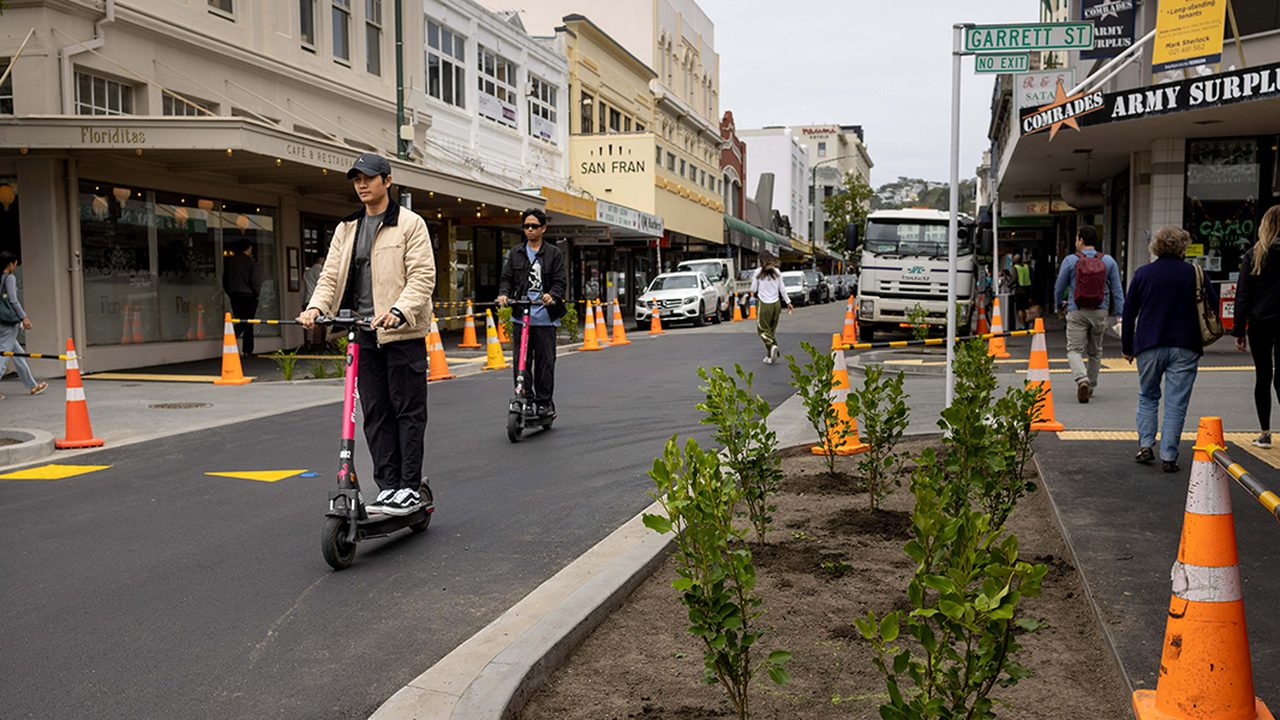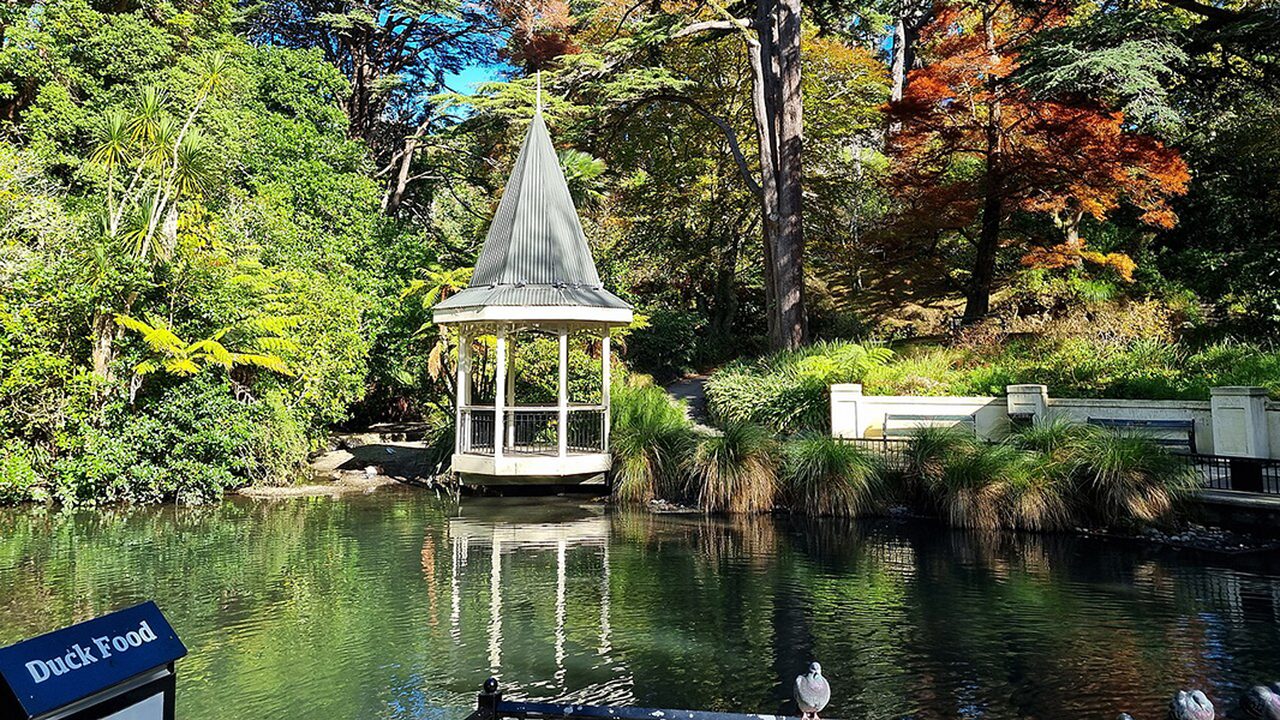
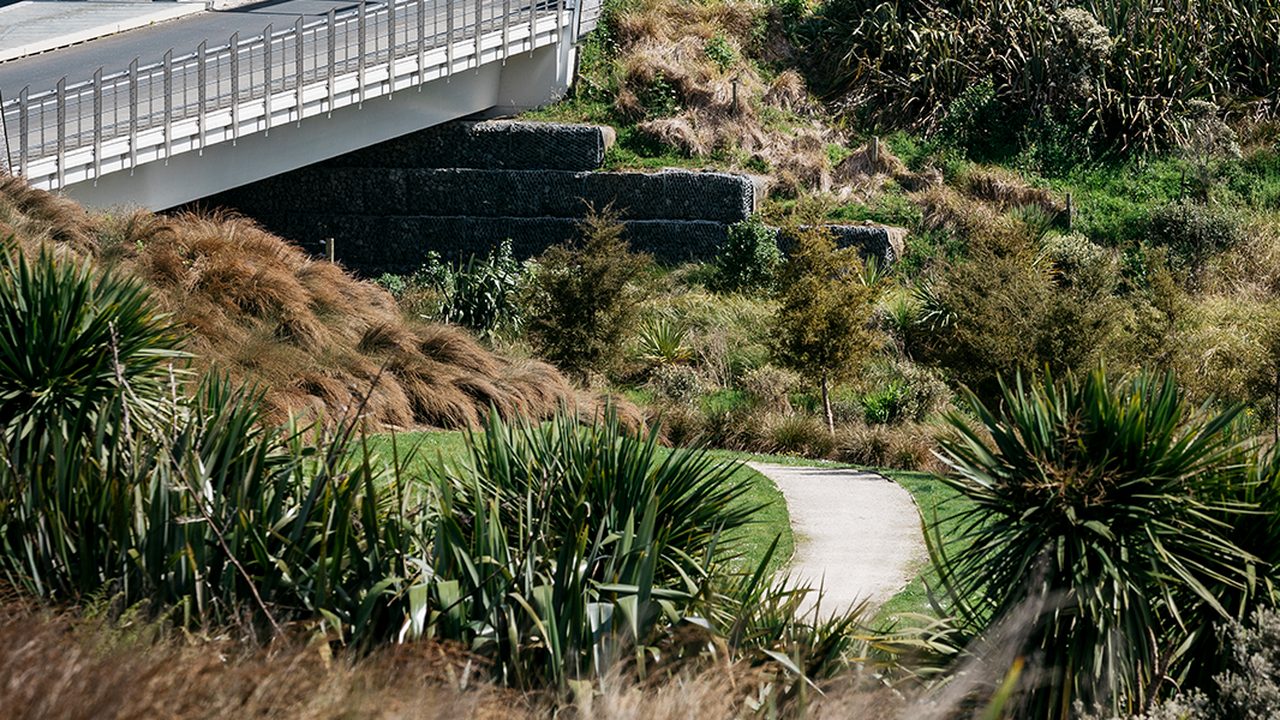
Stormwater planters
SCALES / Site scale
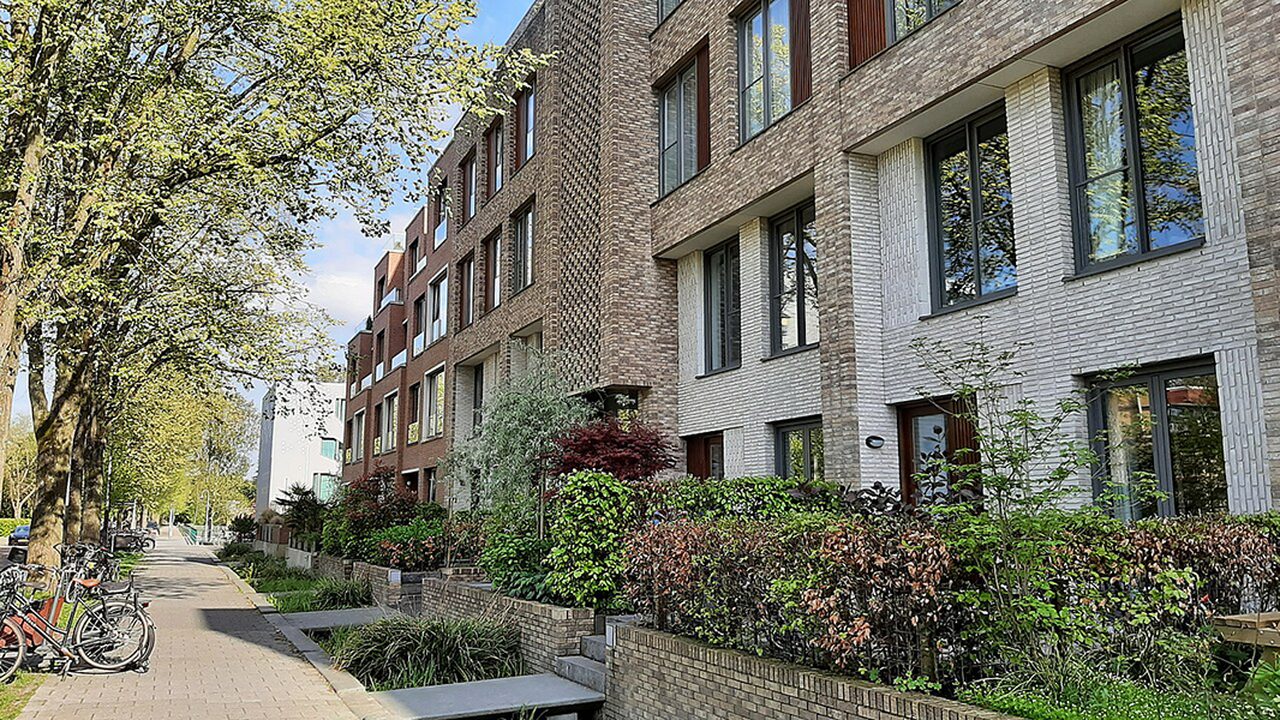
Definition
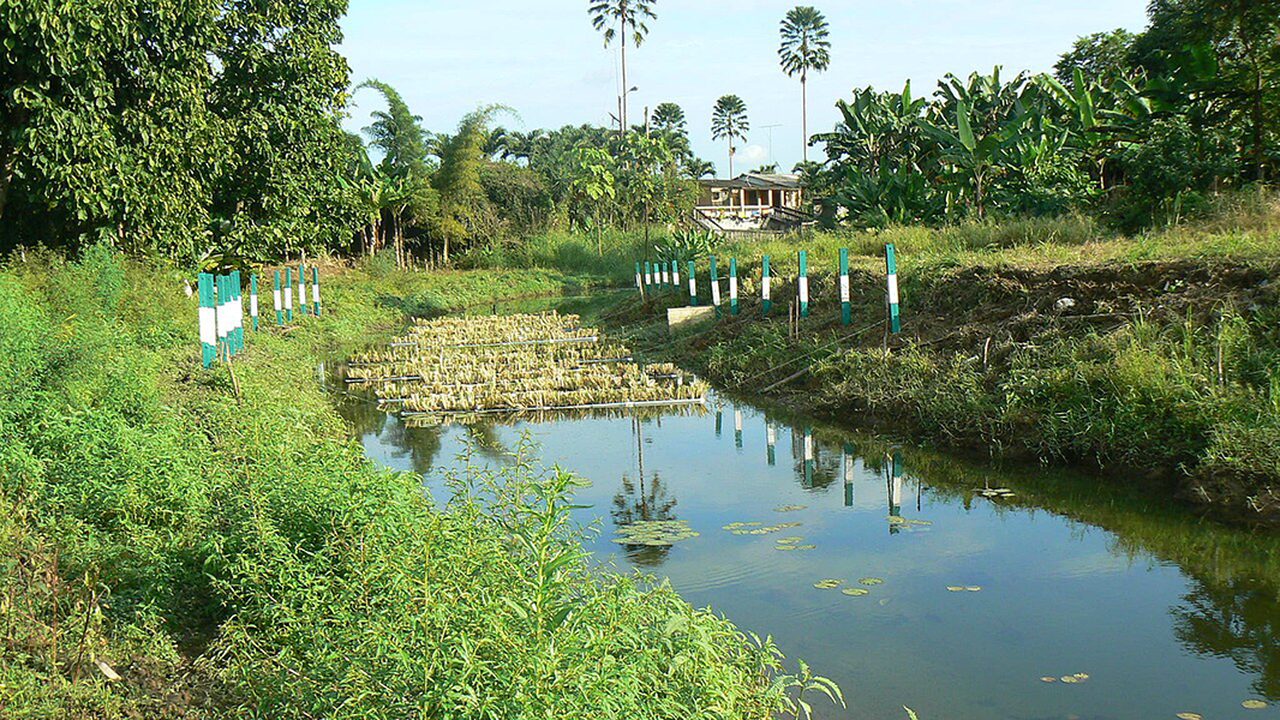
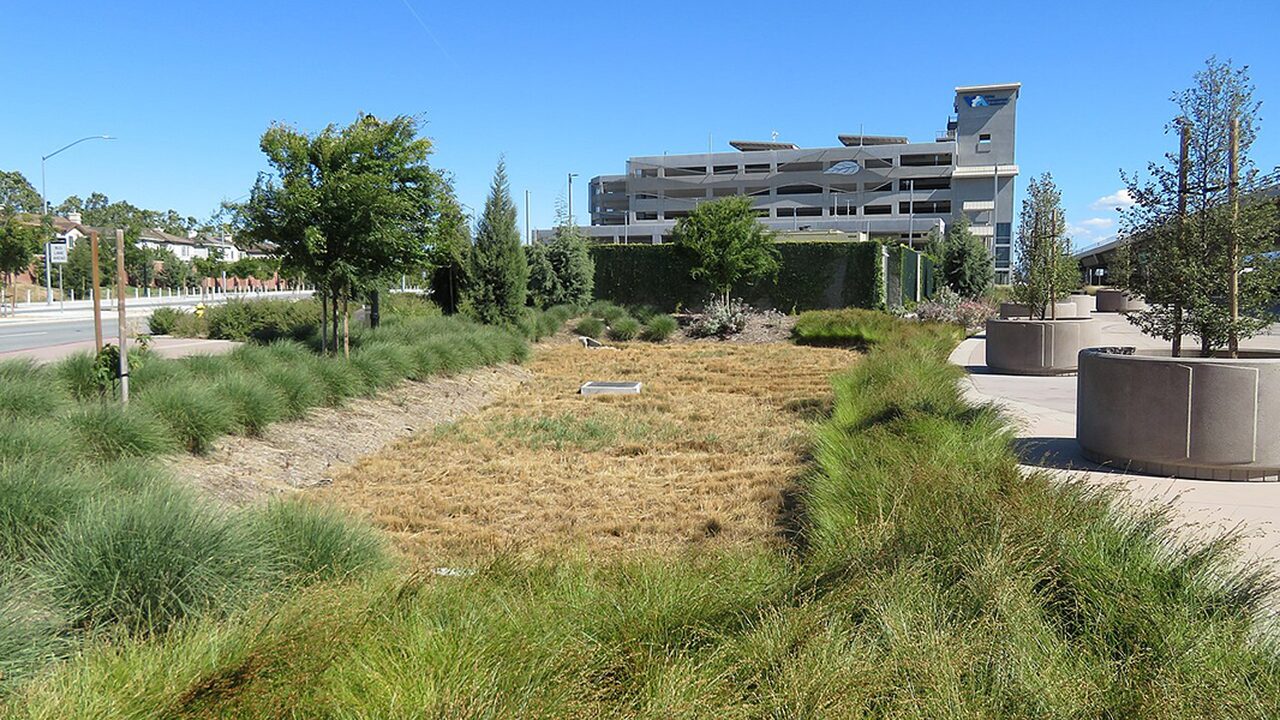
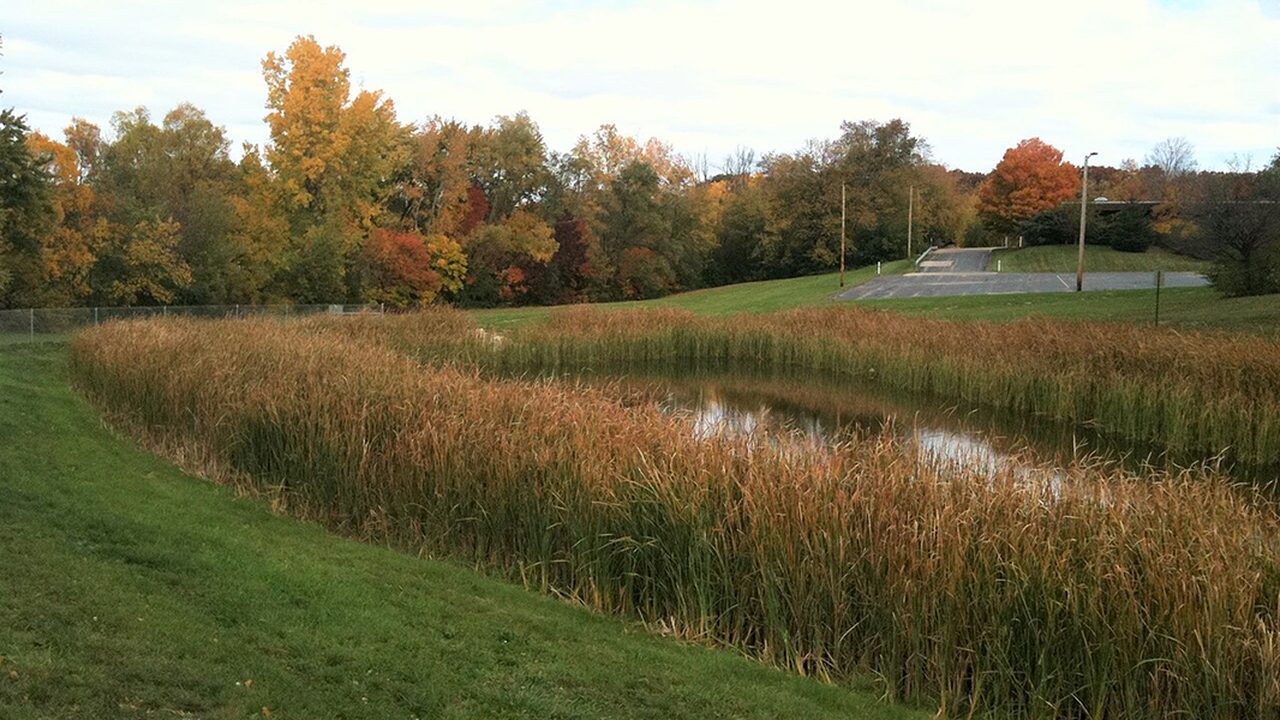
Stormwater planters are engineered green infrastructure systems that intercept, filter, and temporarily store urban runoff using planted soil media.
What this strategy does
Treats stormwater at source while providing small, distributed habitat patches integrated into streets and developments. Avoids reliance on purely grey conveyance systems.
Context
In highly impervious urban environments, stormwater planters provide a space-efficient method to manage runoff and improve ecological performance where land availability and underground services constrain larger systems.
Technical considerations
Design considerations
Habitat zonation
- Provide distinct terrestrial, periodically inundated, and saturated zones within planters to increase plant and invertebrate species richness and overall ecological performance.1
Structural complexity
- Incorporate varied planting heights, vegetation layers, and microhabitats to support diverse macroinvertebrate and plant communities.2
Plant diversity
- Specify native polycultures with varied rooting depths and flood–drought tolerances to improve resilience and pollutant treatment.3 Avoid monocultures, which reduce both biodiversity value and stormwater treatment performance.4
Implementation considerations
Maintenance planning
- Design for ongoing access to manage shading, sediment accumulation, and invasive species establishment, which strongly influence long-term ecological outcomes.5
Pollutant management
- Select soil media and planting tolerant of nutrient and metal accumulation to avoid unintended ecological traps.6
Connectivity
- Where feasible, locate planters near other green spaces to improve colonisation potential and reduce isolation effects.7
Issues and barriers
Pollution risk
- Accumulated contaminants can attract sensitive species to habitats that negatively affect survival and reproduction.6
Invasive species pressure
- Older or poorly maintained planters are prone to invasive plant dominance, reducing native biodiversity value.8
Design constraints
- Uniform designs, limited surface area, or poorly managed hydroperiods (the timing, frequency, and duration of water presence) can limit species richness and habitat quality.7
Governance and capacity
- Lack of clear guidance, funding, and organisational responsibility can undermine long-term ecological performance.9
Synergies and opportunities
- Climate change – Distributed stormwater retention reduces flood peaks and increases urban resilience under changing rainfall regimes.10
- Human wellbeing – Biodiverse green infrastructure improves urban amenity and psychological wellbeing.11
- Disaster risk reduction – Localised runoff management reduces damage to infrastructure during extreme storm events.12
- Freshwater security – Stormwater capture and treatment support non-potable reuse and groundwater protection.13
Financial case
Urban value uplift
- Well-designed, vegetated stormwater infrastructure improves streetscape quality and neighbourhood desirability.14
Cost-effectiveness: Infrastructure efficiency
- Stormwater planters reduce demand for costly downstream grey infrastructure by managing runoff and improving water quality at source.10
Monitoring and evaluation metrics
Core metric
- Plant, macroinvertebrate, and soil biodiversity richness and composition can be assessed through periodic field surveys.15
Advanced metric
- Water quality monitoring (nutrients, heavy metals) to detect pollutant accumulation and ecological risk.6
Additional resources or tools
- Bioretention Planting Guide (Auckland Transport). Native plant selection and maintenance guidance.
- Manaaki Whenua – Bioretention Devices. NZ research, case studies, and performance metrics.
- WSD for Stormwater Treatment Device Guideline (Wellington Water). Sizing and performance requirements.
References
- Holtmann, L., Kerler, K., Wolfgart, L., Schmidt, C., & Fartmann, T. (2019). Habitat heterogeneity determines plant species richness in urban stormwater ponds. Ecological Engineering. https://doi.org/10.1016/j.ecoleng.2019.07.035
- Sinclair, J., Reisinger, L., Adams, C., Bean, E., Reisinger, A., & Iannone, B. (2020). Vegetation management and benthic macroinvertebrate communities in urban stormwater ponds. Urban Ecosystems, 24, 725–735. https://doi.org/10.1007/s11252-020-01072-5
- Winfrey, B., Hatt, B., & Ambrose, R. (2018). Biodiversity and functional diversity of stormwater biofilter plant communities. Landscape and Urban Planning, 170, 112–137. https://doi.org/10.1016/j.landurbplan.2017.11.002
- Corduan, D., & Kühn, N. (2024). Planting for the urban rain — Vegetation in urban bioretention systems: A systematic review. Sustainability. https://doi.org/10.3390/su16208861
- Morash, J., Wright, A., Lebleu, C., Meder, A., Kessler, R., Brantley, E., & Howe, J. (2019). Increasing sustainability of residential areas using rain gardens. Sustainability. https://doi.org/10.3390/su11123269
- Hale, R., Swearer, S., Sievers, M., & Coleman, R. (2019). Balancing biodiversity outcomes and pollution management in urban stormwater treatment wetlands. Journal of Environmental Management, 233, 302–307. https://doi.org/10.1016/j.jenvman.2018.12.064
- Lenzewski, N., Jensen, K., & Ludewig, K. (2024). Urbanization affects plant species diversity of stormwater ponds in a large German city. Ecological Engineering. https://doi.org/10.1016/j.ecoleng.2023.107166
- Sinclair, J., Reisinger, A., Bean, E., Adams, C., Reisinger, L., & Iannone, B. (2019). Stormwater ponds: An overlooked but plentiful urban ecosystem provides invasive plant habitat. Science of the Total Environment. https://doi.org/10.1016/j.scitotenv.2019.135133
- Soanes, K., Taylor, L., Ramalho, C., Maller, C., Parris, K., Bush, J., Mata, L., Williams, N., & Threlfall, C. (2023). Conserving urban biodiversity: Current practice, barriers, and enablers. Conservation Letters, 16. https://doi.org/10.1111/conl.12946
- Eckart, K., McPhee, Z., & Bolisetti, T. (2017). Performance and implementation of low impact development: A review. Science of the Total Environment, 607–608, 413–432. https://doi.org/10.1016/j.scitotenv.2017.06.254
- Pataki, D., Alberti, M., Cadenasso, M., Felson, A., McDonnell, M., Pincetl, S., Pouyat, R., Setälä, H., & Whitlow, T. (2021). The benefits and limits of urban tree planting for environmental and human health. Frontiers in Ecology and Evolution, 9. https://doi.org/10.3389/fevo.2021.603757
- Alves, A., Vojinovic, Z., Kapelan, Z., Sanchez, A., & Gersonius, B. (2019). Exploring trade-offs among the multiple benefits of green-blue-grey infrastructure for urban flood mitigation. Science of the Total Environment. https://doi.org/10.1016/j.scitotenv.2019.134980
- Fisher-Jeffes, L., Carden, K., Armitage, N., & Winter, K. (2017). Stormwater harvesting: Improving water security in urban areas. South African Journal of Science, 113. https://doi.org/10.17159/sajs.2017/20160153
- Cabanek, A., De Baro, M., Byrne, J., & Newman, P. (2021). Regenerating stormwater infrastructure into biophilic urban assets. Sustainability, 13, 5461. https://doi.org/10.3390/su13105461
- Ferzoco, I., & McCauley, S. (2024). Freshwater biodiversity in stormwater management ponds: A systematic review and meta-analysis. Science of the Total Environment. https://doi.org/10.1016/j.scitotenv.2024.173467
RELATED DESIGN STRATEGIES //
Specific design interventions that support ecological health, habitat quality, and species diversity across urban and built environments.