Rain water gardens
SCALES / Site scale
Definition
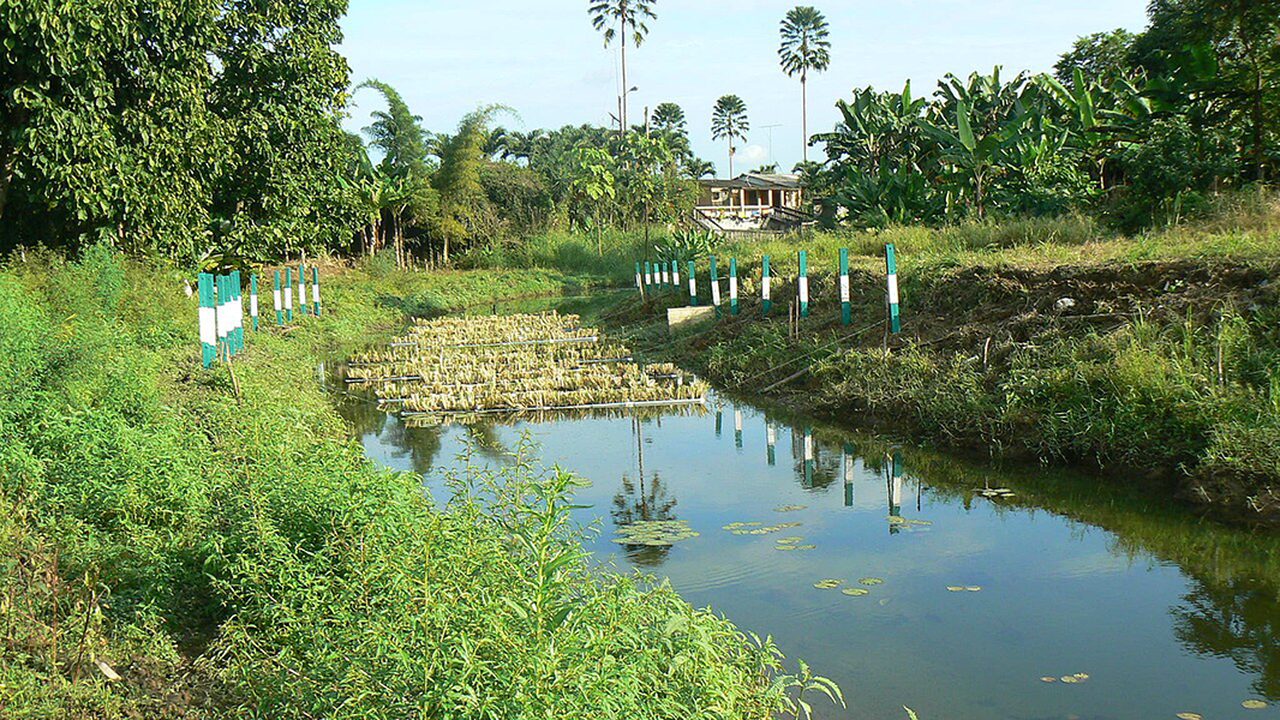
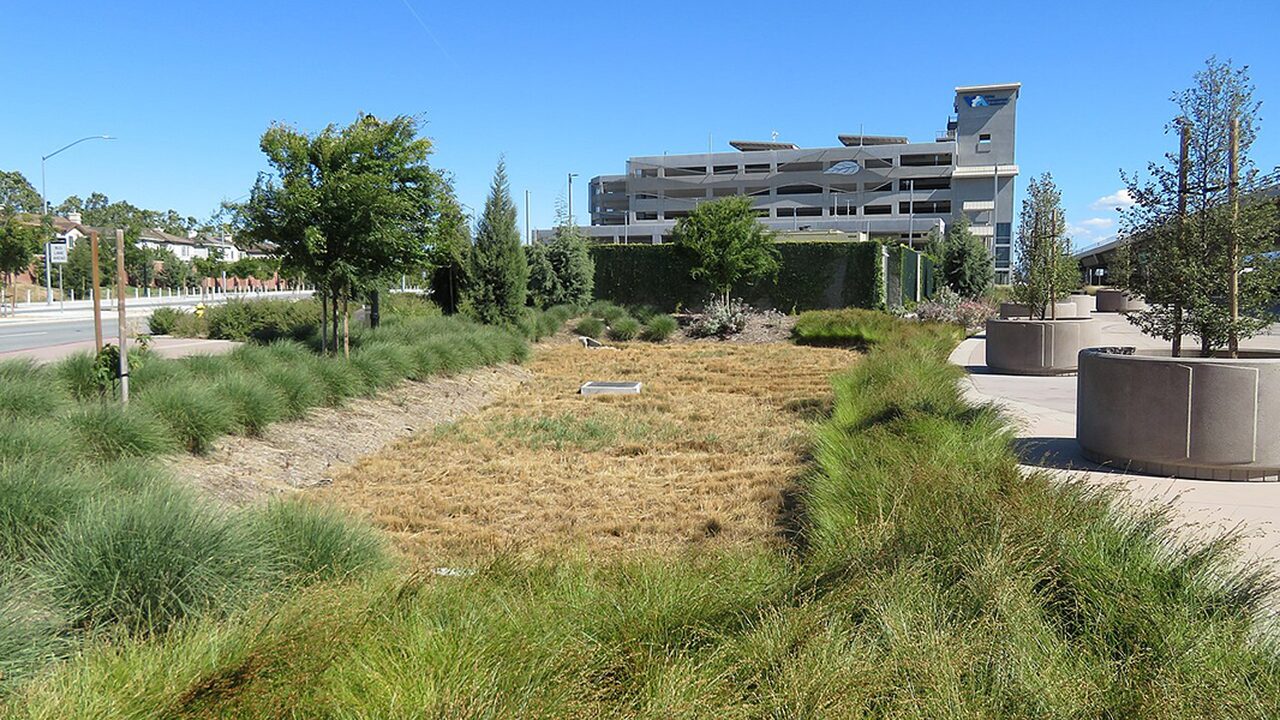
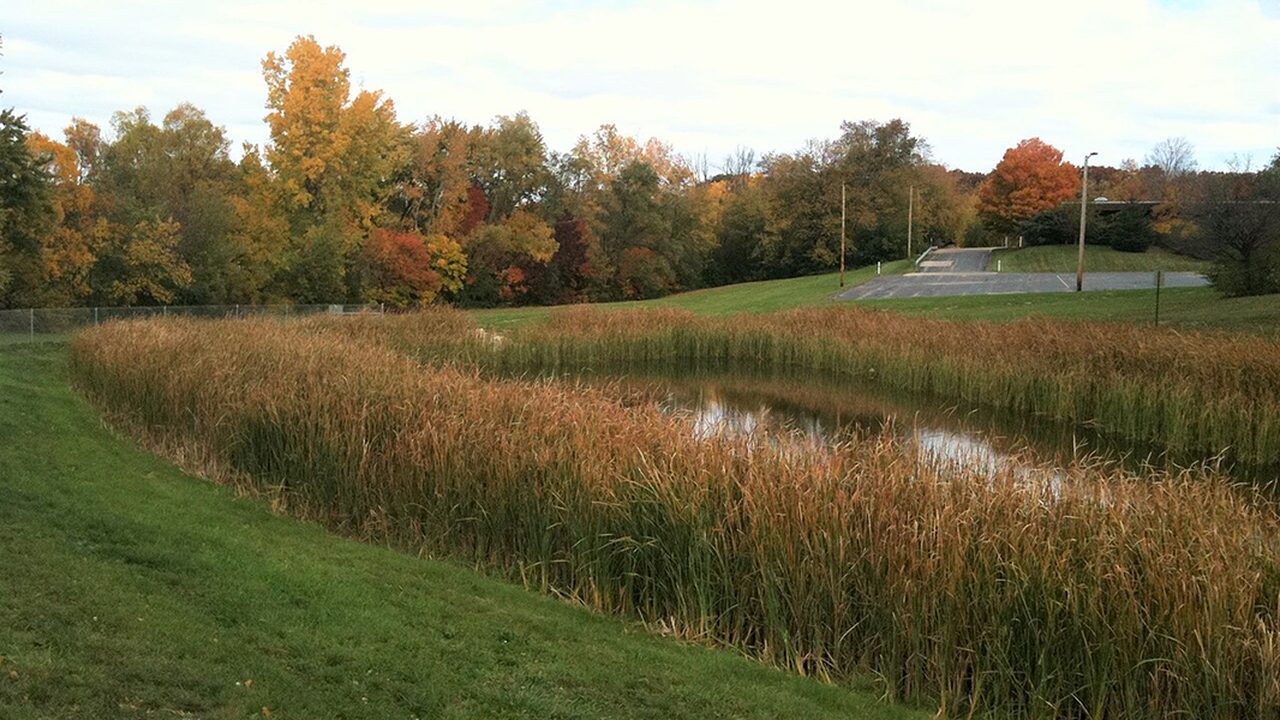
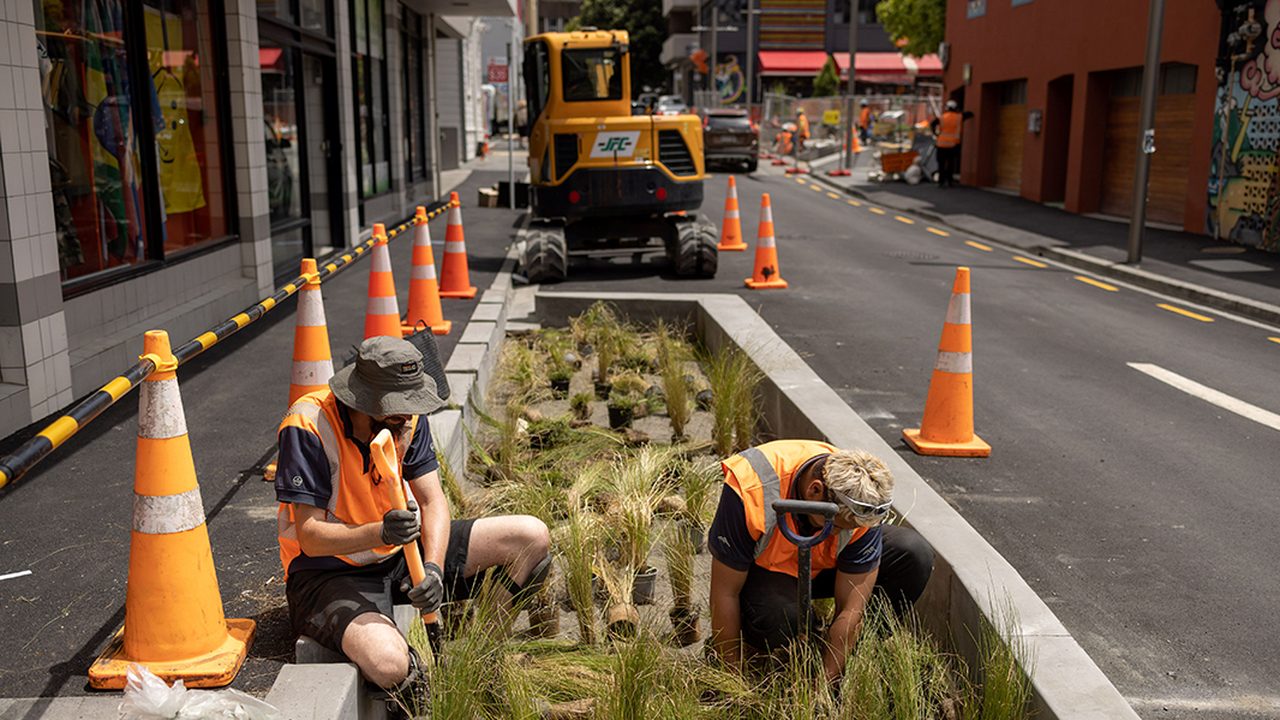
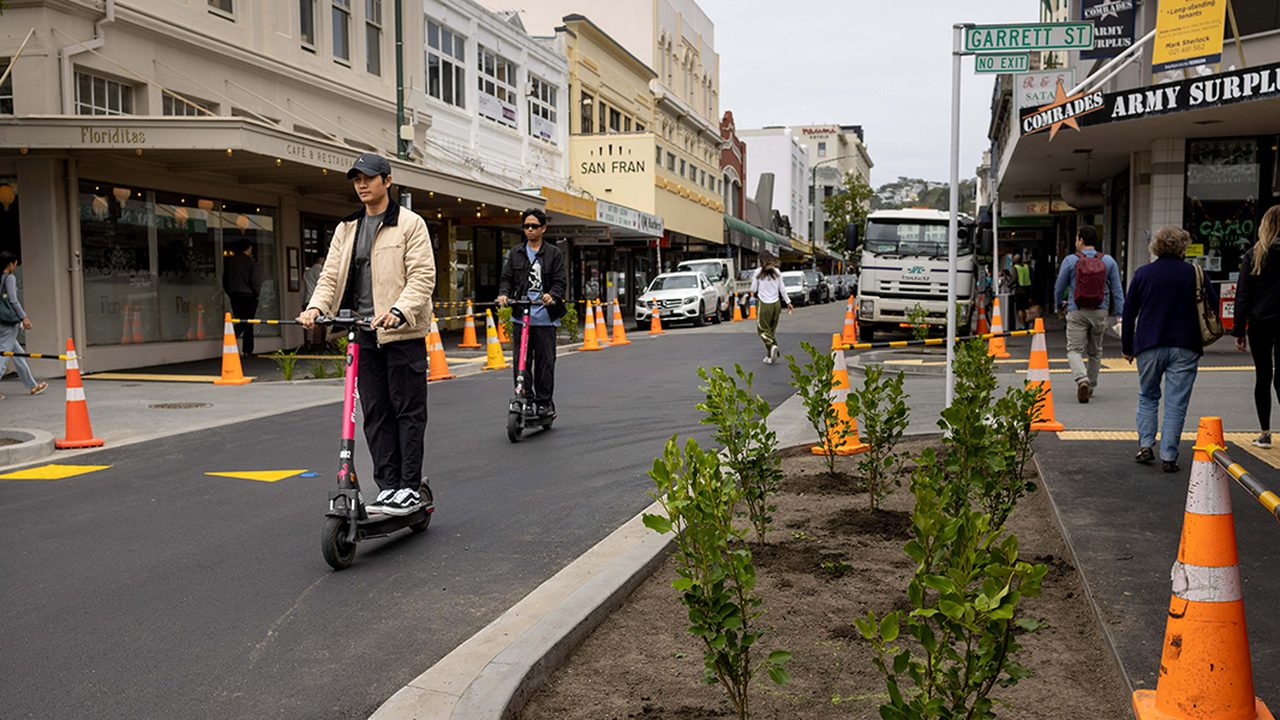
Rain water gardens are shallow, vegetated basins that capture, slow, and filter stormwater runoff from impervious surfaces, allowing water to infiltrate through planted soils.
What this strategy does
Manages stormwater at source while supporting vegetation, soil processes, and limited aquatic habitat. Avoids hard-engineered, single-function drainage solutions.
Context
In urban Aotearoa New Zealand, rain water gardens support compliance with water-sensitive design objectives, reduce downstream flooding risk, and improve receiving water quality where impervious cover is high.
Technical considerations
Design considerations
Plant selection and layout
- Use diverse, predominantly native plant assemblages arranged along moisture gradients (ponding, saturated, free-draining zones) to support survival under fluctuating hydrological conditions.1, 2, 3
Species resilience
- Select species tolerant of periodic inundation and drought to maintain function during variable rainfall patterns.2, 3
Planting structure
- Prioritise polyculture planting over monocultures to improve ecological resilience and pollutant processing capacity.1, 3
Soil media performance
- Design engineered soil media to balance infiltration, pollutant retention, and support for microbial activity critical to nutrient and contaminant breakdown.4, 5, 6
Substrate depth and composition
- Provide sufficient soil depth and organic content to support root development and stable microbial communities.4, 6, 7
Surface treatments
- Incorporate gravel or coarse mulch where appropriate to improve infiltration and support soil invertebrates.7, 8
Landscape integration
- Locate rain water gardens as part of connected green–blue networks rather than isolated elements to maximise biodiversity and system performance.9, 10
Implementation considerations
Design priority
- Integrate rain water gardens early with site drainage and landscape design to ensure correct sizing, placement, and overflow management.10
Key constraint
- Performance is highly site-specific; inappropriate soil design or placement can compromise infiltration, vegetation health, and pollutant removal.3, 5
Issues and barriers
Regulatory classification
- Rain water gardens are often treated as civil infrastructure, limiting ecological design flexibility and biodiversity outcomes.9
Connectivity limitations
- Urban planning frameworks frequently fail to integrate rain water gardens into wider habitat networks.9, 10
Pollutant exposure
- Urban runoff may carry particulates (such as sediment and tyre wear), heavy metals, and emerging contaminants (such as microplastics and hydrocarbons), which can clog soils, impair plant growth, and disrupt soil microbial and invertebrate communities.3, 10
Long-term soil degradation
- Accumulation of pollutants can reduce microbial diversity and compromise soil function over time.5
Maintenance dependency
- Lack of ongoing maintenance can lead to invasive species dominance, sediment clogging, and functional failure.5, 11
Governance complexity
- Fragmented responsibilities between agencies can limit adaptive management and long-term performance.11
Synergies and opportunities
- Climate change – Rain water gardens contribute to urban cooling, carbon storage, and adaptation to increased rainfall intensity and drought variability.10, 12, 13, 14
- Human wellbeing – Well-designed rain water gardens enhance visual amenity and are associated with reduced stress and improved social outcomes.8, 14, 15
- Disaster risk reduction – By reducing runoff volume and delaying peak flows, rain water gardens lower flood risk in urban catchments.8, 10, 16
- Freshwater security – Filtering nutrients and metals from stormwater improves receiving water quality and supports groundwater recharge.3, 4, 16
Financial case
Reduced stormwater costs
- On-site runoff retention reduces demand on downstream drainage infrastructure and flood mitigation systems.9, 10
Avoided treatment costs
- Improved stormwater quality reduces the need for downstream water treatment and remediation.3, 4, 10
Long-term landscape value
- Biodiverse, well-functioning systems can reduce replacement planting and maintenance costs over time.3, 9
Monitoring and evaluation metrics
Core metric
- Runoff retention, infiltration rate, and overflow frequency can be measured through rainfall, water level, and soil moisture monitoring.11, 16, 17, 18
Water quality metric
Ecological metric
- Plant survival, species richness, and invertebrate diversity can be assessed using standard ecological indices.3, 8, 9, 11
Soil health metric
Additional resources or tools
- Bioretention Planting Guide (Auckland Transport). Native plant selection and layout guidance for urban bioretention systems.
- Manaaki Whenua – Bioretention Devices. Local research, case studies, and performance metrics.
- Wellington Water – Stormwater Treatment Device Guideline. Design sizing, species guidance, and performance checklists.
References
- Shi, L., Maruthaveeran, S., Yusof, M., Zhao, J., & Liu, R. (2024). Exploring herbaceous plant biodiversity design in Chinese rain gardens: A literature review. Water. https://doi.org/10.3390/w16111586
- Doğmuşöz, B. (2024). Plant selection for rain gardens in temperate climates: The case of Izmir, Turkey. Journal of Design for Resilience in Architecture and Planning. https://doi.org/10.47818/drarch.2024.v5i1117
- Morash, J., et al. (2019). Increasing sustainability of residential areas using rain gardens to improve pollutant capture, biodiversity and ecosystem resilience. Sustainability. https://doi.org/10.3390/SU11123269
- Sharma, R., & Malaviya, P. (2021). Management of stormwater pollution using green infrastructure: The role of rain gardens. Wiley Interdisciplinary Reviews: Water. https://doi.org/10.1002/wat2.1507
- Zhang, Z., et al. (2024). Pollutant accumulation and microbial community evolution in rain gardens. Scientific Reports. https://doi.org/10.1038/s41598-023-48255-6
- Corbett, E., et al. (2024). Stormwater quality and microbial ecology in an urban rain garden system. Frontiers in Water. https://doi.org/10.3389/frwa.2024.1383382
- Mehring, A., & Levin, L. (2015). Potential roles of soil fauna in improving the efficiency of rain gardens. Journal of Applied Ecology, 52, 1445–1454. https://doi.org/10.1111/1365-2664.12525
- Wang, J., et al. (2024). Rain gardens enhance taxonomic richness but not abundance of soil invertebrates. Ecological Engineering. https://doi.org/10.1016/j.ecoleng.2024.107244
- Pille, L., & Säumel, I. (2021). The water-sensitive city meets biodiversity. Ecology and Society, 26. https://doi.org/10.5751/ES-12386-260223
- Kasprzyk, M., et al. (2022). Technical solutions and benefits of introducing rain gardens. Science of the Total Environment. https://doi.org/10.1016/j.scitotenv.2022.155487
- Chaffin, B., et al. (2016). A tale of two rain gardens: Barriers and bridges to adaptive management. Journal of Environmental Management, 183, 431–441. https://doi.org/10.1016/j.jenvman.2016.06.025
- Quaranta, E., et al. (2021). Water, energy and climate benefits of urban greening. Scientific Reports, 11. https://doi.org/10.1038/s41598-021-88141-7
- Tomatis, F., et al. (2023). Urban gardening in a changing climate. Agriculture. https://doi.org/10.3390/agriculture13020502
- Zhang, Z., et al. (2023). Assessing the co-benefits of urban greening and rainwater harvesting. Environmental Research Letters, 18. https://doi.org/10.1088/1748-9326/acbc90
- Raymond, C., et al. (2018). Exploring the co-benefits of home gardening for biodiversity. Local Environment, 24, 258–273. https://doi.org/10.1080/13549839.2018.1561657
- Zhang, L., et al. (2020). Assessment of rain garden effects for storm runoff management. Sustainability. https://doi.org/10.3390/su12239982
- McGauley, M., et al. (2023). A complete water balance of a rain garden. Water Resources Research, 59. https://doi.org/10.1029/2023WR035155
- Burszta-Adamiak, E., et al. (2023). Rain garden hydrological performance. Science of the Total Environment. https://doi.org/10.2139/ssrn.4394312
RELATED DESIGN STRATEGIES //
Specific design interventions that support ecological health, habitat quality, and species diversity across urban and built environments.