Location: Newtown, Wellington, Aotearoa New Zealand
Project type: Community-based urban farming and composting initiative
Delivery/lead organisations: Kaicycle (with Wellington City Council, community partners)
Date/period: 2015 – present
Scale: Site / Neighbourhood
Primary system or theme: Urban food systems, organic waste diversion, community stewardship
Context
Why this site matters
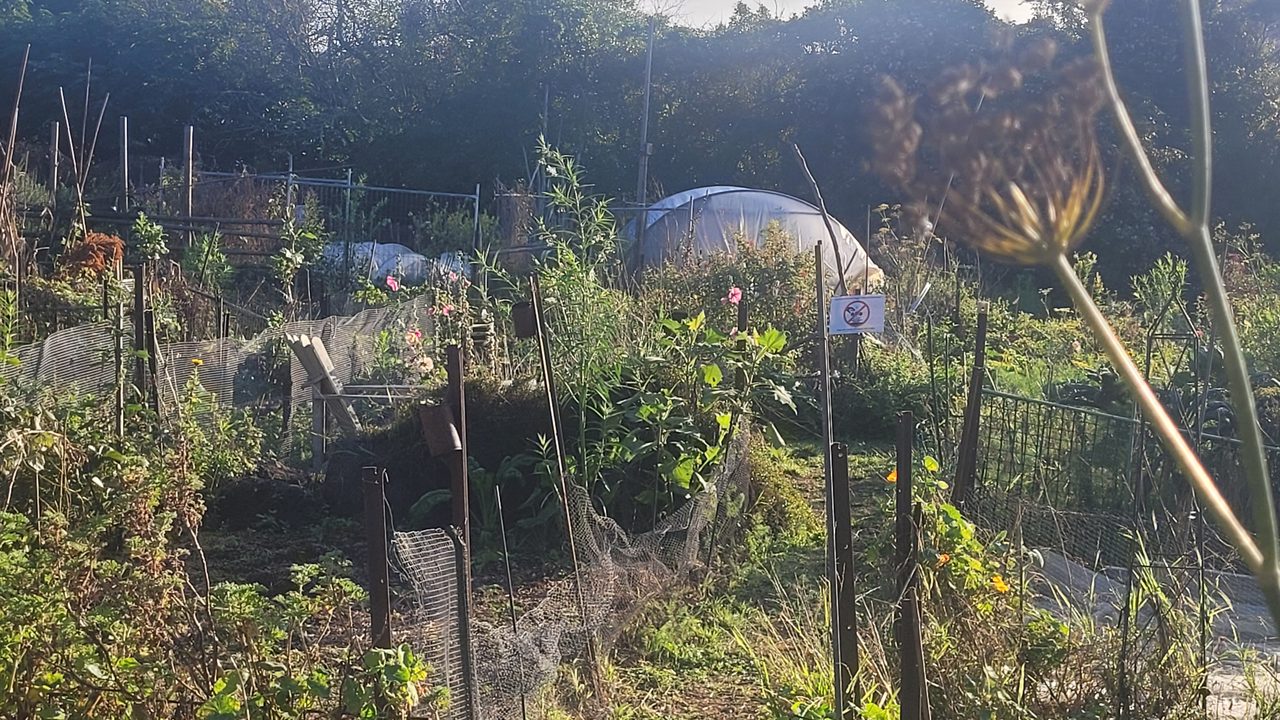
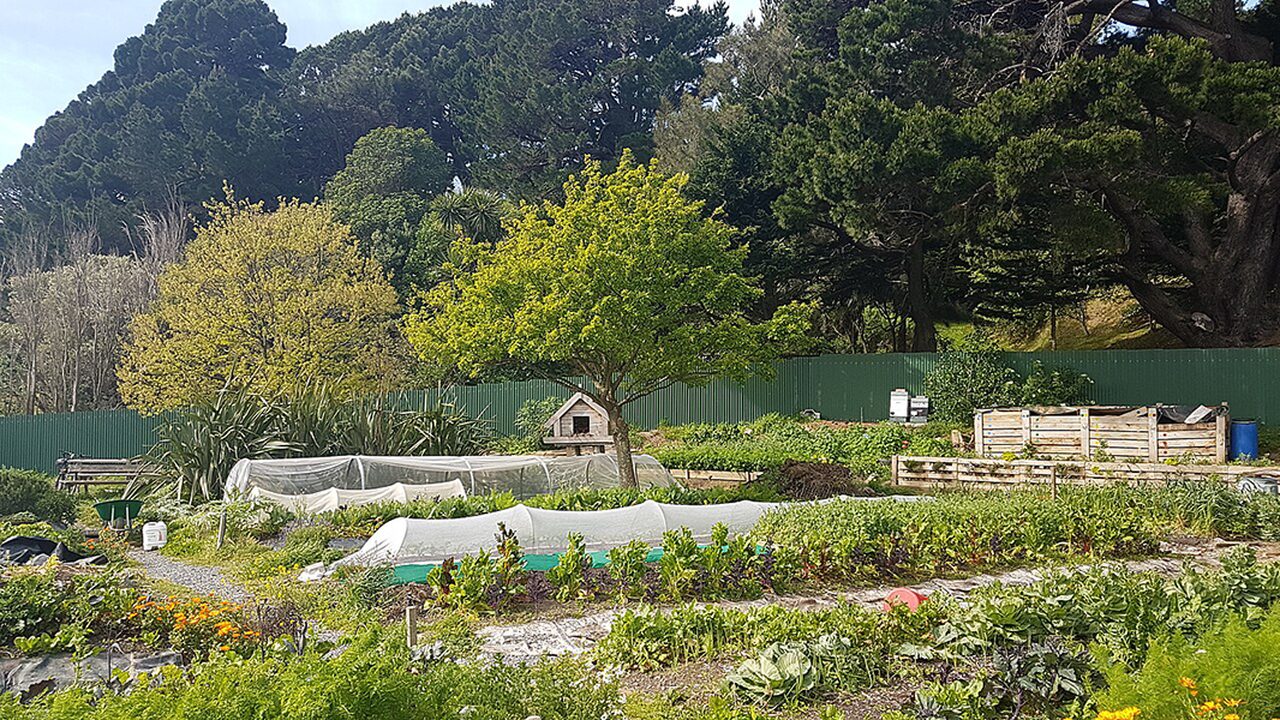
Kaicycle operates on council-owned urban land in inner Wellington, integrating food waste collection, composting, and food production within a dense residential context. 1 The project responds to local waste reduction goals and interest in community-scale food resilience.
Challenge or constraint
What wasn’t working/what needed to change
Organic food waste from households and hospitality businesses was largely landfilled, while opportunities for local composting and food growing within the urban area were limited. 1, 2 Space constraints, volunteer reliance, and regulatory requirements for composting posed operational limits.
Intervention
What was done
Kaicycle established an integrated system linking food scrap collection, on-site composting, and small-scale urban food production.
Key components
- Collection of food scraps from local businesses and households using electric cargo bicycles 2
- On-site aerobic composting of organic waste 1
- Use of finished compost for food production and redistribution to community gardens, schools, and marae
- Intensive, mixed-crop urban farming using compost-based soil fertility and avoidance of synthetic agrochemicals
Implementation notes
Design & delivery considerations
- Operations occur at a single-site scale with neighbourhood-level service reach
- Composting volumes are constrained by site area, labour capacity, and consent conditions 1
- Reliance on volunteers requires ongoing coordination and limits consistency of operations 3
- No formal ecological or soil monitoring programme is embedded in operations
Outcomes
Observed or reported outcomes
- Diversion of organic waste from landfill, with public reporting indicating approximately tens of tonnes per year processed on site 2
- Regular food production supplying approximately 30–35 households per week, with additional distribution to community organisations 3
- Sustained volunteer participation, with over 160 individuals reported as participating across programmes 3
What is plausible but unmeasured
- Improved soil structure and nutrient cycling through repeated compost application
- Localised habitat value for urban invertebrates and birds associated with diverse planting and low chemical inputs
- Broader food-system resilience benefits through localised circular economy practices
Evidence & limits
What the evidence supports
Available organisational reporting supports claims of ongoing waste diversion, compost production, food growing, and community participation. 1 – 3
Key limitations or uncertainties
- No independently verified annual waste audits or consistent quantitative reporting 2
- No site-specific monitoring of soil health, biodiversity, or ecosystem services
- Outcomes are highly context-dependent and not directly transferable to larger-scale systems
Relevance to design practice
- Small urban sites can integrate composting and food production where regulatory support and community capacity exist
- Avoid over-claiming ecological or biodiversity benefits without site-specific monitoring
- Transferability depends on access to land, operational governance, and alignment with municipal waste and land-use policy
References
- Kaicycle. (n.d.). Our story. kaicycle.org.nz
- Kaicycle. (n.d.). Composting services for organisations. kaicycle.org.nz
- ThreeSixtySix News. (2025). Meet Kaicycle – the farm hidden in the centre of Wellington. threesixtysix.news