Location: Ōtautahi Christchurch, Canterbury, Aotearoa New Zealand
Project type: Municipal urban stream restoration programme
Delivery/lead organisations: Christchurch City Council (with mana whenua, community groups, consultants, researchers)
Date/period: Early 1990s – present
Scale: Neighbourhood / Urban / Catchment
Primary system or theme: Urban freshwater, riparian systems, blue–green infrastructure
Context
Why this site matters
Christchurch is built on former wetland and swamp landscapes, with many urban waterways historically engineered as drainage channels. 1 From the early 1990s, Christchurch City Council shifted from a drainage-led approach to a “living streams” philosophy, integrating ecological, amenity, and cultural values alongside flood management. 2
Challenge or constraint
What wasn’t working/what needed to change
Highly channelised streams with simplified morphology, limited riparian vegetation, and degraded water quality provided poor habitat for native freshwater species. 3 Reach-scale restoration was constrained by surrounding urban development, flood conveyance requirements, stormwater inputs, and fragmented ecological connectivity.
Intervention
What was done
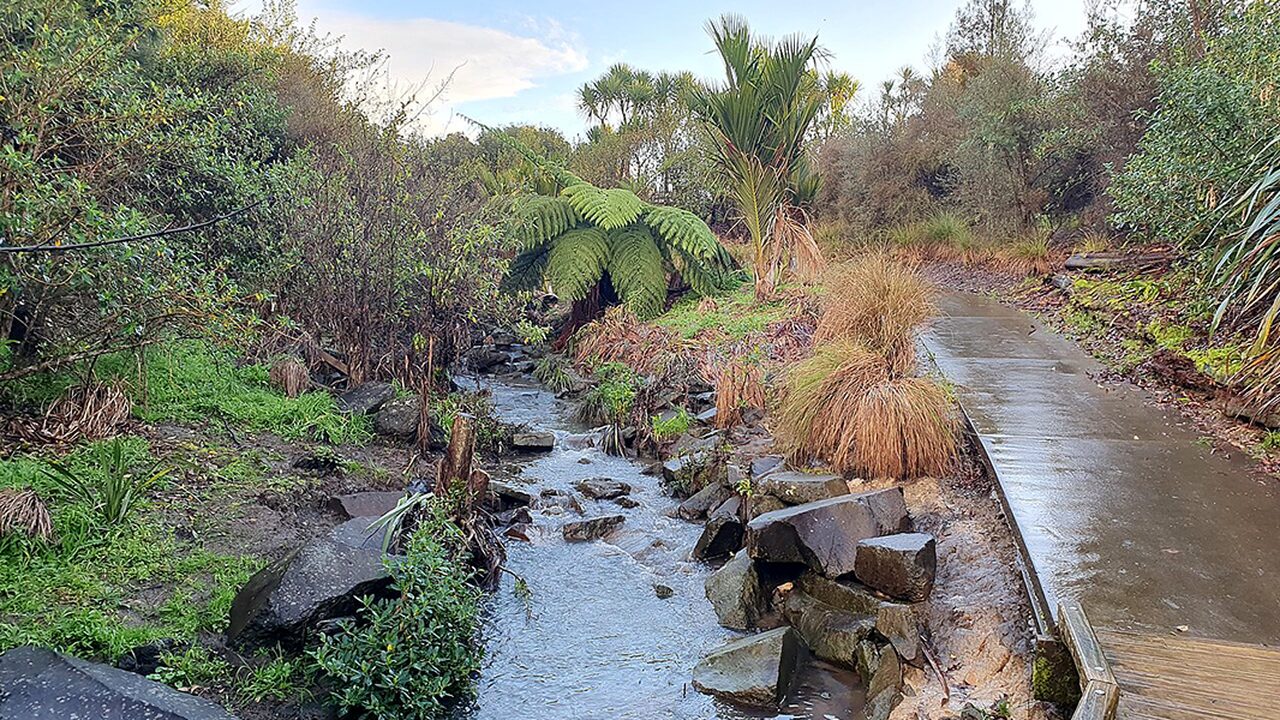
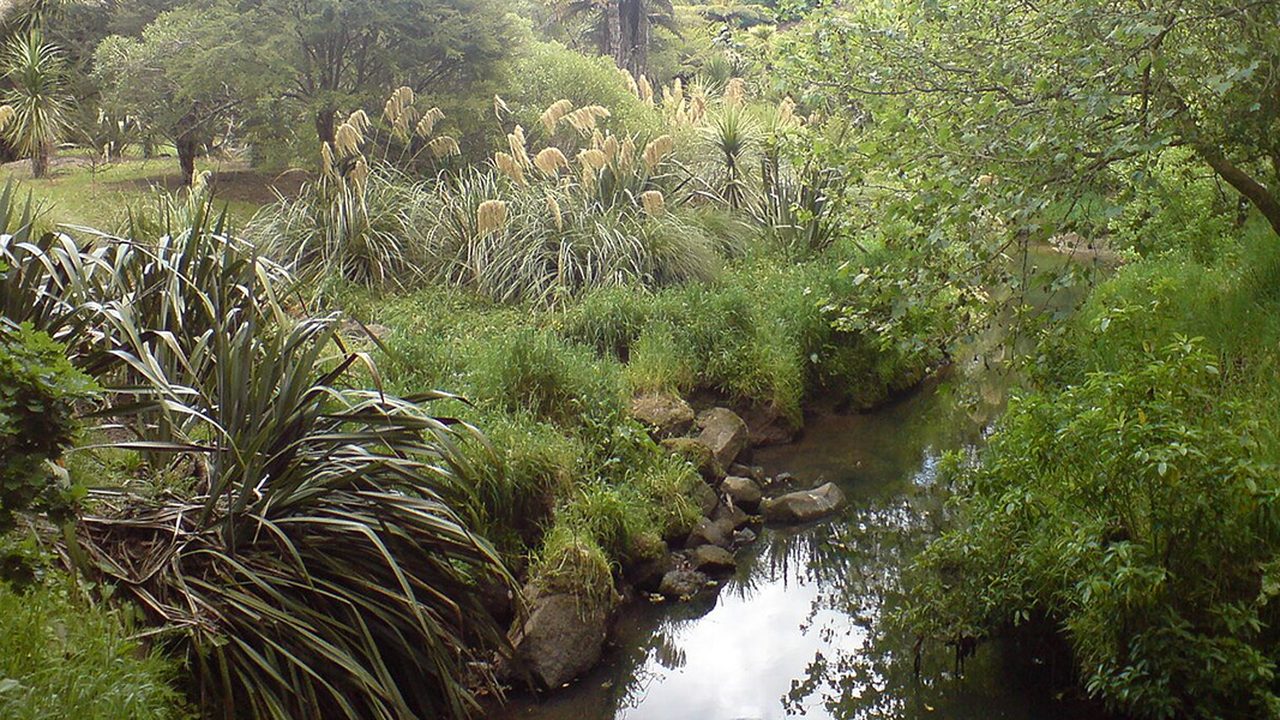
Christchurch implemented a programme of living-stream projects that reintroduced physical habitat complexity and riparian vegetation within existing urban stream corridors, while maintaining flood management functions.
Key components
- Channel naturalisation (gravel and cobble substrates, pools and riffles, limited sinuosity)
- Riparian planting with native species to increase shading and bank stability
- In-stream habitat features (large woody debris, boulders, backwaters)
- Integration with wider stormwater and public-realm upgrades where feasible
Implementation notes
Design & delivery considerations
- Restoration typically occurred at the reach scale rather than the whole-catchment scale
- Flood capacity and maintenance access constrained channel form and vegetation structure
- Outcomes were strongly influenced by upstream barriers, water quality, and flow regime
- Post-earthquake sedimentation and channel changes required adaptive management
Outcomes
Observed or reported outcomes
- Improved physical habitat complexity in restored reaches
- Localised increases in abundance of some native fish species (e.g. īnanga, eels, bullies) relative to unrestored sections
- Improved riparian shading and bank stability at treated sites
What is plausible but unmeasured
- Enhanced movement of birds and terrestrial invertebrates along riparian corridors
- Amenity and wellbeing benefits for adjacent communities
Evidence & limits
What the evidence supports
Monitoring demonstrates that reach-scale habitat enhancement can deliver localised ecological benefits for some native fish species in highly modified urban streams. 4
Key limitations or uncertainties
- Limited or slow recovery of benthic invertebrate communities 4
- Benefits are largely confined to restored reaches rather than catchment-wide improvement
- Persistent urban stressors (stormwater inputs, altered hydrology) constrain ecological recovery
Relevance to design practice
- Physical habitat restoration alone is insufficient without complementary catchment-scale stormwater management
- Blue–green infrastructure performs best when embedded within long-term land-use planning
- Honest framing of limits is essential when setting expectations for urban stream restoration
References
- Christchurch City Council. (2003). Waterways, wetlands and drainage guide – Part B: Design.
- Watts, R. J. (1994). The sustainable management of urban waterways in Christchurch, New Zealand. Proceedings of the International Conference on Urban Rivers, 617–624.
- Suren, A. M., Riis, T., Biggs, B. J. F., McMurtrie, S., & Barker, R. (2005). Assessing the effectiveness of enhancement activities in urban streams: I. Habitat responses. River Research and Applications, 21(4), 381–401.
- Suren, A. M., & McMurtrie, S. (2005). Assessing the effectiveness of enhancement activities in urban streams: II. Responses of invertebrate communities. River Research and Applications, 21(4), 415–432.