Backyard gardens
Definition
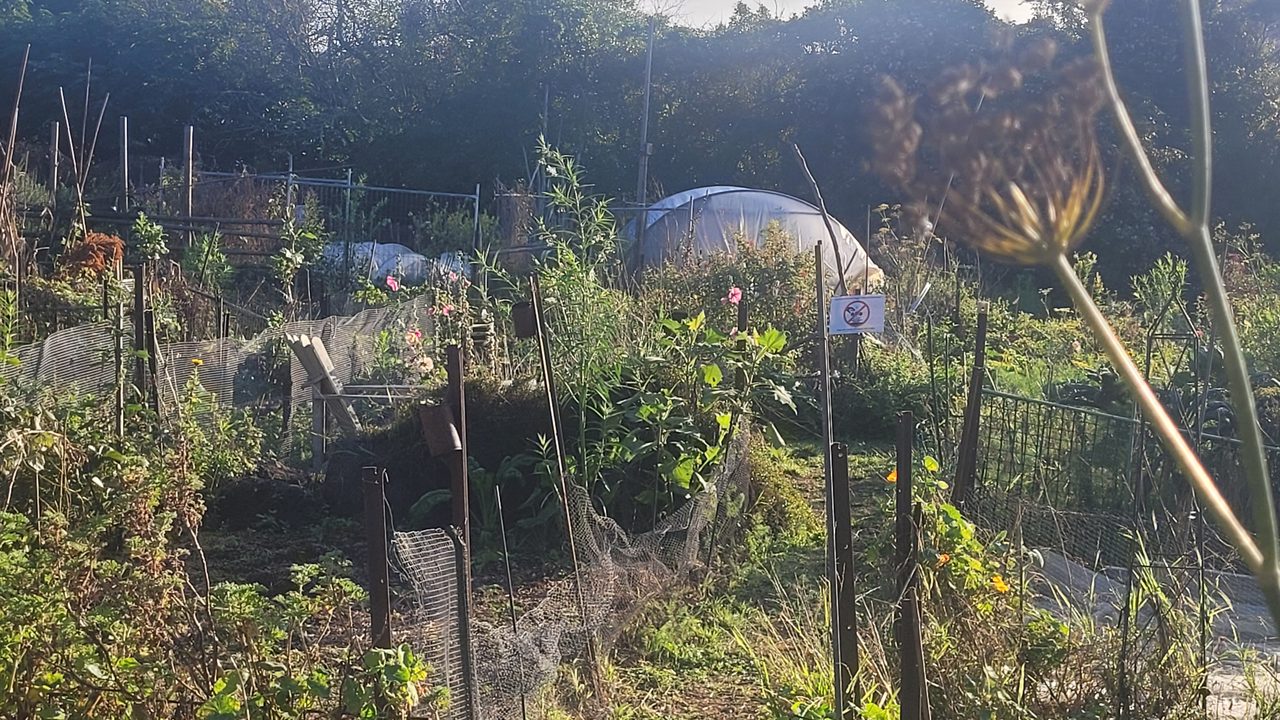
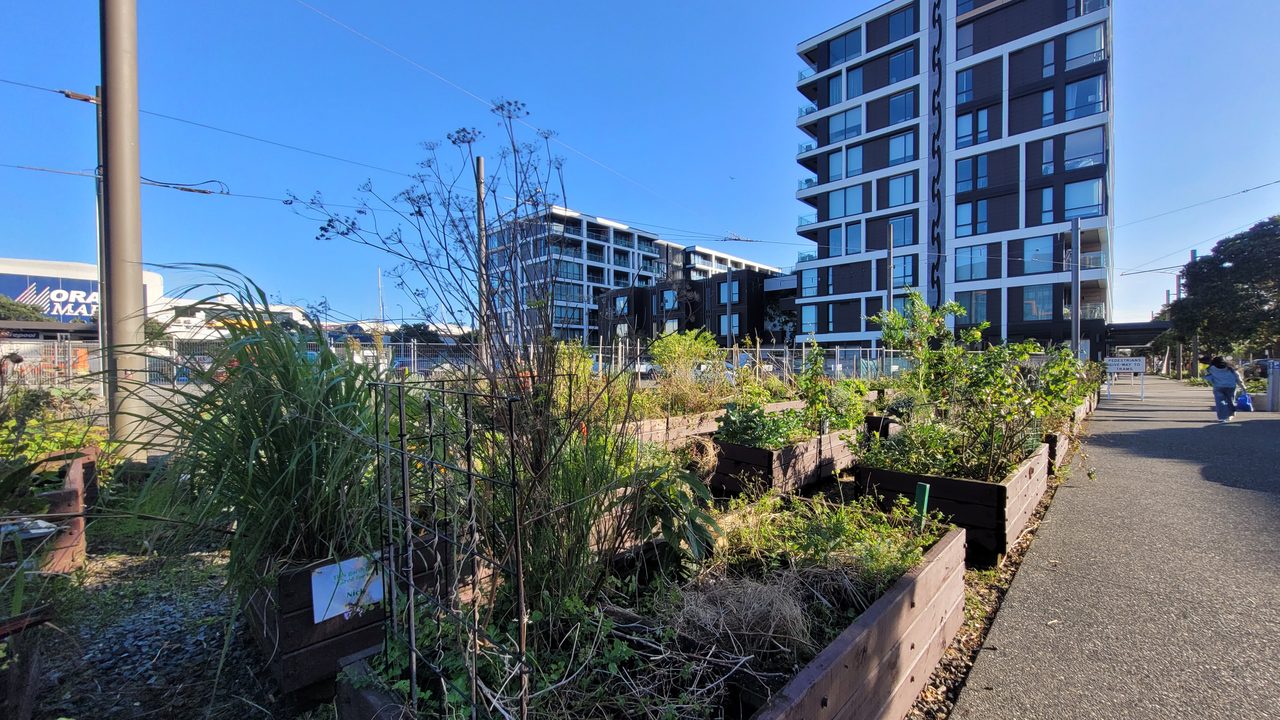
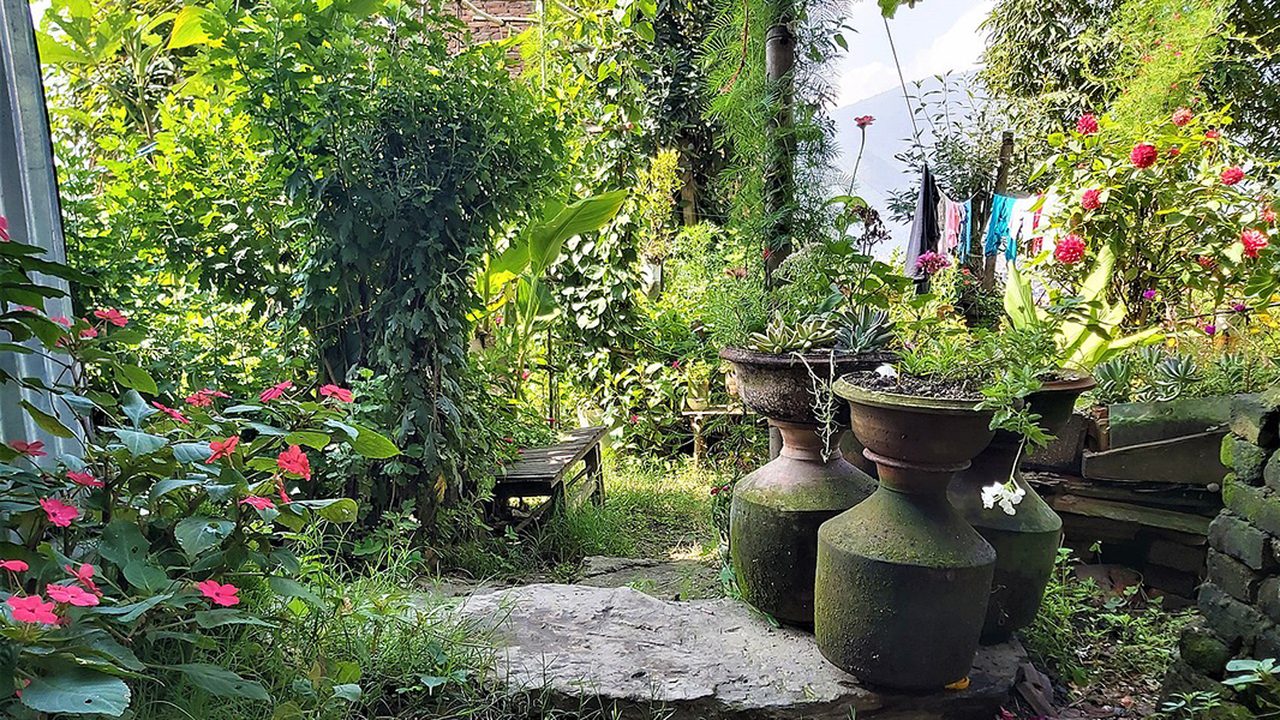
Backyard gardens are privately managed residential green spaces that, when intentionally designed and maintained, can provide habitat, food resources, and ecological connectivity within urban environments.
What this strategy does
This strategy leverages cumulative, small-scale planting, habitat features, and low-intensity management across private properties to support urban biodiversity. It avoids reliance on single-species plantings or high-maintenance ornamental landscapes that provide limited ecological value.
Context
In many Aotearoa New Zealand cities, private residential land makes up a substantial proportion of total urban green space. Collectively, backyard garden design and management therefore play a significant role in shaping urban biodiversity outcomes, particularly in suburban neighbourhoods. 1, 2, 3
Technical considerations
Design considerations
Spatial configuration and connectivity
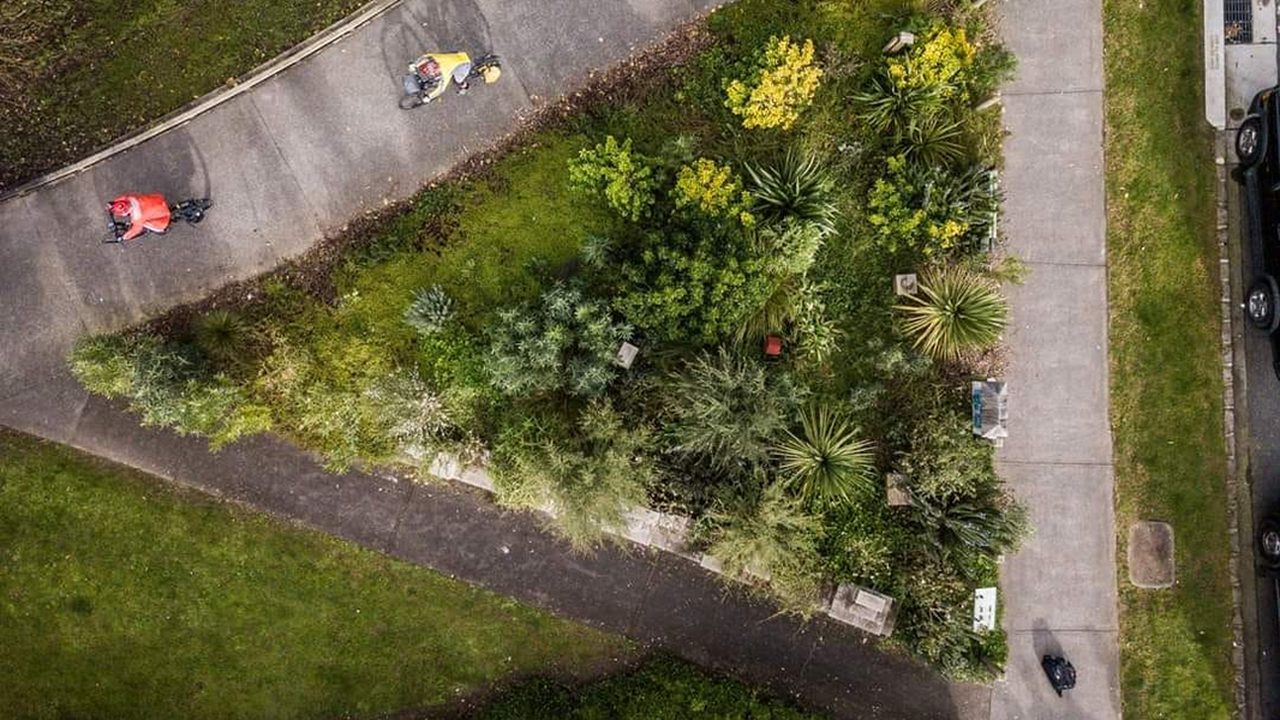
- Design gardens as part of a wider network of vegetation, functioning as stepping stones between parks, reserves, riparian margins, and other green spaces to support wildlife movement. 2, 3, 4
Vegetation structure
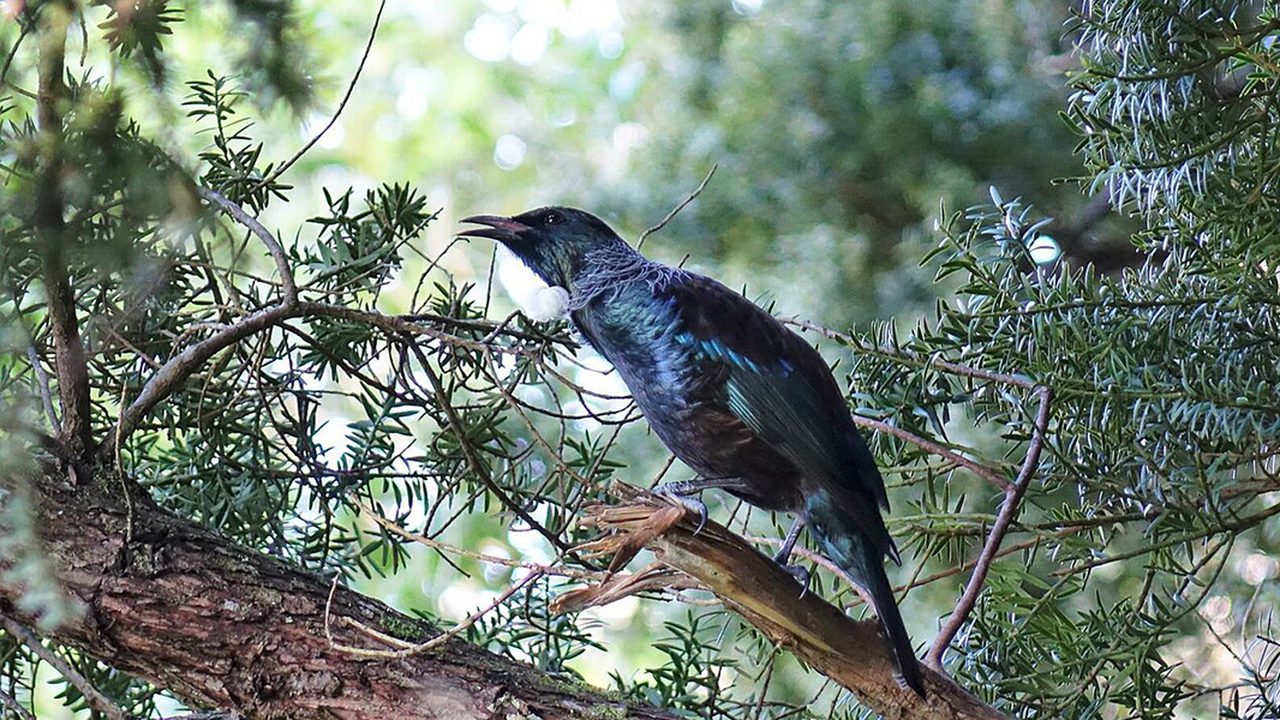
- Use diverse, structurally layered planting (trees, shrubs, groundcovers, climbers) to increase habitat availability and support birds, invertebrates, and lizards. 5, 6
Plant selection
- Prioritise locally appropriate native species where possible, while recognising that some non-invasive exotic species can contribute to structural diversity and food resources. 6, 7
- Where appropriate, acknowledge mana whenua relationships with taonga plant species in planting decisions. 8
Habitat features
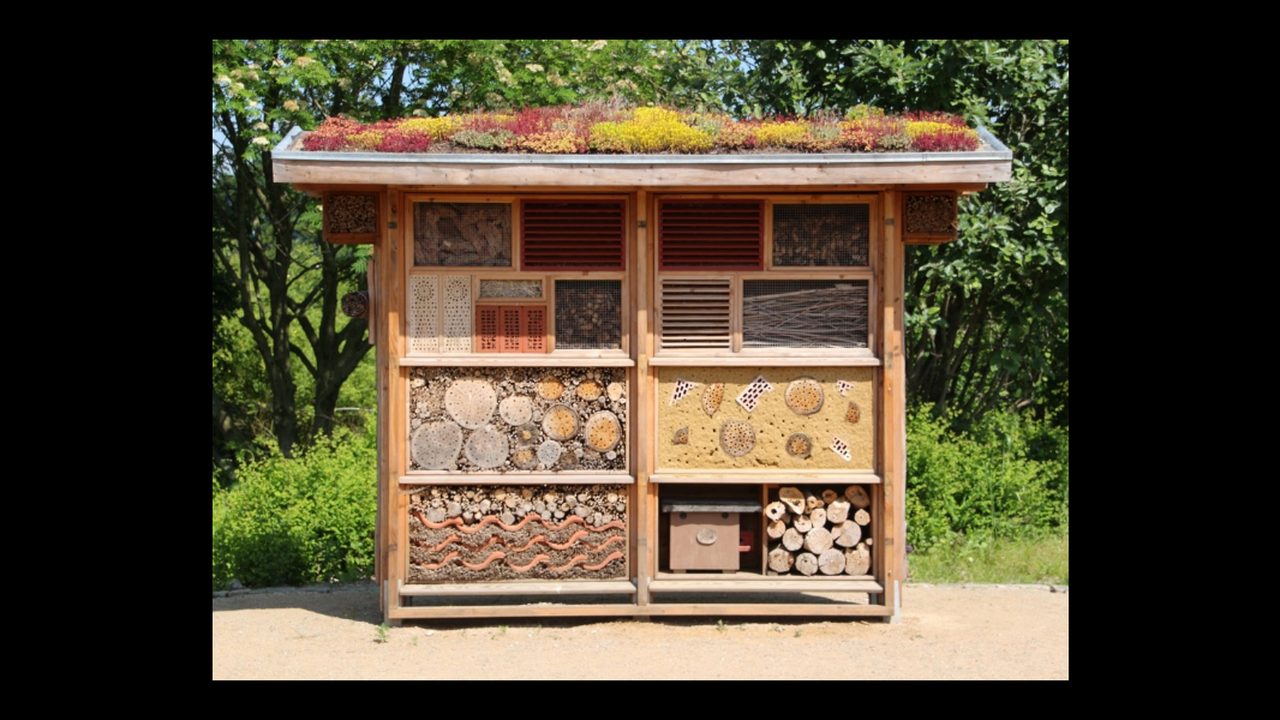
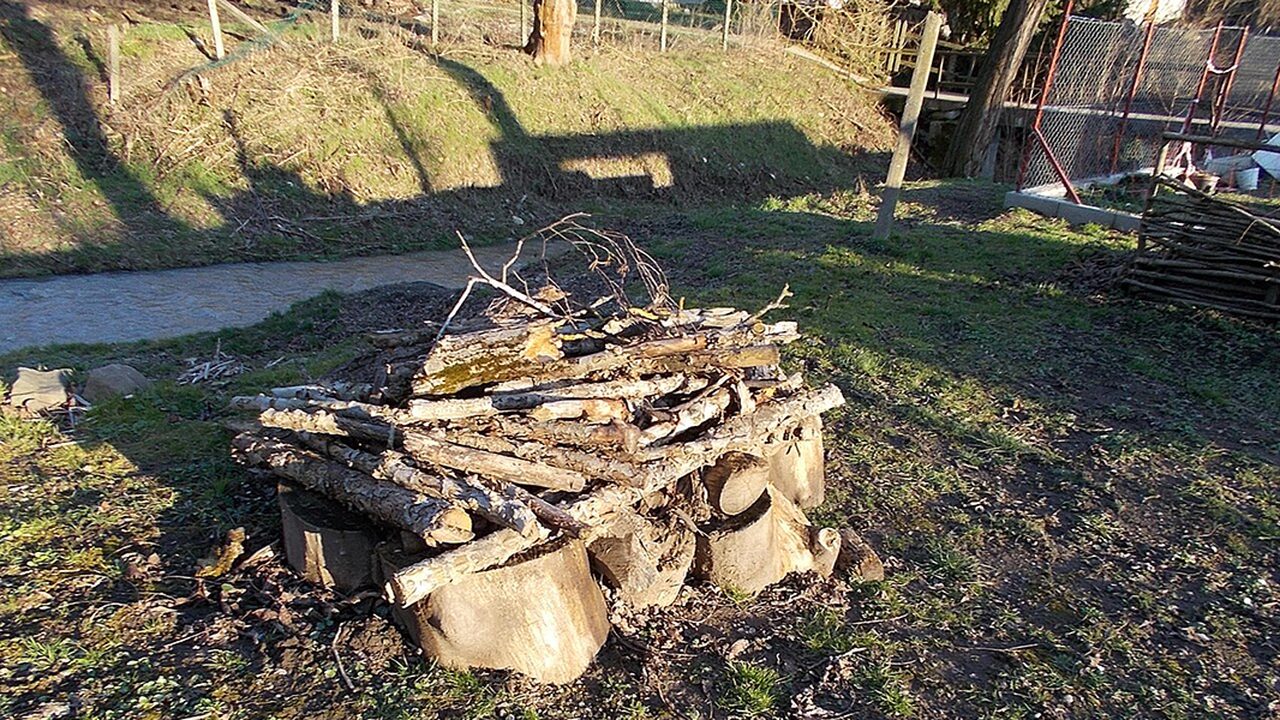
- Incorporate logs, dense ground cover, and refugia to support lizards and invertebrates. 9, 10
- Bats in Aotearoa New Zealand usually roost in trees, so install bat boxes only where bats are known to occur locally and appropriate guidance from an ecologist is followed. 11 Also consult an ecologist about the appropriateness of installing bird nesting boxes.
Implementation considerations
Garden management intensity
- Reduce mowing frequency, retain taller and structurally diverse vegetation, allow leaf litter to accumulate where appropriate, and minimise pesticide use to support soil organisms and invertebrate food webs. 13
Soil health
- Use mulching and organic amendments to improve soil structure, moisture retention, and biological activity. 13
Bird feeding
- Piroritise plant-based food sources. Artificial feeding should be used cautiously, as it can alter bird community composition. 12
Issues & barriers
Space constraints
- Small lot sizes can limit habitat extent, although layered planting and building-integrated vegetation can help offset this. 14 Consider using green walls and roofs to expand vegetated area.
Invasive species risk
- Poor plant selection and unmanaged gardens can introduce invasive plants or pests that negatively affect native biodiversity. 15
Domestic cats
- Free-roaming cats exert significant predation pressure on birds, lizards, and invertebrates. 16, 17
- Cat confinement or cat-free development approaches can substantially reduce wildlife mortality. 18
Social and behavioural barriers
- Aesthetic norms, maintenance preferences, and upfront costs can limit uptake of biodiversity-supportive garden practices. 19, 20
Synergies & opportunities
- Human wellbeing – Supports mental health, social connection, and everyday contact with nature across age groups. 21, 22, 23
- Food security – Pollinator-friendly and edible plantings contribute to household and community food resilience. 14
- Climate change – Vegetated gardens contribute to urban cooling, stormwater regulation, and climate adaptation when managed collectively. 24
Financial case
Distributed ecosystem services
- Residential gardens collectively provide pollination, pest regulation, and soil-supporting functions that reduce reliance on external inputs. 25, 26
Cost-effectiveness: Low-cost, cumulative impact
- Household-scale interventions enable biodiversity gains at relatively low cost compared with large, centralised restoration projects. 27
Monitoring & evaluation metrics
Core metric
- Presence and activity of birds, pollinators, and invertebrates can be measured through observations and simple repeat surveys. 28
Advanced metric
- Residential biodiversity performance can be assessed using Gardenstar and the New Zealand Biodiversity Factor – Residential (NZBF-R). 29
Additional resources or tools
- iNaturalist NZ. Platform for recording and exploring backyard biodiversity.
- Department of Conservation – Gardening with Native Plants. Practical guidance for selecting and establishing native plants.
- People + Cities + Nature – Garden Star Tool. Residential biodiversity assessment and engagement tool.
- Urban Greening Manual. How to put Nature into our Neighbourhoods. Landcare Research resource.
- Funding support for household-scale sustainability initiatives may be available (check relevant council websites).
References
- van Heezik, Y., et al. (2013). Garden size, householder knowledge, and socio-economic status influence plant and bird diversity. Ecosystems, 16, 1442–1454.
- Goddard, M. A., et al. (2010). Scaling up from gardens: Biodiversity conservation in urban environments. Trends in Ecology & Evolution, 25(2), 90–98.
- Delahay, R. J., et al. (2023). Biodiversity in residential gardens: A review. Biodiversity and Conservation, 32(13), 4155–4179.
- Correa Ayram, C. A., et al. (2016). Habitat connectivity in biodiversity conservation. Progress in Physical Geography, 40(1), 7–37.
- Auckland Council. (2024). Plant to support native wildlife.
- van Heezik, Y., et al. (2008). Diversity of native and exotic birds across an urban gradient. Landscape and Urban Planning, 87, 223–232.
- van Heezik, Y., et al. (2014). Native and exotic woody vegetation communities in domestic gardens. Ecology and Society, 19(4).
- Jefferson, D. J. (2022). Māori relationships with taonga plants. Journal of World Intellectual Property, 25(2), 347–374.
- Barratt, B. I., et al. (2015). Invertebrate biodiversity in urban gardens. Insect Conservation and Diversity, 8(5), 428–437.
- van Heezik, Y., et al. (2016). Vegetation composition and beetle communities in private gardens. Landscape and Urban Planning, 151, 79–88.
- van Heezik, Y., & Seddon, P. J. (2017). Counting birds in urban areas.
- Erastova, D. A., et al. (2021). Sugar water feeding practices and bird communities. Journal of Urban Ecology, 7(1).
- Bünemann, E. K., et al. (2018). Soil quality – A critical review. Soil Biology & Biochemistry, 120, 105–125.
- Raymond, C. M., et al. (2018). Co-benefits of home gardening for biodiversity. Local Environment, 24(3), 258–273.
- Potgieter, L. J., et al. (2019). Invasive alien plants in urban environments. Journal of Environmental Management, 229, 76–87.
- van Heezik, Y., et al. (2010). Domestic cats and urban bird populations. Biological Conservation, 143(1), 121–130.
- Loss, S. R., et al. (2022). Global review of domestic cat impacts. Journal of Animal Ecology, 91(7), 1361–1372.
- De Assis, L. S., & Mills, D. S. (2021). Controlled outdoor environments and cat welfare. Frontiers in Veterinary Science, 7.
- Samus, A., et al. (2023). Engagement in biodiversity-supportive gardening. Biological Conservation, 286.
- Gillis, A. J., & Swim, J. K. (2020). Adding native plants to home landscapes. Journal of Environmental Psychology, 72.
- Freeman, C., et al. (2012). Gardens and identity. Journal of Environmental Psychology, 32(2), 135–143.
- van Heezik, Y., et al. (2020). Nature engagement of older adults. Environment and Behavior, 52(8), 799–829.
- Hand, K. L., et al. (2017). Urban gardens and children’s biophilia. PNAS, 114(2), 274–279.
- Teerlinck, J., et al. (2024). Domestic gardens and climate adaptation. Frontiers in Environmental Science, 12.
- Costanza, R., et al. (2014). Global value of ecosystem services. Global Environmental Change, 26, 152–158.
- Cameron, R. (2023). Ecosystem services from domestic gardens. Urban Forestry & Urban Greening, 80.
- Lerman, S. B., et al. (2023). Residential yards and biodiversity conservation. BioScience, 73(9), 671–689.
- Burton, A. C., et al. (2015). Wildlife camera trapping. Journal of Applied Ecology, 52(3), 675–685.
- Theis, J., et al. (2025). The New Zealand Biodiversity Factor – Residential (NZBF-R). Land, 14(3), 526.
RELATED DESIGN STRATEGIES //
Specific design interventions that support ecological health, habitat quality, and species diversity across urban and built environments.