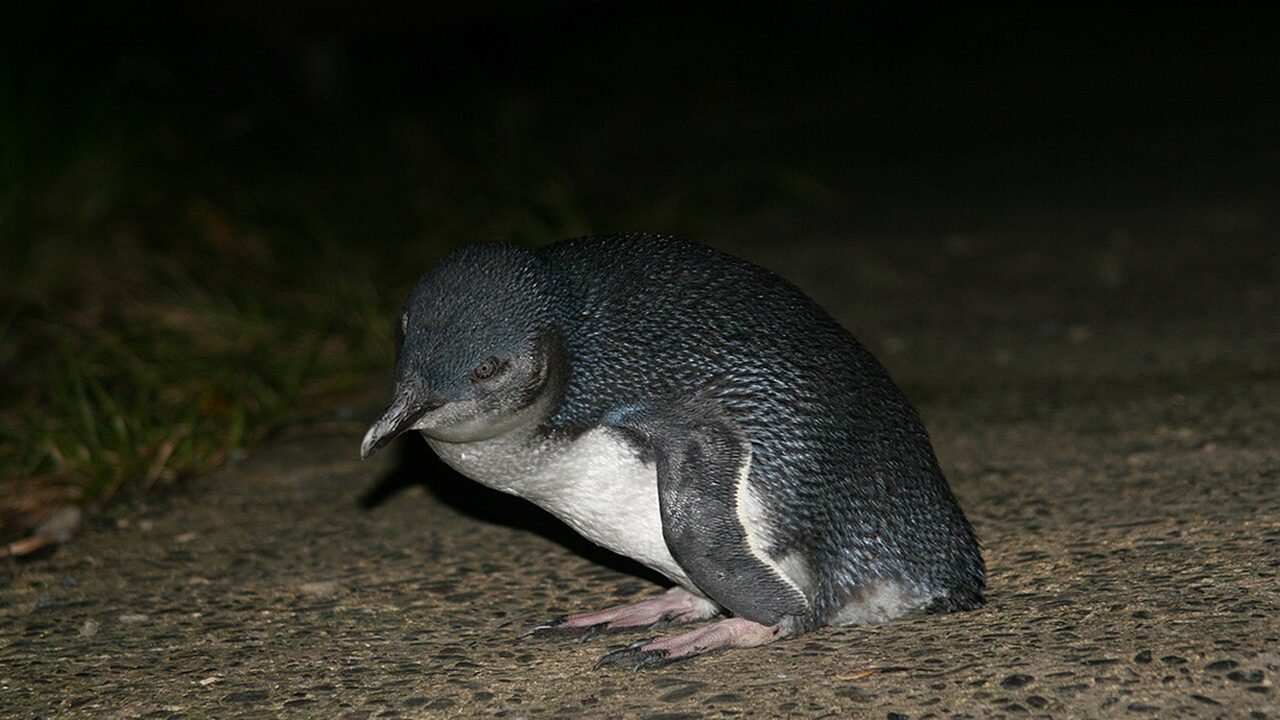
Animal movement infrastructure
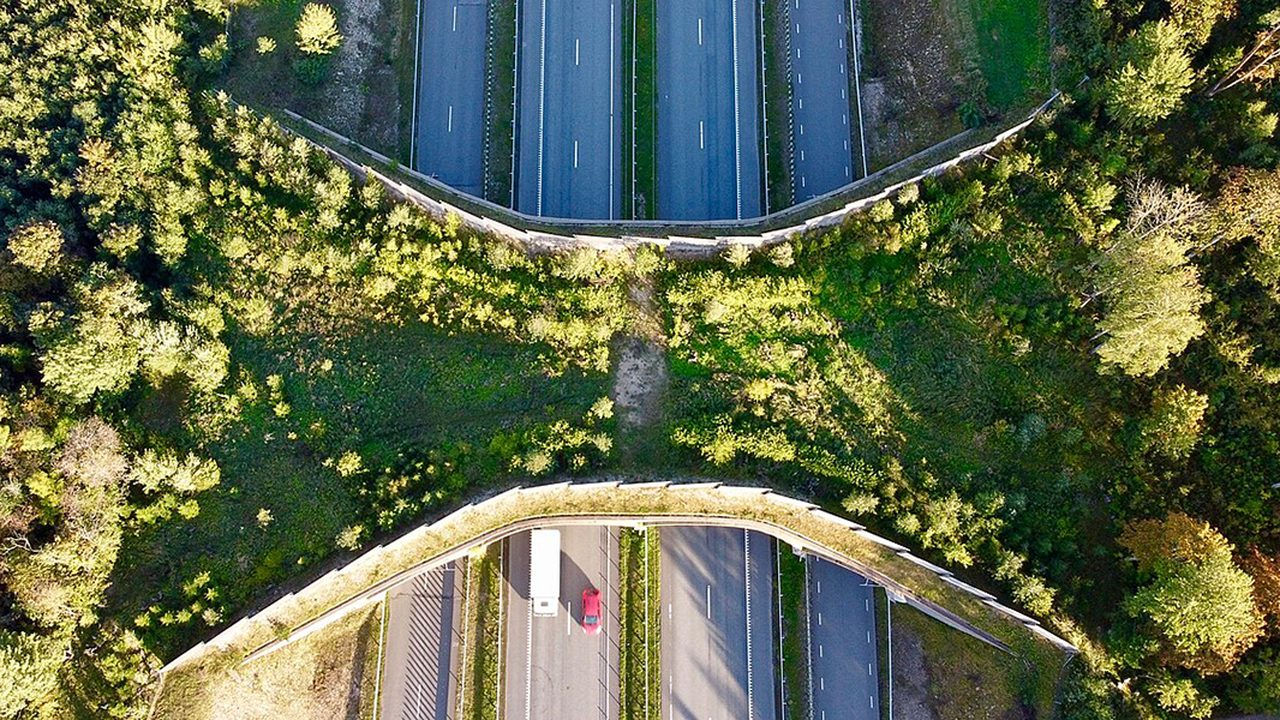
Definition
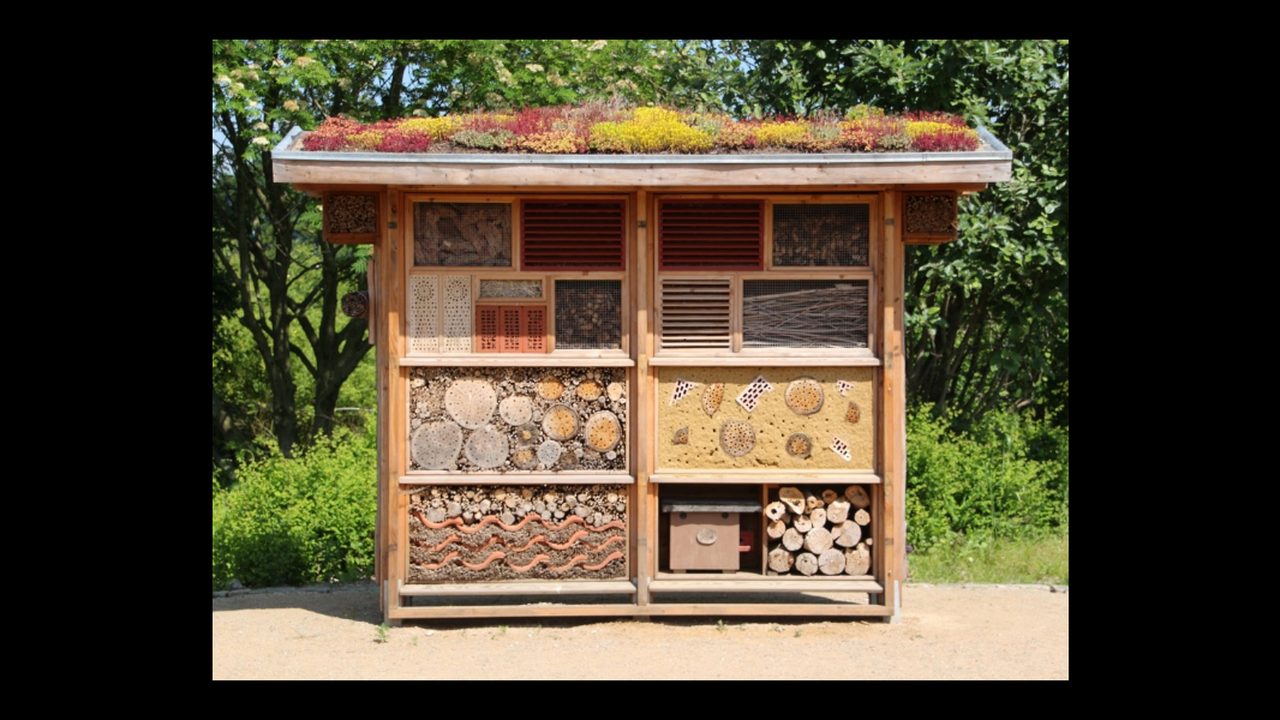
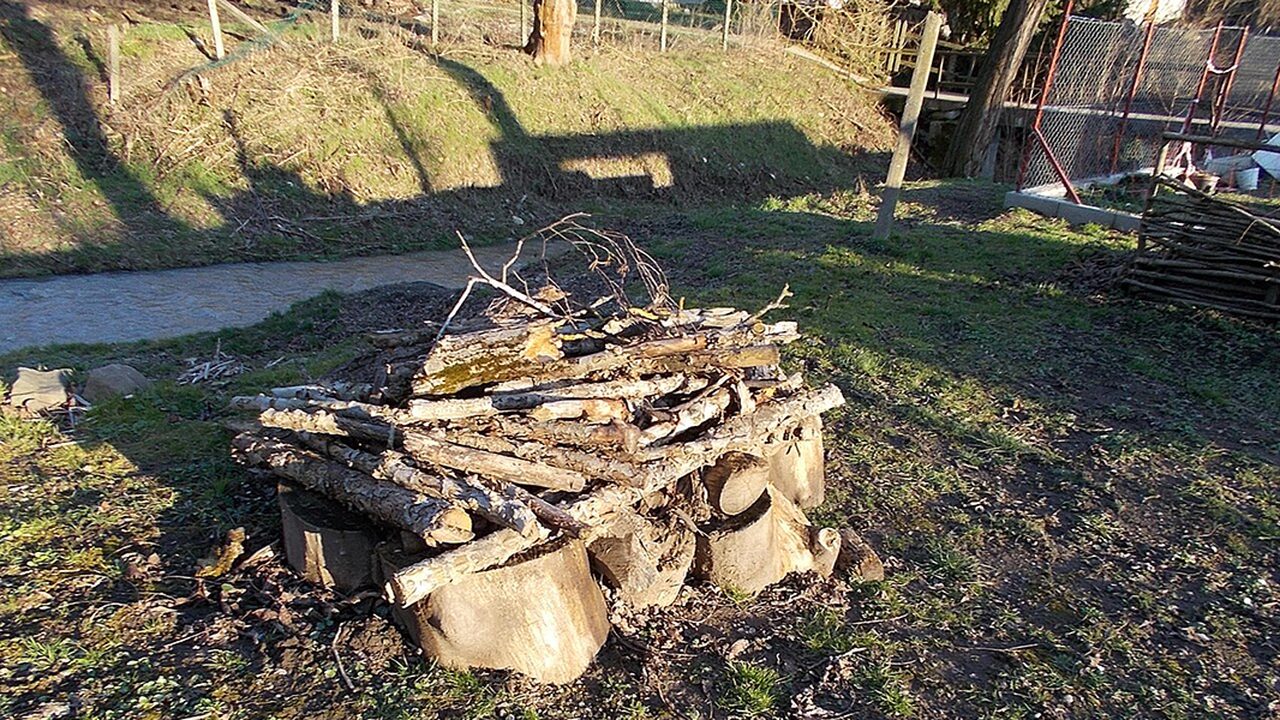
Animal movement infrastructure comprises purpose-built structures that enable wildlife, including fish, to move safely through human-modified landscapes, including roads, railways, waterways, and urban development.
What this strategy does
This strategy reduces habitat fragmentation by providing crossings, passages, and corridors that support safe movement and dispersal of wildlife. It avoids ad-hoc or poorly sited structures that do not connect suitable habitat or accommodate target species.
Context (Aotearoa New Zealand)
In Aotearoa New Zealand, many native freshwater species migrate as part of their life cycles, and terrestrial species also rely on connected habitats. Built barriers such as culverts, roads, and weirs can restrict movement, reduce genetic exchange, and contribute to population decline. Fish passage and wildlife crossing infrastructure are therefore critical components of biodiversity-sensitive design. 4, 5
Technical considerations
Design considerations
Location and alignment
- Locate structures where animal movement is known or likely to occur, such as riparian corridors, breeding routes, and access points to water. 1, 2
Network integration
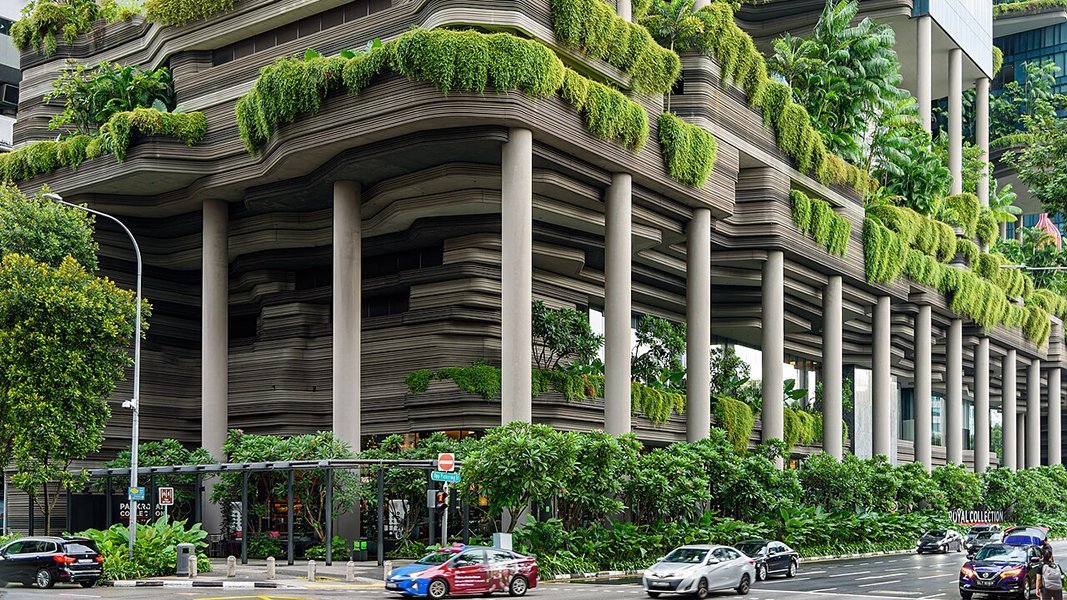
- Align crossings with wider ecological networks, including reserves, riparian margins, and green infrastructure systems, to maximise functional connectivity. 3
Spacing and redundancy
- Provide multiple crossings where feasible to reduce bottlenecks and accommodate different species, home ranges, and dispersal distances.
Habitat continuity
- Ensure suitable habitat exists on both sides of the structure so crossings do not expose wildlife to predators or other hazards. 6
Implementation considerations
Avoidance first
- Avoid introducing new barriers in waterways and landscapes wherever practicable; preventing fragmentation is more effective than retrofitting solutions. 4
Species capability
- Design fish passage and crossings to accommodate the full range of swimming, climbing, or movement abilities of locally occurring species. 4, 5
Regulatory coordination
- Fish passage works are highly regulated and typically require early coordination with councils, iwi, and specialist agencies.
Assessment tools and standards
- Use recognised guidance and tools, including those produced by NIWA and regional councils, to confirm functional movement outcomes. 5
Issues & barriers
Pollution and disturbance
- Artificial lighting, traffic noise, and contaminants can reduce the effectiveness and use of animal movement infrastructure.
Ecological traps
- Poorly sited structures may funnel wildlife into unsafe areas or fail to connect viable habitats. 6
Invasive species risk
- Increased connectivity can unintentionally facilitate the movement of invasive species if not carefully designed and managed.
Synergies & opportunities
- Climate change – Maintaining connectivity supports species movement and adaptation in response to changing climatic conditions. 7
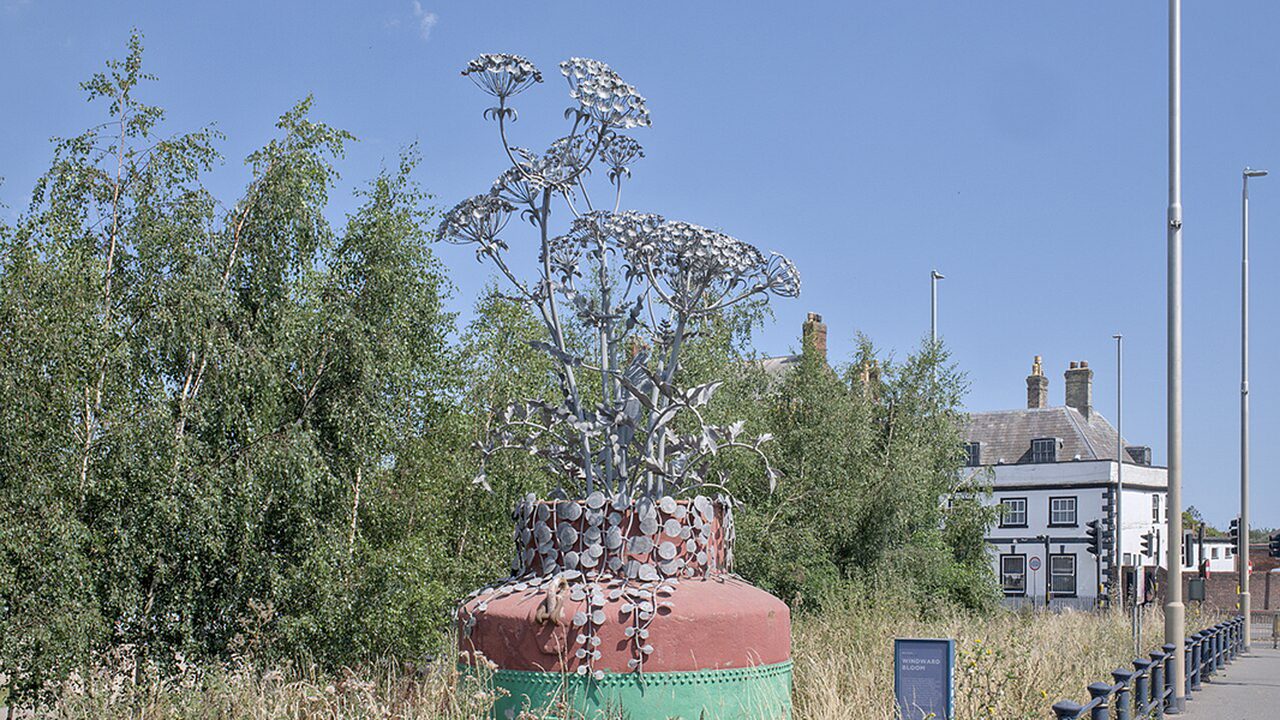
- Human wellbeing – Well-designed crossings can enhance visual amenity, safety, and opportunities for people to engage with nature.
Financial case
More-than-human population resilience
- Maintaining movement pathways supports genetic exchange, lifecycle completion, and long-term species viability.
Cost-effectiveness: Targeted investment
- Wildlife crossings and fish passage interventions can deliver high biodiversity outcomes relative to cost compared with large-scale land acquisition or restoration. 2, 8
Monitoring & evaluation metrics
Core metric
- Use of movement infrastructure by target species can be assessed through camera traps, eDNA sampling, or spotlighting.
Advanced metric
- Changes in habitat connectivity and movement patterns can be measured using GPS tracking or long-term monitoring across fragmented landscapes.
Additional resources or tools
- NIWA – Fish Passage Assessment Tool (FPAT). Online tool used to assess culverts and in-stream structures for fish passage and identify remediation options.
- NIWA – Fish Passage Guidance and Research. Design guidance and background research for fish passage in New Zealand waterways.
- Ministry for the Environment – Freshwater Management Guidance. National policy and implementation guidance relevant to stream modification and ecological connectivity.
References
- Helldin, J. O., & Petrovan, S. O. (2019). Effectiveness of small road tunnels and fences in reducing barrier effects. PeerJ, 7, e7518.
- Pell, A. S., & Jones, D. N. (2015). Wildlife overpasses and bird conservation. Biological Conservation, 184, 300–309.
- Martínez-Medina, D., et al. (2022). Effectiveness of wildlife underpasses in fragmented landscapes. Environmental Management, 69(1), 98–110.
- Franklin, P., et al. (2018). New Zealand fish passage guidelines for structures up to 4 m. NIWA client report.
- National Institute of Water and Atmospheric Research (NIWA). (2024). Fish Passage Assessment Tool (FPAT): User guidance. NIWA, Wellington.
- Karlson, M., et al. (2017). Road ecology in environmental impact assessment. Environmental Impact Assessment Review, 48, 10–19.
- Heller, N. E., & Zavaleta, E. S. (2009). Biodiversity management in the face of climate change. Biological Conservation, 142(1), 14–32.
- Costanza, R., et al. (2014). Changes in the global value of ecosystem services. Global Environmental Change, 26, 152–158.
RELATED DESIGN STRATEGIES //
Specific design interventions that support ecological health, habitat quality, and species diversity across urban and built environments.