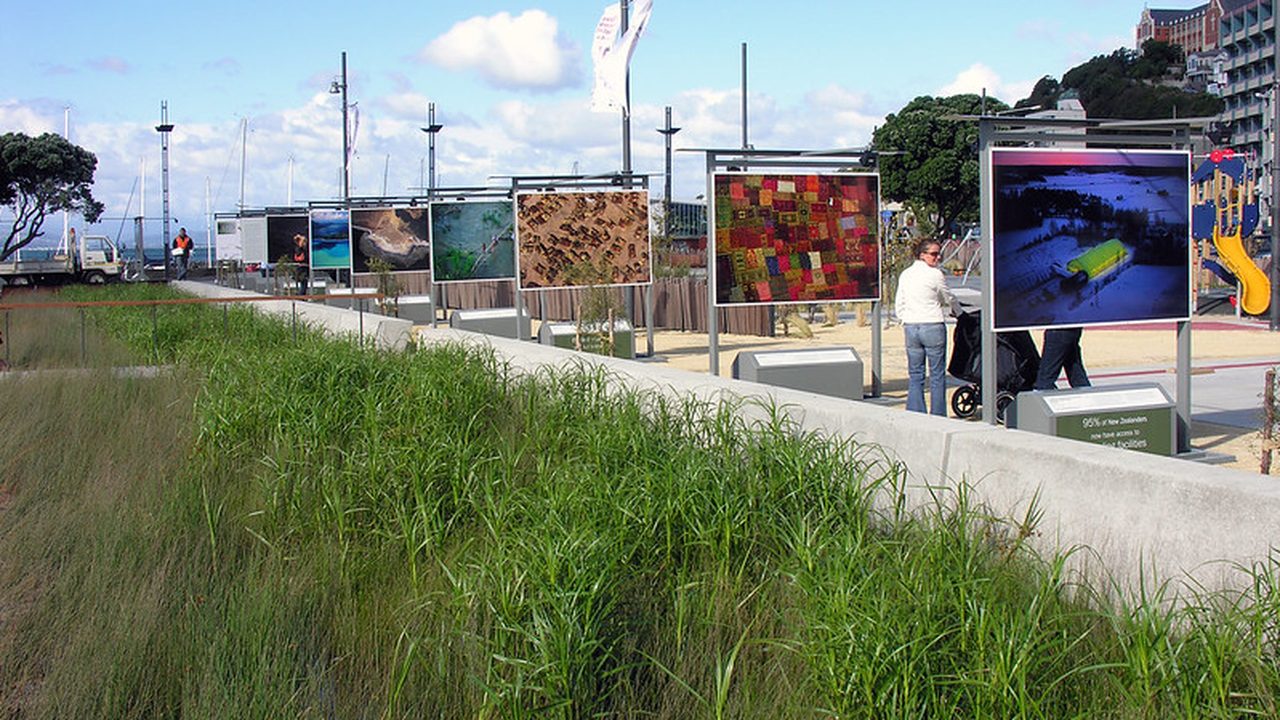
Planting for biodiversity

Definition
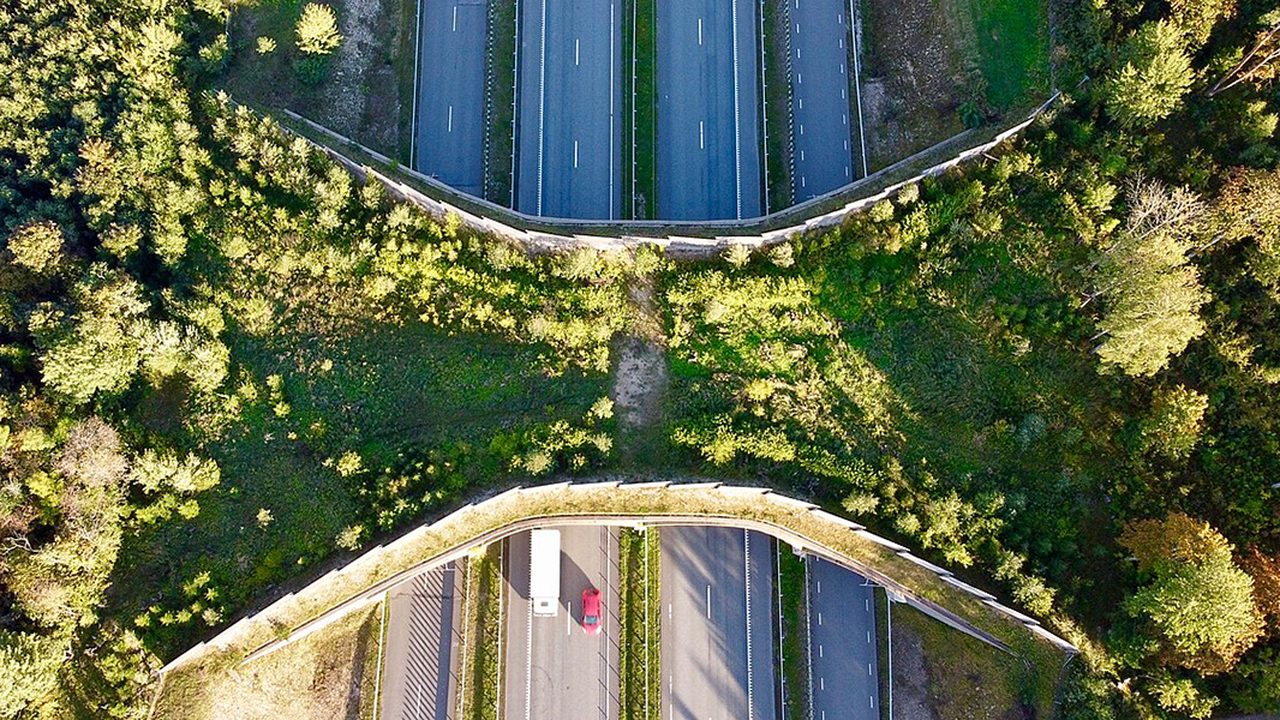
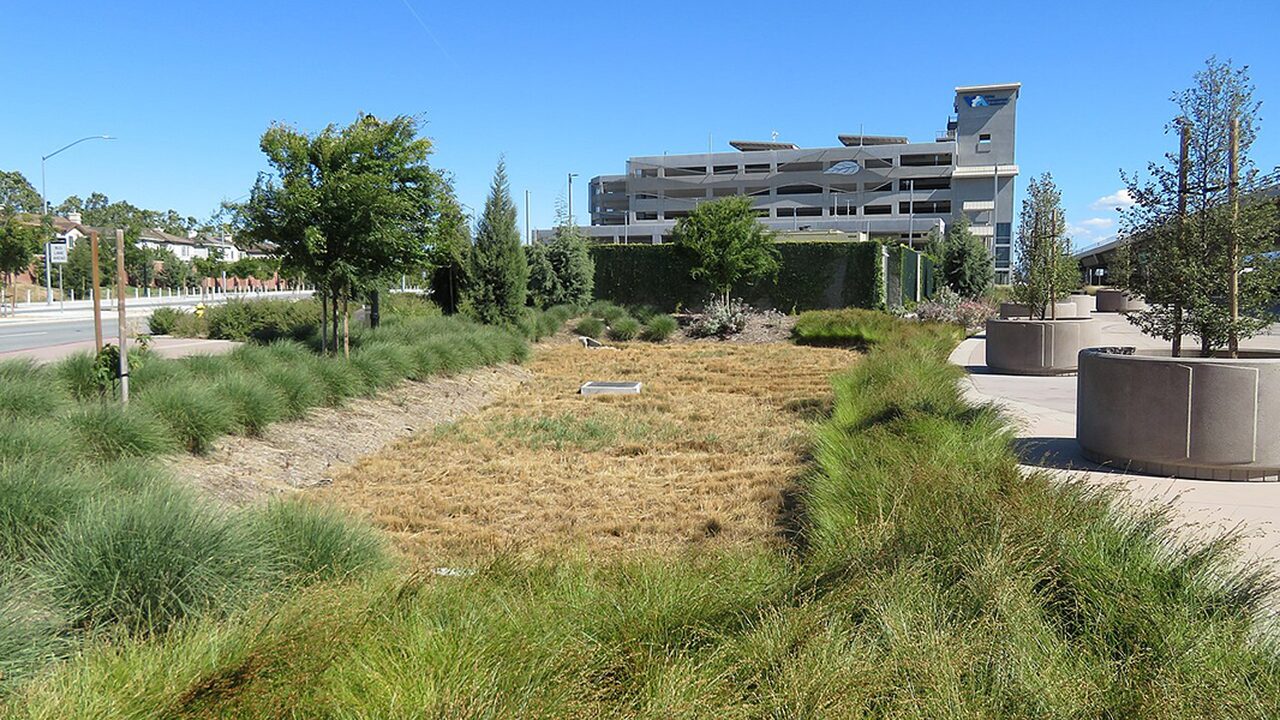
Planting for biodiversity uses eco-sourced native vegetation to create, restore, and connect habitats that support Indigenous species and ecological processes, including the reintroduction of locally appropriate or rare species where suitable.
What this strategy does
Delivers multi-layered native planting that supports fauna, soil health, and ecosystem function; includes revegetation, climate-adapted planting, and soil and water remediation approaches where needed. Avoids ornamental, exotic, or ecologically disconnected planting.
Context
In Aotearoa New Zealand, habitat loss, fragmented urban form, soil degradation, and climate stressors are primary drivers of biodiversity decline. Native planting aligned with local ecosystems and future climate conditions is a core response in urban and landscape development contexts.1, 2
Technical considerations
Design considerations
- Use eco-sourced native species matched to local ecosystem types, soil conditions, hydrology conditions, and exposure, supported by local seed banking and eco-sourcing nurseries where available.
- Design multi-layered vegetation structure (canopy, understorey, groundcover) to replicate natural forest, wetland, or coastal systems as appropriate to location, including staged revegetation (using natural succession) where sites are highly degraded.
- Prioritise plant species that provide food, shelter, and breeding habitat to target native fauna across seasons to support functional biodiversity, and consider the reintroduction of locally rare or declining species where conditions allow.
- Select plant species and assemblages that are resilient to projected climate conditions (e.g. drought tolerance, flood tolerance, temperature shifts) to support long-term ecosystem viability.
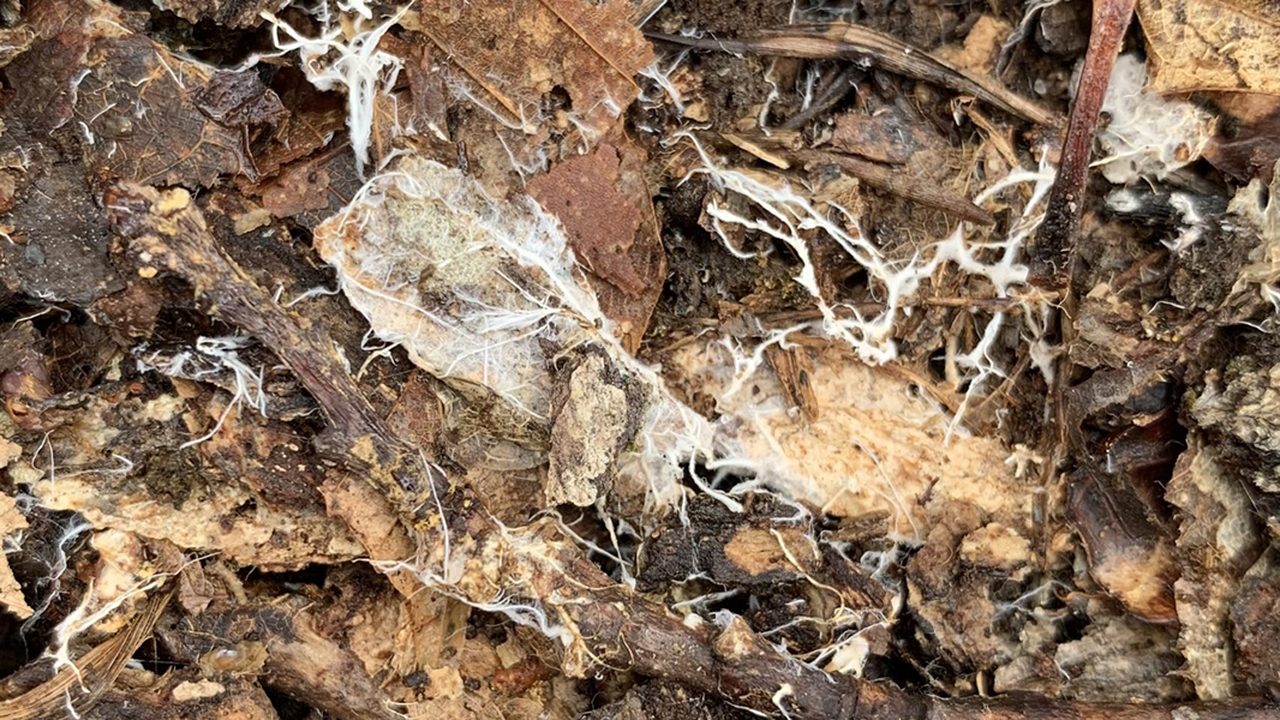
- In dialogue with specialists, investigate incorporating mycorrhizal associations and companion planting approaches to support soil health, nutrient exchange, and plant establishment, particularly in disturbed or reconstructed soils. Mycorrhizae are beneficial fungi that live in association with plant roots, extending their ability to access water and nutrients.3 Companion planting involves selecting plant species that support each other’s growth, for example by improving soil conditions, providing shelter, or attracting beneficial insects.4
- Use planting as a tool for bioremediation or phytoremediation where soils or water bodies are contaminated, selecting species known to stabilise, uptake, or transform pollutants. Bioremediation uses living organisms such as plants and microbes to break down or neutralise contaminants.5 Phytoremediation refers specifically to the use of plants to absorb, stabilise, or transform pollutants in soil or water.6
Implementation considerations
- Undertake early site assessment covering soils, contamination, hydrology, microclimate, and existing ecological networks.7, 8
- Urban soils may be compacted, contaminated, or biologically depleted, requiring remediation, soil reconstruction, or bioremediation approaches prior to or alongside planting.9, 10
- Plan for long-term establishment and succession, including sourcing pipelines, maintenance, and adaptive management as plant communities develop.
Issues and barriers
- Biodiversity outcomes require long establishment periods; ecological benefits may not be visible for several years.
- Uncertainty remains around climate tolerance and soil–fungal associations for some native species, requiring adaptive management.11
Synergies and opportunities
- Climate change – Carbon storage, urban cooling, and stormwater moderation.12, 13
- Human wellbeing – Improved mental health, recreation, and environmental quality.14, 15
- Freshwater security – Riparian planting improves water quality and aquatic habitat.16, 17
- Waste and pollution management – Vegetation supports nutrient uptake and contaminant attenuation.9, 18, 19
Financial case
Value type
- Reduced infrastructure stress, improved stormwater performance, carbon sequestration, and avoided remediation costs.12
Cost-effectiveness: Investment logic
- Native planting integrated early in development is more cost-effective than retrofitted remediation or long-term engineered solutions, with lower lifecycle maintenance and replacement costs.13, 19
Monitoring and evaluation metrics
Core metric
- Native plant survival, canopy cover, and species diversity over time.
Advanced or long-term metric
- Fauna presence and abundance, soil organic matter and microbial activity, and water quality indicators.
Additional resources or tools
- Department of Conservation Restoration Planting Guide. Practical guidance for planning and implementing native restoration planting.
- Wellington City Council Restoration Planting Techniques Guide. Urban-focused planting and maintenance guidance.
- iNaturalistNZ. Platform for biodiversity monitoring and community reporting.
- NIWA National Climate Change Projections for New Zealand
- Bioeconomy Science Institute (Manaaki Whenua) soil health indicators
References
- Department of Conservation. (2020). Te Mana o te Taiao – Aotearoa New Zealand Biodiversity Strategy 2020–2050.
- Ministry for the Environment. (2022). National Adaptation Plan 2022.
- Moukarzel, R., Waller, L. P., Jones, E. E., & Ridgway, H. J. (2025). Arbuscular mycorrhizal fungal symbiosis in New Zealand ecosystems: challenges and opportunities. Letters in Applied Microbiology, 78(5).
- Reid, N. M., Wigley, K., Nusrath, A., Smaill, S. J., & Garrett, L. G. (2024). Use of nitrogen-fixing plants to improve planted forest soil fertility and productivity in New Zealand: A review. New Zealand Journal of Forestry Science, 54.
- Ayilara, M. S., & Babalola, O. O. (2023). Bioremediation of environmental wastes: the role of microorganisms. Frontiers in Agronomy, 5, 1183691.
- Mills, T., Robinson, B., Green, S., Clothier, B., Babbage, N., Sivakumaran, S., et al. (2002). Phytoremediation – A long-term solution for contaminated sites. WasteMINZ Annual Convention Proceedings.
- Parliamentary Commissioner for the Environment. (2024). Urban ground truths – Valuing soil and subsoil in urban development.
- Stevenson, B. (2022). Soil health indicators. Manaaki Whenua – Landcare Research.
- Pilon-Smits, E. (2005). Phytoremediation. Annual Review of Plant Biology, 56, 15–39.
- Yang, J.-L., & Zhang, G.-L. (2015). Formation and implications of urban soils. Soil Science and Plant Nutrition, 61(sup1), 30–46.
- Orlovich, D. A., & Cairney, J. W. G. (2010). Ectomycorrhizal fungi in New Zealand. New Zealand Journal of Botany, 42(1), 179–201.
- Costanza, R., et al. (2014). Changes in the global value of ecosystem services. Global Environmental Change, 26, 152–158.
- NIWA. (2020). Climate change projections for New Zealand. https://niwa.co.nz/climate-and-weather/updated-national-climate-projections-new-zealand
- Pataki, D. E., et al. (2021). The benefits and limits of urban tree planting for environmental and human health. Frontiers in Ecology and Evolution, 9, 603757.
- Marselle, M. R., et al. (2019). Mental health and wellbeing benefits of biodiversity. Biodiversity and Health in the Face of Climate Change.
- Marshall, K. N., Hobbs, N. T., & Cooper, D. J. (2023). Stream temperature increases with vegetation removal and climate change. Forest Ecology and Management, 538, 120965.
- Vymazal, J. (2011). Constructed wetlands for wastewater treatment. Environmental Science & Technology, 45(1), 61–69.
- Meister, A., et al. (2022). Phytoremediation of contaminated soils using New Zealand native plants. Environmental Science and Pollution Research, 29, 52849–52865.
- Farraji, H., et al. (2016). Advantages and disadvantages of phytoremediation. International Journal of Environmental Technology and Science, 2, 1–8.
RELATED DESIGN STRATEGIES //
Specific design interventions that support ecological health, habitat quality, and species diversity across urban and built environments.