Buffers
SCALES / Neighbourhood
Definition
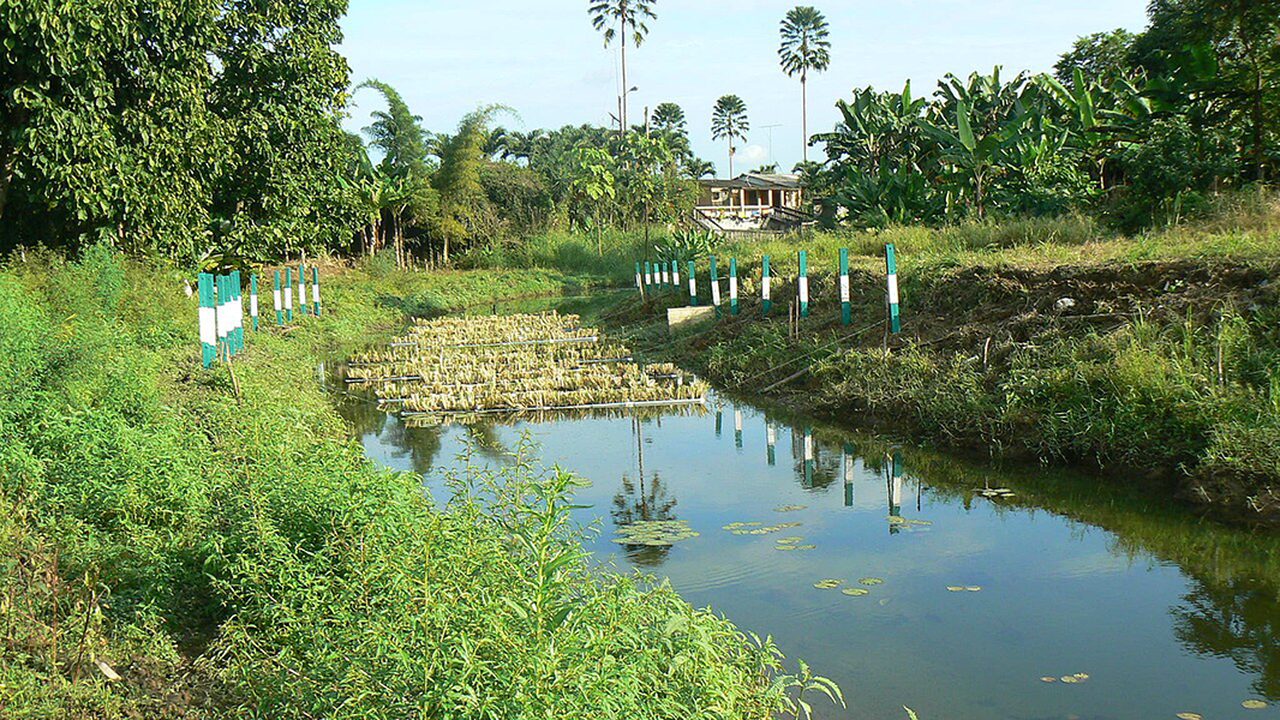
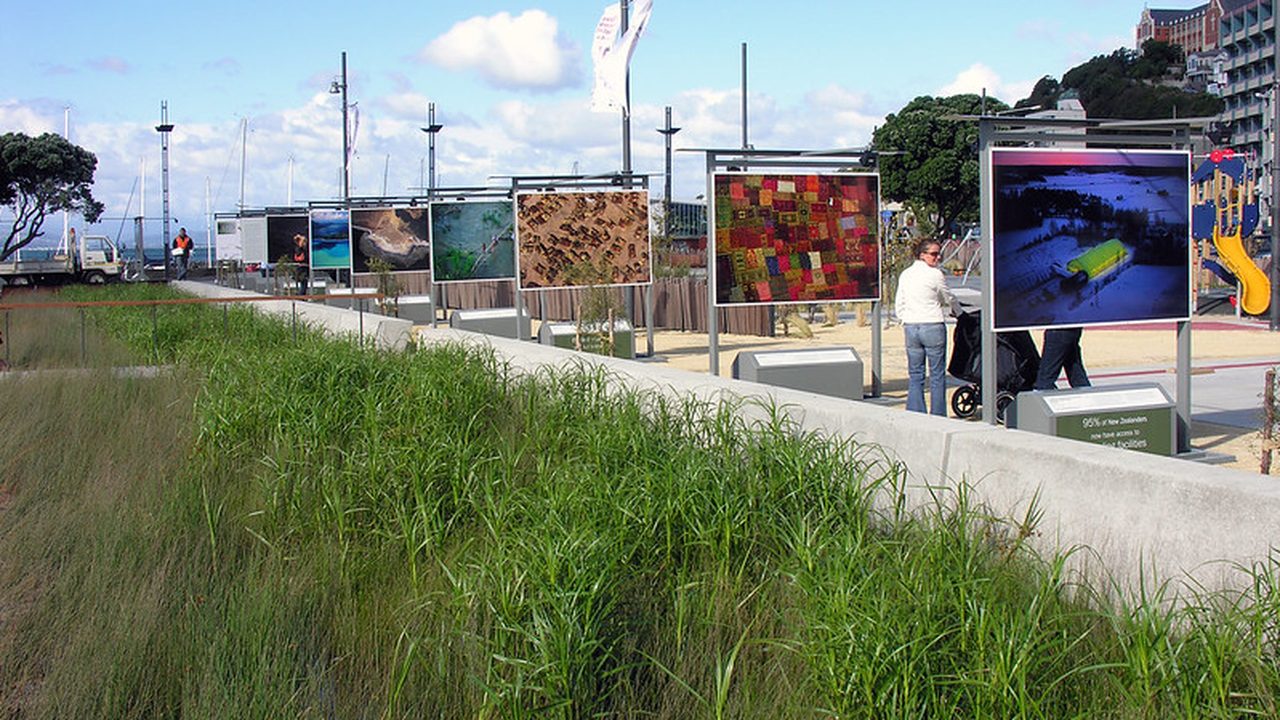
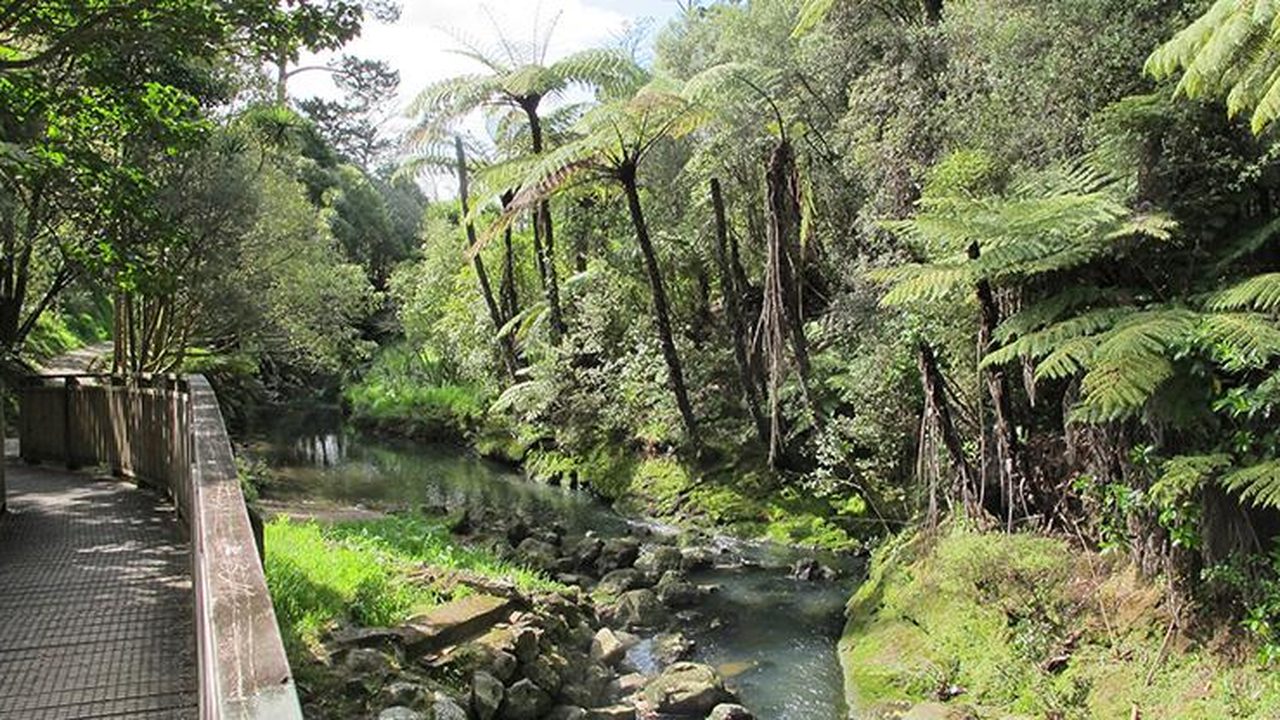
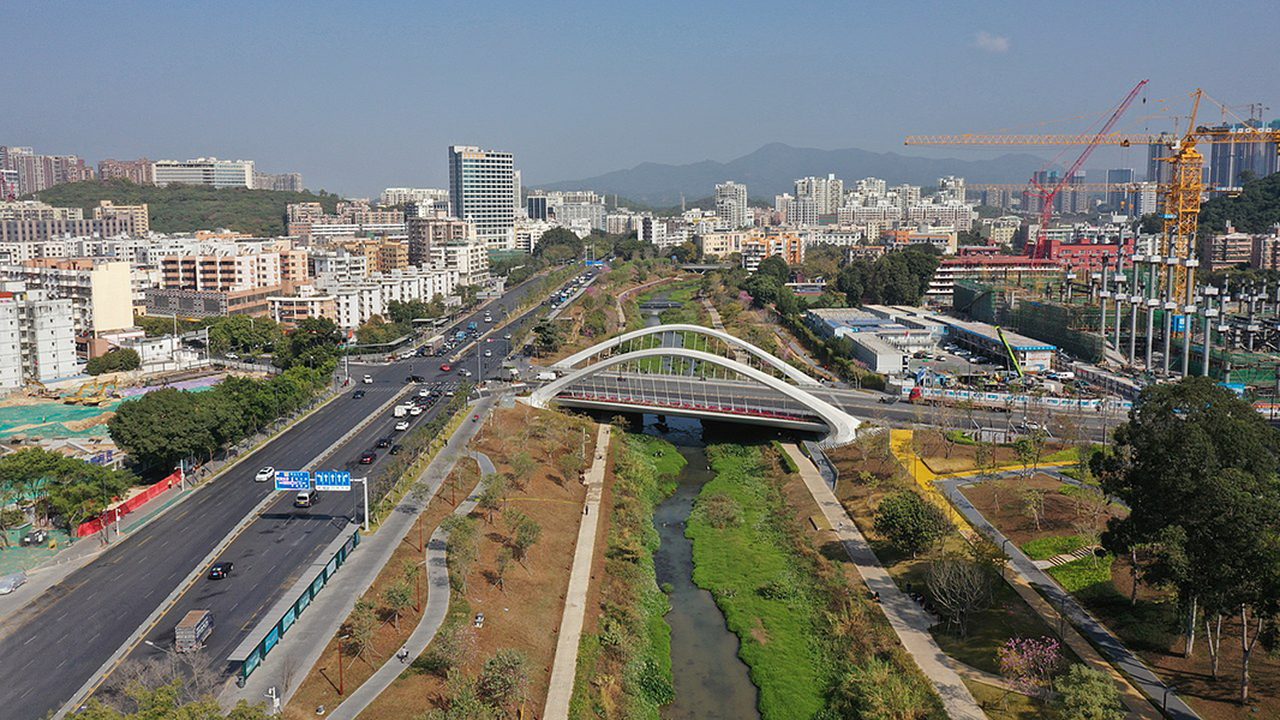
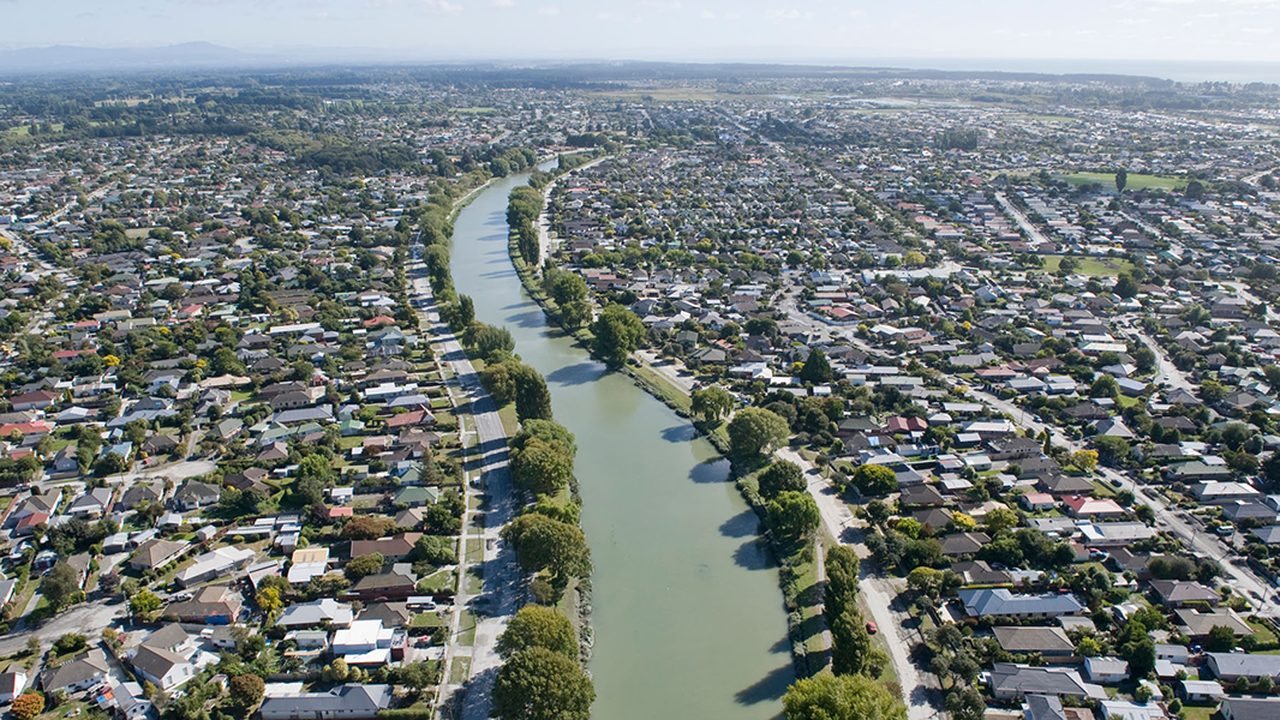
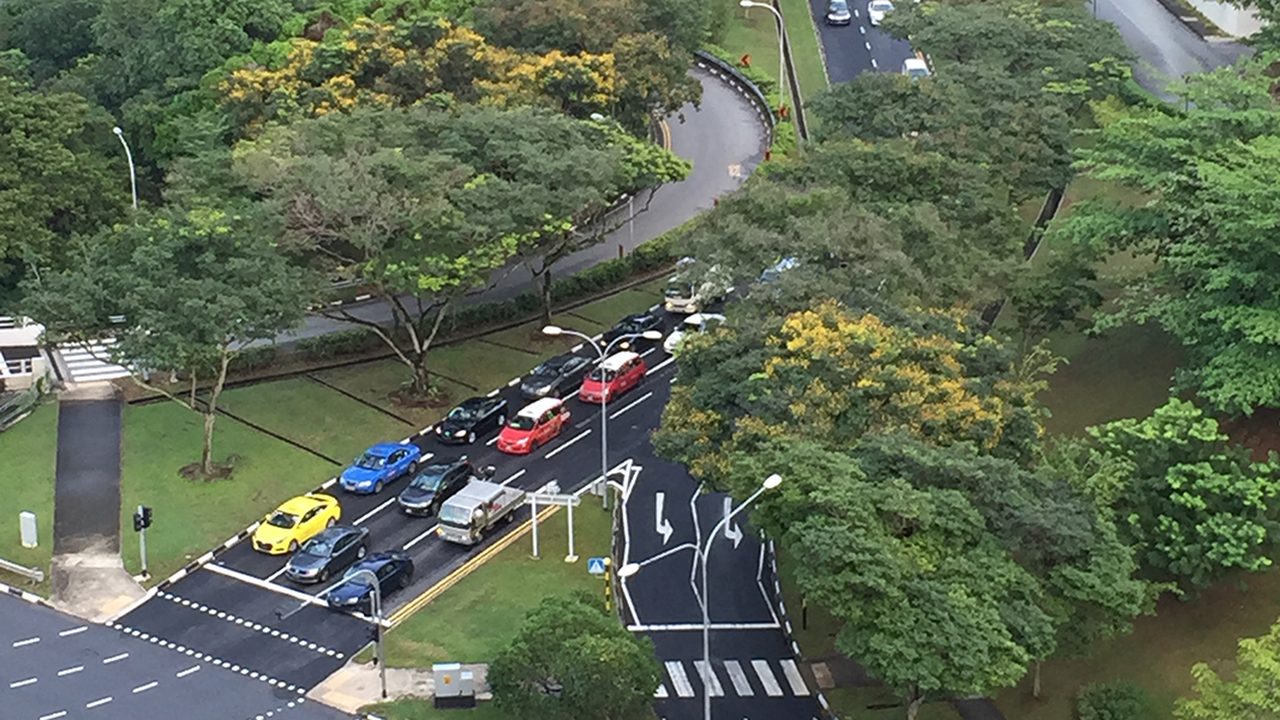
Buffers are vegetated or natural zones that reduce ecological impacts from adjacent urban land uses by creating a gradual transition between developed areas and sensitive ecosystems.
What this strategy does
Buffers filter pollutants, stabilise soils, reduce disturbance, and provide habitat and movement space between urban uses and ecological systems.
Context
In urban and peri-urban Aotearoa New Zealand, buffers are commonly applied along waterways, transport corridors, and edges of developments to mitigate runoff, fragmentation, and human disturbance, particularly where regulatory setbacks or Significant Natural Areas are present.
Technical considerations
Design considerations
Buffer width and configuration
- Prioritise wider, continuous buffers with simple edges; variable widths responding to slope, hydrology, and adjacent land use perform better than fixed minimum setbacks. 1, 2, 3, 4
Vegetation structure
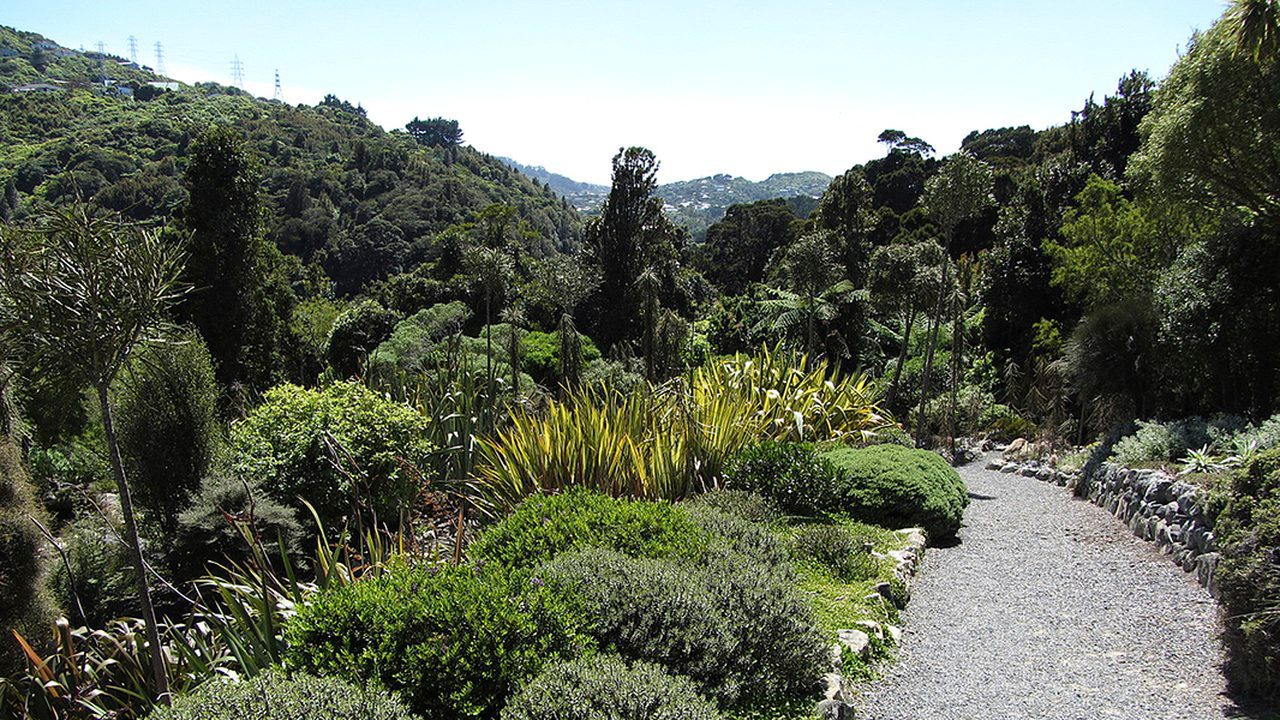
- Use multi-layered native planting (groundcover, shrub, canopy) to improve habitat quality and resilience; retain existing mature trees where possible. 1, 5, 6
Landscape connectivity
- Locate buffers to connect with existing vegetation, riparian margins, or open space networks to improve functional connectivity. 7, 8, 9
Soil and water function
- Design buffers to intercept runoff, support infiltration, and maintain soil health, particularly in riparian or stormwater contexts. 12, 13, 14
Implementation considerations
Management approach
- Adopt low-disturbance regimes (selective mowing, staged maintenance, pest control) and adjust over time in response to ecological performance. 3, 5, 10, 11
Urban integration
- Account for surrounding infrastructure, impervious surfaces, and pollution sources when determining buffer design and performance expectations. 1, 7, 9, 12
Multi-function trade-offs
- Where buffers are required to deliver multiple services (e.g. water quality and habitat), design explicitly for priority outcomes to avoid performance dilution. 3, 5
Issues & barriers
Fragmentation pressure
- Urban subdivision and infrastructure can reduce buffer continuity and limit ecological function. 1, 16, 17
Insufficient size or diversity
- Buffers that are narrow, highly manicured, or dominated by exotic species support fewer taxa and reduced ecosystem function. 1, 5, 10, 18
Urban disturbance and pollution
- Traffic, noise, light, and contaminated runoff can degrade buffer quality, particularly near roads and industrial land. 10, 12, 16
Management limitations
- Inadequate funding, unclear responsibility, or inappropriate maintenance regimes can undermine long-term performance. 5, 10, 18
Ecological traps
- Poorly designed buffers may attract fauna without providing adequate resources or protection, increasing mortality risk. 12
Synergies & opportunities
- Human wellbeing – Neighbourhood-scale green buffers are associated with improved self-reported health and reduced chronic disease risk. 20, 21
- Waste and pollution management – Vegetated buffers can measurably reduce airborne particulates and intercept pollutants adjacent to transport and industrial areas. 22, 23
Financial case
Operational cost reduction
- Buffers contribute to stormwater treatment, air quality improvement, and microclimate regulation, reducing downstream infrastructure and health costs. 3, 5, 24
Cost-effectiveness: Targeted investment
- Strategically located buffers deliver multiple ecosystem services from relatively low-cost land and planting interventions compared to engineered alternatives. 3, 24
Monitoring & evaluation metrics
Core metrics
- Species richness and diversity (plants, invertebrates, birds). 24, 26
- Vegetation structure and native species proportion. 24, 27
- Soil condition and microclimate indicators. 24
Advanced or long-term metrics
- Functional connectivity measures (GIS-based indices). 27
- Ecosystem service delivery (air quality, water quality, carbon). 24, 28
Additional resources or tools
- National Policy Statement for Indigenous Biodiversity (NPS-IB). Guidance on identification and management of Significant Natural Areas.
- Biodiversity in Aotearoa (DOC, 2020). National state and trends report for biodiversity.
- Te Mana o te Taiao – New Zealand Biodiversity Strategy 2020. National biodiversity framework and objectives.
References
- Ye, Q., Wang, X., Liang, L., Qiu, J., & Tsim, S. (2025). A review on landscape factors for biodiversity performance enhancement in urban parks. Diversity. https://doi.org/10.3390/d17040262
- Graziano, M., Deguire, A., & Surasinghe, T. (2022). Riparian buffers as a critical landscape feature: Insights for riverscape conservation and policy renovations. Diversity. https://doi.org/10.3390/d14030172
- Cole, L., Stockan, J., & Helliwell, R. (2020). Managing riparian buffer strips to optimise ecosystem services: A review. Agriculture, Ecosystems & Environment, 296, 106891. https://doi.org/10.1016/j.agee.2020.106891
- Luke, S., Slade, E., Gray, C., et al. (2018). Riparian buffers in tropical agriculture: Scientific support, effectiveness and directions for policy. Journal of Applied Ecology. https://doi.org/10.1111/1365-2664.13280
- Ariluoma, M., Kinnunen, A., Lampinen, J., Hautamäki, R., & Ottelin, J. (2024). Optimizing the co-benefits of biodiversity and carbon sinks in urban residential yards. Frontiers in Sustainable Cities. https://doi.org/10.3389/frsc.2024.1327614
- Chinga, J., Murúa, M., & Gelcich, S. (2024). Exploring perceptions towards biodiversity conservation in urban parks. Journal of Urban Management. https://doi.org/10.1016/j.jum.2024.05.006
- Molné, F., et al. (2023). Supporting the planning of urban blue-green infrastructure for biodiversity. Journal of Environmental Management, 342, 118069. https://doi.org/10.1016/j.jenvman.2023.118069
- Mayrand, F., & Clergeau, P. (2018). Green roofs and green walls for biodiversity conservation. Sustainability, 10, 985. https://doi.org/10.3390/su10040985
- Zhang, Y., et al. (2021). Effects of landscape attributes on campus bird species richness. Sustainability, 13, 5558. https://doi.org/10.3390/su13105558
- Hille, S., et al. (2018). Structural and functional characteristics of buffer strip vegetation. Science of the Total Environment, 628–629, 805–814. https://doi.org/10.1016/j.scitotenv.2018.02.117
- Stutter, M., et al. (2019). Current insights into the effectiveness of riparian management. Journal of Environmental Quality, 48(2), 236–247. https://doi.org/10.2134/jeq2019.01.0020
- Oertli, B., & Parris, K. (2019). Toward management of urban ponds for freshwater biodiversity. Ecosphere. https://doi.org/10.1002/ecs2.2810
- Duan, Y., et al. (2021). Vegetated buffer zone restoration planning in small urban watersheds. Water. https://doi.org/10.3390/w13213000
- Didur, O., et al. (2023). Assessment of the soil buffer capacity in urban green plantings. Pytannia stepovoho lisoznavstva ta lisovoi rekultyvatsii zemel. https://doi.org/10.15421/442303
- Li, J., & Nassauer, J. I. (2020). Cues to care: A systematic analytical review. Landscape and Urban Planning, 201, 103821.
- Coppola, E., et al. (2019). Softscape buffers in complex urban ecosystems. Frontiers in Plant Science, 10. https://doi.org/10.3389/fpls.2019.00410
- Croeser, T., et al. (2024). Spatial targeting of nature-based solutions for urban biodiversity. Landscape and Urban Planning. https://doi.org/10.1016/j.landurbplan.2024.105169
- Knapp, S., et al. (2019). Biodiversity impact of green roofs and constructed wetlands. Sustainability. https://doi.org/10.3390/su11205846
- Bele, A., & Chakradeo, U. (2021). Public perception of biodiversity in urban green spaces. Journal of Landscape Ecology, 14, 1–28.
- Su, J., et al. (2019). Associations of green space metrics with health outcomes. Environment International, 126, 162–170.
- Wu, L., & Kim, S. (2020). Health outcomes of urban green space in Beijing. Sustainable Cities and Society, 102604.
- Haselbach, L., et al. (2024). Green buffers near industrial plants. Spatial Information Research. https://doi.org/10.1007/s41324-024-00580-2
- Yoo, S., et al. (2021). Reduction of particulate matter at an industrial green buffer. Sustainability, 13, 5538.
- Belaire, J., et al. (2022). Fine-scale monitoring of biodiversity and ecosystem services. Science of the Total Environment, 157801. https://doi.org/10.1016/j.scitotenv.2022.157801
- Kowarik, I., et al. (2025). Promoting urban biodiversity for people and nature. Nature Reviews Biodiversity. https://doi.org/10.1038/s44358-025-00035-y
- Wooster, E., et al. (2021). Urban green roofs and metropolitan biodiversity. Building and Environment. https://doi.org/10.1016/j.buildenv.2021.108458
- Aznarez, C., et al. (2022). Habitat quality and urban biodiversity patterns. Landscape and Urban Planning. https://doi.org/10.1016/j.landurbplan.2022.104570
- Fan, K., et al. (2023). Soil biodiversity and ecosystem functions. Nature Ecology & Evolution, 7, 113–126.
- Hu, X., & Lima, M. (2024). Maintenance and biodiversity in urban green spaces. Landscape and Urban Planning. https://doi.org/10.1016/j.landurbplan.2024.105153
- Fairbrass, A., et al. (2017). Biases of acoustic indices in urban biodiversity monitoring. Ecological Indicators, 83, 169–177.
RELATED DESIGN STRATEGIES //
Specific design interventions that support ecological health, habitat quality, and species diversity across urban and built environments.