Biofilters
SCALES / Site scale
Definition
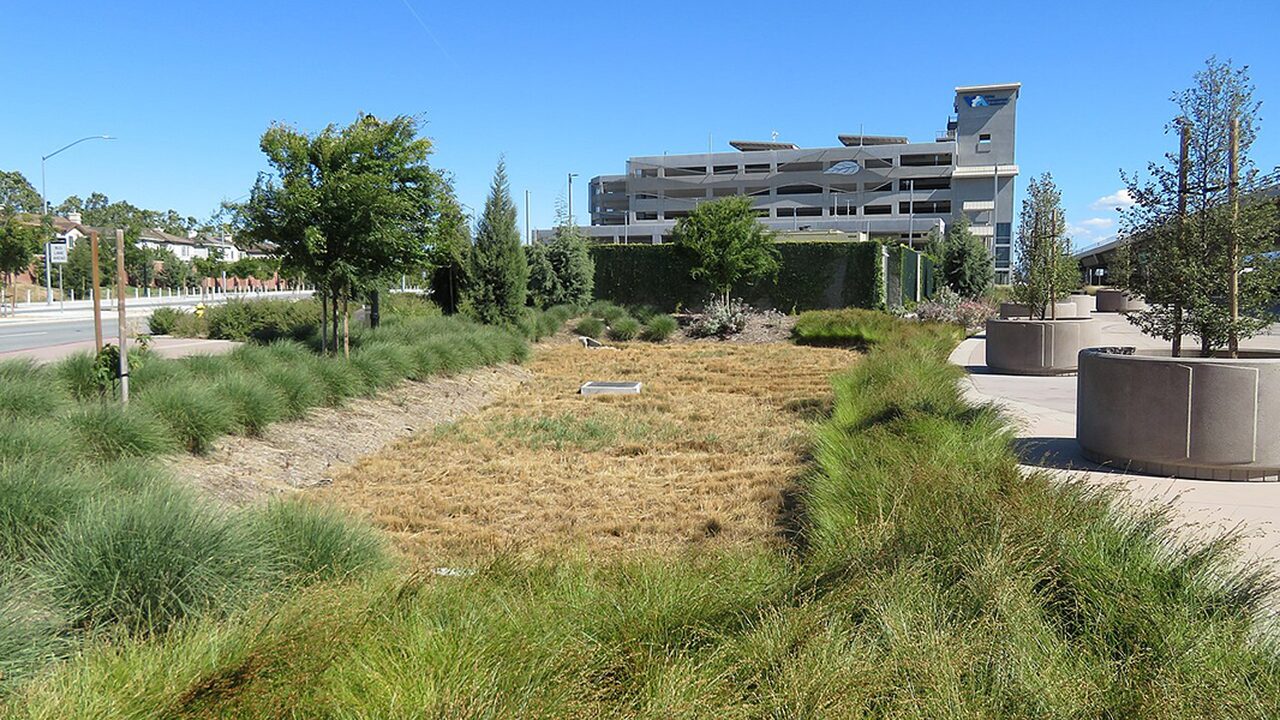
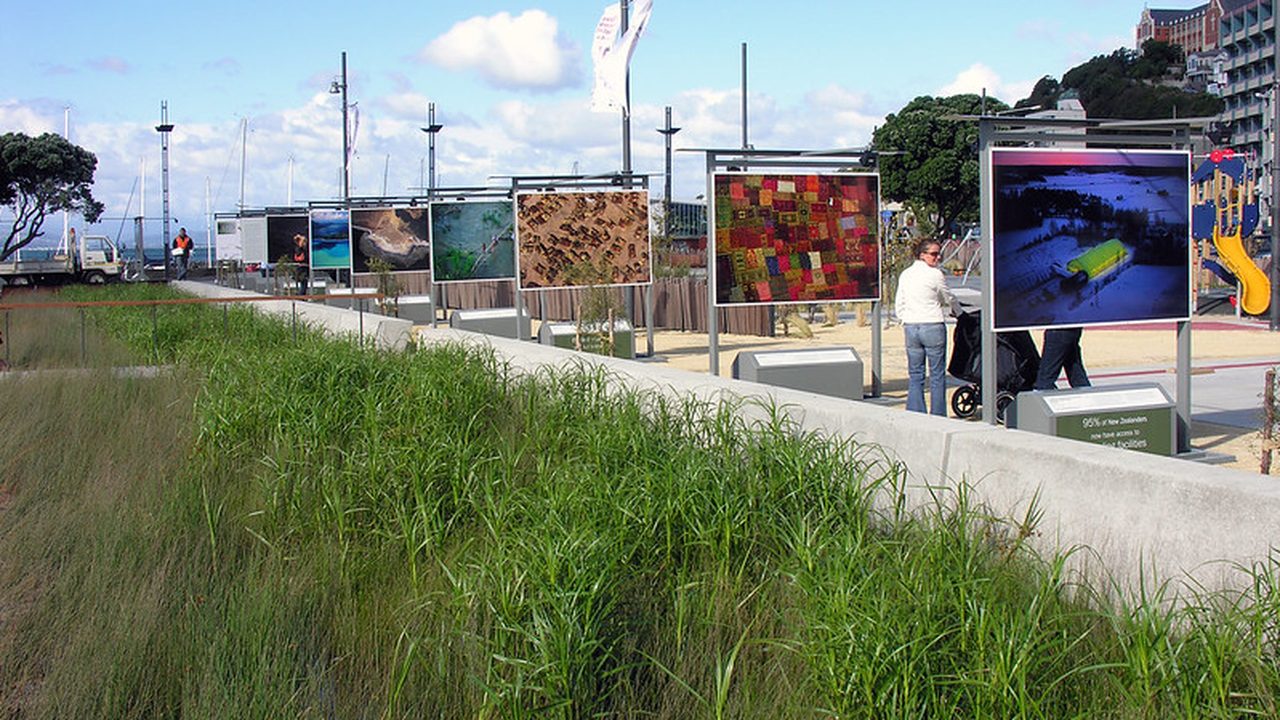
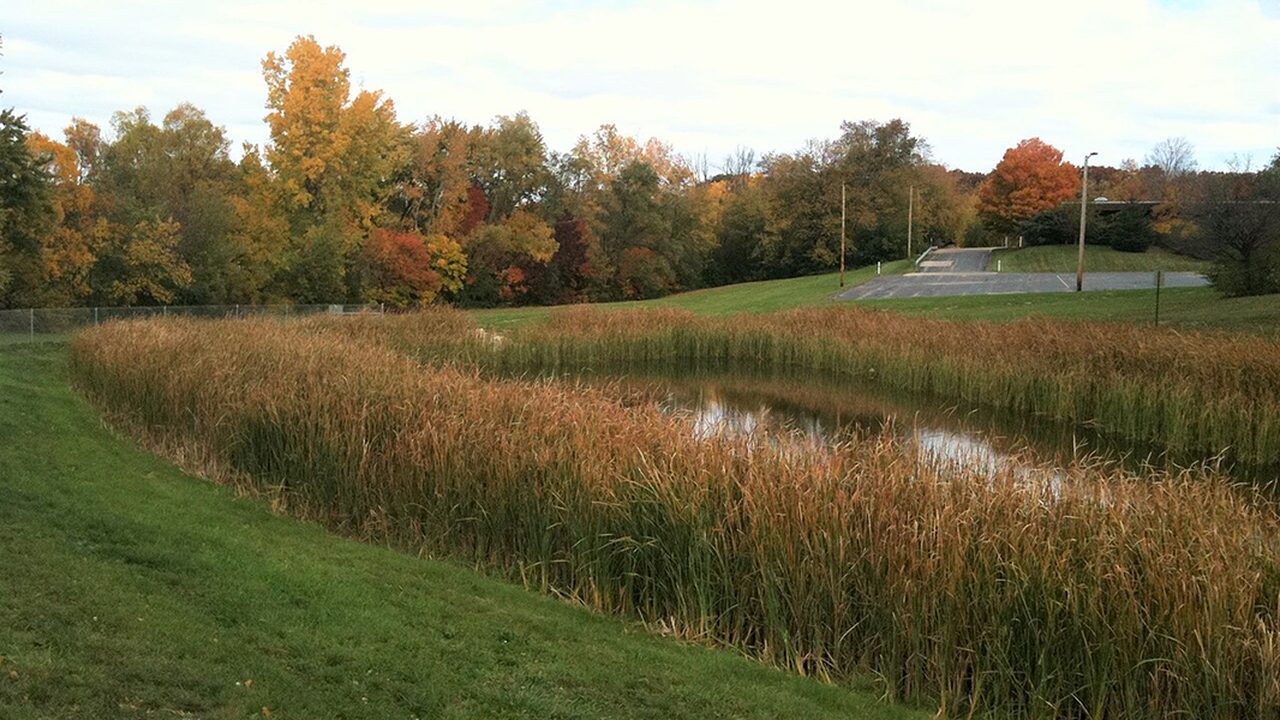
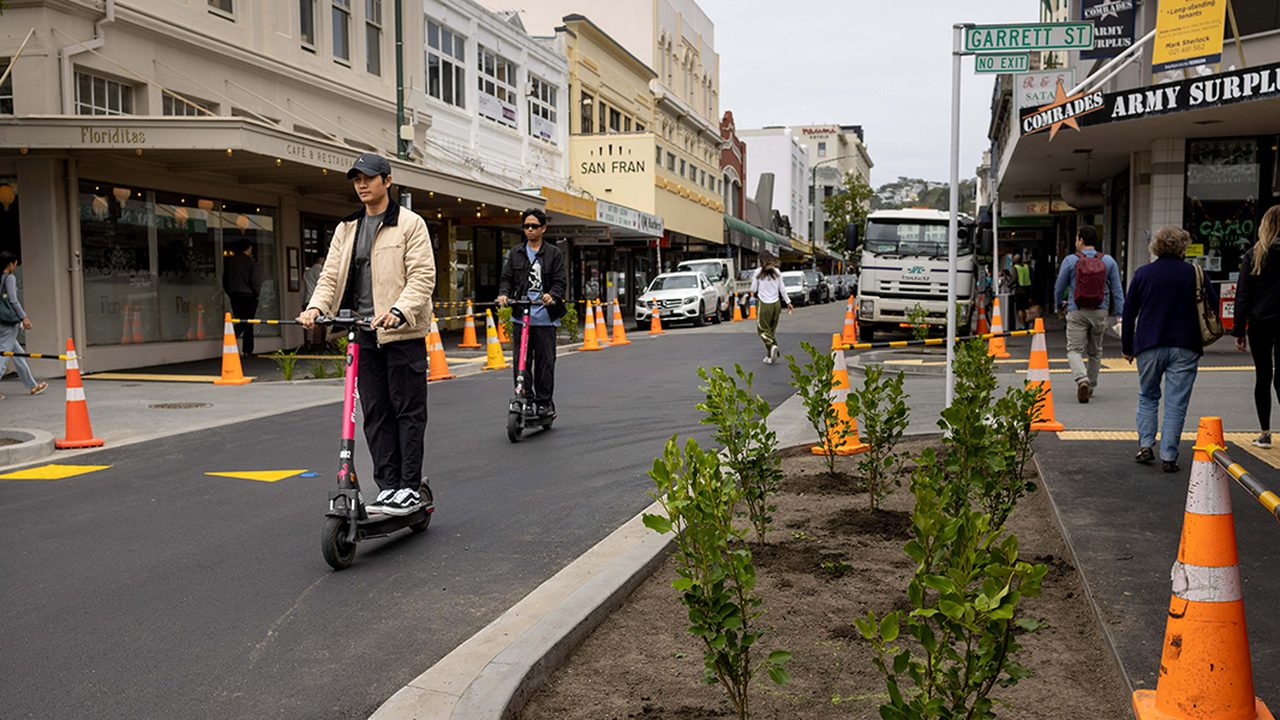
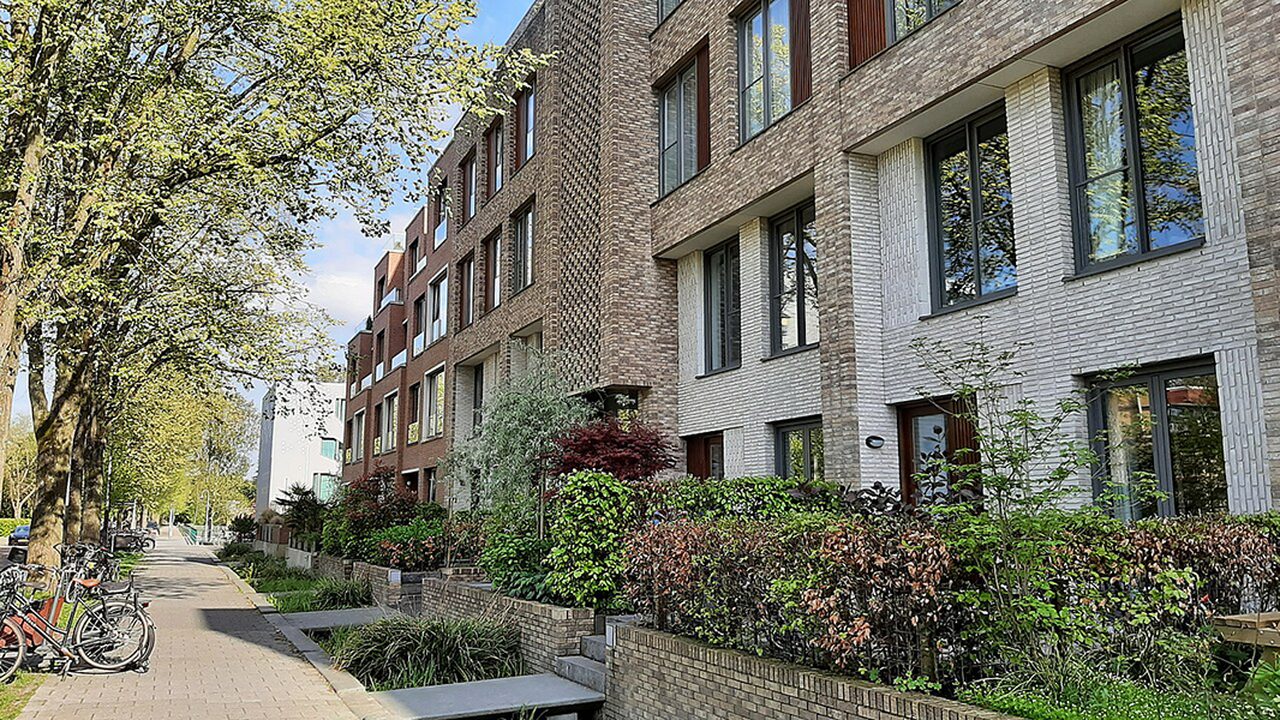
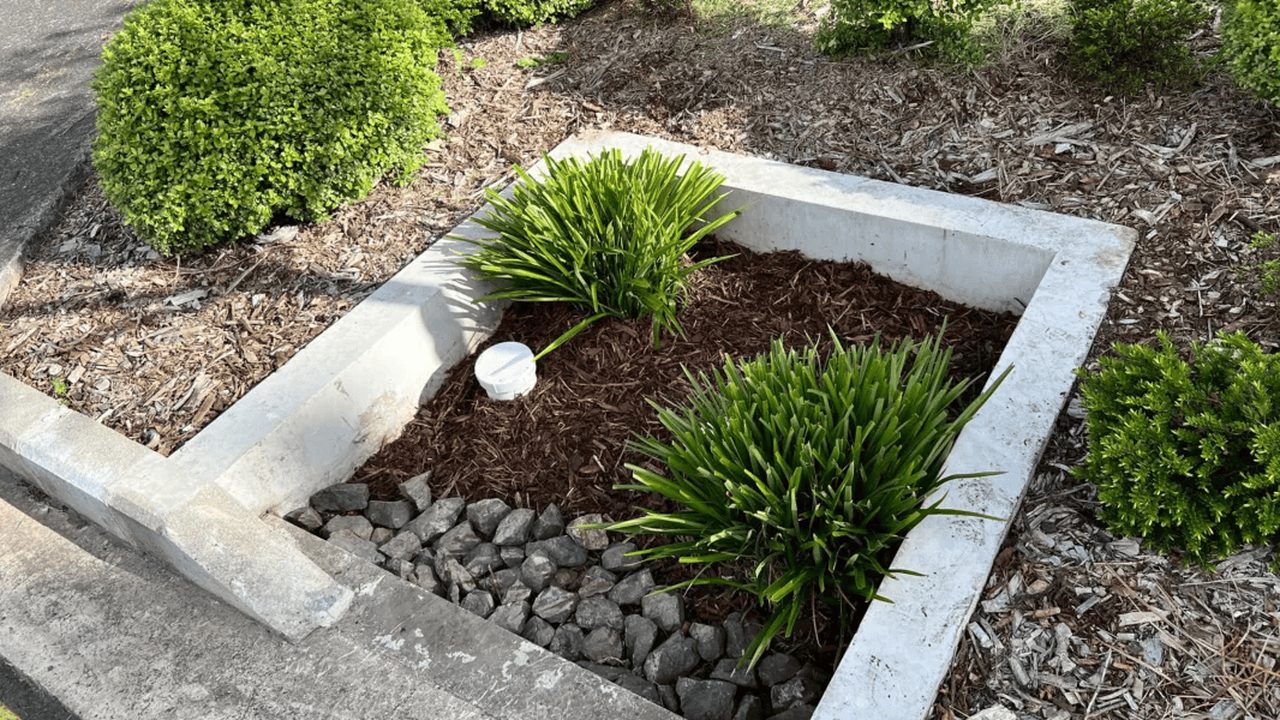
Biofilters are engineered planted systems that treat stormwater runoff by filtering water through layered substrates and vegetation.
What this strategy does
Treats stormwater close to the source using soil, plants, and microbial processes; reduces pollutant loads entering streams while integrating vegetation into the urban fabric.
Context
In Aotearoa New Zealand, urban runoff is a major pressure on freshwater ecosystems. Biofilters are widely promoted within water-sensitive urban design to improve water quality and reduce downstream ecological impacts when designed and maintained appropriately. 12
Technical considerations
Design considerations
Layered substrate configuration
- Use graded layers (e.g. sand, gravel, organic matter) sized to achieve hydraulic performance while supporting microbial processing of nutrients and metals. 2
Plant selection
- Prioritise locally eco-sourced native wetland and riparian species tolerant of periodic inundation and drying to maintain function and reduce replacement risk. 3
Hydraulic integration
- Size and locate biofilters to intercept runoff from impervious areas while maintaining design flow paths that avoid prolonged ponding or scour. 2, 4
Implementation considerations
Design priority
- Integrate biofilters early in site layout to secure adequate footprint, setbacks, and overflow connections. 2
Key constraint
- Performance declines if maintenance access, sediment forebays, or inlet protection are omitted. 4
Issues & barriers
Space limitations
- Dense urban sites may constrain footprint, requiring trade-offs between treatment performance and land use. 5
Maintenance dependency
- Sediment accumulation and vegetation decline can reduce treatment efficiency if routine maintenance is not resourced. 4
Public concern
- Perceived risks of mosquitoes or stagnant water can affect acceptance, particularly where surface ponding is visible. 6
Synergies & opportunities
- Climate change – Attenuates peak flows and supports urban cooling through evapotranspiration. 7
- Human wellbeing – Contributes to greener streetscapes associated with mental health benefits. 8
- Disaster risk reduction – Reduces localised flooding and erosion pressures. 9
- Freshwater security – Improves downstream water quality supporting aquatic ecosystems. 10
- Waste and pollution management – Removes nutrients and metals before they reach waterways. 2
Financial case
Ecosystem services and/or performance value
- Reduced downstream treatment costs and avoided flood damage through decentralised stormwater management. 9
Cost-effectiveness: Investment logic
- When integrated into streets or open space, biofilters can be more cost-effective over their lifecycle than expanding piped stormwater infrastructure. 4, 9
Monitoring & evaluation metrics
Core metric
- Reductions in nitrogen, phosphorus, suspended solids, and metals can be measured upstream/downstream of the system. 11
Advanced or long-term metric
- Vegetation survival and condition as a proxy for ongoing treatment performance. 12
Additional resources or tools
- Te Ao Māori and Water Sensitive Urban Design (Activating WSUD). Guidance on integrating mātauranga Māori into WSUD practice.
- NIWA – Constructed Wetlands and Stormwater Treatment. Overview of design, performance, and monitoring considerations.
- Adoption guidelines for stormwater biofiltration systems: Cities as water supply catchments – sustainable technologies
- Local council WSUD or stormwater device standards (where applicable).
References
- Meurk, C. D., Blaschke, P. M., & Simcock, R. C. (2013). Ecosystem services in New Zealand cities. In J. R. Dymond (Ed.), Ecosystem services in New Zealand: Conditions and trends (pp. 254–273). Manaaki Whenua Press.
- Trowsdale, S. A., & Simcock, R. (2011). Urban stormwater treatment using bioretention. Journal of Hydrology, 397(3), 167–174. https://doi.org/10.1016/j.jhydrol.2010.11.023
- Meister, A., Li, F., Gutierrez-Gines, M. J., Dickinson, N., Gaw, S., Bourke, M., & Robinson, B. (2022). Interactions of treated municipal wastewater with native plant species. Ecological Engineering, 183, 106741. https://doi.org/10.1016/j.ecoleng.2022.106741
- Payne, E. G. I., et al. (2015). Adoption Guidelines for Stormwater Biofiltration Systems. Cooperative Research Centre for Water Sensitive Cities.
- Jarosiewicz, P., et al. (2024). Stormwater treatment in constrained urban spaces through a hybrid sequential sedimentation biofiltration system. Chemosphere, 367, 143696. https://doi.org/10.1016/j.chemosphere.2024.143696
- Wong, G. K. L., & Jim, C. Y. (2018). Abundance of urban male mosquitoes by green infrastructure types. Landscape Ecology, 33(3), 475–489. https://doi.org/10.1007/s10980-018-0616-1
- Kisvarga, S., et al. (2023). Plant responses to global climate change and urbanization. Horticulturae, 9(9), 1051. https://doi.org/10.3390/horticulturae9091051
- Marselle, M. R., et al. (2019). Review of the mental health and wellbeing benefits of biodiversity. In Biodiversity and Health in the Face of Climate Change (pp. 175–211). Springer. https://doi.org/10.1007/978-3-030-02318-8_8
- Costanza, R., et al. (2014). Changes in the global value of ecosystem services. Global Environmental Change, 26, 152–158. https://doi.org/10.1016/j.gloenvcha.2014.04.002
- Ramezani, J., et al. (2016). In-stream water quality, invertebrate and fish community health across a gradient of dairy farming prevalence in a New Zealand river catchment. Limnologica, 61, 14–28. https://doi.org/10.1016/j.limno.2016.09.002
- Close, M. E., et al. (2021). Outcomes of the first combined national survey of pesticides and emerging organic contaminants in groundwater in New Zealand. Science of the Total Environment, 754, 142005. https://doi.org/10.1016/j.scitotenv.2020.142005
- Lee, W., McGlone, M., & Wright, E. (2005). Biodiversity inventory and monitoring: A review of national and international systems. Landcare Research Contract Report LC0405/122.
RELATED DESIGN STRATEGIES //
Specific design interventions that support ecological health, habitat quality, and species diversity across urban and built environments.