Location: Aotearoa New Zealand
Project type: Public-facing assessment and engagement tool
Delivery/lead organisations: People + Cities + Nature
Date/period: 2020s – ongoing
Scale: Site (private garden)
Primary system or theme: Urban biodiversity, private green space
Context
Why this site matters
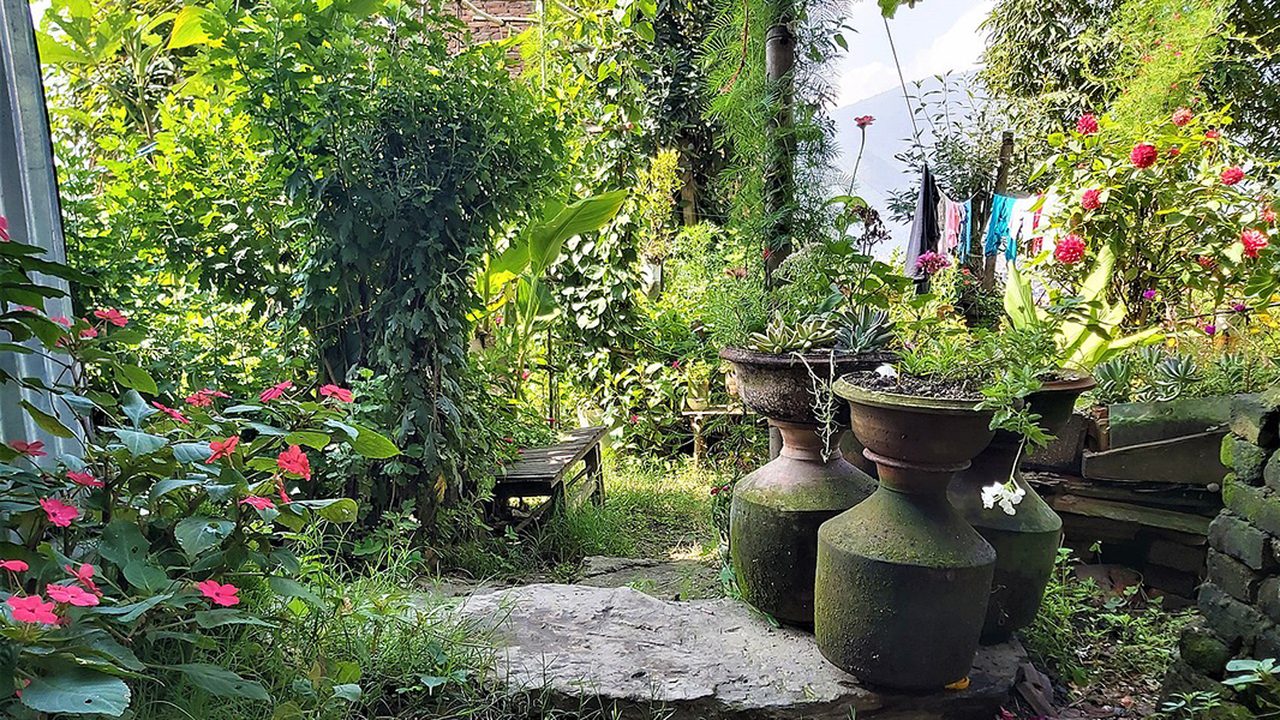
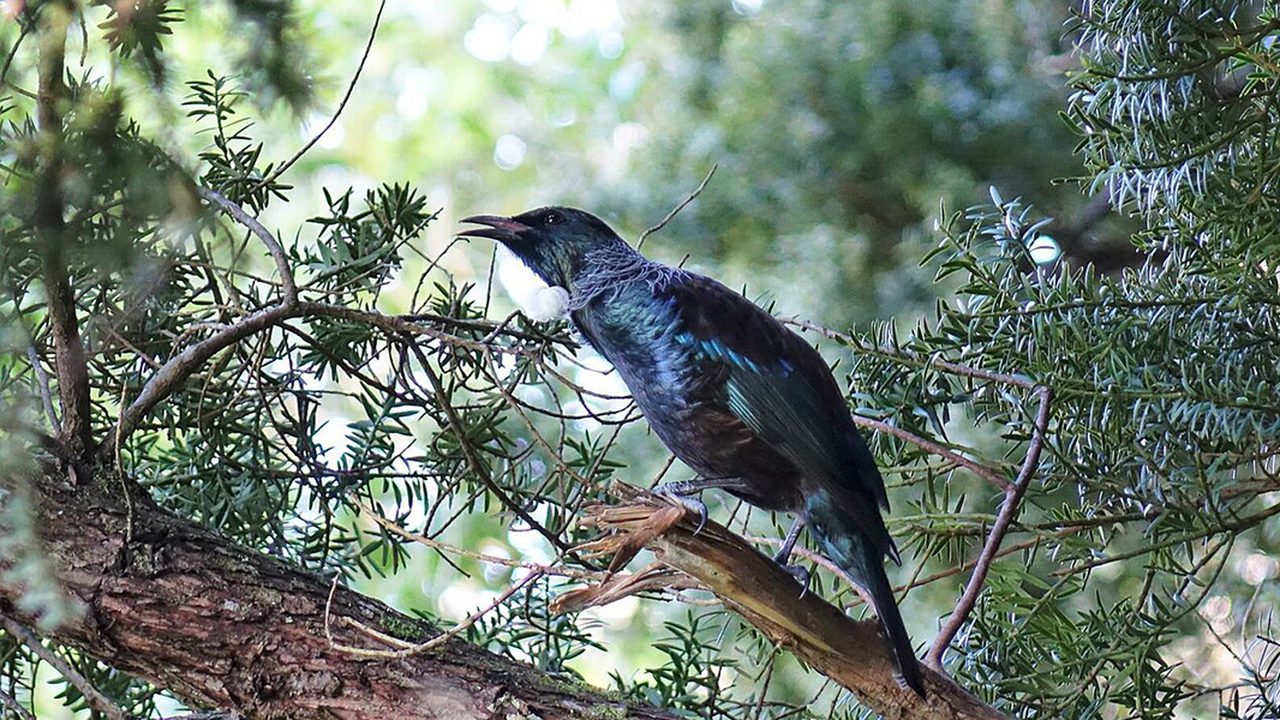
Gardenstar is a New Zealand-specific urban garden biodiversity self-assessment tool. Private gardens make up a substantial proportion of urban land in Aotearoa New Zealand and influence biodiversity outcomes that sit outside formal planning controls. 1 Gardenstar was developed to engage householders in recognising and improving the biodiversity value of these private spaces. 1
Challenge or constraint
What wasn’t working/what needed to change
Public-facing discussion of backyard biodiversity has highlighted a gap between household interest and access to practical, user-friendly assessment and improvement guidance. 2 At the same time, New Zealand research-led residential biodiversity tools are designed for repeatable scoring and application by practitioners or institutions, making them less directly accessible for household self-use. 3, 4
Intervention
What was done
Gardenstar was developed as an online, qualitative self-assessment tool that enables householders to evaluate and improve biodiversity-supporting features in private gardens. 1
Key components
- Structured self-assessment covering planting, habitat features, water, and management practices 1
- Qualitative scoring system with explanatory prompts
- Tailored guidance encouraging native planting and habitat provision
- Public accessibility with low technical or data requirements
Implementation notes
Design & delivery considerations
- The tool is intended for education and engagement rather than accreditation or regulatory use
- Relies on self-reported information rather than independent verification
- Designed for individual garden parcels, not neighbourhood or catchment assessment
- Outcomes depend on user motivation, interpretation, and follow-through
Outcomes
Observed or reported outcomes
- Increased user awareness of biodiversity-supporting garden features and practices 1, 2
- Uptake as a public-facing engagement tool in urban residential contexts
What is plausible but unmeasured
- Incremental increases in native planting and habitat features across participating gardens
- Cumulative contributions to urban biodiversity at the neighbourhood scale, if widely adopted
Evidence & limits
What the evidence supports
Evidence supports Gardenstar’s role as an educational and engagement tool that encourages pro-biodiversity behaviours in private gardens. 1, 2
Key limitations or uncertainties
- No published quantitative monitoring of biodiversity outcomes attributable to tool use
- Self-assessment limits comparability and repeatability across sites
- Not suitable for regulatory, benchmarking, or performance-based assessment 3, 4
- Garden-scale actions remain constrained by socio-economic context and broader urban pressures 5, 6
Relevance to design practice
- Use Gardenstar as a complementary engagement tool where projects rely on private land stewardship
- Avoid treating qualitative public tools as substitutes for quantitative biodiversity assessment frameworks
- Pair household-scale engagement with neighbourhood- or development-scale tools where performance outcomes are required 3, 4
- Recognise limits of garden-scale action where social inequities and biosecurity risks may dominate outcomes 5, 6
References
- People + Cities + Nature. (n.d.). Garden Star tool. peoplecitiesnature.co.nz
- Stuff. (2022, August 7). Measuring biodiversity – How would your backyard score? stuff.co.nz
- Van Heezik, Y., Barratt, B., Burns, B., Clarkson, B., Cutting, B., Ewans, R., Freeman, C., Meurk, C., Shanahan, D., Simcock, R., Souter-Brown, G., Stanley, M., Stanley, R., Thorsen, M., Wake, S., Woolley, C., Zink, R., & Seddon, P. (2023). A rapid assessment technique for evaluating biodiversity to support accreditation of residential properties. Landscape and Urban Planning. doi.org/10.1016/j.landurbplan.2023.104682
- Theis, J., Woolley, C., Seddon, P., Shanahan, D., Freeman, C., Pedersen Zari, M., & van Heezik, Y. (2025). The New Zealand Biodiversity Factor—Residential (NZBF-R): A tool to rapidly score the relative biodiversity value of urban residential developments. Land, 14(3), 526. doi.org/10.3390/land14030526
- Hand, K., Freeman, C., Seddon, P., Stein, A., & van Heezik, Y. (2016). A novel method for fine-scale biodiversity assessment and prediction across diverse urban landscapes reveals social deprivation-related inequalities in private, not public spaces. Landscape and Urban Planning, 151, 33–44. doi.org/10.1016/j.landurbplan.2016.03.002
- Hulme, P. E. (2020). Plant invasions in New Zealand: Global lessons in prevention, eradication and control. Biological Invasions, 22, 1539–1562. doi.org/10.1007/s10530-020-02224-6