
Designing for biodiversity in Aotearoa’s urban environments brings a wide range of interconnected benefits across social, ecological, cultural, and climate domains. Design for biodiversity is not only about supporting native species, it is also about supporting people, communities, and addressing the pressing challenges we face, such as climate adaptation, equity, and public health [1]. When we design urban spaces to work with nature rather than against it, we create opportunities for regeneration, resilience, and reconnection [2]. This section outlines seven key co-benefits that emerge when biodiversity is positioned as a foundational element of urban design:
References
- Garrard, G. E., Williams, N. S., Mata, L., Thomas, J., & Bekessy, S. A. (2018). Biodiversity sensitive urban design. Conservation Letters, 11(2), e12411.
- Pedersen Zari. M., G.L Kiddle; V. Chanse; S. Bloomfield; A. Latai-Niusulu; M. Abbott; P. Blaschke; S. Mihaere; O. Brockie; M. Grimshaw; A. Platje; K. Varshney; S. Ershadi (2024). NUWAO Nature-based Solutions Design Guide. Auckland: NUWAO. Available online at www.nuwao.org.nz.
Human wellbeing
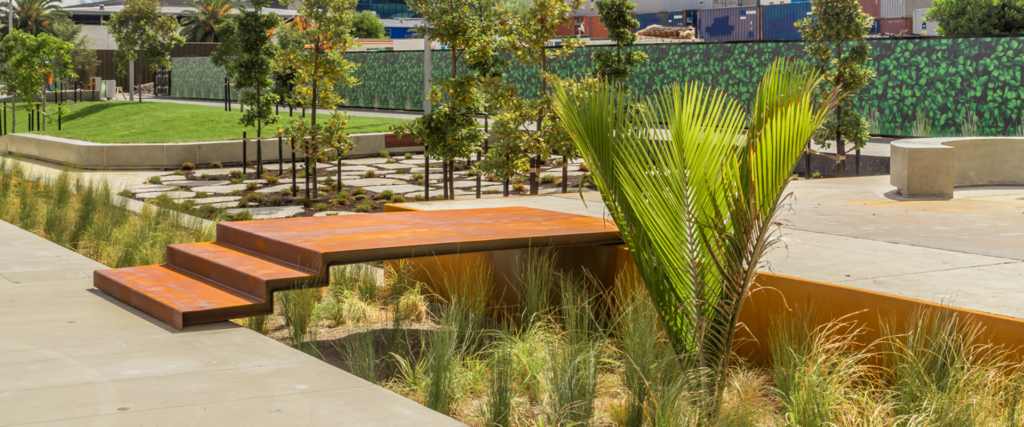
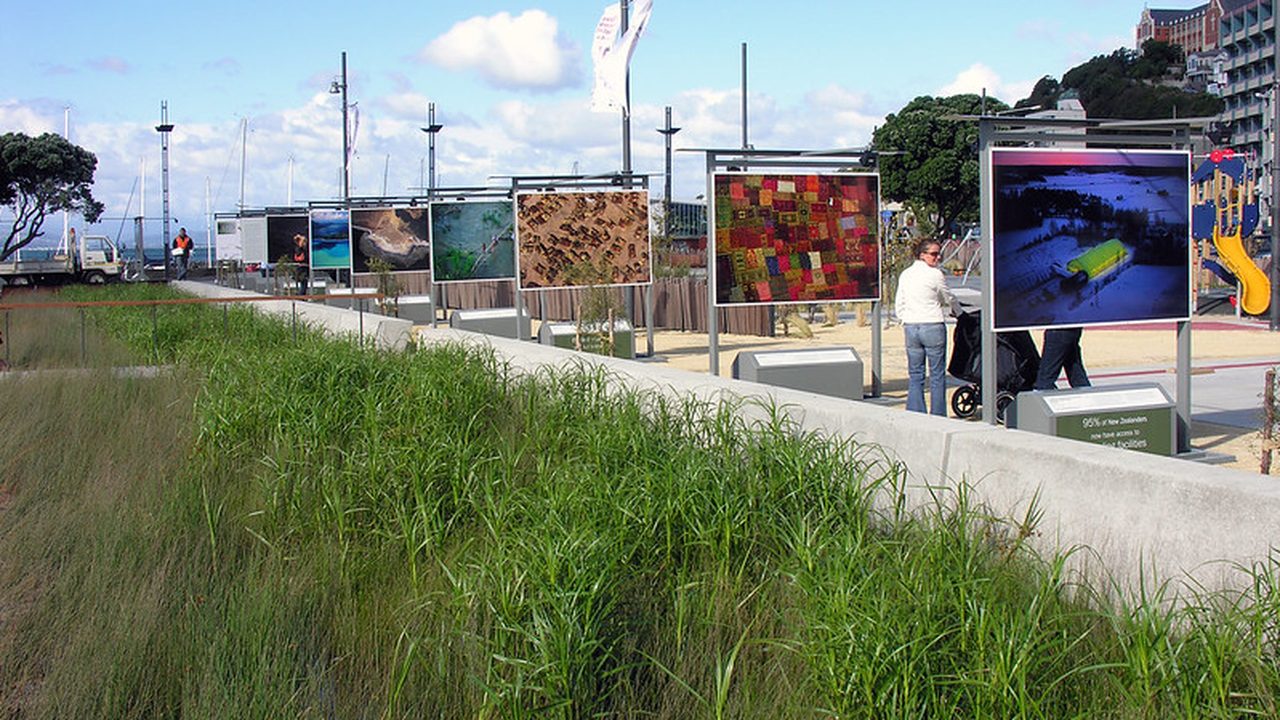
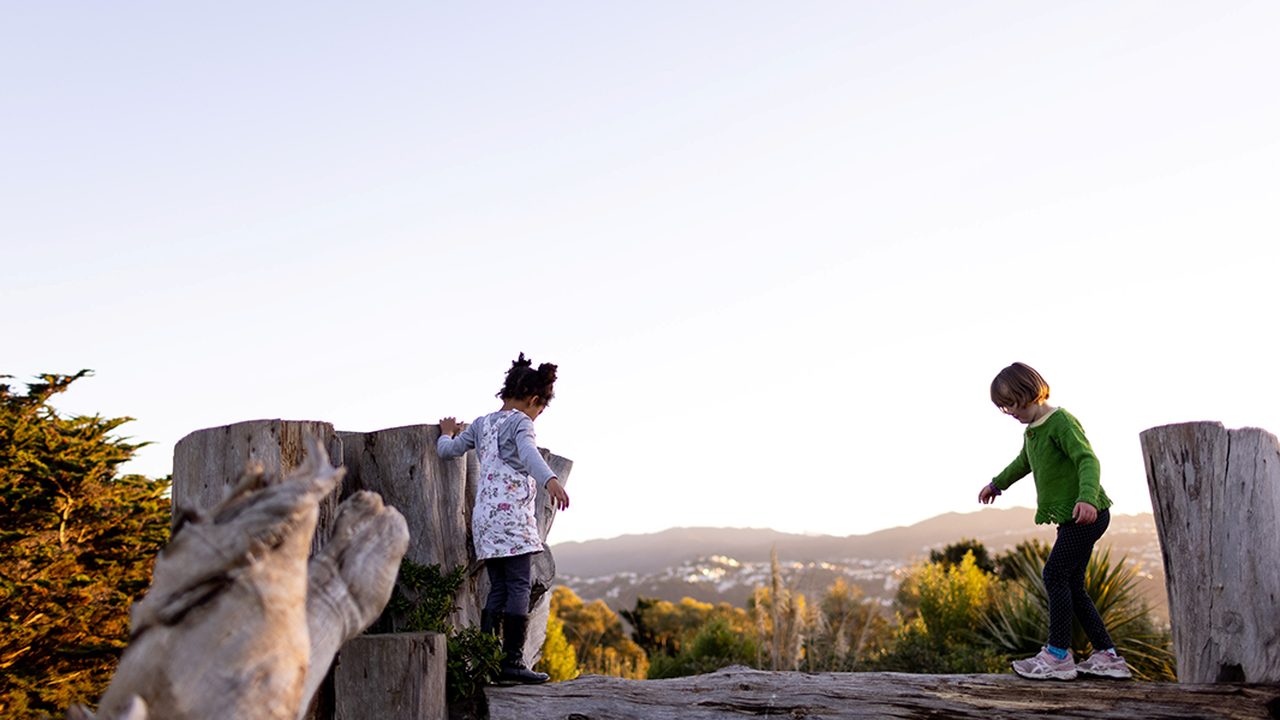
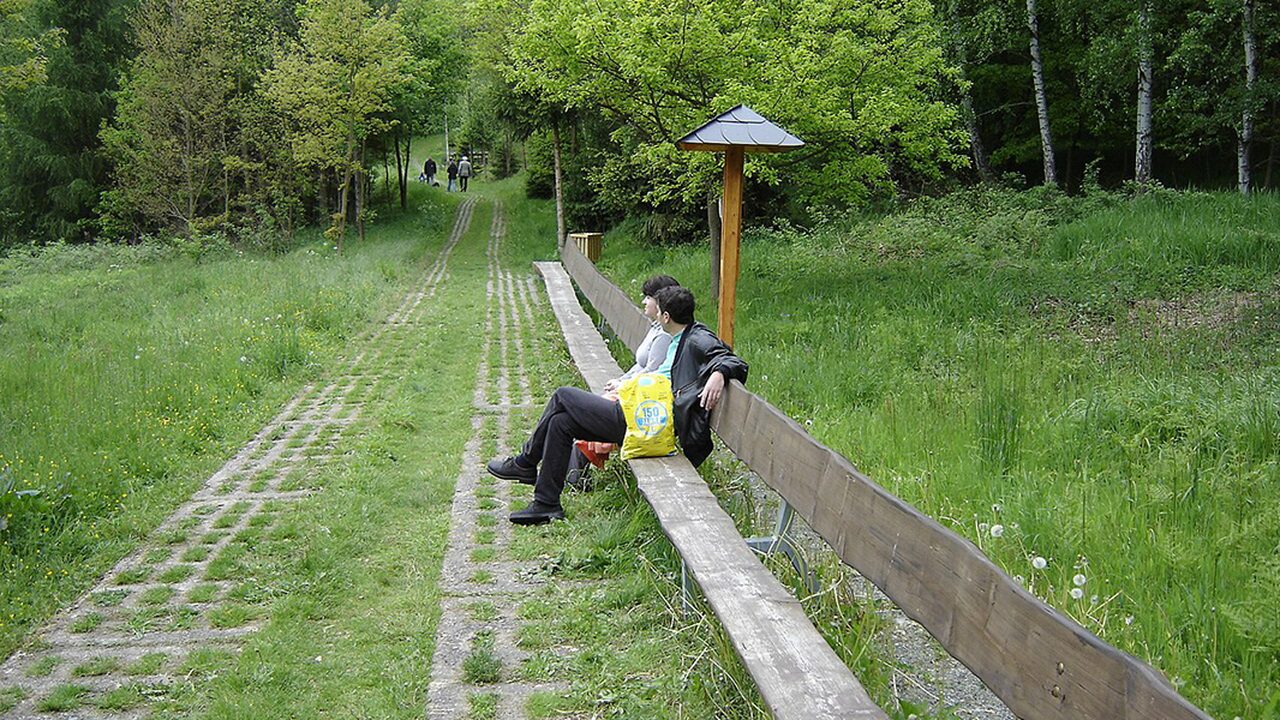
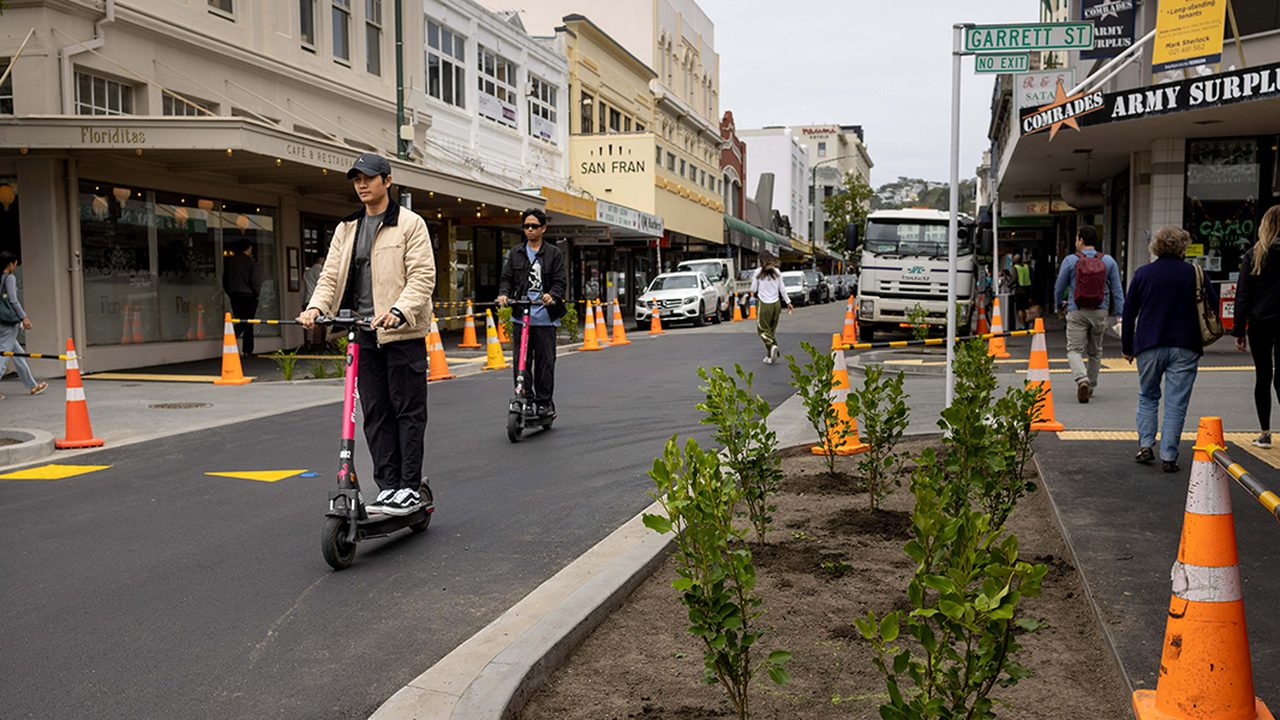
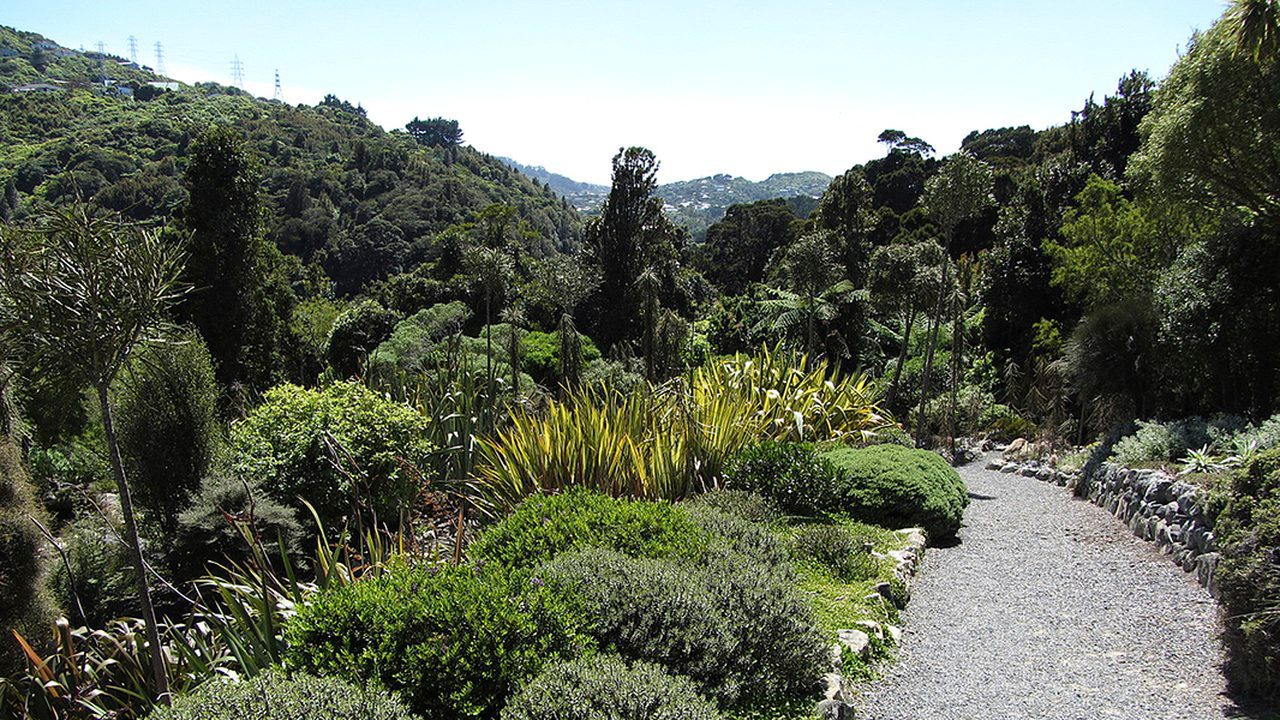
All strategies in this design for biodiversity guide contribute to human wellbeing, especially when we recognise that humans are part of ecosystems, not separate from them. Biodiverse environments support mental, emotional, physical, and cultural wellbeing. Daily contact with nature improves mood, reduces stress, encourages physical activity, and supports cognitive health. Native planting, habitat creation, and visible ecological processes can foster a sense of belonging, wonder, and intergenerational connection. In Aotearoa, wellbeing is also relational—deeply tied to whenua, wai, maunga, and te taiao in general. Biodiversity-rich design can help restore these relationships, supporting hauora (health) and mauri (life force) for both people and place. To see the full list of strategies in this guide that relate to human wellbeing please see the alphabetical list.
DESIGN STRATEGIES /
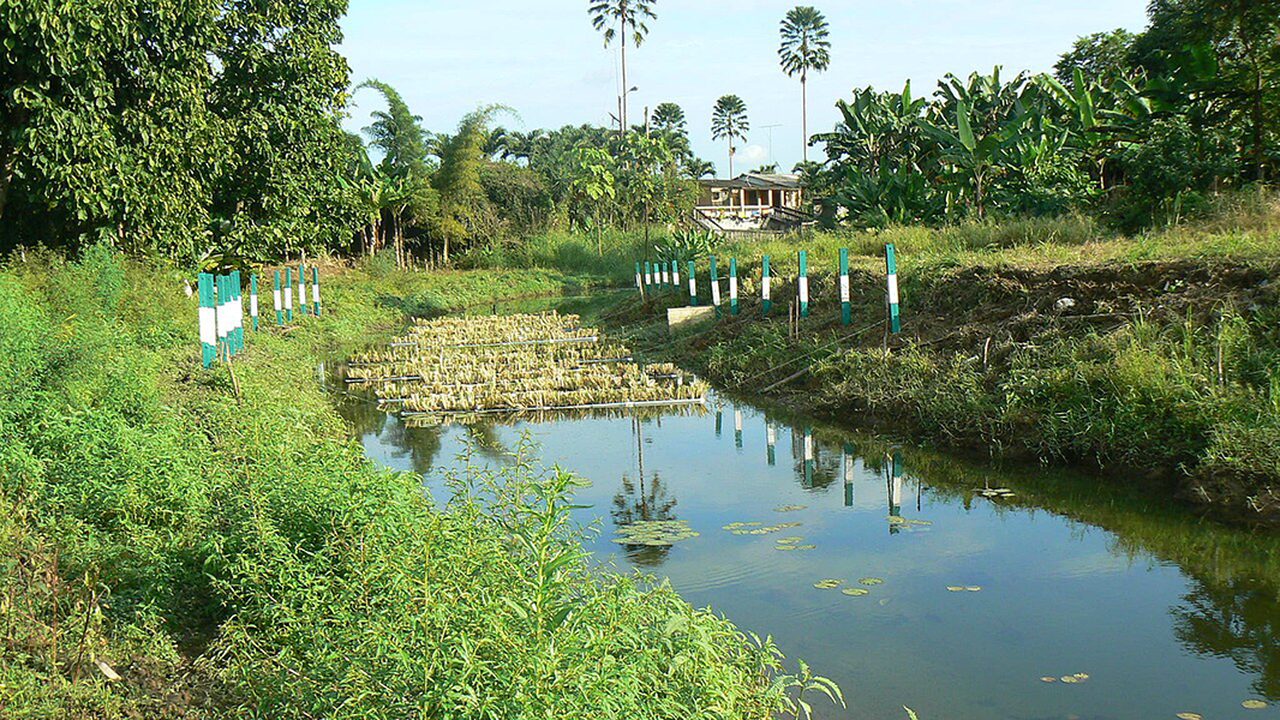
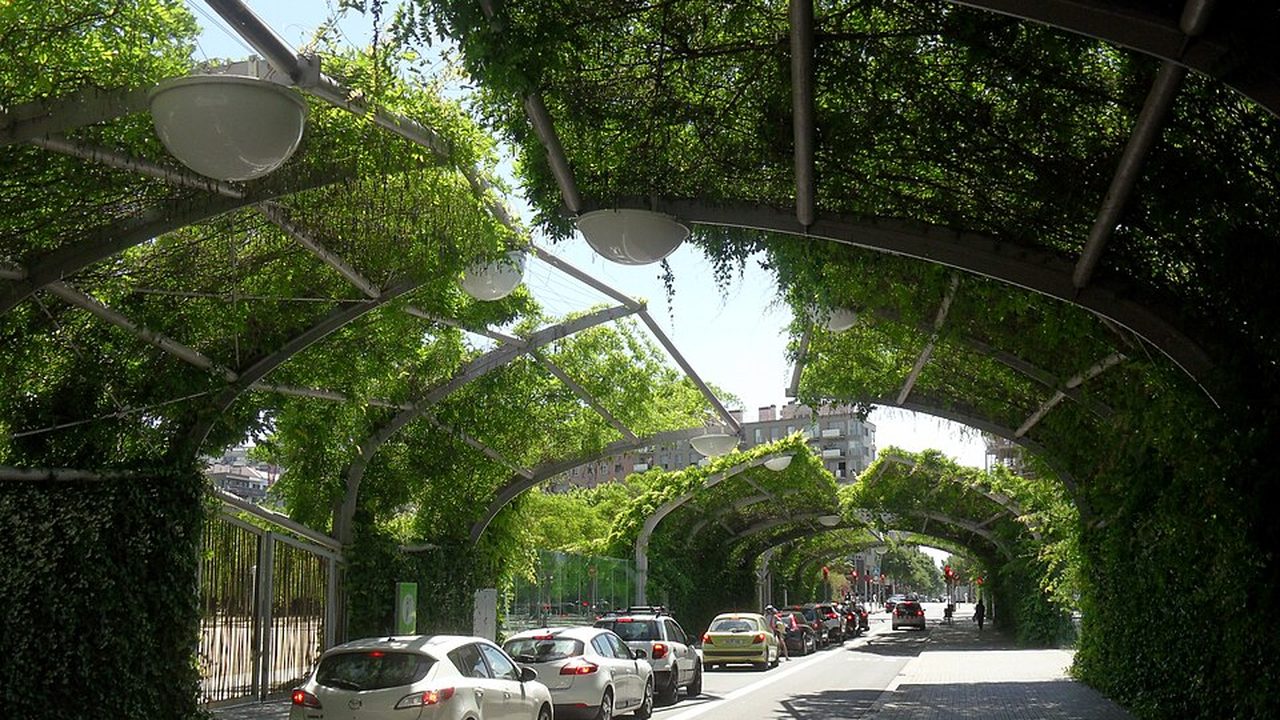
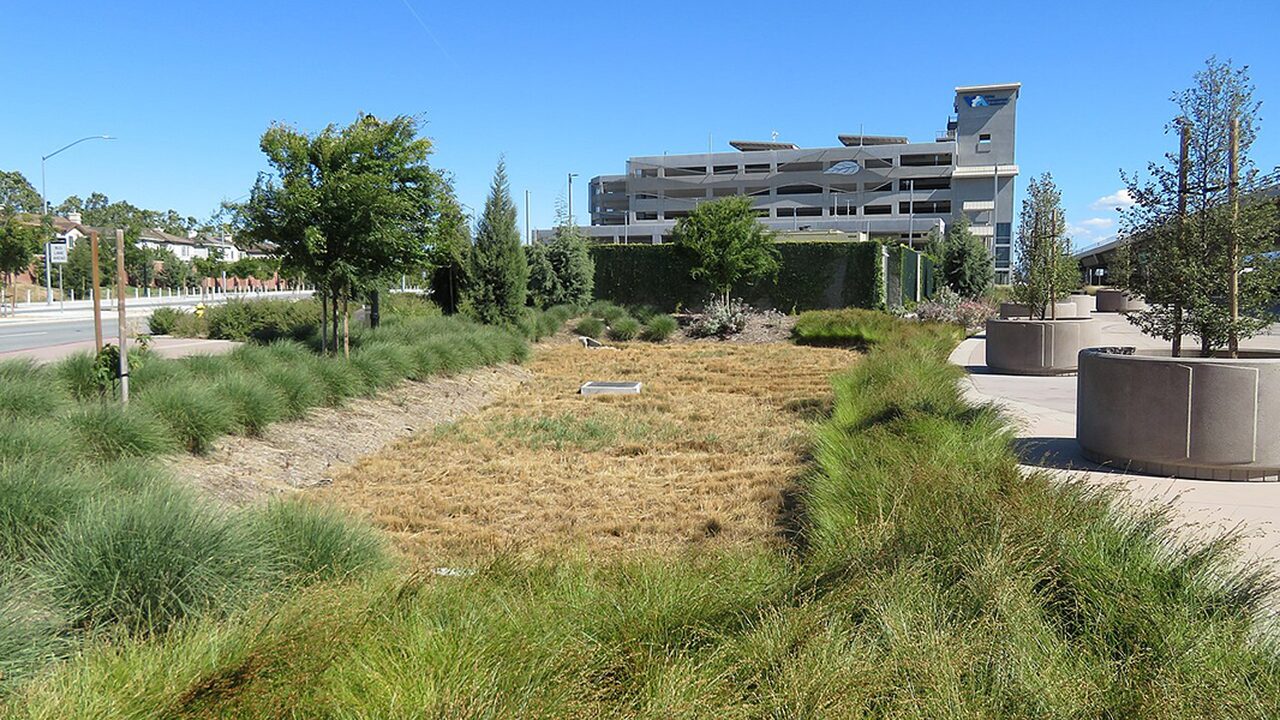
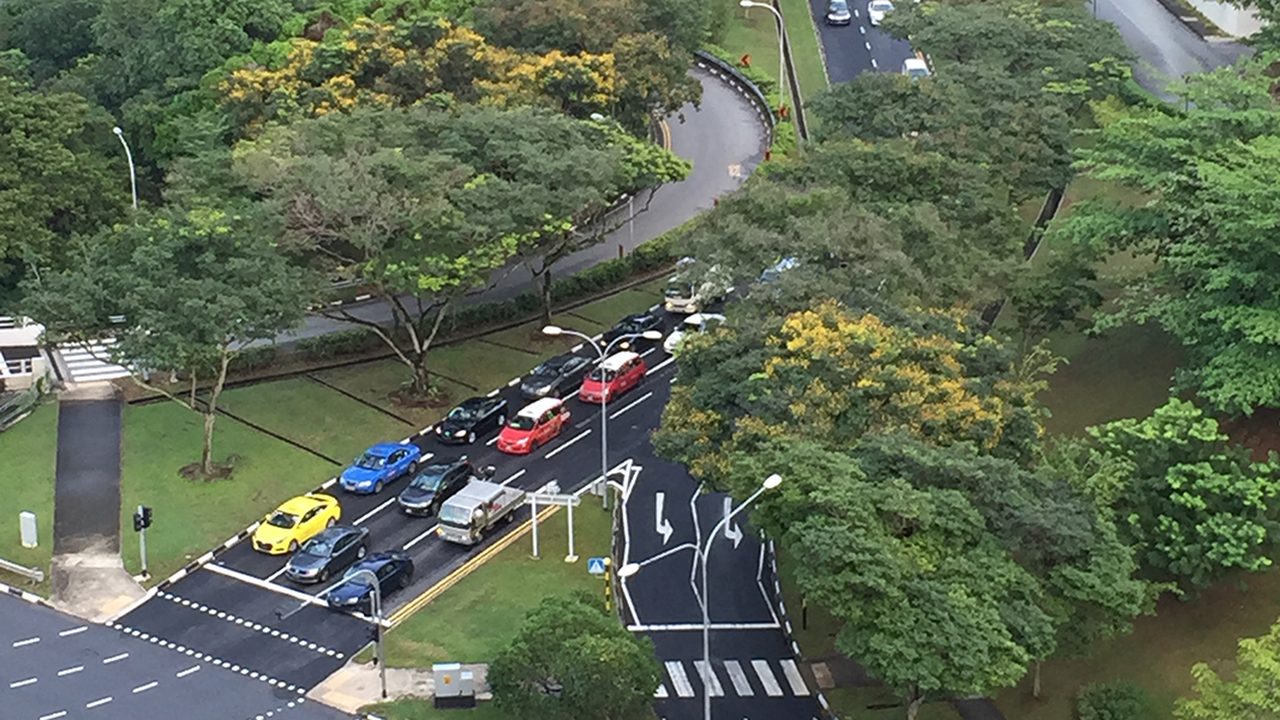
Climate change adaptation
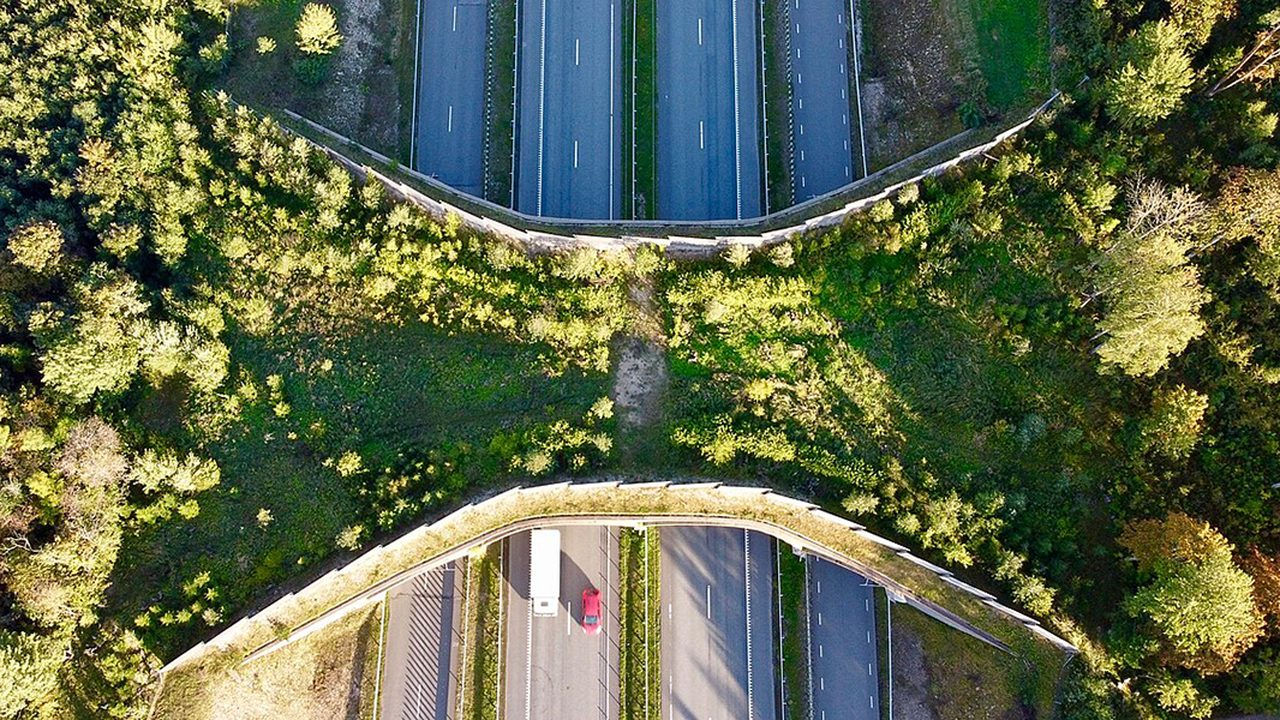
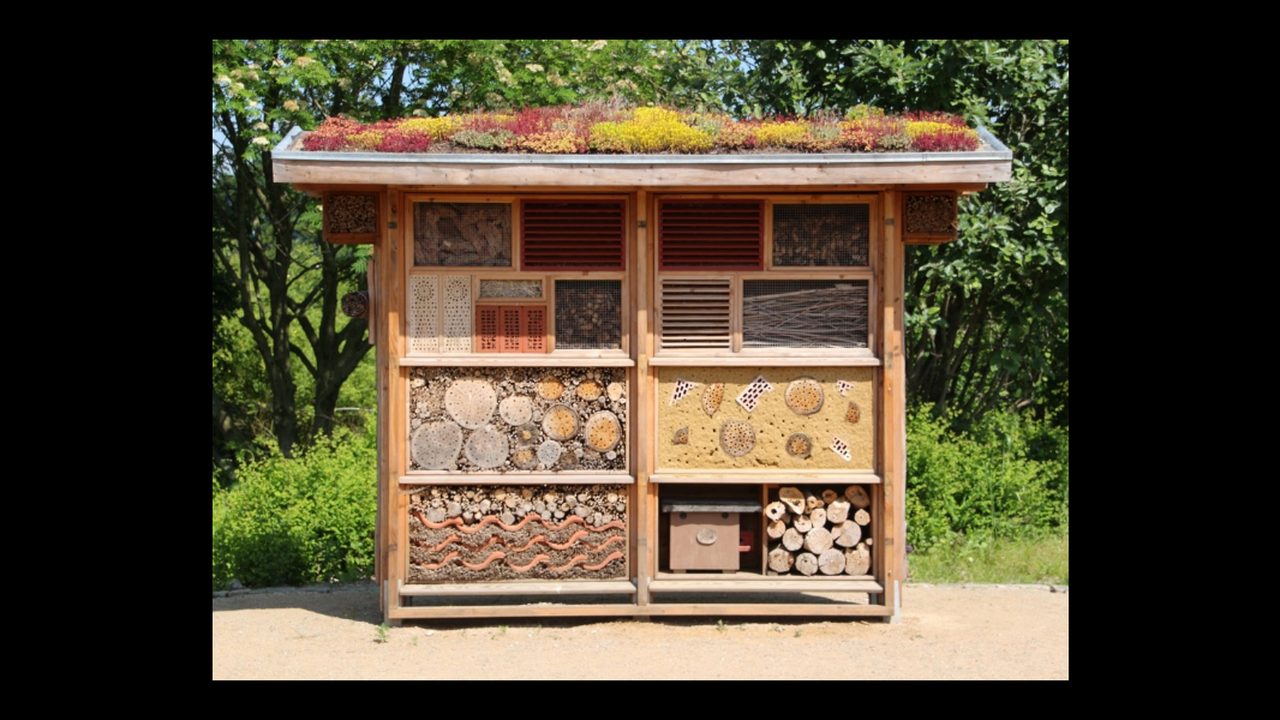
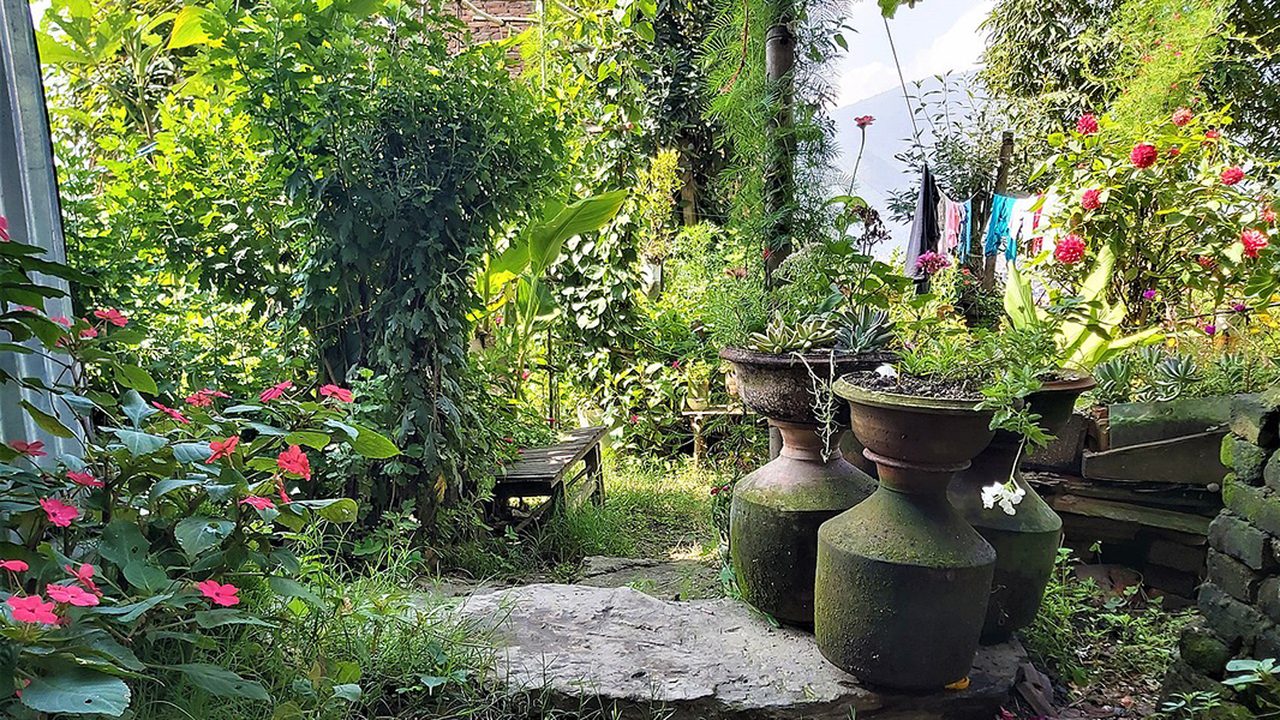
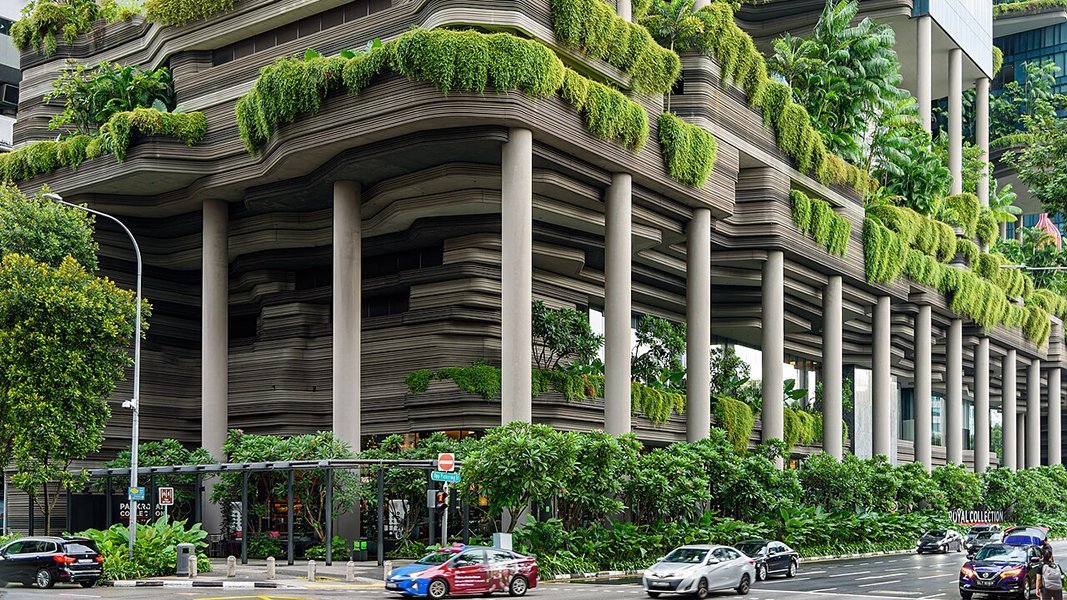
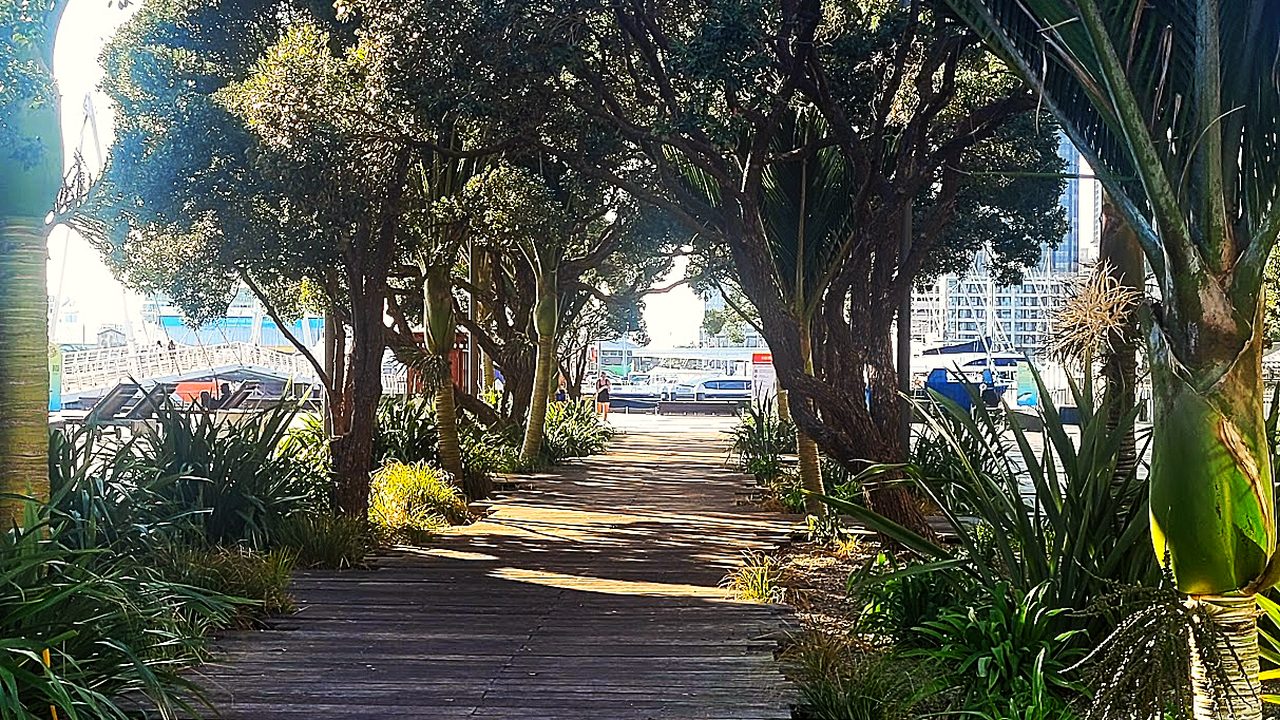
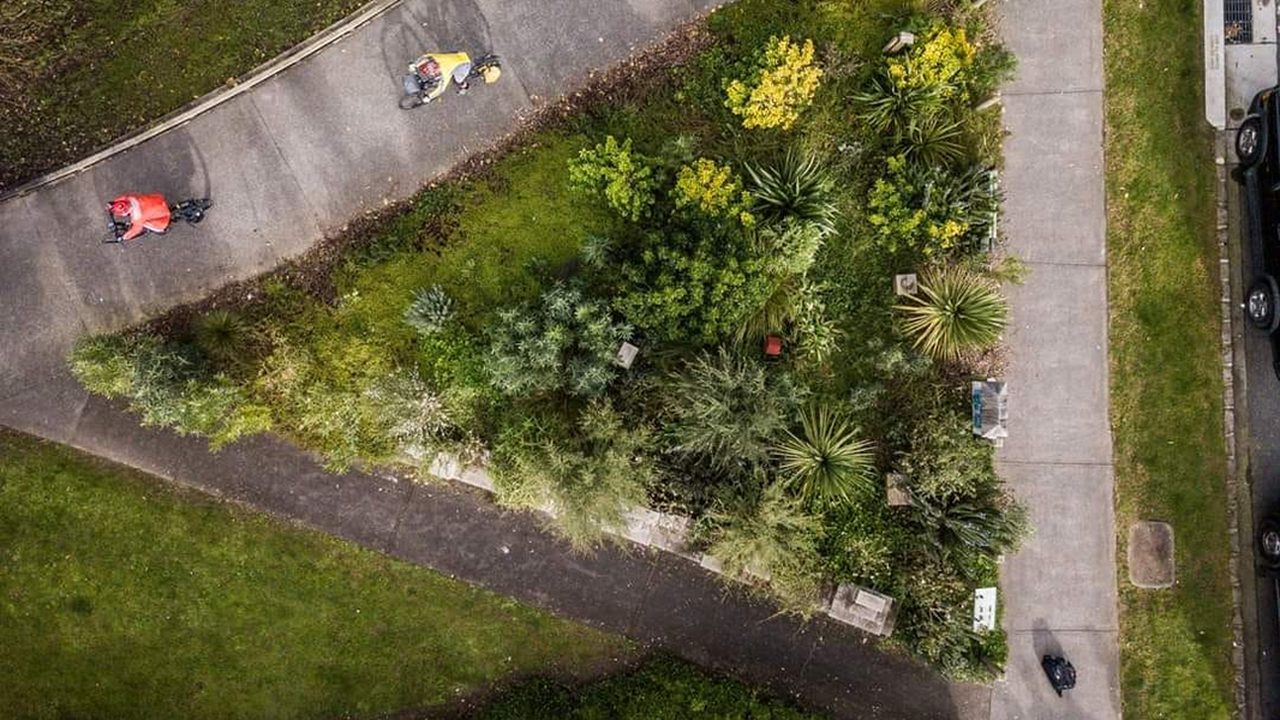
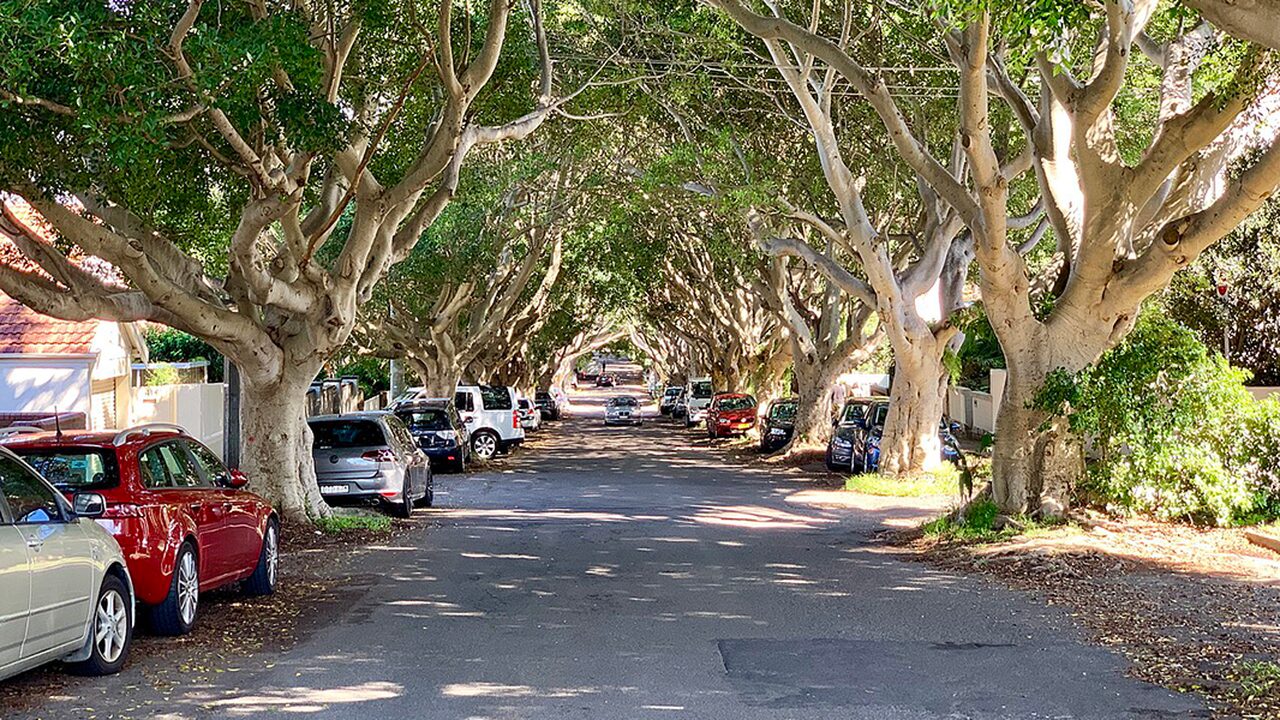
Integrating biodiversity into urban design enhances resilience to climate change impacts. Native vegetation helps cool urban areas, absorb stormwater, and sequester carbon. Green infrastructure, if designed well, can support adaptive responses to heatwaves, changing rainfall patterns, storms, and sea-level rise. Biodiverse urban systems also support species migration, ecological succession, and regenerative cycles—creating urban environments that are more flexible, responsive, and alive in the face of uncertainty.
DESIGN STRATEGIES /
Disaster risk reduction & increased resilience
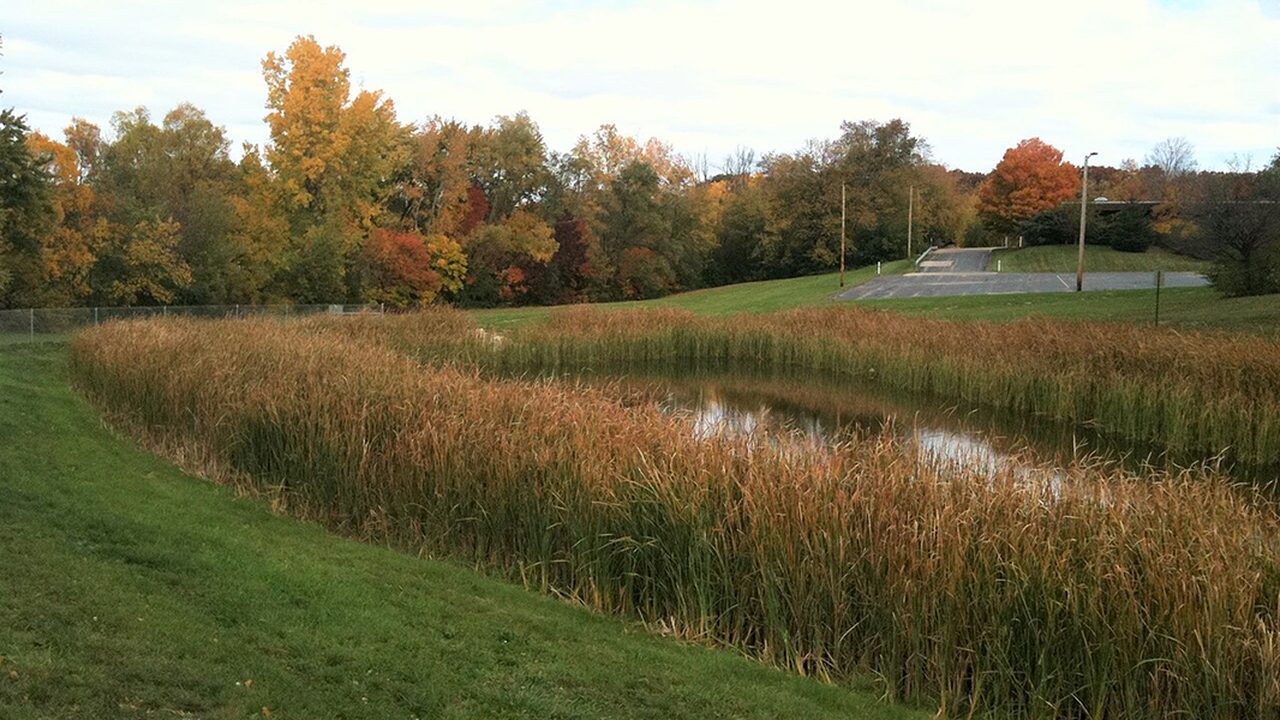
Nature-based solutions that support biodiversity may also reduce the severity and frequency of natural hazards. Urban wetlands and riparian planting can slow and filter floodwaters for example; vegetated slopes can stabilise land against erosion and slips; and restored coastal dunes, mangroves, and estuaries can buffer storm surges and even tsunamis to a certain extent. Diverse ecosystems recover more quickly after disturbance and offer layered protection to people, infrastructure, and cultural sites of importance. Embedding biodiversity into the built environment typically supports safer, more resilient communities through different causation pathways.
DESIGN STRATEGIES /
Freshwater security
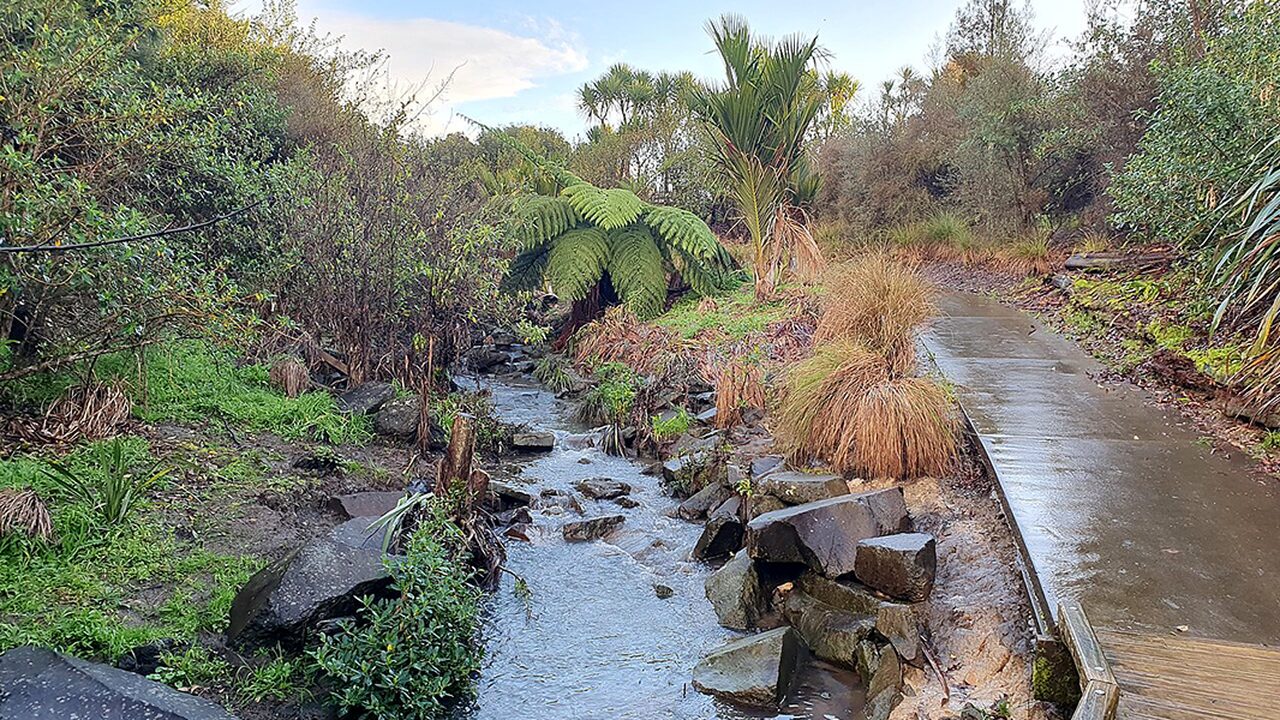
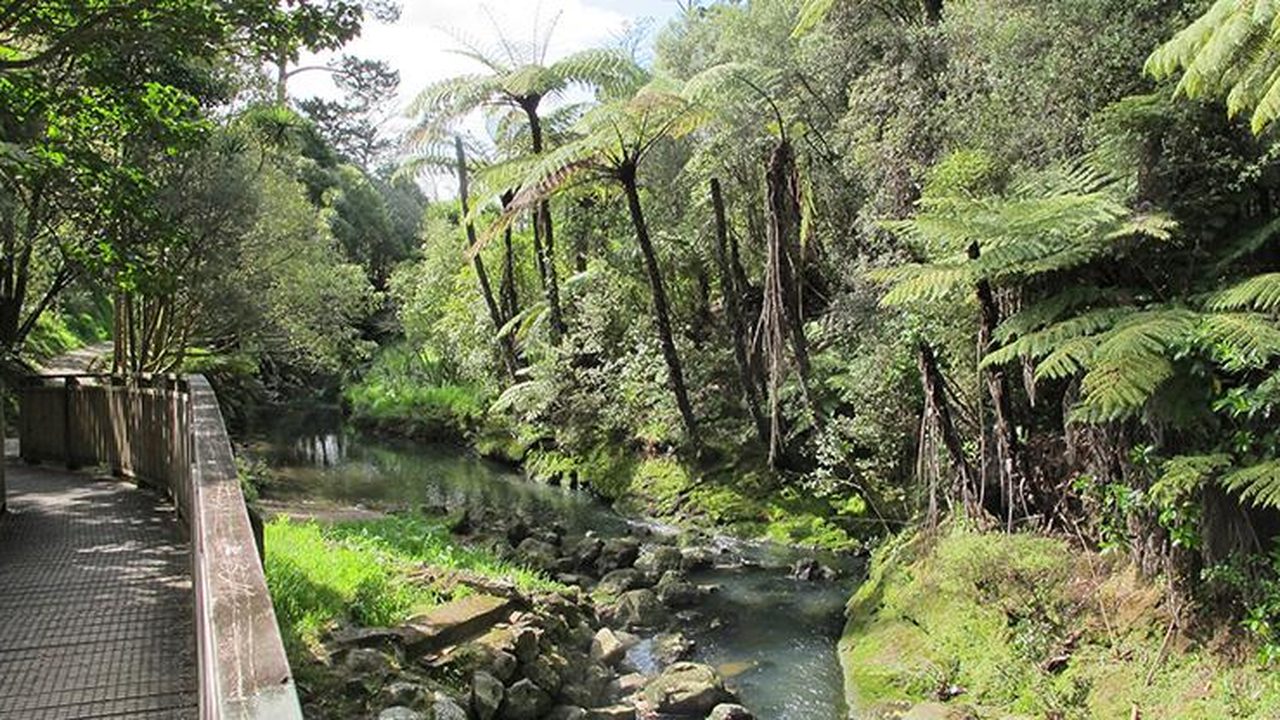
Healthy ecosystems are fundamental to clean, abundant freshwater. Biodiverse urban catchments with wetlands, forested riparian zones, and pervious surfaces slow runoff, filter pollutants, and recharge aquifers. Restoring ecological function at the site and neighbourhood scale helps cities meet freshwater quality targets and protects downstream environments. In the context of ki uta ki tai (from mountains to the sea), biodiversity-sensitive design can contribute to whole-catchment health and intergenerational water security.
DESIGN STRATEGIES /
Food security
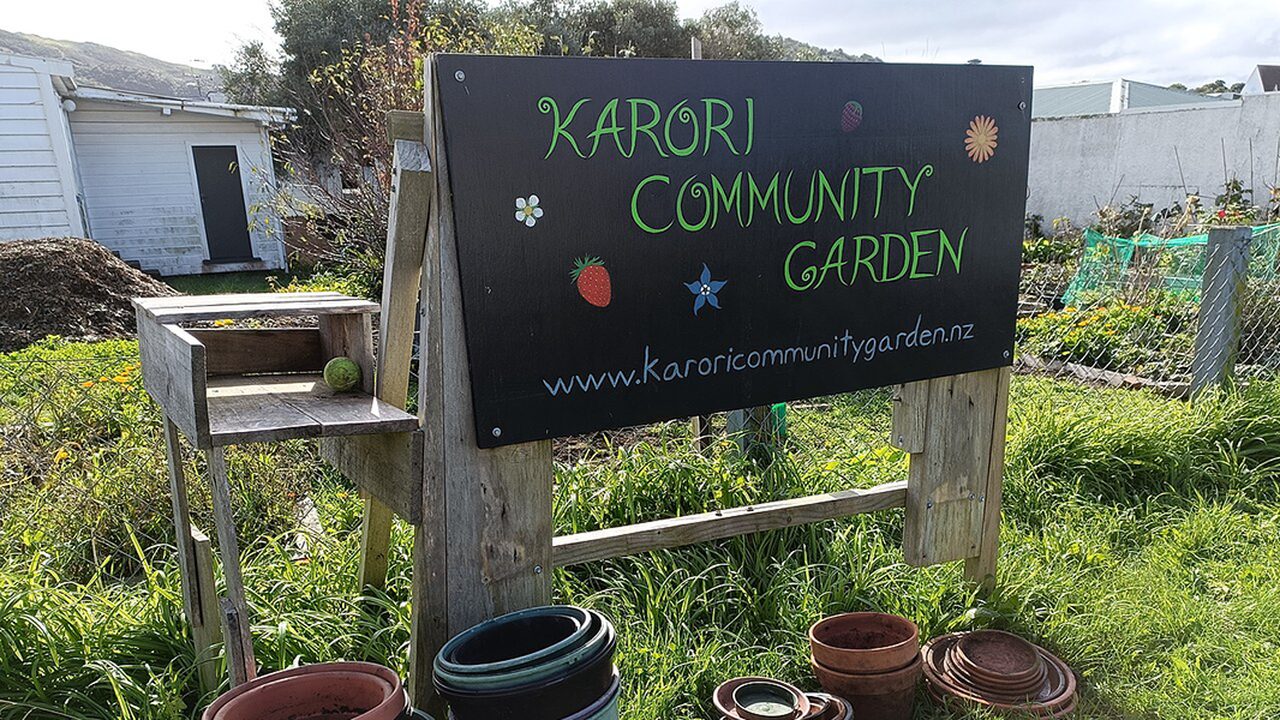
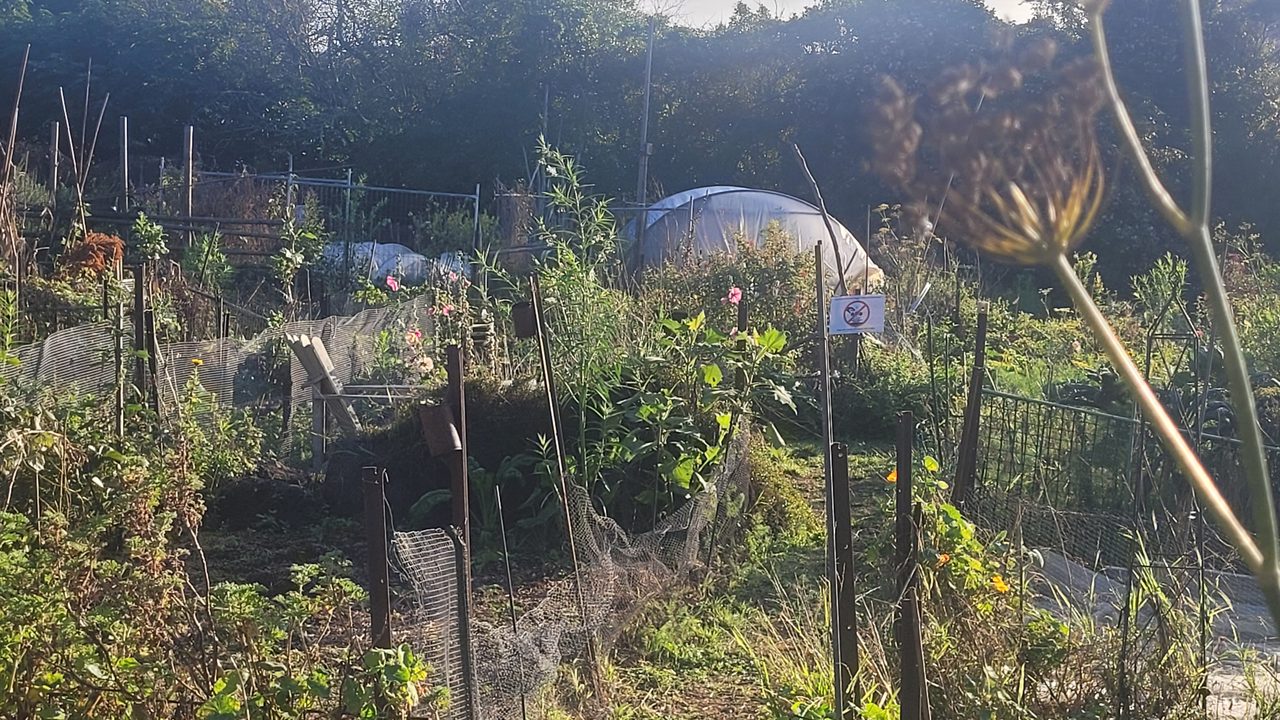
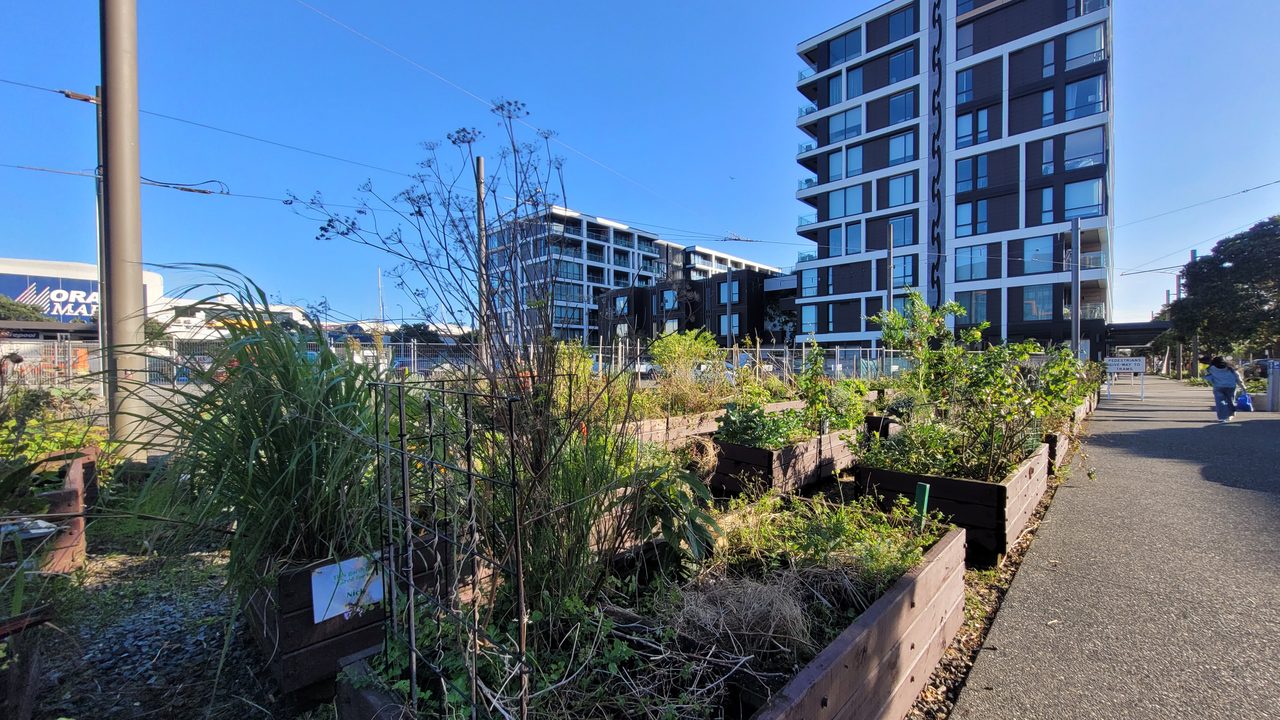
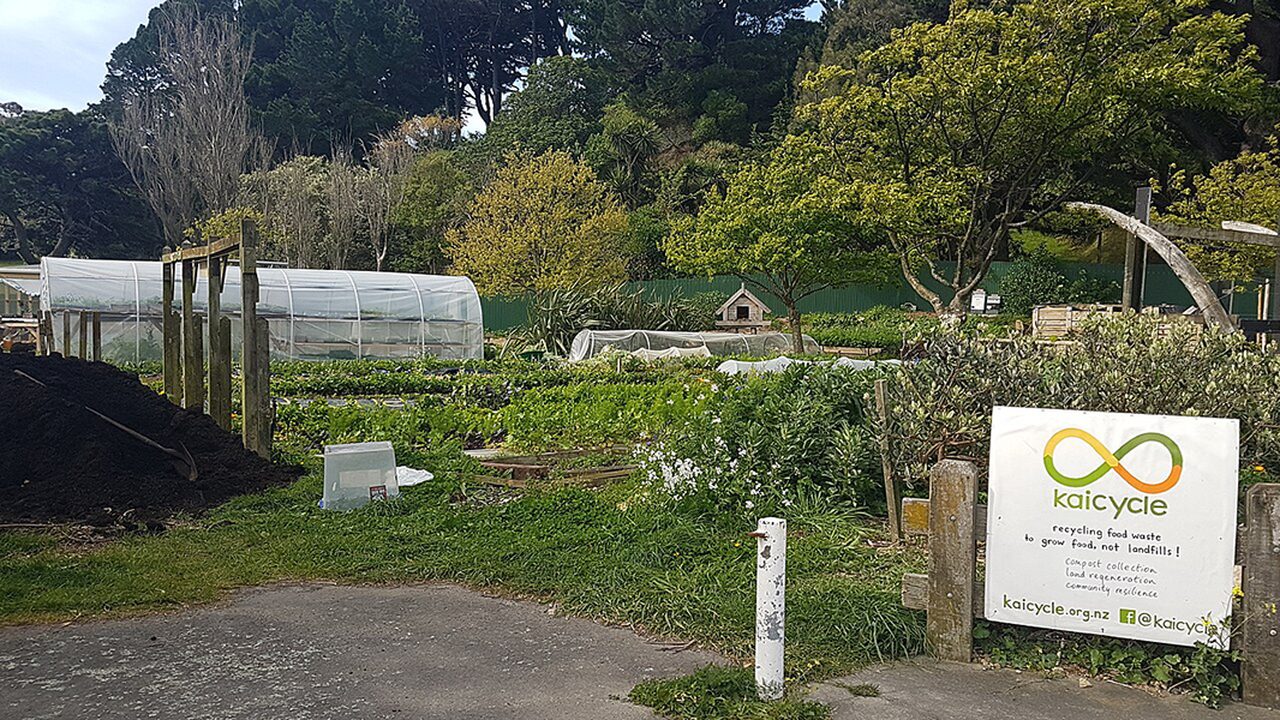
Urban biodiversity can supports resilient local food systems. Native pollinators, healthy soils, and seasonal planting all contribute to sustainable food production. Community gardens, māra kai, and edible landscapes can be integrated into urban spaces to improve access to fresh food and create opportunities for social connection and knowledge exchange while supporting native species. Food-producing ecosystems also restore relationships between people and place—emphasising care, abundance, and reciprocity.
Waste & pollution management
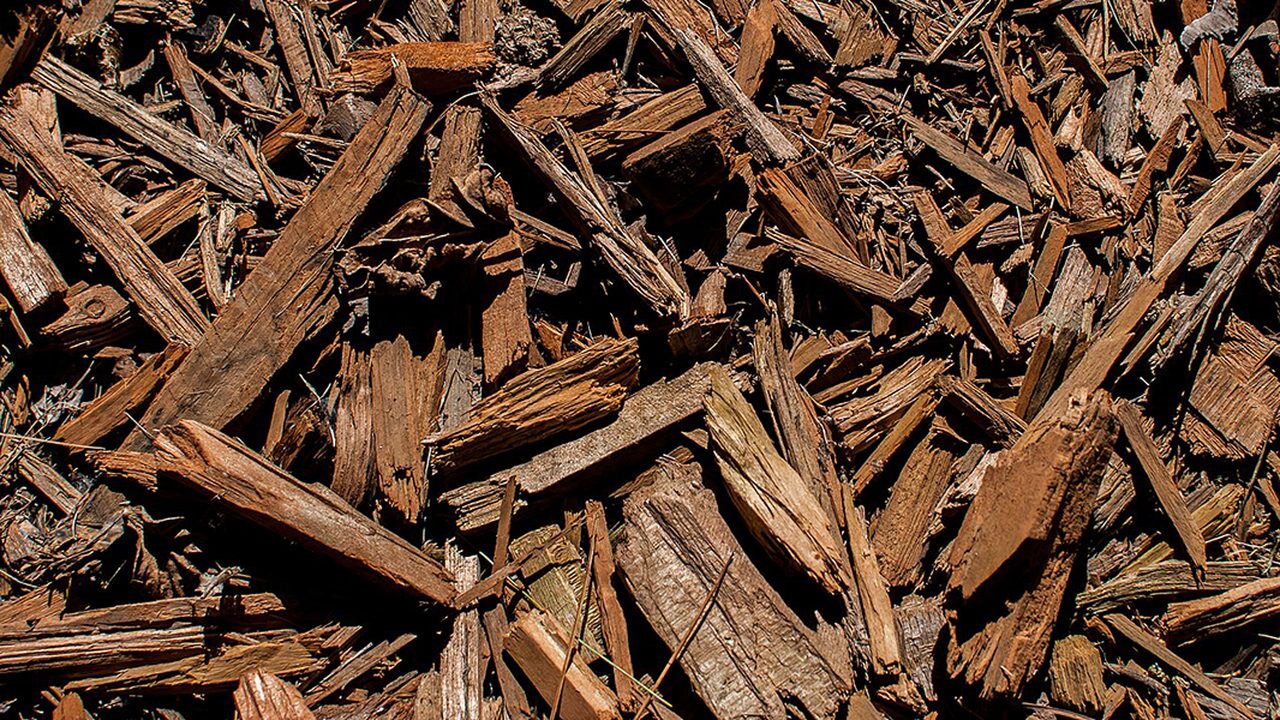
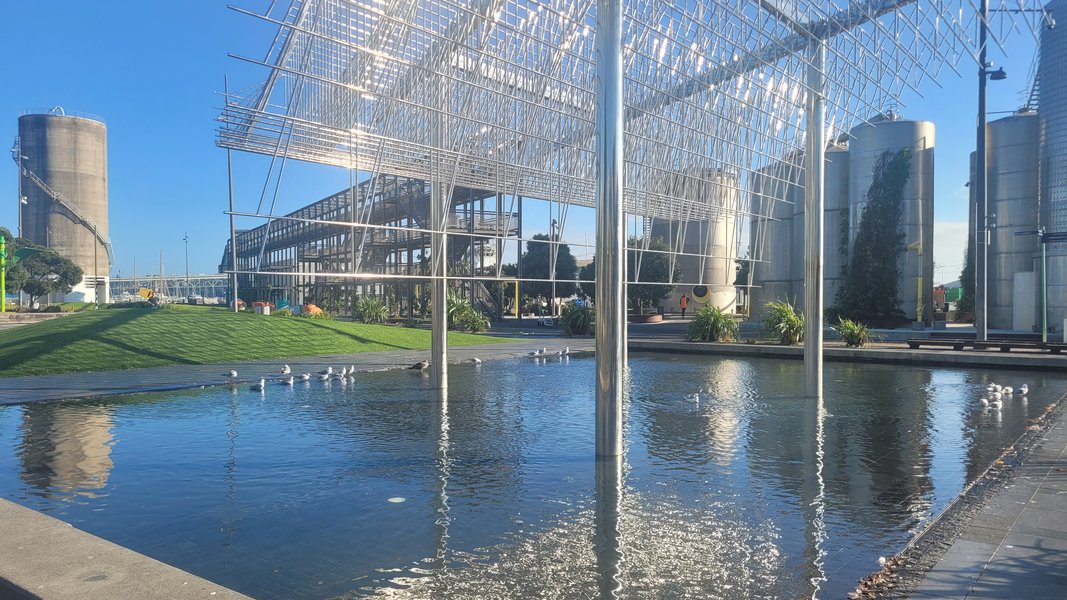
Biodiverse systems can naturally manage waste and pollution through decomposition, nutrient cycling, and phytoremediation to a certain extent. Design strategies such as urban composting, vegetated swales, and constructed wetlands can process organic waste, absorb contaminants, and reduce the burden on engineered systems, waterways, and marine environments. By designing with living systems, cities can perhaps shift toward circular, regenerative material flows that benefit both ecosystems and communities.
DESIGN STRATEGIES /
Empowerment & equity
Biodiversity-sensitive design may offer opportunities for community empowerment and environmental justice. When designed with rather than for communities, nature-based strategies can reflect cultural identities, support Indigenous and local knowledge systems, and increase access to green space for different people. Co-stewardship models and participatory processes can ensure that the benefits of urban biodiversity are better shared—especially in areas historically underserved by ecological infrastructure. Biodiverse spaces can become platforms for healing, self-determination, collective action, and the practice of positive Te Tiriti partnerships.