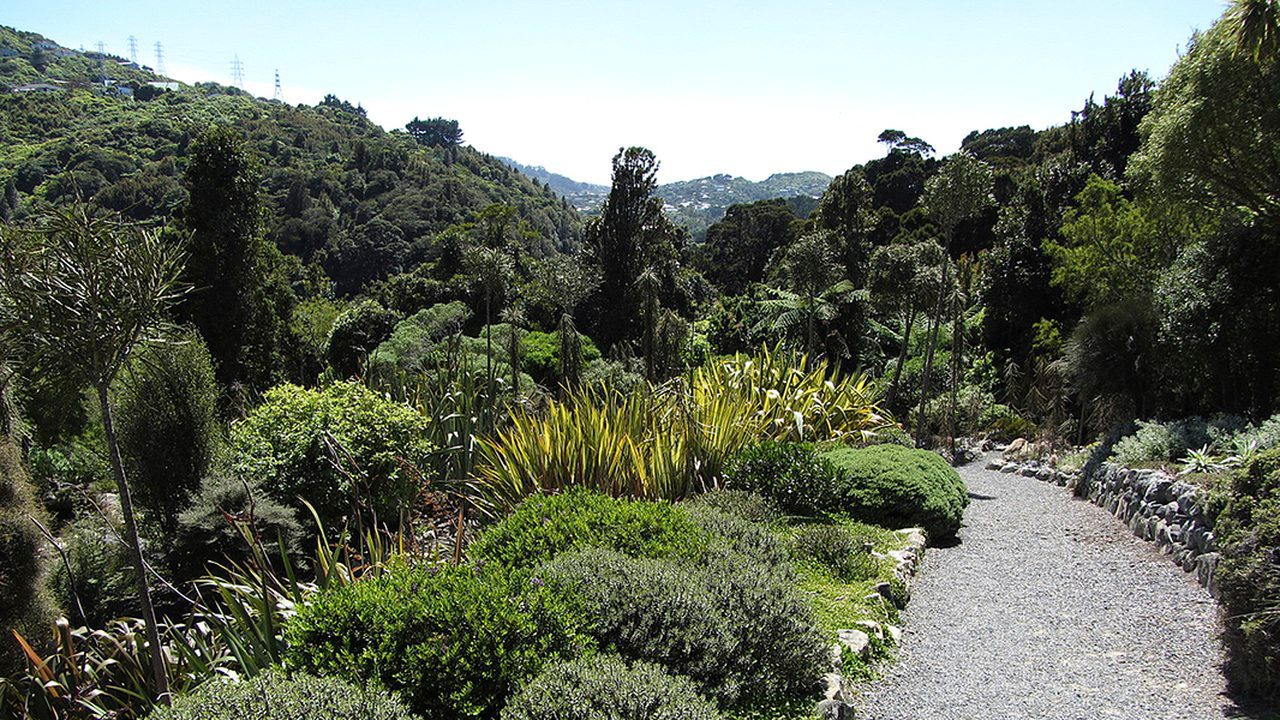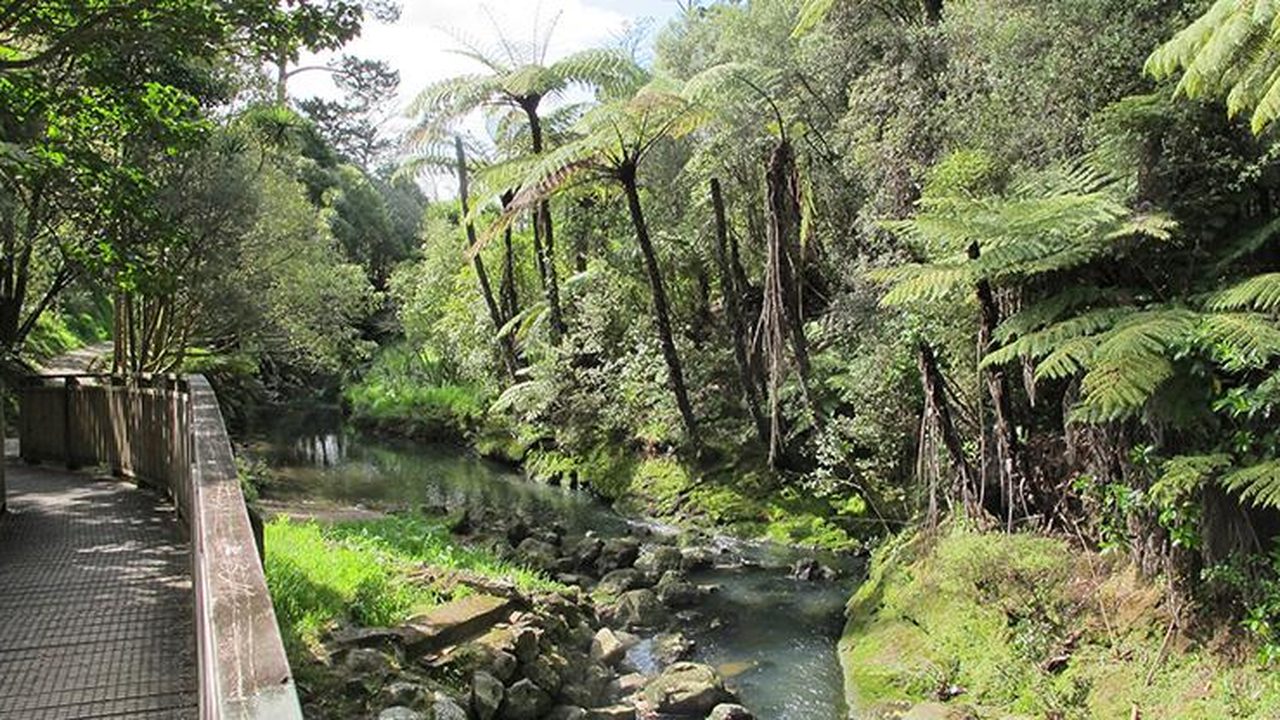
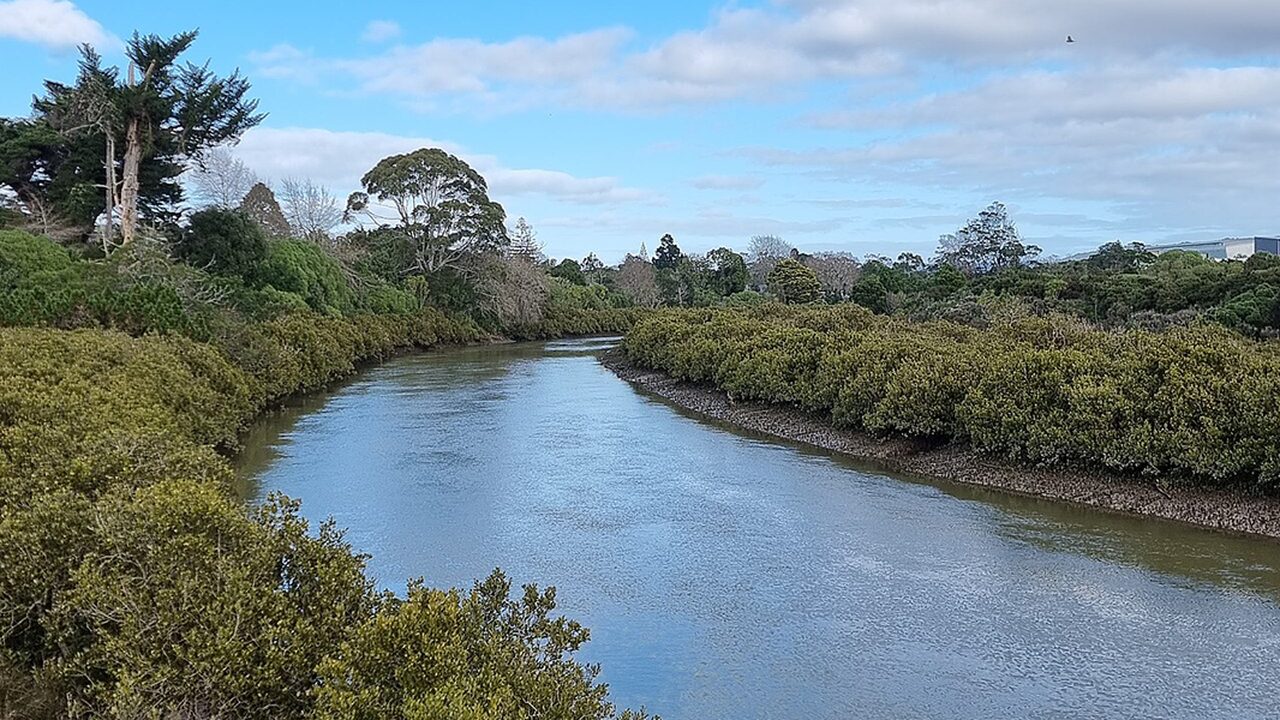
Location: Henderson Creek (Te Wai-o-Pareira) and Huruhuru Creek catchments, West Auckland, Aotearoa New Zealand
Project type: Municipal urban stream restoration programme
Delivery/lead organisations: Waitākere City Council (now Auckland Council), Project Twin Streams Trust, mana whenua, community groups
Date/period: 2003 – ongoing
Scale: Neighbourhood / Urban / Catchment
Primary system or theme: Urban freshwater and riparian systems
Context
Why this site matters
The Henderson and Huruhuru Creek catchments are highly urbanised systems that have experienced extensive historical modification, including vegetation clearance, channel alteration, and altered hydrology. 1, 2 Project Twin Streams was initiated as a long-term programme to improve ecological conditions and community engagement within these constrained urban waterways.
Challenge or constraint
What wasn’t working/what needed to change
Urban stream reaches within the catchment exhibit simplified channel form, sediment accumulation, unstable banks, and limited riparian cover, constraining ecological function and biodiversity recovery. 3, 4 Ongoing urban development and altered flow regimes limit the potential for rapid or catchment-wide restoration outcomes.
Intervention
What was done
The programme focused on large-scale riparian rehabilitation along urban stream corridors as a practical response to common urban stream stressors.
Key components
- Extensive riparian planting using native species
- Prioritisation of fast-growing pioneer species to establish early canopy cover
- Under-planting beneath weed canopies, followed by staged weed removal in some reaches
- Long-term weed management and community involvement in planting and maintenance
Implementation notes
Design & delivery considerations
- Riparian restoration was applied primarily at the reach and corridor scales rather than the full catchment scale
- Species selection and planting density were tailored to urban maintenance constraints and flood conveyance needs
- Long-term weed control and follow-up planting were critical to maintain canopy development
- Ecological outcomes were dependent on pre-existing geomorphic conditions and upstream urban pressures 3, 4
Outcomes
Observed or reported outcomes
- Establishment of continuous riparian vegetation along multiple urban stream reaches 1
- Improved shading and bank stability at treated sites 5, 6
What is plausible but unmeasured
- Moderation of stream temperatures and algal growth through increased shading
- Improved habitat suitability for some native aquatic fauna
- Enhanced terrestrial habitat connectivity for birds within the urban landscape
Evidence & limits
What the evidence supports
Published studies and programme documentation indicate that riparian rehabilitation can improve local habitat condition and ecological potential in urban streams, but do not demonstrate catchment-wide biodiversity recovery attributable to Project Twin Streams. 3, 4
Key limitations or uncertainties
- Limited quantitative, long-term monitoring linking restoration works to changes in aquatic biodiversity
- Persistent altered hydrology, sediment loads, and channel form in downstream urban reaches
- Recovery trajectories likely extend over decades rather than short to medium timeframes 3
Relevance to design practice
- Riparian restoration is a realistic and valuable intervention in highly modified urban catchments when broader geomorphic change is not feasible
- Expectations for biodiversity outcomes must be conservative and aligned with scale and context
- Riparian planting delivers the greatest value when coordinated with long-term maintenance, weed management, and catchment-scale stormwater strategies
- Avoid assuming measurable species recovery without targeted monitoring and complementary interventions
References
- Project Twin Streams. (n.d.). Project Twin Streams: Working together for healthy streams.
- Ministry for the Environment. (n.d.). Project Twin Streams case study: Large-scale property purchase without recourse to compulsory purchase.
- Gregory, C., Reid, H., & Brierley, G. (2008). River recovery in an urban catchment: Twin Streams catchment, Auckland, New Zealand. Physical Geography, 29(3), 222–246.
- Reid, H., Gregory, C., & Brierley, G. (2008). Measures of physical heterogeneity in appraisal of geomorphic river condition for urban streams: Twin Streams catchment, Auckland, New Zealand. Physical Geography, 29(3), 247–274.
- NIWA. (2006). Sustainable riparian plantings in urban and rural landscapes.
- Waitākere City Council. (2012). The Waitākere guidelines for riparian restoration.