Location: Wellington, Aotearoa New Zealand
Project type: Small-scale habitat feature within urban reserve
Delivery/lead organisations: Community volunteers in partnership with Wellington City Council
Date/period: Ongoing (established prior to 2024)
Scale: Site
Primary system or theme: Terrestrial fauna (native lizards), community-led restoration
Context
Why this site matters
Tawatawa Reserve is a large urban reserve in southern Wellington supporting community-led ecological restoration, predator control, and public recreation. Within this context, the lizard garden represents a targeted attempt to provide structural habitat for native lizards within a highly modified urban landscape. 1
Challenge or constraint
What wasn’t working/what needed to change
Urban reserves typically lack the rock-based microhabitats, basking surfaces, and refugia required by native skinks and geckos. Small habitat features are often implemented without site-specific monitoring, making outcomes uncertain and limiting evidence of effectiveness. 1
Intervention
What was done
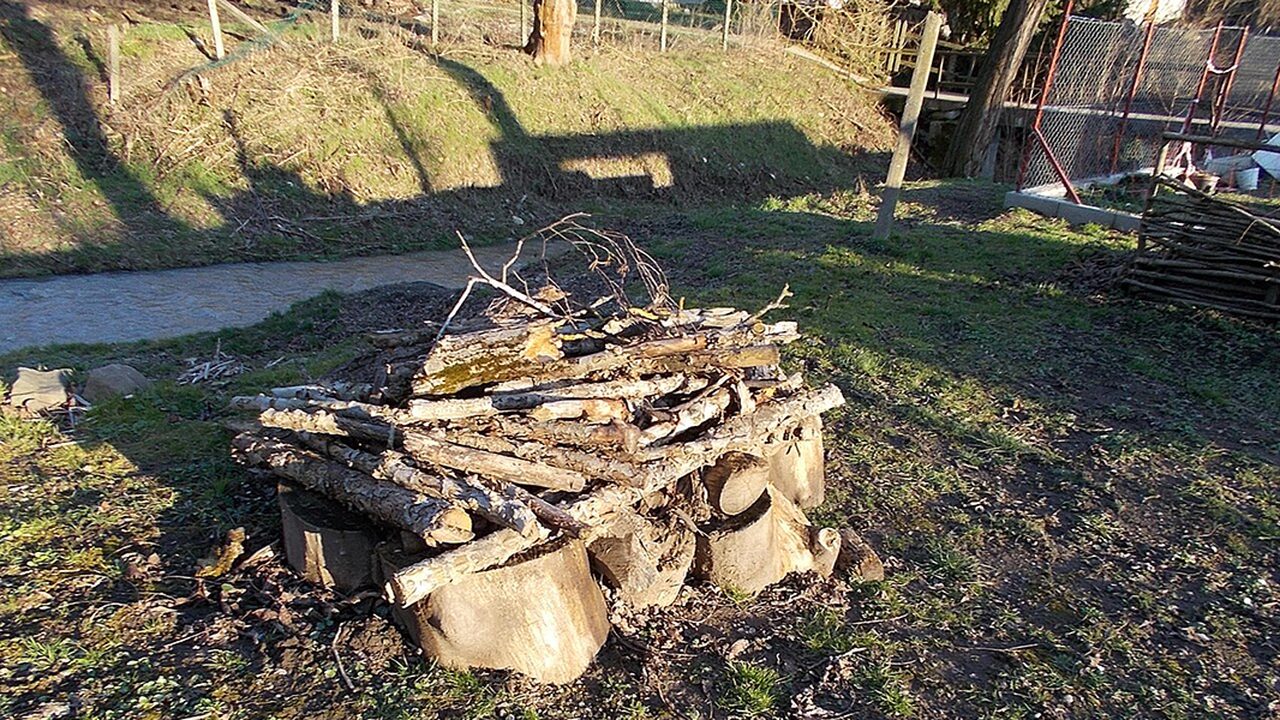
A small lizard garden was established near the City to Sea Walkway as a deliberately designed habitat feature.
Key components
- Arranged rock piles providing shelter, crevices, and basking surfaces
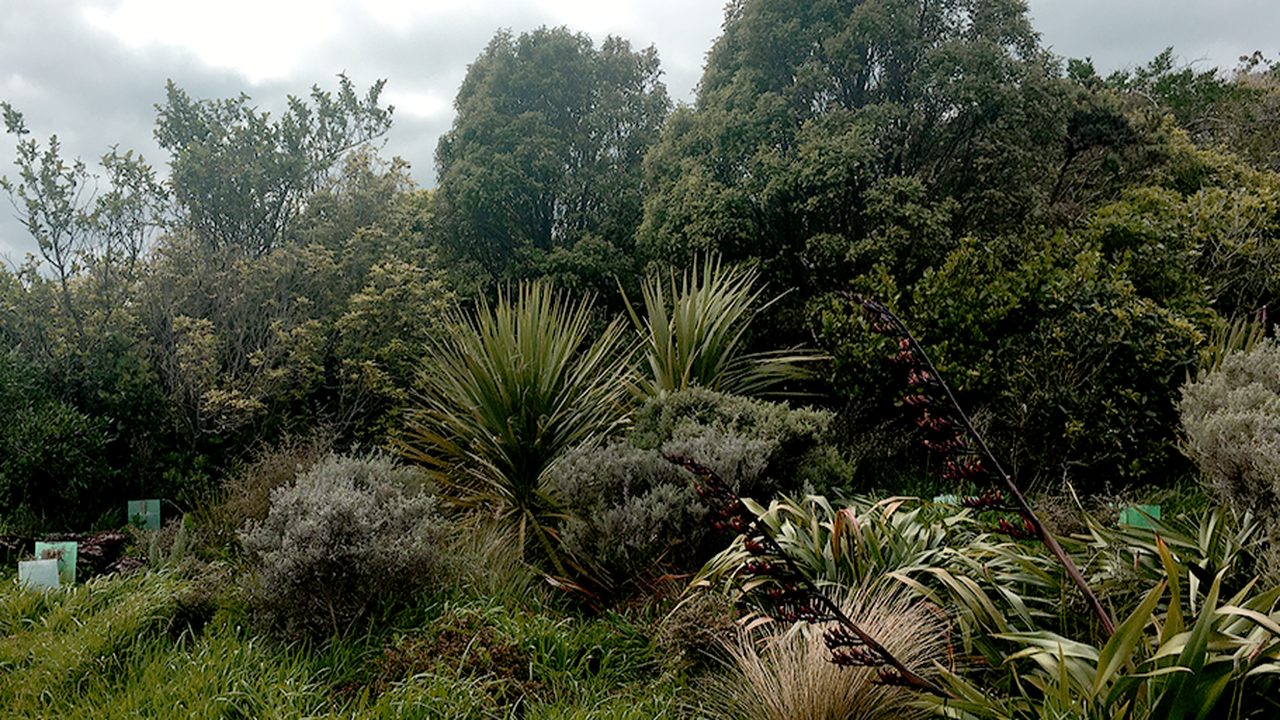
- Associated native planting to offer cover and microclimatic moderation
- Interpretive signage explaining native lizard ecology and the purpose of the garden 1
Implementation notes
Design & delivery considerations
- Intervention operates at a very small, site-specific scale
- Design based on general lizard habitat principles rather than experimental testing 1
- Predator control occurs at the wider reserve scale, not targeted specifically to the garden 1
- High public visibility increases educational value but may elevate disturbance risk
Outcomes
Observed or reported outcomes
No published or formal monitoring data confirming lizard occupancy, abundance, or population change at the site 1
What is plausible but unmeasured
- Use of rock piles as temporary shelter or basking habitat by local skink or gecko species
- Increased public awareness of native lizards through signage and visibility
Evidence & limits
What the evidence supports
Available documentation confirms the intent and design rationale of the lizard garden as a precautionary habitat intervention aligned with broader municipal biodiversity objectives. 1, 2
Key limitations or uncertainties
- Absence of baseline or post-installation ecological monitoring
- Outcomes cannot be attributed independently of wider reserve-scale predator control
- Effectiveness is likely constrained by a very small habitat area and urban disturbance
Relevance to design practice
- Small habitat features should be framed as experimental or educational unless monitoring is in place
- Avoid implying biodiversity outcomes without species-level evidence
- Transferability depends on integration with wider predator control and habitat networks
- Monitoring plans are essential if such interventions are intended to demonstrate ecological performance
References
- Tawatawa Reserve. (2024). What’s happening in the lizard garden? tawatawa.nz
- Wellington City Council. (2015). Our Natural Capital: Wellington’s Biodiversity Strategy and Action Plan. wellington.govt.nz