Location: Wellington, Aotearoa New Zealand
Project type: Metropolitan open space and ecological corridor
Delivery/lead organisations: Wellington City Council
Date/period: Reserved 1840; ongoing management and restoration
Scale: Urban / Landscape
Primary system or theme: Urban biodiversity, ecological connectivity
Context
Why this site matters
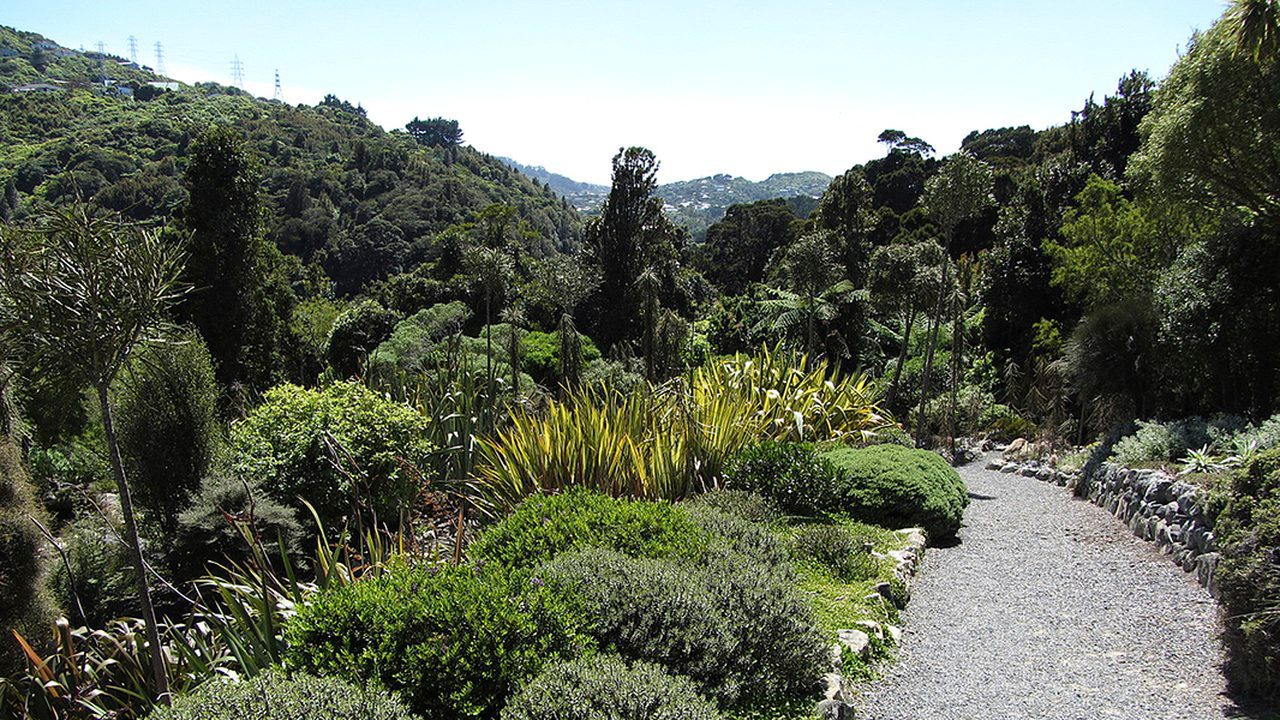
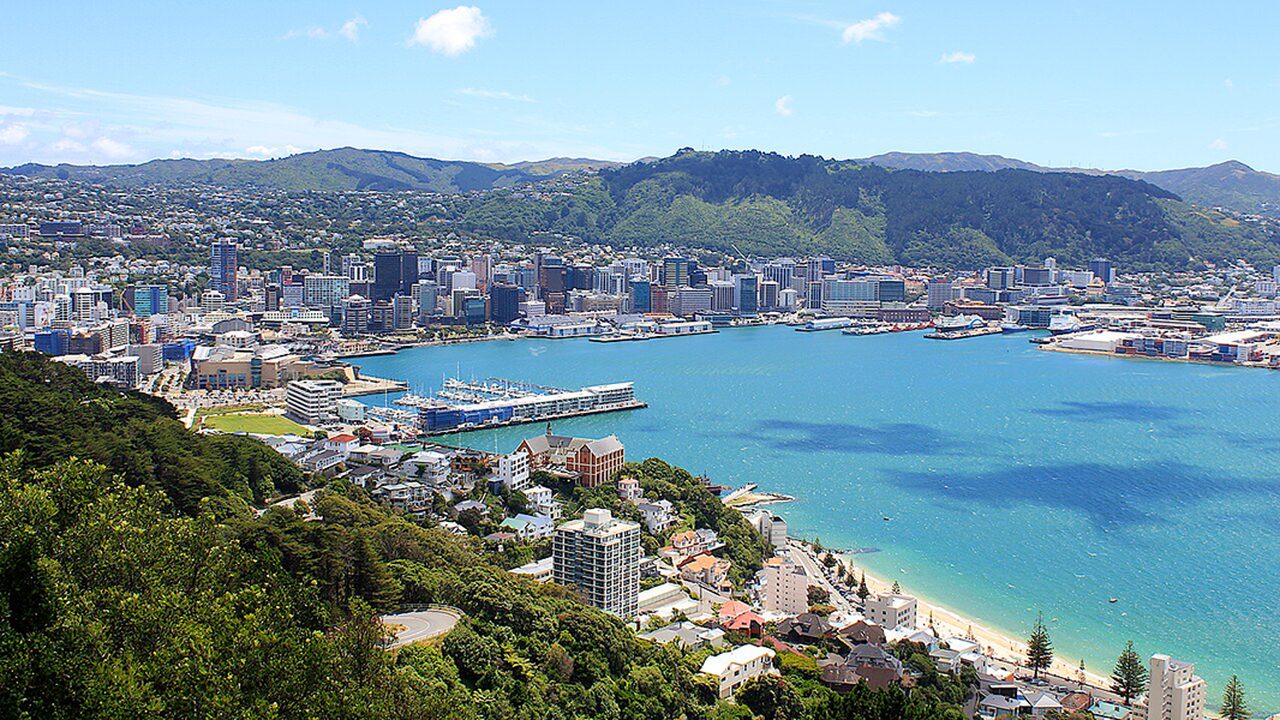
The Wellington Town Belt is a continuous band of public open space encircling central Wellington, reserved in 1840 as part of early town-planning frameworks and retained under local authority ownership. Contemporary management explicitly identifies biodiversity protection and landscape connectivity as core objectives alongside recreation and landscape values. 1
Challenge or constraint
What wasn’t working/what needed to change
Historical vegetation clearance, infrastructure encroachments, and persistent pressure from introduced predators reduced habitat quality and weakened ecological connectivity across the urban landscape. Research on urban biodiversity in New Zealand shows that fragmented green spaces perform poorly for Indigenous species compared with connected networks, highlighting the need to manage the Wellington Town Belt as part of a wider system rather than as isolated parkland. 2
Intervention
What was done
The Wellington Town Belt has been protected and managed as a permanent, largely continuous open-space network with an explicit role in supporting urban biodiversity and ecological connectivity.
Key components
- Statutory protection and management under the Wellington City Council Town Belt Management Plan 1
- Protection and restoration of Indigenous vegetation, including natural regeneration
- Integration with city-wide predator control and urban biodiversity initiatives
- Management of recreation and infrastructure to limit further fragmentation
Implementation notes
Design & delivery considerations
- Intervention operates at a landscape scale rather than as discrete site projects
- Ecological outcomes depend on coordination with adjacent reserves and predator-managed areas
- Edge effects from transport corridors and development require ongoing mitigation
- Long-term performance depends on sustained governance and maintenance funding
Outcomes
Observed or reported outcomes
- Retention of a largely continuous open-space corridor around central Wellington 1
- Documented contribution to Indigenous vegetation cover within the urban area 1
- Use of the wider connected urban green network by Indigenous forest birds recolonising Wellington following predator control 3
What is plausible but unmeasured
- Improved dispersal opportunities for Indigenous fauna between major reserves
- Increased redundancy and resilience within the urban habitat network
- Gradual enhancement of habitat quality through ongoing restoration and management
Evidence & limits
What the evidence supports
Available peer-reviewed research and council monitoring support the Wellington Town Belt’s role as a structural component of Wellington’s urban ecological network that facilitates connectivity and recolonisation when combined with predator management. 2, 3
Key limitations or uncertainties
- Biodiversity outcomes are highly dependent on predator control beyond the Town Belt itself
- Edge effects and invasive species continue to constrain habitat quality in some sections
- Monitoring data are uneven across the full length of the Town Belt and focus on city-scale trends rather than site-specific performance 4
Relevance to design practice
- Continuous, legally protected open-space networks can meaningfully support urban ecological connectivity at the landscape scale
- Connectivity does not deliver species recovery without parallel predator management and habitat quality improvements
- Urban green infrastructure should be planned and evaluated as part of an integrated city-wide ecological network, not as isolated parks or amenity spaces
References
- Wellington City Council. (2018). Town Belt Management Plan.
- Burns, B. R., Innes, J., & Day, T. (2016). The use and potential of connectivity conservation for urban biodiversity: A New Zealand perspective. Landscape and Urban Planning, 148, 92–103.
- Miskelly, C. M., Powlesland, R. G., Lloyd, B. D., Greene, T. C., & Davis, A. M. (2018). Recolonisation of Wellington City by native forest birds following predator control. New Zealand Journal of Ecology, 42(2), 1–17.
- Wellington City Council. (2019–2024). Our Natural Capital: State of the Environment and biodiversity monitoring reports.