Location: Nationwide, Aotearoa New Zealand
Project type: National citizen-science biodiversity monitoring programme
Delivery/lead organisations: Manaaki Whenua – Landcare Research
Date/period: 2007 – present (annual winter survey)
Scale: Site / Neighbourhood / Urban / National
Primary system or theme: Urban and peri-urban birds; biodiversity monitoring
Context
Why this project matters
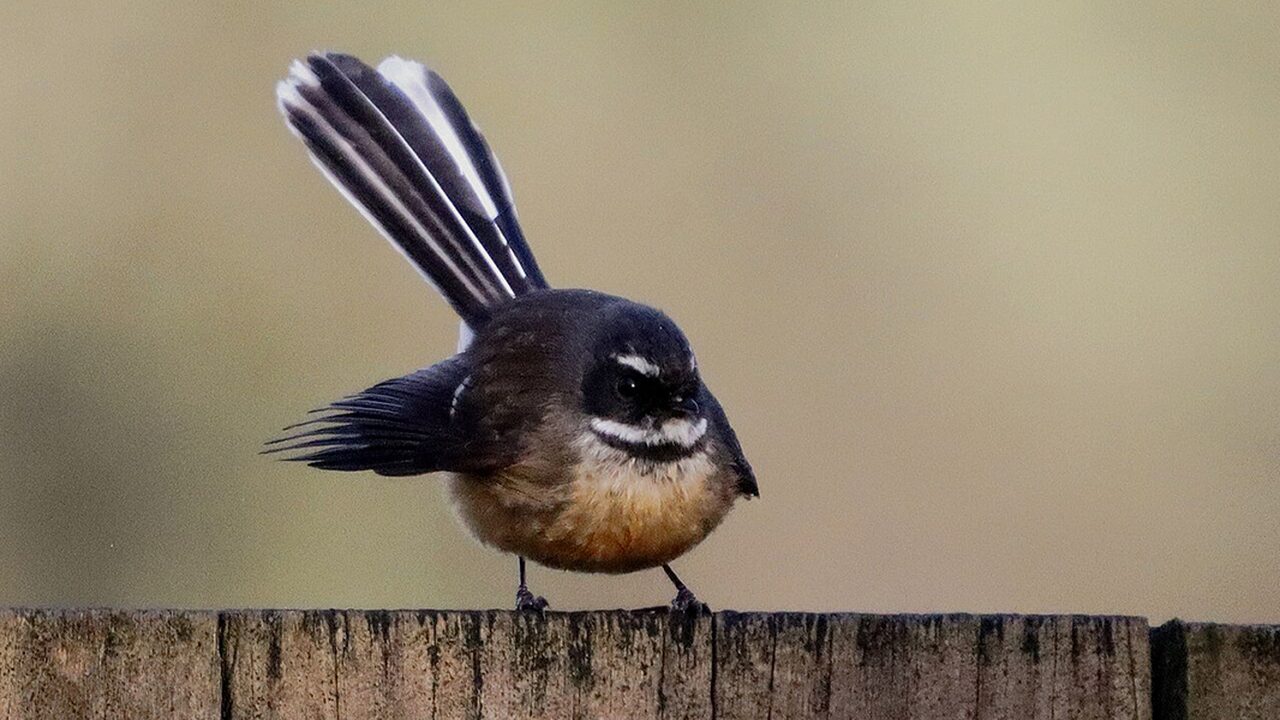
Private gardens and small green spaces make up a substantial proportion of urban land in New Zealand and collectively influence habitat availability for common bird species. 1 The New Zealand Garden Bird Survey (NZGBS) provides one of the only long-running datasets describing bird assemblages in these everyday, human-dominated environments. 2
Challenge or constraint
What wasn’t working/what needed to change
Prior to the NZGBS, information on trends in common garden birds was fragmented, short-term, or spatially limited. Conventional ecological monitoring programmes did not capture fine-grained patterns across private and semi-private urban land, limiting understanding of how urbanisation and garden management relate to bird presence and abundance. 1, 3
Intervention
What was done
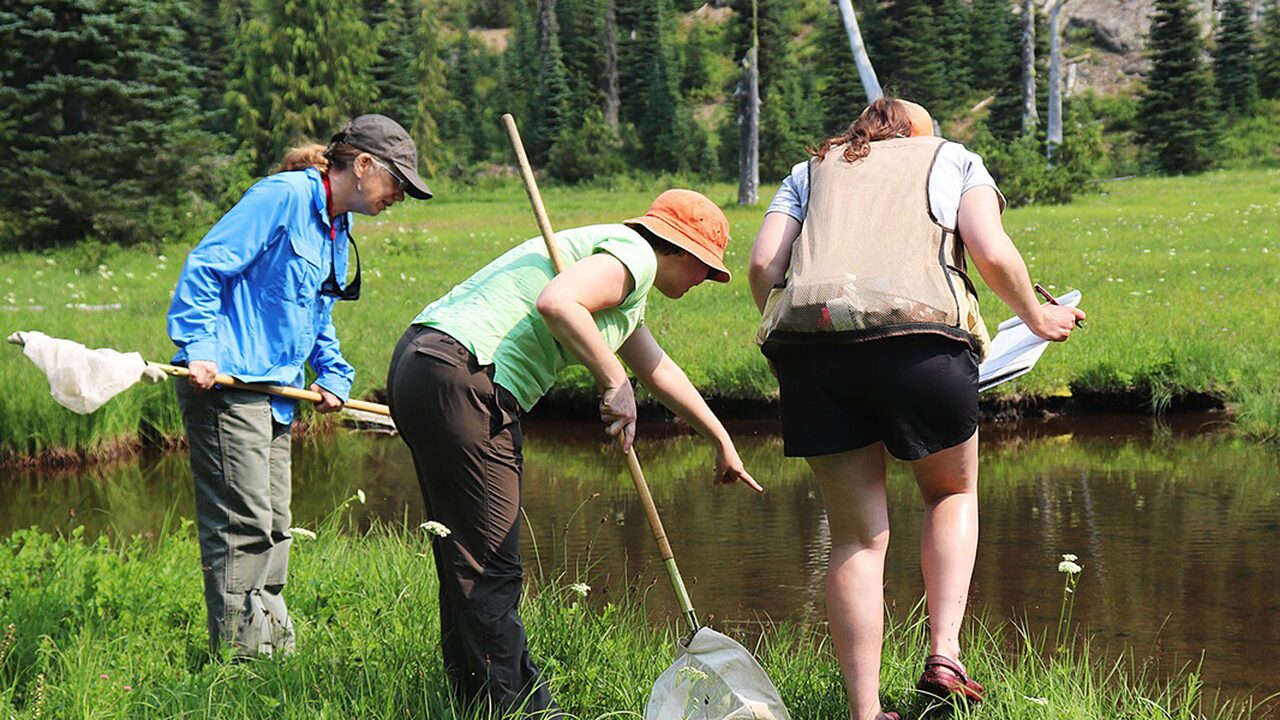
A standardised, annual citizen-science survey was established to collect repeatable data on birds observed in gardens and similar settings.
Key components
- One-hour winter bird counts using a consistent national protocol 1
- Nationwide participation across private gardens, schools, and local parks 2
- Centralised data management and analysis coordinated by Manaaki Whenua – Landcare Research 1
- Periodic synthesis of results into reports and indicators for environmental reporting 3, 4
Implementation notes
Design & delivery considerations
- Survey data represent relative abundance indices, not absolute population sizes 1
- Participation is voluntary, leading to non-random site distribution and observer variation 1, 3
- Detectability differs between species, influencing comparability across taxa 1
- Data are most robust for widespread, easily observed species rather than rare or cryptic birds 3
Outcomes
Observed or reported outcomes
- Long-term trends in relative abundance of common garden bird species can be detected at national and regional scales 1, 4
- Introduced species dominate total counts in many gardens, while native species richness is higher in gardens with greater vegetation complexity 1
- Supplementary feeding is associated with changes in observed species composition and abundance 1
- Indicator frameworks derived from NZGBS data have been used in environmental reporting to summarise trends in common birds 3, 4
- Participation is associated with increased ecological awareness and engagement 5, 6
What is plausible but unmeasured
- Gardens with structurally diverse planting may function as stepping-stone habitats within urban matrices
- Participation may indirectly support biodiversity-friendly gardening practices beyond surveyed sites
Evidence & limits
What the evidence supports
The NZGBS reliably documents broad-scale temporal patterns and relative abundance trends in common garden bird species across settled landscapes. 1, 4 Social research demonstrates consistent learning, engagement, and community-building outcomes for participants. 5, 6
Key limitations or uncertainties
- Results cannot be used to infer absolute population sizes or causal drivers of change 1, 3
- Urban restoration or design interventions cannot be evaluated directly using NZGBS data alone 3
- Outcomes are context-dependent and influenced by observer behaviour, garden size, and surrounding land use 1
Relevance to design practice
- Use NZGBS findings to understand patterns and trends, not to claim performance outcomes of specific designs
- Avoid attributing changes in bird abundance to individual projects without complementary site-based monitoring
- Treat garden and neighbourhood-scale vegetation structure as a relevant design variable influencing common bird presence
- Integrate citizen-science datasets cautiously, as contextual evidence alongside formal ecological assessments
References
- Spurr, E. B. (2012). New Zealand Garden Bird Survey: Analysis of the first four years. New Zealand Journal of Ecology, 36(3), 297–309.
- Landcare Research. (n.d.). New Zealand Garden Bird Survey. Manaaki Whenua – Landcare Research.
- Spurr, E. B., & Warburton, B. (2018). Use of New Zealand Garden Bird Survey data in environmental reporting. Ministry for the Environment.
- MacLeod, C. J., Green, P., Howard, S., Gormley, A., Brandt, A., & Spurr, E. B. (2022). Assessing the state of New Zealand’s garden birds from national to local scales. Ecological Solutions and Evidence, 3, e12121.
- Liberatore, A., Bowkett, E., MacLeod, C., Spurr, E., & Longnecker, N. (2018). Social media as a platform for a citizen science community of practice. Citizen Science: Theory and Practice, 3(1).
- Diprose, G., Greenaway, A., & Moorhouse, B. (2022). Making visible more diverse nature futures through citizen science. Citizen Science: Theory and Practice.