Location: Long Bay, Auckland, Aotearoa New Zealand
Project type: Master-planned residential development
Delivery/lead organisations: Auckland Council (regulatory), multiple private developers and consultants
Date/period: Early 2010s – ongoing
Scale: Neighbourhood
Primary system or theme: Stormwater management, landscape structure, water-sensitive urban design
Context
Why this site matters
Long Bay is a large greenfield urban expansion located upstream of ecologically sensitive coastal and marine receiving environments on Auckland’s North Shore. The development is governed by the Long Bay Precinct (I519) of the Auckland Unitary Plan, which embeds landscape structure and stormwater management as core organising elements of urban form. 1
Challenge or constraint
What wasn’t working/what needed to change
Greenfield subdivision at this scale posed risks of increased runoff volume and contaminant loads to downstream streams and coastal waters. Regulatory frameworks required stormwater effects to be mitigated within the development footprint rather than deferred to end-of-catchment infrastructure. 1
Intervention
What was done
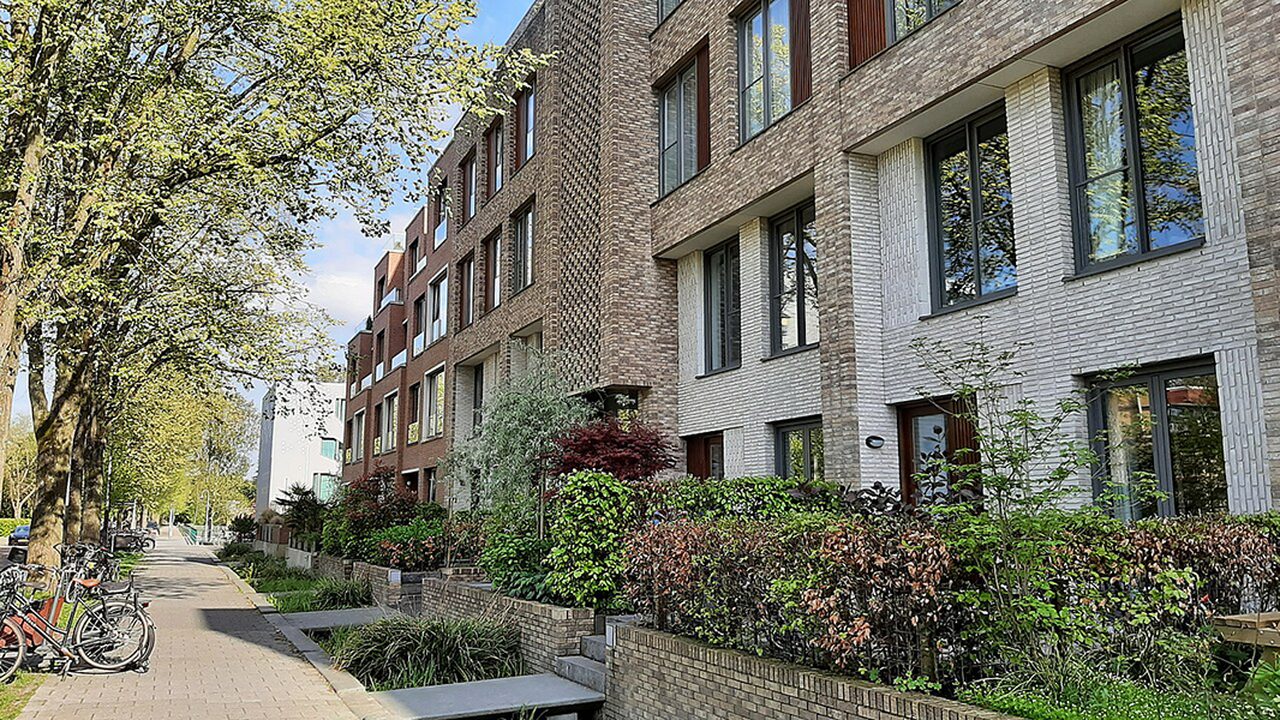
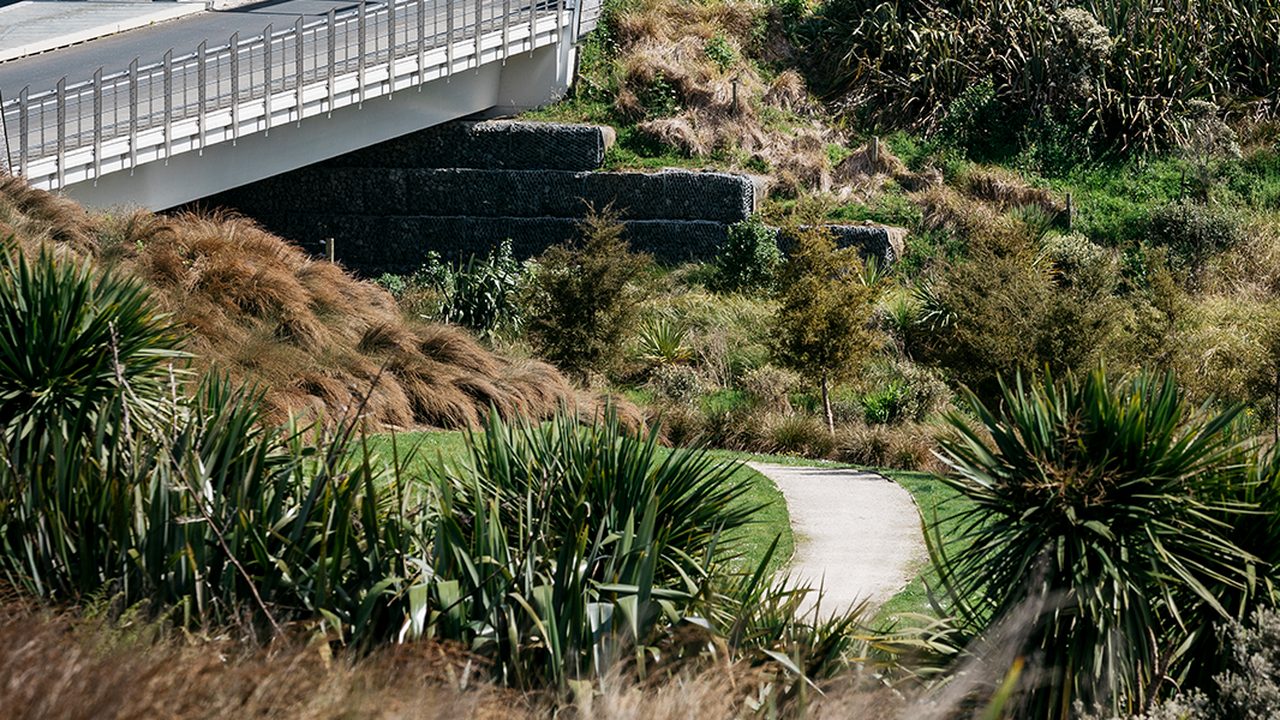
The development adopted a landscape-led structure in which stormwater management systems are distributed throughout streets, reserves, and open spaces, integrated with urban design and planting.
Key components
- Distributed stormwater treatment (constructed wetlands, swales, rain gardens, in-line devices) 2
- Integration of stormwater infrastructure within road reserves and public open space 2
- Use of permeable paving in selected streets and pedestrian environments 3
- Landscape structure aligned with landform, drainage corridors, and ecological features 1
Implementation notes
Design & delivery considerations
- Stormwater systems are mandated through precinct rules rather than discretionary design choices 1
- Treatment is primarily at the neighbourhood and sub-catchment scale, not the whole-catchment scale 2
- Typologies and extents vary by street type and development stage 3
- Long-term performance depends on ongoing maintenance of vegetated systems and permeable surfaces 2
Outcomes
Observed or reported outcomes
- Delivery of a neighbourhood-scale stormwater network meeting Auckland Unitary Plan precinct requirements 1
- Implementation of multiple stormwater treatment typologies integrated with landscape and streetscape design 2
- Recognition in professional landscape architecture channels for integrated, landscape-led subdivision form 3, 4
What is plausible but unmeasured
- Reduced contaminant loads entering downstream coastal receiving environments
- Improved local amenity and micro-scale landscape connectivity within the development
Evidence & limits
What the evidence supports
Available documentation confirms the regulatory basis, intended approach, and typologies of stormwater and landscape infrastructure delivered as part of the development. 1 – 3
Key limitations or uncertainties
- No published post-construction monitoring of ecological or biodiversity outcomes attributable to the development
- No quantified evidence of long-term water quality improvement or species response
- Outcomes are primarily design-intent and compliance-based rather than performance-verified 1 – 3
Relevance to design practice
- Landscape-led stormwater systems can be embedded as primary structuring elements at the neighbourhood scale when supported by clear precinct rules 1
- Distributed treatment networks require early coordination between urban design, landscape architecture, and engineering 2
- Avoid over-claiming ecological outcomes where monitoring data is absent 1 – 4
- Transferability depends on strong regulatory frameworks, maintenance commitments, and receiving-environment sensitivity
References
- Auckland Council. (2016). Auckland Unitary Plan Operative in Part: Chapter I519 Long Bay Precinct.
- Disley, B., Islam, J., & Brown, N. (2011). Long Bay development – Benefits of coupled modelling. Proceedings of the Water New Zealand 7th South Pacific Stormwater Conference.
- Landscape Architecture Aotearoa. (2019, July 29). Long Bay development – an integrated urban form.
- New Zealand Institute of Landscape Architects. (2019). Long Bay: NZILA Award of Excellence / Residential Multi-Unit Dwelling — 2019.