Location: Abberley Park, Ōtautahi Christchurch, Canterbury, Aotearoa New Zealand
Project type: Community-led urban stream restoration
Delivery/lead organisations: Local residents and community groups; Christchurch City Council; University of Canterbury researchers
Date/period: Ongoing (2010s – present)
Scale: Site / Neighbourhood
Primary system or theme: Urban freshwater; riparian systems; community stewardship
Context
Why this site matters
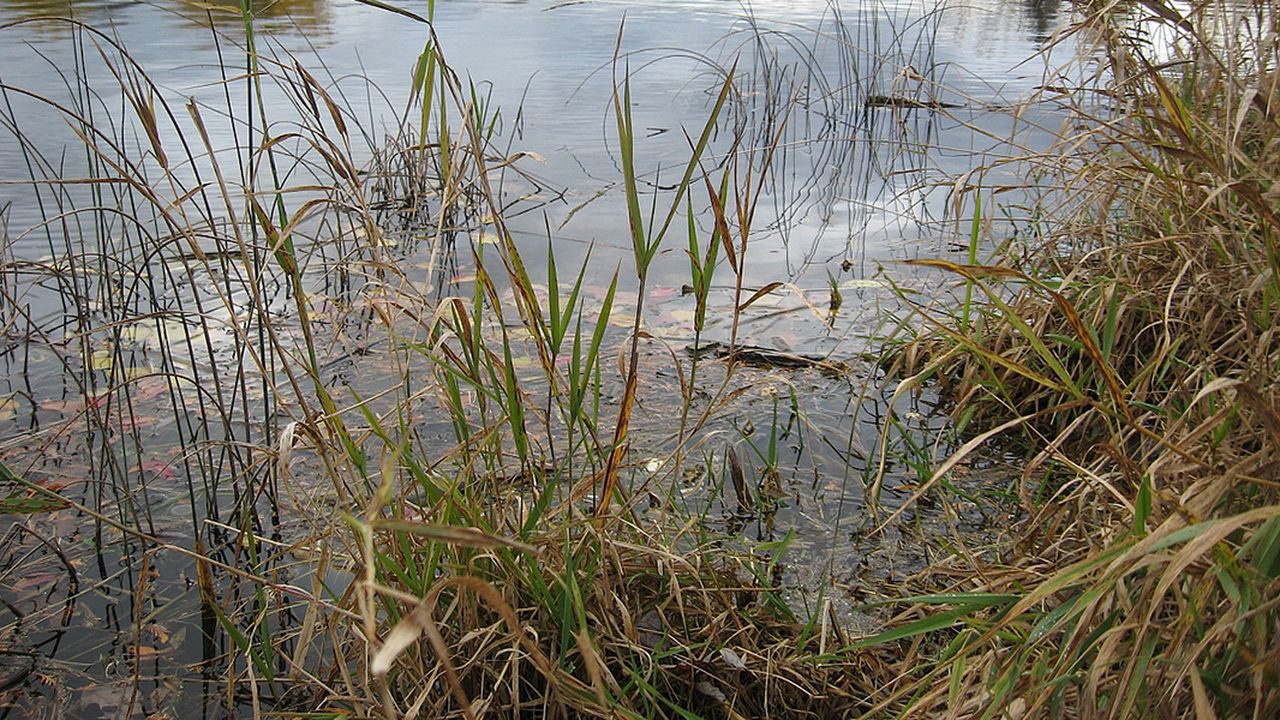
St Albans Stream is a small, highly modified lowland urban waterway within a heritage public reserve. Its condition reflects common patterns across Christchurch urban streams, including channel modification, stormwater inputs, and degraded riparian margins. 1, 2
Challenge or constraint
What wasn’t working/what needed to change
The stream exhibited eroding banks, limited Indigenous riparian vegetation, and poor perceived ecological condition, with no sustained site-specific ecological monitoring. Broader Christchurch monitoring and lowland stream studies indicate that reach-scale restoration is constrained by upstream land use, altered hydrology, flood conveyance requirements, and persistent stormwater inputs. 3, 4
Intervention
What was done
Restoration focused on low-impact riparian enhancement and community stewardship rather than in-stream re-engineering.
Key components
- Indigenous riparian planting tailored to shade and exposure conditions 2
- Removal and ongoing management of invasive riparian species, particularly Tradescantia 5
- Community planting days, volunteer maintenance, and educational signage 1
- Engagement with mana whenua and local institutions, including Rehua Marae, to support culturally informed stewardship 1
Implementation notes
Design & delivery considerations
- Intervention limited to riparian margins; channel form largely unchanged
- Outcomes dependent on volunteer capacity and ongoing maintenance
- Ecological performance constrained by upstream stormwater inputs and connectivity limitations 3, 6
Outcomes
Observed or reported outcomes
- Improved riparian cover, bank stability, and shading in treated reaches 2, 5
- Sustained community participation and increased local awareness of urban stream restoration limits 1
What is plausible but unmeasured
- Incremental improvement in thermal buffering and organic matter inputs
- Marginal support for culturally significant species, such as tuna, subject to connectivity constraints
Evidence & limits
What the evidence supports
Evidence supports improvements in riparian condition and community stewardship outcomes, but does not demonstrate measurable improvements in water quality or aquatic biodiversity at this site. 1, 2
Key limitations or uncertainties
- No published post-restoration water quality or macroinvertebrate monitoring data for the site
- Benefits limited by reach-scale intervention within a degraded catchment context 3, 4
- Persistent urban stressors constrain ecological recovery 3, 6
Relevance to design practice
- Riparian planting and weed management are necessary but insufficient in isolation for ecological recovery in highly modified urban streams
- Expect limited biodiversity gains without catchment-scale stormwater and connectivity interventions
- Use riparian enhancement to support amenity, stewardship, and incremental habitat improvement, while integrating broader freshwater and stormwater strategies
References
- Dionisio, M. R. D. J., Schindler, M., Challies, E., McNabb, T., & Yates, A. (2025). Community actions to revitalize urban blue and green capital: Learnings from Abberley Park, Ōtautahi Christchurch, Aotearoa New Zealand. Ecology & Society, 30(2), Article 14.
- Edmonds, M., Holden, J., Nisbet, J., Tohi, T., & Walker, L. (2022). More than a drain: Improving the health of St Albans Stream through riparian planting methods. University of Canterbury.
- Boffa Miskell Ltd. (2021). Christchurch aquatic ecology monitoring 2021: Five-yearly ecology monitoring report. Christchurch City Council.
- Parkyn, S. M., Davies-Colley, R. J., Halliday, N. J., Costley, K. J., & Croker, G. F. (2003). Planted riparian buffer zones in New Zealand: Do they live up to expectations? Restoration Ecology, 11(4), 436–447.
- Blundell-Dorey, R. (2022). Blue and green resilience in Abberley Park. University of Canterbury.
- Blakely, T. J., & Harding, J. S. (2005). Longitudinal patterns in benthic communities in an urban stream under restoration. New Zealand Journal of Marine and Freshwater Research, 39(1), 17–28.