Location: Tāmaki Makaurau Auckland, Aotearoa New Zealand
Project type: Regional policy and implementation framework
Delivery/lead organisations: Auckland Council
Date/period: 2018 – present
Scale: Urban / Landscape
Primary system or theme: Urban forest, tree canopy, Indigenous biodiversity
Context
Why this site matters
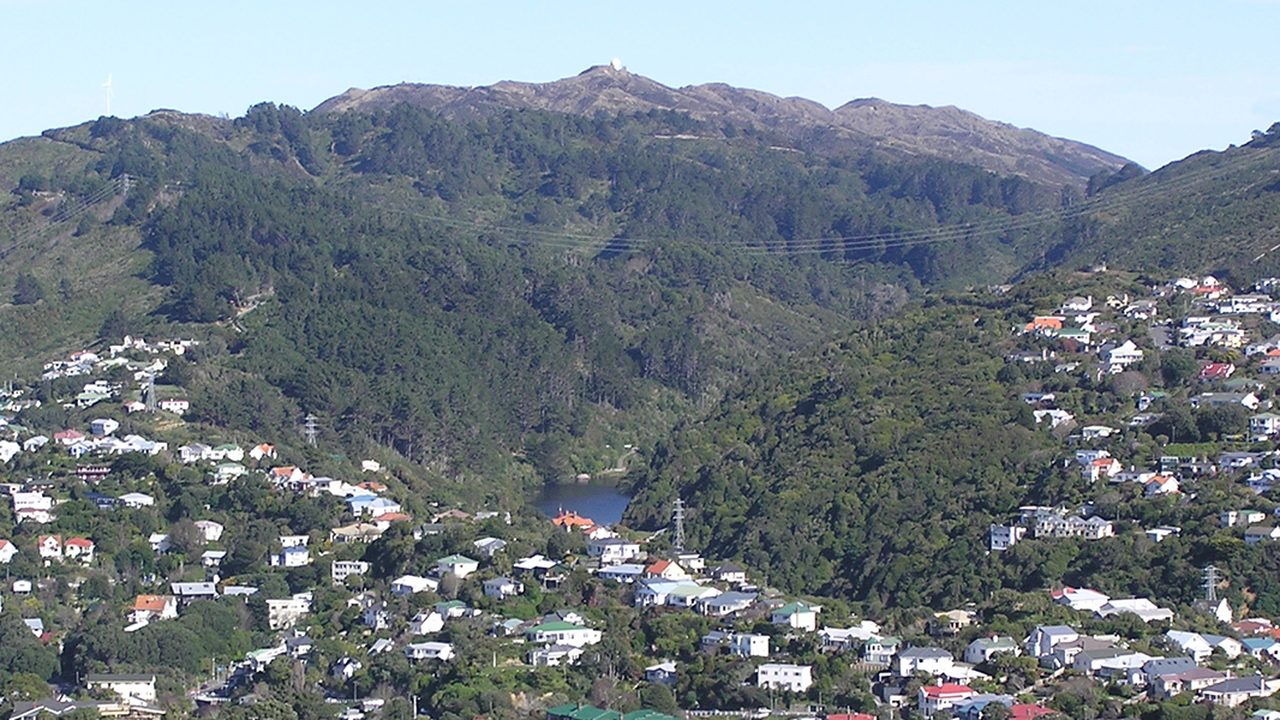
Auckland has experienced long-term loss and fragmentation of Indigenous forest cover through urbanisation and infrastructure development. 1 The Urban Ngahere Strategy establishes a region-wide framework to manage urban trees as green infrastructure in a rapidly intensifying city.
Challenge or constraint
What wasn’t working/what needed to change
Urban tree management was historically fragmented, with limited coordination across local boards and insufficient protection of existing canopy, particularly on private land. 1 Canopy loss associated with redevelopment and infrastructure upgrades continued despite individual notable tree protections. 2
Intervention
What was done
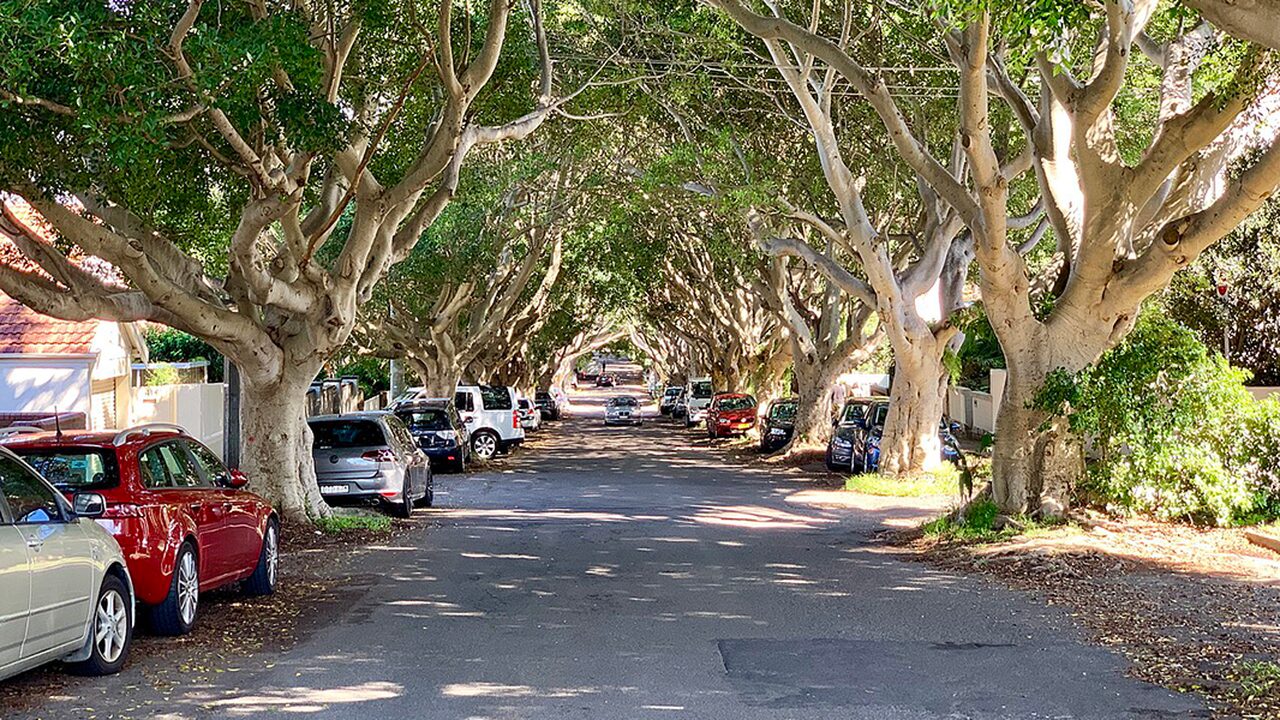
Auckland Council adopted a regional urban ngahere strategy to guide the protection, enhancement, and expansion of urban tree cover across public and private land.
Key components
- Region-wide canopy cover targets and local board–level minimum thresholds 1
- Prioritisation of canopy retention alongside new planting
- Use of ngahere and canopy assessments to guide spatial targeting 3
- Emphasis on Indigenous species where site conditions allow 1
Implementation notes
Design & delivery considerations
- Planting programmes focus on long-term canopy development rather than short-term cover gains 1
- Species selection is constrained by infrastructure conflicts, soil volumes, and biosecurity risks
- Implementation capacity varies between local boards, affecting the consistency of outcomes 3
- Regulatory protection of trees on private land remains limited 2
Outcomes
Observed or reported outcomes
- Establishment of a consistent regional policy framework for urban tree management 1
- Completion of canopy and ngahere assessments for multiple local board areas 3
What is plausible but unmeasured
- Gradual increase in overall urban canopy cover as planted trees mature
- Improved ecological connectivity through cumulative street and park planting
Evidence & limits
What the evidence supports
Evidence supports the role of coordinated urban forest strategies in improving planning consistency and targeting canopy investment at a city-wide scale. 1, 2
Key limitations or uncertainties
- Limited empirical evidence linking the strategy to measured biodiversity or climate outcomes at the regional scale
- Benefits are contingent on long-term tree survival and protection of the existing mature canopy
- Outcomes on private land depend on regulatory and incentive mechanisms beyond the strategy itself 2
Relevance to design practice
- Prioritise retention of existing mature trees alongside new planting
- Do not assume canopy targets can be met through planting alone without regulatory support
- Urban forest strategies must be integrated with land-use controls, infrastructure design, and long-term maintenance planning
References
- Auckland Council. (2019). Auckland’s urban ngahere (forest) strategy: Te rautaki ngahere ā-tāone o Tāmaki Makaurau.
- Wyse, S. V., et al. (2015). Protecting trees at an individual level provides insufficient safeguard. Landscape and Urban Planning, 141, 112–122.
- Wildland Consultants. (2021). Howick Local Board ngahere analysis update 2021. Auckland Council.