Location: Grey Lynn, Tāmaki Makaurau Auckland, Aotearoa New Zealand
Project type: Local park planting/urban biodiversity intervention
Delivery/lead organisations: Local community groups; landscape architecture input (Andrea Reid); supported by Auckland-based environmental organisations
Date/period: c. 2018–ongoing
Scale: Site / Neighbourhood
Primary system or theme: Urban pollinators; flowering vegetation; community stewardship
Context
Why this site matters
Grey Lynn is a high-density inner-city suburb with limited continuous habitat for insects. Small public reserves are increasingly used to trial biodiversity-supportive planting in fragmented urban landscapes. 1
Challenge or constraint
What wasn’t working/what needed to change
Conventional amenity planting in small reserves provided limited nectar and pollen resources for pollinating insects and offered little contribution to emerging neighbourhood-scale pollinator initiatives. 1, 2
Intervention
What was done
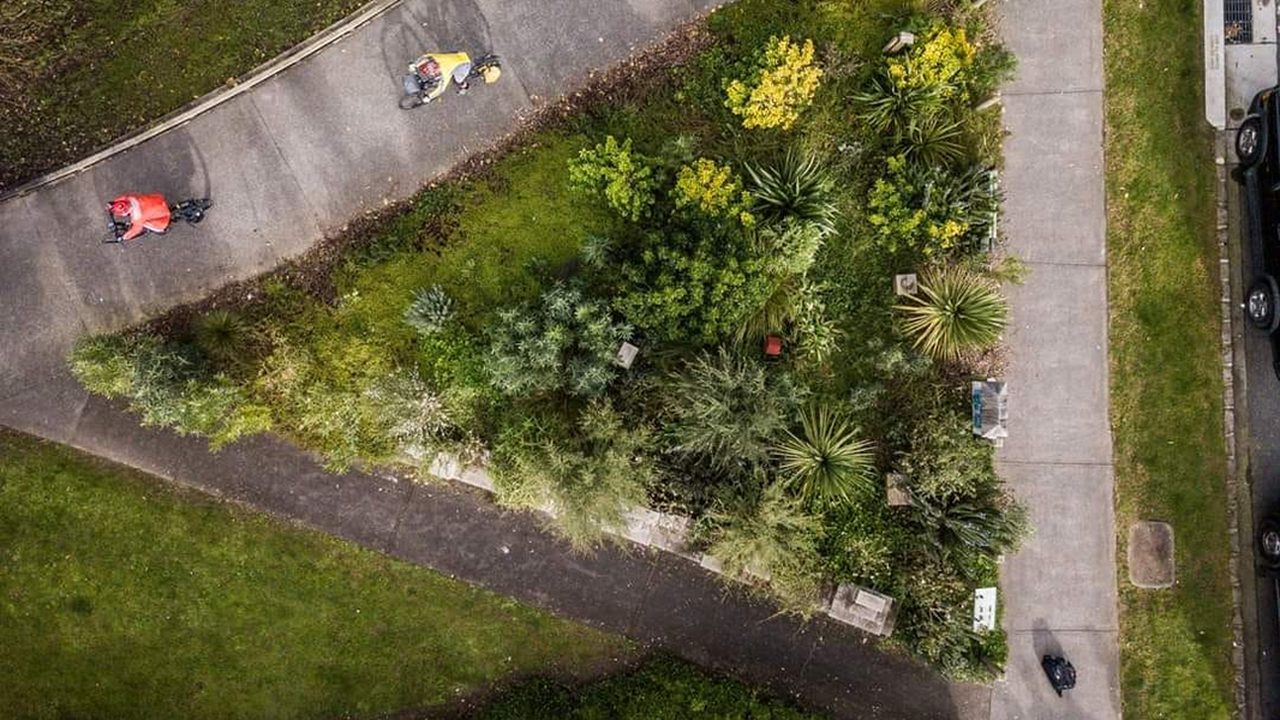
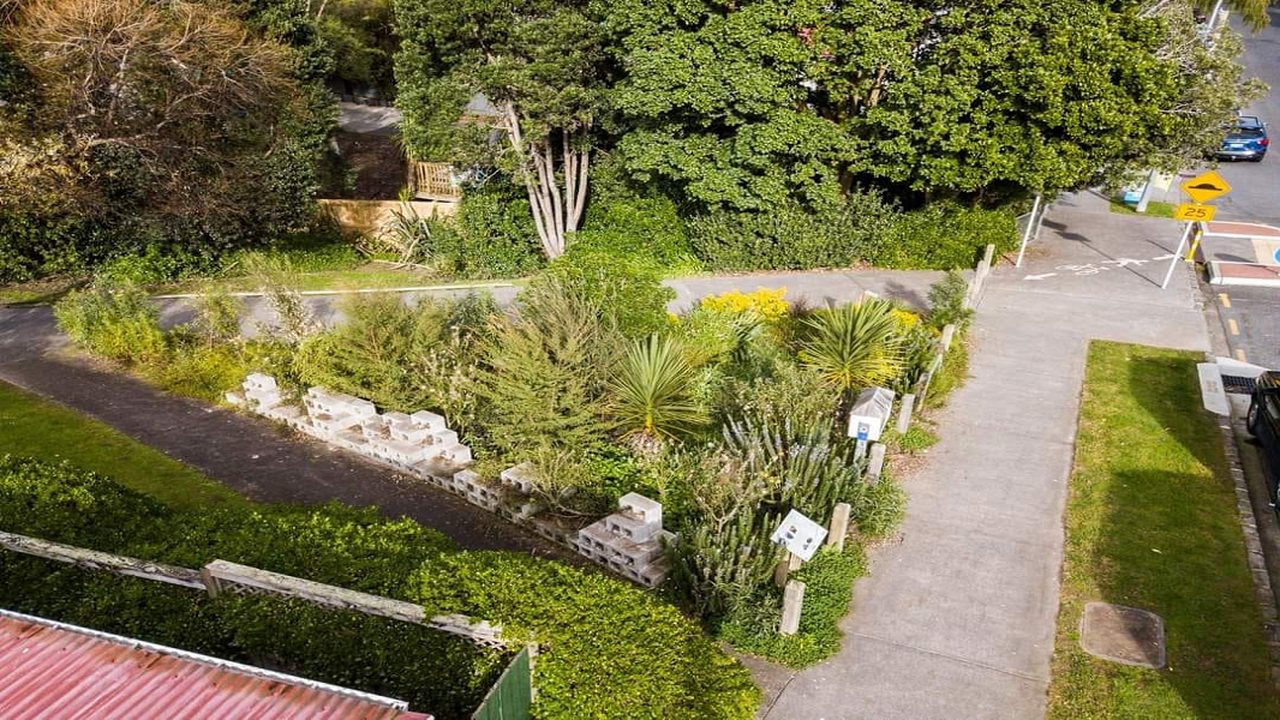
Flower-rich planting was introduced within Hakanoa Reserve to support urban pollinators and contribute to a wider, informal “pollinator pathway” concept in Grey Lynn.
Key components
- Introduction of flowering plant species intended to provide nectar and pollen.
- Emphasis on the seasonal continuity of floral resources.
- Community-led planting and stewardship within an existing public reserve. 1, 2
Implementation notes
Design and delivery considerations
- Implemented at a very small site scale.
- No formal ecological corridor designation or regulatory framework.
- Planting palette and maintenance largely shaped by community capacity rather than formal performance targets. 1
- No structured ecological monitoring embedded in the project. 2
Outcomes
Observed or reported outcomes
- Establishment of flower-rich planting within the reserve. 1, 2
- Ongoing use of the site as a reference example in discussions of urban pollinator pathways in Auckland. 3
What is plausible but unmeasured
- Increased local foraging opportunities for urban pollinating insects.
- Incremental contribution to neighbourhood-scale stepping-stone habitat networks.
- Increased public awareness of pollinator-supportive planting.
Evidence & limits
What the evidence supports
Available documentation confirms the project as a small-scale planting intervention aligned with pollinator-friendly design principles, but does not provide site-specific ecological performance data. 1, 2
Key limitations or uncertainties
- No published monitoring of pollinator abundance, diversity, or reproduction.
- Connectivity outcomes remain a design intention rather than a demonstrated function. 2, 3
- Ecological effects, if present, are likely highly localised and context-dependent.
Relevance to design practice
- Small reserves can be adapted to support pollinator-friendly planting where space for larger habitat restoration is unavailable.
- Do not assume ecological connectivity or biodiversity outcomes without monitoring; stepping-stone functions are plausible but unproven at this scale.
- Pollinator pathway concepts require replication across many sites and coordination with planting standards, maintenance regimes, and monitoring to move beyond demonstrative value.
References
- NUWAO. (n.d.). Hakanoa Reserve pollinator pathway. nuwao.org.nz
- Struve, I. (2022). Hakanoa Reserve (First addition to the Grey Lynn Pollinator Pathway). ClimateScan. climatescan.org
- Wright, N. (2024). The art of pollinator paths: A suburban journey of wayfinding with pollinator insects (Master’s thesis, Victoria University of Wellington). doi.org/10.26686/wgtn.28106048