
Location: Wellington, Te Whanganui-a-Tara, Aotearoa New Zealand
Project type: Predator-exclusion fenced urban ecosanctuary
Delivery/lead organisations: Karori Sanctuary Trust (with Greater Wellington Regional Council, Wellington City Council, research partners)
Date/period: 1999 – present
Scale: Landscape / Urban
Primary system or theme: Terrestrial biodiversity, forest and wetland ecosystems
Context
Why this site matters
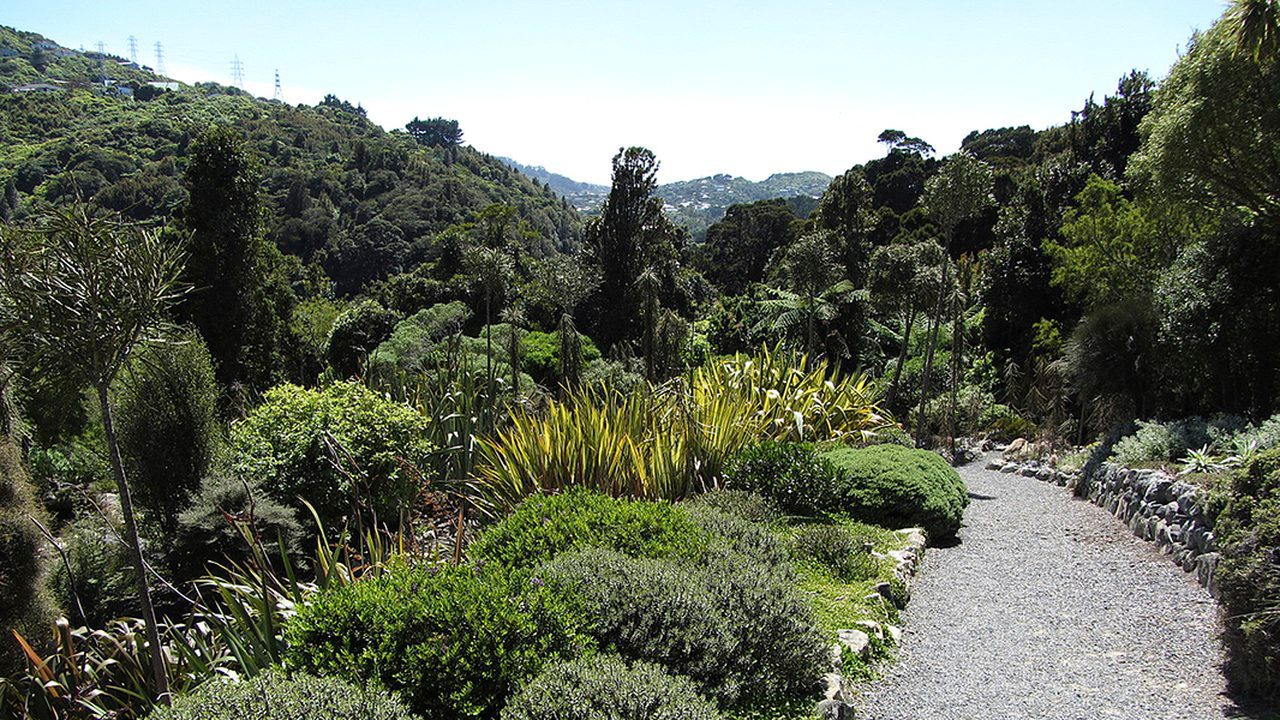
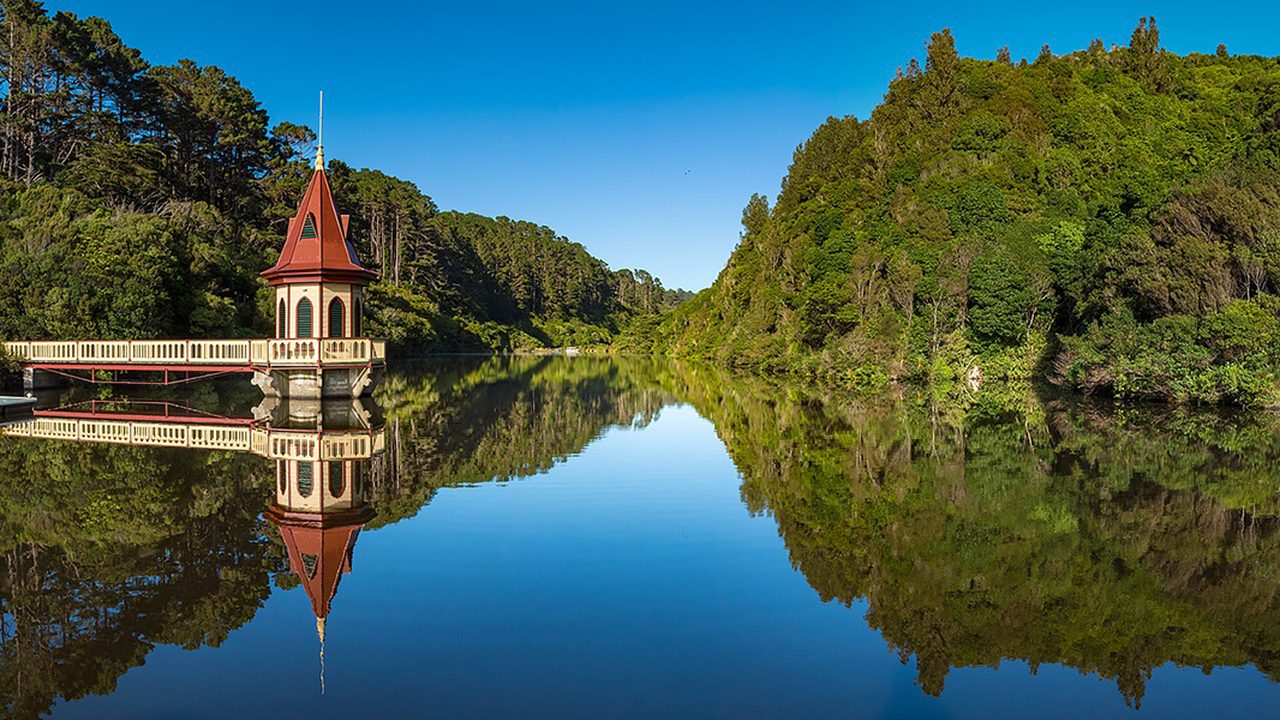
Zealandia is a large (225 ha) mainland ecosanctuary located within an inner-city catchment, established to reverse biodiversity loss caused by introduced mammalian predators. It functions as a core ecological refuge within a highly urbanised landscape and is frequently cited in discussions of urban biodiversity recovery and predator-free initiatives. 1 – 3
Challenge or constraint
What wasn’t working/what needed to change
Introduced mammalian predators had caused severe declines and local extinctions of native forest birds, reptiles, and invertebrates across mainland New Zealand. Conservation initiatives primarily focused on offshore islands, away from where most people live. Fragmented urban habitats and ongoing reinvasion pressure limited the effectiveness of conventional, unfenced predator control. 4
Intervention
What was done
A fully fenced mainland ecosanctuary was established to enable complete removal and long-term exclusion of key introduced predators, coupled with habitat restoration and species reintroductions.
Key components
- Construction of an 8.6 km predator-exclusion fence enclosing forest and wetland habitats
- Eradication and ongoing surveillance of rats, mustelids, cats, and other invasive mammals
- Reintroduction of multiple native bird, reptile, and invertebrate species
- Forest regeneration and wetland restoration within former water-supply reservoirs 4
Implementation notes
Design & delivery considerations
- Effectiveness depends on high-integrity fencing, eradication of introduced animals after fence completion, continuous monitoring, and rapid response to breaches
- Capital and operational costs are substantial relative to unfenced control approaches
- Ecological outcomes are strongly scale-dependent; benefits increase with sanctuary size
- Sanctuary performance is influenced by complementary predator control and restoration beyond the fence due to the “halo effect” of species spreading outward 5
- Ongoing vegetation management is necessary to reduce incursion risks and to minimise weed invasion
Outcomes
Observed or reported outcomes
- Large, sustained increases in native forest bird abundance and species richness within the sanctuary following predator eradication and reintroductions 4
- Shift from introduced-dominated to native-dominated forest bird communities over approximately 15–20 years 1, 2
- Higher densities of native birds inside the fence compared with adjacent unfenced urban reserves 1
- Increased native wetland bird richness and establishment of breeding populations following wetland restoration 6
- Detection of native freshwater fish species and absence of non-native fish in restored wetlands 7
What is plausible but unmeasured
- Enhanced pollination and seed dispersal contributing to long-term forest composition change
- Increased ecological function and human–nature connection in surrounding urban areas
Evidence & limits
What the evidence supports
Peer-reviewed and long-term monitoring evidence demonstrates that large, predator-fenced sanctuaries can deliver substantial, sustained recovery of native vertebrate biodiversity within urban landscapes. 1 – 4
Key limitations or uncertainties
- Outcomes at this scale are not directly transferable to small sites, though some species groups such as lizards, plants, and invertebrates are likely to benefit from even small fenced areas
- Benefits outside the fence are partially dependent on significant environmental projects and city-wide predator control beyond the fence 5
- Long-term ecosystem responses (e.g. vegetation change, invertebrate recovery) remain incompletely quantified
- High costs and availability of suitable areas limit scalability in many urban contexts
- Weed invasion from surrounding gardens is significant and ongoing
Relevance to design practice
- Predator exclusion is a foundational requirement where high-sensitivity native fauna outcomes are sought
- Large, secure ecological cores can function as critical urban biodiversity infrastructure
- Design responses should prioritise connectivity, predator suppression, and habitat quality around core sanctuaries
- Claims of city-wide biodiversity benefits should be framed cautiously and linked to monitoring and scale
References
- Bombaci, S., Pejchar, L., & Innes, J. (2018). Fenced sanctuaries deliver conservation benefits for most common and threatened native island birds in New Zealand. Ecosphere.
- Bombaci, S., Innes, J., Kelly, D., Flaherty, V., & Pejchar, L. (2021). Excluding mammalian predators increases bird densities and seed dispersal in fenced ecosanctuaries. Ecology.
- Innes, J., Fitzgerald, N., Binny, R., et al. (2019). New Zealand ecosanctuaries: types, attributes and outcomes. Journal of the Royal Society of New Zealand, 49, 370–393.
- Miskelly, C. M. (2018). Changes in the forest bird community of an urban ecosanctuary in Wellington, New Zealand. Notornis, 65, 132–151.
- Wellington City Council. (2013). State and trends in the diversity, abundance and distribution of birds in Wellington City reserves.
- Miskelly, C. M., Bell, B. D., et al. (2023). Changes in a New Zealand wetland bird community following creation of a predator-fenced sanctuary. Notornis, 70, 160–169.
- Cawthron Institute. (2024). Case study: Zealandia.