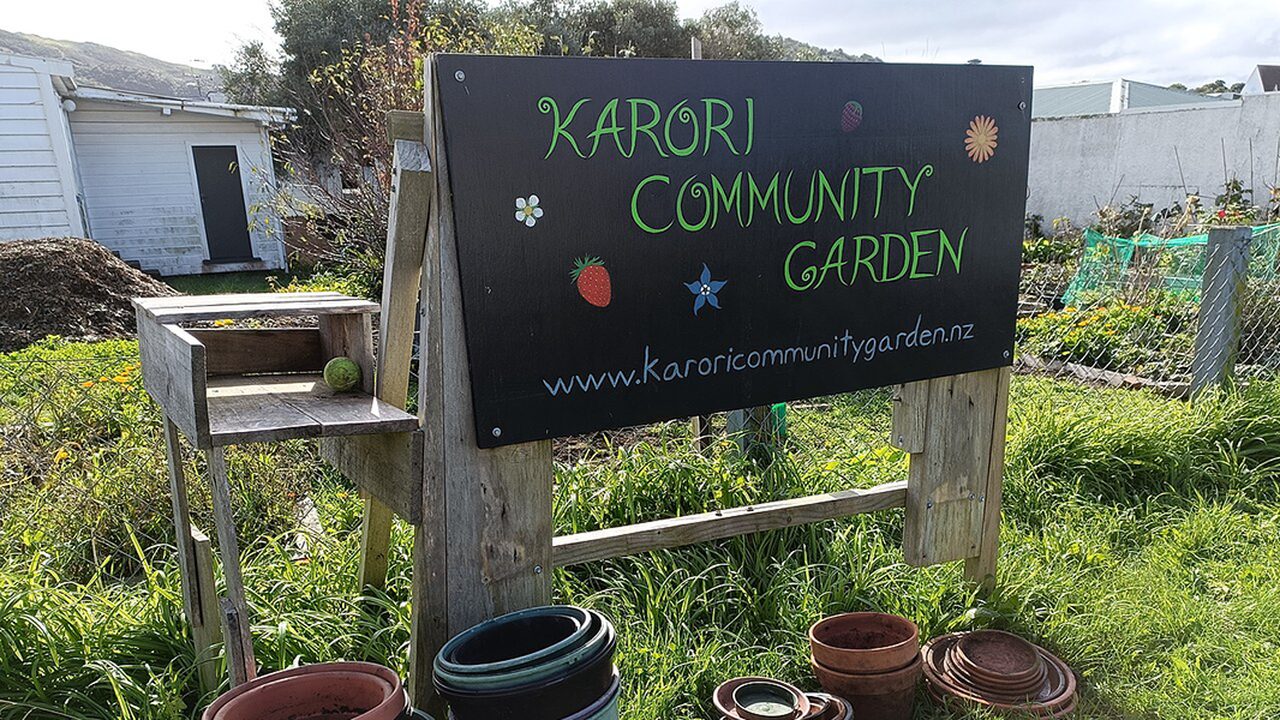
Location: Wynyard Quarter, Auckland, Aotearoa New Zealand
Project type: Community-led urban food-growing space
Delivery/lead organisations: Volunteer community group (with support from local organisations)
Date/period: 2010s – present
Scale: Site
Primary system or theme: Community stewardship, urban food production
Context
Why this site matters
Daldy Street Community Garden is located within Auckland’s inner-city waterfront precinct, where apartment living limits access to private gardens. The garden provides a shared food-growing space embedded in a high-profile public realm. 1
Challenge or constraint
What wasn’t working/what needed to change
Residents and workers in the Wynyard Quarter had limited opportunities for local food growing or hands-on participation in green space management within a dense, predominantly hardscaped urban environment. 1
Intervention
What was done
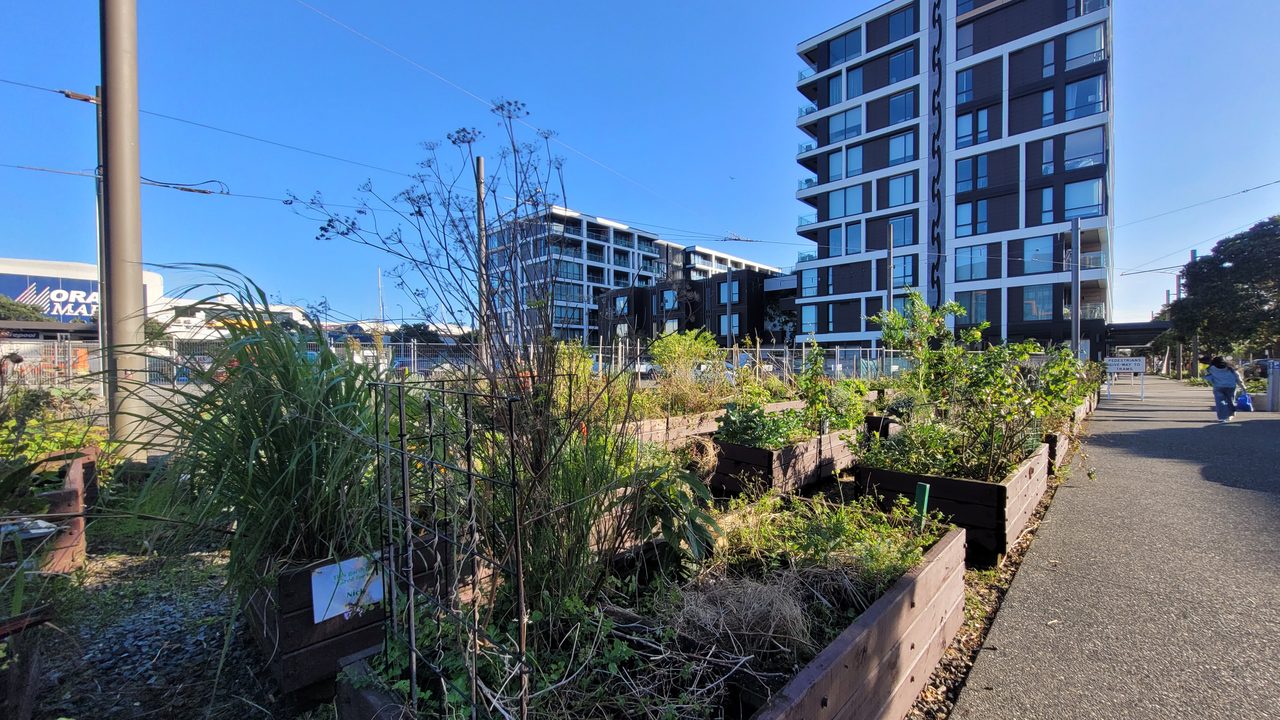
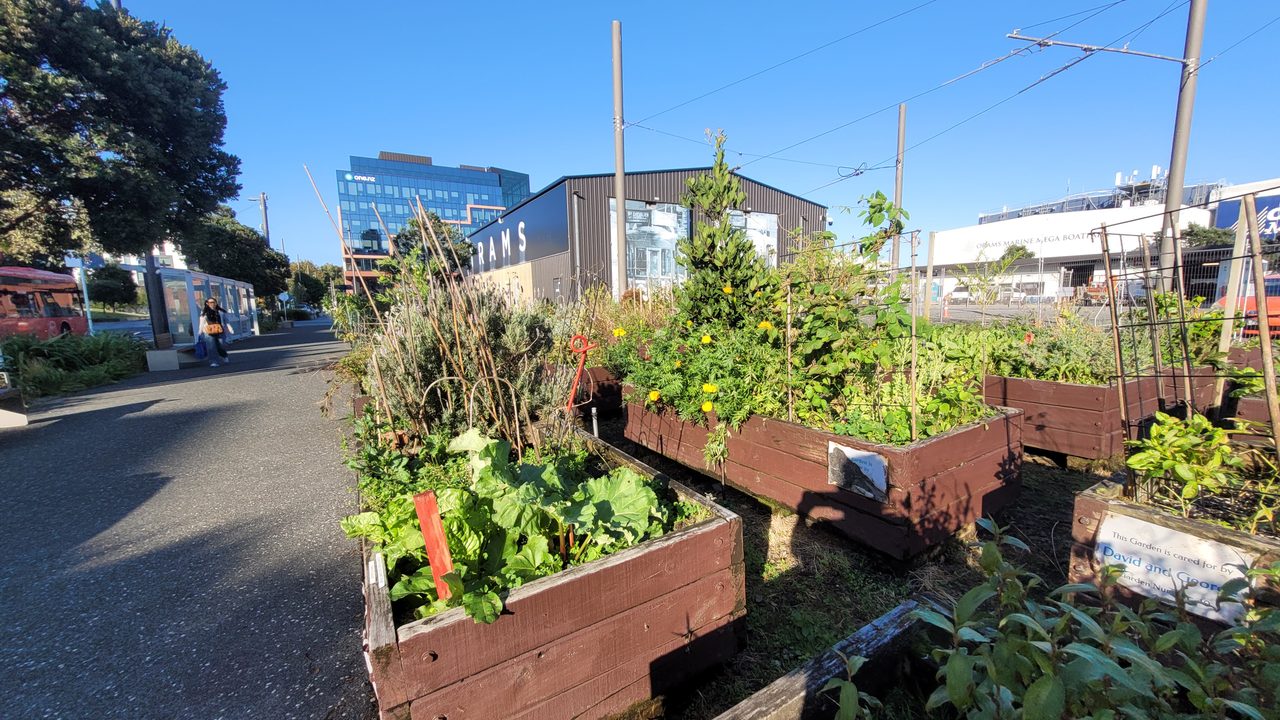
A volunteer-run community garden was established using raised beds and planters within the public realm to enable shared food growing and collective stewardship.
Key components
- Raised and containerised planting beds
- Shared access to food-growing plots
- Ongoing volunteer maintenance and governance
Implementation notes
Design & delivery considerations
- Container-based systems avoid reliance on in-situ soils in reclaimed or heavily modified urban land
- Public-realm location requires coordination with precinct management and event use
- Long-term viability depends on sustained volunteer participation rather than formal maintenance contracts
Outcomes
Observed or reported outcomes
- Ongoing community participation in planting and maintenance activities, documented through local media and public listings. 1, 2
- Continued operation and visibility of the garden as a recognised community facility within Wynyard Quarter. 2
What is plausible but unmeasured
- Informal learning about food growing and composting
- Contribution to local place identity and social cohesion
- Provision of minor habitat resources for urban invertebrates
Evidence & limits
What the evidence supports
Available sources support the role of the garden as a functioning, volunteer-led community food-growing space within an inner-city context. 1, 2
Key limitations or uncertainties
- No site-specific ecological monitoring (e.g. biodiversity, soil health) has been published
- Social and wellbeing outcomes are not formally measured at this site
- Findings cannot be generalised beyond similar, well-supported community garden contexts
Relevance to design practice
- Container-based community gardens can enable food growing where ground conditions or land tenure constrain in-ground planting
- Most transferable where there is an existing or supported community group willing to manage the space over time
References
- RNZ. (2022). Community gardening in Auckland’s Wynyard Quarter. Afternoons (audio).
- Compost Collective. (n.d.). Daldy St Community Garden.