Soil preservation
Definition
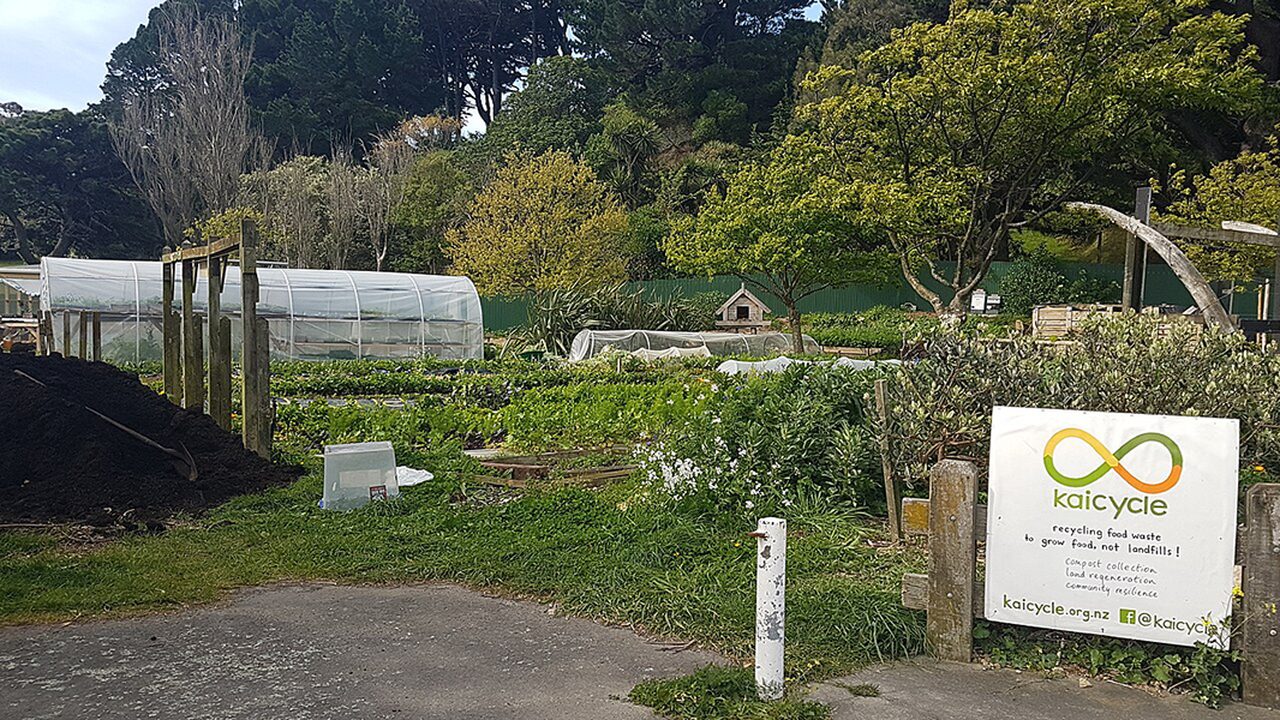
Soil preservation protects and maintains soil structure, biological function, and ecological performance during construction and development. Protecting urban soil is crucial because it supports building construction and plant production, it is an interface with the atmosphere and hydrosphere and it is a source of key functions and services for urban systems sustainability and therefore for the wellbeing of urban biodiversity and people1.
What this strategy does
Limits soil disturbance, compaction, erosion, and contamination while retaining soil as living infrastructure that supports water regulation, biodiversity, and long-term site performance.
Context
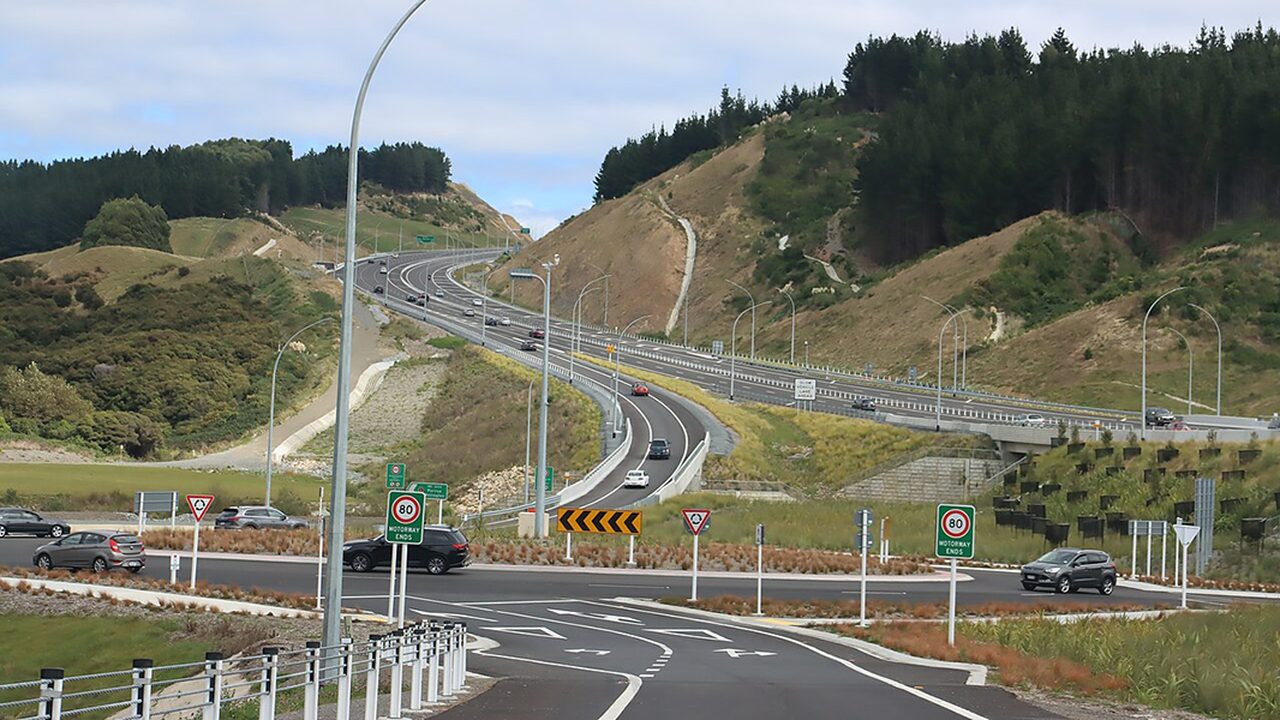
Urban development is a primary driver of soil compaction, erosion, and ecological degradation. Once soil structure and biotic function are lost, recovery is slow and costly, with direct consequences for stormwater performance, vegetation health, and downstream freshwater systems2. Natural soil biodiversity may also play important roles through One Health (the interconnection between human, animal, plant, and ecosystem health), by controlling pathogens and supporting the immune fitness of plants, animals, and humans3.
Technical considerations
Design considerations
Minimise soil disturbance and compaction
- Avoid unnecessary excavation and trafficking.
- Prevention of soil damage or loss is more effective than remediation; soils should be protected (for example by using protective mats) throughout construction phases rather than repaired post-compaction4, 5.
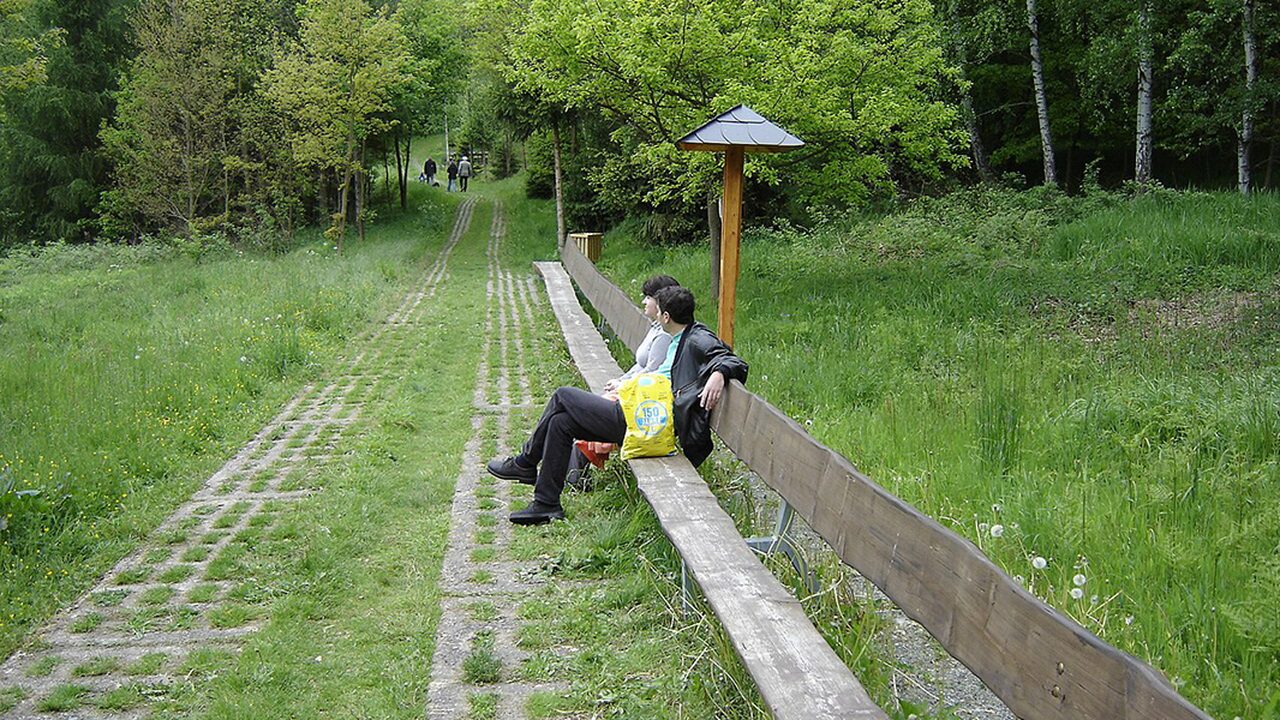
- Raised boardwalks, if designed well, may be a useful way to protect soil as well as dunes, tree roots and other sensitive areas in some contexts6.
Soil handling and reuse
- Inspect soils prior to movement.
- Only relocate soil verified as clean and free of invasive propagules (such as seeds and plant fragments that enable species to spread). Replace soil using loose tipping to avoid secondary compaction5.
- Where soils are temporarily removed for construction, aim to stockpile horizons separately (e.g., topsoil, subsoil) so that soil layers can be reinstated.
- Appropriate plantings may be useful for interim protection of stockpiled soils.
Vegetative cover and erosion control
- Soil erosion can be caused by wind and water. Maintain continuous soil cover through using perennial vegetation planting where possible.
- Vegetated buffers along waterways reduce sediment and nutrient runoff6.
- On slopes, use terracing and natural-fibre erosion control matting to stabilise exposed soils6, 7, 8, 9.
Mulching
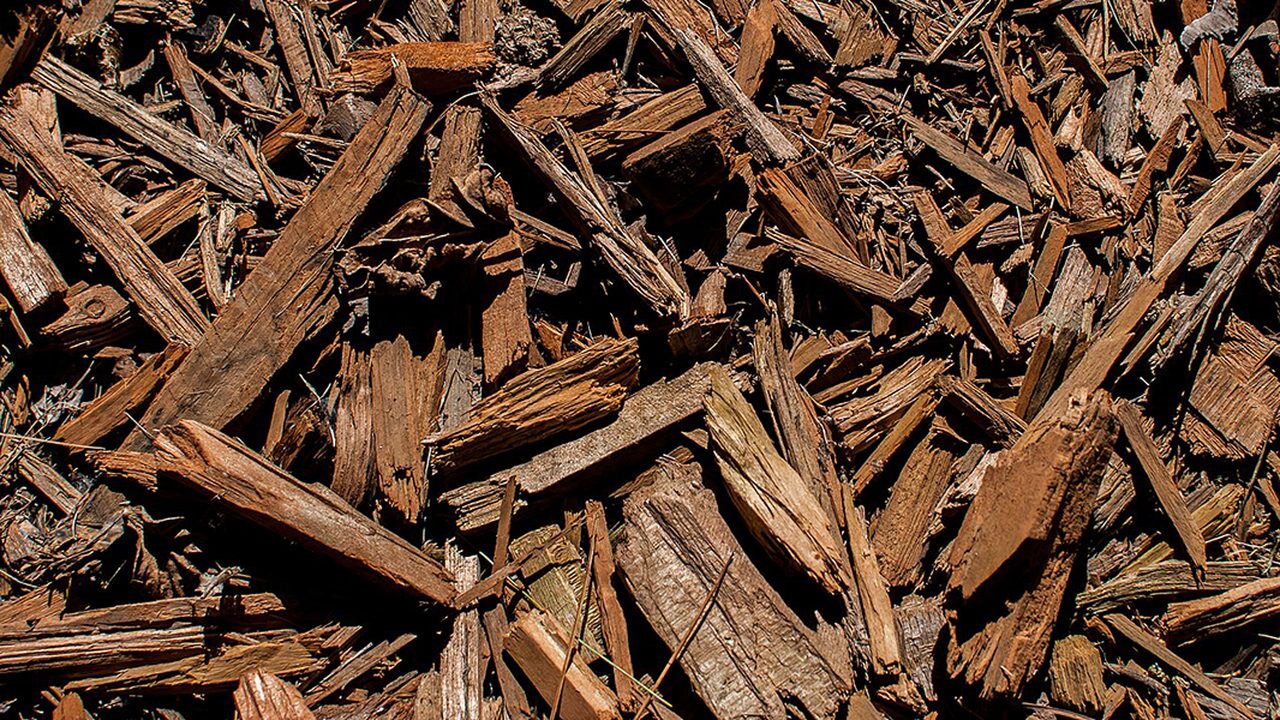
- Apply organic mulch at sufficient depth to protect soil surfaces, reduce erosion, conserve moisture, and suppress weeds6, 9.
- Avoid mulch derived from treated or contaminated timber10.
Soil decompaction
- Where compaction has occurred, assess soil texture, moisture, and compaction depth before intervention11.
- Mechanical decompaction should be timed to avoid smearing or recompaction and combined with organic matter inputs for longer-term benefit11, 12, 13.
Invasive species control in soils
- Thermal soil treatment (e.g. stationary soil steaming) can effectively neutralise invasive seeds prior to soil relocation14, 15. However, this may also kill some beneficial invertebrates and microbes, so consult with an expert.
Implementation considerations
Design priority
- Protect existing soils in situ wherever possible and sequence works to minimise exposure and trafficking.
Key constraint
- Decompaction and mulching effectiveness vary by soil type, moisture condition, slope, and rainfall intensity7, 10, 11.
Relevant tools or standards
- Local authority earthworks and erosion and sediment control guidelines; soil visual assessment frameworks; Water sensitive urban design (WSUD) guidance for soil–water integration16.
Issues & barriers
Construction sequencing risk
- Works on wet soils can worsen compaction and negate remediation benefits11.
Soil and landscape issues
- Consult local experts and soil maps to understand local issues. For example, soils may have become acidic under previous land use, or be prone to landslip in sloping terrain.
Material quality risk
- Mulches and soils without verified provenance may introduce weeds, pathogens, or contaminants10.
Knowledge and capacity gaps
- Limited practitioner expertise in soil ecology and multi-species interactions can result in soil being treated as inert material rather than living infrastructure17, 18, 19.
Financial constraints
- Short-term project budgets often prioritise hardscape outcomes over long-term soil performance benefits18, 20.
Synergies & opportunities
- Climate change – Improved soil structure enhances infiltration, reduces flood risk, and supports soil carbon storage.
- Disaster risk reduction – Erosion control reduces sediment-driven flood impacts during extreme rainfall7.
- Freshwater security – Reduced sediment runoff improves urban stream health.
- Food security – Healthy soils enable productive urban agriculture21.
- Human wellbeing – Vegetated, biologically active landscapes improve thermal comfort, air quality, and mental health outcomes22, 23, 24.
- Waste and pollution management – Soil-integrated green infrastructure filters pollutants and reduces reliance on grey systems23, 24, 25, 26, 27.
Financial case
Ecosystem services &/or performance value
- Healthy soils reduce long-term stormwater infrastructure costs, improve vegetation survival rates, and lower maintenance inputs for irrigation and fertilisers10, 17.
Cost-effectiveness: Investment logic
- Nature-based stormwater and soil management systems can achieve comparable or lower life-cycle costs than conventional engineered solutions when designed early and maintained appropriately16.
Monitoring & evaluation metrics
Core metric
- Soil organic matter, compaction, structure, and infiltration rates measured through field assessment and soil testing28, 29, 30, 31, 32, 33.
Advanced or long-term metric
- Biodiversity indicators (e.g. soil biota activity, acoustic indices, NZ Biodiversity Factor–Residential scoring)34, 35.
Additional resources or tools
- Caring for Urban Streams: Erosion. Guidance on erosion and sediment control for urban sites.
- Earthworks Good Practice. Regional earthworks and sediment control guidance.
- A Guide to Soil De-Compaction. Practical guidance on assessing and treating compacted soils.
- Auckland Botanic Gardens – Mulch. Best practice guidance for mulch selection and application.
References
- Guilland, C., Maron, P. A., Damas, O., & Ranjard, L. (2018). Biodiversity of urban soils for sustainable cities. Environmental chemistry letters, 16(4), 1267-1282.
- Moffat, A.J., & McNeill, J. (1994). Reclaiming disturbed land for forestry. HM Stationery Office.
- Sun, X. et al. Harnessing soil biodiversity to promote human health in cities. npj Urban Sustainability 3, 5 (2023).
- Sinnett, D., Poole, J., & Hutchings, T.R. (2006). The efficacy of techniques to alleviate soil compaction. Soil Use and Management, 22(4), 362–371.
- Spoor, G. (2006). Alleviation of soil compaction. Soil Use and Management, 22(2), 113–122.
- Solgi, A., Naghdi, R., Labelle, E. R., & Zenner, E. K. (2018). The effects of using soil protective mats of varying compositions and amounts on the intensity of soil disturbances caused by machine traffic. International Journal of Forest Engineering, 29(3), 199-207.
- Fan, D., Jia, G., Wang, Y., & Yu, X. (2023). Mulching practices and erosion control. Geoderma, 438, 116643.
- Luo, H. et al. (2013). Geotextiles and slope erosion. Catena, 109, 150–156.
- Kouhgardi, E. et al. (2024). Interlocking erosion control elements. European Journal of Environment and Earth Sciences, 5(5), 23–38.
- Chalker-Scott, L. (2007). Impacts of mulches. Journal of Environmental Horticulture, 25(4), 239–249.
- Batey, T. (2009). Soil compaction and management. Soil Use and Management, 25(4), 335–345.
- Moffat, A.J., & Boswell, R.C. (1997). Cultivation effectiveness on restored sites. Soil and Tillage Research, 40(3–4), 111–124.
- Sinnett, D. et al. (2006). Compaction alleviation techniques. Soil Use and Management, 22(4), 362–371.
- Bitarafan, Z. et al. (2021). Stationary soil steaming. Invasive Plant Science and Management, 14, 164–171.
- Hall, R. et al. (2024). Heat treatment of invasive seeds. Plants, 13.
- Ira, S., & Simcock, R. (2019). Guide to WSUD in New Zealand. Boffa Miskell for Auckland Council.
- Filazzola, A., Shrestha, N., & MacIvor, J. (2019). Green infrastructure and biodiversity. Journal of Applied Ecology.
- Shih, W., Mabon, L., & De Oliveira, J. (2020). Governance challenges. Land Use Policy.
- Duffaut, C. et al. (2022). Barriers to nature-based solutions. Sustainability.
- Soanes, K. et al. (2023). Conserving urban biodiversity. Conservation Letters, 16.
- Gao, S. et al. (2025). Soil health in urban agriculture. Frontiers in Sustainable Food Systems.
- Marselle, M. et al. (2021). Biodiversity and health. Current Environmental Health Reports, 8, 146–156.
- Schmidt, K., & Walz, A. (2021). Ecosystem-based adaptation. One Ecosystem.
- Kowarik, I. et al. (2020). Biodiversity and urban development. Sustainability.
- Knapp, S. et al. (2019). Biodiversity impacts of green infrastructure. Sustainability.
- Chen, H. et al. (2022). Green concrete and waste integration. Journal of Cleaner Production.
- Lee, S. et al. (2024). Construction waste management. Sustainable Cities and Society.
- Stevenson, B. (2022). Soil health indicators. Manaaki Whenua – Landcare Research.
- Hodgson, J.M., & Avery, B.W. (1974). Soil survey field handbook. Soil Survey of England and Wales.
- Batey, T., & McKenzie, D. (2006). Field identification of compaction. Soil Use and Management.
- Peerlkamp, P.K. (1967). Visual estimation of soil structure. Ghent Agricultural Science.
- Shepherd, T.G. (2000). Visual soil assessment. Landcare Research.
- McKenzie, D.C. (2001). Rapid soil compaction assessment. Soil Research, 39(1), 127–141.
- Fairbrass, A. et al. (2017). Acoustic biodiversity indices. Ecological Indicators, 83, 169–177.
- Theis, J. et al. (2025). NZ Biodiversity Factor – Residential. Land.
RELATED DESIGN STRATEGIES //
Specific design interventions that support ecological health, habitat quality, and species diversity across urban and built environments.