
Aotearoa New Zealand is a global biodiversity hotspot, home to many unique and highly endemic plants, animals, and ecological communities [1, 2]. Separated from other landmasses for millions of years, the ecosystems of this whenua – land – have given rise to lifeforms found nowhere else on Earth. These lifeforms, and this whenua, are deeply embedded within Te Ao Māori—a worldview that emphasises whakapapa (genealogy or kinship), interdependence, and reciprocity between people and the natural world.
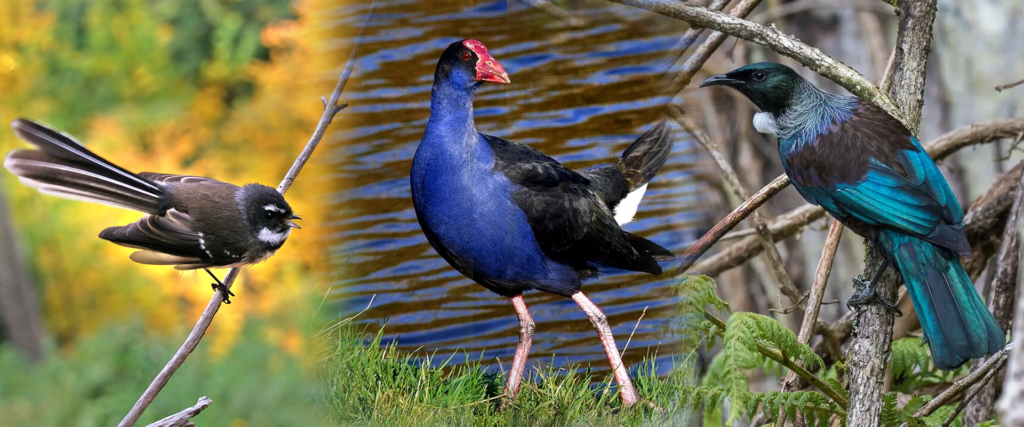
Many of Aotearoa New Zealand’s distinctive species are present in towns and cities, particularly where threats have been managed and suitable habitat remains or has been restored [3-5]. Others could potentially return, or flourish more widely, if urban environments were intentionally designed and managed to support them [6].
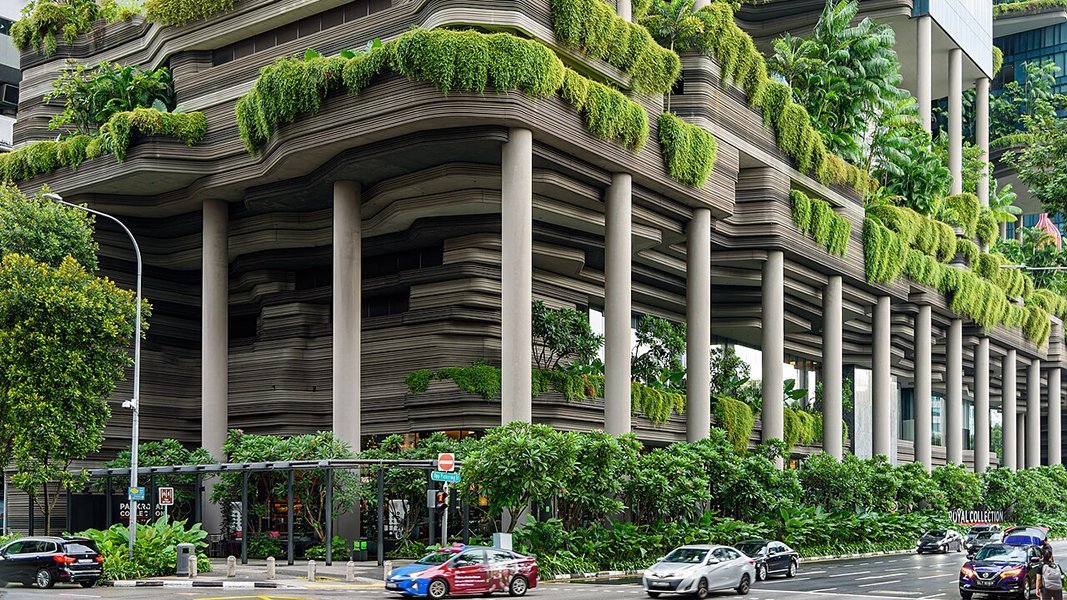
Biodiversity-positive design is not limited to accommodating individual species alone but also encompasses the integrity and health of whole ecosystems. This includes facilitating natural ecological processes such as nutrient cycling, pollination and predator-prey dynamics to sustain urban resilience. This section introduces key native species groups however that can potentially be supported through biodiversity-positive architectural and urban design. It briefly explores their ecological roles, vulnerabilities, and what they need to survive and thrive within built environments.
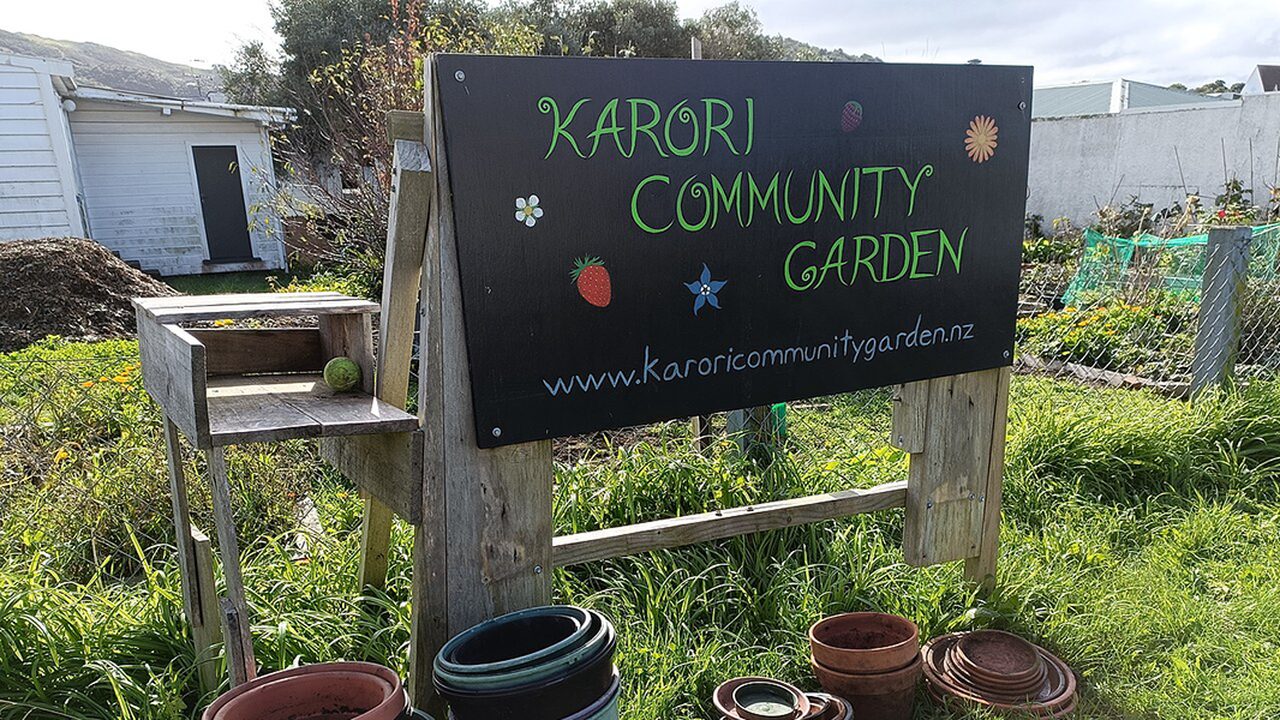
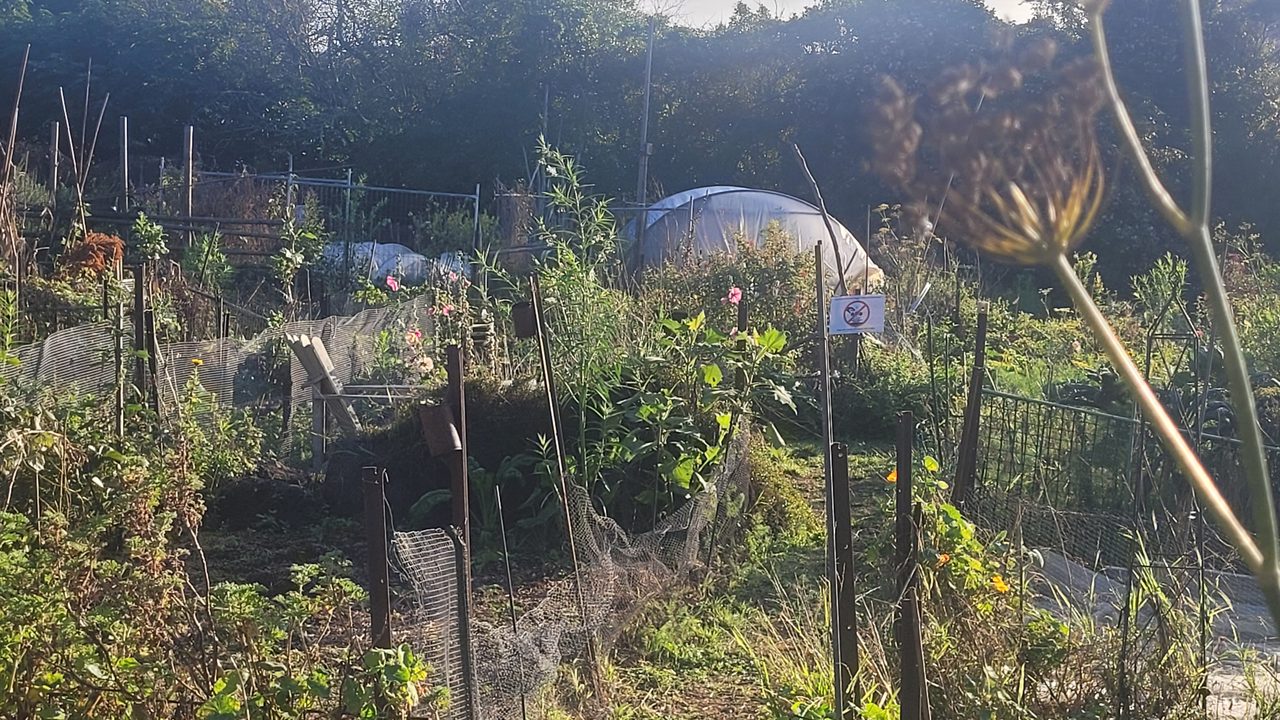
Soil & microbiome
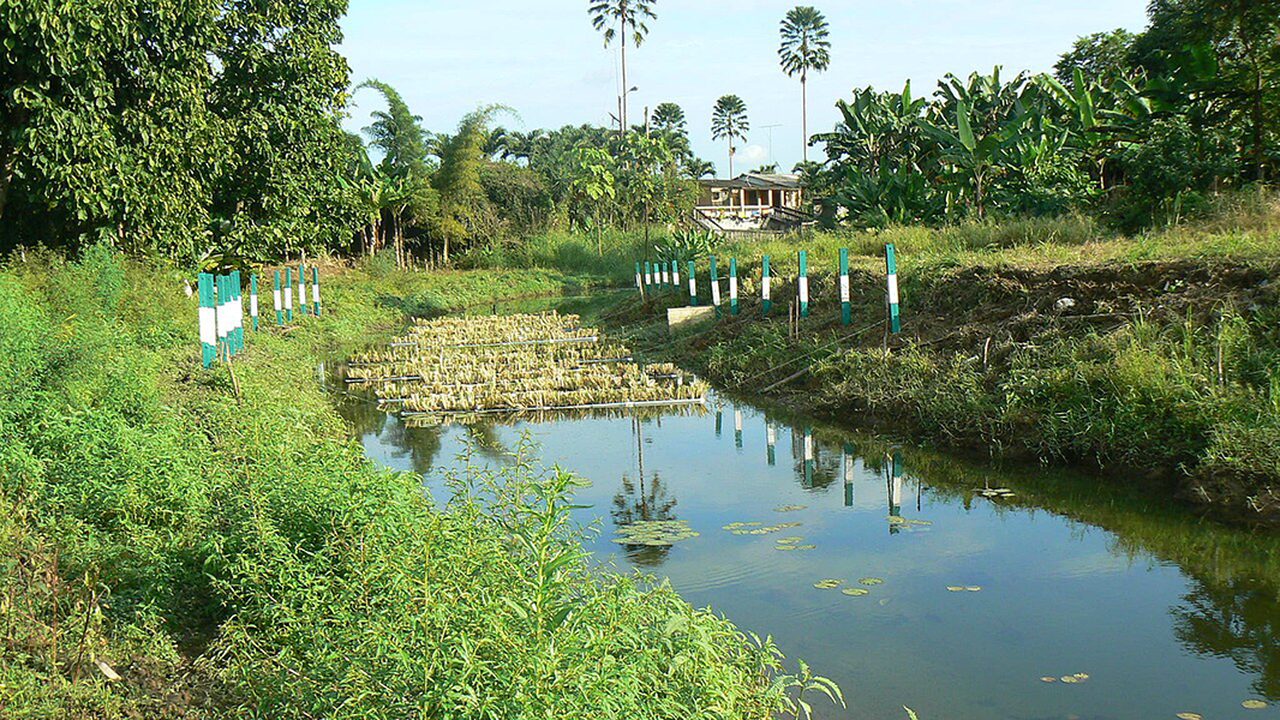
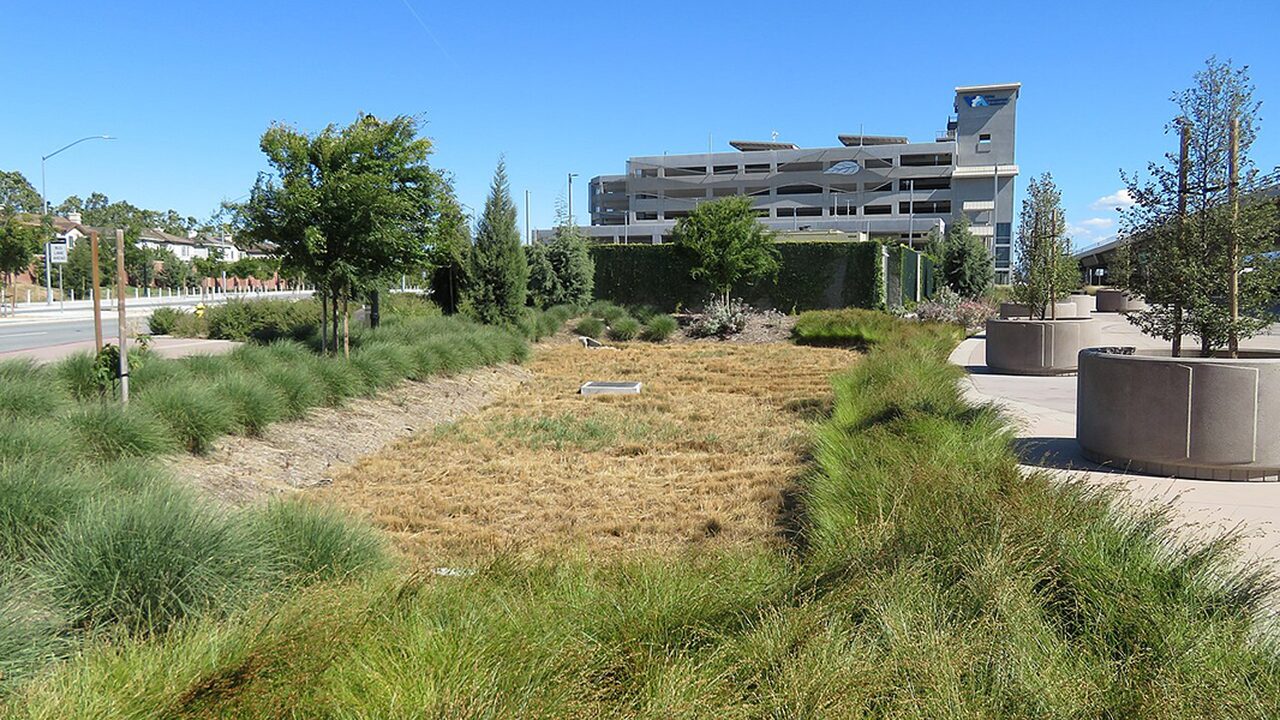
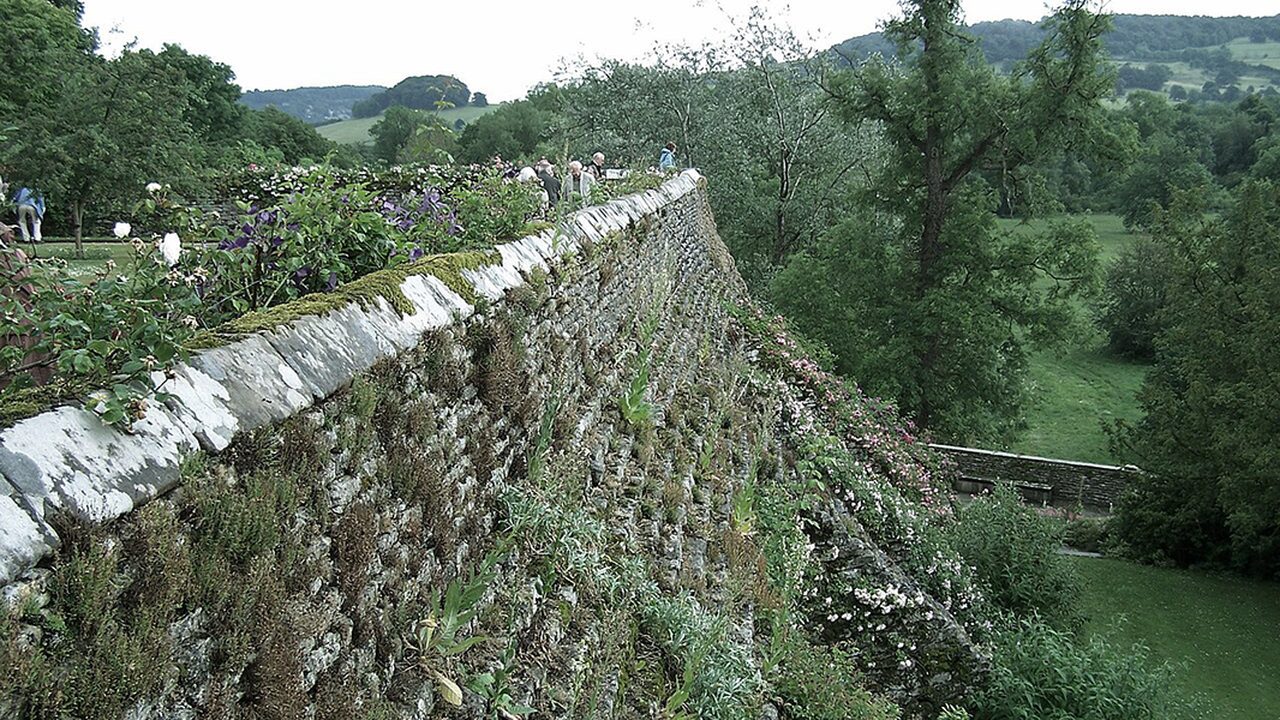
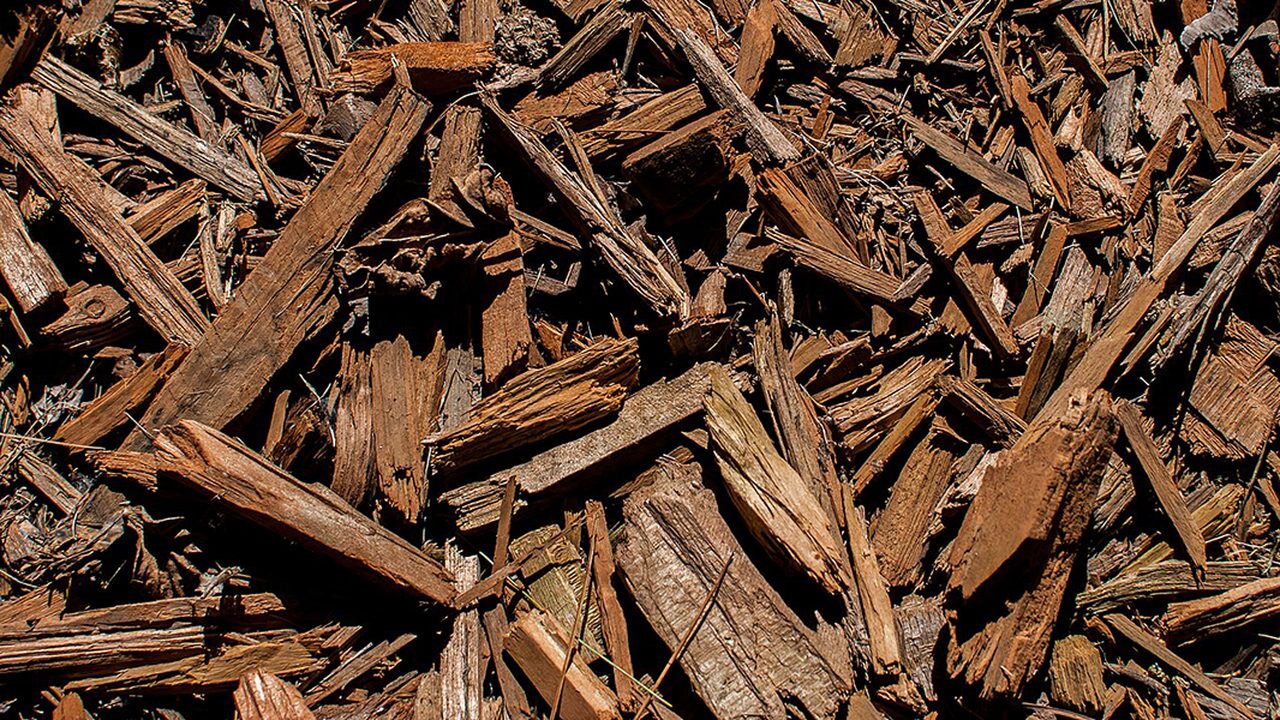
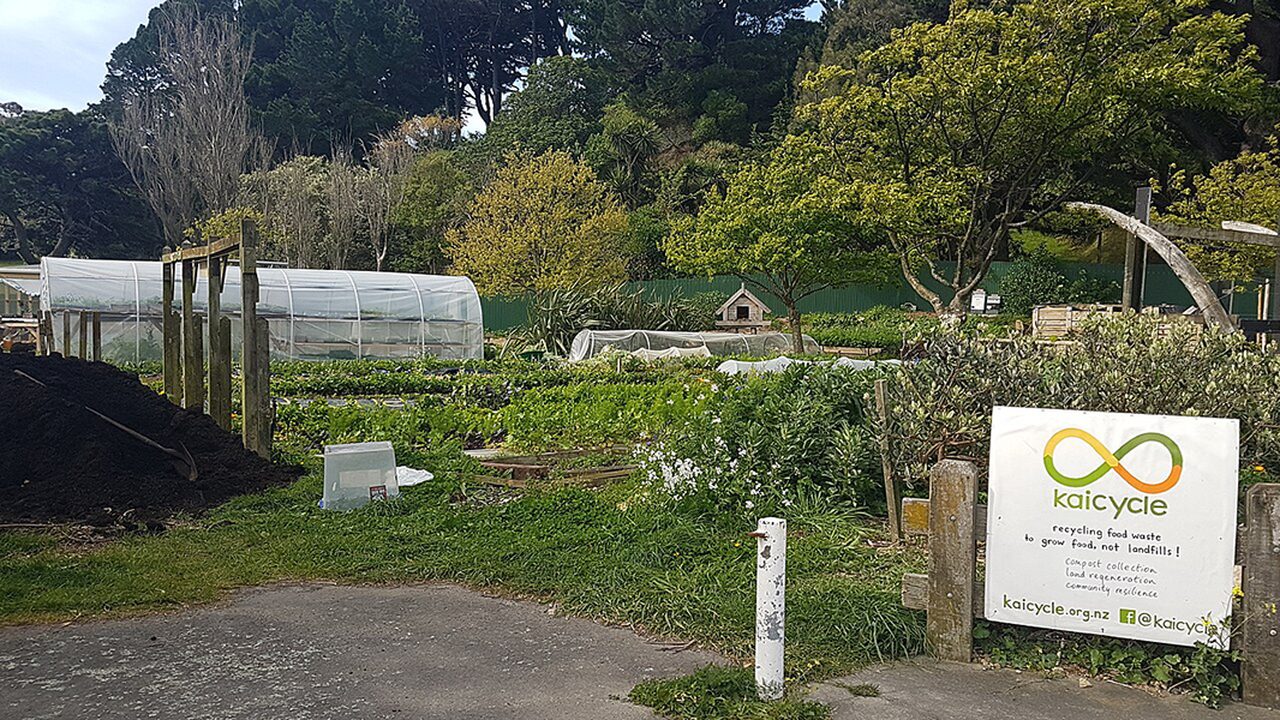
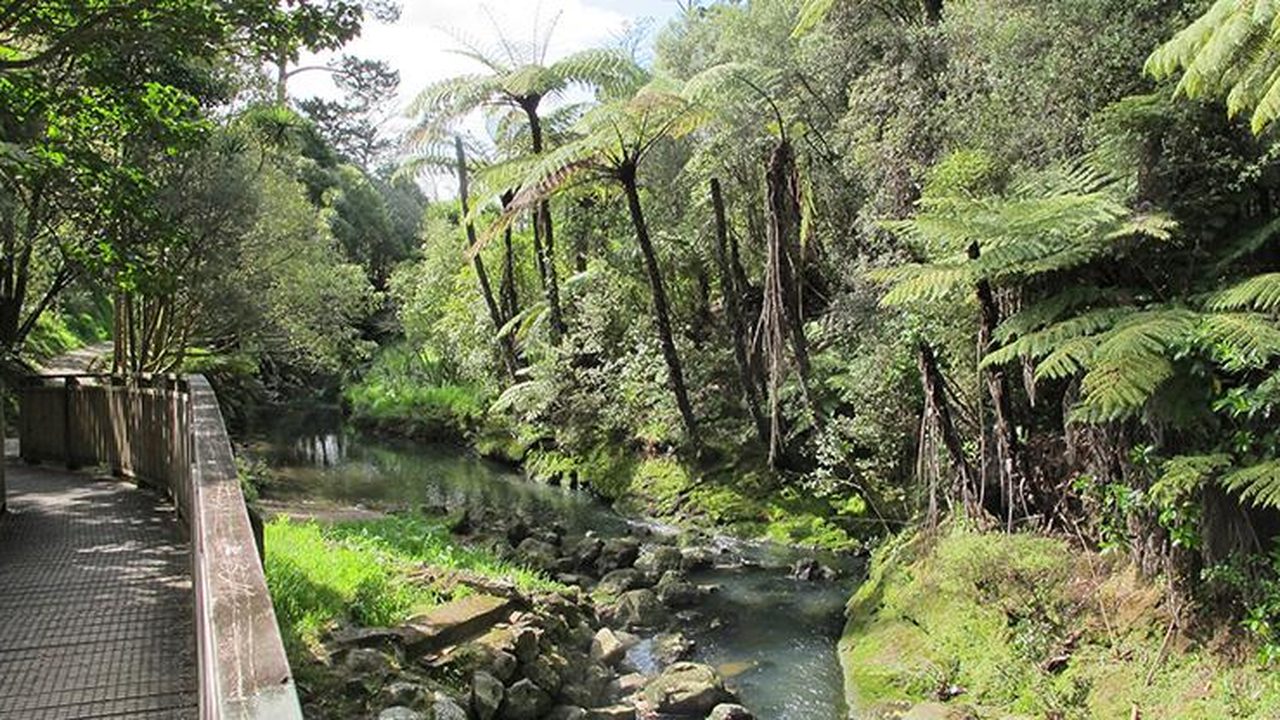
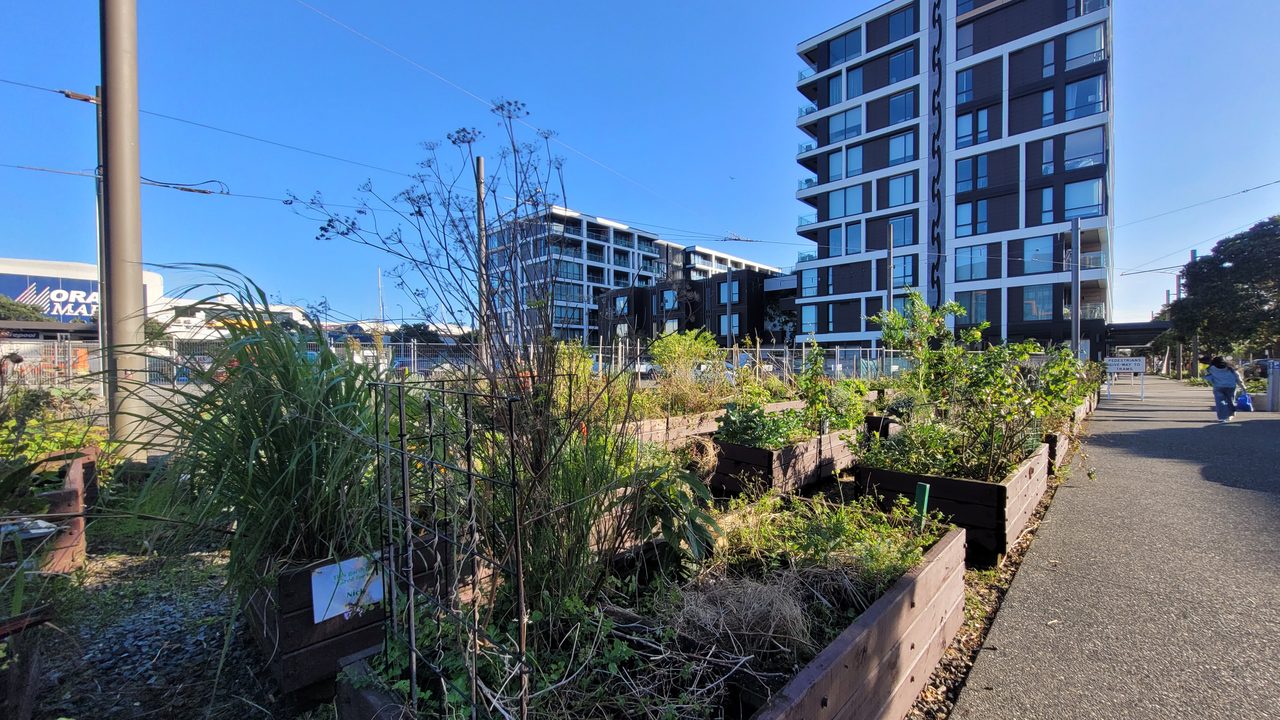
The living layer beneath our feet is the foundation of all terrestrial ecosystems. Aotearoa’s soils and ecosystems host complex communities of fungi, bacteria, microfauna, and invertebrates that support plant health, water filtration, carbon cycling, and overall ecosystem function [7, 8]. In cities, soil life is often compromised by compaction, contamination, and sealing [9]. Regenerative design that restores soil health and promotes natural microbiomes is essential for supporting life above and below ground.
The following biodiversity design strategies might be useful in the context of improving soil health.
DESIGN STRATEGIES /
Native invertebrates
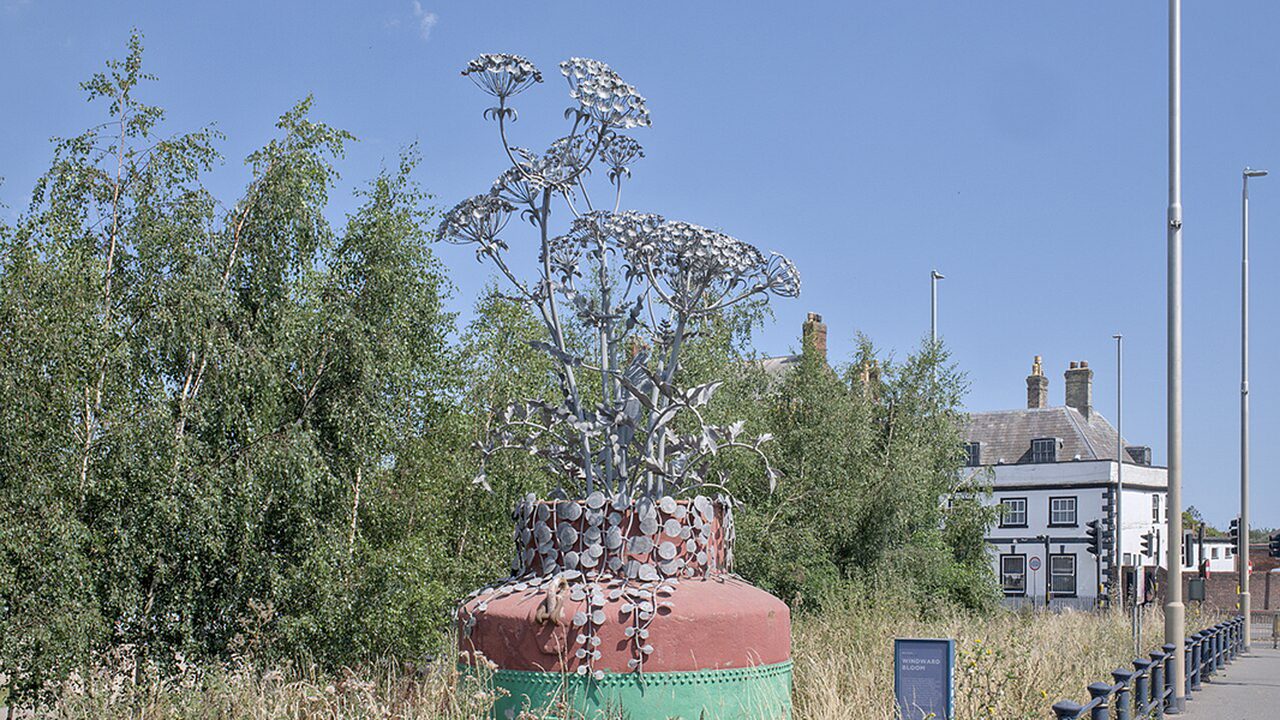
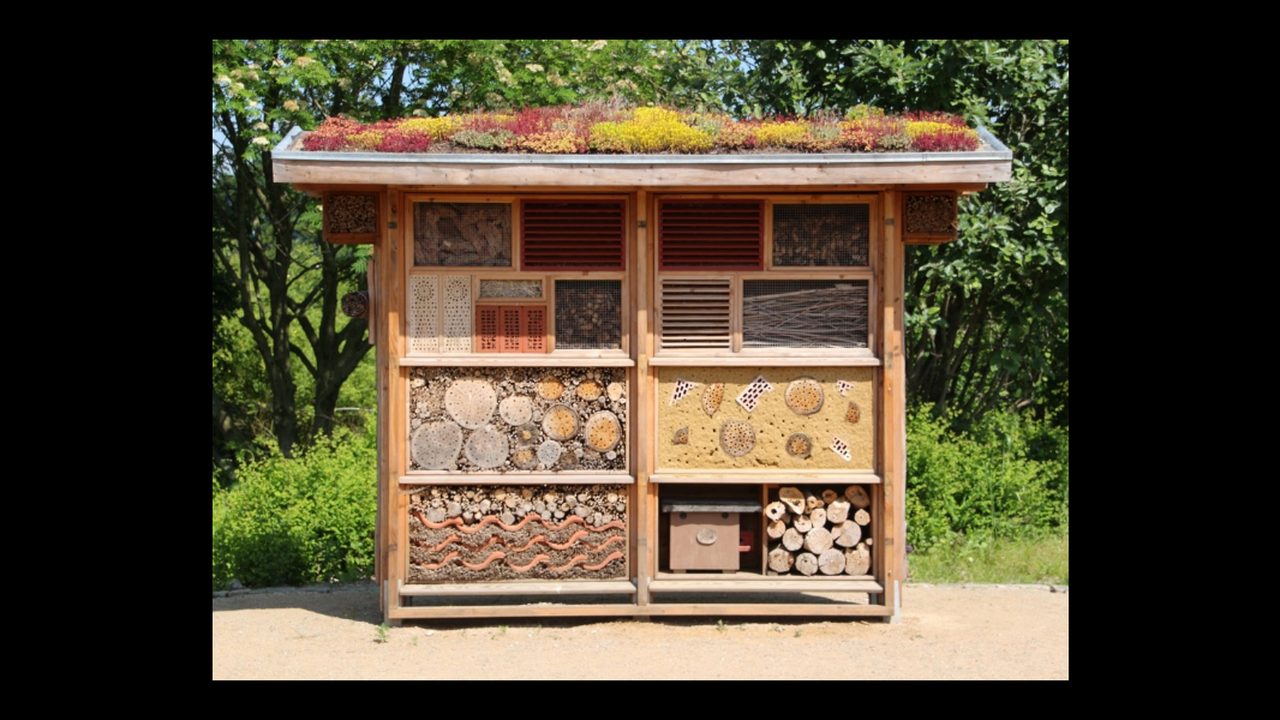
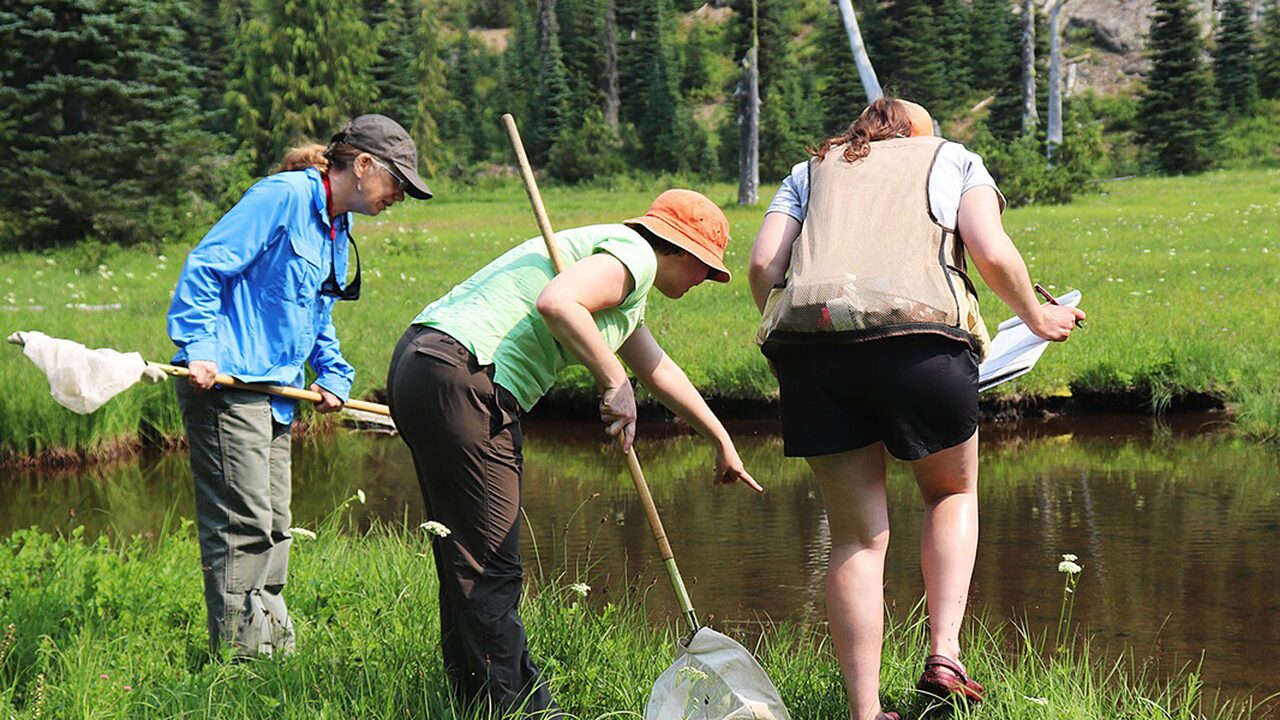
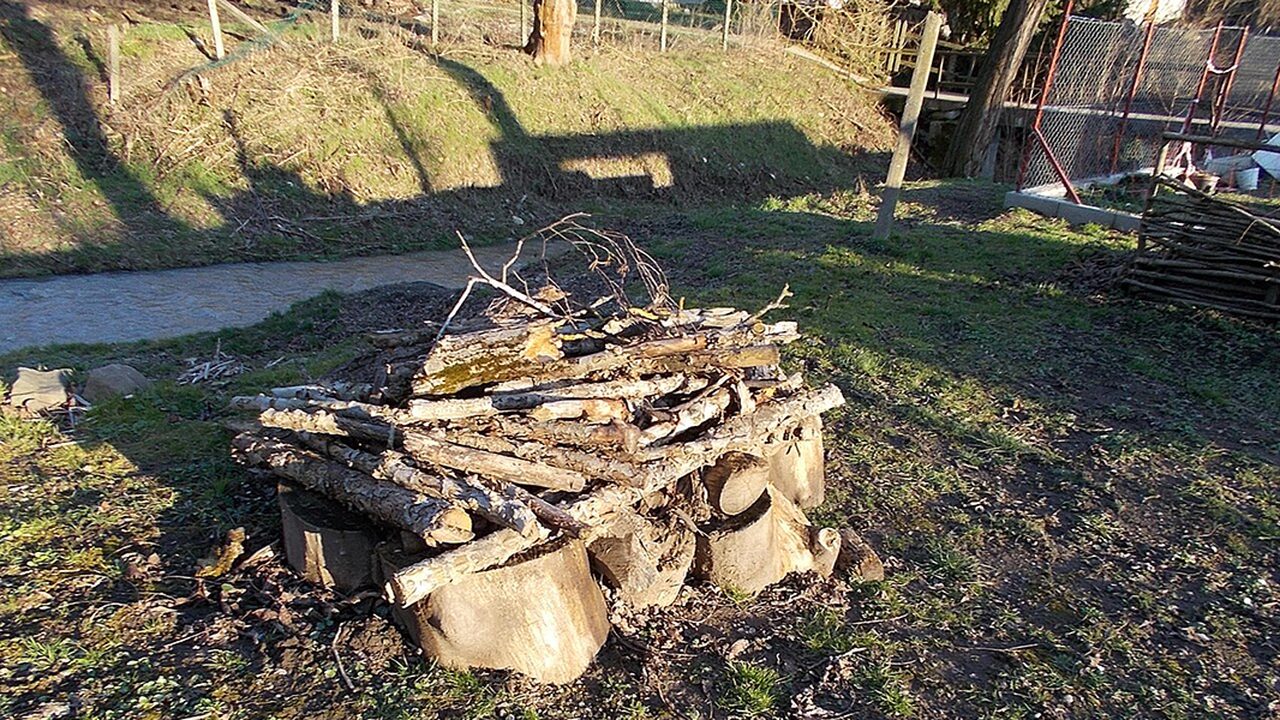
Aotearoa New Zealand has over 20 thousand species of invertebrate; 90% of our insect species are endemic, being found nowhere else in the world [10]. There are many different types, from the familiar, such as spiders, wētā, beetles, native bees and moths to the weird and Peripatus, or velvet worm [11-13]. Other categories of invertebrate include annelids (e.g. worms), crustaceans (e.g. crayfish), and molluscs (e.g. snails). Many of these species are endemic and poorly studied [14]. These creatures play essential roles in pollination, decomposition, and ecological food webs. Supporting them in urban areas means embracing complexity: layered planting, natural mulch, deadwood, rock piles, and low-intervention green spaces.
The following biodiversity design strategies might be useful in the context of supporting native invertebrates.
DESIGN STRATEGIES /

Native plants
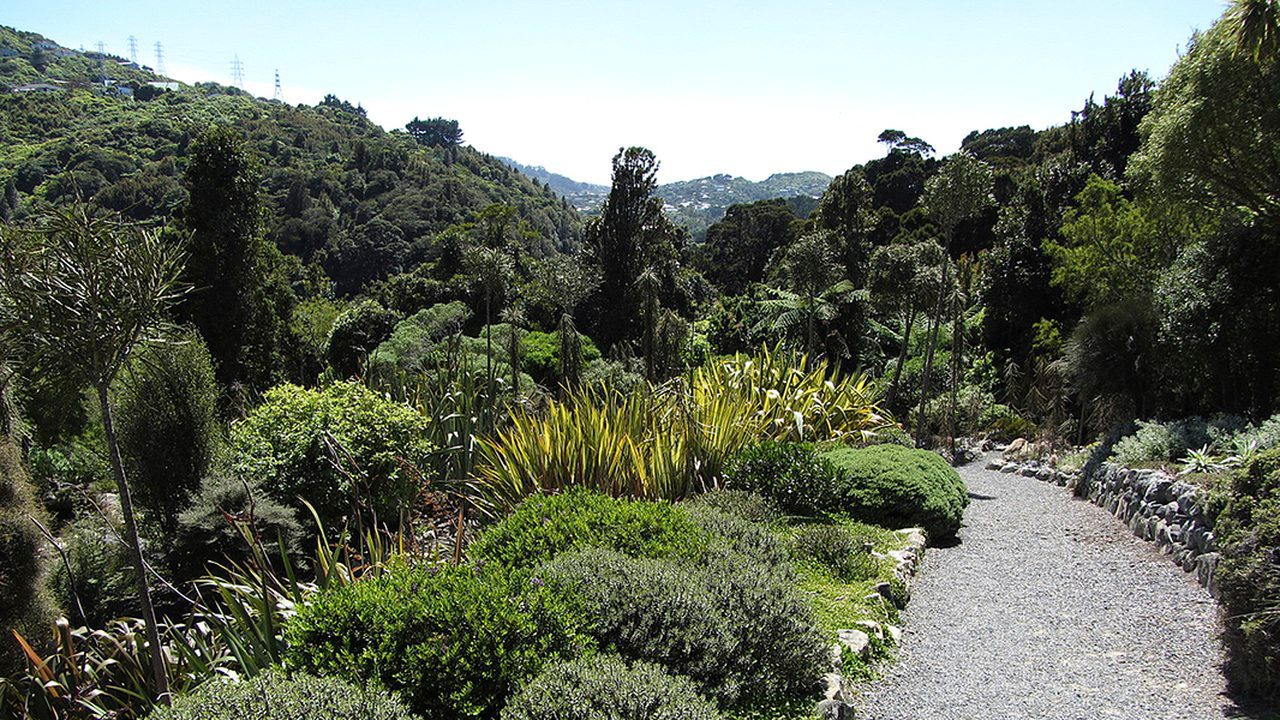
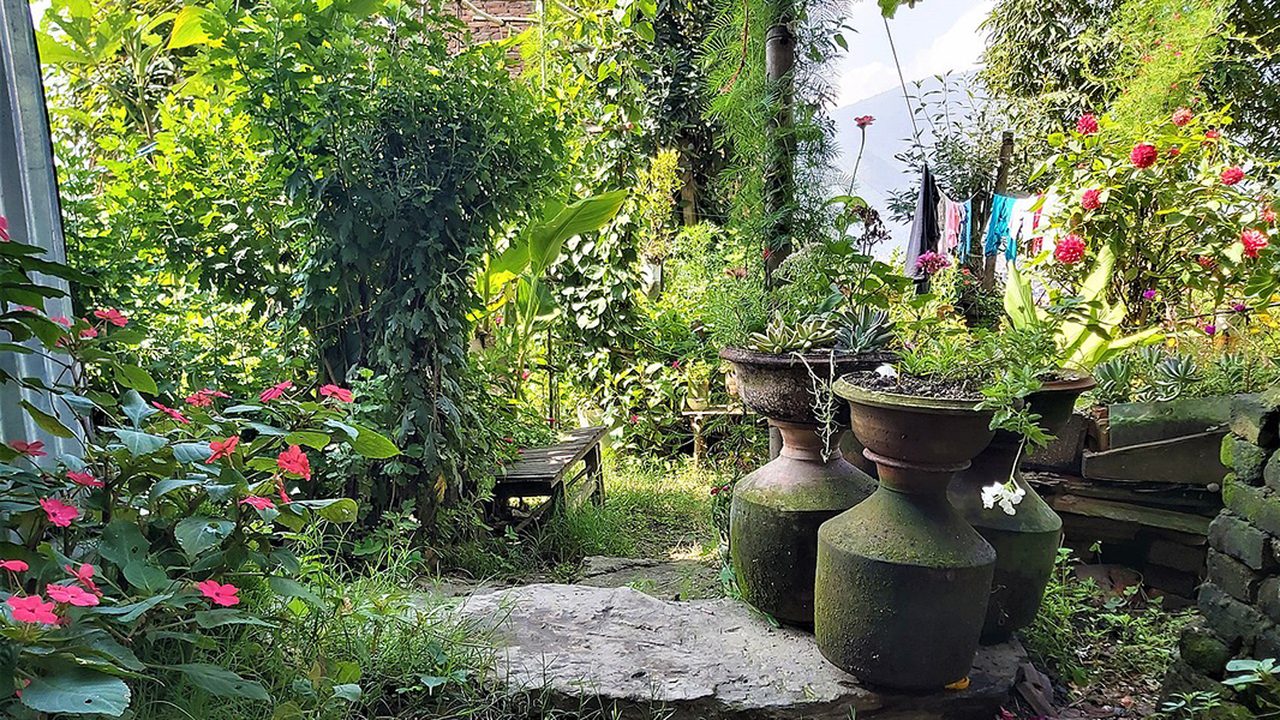
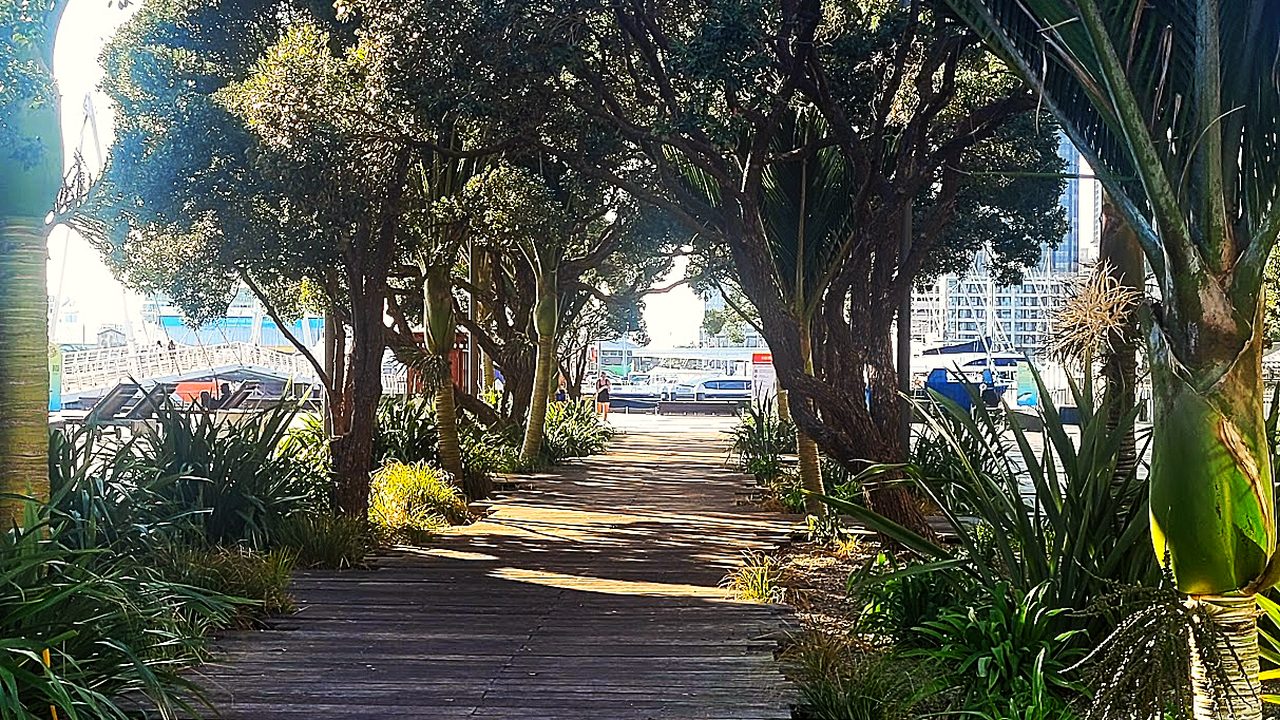
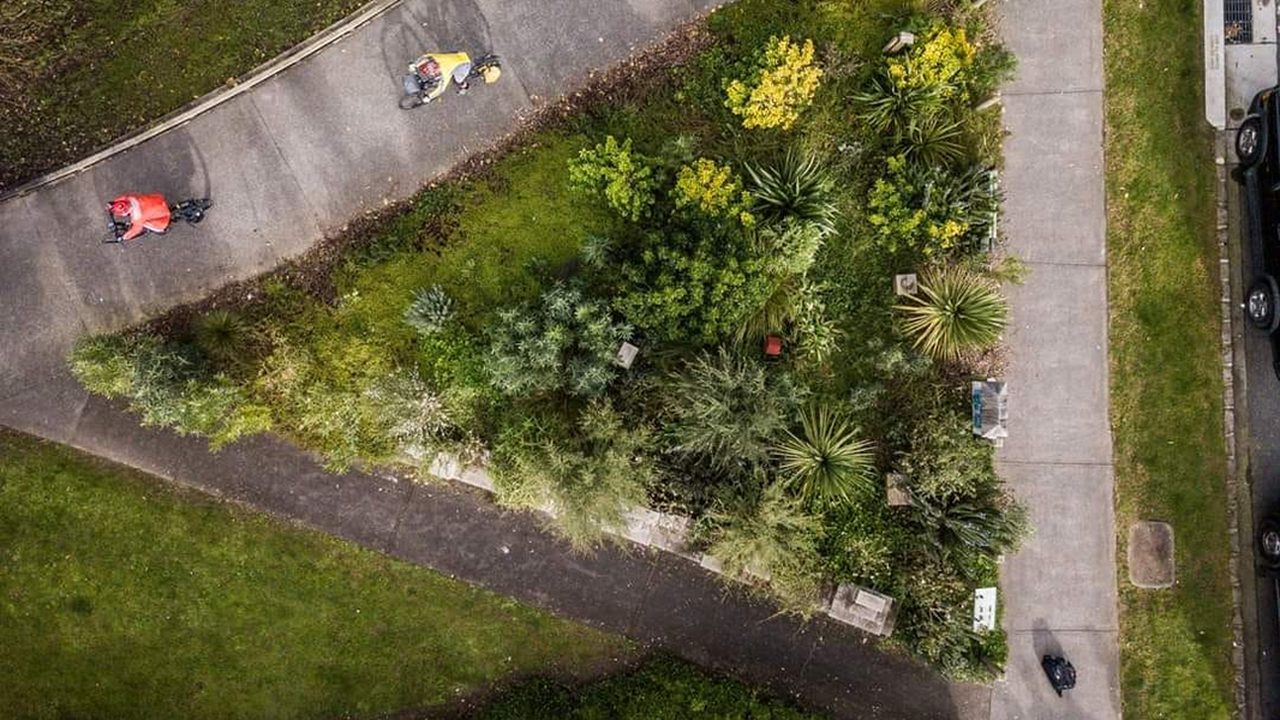
Many native plants are threatened and worthy of protection in their own right, but native flora also provides the structure and resources for many species in Aotearoa [15, 16]. Eco-sourced native planting (i.e. plants grown from seed or cuttings found nearby) supports local biodiversity, reinforces regional identity, and maintains cultural continuity [17]. Urban areas often rely on exotic species for amenity value, but shifting to native planting may re-establish habitat, improve ecosystem function [18], and support reciprocal relationships with whenua (land). Native plants may require less intensive management than some introduced species. Many of New Zealand’s most aggressive weeds are escapees from residential gardens [19], so careful choice of plants in urban environments can also protect ecosystems well beyond the city boundary.
The following biodiversity design strategies might be useful in the context of supporting native plants.
DESIGN STRATEGIES /
Native birds
Birds such as tūī, pīwakawaka/tīrairaka, kererū, and ruru are some of the most commonly seen and heard urban wildlife, but many native bird species remain absent or are rare in cities [4]. Urban bird biodiversity can be enriched by trapping introduced predators and restoring habitat – allowing species to access healthy food and nest sites, safely reproduce, and continue their vital role as pollinators for native flora [20]. Careful management of pets like cats and dogs is also crucial for promoting native birds in cities [21]. With the right conditions, urban habitats can become vibrant refuges or stepping stones for native birds to thrive again.
The following biodiversity design strategies might be useful in the context of supporting native birds.
DESIGN STRATEGIES /
Native lizards
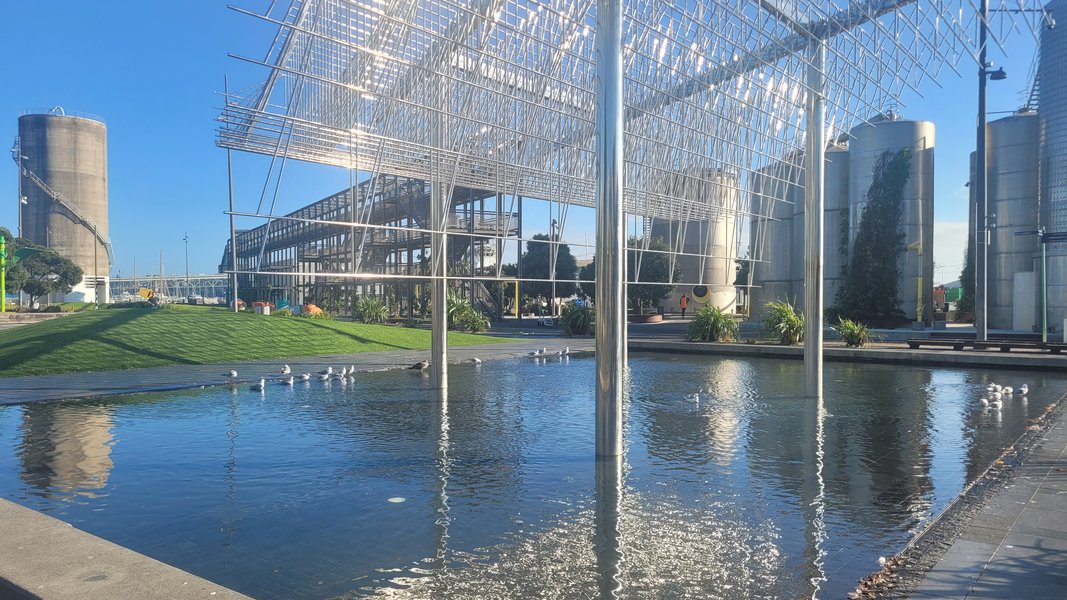
Aotearoa is home to more than 120 endemic lizard species [22, 23]. Lizards are present in nearly all of Aotearoa’s terrestrial ecosystems, from beaches to forests to tussockland to high up in the mountains, but they are increasingly rare in urban habitats due to introduced mammalian predators and habitat loss and fragmentation [24,25]. The habitat needs of lizards are species-specific and there are many ways to support them through planting and providing cover. Dense ground-covering vegetation or piles of rocks and wood may provide cover from predators and abundant supplies of insect prey for ground-dwelling species. All species are likely to benefit from predator control and containing domestic cats indoors [21, 25, 26]. Urban design that creates safe, connected microhabitats and includes predator control offers opportunities for their recovery.
The following biodiversity design strategies might be useful in the context of supporting native lizards.
DESIGN STRATEGIES /
Native fish & freshwater species
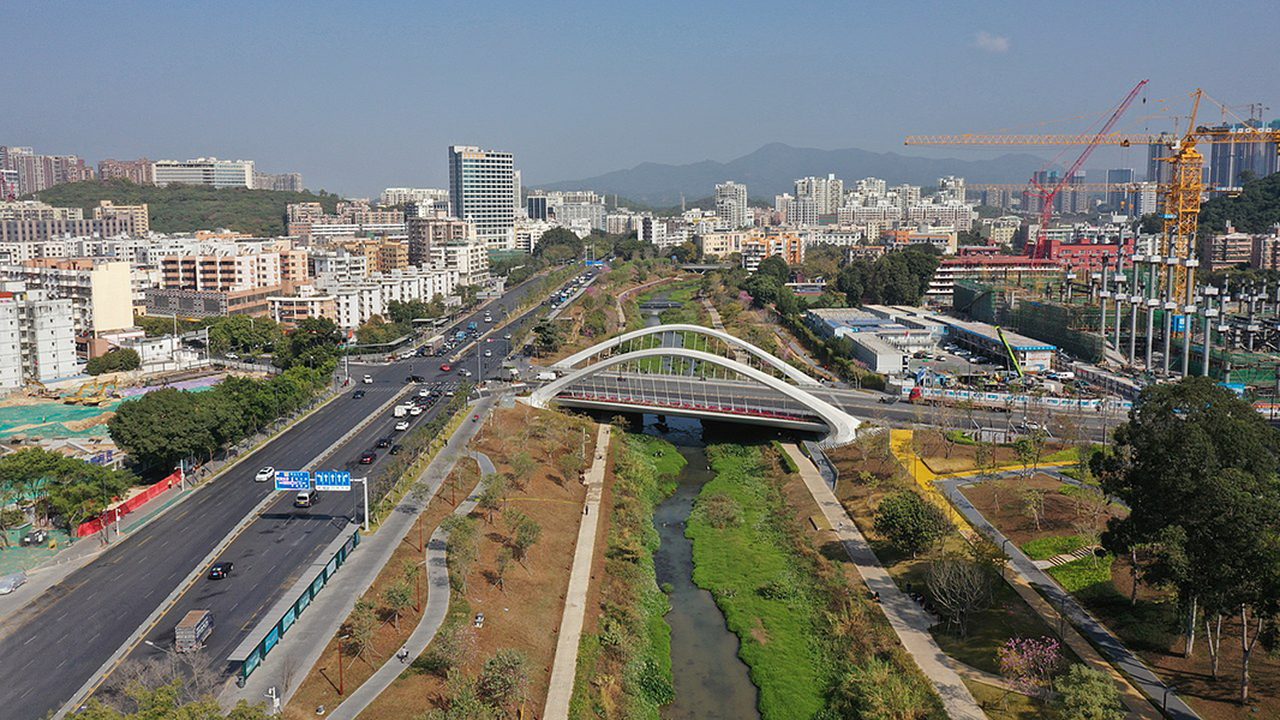
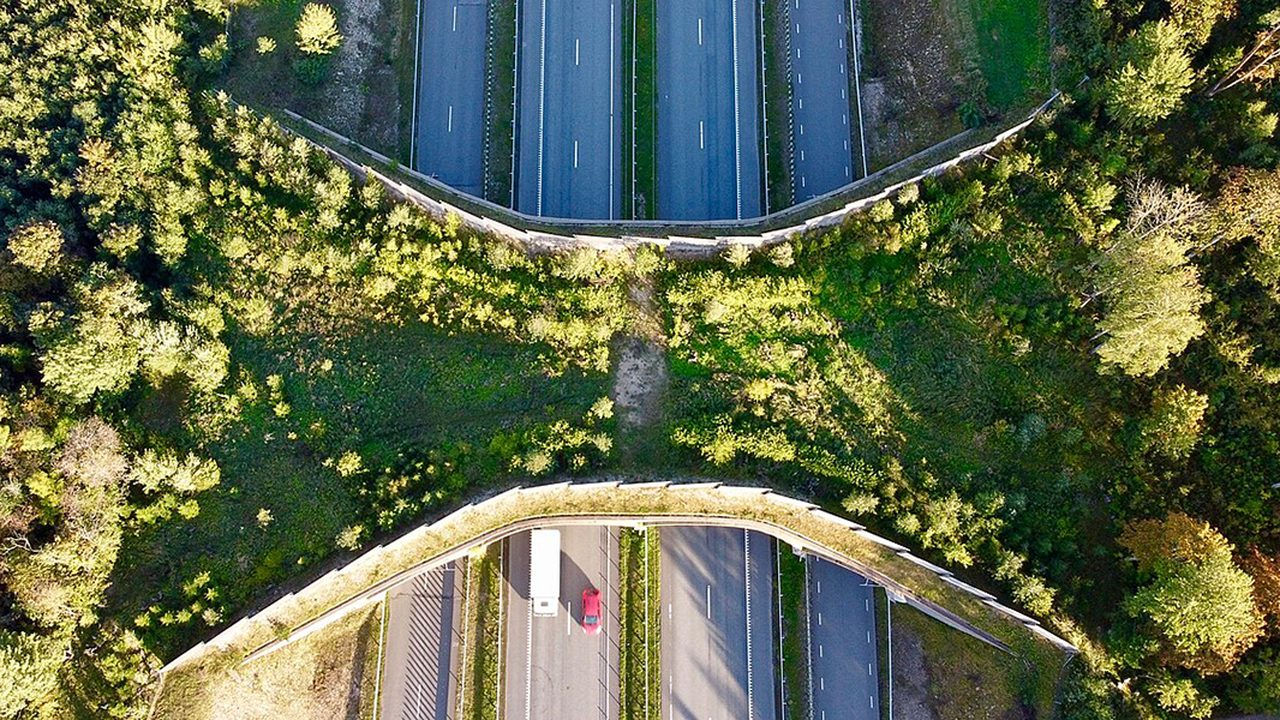
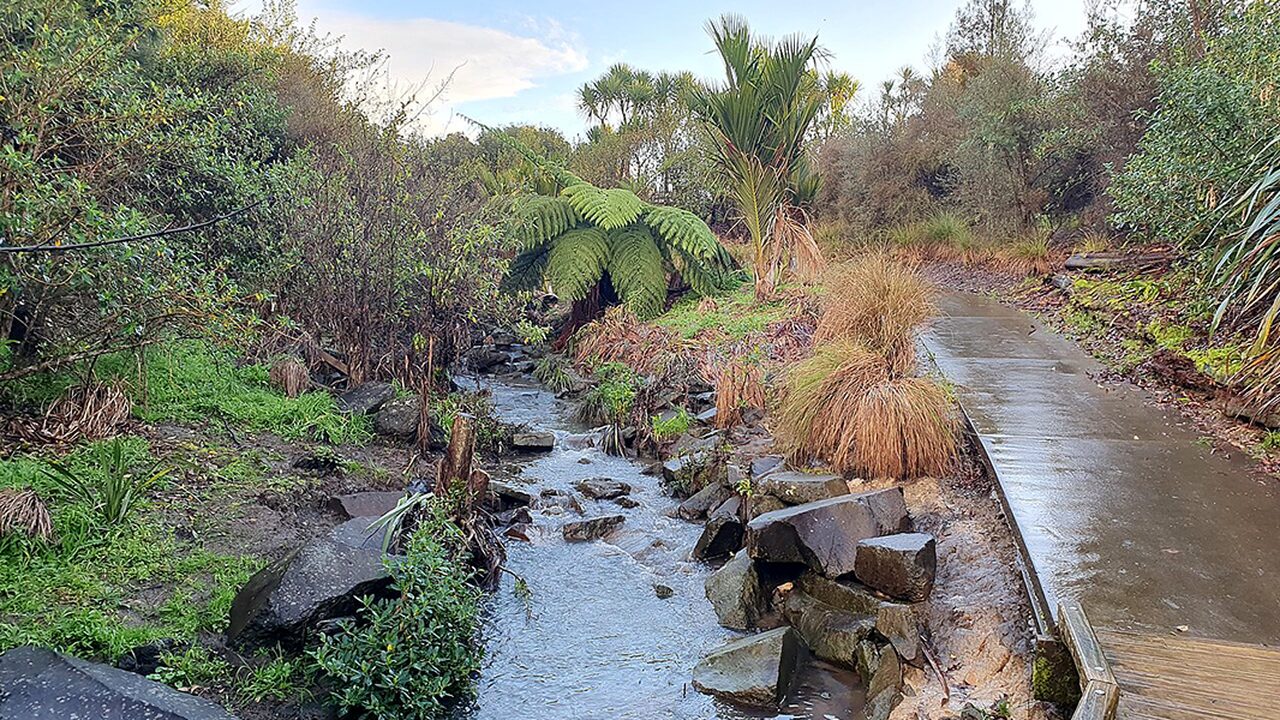
Many native freshwater species—including īnanga, kōaro, tuna (eels), and kākahi (freshwater mussels) rely on clean, flowing water and connected stream networks. Urban development has degraded these systems through pollution, culverts, and straightened channels [27]. Restoring natural hydrology where possible, improving water quality, and ensuring fish passage are vital steps to supporting these important aquatic species [28].
The following biodiversity design strategies might be useful in the context of supporting native fish and freshwater species.
DESIGN STRATEGIES /
Native bats (Pekapeka)
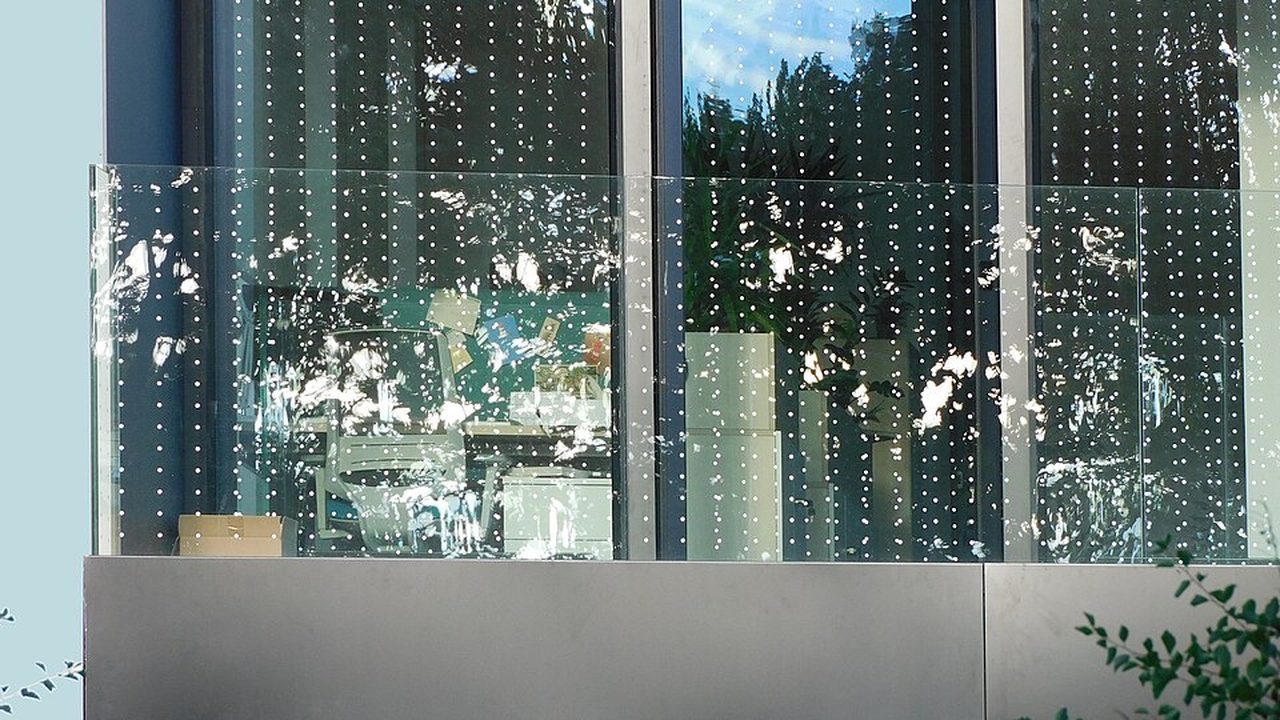
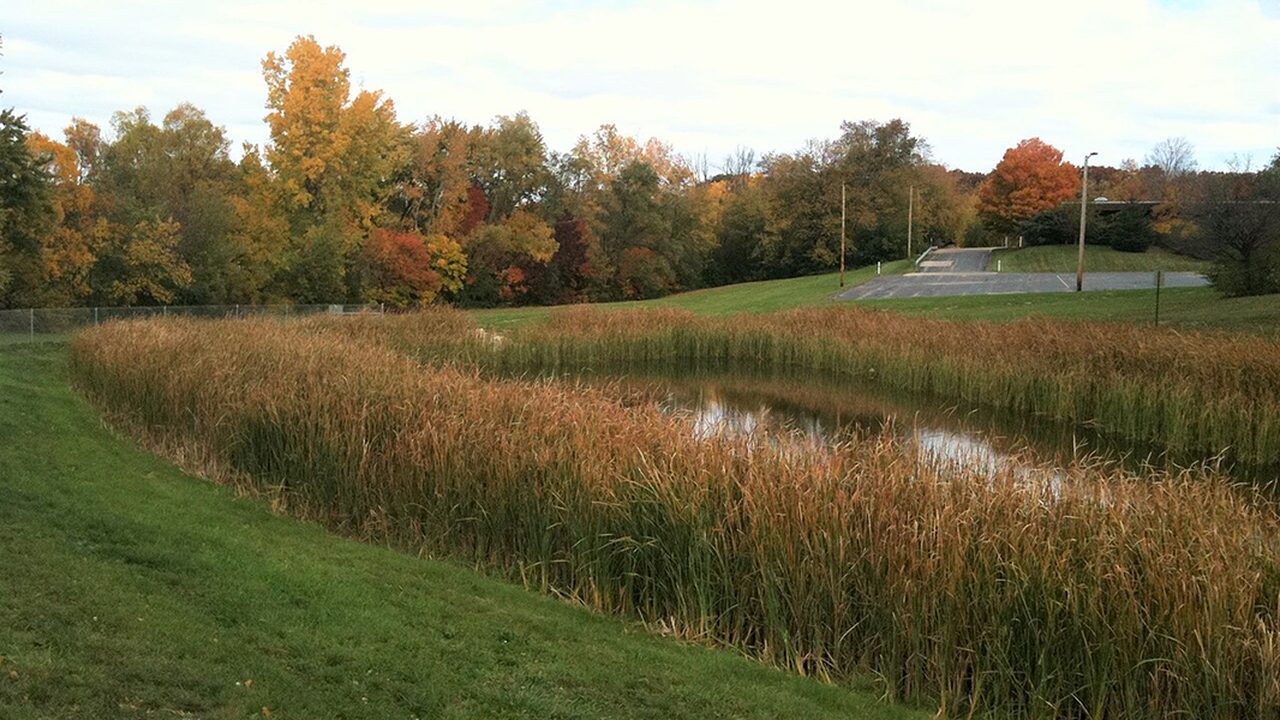
Aotearoa’s only native land mammals, the long-tailed bat and lesser short-tailed bat, are insectivorous and nocturnal, roosting in hollow trees or sometimes buildings. Habitat clearance, light pollution, and predators threaten their survival [29]. In some cities, bats persist in remnant forests or reserves [30]. Careful urban design can help by protecting roost trees, reducing artificial lighting, and maintaining dark sky corridors [31, 32].
The following biodiversity design strategies might be useful in the context of supporting native bats.
DESIGN STRATEGIES /
References
- Daugherty C.H, Gibbs G.W& Hitchmough R.A. 1993 Mega-island or micro-continent? New Zealand and its fauna. Trends Ecol. Evol. 8, 437–442.doi:10.1016/0169-5347(93)90006-B.
- Lee, W. G. & Lee, D. E. (2015). New Zealand–a land apart. Austral Ark. Cambridge University Press, Cambridge, 24-44.
- Stewart, G. H., Meurk, C. D., Ignatieva, M. E., Buckley, H. L., Magueur, A., Case, B. S., … & Parker, M. (2009). URban Biotopes of Aotearoa New Zealand (URBANZ) II: Floristics, biodiversity and conservation values of urban residential and public woodlands, Christchurch. Urban Forestry & Urban Greening, 8(3), 149-162.
- van Heezik, Y., Smyth, A., & Mathieu, R. (2008). Diversity of native and exotic birds across an urban gradient in a New Zealand city. Landscape and urban planning, 87(3), 223-232.
- Barratt, B. I., Dickinson, K. J., Freeman, C., Porter, S., Johnstone, P. D., Wing, J., & Van Heezik, Y. (2015). Biodiversity of Coleoptera and other invertebrates in urban gardens: a case study in a New Zealand city. Insect Conservation and Diversity, 8(5), 428-437.
- van Heezik, Y., & Seddon, P. J. (2018). Animal reintroductions in peopled landscapes: moving towards urban-based species restorations in New Zealand. Pacific Conservation Biology, 24(4), 349-359.
- Aislabie, J., Deslippe, J. R., & Dymond, J. (2013). Soil microbes and their contribution to soil services. Ecosystem services in New Zealand–conditions and trends. Manaaki Whenua Press, Lincoln, New Zealand, 1(12), 143-161.
- Nugent, A., & Allison, S. D. (2022). A framework for soil microbial ecology in urban ecosystems. Ecosphere, 13(3), e3968.
- Parliamentary Commission for the Environment (2024) Urban ground truths: Valuing soil and subsoil in urban development. https://pce.parliament.nz/media/yuob45gp/urban-ground-truths-valuing-soil-and-subsoil-in-urban-development.pdf.
- Macfarlane, R. P., Maddison, P. A., Andrew, I. G., Berry, J. A., Johns, P. M., Hoare, R. J. B., … & Trewick, S. A. (2010). Phylum arthropoda subphylum hexapoda: Protura, springtails, diplura, and insects. New Zealand inventory of biodiversity, 2, 233-467.
- Lim, Z., Lord, J., & Johnson, S. (2025). Understanding foraging and nesting behaviour of ground nesting bees in Dunedin, New Zealand. New Zealand journal of ecology, 49(1).
- Lord, A., Buckley, T. R., Gleeson, D. M., & Giribet, G. (2024). Cryptic species diversity and contrasting climate profiles in Aotearoa New Zealand, egg‐laying and live‐bearing velvet worms (Onychophora, Peripatopsidae: Ooperipatellus and Peripatoides). Invertebrate Biology, 143(3), e12436.
- Trewick, S. A., Taylor-Smith, B. L., & Morgan-Richards, M. (2024). Wētā Aotearoa—Polyphyly of the New Zealand Anostostomatidae (Insecta: Orthoptera). Insects, 15(10), 787.
- Barnsley, J. (2021). What is known about terrestrial insect population trends in Aotearoa New Zealand. Report. Wellington: Office of the Prime Minister’s Chief Science Advisor.
- Elliot Noe, E., Innes, J., Barnes, A. D., Joshi, C., & Clarkson, B. D. (2022). Habitat provision is a major driver of native bird communities in restored urban forests. Journal of Animal Ecology, 91(7), 1444-1457.
- Sharmin, M., Tjoelker, M. G., Esperon-Rodriguez, M., Katlav, A., Gilpin, A. M., Rymer, P. D., & Power, S. A. (2024). Urban greening with shrubs can supercharge invertebrate abundance and diversity. Scientific Reports, 14(1), 8735.
- Davis, C. M., & Meurk, C. D. (2001). Protecting and restoring our natural heritage: a practical guide. Department of Conservation.
- Tartaglia, E. S., & Aronson, M. F. J. (2024). Plant native: Comparing biodiversity benefits, ecosystem services provisioning, and plant performance of native and non-native plants in urban horticulture. Urban Ecosystems, 27(6), 2587–2611. https://doi.org/10.1007/s11252-024-01610-5
- Sullivan, J. J., Timmins, S. M., & Williams, P. A. (2005). Movement of exotic plants into coastal native forests from gardens in northern New Zealand. New Zealand Journal of Ecology, 1-10.
- Anderson, S. H. (2003). The relative importance of birds and insects as pollinators of the New Zealand flora. New Zealand journal of ecology, 83-94.
- van Heezik, Y., Smyth, A., Adams, A., & Gordon, J. (2010). Do domestic cats impose an unsustainable harvest on urban bird populations?. Biological Conservation, 143(1), 121-130.
- Hitchmough R, Anderson P, Barr B, Monks J, Lettink M, Reardon J, Tocher M, Whitaker T. 2013. Conservation status of New Zealand reptiles, 2012. New Zealand Threat Classification Series 2. Wellington: Department of Conservation.
- Hitchmough, R. A., Adams, L. K., Reardon, J. T., & Monks, J. M. (2016). Current challenges and future directions in lizard conservation in New Zealand. Journal of the Royal Society of New Zealand, 46(1), 29-39.
- Woolley, C. K., Hartley, S., Hitchmough, R. A., Innes, J. G., Van Heezik, Y., Wilson, D. J., & Nelson, N. J. (2019). Reviewing the past, present and potential lizard faunas of New Zealand cities. Landscape and Urban Planning, 192, 103647.
- Woolley, C. K., Hartley, S., Innes, J. G., Shanahan, D. F., van Heezik, Y., Wilson, D. J., & Nelson, N. J. (2023). Conservation of skinks in New Zealand cities. Urban ecosystems, 26(5), 1493-1508.
- van Heezik, Y., & Ludwig, K. (2012). Proximity to source populations and untidy gardens predict occurrence of a small lizard in an urban area. Landscape and urban planning, 104(2), 253-259.
- Chakravarthy, K., Charters, F., & Cochrane, T. A. (2019). The impact of urbanisation on New Zealand freshwater quality. Policy Quarterly, 15(3).
- Campbell, J., Heijs, J., Wilson, D., Haslam, H., Dalziell, D., Miguel, T., … & Davis, M. D. (2010, May). Urban stream restoration and community engagement: Examples from New Zealand. In 2010 Storm Water Conference.
- O’Donnell, C. F., Borkin, K., Christie, J. E., Davidson-Watts, I., Dennis, G., Pryde, M. A., & Michel, P. (2023). Conservation status of bats in Aotearoa New Zealand, 2022. Department of Conservation, Te Papa Atawhai.
- Dekrout, A. S., Clarkson, B. D., & Parsons, S. (2014). Temporal and spatial distribution and habitat associations of an urban population of New Zealand long-tailed bats (Chalinolobus tuberculatus). New Zealand journal of zoology, 41(4), 285-295.
- Robinson, H., Ling, N., & Tempero, G. W. (2024). Occupation of artificial roosts by long-tailed bats (Chalinolobus tuberculatus) in Hamilton City, New Zealand. New Zealand Journal of Zoology, 51(2), 186-199.
- Schamhart, T., Browne, C., Borkin, K. M., Ling, N., Pattemore, D. E., & Tempero, G. W. (2024). Detection rates of long-tailed bats (Chalinolobus tuberculatus) decline in the presence of artificial light. New Zealand Journal of Zoology, 51(2), 200-210.