Container gardens
Definition
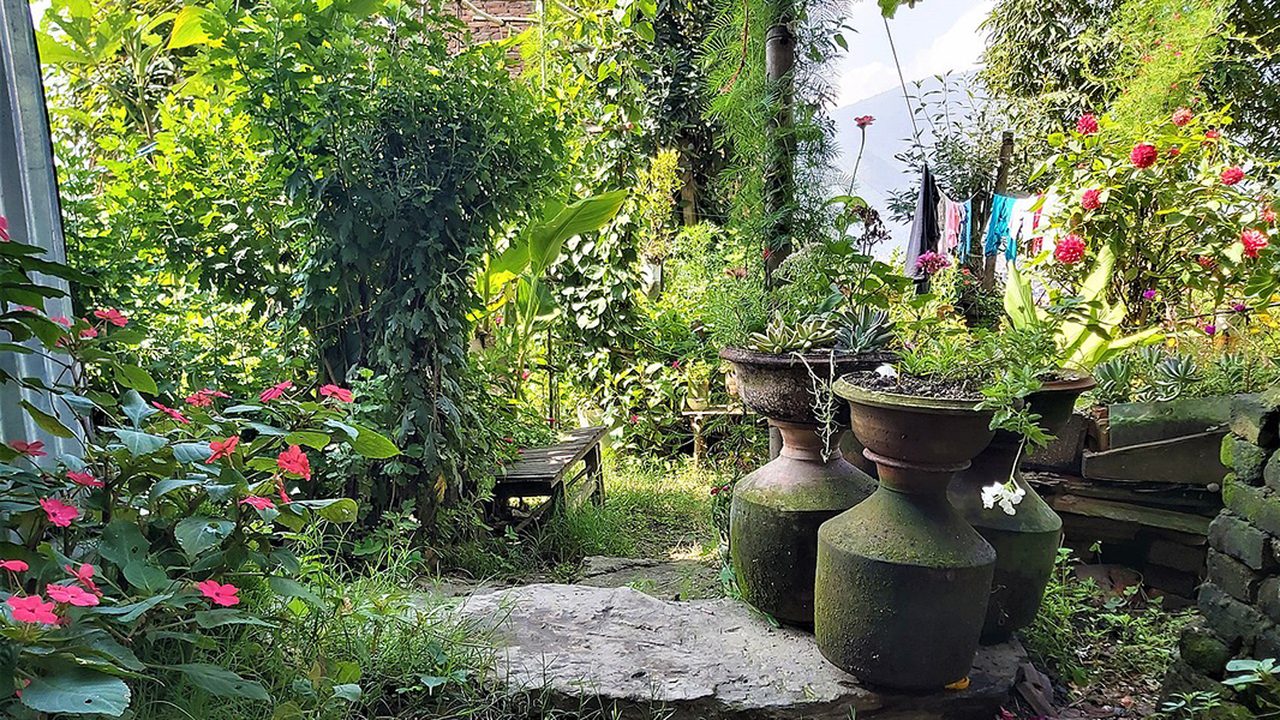
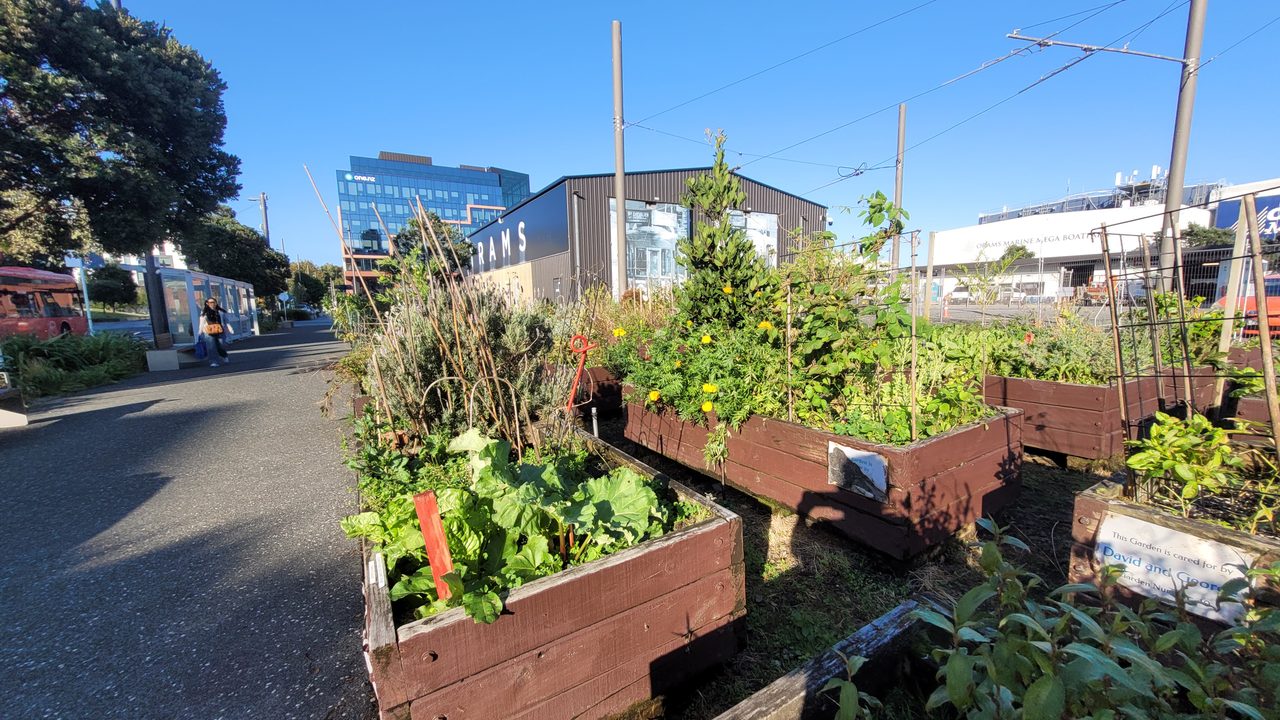
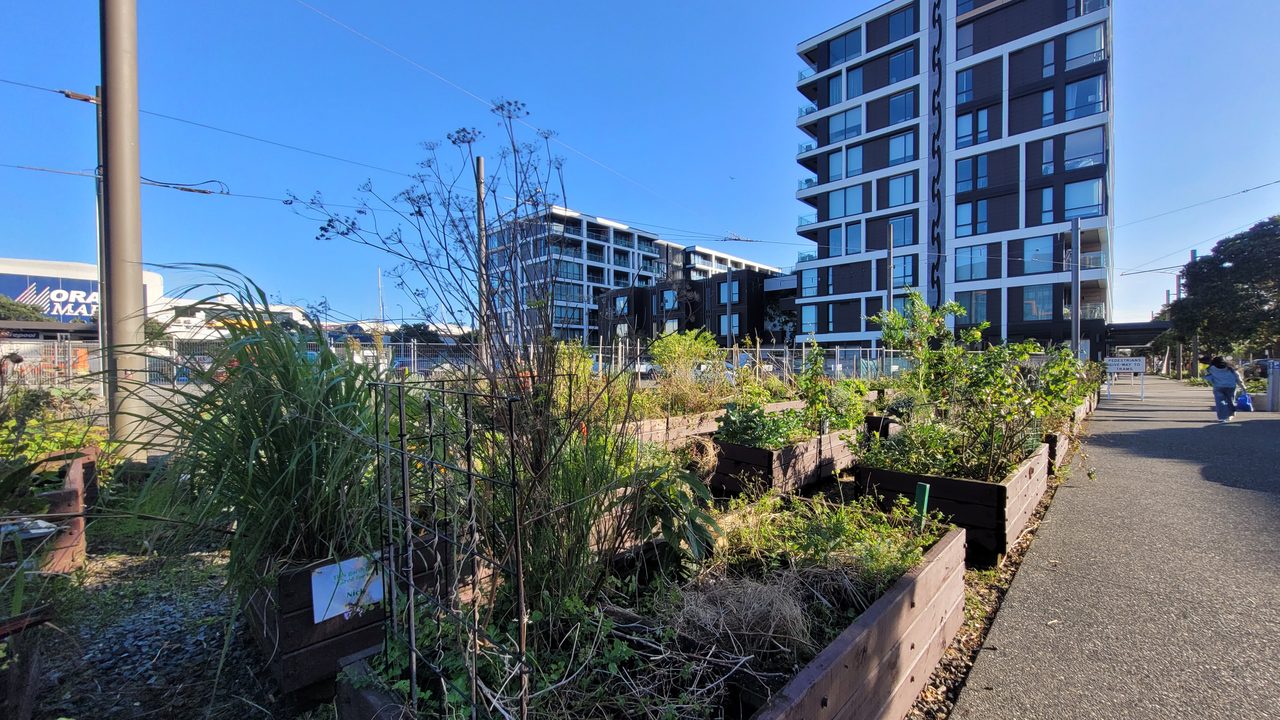
Container gardens are portable planted systems using pots or planters to support vegetation where in-ground planting is not possible.
What this strategy does
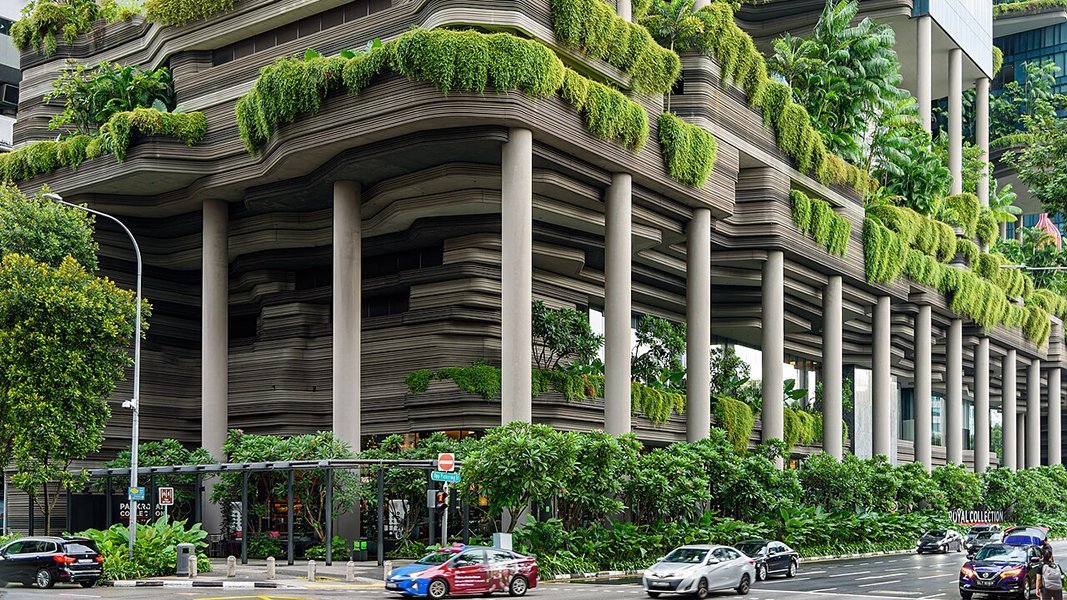
Introduces small-scale planting on rooftops, balconies, courtyards, and hardscaped sites to extend green infrastructure into highly urbanised areas. Container gardens do not replace in-ground habitat or larger-scale ecological restoration.
Context
In dense urban environments with limited soil access, container gardens provide one of the few feasible mechanisms for introducing vegetation and supporting basic urban biodiversity functions, particularly on private land and existing buildings.
Technical considerations
Design considerations
Plant selection
- Prioritise structurally diverse planting, including flowering species, to increase habitat value and resource continuity for urban fauna. 1
Habitat features
- Where feasible, integrate simple microhabitat elements (e.g. coarse organic matter, shallow water dishes) to increase functional diversity. 2
Container materials and layout
- Use durable, non-toxic materials and cluster containers to increase microclimatic stability and ecological function. 3
Implementation considerations
Design priority
- Locate container gardens to visually or spatially connect with other green elements such as street trees, green roofs, or adjacent gardens. 4
Key constraint
- Ecological performance is limited by soil volume, exposure, irrigation dependence, and ongoing management intensity. 5
Issues & barriers
Ecological limits
- Small soil volumes constrain plant longevity and the diversity of species that can be supported. 5
Management dependence
- Container gardens require regular watering and maintenance; high-intensity management reduces biodiversity outcomes. 6
Policy and recognition
- These systems are rarely recognised as formal green infrastructure, limiting their integration into urban biodiversity planning. 4
Synergies & opportunities
- Human wellbeing – Regular interaction with planted spaces is associated with improved mental health and social connection. 7
- Empowerment – Container gardening supports learning, agency, and participation in environmental stewardship. 8
- Food security – Edible container planting can supplement household food supply at small scales. 9
- Climate change – Vegetated containers can contribute marginally to local cooling in highly sealed urban areas. 10
Financial case
Ecosystem services & performance value
- Food production and household savings: Edible container gardens can offset small food costs and improve dietary resilience. 9
- Thermal and amenity value: Vegetation on balconies and rooftops can reduce heat gain and improve occupant comfort. 10
Cost-effectiveness: Investment logic
- Low capital cost and adaptability make container gardens a feasible intervention where other greening strategies are not possible. 1
Monitoring & evaluation metrics
Core metric
- Plant species richness per container or site. 11
Advanced or long-term metric
- Pollinator or invertebrate presence and relative abundance over time. 12
Additional resources or tools
- Tui Garden. Plant selection and gardening guidance for New Zealand conditions.
- Gardena. Online garden planning tool adaptable for container layouts.
- GrowVeg Garden Planner. Visual planning tool for container and small-scale food gardens.
References
- Nagase, A., & Lundholm, J. (2021). Container gardens: Possibilities and challenges for environmental and social benefits in cities. Journal of Living Architecture, 8(2). https://doi.org/10.46534/jliv.2021.08.02.001
- Gaston, K. J., Smith, R. M., Thompson, K., & Warren, P. H. (2005). Urban domestic gardens (II): Experimental tests of methods for increasing biodiversity. Biodiversity & Conservation, 14, 395–413. https://doi.org/10.1007/s10531-004-6066-x
- Borysiak, J., Mizgajski, A., & Speak, A. (2017). Floral biodiversity of allotment gardens and its contribution to urban green infrastructure. Urban Ecosystems, 20, 323–335. https://doi.org/10.1007/s11252-016-0595-4
- Goddard, M. A., Dougill, A. J., & Benton, T. G. (2010). Scaling up from gardens: Biodiversity conservation in urban environments. Trends in Ecology & Evolution, 25(2), 90–98. https://doi.org/10.1016/j.tree.2009.07.016
- Delahay, R. J., Sherman, D. J., Soyalan, B., & Gaston, K. J. (2023). Biodiversity in residential gardens: A review of the evidence base. Biodiversity and Conservation, 32, 4155–4179. https://doi.org/10.1007/s10531-023-02694-9
- Tresch, S., Frey, D., Bayon, R.-C. L., et al. (2019). Direct and indirect effects of urban gardening on aboveground and belowground diversity influencing soil multifunctionality. Scientific Reports, 9, 9765. https://doi.org/10.1038/s41598-019-46024-y
- Young, C., Hofmann, M., Frey, D., Moretti, M., & Bauer, N. (2020). Psychological restoration in urban gardens related to garden type, biodiversity and garden-related stress. Landscape and Urban Planning, 198, 103777. https://doi.org/10.1016/j.landurbplan.2020.103777
- van Heezik, Y., Dickinson, K. J. M., & Freeman, C. (2012). Closing the gap: Communicating to change gardening practices in support of native biodiversity in urban private gardens. Ecology and Society, 17(1). https://doi.org/10.5751/ES-04712-170134
- Galhena, D. H., Freed, R., & Maredia, K. M. (2013). Home gardens: A promising approach to enhance household food security and wellbeing. Agriculture & Food Security, 2, 8. https://doi.org/10.1186/2048-7010-2-8
- Mansoldo, M. D., de Luca, C., & Balzan, M. V. (2024). Exploring the potential for nature-based solutions to cool the streetscapes of a densely urbanised Mediterranean city. Nature-Based Solutions, 6, 100177.
- Seitz, B., Buchholz, S., Kowarik, I., et al. (2022). Land sharing between cultivated and wild plants: Urban gardens as hotspots for plant diversity in cities. Urban Ecosystems, 25, 927–939. https://doi.org/10.1007/s11252-021-01198-0
- Quistberg, R. D., Bichier, P., & Philpott, S. M. (2016). Landscape and local correlates of bee abundance and species richness in urban gardens. Environmental Entomology, 45(3), 592–601. https://doi.org/10.1093/ee/nvw025
RELATED DESIGN STRATEGIES //
Specific design interventions that support ecological health, habitat quality, and species diversity across urban and built environments.